Where To Find Rainbow Eucalyptus Trees In The Warmest Growing Zones Of Texas

Rainbow eucalyptus trees may look like they belong in a rainforest postcard, but in Texas’s warmest zones, they’re very real—and growing.
These color-splashed trees thrive where heat, humidity, and frost-free conditions align just right.
Texas gardeners and plant lovers are seeking them out for their jaw-dropping bark and tropical flair.
But finding them isn’t as simple as strolling through any park. Location, climate, and protection from cold snaps matter.
Knowing where these trees grow successfully—and why—helps set realistic expectations.
In the right Texas zones, rainbow eucalyptus can be a living work of art.
Coastal South Texas
Picture a place where the Gulf breeze carries warmth year-round and tropical plants feel right at home.
Coastal South Texas, stretching from Brownsville to Corpus Christi, offers the perfect environment for rainbow eucalyptus trees to flourish.
This region falls into USDA hardiness zones 10 and 11, which means freezing temperatures are rare and the climate stays mild even in winter.
Rainbow eucalyptus trees love humidity and heat, both of which the Gulf Coast provides in abundance.
The combination of warm air, frequent rainfall, and protection from harsh cold snaps creates ideal growing conditions.
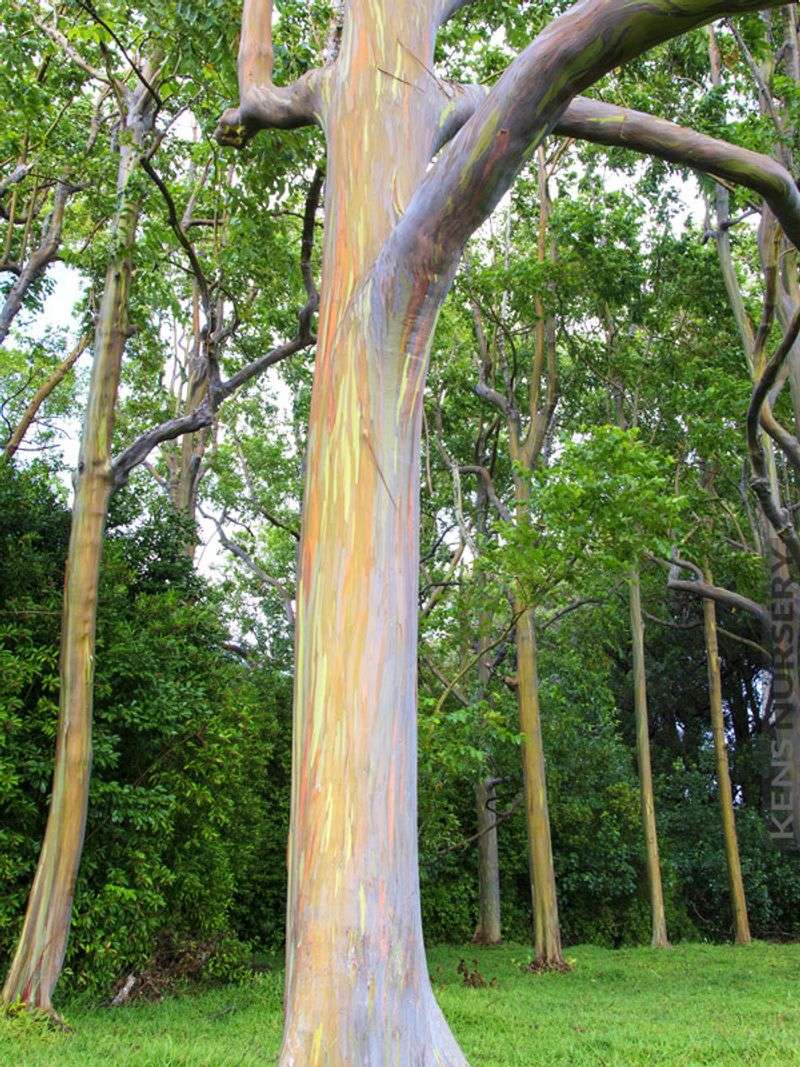
Many homeowners and landscapers in this area plant rainbow eucalyptus in yards, parks, and along streets where their vibrant, multicolored bark can brighten up the scenery.
As the bark peels away naturally, it reveals layers of bright green that mature into shades of blue, purple, orange, and maroon.
Visitors to this region often stop in their tracks when they spot these trees for the first time.
If you’re planning a trip to South Texas, keep your eyes open for these incredible specimens.
The coastal climate not only supports their growth but also helps them display their most brilliant colors throughout the year.
Bexar County And San Antonio Gardens

San Antonio sits just outside the natural comfort zone for rainbow eucalyptus, but dedicated gardeners have found ways to make it work.
Bexar County’s climate is slightly cooler than the Gulf Coast, yet microclimates within the city create pockets of warmth that these trees can tolerate.
Botanical collections and private gardens in the area use strategic planting locations, such as south-facing walls or sheltered courtyards, to protect the trees from occasional cold spells.
Irrigation systems help maintain the moisture levels that rainbow eucalyptus trees crave, especially during hot, dry Texas summers.
Some gardeners also use mulch and windbreaks to create more stable growing conditions.
The effort pays off when these trees display their signature rainbow bark, turning ordinary gardens into extraordinary outdoor galleries.
Local garden clubs and horticultural societies sometimes organize tours where members can see these rare specimens up close.
Growing rainbow eucalyptus in San Antonio requires extra care, but the results are absolutely worth it.
If you visit the city, ask around at local garden centers or botanical societies to find out where you can see these trees.
Many passionate gardeners are happy to share their success stories and show off their prized rainbow eucalyptus to fellow plant enthusiasts.
Your Texas Garden Changes Every Week. Your Plan Should Too.
Gardening in Texas changes quickly throughout the season. Every Friday you’ll receive a simple weekly plan showing exactly what to plant, prune, fertilize, harvest, and protect so you never miss the right timing.
Botanical Gardens And Arboretums In Warm Texas Cities
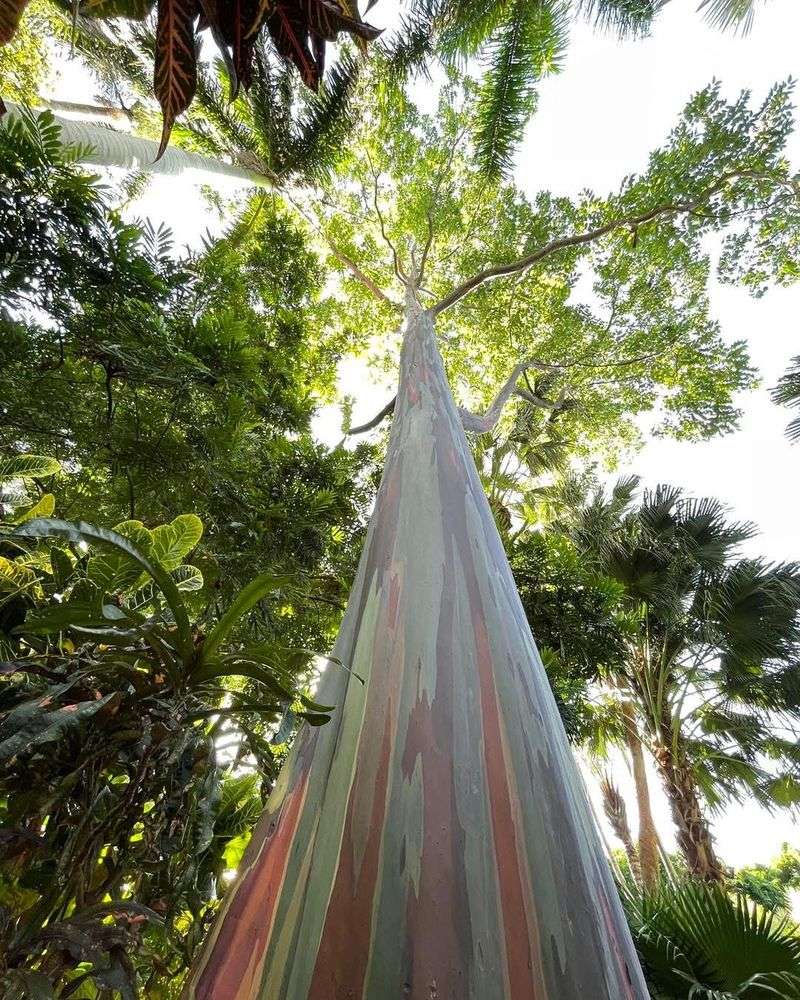
Botanical gardens and arboretums across the southern half of Texas serve as living museums where visitors can discover plants from around the world.
Rainbow eucalyptus trees often take center stage in these collections because of their eye-catching appearance and educational value.
Curators carefully select planting sites that offer protection from wind and cold while providing plenty of sunlight and water.
These institutions also use their expertise to create optimal soil conditions and monitor the trees’ health throughout the year.
Visitors can stroll through manicured pathways and marvel at the vibrant bark that looks almost painted by hand.
Many gardens include informational plaques that explain where rainbow eucalyptus trees come from and how they develop their stunning colors.
School groups and families love visiting these spots because the trees spark curiosity and wonder in people of all ages.
Some botanical gardens even host special events or photography days centered around their most spectacular specimens.
If you’re a plant lover or simply looking for a beautiful place to spend an afternoon, these gardens offer the perfect opportunity.
Check the websites of botanical gardens in cities like Houston, Corpus Christi, and McAllen to see if they feature rainbow eucalyptus in their collections.
Large Estate Or Specialty Tree Collections

Wealthy landowners and tree collectors in Texas sometimes create their own private paradises filled with rare and exotic specimens.
Large estates in warm urban zones provide the perfect setting for rainbow eucalyptus trees, especially when owners invest in frost protection systems.
These properties often feature advanced irrigation, climate monitoring, and even heated shelters for sensitive plants during cold snaps.
Specialty tree collections bring together enthusiasts who compete to grow the most unusual and beautiful trees available.
Rainbow eucalyptus fits perfectly into this category because of its rarity in Texas and its breathtaking visual appeal.
Landscapers working on these estates carefully plan the placement of each tree to maximize its health and aesthetic impact.
Some estates open their gardens to the public during special tours or charity events, giving everyday people a chance to see these magnificent trees.
Others remain private sanctuaries where only invited guests can enjoy the colorful displays.
Nurseries specializing in rare trees often work closely with estate owners to source and care for rainbow eucalyptus.
If you dream of growing your own rainbow eucalyptus, studying how these estate owners succeed can provide valuable lessons in climate control, soil management, and long-term tree care.
University Or College Campus Grounds
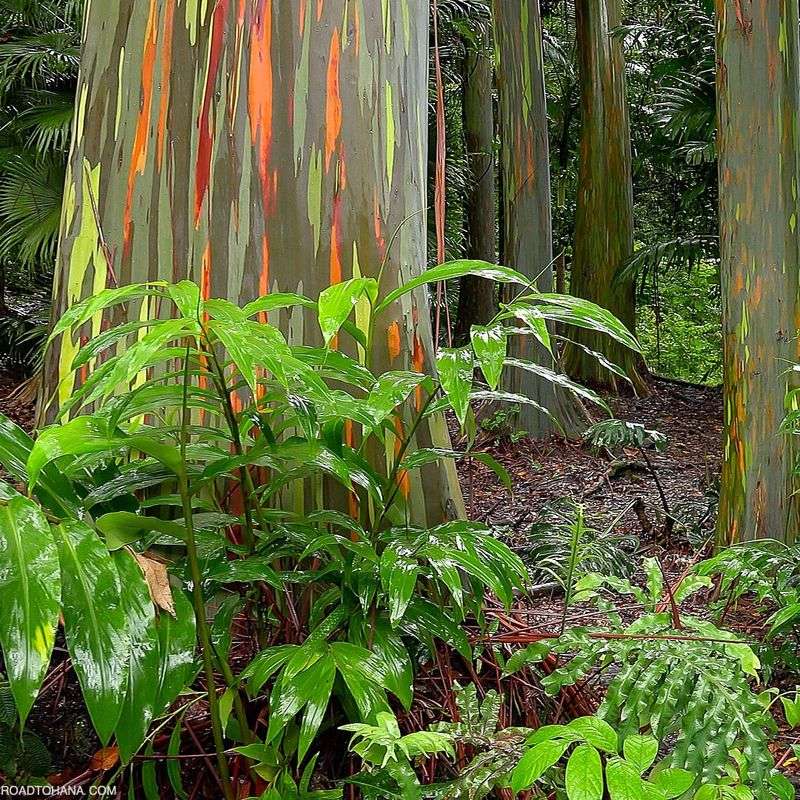
College and university campuses in southern Texas often double as outdoor classrooms where students can learn about horticulture, ecology, and plant science.
Landscape architects at these institutions select unique specimens like rainbow eucalyptus to inspire curiosity and provide hands-on learning opportunities.
The trees serve both educational and decorative purposes, transforming campus walkways into vibrant, living galleries.
Professors teaching botany or environmental science classes can point to these trees as examples of tropical adaptation and plant biology.
Students walking between classes often pause to take photos or simply admire the striking bark patterns.
Campus grounds crews work hard to maintain the health of these special trees, adjusting irrigation schedules and protecting them during rare cold weather.
Some universities even conduct research on how to best grow rainbow eucalyptus in non-native climates.
Visitors attending campus events or prospective students touring the grounds get to enjoy these natural wonders as part of their experience.
If you live near a university in South Texas, consider taking a walk through the campus to see what botanical treasures they’ve planted.
Many campuses welcome the public to explore their grounds, making them accessible spots to appreciate rainbow eucalyptus without needing a special invitation.
Theme Or Tropical-Style Public Gardens In Metro Areas
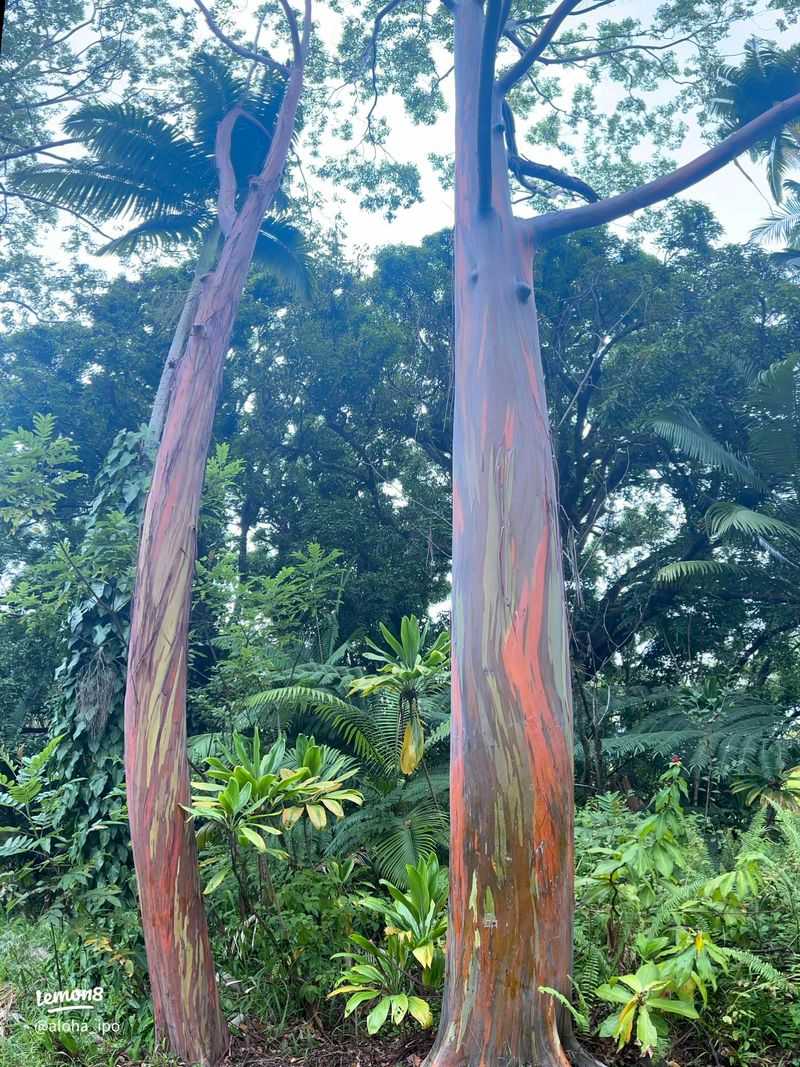
Major Texas cities like Houston, Austin, and San Antonio have embraced tropical-themed public gardens as a way to showcase exotic plants and create unique urban oases.
These gardens transport visitors to faraway places without ever leaving Texas, featuring palms, bamboo, colorful flowers, and of course, rainbow eucalyptus trees.
Designers carefully plan these spaces to highlight the most visually striking plants in prominent locations where visitors can’t miss them.
Rainbow eucalyptus trees become focal points, drawing crowds who want to see the famous multicolored bark in person.
The gardens often include seating areas where people can relax and enjoy the peaceful surroundings.
Families bring children to explore and learn about plants from different parts of the world.
Photographers love these locations because the vibrant colors and lush greenery create perfect backdrops for portraits and nature shots.
Public gardens in metro areas also host workshops and classes about tropical plant care, giving attendees practical tips they can use at home.
Many of these gardens are free or charge only a small admission fee, making them accessible to everyone.
Check local tourism websites or community boards to find out which public gardens near you feature rainbow eucalyptus and plan a visit during the warm months when the trees look their absolute best.
Private Tropical Collector Gardens
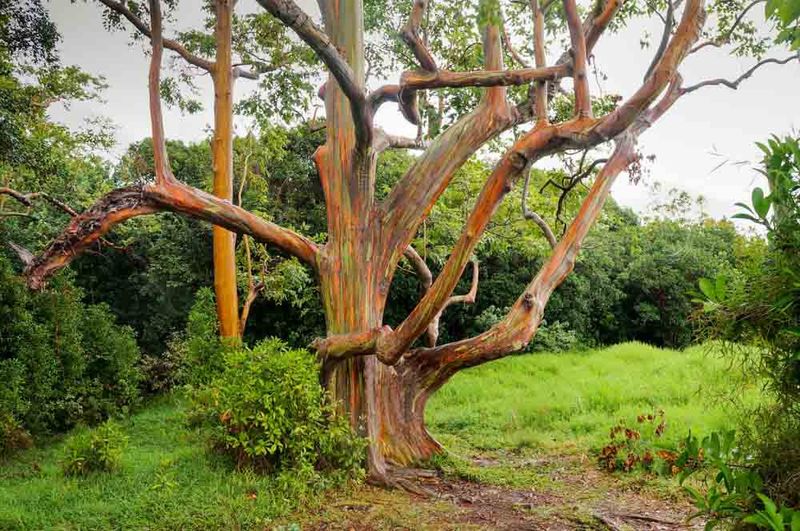
Gardening enthusiasts with a passion for tropical plants have created stunning private collections in the warmest corners of Texas.
These collectors seek out rare and beautiful specimens like rainbow eucalyptus to add to their personal paradises.
Large yards or small estates near the Gulf Coast provide the space and climate these trees need to thrive.
Advanced irrigation systems ensure the trees receive consistent moisture even during dry spells.
Collectors often join online forums and local plant societies to share tips, trade cuttings, and celebrate their successes.
Growing rainbow eucalyptus becomes a point of pride, especially in areas where the trees are uncommon.
Some collectors document their trees’ growth with regular photos, tracking how the bark colors change and intensify over time.
Neighbors and friends often request tours to see these backyard botanical wonders.
While most private collector gardens remain closed to the general public, some owners participate in garden tours organized by horticultural groups.
These events offer a rare chance to see how dedicated hobbyists create and maintain tropical landscapes in Texas.
If you’re interested in starting your own tropical collection, connecting with these experienced gardeners can provide invaluable advice and encouragement as you embark on your own rainbow eucalyptus growing adventure.
Nursery Display Lots In Warm Zones
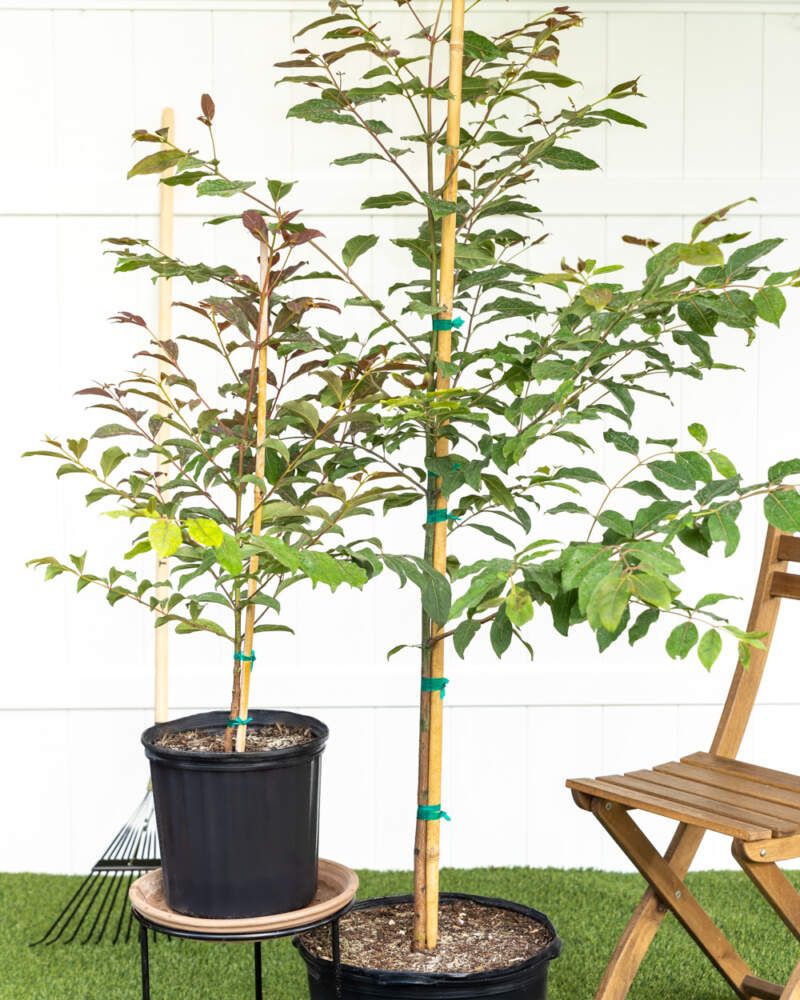
Nurseries in the warmest parts of Texas have started offering rainbow eucalyptus trees to meet growing demand from adventurous gardeners.
Display lots showcase these trees during the growing season, allowing customers to see the colorful bark up close before making a purchase.
Nursery staff provide expert advice on planting locations, soil preparation, and ongoing care requirements.
Seeing rainbow eucalyptus in a nursery setting helps buyers understand how large these trees can grow and what kind of space they need.
Some nurseries keep their display trees in large containers, demonstrating that even gardeners with limited space can enjoy these beauties.
Prices vary depending on the size and age of the tree, with younger specimens being more affordable.
Nurseries in hardiness zones 10 and 11 have the best success keeping these trees healthy year-round.
Many offer guarantees or care guides to help customers succeed after planting.
Visiting a nursery display lot also gives you the chance to see other tropical and subtropical plants that pair well with rainbow eucalyptus.
If you’re serious about adding one of these trees to your landscape, visiting several nurseries to compare specimens and prices is a smart move that can help you find the perfect rainbow eucalyptus for your garden.
Container Specimens In Cool Areas
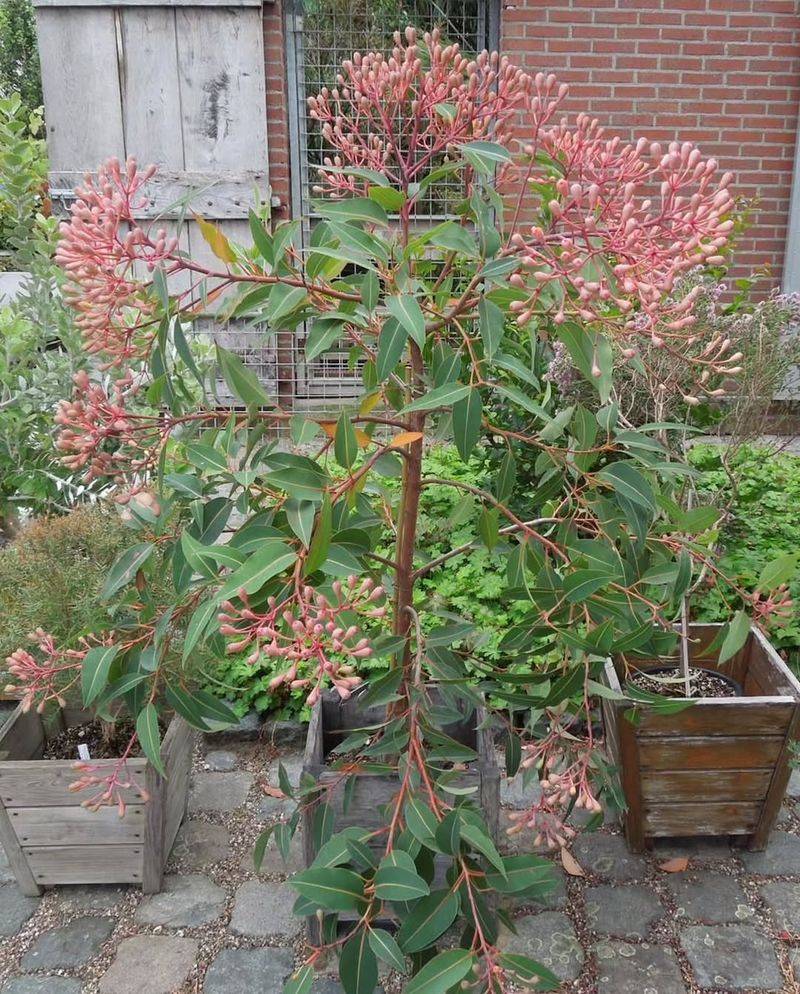
Gardeners living in cooler parts of Texas don’t have to give up on their dreams of growing rainbow eucalyptus.
Planting these trees in large containers offers a flexible solution that works even in areas cooler than zone 10.
During warm months, the containers can sit outdoors on patios, decks, or in garden beds where the trees soak up sunshine and warmth.
When cold weather approaches, gardeners simply move the containers to protected locations like garages, sunrooms, or greenhouses.
Wheeled plant caddies make moving even heavy containers much easier.
Container growing also allows for better control over soil quality, drainage, and fertilization.
The trees won’t grow as large in containers as they would in the ground, but they’ll still display their gorgeous rainbow bark.
Regular pruning helps maintain a manageable size while encouraging healthy growth.
This method requires more hands-on care than planting in the ground, but the reward of having your own rainbow eucalyptus is worth the extra effort.
Many gardeners find that container specimens become conversation starters when guests visit.
If you live in North or Central Texas and want to grow rainbow eucalyptus, container planting might be your best option for success.