Top 9 Milkweed Types Texas Gardeners Use To Support Monarchs
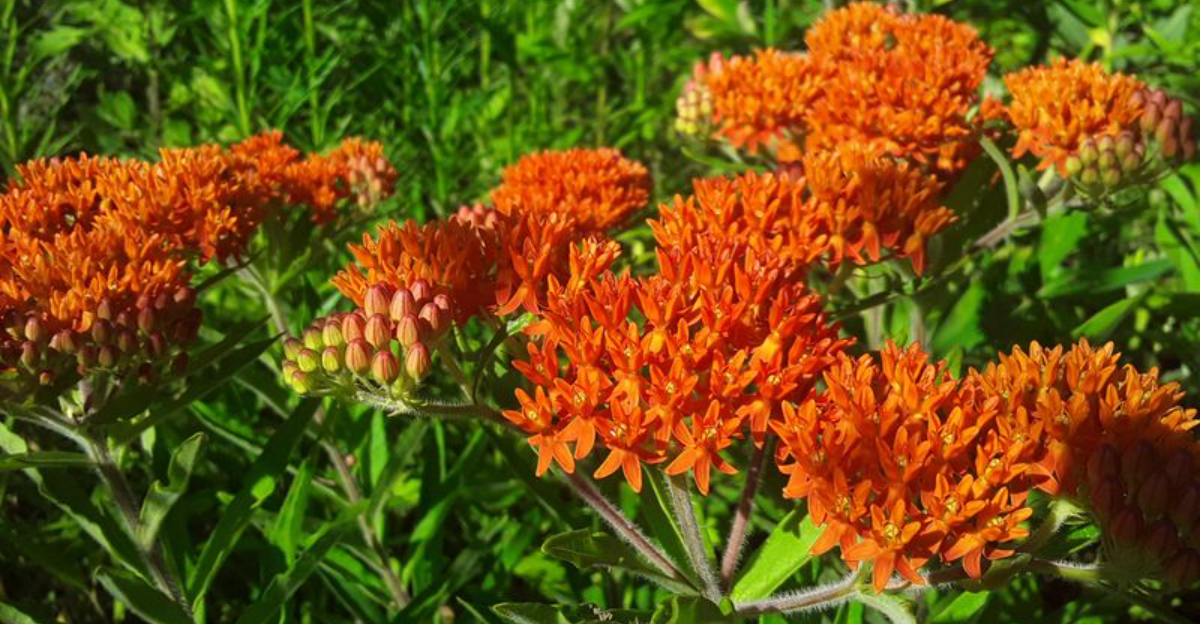
Texas gardeners know that planting the right milkweed can make a huge difference in supporting Monarch butterflies all season long.
These top 9 milkweed types not only feed hungry caterpillars but also add beautiful texture and color to the garden.
I always enjoy seeing which varieties take off in different yards, because each one seems to have its own little fan club of pollinators.
Choosing the right milkweed turns a regular garden into a thriving haven for Monarchs and other beneficial insects.
1. Antelope Horn Milkweed

Antelope horn milkweed earns its name from the unique curved seedpods that resemble antelope horns pointing upward toward the sky.
This native Texas plant grows low to the ground and produces clusters of greenish-white flowers that monarchs absolutely love visiting during migration season.
Gardeners across the state appreciate how well this species handles extreme heat and requires very little water once established in the ground.
The thick, waxy leaves provide excellent food for hungry monarch caterpillars throughout their development stages before forming chrysalises and transforming into butterflies.
Antelope horn thrives in rocky, well-drained soil common in central and western Texas regions where many other plants struggle to survive harsh conditions.
This milkweed blooms from April through June, perfectly timed for spring monarch migrations moving northward through the state toward breeding grounds.
Planting this variety creates vital habitat corridors that help butterflies successfully complete their incredible multi-generational journey across North America each year.
Texas gardeners find this species easy to grow from seed and it returns reliably year after year without much maintenance required.
2. Green Milkweed
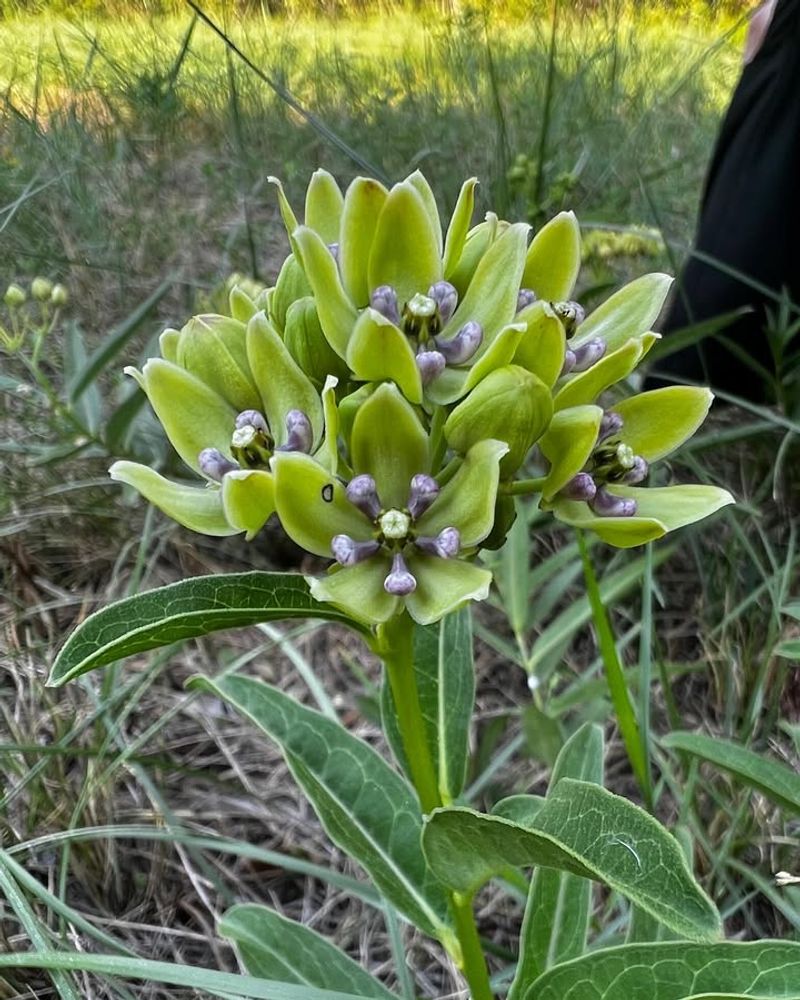
Green milkweed stands out with its subtle beauty, producing round clusters of pale green flowers that blend naturally into prairie landscapes across Texas.
Unlike showier varieties, this plant attracts monarchs with scent rather than bright colors, releasing a sweet fragrance that butterflies detect from impressive distances.
Caterpillars feast on the smooth, oval leaves which contain essential nutrients needed for healthy growth and successful metamorphosis into adult butterflies.
This species adapts remarkably well to different soil types found throughout the state, from sandy loam to heavy clay compositions that challenge other plants.
Green milkweed tolerates both full sun and partial shade, making it versatile for various garden locations and landscape designs in residential yards.
Blooming occurs between May and July, providing critical nectar sources when monarchs need energy for their northward migration through Texas territory.
The plant grows one to three feet tall and spreads slowly, never becoming invasive or overwhelming other native species in mixed plantings.
Gardeners value how this milkweed requires no fertilizer and survives extended dry periods common during Texas summers without supplemental irrigation or special care.
3. Tropical Milkweed
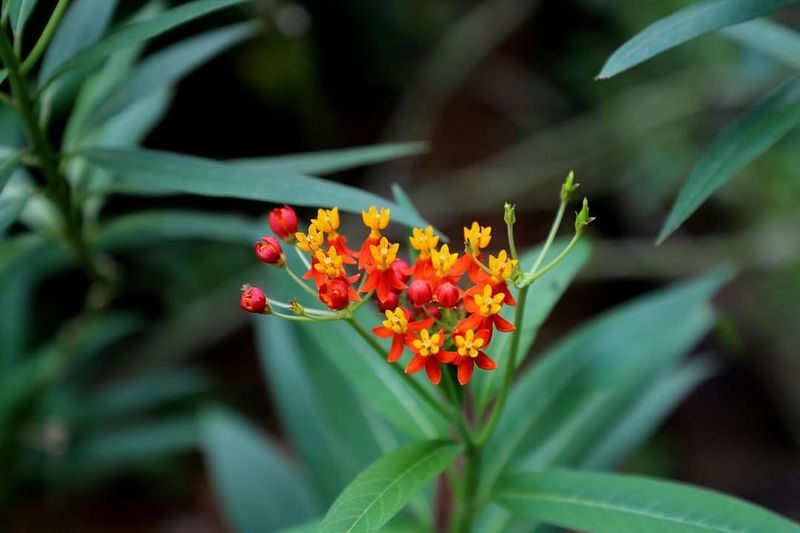
Tropical milkweed produces stunning red and orange flowers that create eye-catching displays in gardens, attracting monarchs like magnets during migration periods.
Many Texas gardeners initially choose this variety because nurseries stock it widely and it blooms continuously from spring through fall with minimal effort.
However, experts now recommend cutting this plant back to the ground in late fall to prevent monarchs from lingering too long.
Your Texas Garden Changes Every Week. Your Plan Should Too.
Gardening in Texas changes quickly throughout the season. Every Friday you’ll receive a simple weekly plan showing exactly what to plant, prune, fertilize, harvest, and protect so you never miss the right timing.
The concern involves disrupting natural migration timing, as year-round blooms may confuse butterflies about when they should travel south toward Mexican overwintering sites.
Despite this consideration, tropical milkweed still provides valuable nectar and host plant benefits when managed properly by conscientious gardeners across the state.
The bright flowers and slender leaves make this species instantly recognizable in home landscapes and butterfly gardens throughout urban and suburban Texas neighborhoods.
This milkweed grows quickly from seed or transplants, reaching three to four feet tall and producing seed pods filled with silky-tufted seeds.
Cutting plants down after first frost helps maintain natural butterfly behavior patterns while still supporting monarchs during their critical migration journey through Texas.
4. Butterfly Weed
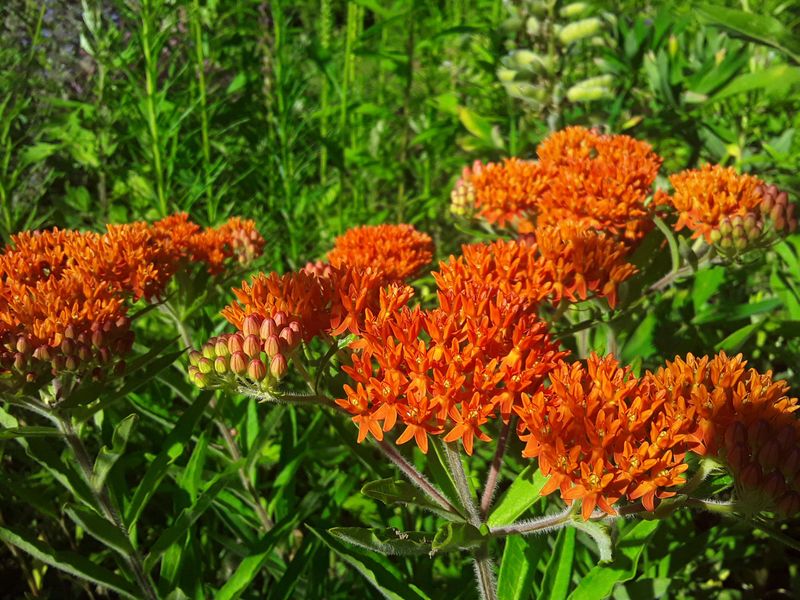
Butterfly weed blazes with brilliant orange flowers that seem to glow under the Texas sun, making it a favorite among gardeners who love vibrant colors.
This showstopper belongs to the milkweed family and serves as an excellent host plant for monarch caterpillars while providing nectar for numerous pollinator species.
Unlike other milkweeds, butterfly weed contains less milky sap and features narrow leaves that caterpillars consume eagerly during their rapid growth phase.
Texas gardeners appreciate how this plant tolerates poor soil conditions and thrives in areas with excellent drainage where water never pools after rainstorms.
The flowers bloom from May through September, offering an extended season of support for monarchs traveling through the state on both migrations.
Butterfly weed grows one to two feet tall and works beautifully in rock gardens, wildflower meadows, and perennial borders alongside other native plants.
This species develops a deep taproot that makes it drought-tolerant once established but also means transplanting mature plants becomes quite difficult.
Starting butterfly weed from seed proves most successful, and patience pays off as plants take time establishing themselves before producing spectacular flower displays.
5. Swamp Milkweed
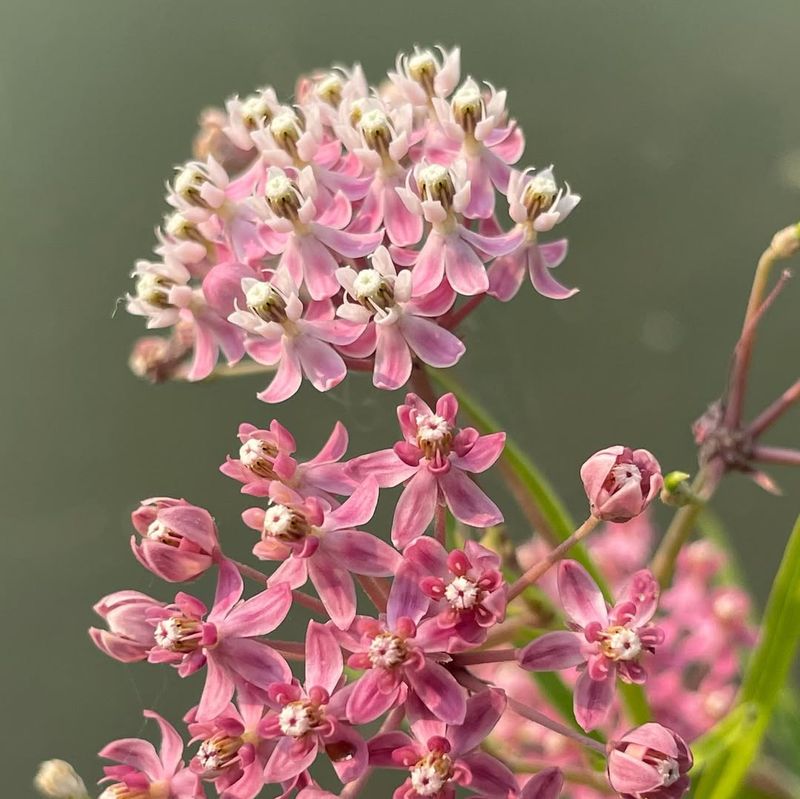
Swamp milkweed brings soft pink flower clusters to Texas gardens, offering a gentler color palette compared to the bold oranges and reds of other varieties.
Despite its name suggesting constant wetness, this adaptable plant actually tolerates a wide range of moisture levels found across different regions of the state.
Gardeners living in East Texas particularly appreciate swamp milkweed because it handles the higher humidity and occasional flooding that occurs in that area.
The lance-shaped leaves provide ample food for monarch caterpillars, and the fragrant flowers attract not only monarchs but also other beneficial butterfly and bee species.
This milkweed grows three to five feet tall, creating substantial vertical interest in garden beds and providing shelter for smaller wildlife seeking shade.
Blooming happens from June through August, perfectly timed to support summer monarch populations and late-season migrants beginning their journey back toward Mexico.
Swamp milkweed spreads through rhizomes, gradually forming attractive clumps that expand slowly over several growing seasons without becoming aggressively invasive in landscapes.
Texas gardeners find this species reliable and low-maintenance once roots establish themselves in either garden soil or natural wetland edges near ponds.
6. Zizotes Milkweed
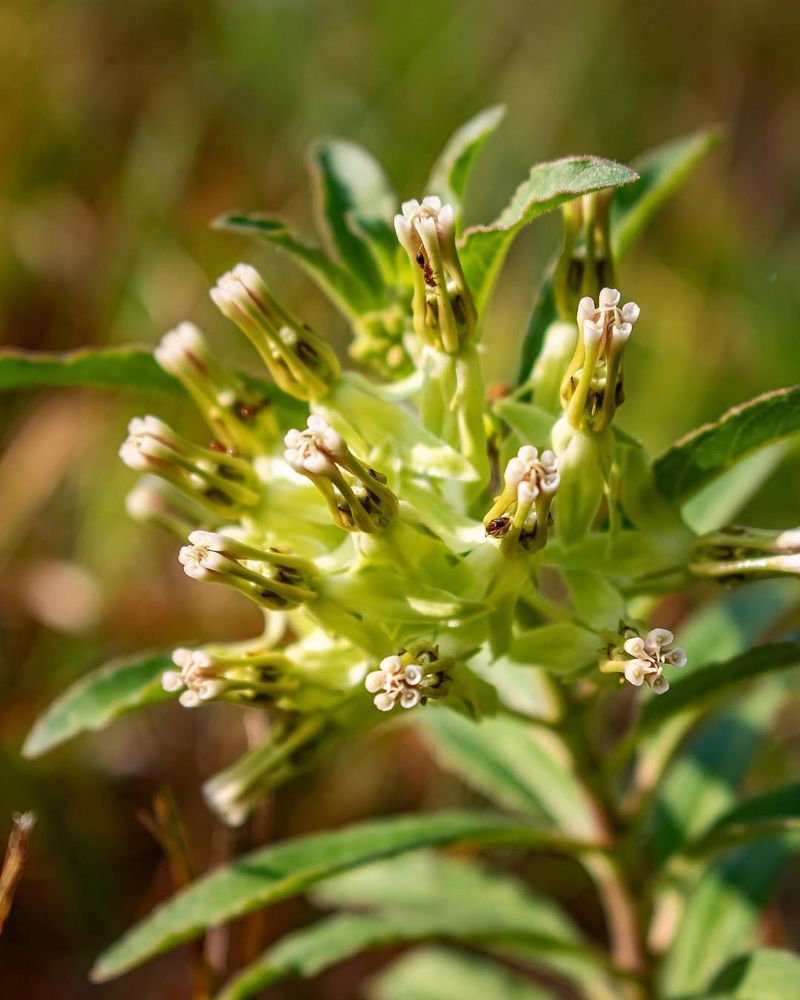
Zizotes milkweed grows primarily in South Texas, producing large white flowers with distinctive star shapes that monarchs find irresistible during their migration journeys.
This impressive plant can reach six feet tall in ideal conditions, creating dramatic focal points in gardens while providing substantial habitat for caterpillars.
The broad, velvety leaves offer plenty of surface area for monarchs to lay eggs and for hungry caterpillars to feed without stripping plants bare.
Gardeners in the Rio Grande Valley and coastal regions find zizotes milkweed particularly well-suited to their warm climate and longer growing season.
This species blooms almost year-round in the southernmost parts of Texas, supporting resident monarch populations that sometimes skip migration and stay local.
The large flowers produce abundant nectar, making this milkweed a magnet for many pollinator species beyond just monarchs, including hummingbirds and native bees.
Zizotes milkweed prefers rich, moist soil and benefits from regular watering during extended dry spells common even in humid South Texas areas.
This variety spreads through underground rhizomes, forming colonies that create substantial butterfly habitat over time in home gardens and restoration projects across the region.
7. Texas Milkweed
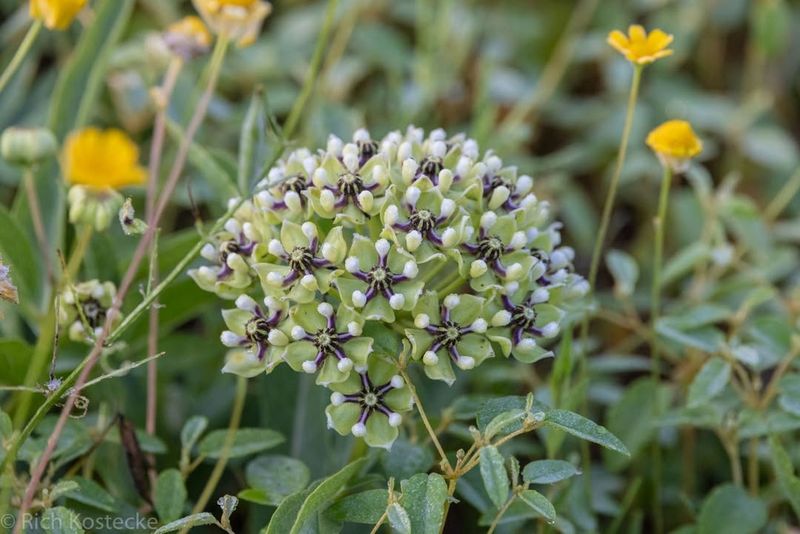
Texas milkweed carries the state name proudly, serving as a true native that evolved specifically to thrive in local conditions across various regions.
This species produces elegant white flowers with subtle purple centers, creating delicate blooms that contrast beautifully against the dark green foliage underneath them.
Monarchs readily lay eggs on Texas milkweed, and caterpillars develop successfully on the nutritious leaves before forming chrysalises attached to nearby plant stems.
Gardeners appreciate how this variety handles the unpredictable weather patterns common across the state, from sudden cold snaps to prolonged heat waves and drought.
Texas milkweed grows two to three feet tall and works well in mixed native plantings alongside grasses, wildflowers, and other prairie species.
Blooming occurs from May through September, providing consistent support throughout the entire monarch migration season in both spring and fall migration windows.
This milkweed develops deep roots that access moisture unavailable to shallow-rooted plants, allowing it to stay green even when surrounding vegetation turns brown.
Planting Texas milkweed helps restore native habitats while supporting monarchs, making it an excellent choice for conservation-minded gardeners throughout the entire state.
8. Whorled Milkweed
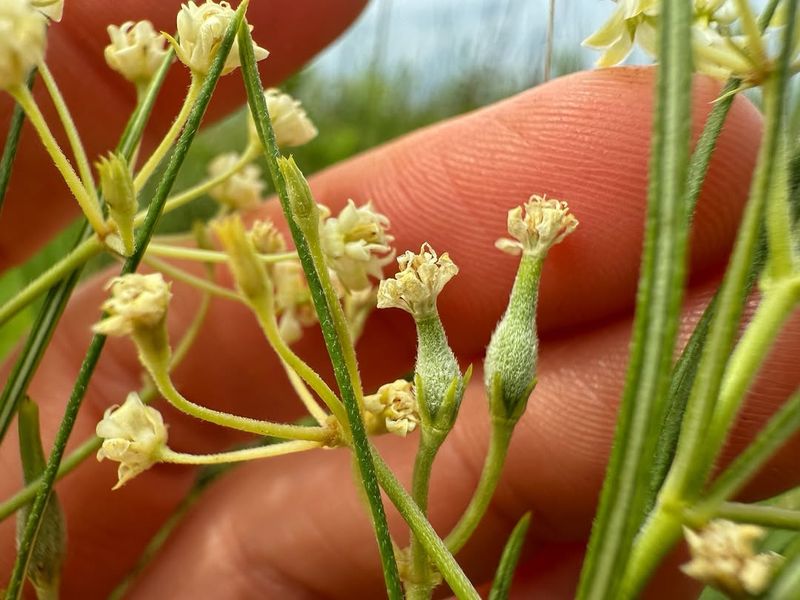
Whorled milkweed features distinctive needle-like leaves arranged in circular patterns around the stem, creating an unusual appearance that sets it apart from other varieties.
This delicate-looking plant produces small white or greenish flowers that may seem modest but attract monarchs effectively during their travels through Texas territory.
The thin leaves provide food for caterpillars, though each plant supports fewer larvae compared to species with broader, more substantial foliage for eating.
Gardeners in North and Central Texas find whorled milkweed grows naturally in their regions, preferring rocky slopes and well-drained areas with minimal competition.
This species typically reaches one to two feet tall and blends easily into naturalized landscapes without dominating the visual space or overwhelming neighbors.
Blooming happens from April through June, coinciding perfectly with spring monarch migration when butterflies desperately need nectar sources and egg-laying sites moving northward.
Whorled milkweed tolerates dry conditions exceptionally well once established, making it ideal for xeriscaping projects and water-wise gardens across drought-prone Texas areas.
This variety spreads slowly through seeds and remains well-behaved in gardens, never becoming weedy or requiring constant management to keep under control.
9. Showy Milkweed
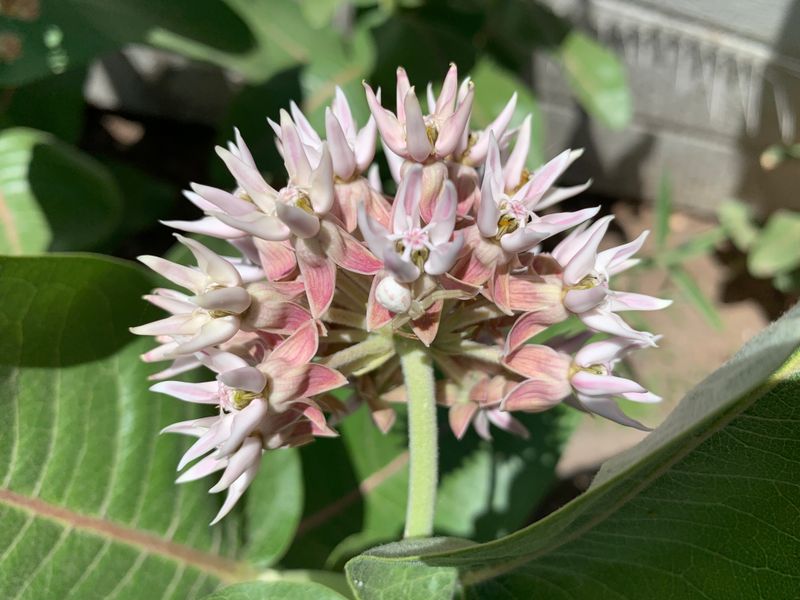
Showy milkweed lives up to its name with large, spectacular flower clusters in shades of pink and purple that create stunning garden displays.
This species naturally occurs in the Texas Panhandle and High Plains regions where it handles colder winters and shorter growing seasons better than varieties.
The robust plants grow two to four feet tall with thick stems and gray-green leaves that provide substantial food for developing monarch caterpillars.
Gardeners in northern Texas counties appreciate how showy milkweed tolerates temperature extremes, from scorching summer heat to occasional late spring freezes that damage plants.
The large flower clusters produce copious nectar, attracting not only monarchs but also swallowtails, fritillaries, and numerous other butterfly species seeking energy sources.
Blooming occurs from May through July, supporting monarchs during their northward spring migration and early summer breeding season in the northern parts of the state.
Showy milkweed spreads through both seeds and creeping roots, gradually forming colonies that expand over time without becoming problematically invasive in most situations.
This variety requires full sun and good drainage but otherwise needs little care once established in appropriate locations across the Texas High Plains.