Why The Sensitive Plant Is Showing Up At Florida Nurseries This Season
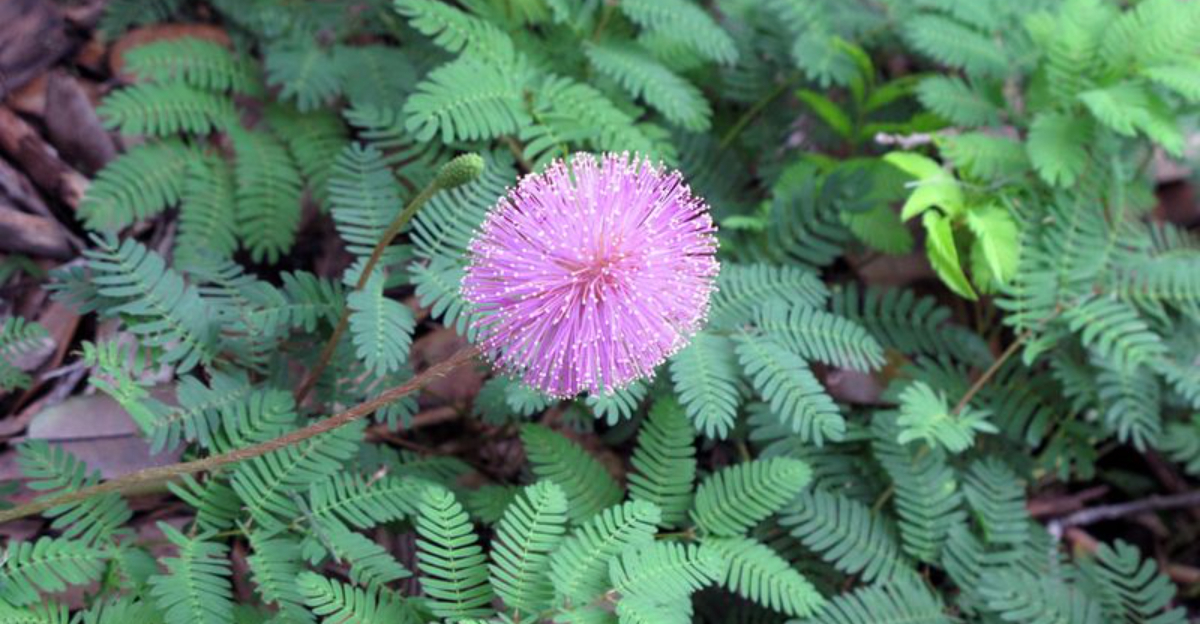
The Sensitive Plant is suddenly showing up at Florida nurseries this season, catching attention with its unusual movement and delicate look.
This plant is Mimosa pudica, known for folding its leaves when touched, which makes it stand out the moment people notice it.
Its growing presence points to shifting demand and growing curiosity around plants that feel interactive and a little unexpected.
1. Why The Sensitive Plant Is Catching Attention In Florida
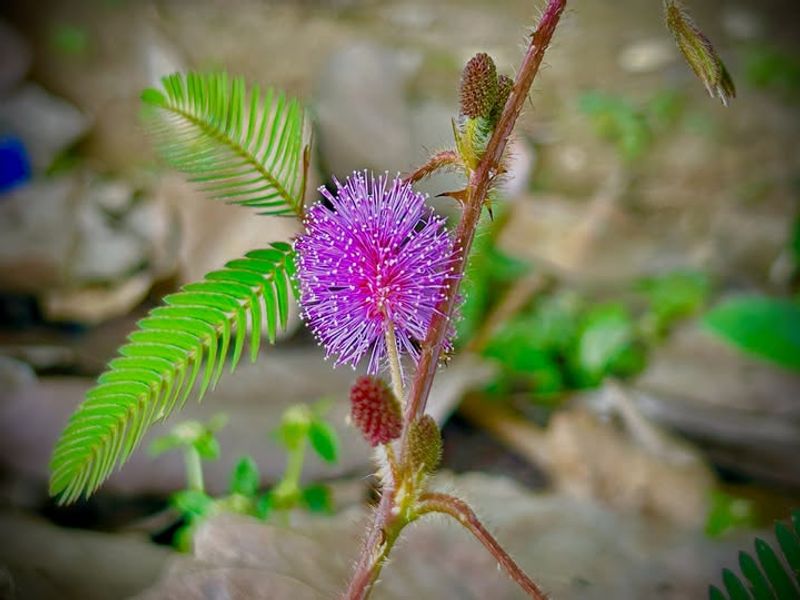
Gardeners throughout Florida have noticed something unusual happening at local plant shops, and it involves a curious species with a party trick.
Mimosa pudica reacts instantly when you brush against its delicate foliage, folding inward as if shy or startled by human contact nearby.
Children and adults alike find this response mesmerizing, making it a conversation starter that brings families together around nature and botanical science.
Social media has amplified interest in interactive plants, with videos showing the folding action going viral across multiple platforms in recent months.
Nurseries across the Sunshine State report increased demand as customers seek out plants that offer more than just visual appeal or fragrance.
Educational value plays a role too, since teachers and parents use Mimosa pudica to demonstrate how plants respond to environmental stimuli effectively.
Florida’s growing season aligns perfectly with the plant’s needs, making it easier for local growers to supply fresh, healthy specimens year-round consistently.
Retailers appreciate that this species attracts curious shoppers who might not otherwise visit garden centers, expanding their customer base significantly and naturally.
2. What Makes Mimosa pudica React To Touch
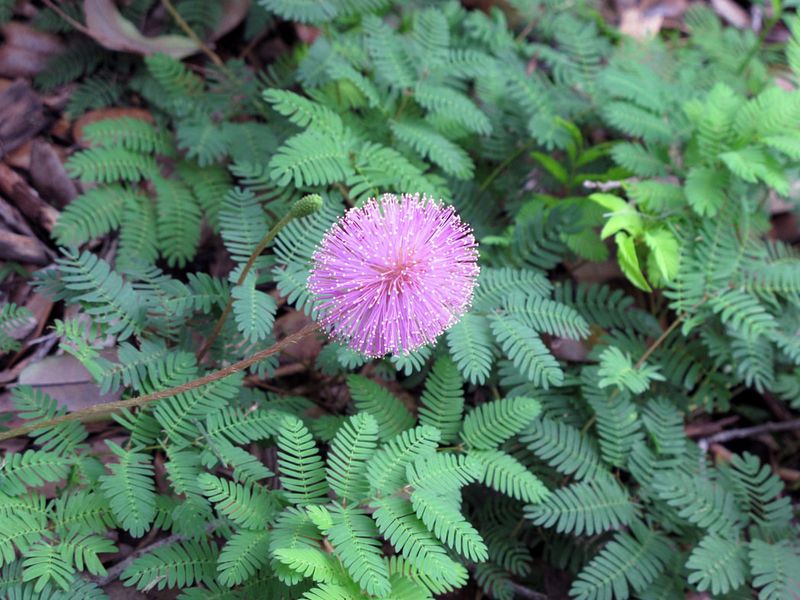
Scientists have studied this plant’s defensive behavior for decades, uncovering fascinating mechanisms that operate faster than most people can blink their eyes.
Specialized cells called pulvini sit at the base of each leaflet, controlling water pressure that keeps the foliage open and upright naturally.
When physical contact occurs, electrical signals race through the plant tissue, triggering rapid water loss from these specialized cells almost instantaneously now.
Leaflets collapse downward and fold together within seconds, creating a drooping appearance that makes the plant seem wilted or temporarily unwell to observers.
This response likely evolved as protection against herbivores, since the sudden movement and changed shape may startle insects or small animals away.
Researchers in Florida universities have examined how environmental factors like temperature and light intensity affect the speed of this remarkable folding action.
After several minutes of rest, the leaves gradually reopen as water flows back into the pulvini, restoring the plant to normal appearance.
Repeated touching can exhaust the plant temporarily, so enthusiasts should limit demonstrations to preserve energy reserves and maintain overall health and vigor.
3. Why Florida Nurseries Are Promoting The Sensitive Plant
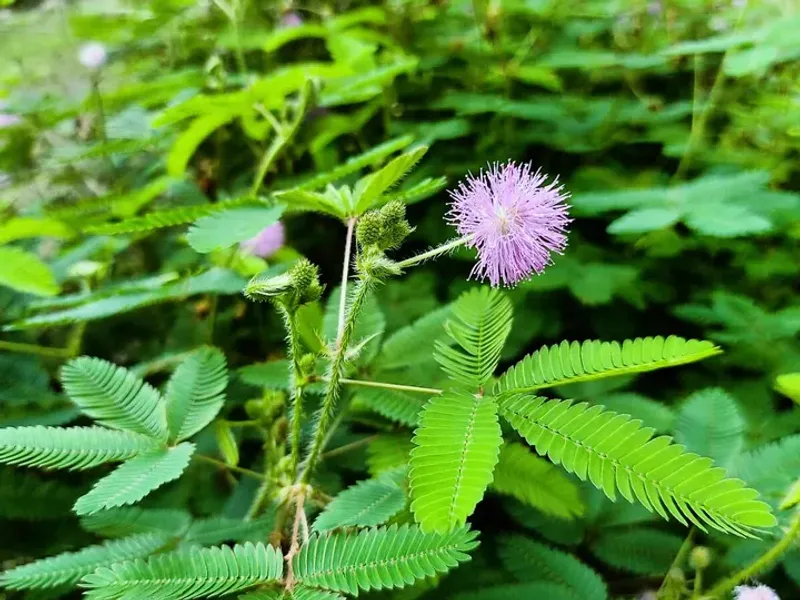
Retailers constantly search for products that stand out from competitors, and Mimosa pudica offers exactly that kind of unique selling point for stores.
Customers visiting Florida garden centers often browse without a specific purchase in mind, making impulse buys more likely when something catches their eye.
The interactive nature of this species creates memorable shopping experiences that encourage visitors to return and recommend the store to friends and relatives.
Your Florida Garden Changes Every Week. Your Plan Should Too.
Gardening in Florida changes quickly throughout the season. Every Friday you’ll receive a simple weekly plan showing exactly what to plant, prune, fertilize, harvest, and protect so you never miss the right timing.
Profit margins on specialty plants tend to exceed those of common varieties, giving business owners financial incentive to stock unusual or conversation-worthy specimens.
Educational workshops featuring sensitive plants draw families to nurseries, where they often purchase additional items beyond just the featured botanical curiosity itself.
Florida’s tourism industry also plays a role, as visitors from colder regions seek tropical plants they cannot easily find in their hometowns.
Growers appreciate that Mimosa pudica requires relatively simple care compared to finicky orchids or delicate ferns, reducing losses from improper handling or storage.
Marketing materials highlighting the touch-sensitive feature practically write themselves, making promotional efforts easier and more effective for small business owners across the state.
4. Where Mimosa pudica Normally Grows In The Wild
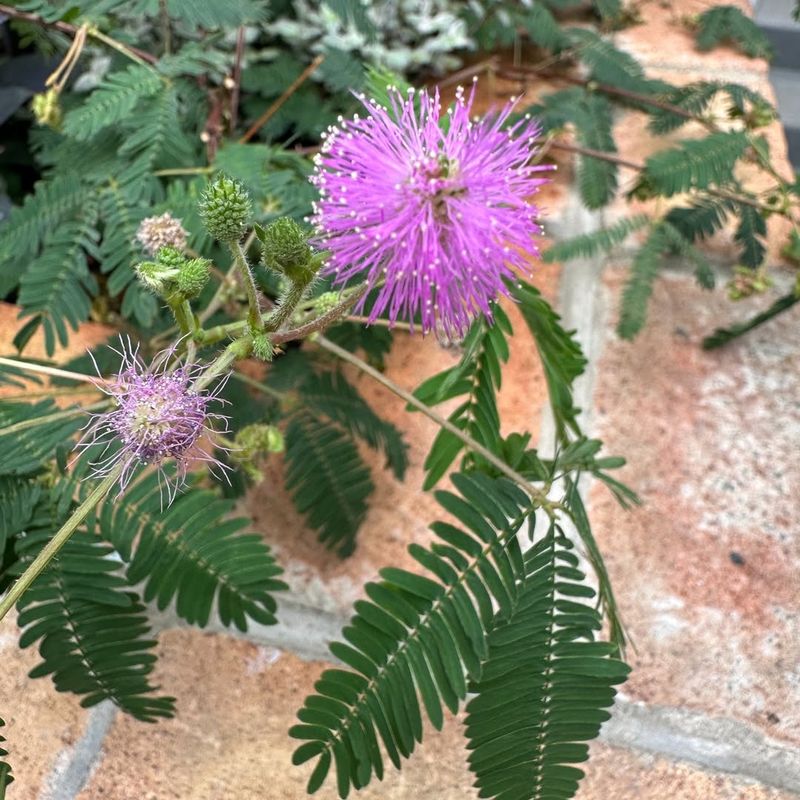
This remarkable species originated in Central and South America, thriving in warm, humid environments where frost never threatens its tender foliage or roots.
Wild populations spread across Brazil, Costa Rica, and other tropical regions, colonizing disturbed areas like roadsides and forest edges rather than dense jungle.
Mimosa pudica behaves as a pioneer species, quickly establishing itself in cleared land before taller vegetation takes over the available space and sunlight.
Its ability to fix nitrogen through root nodules helps improve soil quality, making it valuable in ecosystems recovering from agriculture or logging activities.
The plant has naturalized in many tropical and subtropical regions worldwide, including parts of Asia, Africa, and the Pacific Islands over centuries of spread.
Florida’s climate resembles these native habitats closely, with high humidity, warm temperatures, and occasional rainfall patterns that support vigorous growth year-round successfully.
Researchers studying invasive species monitor Mimosa pudica carefully since it can escape cultivation and establish wild populations in suitable environments like the state offers.
Understanding its natural range helps Florida gardeners provide appropriate conditions and anticipate how the plant might behave in landscape settings or containers.
5. Why The Sensitive Plant Fits Florida’s Climate
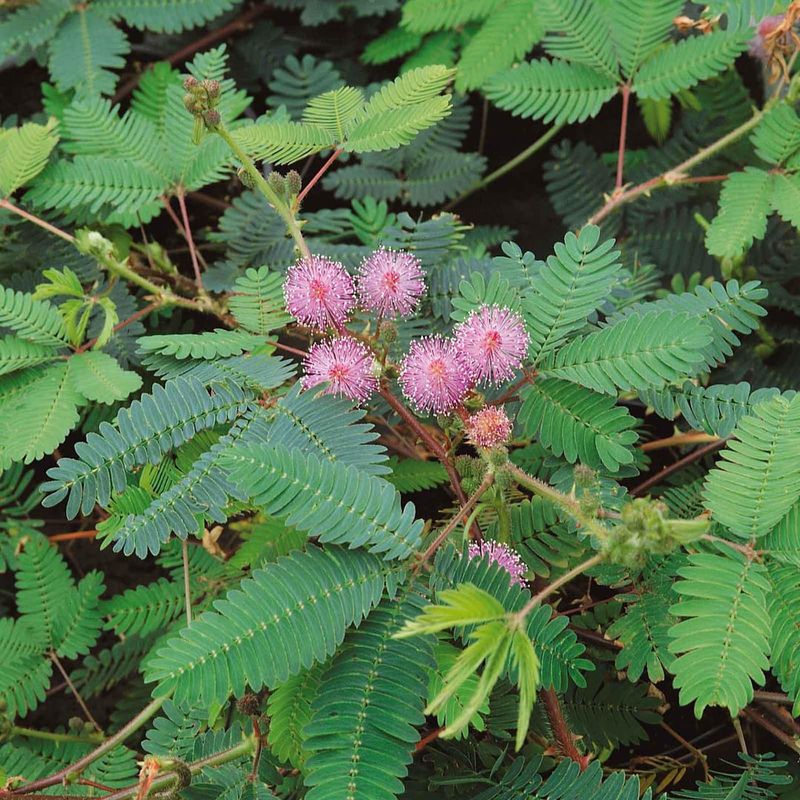
Temperature requirements for Mimosa pudica align remarkably well with conditions found throughout most of the Sunshine State during the growing season months.
The species thrives in warmth ranging from seventy to ninety degrees Fahrenheit, which describes typical Florida weather from spring through early autumn perfectly.
High humidity levels that make human hair frizz actually benefit this tropical plant, keeping its delicate foliage hydrated and reducing water stress significantly.
Rainfall patterns in Florida provide regular moisture without waterlogging soil, creating ideal drainage conditions that prevent root rot while maintaining consistent hydration levels.
Southern counties can grow Mimosa pudica outdoors year-round, while northern regions may need to bring containers inside during occasional cold snaps or frosts.
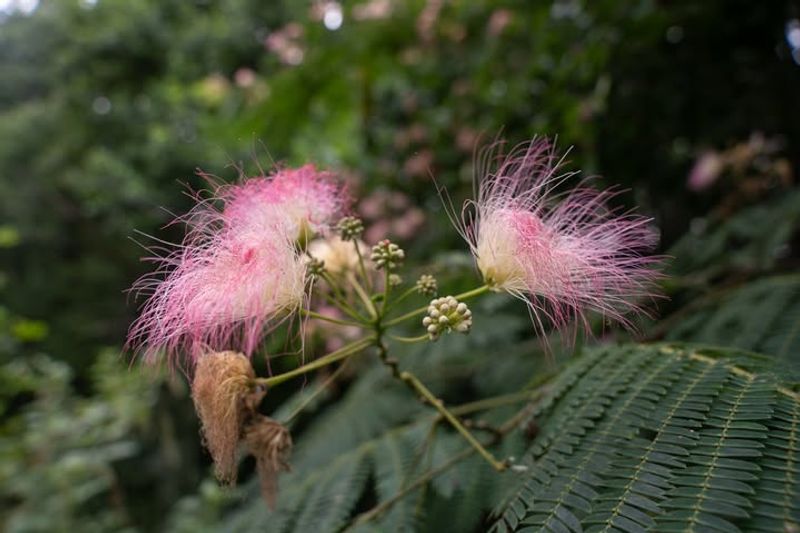
Bright sunlight, which the state enjoys abundantly, promotes compact growth and encourages the plant to produce its distinctive pink puffball flowers regularly throughout summer.
Native Florida plants often require similar care to Mimosa pudica, so gardeners already familiar with tropical species can apply existing knowledge successfully here.
The extended growing season allows multiple generations of seeds to mature, though enthusiasts should monitor spreading to prevent unwanted colonization in natural areas nearby.
6. What Florida Gardeners Should Know About Mimosa pudica
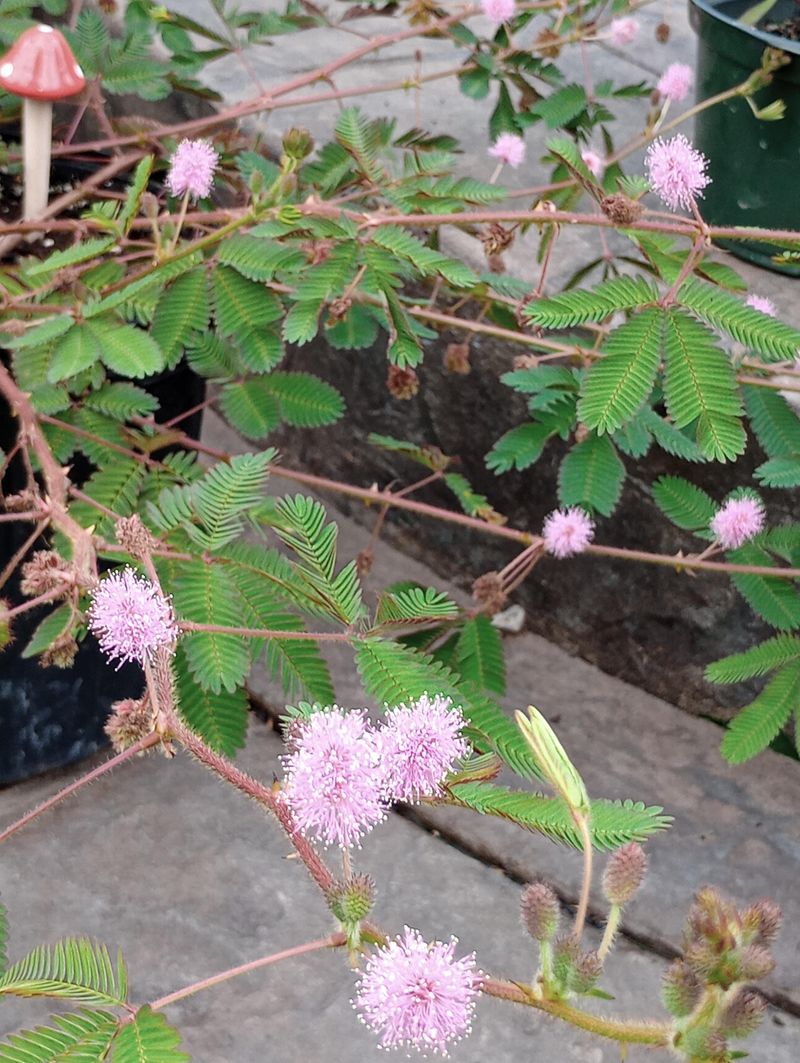
Successful cultivation begins with understanding that Mimosa pudica prefers well-draining soil that mimics its natural habitat in tropical forests and disturbed areas.
A mixture combining potting soil, perlite, and organic compost creates the perfect growing medium that balances moisture retention with adequate drainage for healthy roots.
Florida gardeners should position plants where they receive bright indirect light or morning sun, avoiding intense afternoon rays that might scorch delicate foliage.
Watering needs increase during hot summer months, requiring gardeners to check soil moisture regularly and provide drinks when the top inch feels dry.
Fertilizing monthly with diluted liquid plant food supports vigorous growth and flower production, though excessive feeding can cause leggy stems and reduced leaf sensitivity.
Pruning helps maintain compact shape and prevents the plant from becoming sparse or straggly, especially when grown indoors with limited natural light exposure.
Pests rarely trouble Mimosa pudica, but Florida’s humid conditions can encourage fungal issues if air circulation remains poor or foliage stays wet overnight consistently.
Seeds form readily after flowers fade, and enthusiasts can collect these for propagation or allow self-seeding in controlled garden areas throughout the state.
7. Why The Sensitive Plant Is Not Like Typical Houseplants
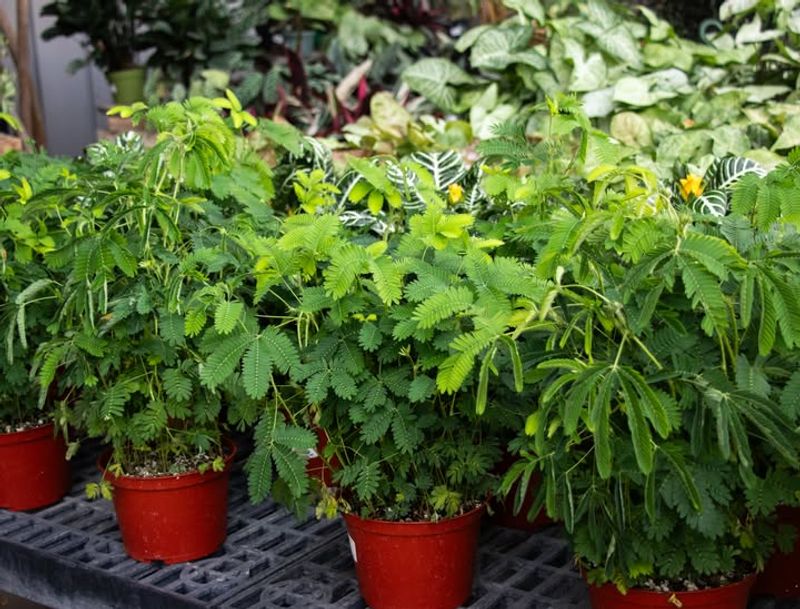
Most houseplants sit quietly on shelves, offering visual interest through foliage color or flower displays but never responding to human interaction or touch.
Mimosa pudica breaks this pattern completely, creating a dynamic relationship between plant and person that transforms passive observation into active engagement and discovery.
Children especially benefit from this interactive quality, learning about plant biology through hands-on experience rather than just reading facts in textbooks or online.
The rapid movement challenges common assumptions about plants being static organisms, revealing that botanical life can respond to stimuli in surprisingly quick ways.
Florida families find that caring for sensitive plants teaches responsibility while maintaining interest levels that typical beginner plants like pothos or snake plants cannot.
Unlike many houseplants that tolerate neglect fairly well, Mimosa pudica requires consistent attention to watering and light to maintain its responsive behavior and health.
Its relatively short lifespan as a perennial often treated as an annual means gardeners experience the full life cycle from seed to flower.
This characteristic makes it less of a long-term commitment compared to slow-growing specimens like fiddle-leaf figs, appealing to experimenters across the state today.
8. What Experts Say About Growing Mimosa pudica At Home
Horticulturists at Florida universities recommend starting with young plants from reputable nurseries rather than attempting propagation from seeds initially for beginners here.
Established specimens adapt more quickly to home conditions and display the characteristic touch response more reliably than seedlings still developing their specialized cells.
Experts emphasize that while Mimosa pudica tolerates various conditions, consistent care produces the most vigorous growth and reliable leaf-folding responses over time successfully.
Overhandling remains the most common mistake among new owners, who exhaust the plant by repeatedly triggering the defense mechanism for entertainment or demonstrations.
Specialists suggest limiting touch interactions to once or twice daily, allowing the plant adequate recovery time between episodes to maintain energy reserves properly.
Florida extension agents note that outdoor growing often produces healthier specimens than indoor cultivation, thanks to natural light cycles and air circulation benefits.
Research indicates that Mimosa pudica can become weedy in some tropical regions, so responsible gardening practices include preventing seed escape into natural areas nearby.
Botanists appreciate this species as a teaching tool, using it to illustrate plant physiology concepts that remain abstract when discussed without living examples available.