13 Best Plants For A Jungle Vibe In Your North Carolina Home
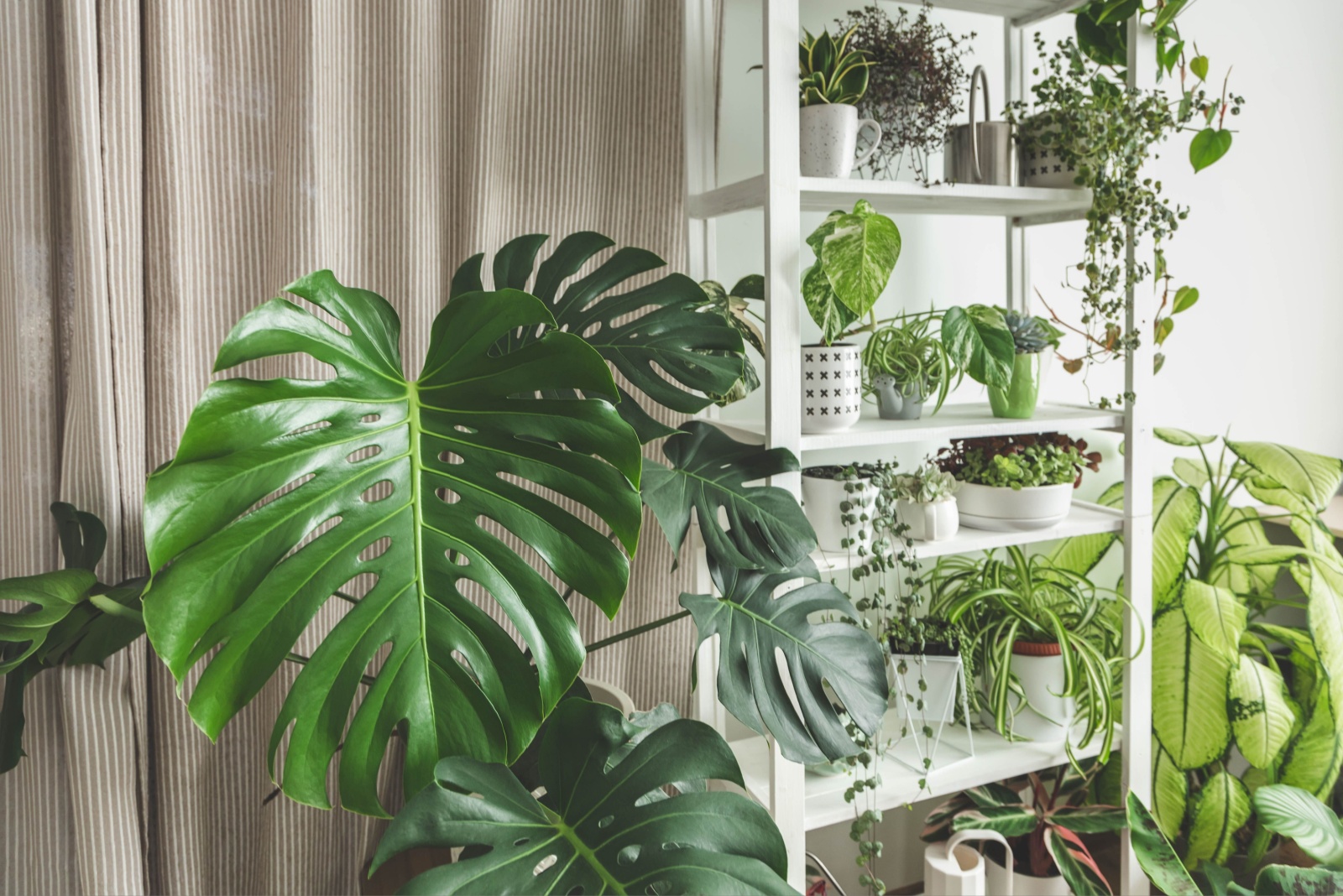
There’s something about a home filled with greenery that just feels better.
In North Carolina, where the climate naturally leans warm and humid, creating a jungle-inspired space indoors isn’t a stretch — it’s almost second nature.
With the right plants, your rooms can feel layered, alive, and effortlessly inviting, without tipping into over-the-top tropical clichés.
Jungle style is all about generous leaves, dramatic shapes, and plants that bring texture and movement into a space.
It’s the quiet luxury of deep greens, trailing vines, and statement plants that instantly anchor a room.
Whether you’re working with bright windows or cozy corners, these plants thrive in NC homes and deliver that lush, collected look that makes a house feel thoughtfully styled and wonderfully lived-in.
From bold floor plants to eye-catching tabletop greenery, here are the best choices to give your home a rich, jungle-like vibe — no special conditions or expert skills required.
1. Monstera Deliciosa
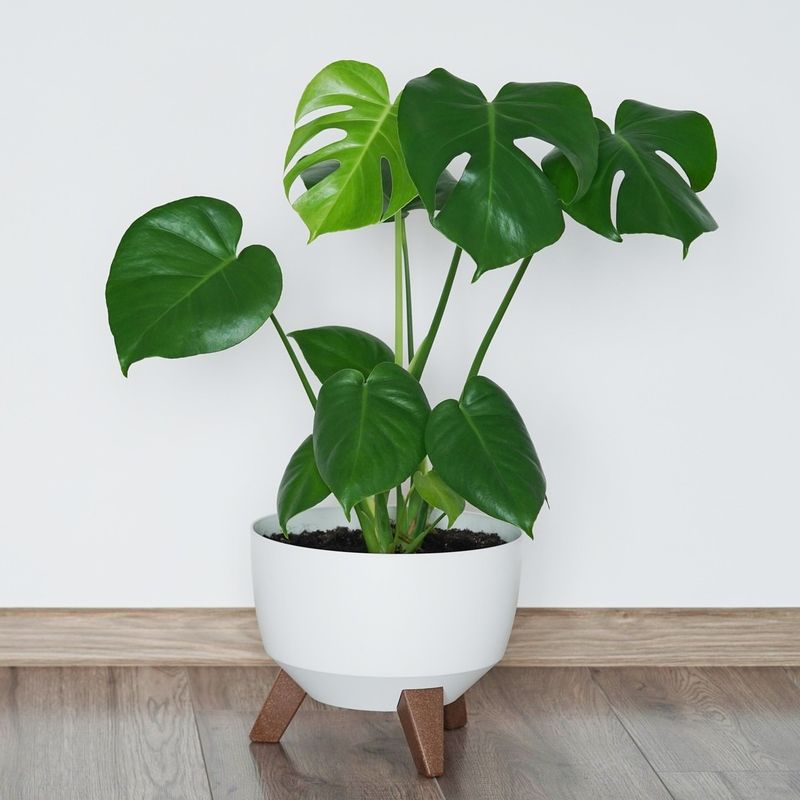
Tropical magic arrives when you place a Monstera Deliciosa in your living room because those giant split leaves create instant jungle drama everywhere.
Gardeners in Raleigh and Charlotte love how this plant thrives in bright indirect light without demanding constant attention from busy homeowners daily.
Those famous holes and splits develop naturally as the plant matures, making each leaf look like nature carved it with artistic precision.
Water your Monstera when the top two inches of soil feel dry to the touch, which usually happens once every week or two.
North Carolina humidity levels work perfectly for this plant, especially during our warm and muggy summer months when growth accelerates noticeably fast.
Climbing support like a moss pole encourages vertical growth and helps your Monstera reach impressive heights that command attention in any space.
Wipe those broad leaves with a damp cloth monthly to remove dust and keep them looking glossy, vibrant, and absolutely stunning always.
2. Bird of Paradise
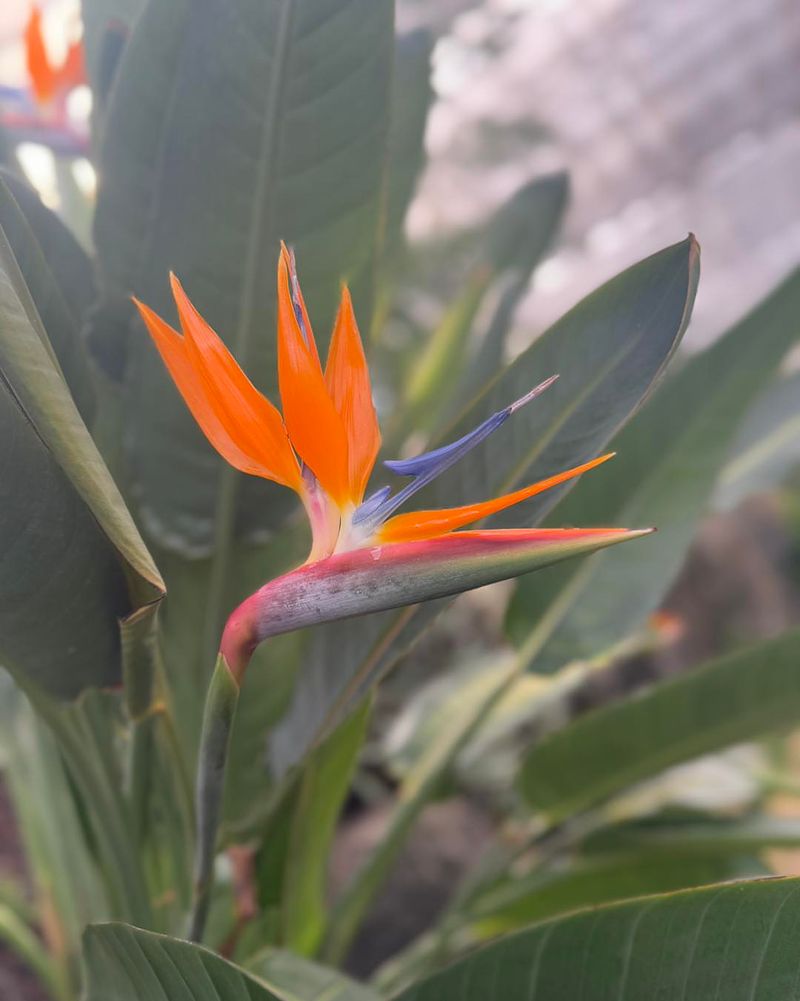
Few plants command a room quite like the Bird of Paradise with its towering presence and paddle-shaped leaves that stretch toward the ceiling.
Originally from South Africa, this stunning specimen brings exotic flair to any North Carolina home seeking that lush tropical jungle aesthetic instantly.
Bright light is essential for this beauty to flourish, so position it near south-facing windows where sunshine pours in generously each day.
Growth happens quickly during spring and summer months when temperatures rise and your plant can add several new leaves in just weeks.
Watering needs increase during warmer seasons, but always allow the soil to dry slightly between waterings to prevent root problems from developing.
Misting the leaves occasionally mimics the humid conditions this plant loves, especially when indoor heating dries out winter air in your home.
Expect your Bird of Paradise to reach five or six feet tall indoors, creating a dramatic focal point that guests will admire.
3. Philodendron Brasil
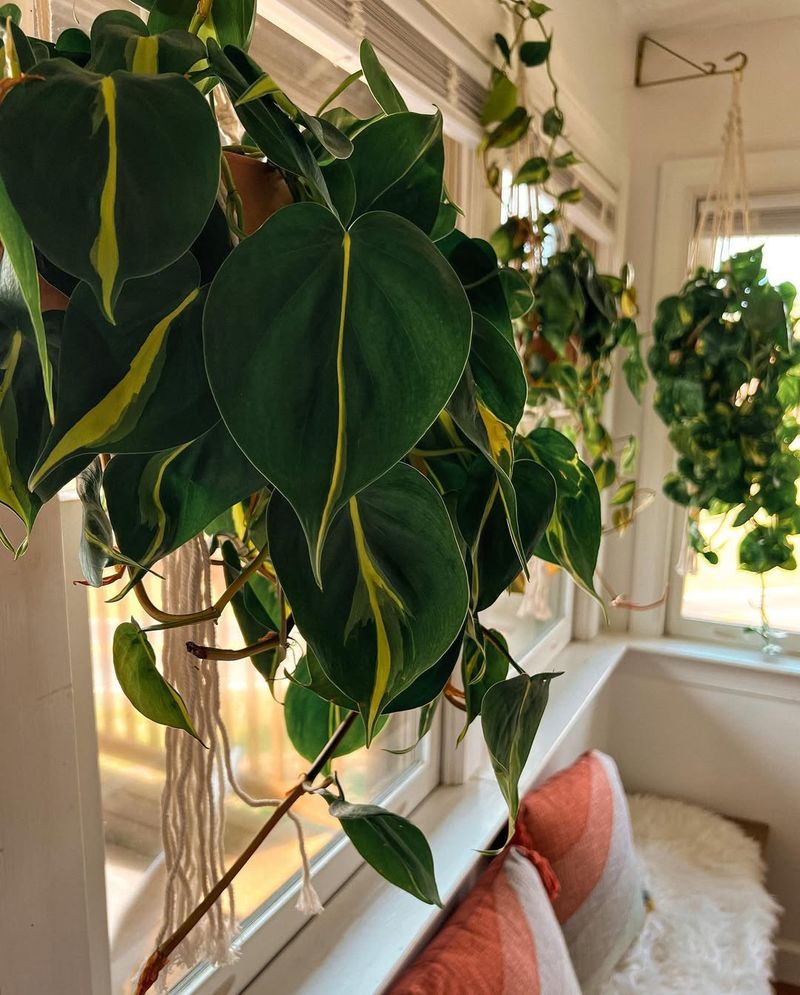
Variegated heart-shaped leaves in vibrant shades of green and yellow make Philodendron Brasil a showstopper that brightens any corner with color.
This trailing plant looks fantastic in hanging baskets or placed on high shelves where its vines can cascade downward like a waterfall.
Your North Carolina Garden Changes Every Week. Your Plan Should Too.
Gardening in North Carolina changes quickly throughout the season. Every Friday you’ll receive a simple weekly plan showing exactly what to plant, prune, fertilize, harvest, and protect so you never miss the right timing.
Low-maintenance care makes it perfect for beginners who want jungle vibes without spending hours tending to finicky plants that demand constant fussing.
Medium to bright indirect light keeps the variegation bold and beautiful, though it tolerates lower light conditions better than many other varieties.
North Carolina homes provide ideal temperatures year-round since this plant enjoys the same comfortable range that humans prefer for indoor living spaces.
Water when the top inch of soil dries out, which typically means watering once weekly during summer and less frequently in winter months.
Pruning encourages bushier growth and prevents the vines from becoming too leggy or sparse, keeping your plant looking full and lush always.
4. Fiddle Leaf Fig
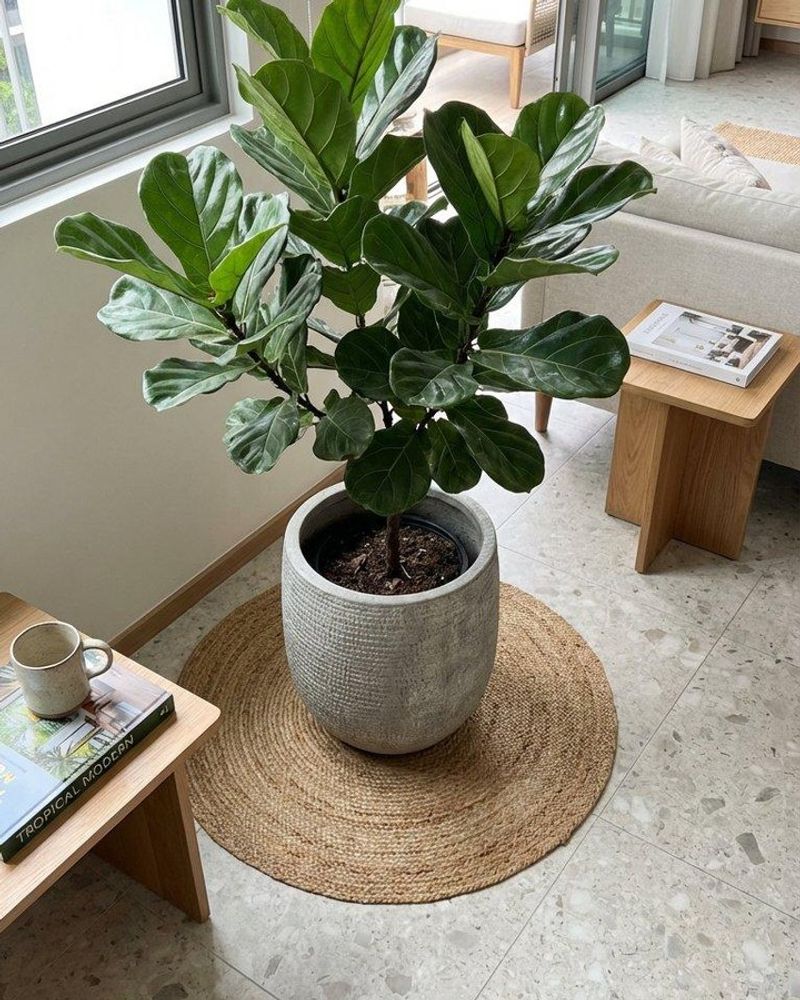
Architectural elegance meets botanical beauty in the Fiddle Leaf Fig, whose violin-shaped leaves create stunning visual impact in modern North Carolina interiors.
Interior designers frequently choose this plant for its ability to fill empty corners and add vertical interest to rooms that need height.
Consistency is key with this somewhat temperamental beauty, so keep it in one spot and maintain regular watering and lighting schedules religiously.
Bright filtered light works best, though direct afternoon sun can scorch those gorgeous leaves and leave unsightly brown patches that ruin the look.
Rotate your Fiddle Leaf Fig every few weeks to ensure even growth on all sides and prevent it from leaning awkwardly toward light.
Soil should dry out slightly between waterings, and you can test moisture levels by sticking your finger two inches deep into the potting mix.
Fertilize monthly during growing season with diluted liquid fertilizer to support healthy new leaf production and maintain that vibrant green color throughout.
5. Pothos
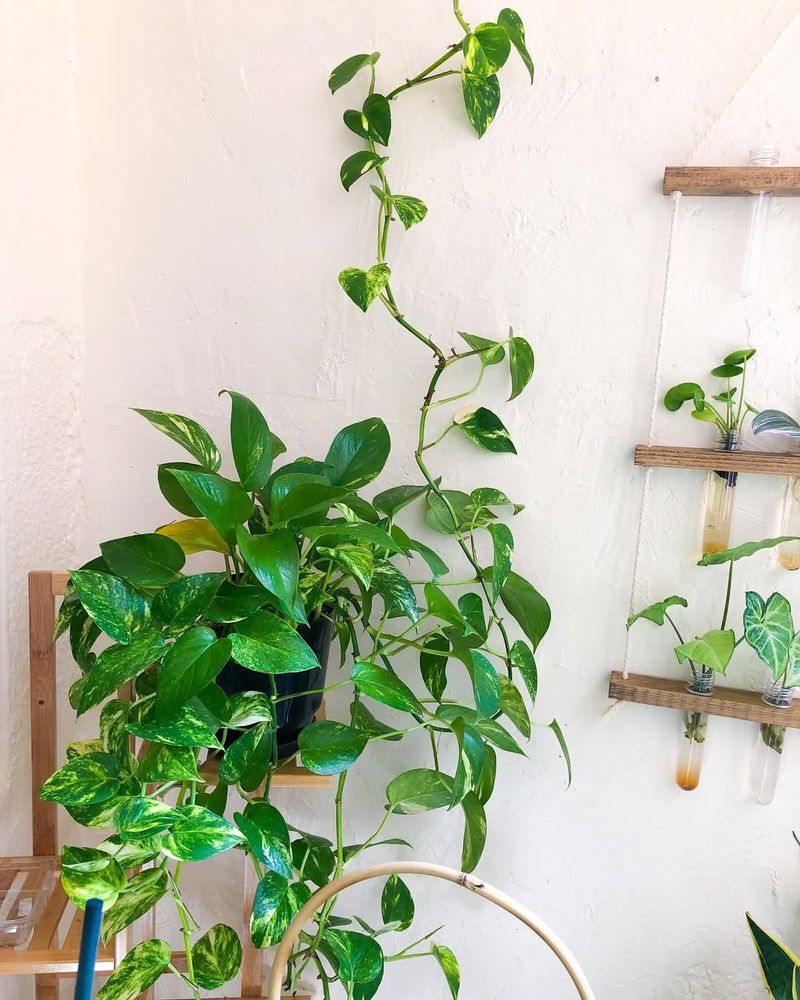
Nearly indestructible and endlessly forgiving, Pothos ranks as one of the easiest plants for creating jungle vibes without any previous gardening experience.
Trailing vines can grow incredibly long over time, reaching ten feet or more when given proper care and enough space to spread.
Adaptability is the superpower of Pothos since it tolerates low light, irregular watering, and typical household temperatures without throwing a tantrum.
Golden Pothos features yellow variegation while Marble Queen shows white patterns, giving you options to match your specific decor style and preferences.
North Carolina homeowners appreciate how this plant purifies indoor air by removing common toxins, making your living space healthier for everyone inside.
Propagation is incredibly simple because stem cuttings root easily in water, allowing you to create new plants to share with friends freely.
Prune back leggy vines occasionally to encourage fuller growth closer to the base and maintain a lush, dense appearance that looks professionally styled.
6. Rubber Plant
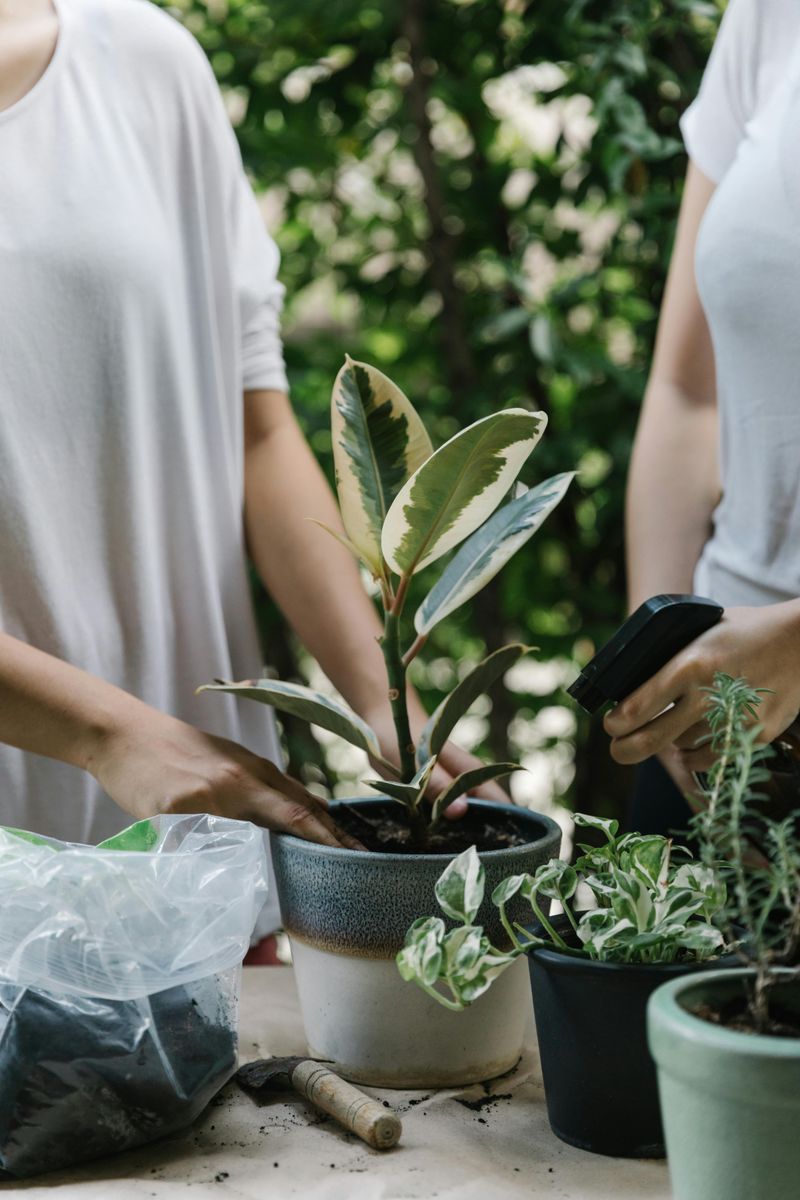
Bold and glossy leaves make the Rubber Plant an instant statement piece that adds depth and richness to any room craving tropical energy.
Burgundy varieties offer darker foliage that contrasts beautifully with lighter walls, while traditional green types provide classic jungle appeal that never fades.
Originally cultivated for latex production, this plant now serves as a popular houseplant that thrives in North Carolina homes with minimal special treatment.
Bright indirect light encourages the best growth, though this adaptable plant tolerates medium light conditions without losing its vigor or leaf production.
Watering once weekly during warm months keeps the soil consistently moist but not soggy, which prevents root issues that can damage the plant.
Reduce watering frequency in winter when growth naturally slows down and the plant enters a semi-dormant period requiring less moisture overall.
Wipe the large leaves regularly with a damp cloth to remove dust buildup and keep that signature glossy shine looking absolutely spectacular always.
7. Snake Plant
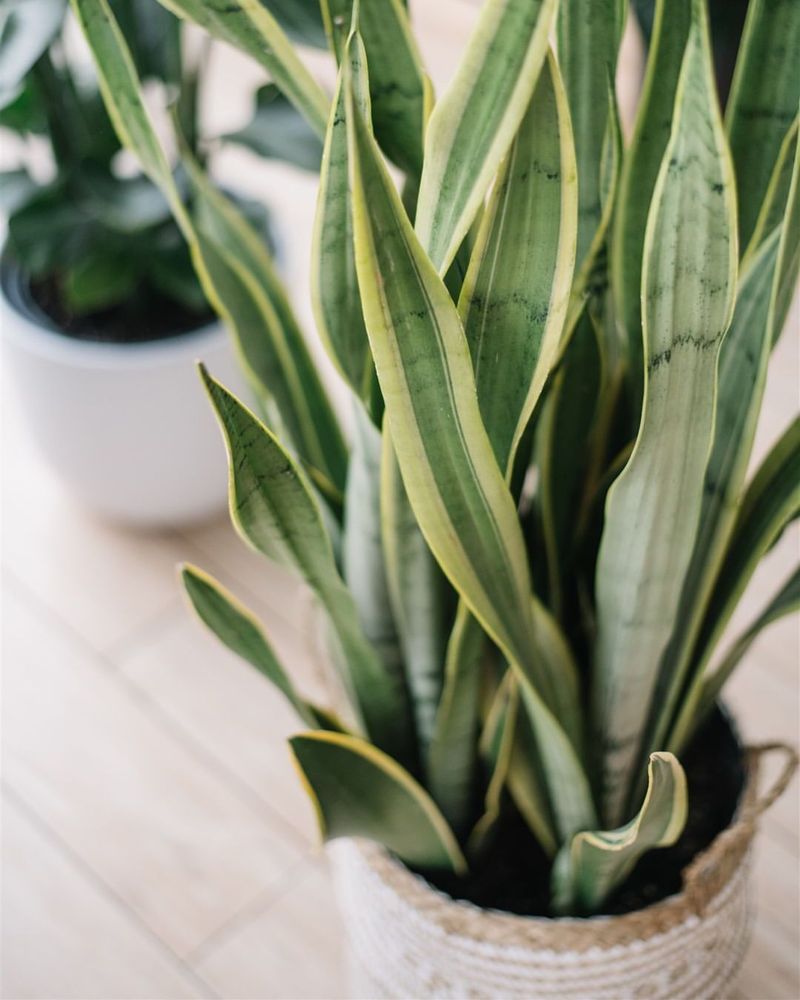
Architectural sword-like leaves rise dramatically from the soil, making Snake Plant a perfect choice for adding vertical jungle interest to tight spaces.
Sansevieria, as it is scientifically known, tolerates neglect better than almost any other houseplant, surviving weeks without water when necessary.
Various cultivars offer different leaf patterns and heights, from compact varieties perfect for desks to tall specimens that reach three feet high.
NASA research identified Snake Plant as an excellent air purifier that removes toxins while releasing oxygen at night, unlike most other plants.
North Carolina homes with inconsistent temperatures or low humidity still provide suitable conditions since this plant adapts to almost any indoor environment.
Overwatering causes more problems than underwatering, so allow soil to dry completely between waterings and reduce frequency during cooler winter months.
Bright indirect light produces the fastest growth, but Snake Plant tolerates low light corners where other plants would struggle to survive successfully.
8. Boston Fern
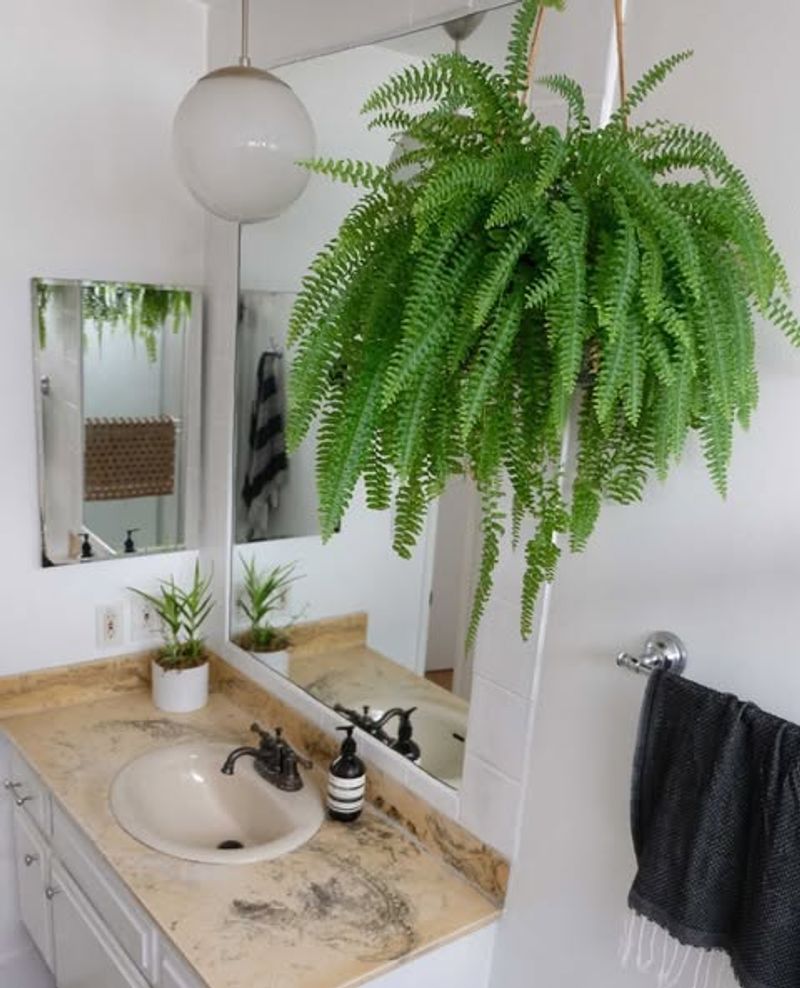
Feathery fronds cascade gracefully downward, creating soft texture that contrasts beautifully with bold-leafed plants in your jungle-inspired North Carolina home collection.
Humidity lovers by nature, Boston Ferns thrive in bathrooms where steam from showers creates the moist environment these plants crave constantly.
Misting the fronds daily or placing the pot on a pebble tray filled with water helps maintain adequate moisture levels in drier rooms.
Bright indirect light keeps fronds looking lush and green, though direct sunlight can scorch the delicate foliage and turn it brown quickly.
Consistent watering is essential because Boston Ferns dislike drying out completely, which causes fronds to turn crispy and lose their vibrant appearance.
Trimming away withered or damaged fronds keeps the plant looking tidy and encourages new growth to fill in bare spots naturally over time.
Fertilize monthly during spring and summer with diluted liquid fertilizer to support vigorous growth and maintain that healthy deep green color throughout.
9. ZZ Plant
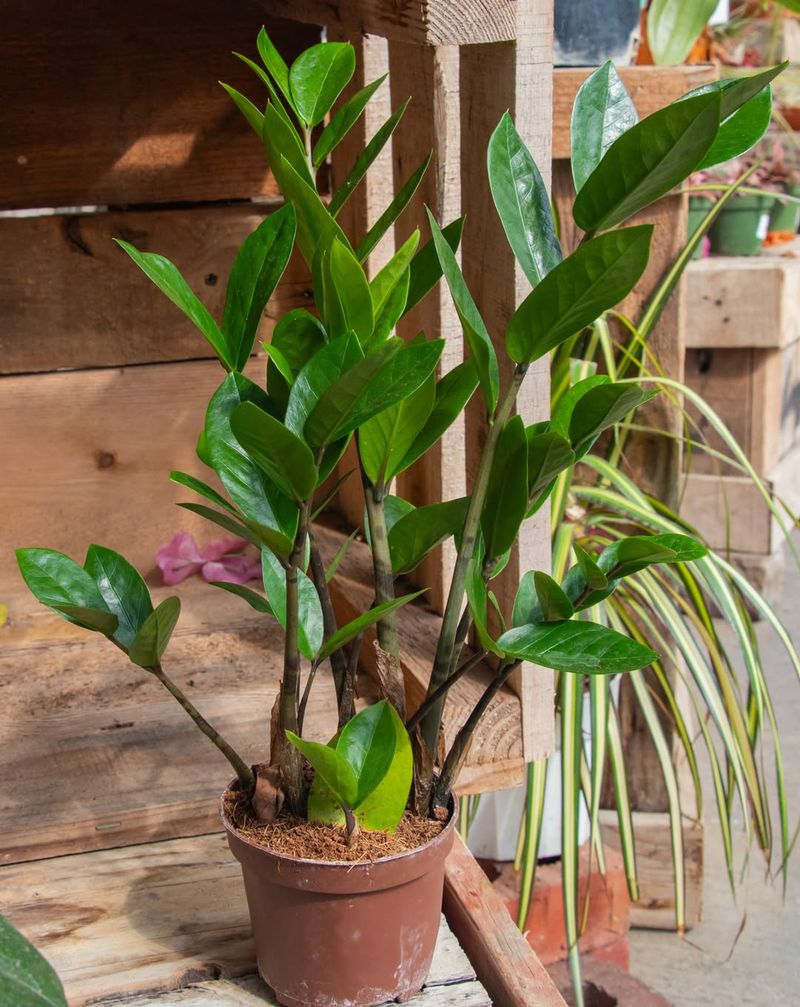
Waxy stems and glossy oval leaflets give ZZ Plant a polished appearance that looks expensive and carefully maintained even when you forget it.
Underground rhizomes store water efficiently, allowing this plant to survive extended periods without watering that would doom less drought-tolerant species completely.
Zamioculcas zamiifolia works its scientific magic in low-light spaces where other jungle plants fail, making it perfect for basement rooms or offices.
Slow growth means you will not need to repot frequently, which appeals to homeowners who prefer plants that stay manageable and compact.
North Carolina apartments and homes with limited natural light benefit enormously from this plant that thrives despite less-than-ideal lighting conditions everywhere.
Minimal watering requirements mean you only need to water when soil is completely dry, perhaps once every two to three weeks typically.
Toxic to pets if ingested, so keep ZZ Plant on high shelves or in rooms where curious cats and dogs cannot reach it.
10. Calathea
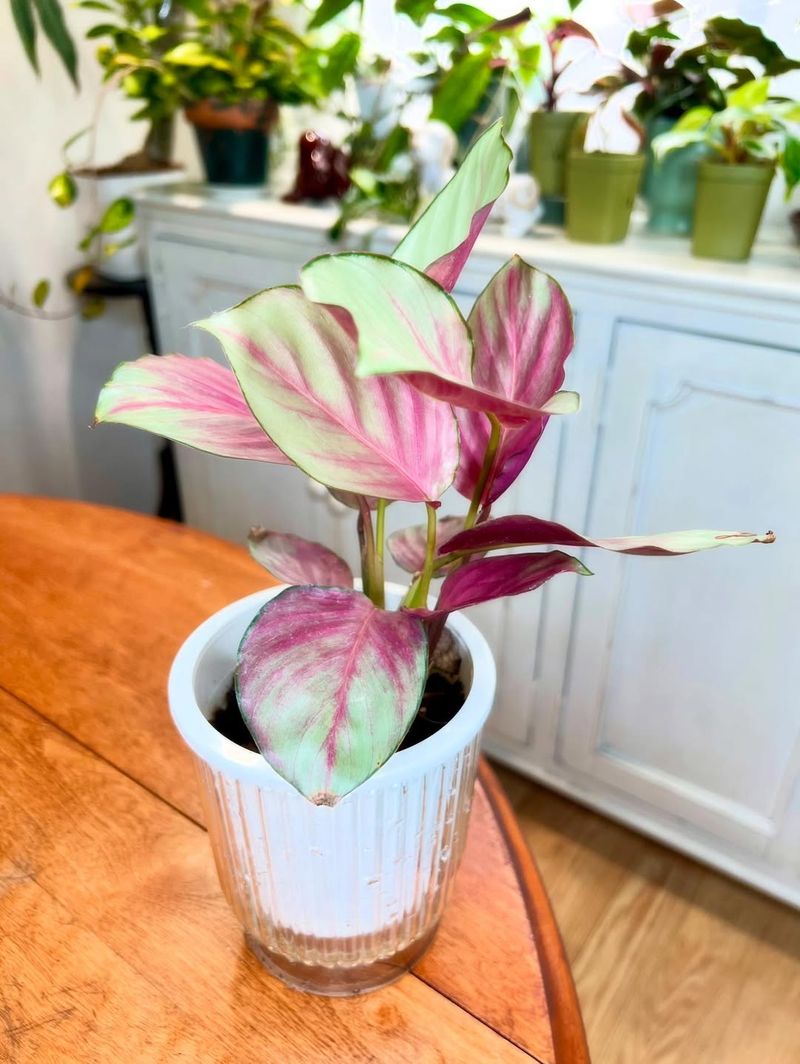
Stunning leaf patterns featuring stripes, spots, and splashes of color make Calathea varieties living artwork that transforms rooms into tropical paradises.
Prayer plant relatives, Calatheas fold their leaves upward at night in a fascinating daily movement that never fails to captivate plant enthusiasts.
High humidity requirements mean these plants excel in North Carolina bathrooms or kitchens where moisture levels naturally stay elevated throughout the day.
Filtered light prevents leaf colors from fading while protecting delicate foliage from harsh rays that can bleach out those gorgeous intricate patterns.
Distilled or filtered water works best because Calatheas are sensitive to chemicals found in tap water that can cause brown leaf edges.
Keep soil consistently moist but never waterlogged, checking moisture levels frequently to prevent the roots from sitting in standing water too long.
Popular varieties include Calathea Orbifolia with large round leaves and Rattlesnake Plant with narrow patterned foliage that resembles its reptilian namesake perfectly.
11. Areca Palm
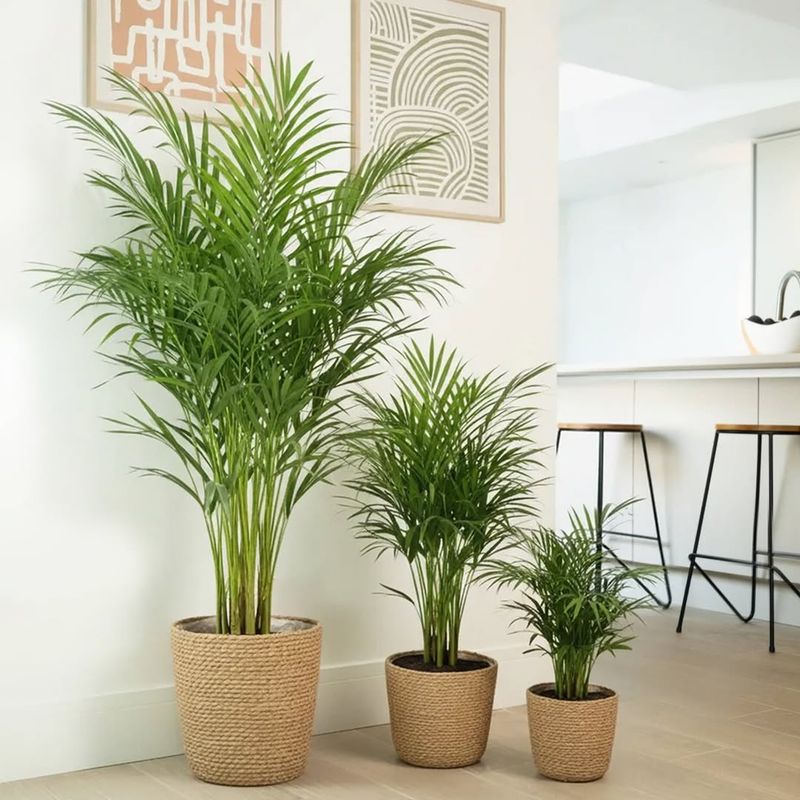
Bamboo-like stems topped with feathery fronds create instant tropical resort vibes that transport you mentally to far-away beaches and paradise destinations.
Multiple stems emerge from the base, creating a full bushy appearance that fills empty floor space beautifully in large North Carolina rooms.
Air-purifying qualities make Areca Palm a functional choice that improves indoor air quality while adding aesthetic jungle appeal to your home decor.
Bright indirect light promotes healthy growth and maintains the golden-green color of fronds that gives this palm its signature cheerful appearance.
Watering needs increase during summer when growth accelerates, but always allow the top inch of soil to dry before watering again thoroughly.
Yellowing fronds at the base are normal as the plant ages, and you can simply trim them away to maintain a clean look.
Grouping several Areca Palms together creates a dramatic jungle corner that becomes a focal point and conversation starter for visitors always.
12. Alocasia
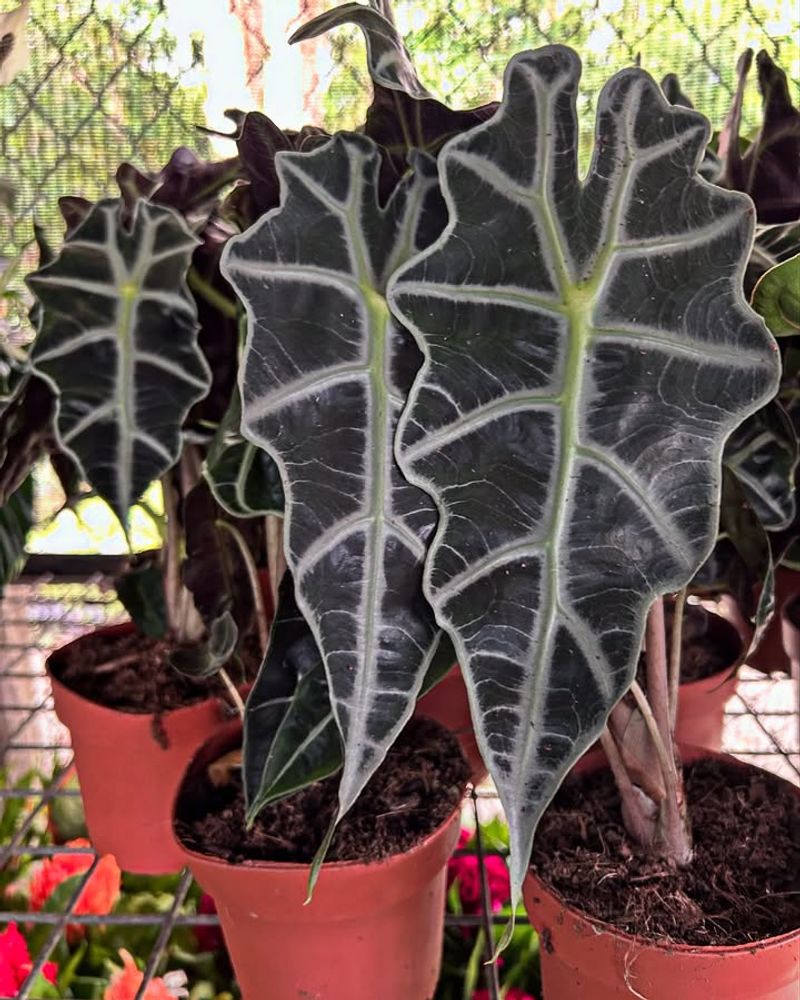
Dramatic arrow-shaped leaves with prominent veining create sculptural beauty that commands attention and adds exotic flair to any jungle-themed North Carolina space.
Elephant Ear plants, as they are commonly called, come in varieties ranging from deep purple to bright green with contrasting vein patterns.
Warm temperatures and high humidity keep Alocasia happy, making them perfect companions for other tropical plants with similar environmental needs and preferences.
Bright indirect light supports vigorous growth, though some varieties with darker foliage tolerate slightly lower light conditions than lighter-leafed types do.
Water when the top inch of soil dries out, maintaining consistent moisture without allowing the plant to sit in waterlogged soil constantly.
Dormancy may occur during winter months when growth slows or stops completely, and watering should be reduced significantly during this resting period.
Fertilize every two weeks during active growing season with diluted balanced fertilizer to support the production of those impressive oversized leaves continuously.
13. Dracaena
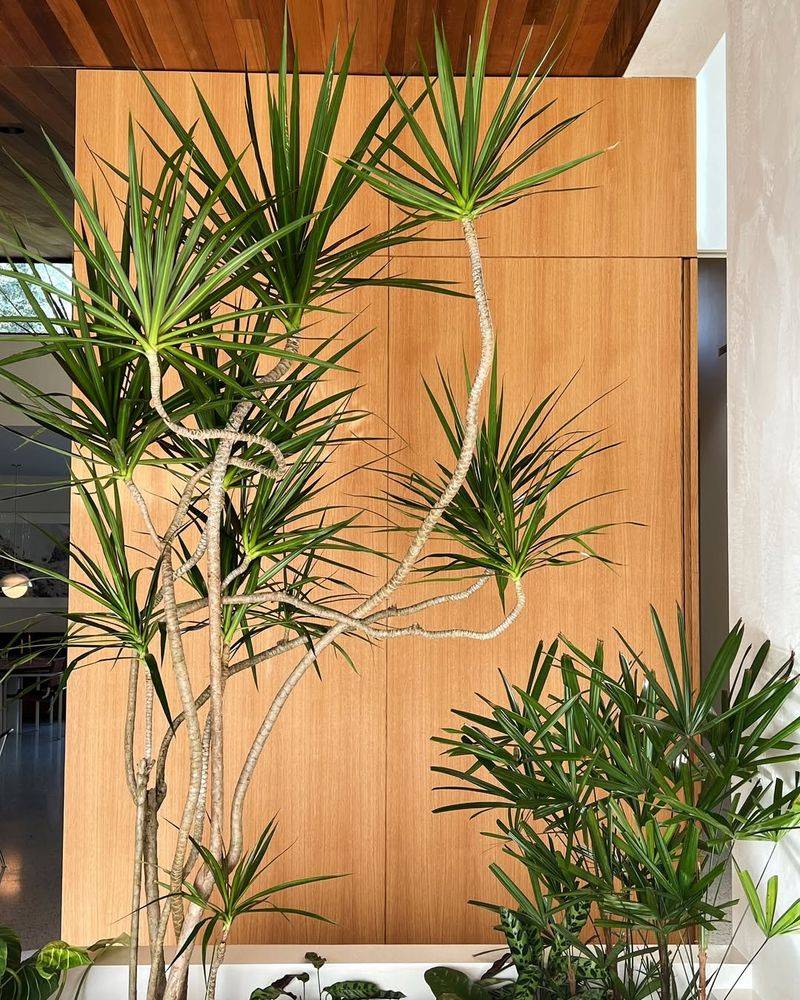
Striped or solid-colored sword-like leaves arranged in rosettes create architectural interest that adds height and structure to your jungle plant collection effectively.
Numerous varieties offer different sizes and colors, from compact tabletop versions to tall tree-like specimens that reach six feet or higher.
Low-maintenance requirements make Dracaena ideal for busy North Carolina homeowners who want impressive plants without dedicating hours to complicated care routines.
Moderate to bright indirect light keeps foliage looking vibrant, though most Dracaena varieties tolerate lower light better than many other houseplants.
Fluoride sensitivity means using filtered or distilled water prevents brown leaf tips that can develop when tap water contains high fluoride levels.
Allow soil to dry partially between waterings since Dracaena prefers slightly drier conditions compared to moisture-loving tropical plants like ferns or Calatheas.
Pruning the top of tall specimens encourages branching and creates a fuller appearance, and you can propagate the cuttings to grow new plants.