North Carolina Homeowners Are Replacing These Garden Structures To Discourage Carpenter Bees
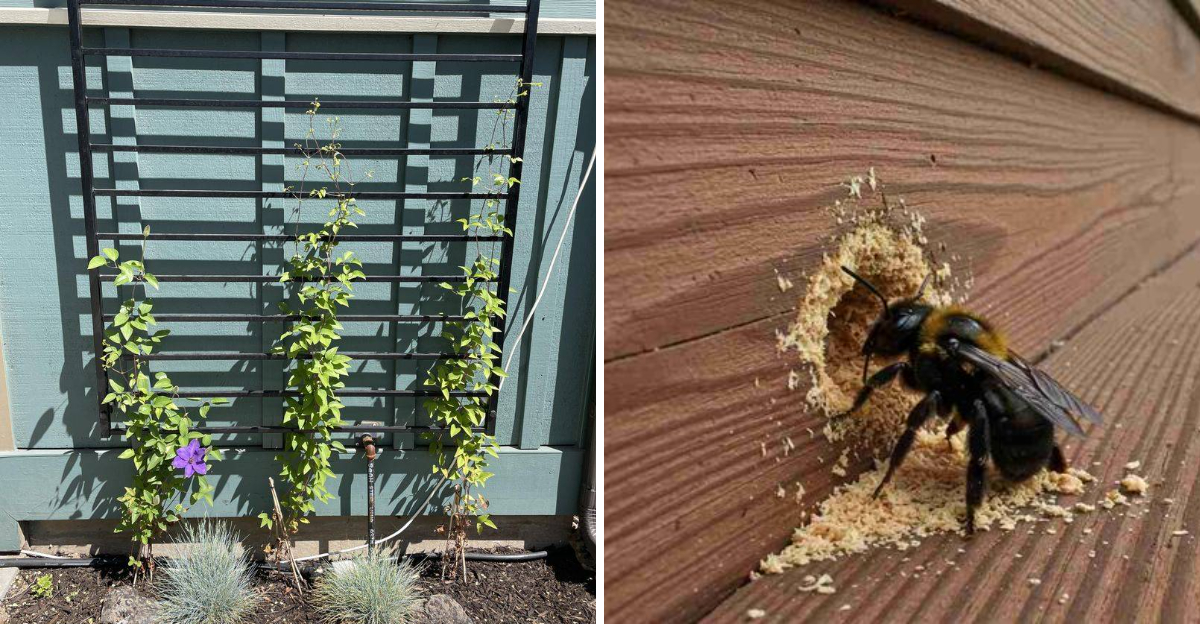
North Carolina carpenter bees do not need a welcome mat.
They just need bare wood.
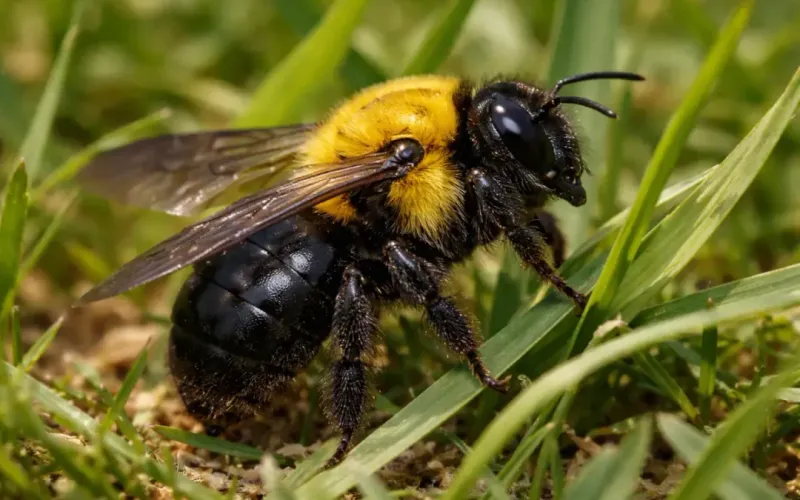
One warm spring morning, your pergola looks fine. By afternoon, a perfect round hole appears in the beam, and a chunky bee is hovering nearby like a tiny contractor with no permit.
Fence rails, porch trim, arbors, deck posts, and shed fascia all become tempting targets when softwood stays untreated, weathered, or easy to chew.
Humidity and rain make the problem worse, because wood surfaces break down faster and invite another season of drilling.
Many homeowners patch last year’s holes and call it handled. The bees are less impressed.
So what actually makes a North Carolina yard less appealing before the next spring patrol begins?
Start with the materials and finishes. Painted, sealed, harder, or better-protected surfaces can change the whole pattern, especially when repairs happen before fresh nesting begins.
The goal is simple: give carpenter bees fewer easy places to claim. That is the upgrade to make before the porch starts buzzing again soon.
1. Swap Softwood Pergolas For Composite
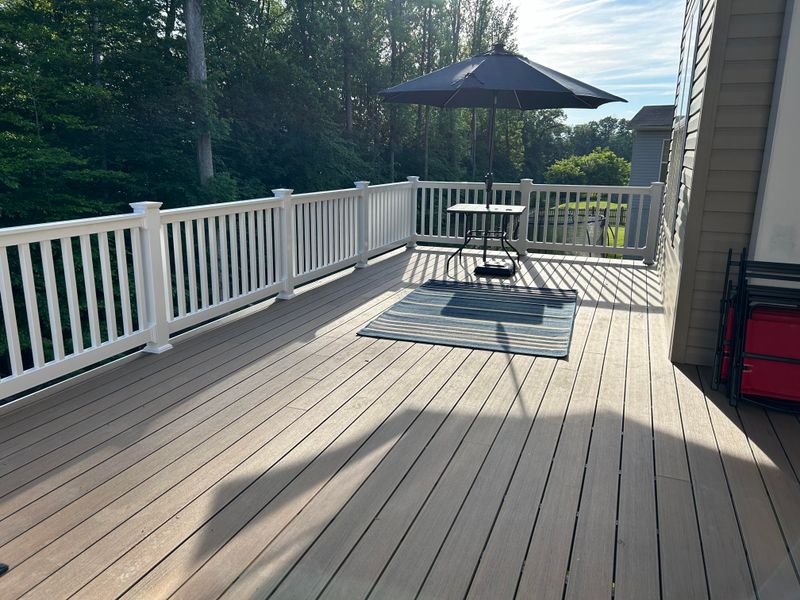
That big pergola shading your patio might be one of the most attractive targets in your entire yard.
Carpenter bees zero in on softwoods like pine and cedar, especially when the surface is bare or weathered.
A pergola built from standard dimensional lumber gives them exactly what they want: wide, flat beams with exposed end grain that is practically an invitation to nest.
Composite lumber changes that equation completely.
Made from a blend of wood fiber and plastic, composite beams have a hard outer shell that carpenter bees cannot easily chew through.
NC State Extension notes that carpenter bees strongly prefer unfinished or weathered wood, so removing that surface from the equation is one of the most effective structural moves you can make.
Composite pergolas have come a long way in looks.
Modern options mimic wood grain closely and hold up well against North Carolina humidity without warping, splitting, or graying out. You skip the annual sanding and staining cycle that bare wood demands every spring.
If a full replacement feels like too much right now, start by swapping out the most exposed horizontal beams first.
Those top rails take the heaviest weathering and attract the most bee attention. Pair the new composite structure with a coat of exterior paint on any remaining wood and you will have covered most of your bases before the bees even think about returning.
2. Replace Weathered Fence Rails
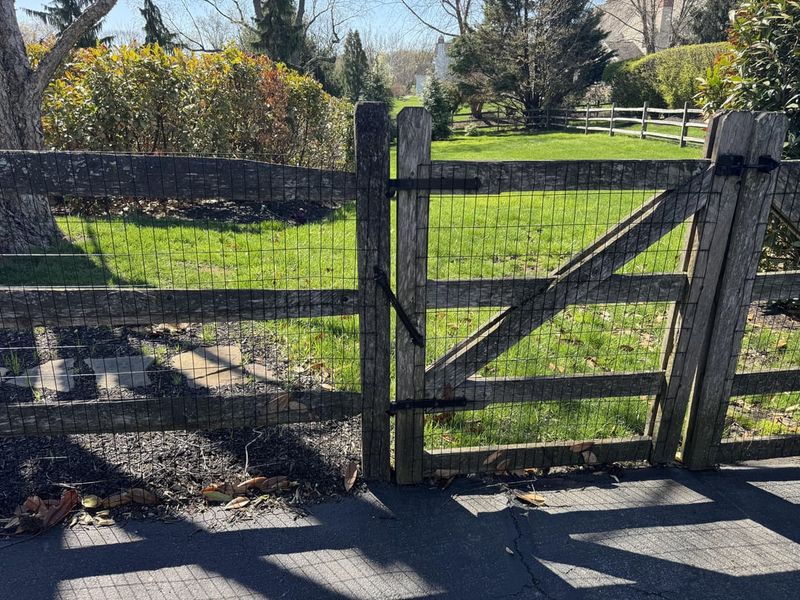
Walk your fence line in early spring and you may spot the telltale sawdust piles that signal carpenter bee activity.
Weathered fence rails are among the most overlooked targets in a North Carolina yard, partly because they stretch so far and partly because the damage is easy to miss until it becomes serious.
Raw, grayed-out wood is a magnet for carpenter bees.
As the surface weathers, the outer fibers loosen and soften, making it even easier for bees to bore in.
Rails that face south or west tend to dry out and crack faster, creating rough texture that bees find especially appealing. Replacing those rails with vinyl or aluminum fencing eliminates the problem at the source.
Your North Carolina Garden Changes Every Week. Your Plan Should Too.
Gardening in North Carolina changes quickly throughout the season. Every Friday you’ll receive a simple weekly plan showing exactly what to plant, prune, fertilize, harvest, and protect so you never miss the right timing.
Vinyl fence rails are widely available at home improvement stores across the state.
They do not absorb moisture, they do not crack under summer heat, and they give carpenter bees nothing to chew on.
If your fence posts are still solid and the rails are the main issue, a partial replacement makes good financial sense.
Swap out the horizontal rails first since those are the sections that take the most sun exposure and weather the fastest.
Cap the ends of any remaining wood posts with a tight-fitting vinyl or metal cap to close off that exposed end grain before spring bee season arrives.
3. Rethink Bare Wood Arbors
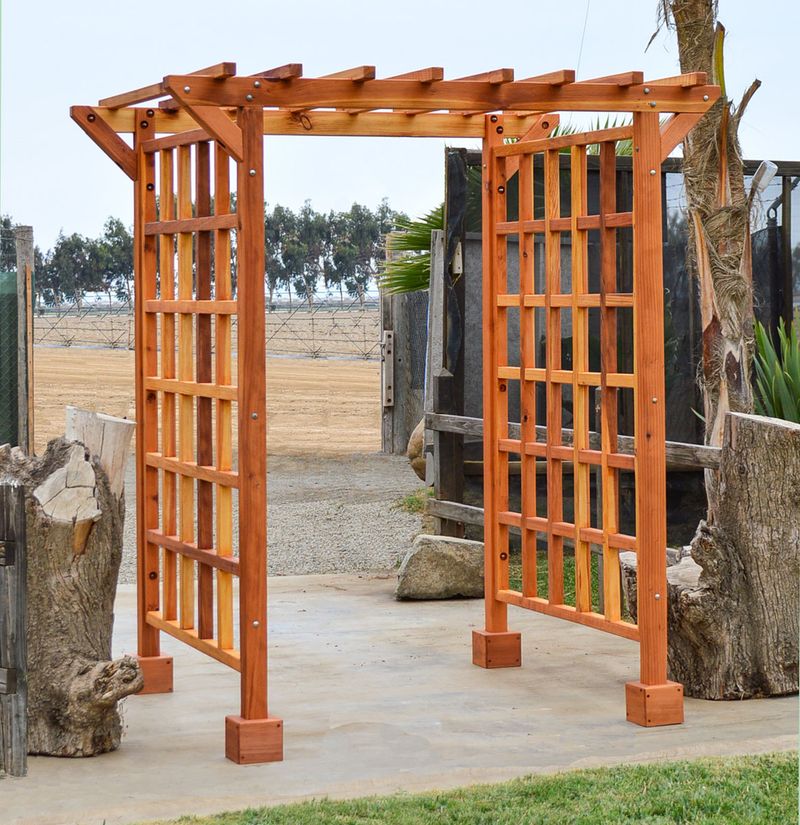
A garden arbor draped in jasmine or climbing roses looks like a dream. For carpenter bees, it looks like prime real estate.
The arched overhead beams and side posts of a traditional wood arbor often go unpainted or unsealed, especially in shaded spots where homeowners assume the vines provide enough protection. They do not.
Bare softwood arbors are a recurring complaint among North Carolina gardeners.
The structure sits in place season after season, the finish fades, and the wood slowly becomes irresistible to nesting bees.
By the time you notice the holes, the tunnels inside can stretch six inches or more, weakening the lumber significantly.
Replacing a bare wood arbor with one made from powder-coated steel or aluminum solves the problem without sacrificing the look of your garden.
Metal arbors support climbing plants just as well and require almost no seasonal maintenance. Many styles are available that blend naturally into cottage or traditional garden settings.
If you love the warmth of real wood and want to keep it, commit to a full paint or sealant application before spring each year.
NC State Extension guidance points clearly to surface finish as a key deterrent. A smooth, fully covered surface is far less attractive to carpenter bees than bare grain.
Think of a fresh coat of paint as your arbor’s best spring accessory, one that actually works.
4. Upgrade Wooden Trellises
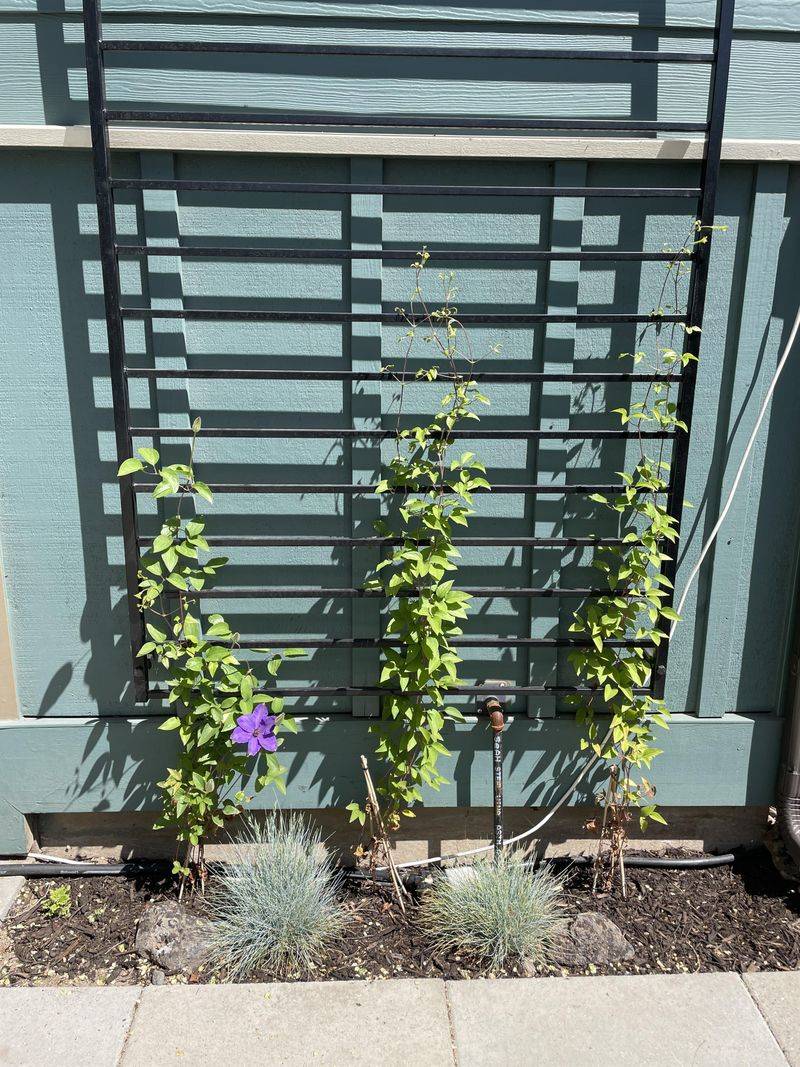
Trellises tend to fly under the radar when homeowners think about carpenter bee prevention.
They are small, they are often covered in vines, and they rarely get the same attention as a pergola or fence.
But those thin wooden slats are exactly the kind of softwood surface carpenter bees love to explore, especially where the vines pull away and leave bare wood exposed to sun and air.
The narrow profile of a trellis actually works against you here.
Because the slats are thin, a single carpenter bee tunnel can compromise the structural integrity of the piece pretty quickly. You might notice the first hole just as your clematis is hitting its stride in May, and by then the bee has already moved in.
Switching to a powder-coated steel trellis or a heavy-gauge wire trellis eliminates the wood surface entirely.
These options support climbing plants just as well, often better, and they last for decades without repainting or re-sealing. Wrought-iron styles add a classic look that suits many North Carolina garden aesthetics beautifully.
If you prefer to stay with wood, look for trellises with a fully painted finish on every surface, including cut ends.
Primed and painted wood is significantly less attractive to carpenter bees than raw or weathered wood. Re-coat every spring before the bees emerge, usually around late March or early April in most parts of the state.
5. Switch Rail Caps To PVC
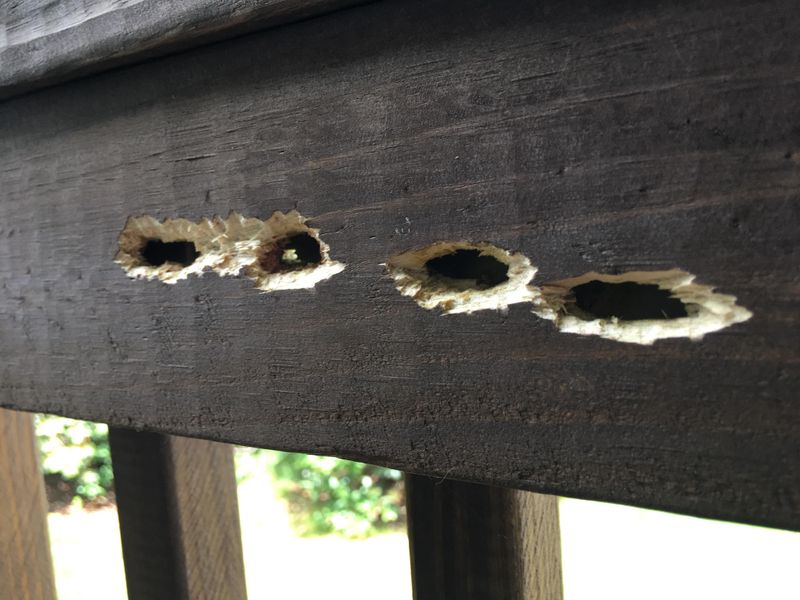
Here is a spot that surprises a lot of homeowners: the top rail cap on a deck or porch railing.
That flat, horizontal surface takes full sun exposure, collects moisture, and tends to crack and gray out faster than almost any other part of the structure.
Carpenter bees notice it immediately. That exposed end grain at the corners is practically a welcome mat.
Switching to PVC rail caps is one of the simplest, most affordable upgrades you can make to a North Carolina deck or porch.
PVC caps slip right over existing wood rails in most cases, covering the exposed surface without requiring a full railing replacement. The smooth, non-porous surface gives bees nothing to grip or chew.
PVC rail caps are UV-stabilized for the intense Carolina summer sun and do not require painting, staining, or annual sealing.
Some homeowners report that this single swap noticeably reduces hovering bee activity around their porch within just one season.
Installation is genuinely straightforward.
Most caps fit snugly over a standard 2×4 or 2×6 rail with construction adhesive and a few trim nails. Pay close attention to the end cuts and corners, since any gap that exposes raw wood will still be attractive to bees.
Seal every joint cleanly and you will have closed off one of the most common nesting targets on a typical North Carolina porch.
6. Retire Untreated Garden Benches
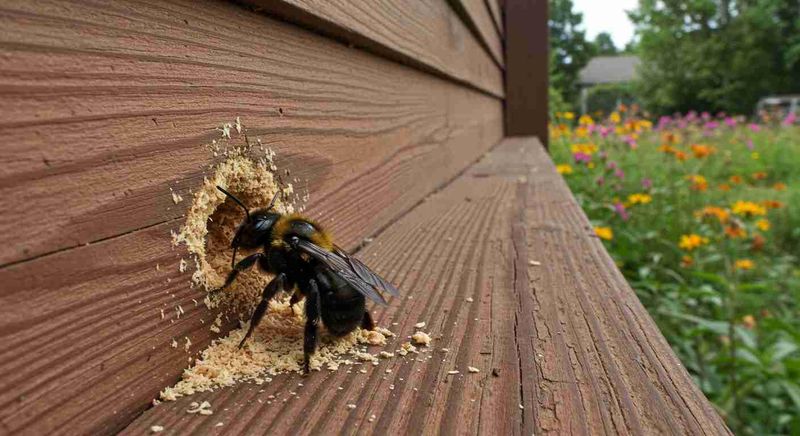
That old pine bench at the edge of your flower bed might be charming, but if it has never seen a coat of paint or sealant, it is working against you every spring.
Untreated garden benches made from softwood are one of the most commonly overlooked carpenter bee nesting sites, mostly because the bench seems too small to matter.
Carpenter bees do not think in terms of size. They think in terms of surface quality.
A bare pine armrest or seat slat is just as appealing as a pergola beam.
Benches are often left completely exposed to weather year-round, and the underside of the seat and the back legs are especially vulnerable because they stay damp longer and soften faster.
Replacing an untreated bench with one made from teak, composite, or powder-coated metal removes the problem entirely.
Teak is naturally resistant to weathering and has a denser grain that is less inviting than pine or spruce. Composite benches look great, hold up beautifully in humidity, and require almost no upkeep.
If the bench has sentimental value and you want to keep it, sand it down completely and apply two full coats of exterior paint or spar urethane to every surface, including the undersides and cut ends.
Reapply every spring before late March. A well-sealed bench is not nearly as appealing to a carpenter bee looking for a nesting site as bare, weathered wood.
7. Protect Shed Trim Before Spring
Shed fascia boards are the quiet victims of carpenter bee season.
They sit up high, they face outward, and they are almost always made from bare pine or spruce that gets maybe one coat of paint at installation and nothing after that.
By year three or four, the finish is gone, the wood is gray, and the bees have found it.
Spring inspection of your shed trim should happen before the first warm days of March in North Carolina, because carpenter bees emerge early and move fast once temperatures climb.
Check the fascia along the roofline, the trim boards around the door frame, and any decorative corner boards. These are the spots that weather fastest and attract the most attention.
If the trim is already soft, cracked, or showing holes, replacement is the smarter move.
New trim boards made from fiber cement or PVC eliminate the softwood surface entirely. These materials hold paint far better than wood, resist moisture, and give carpenter bees no foothold.
Fiber cement trim is widely used in North Carolina construction and performs well across all climate zones in the state.
For sheds where the trim is still in decent shape, a thorough cleaning followed by a full coat of exterior paint is your best defense.
Cover every surface, press paint into any small cracks, and do not skip the end cuts. Think of it as your shed getting its spring outfit, one that bees find completely unappealing.
8. Choose Finished Wood When It Stays
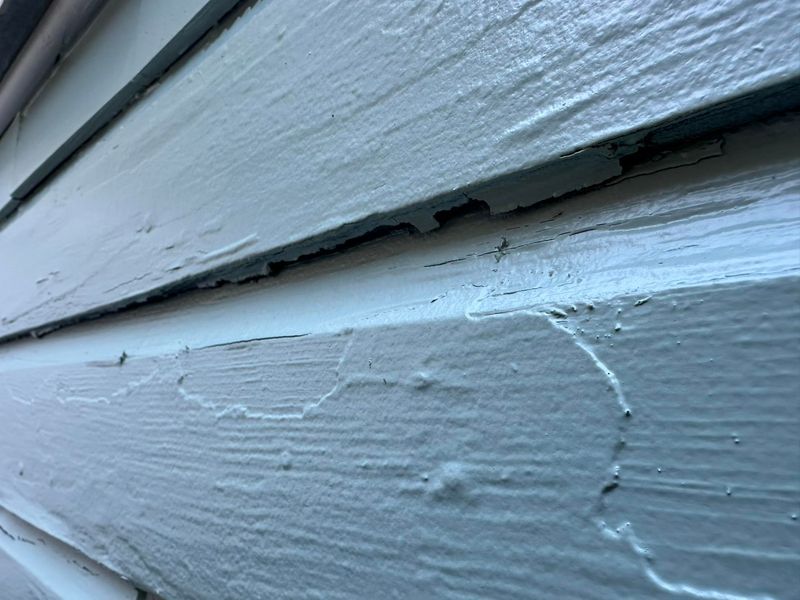
Not every wooden structure in your yard can be replaced, and that is completely fine.
A covered porch ceiling, a built-in planter box, or a custom-built gate might be worth keeping exactly where it is.
The key is making sure every inch of exposed wood surface is properly finished and maintained on a consistent schedule.
NC State Extension guidance is clear that carpenter bees strongly prefer unfinished or weathered wood.
A smooth, fully painted surface is significantly less attractive to them than bare grain. That means paint is not just cosmetic.
It is genuinely functional when it comes to deterring these bees from nesting in structures you cannot or do not want to replace.
Exterior latex paint with a smooth finish works well on most wood surfaces.
Oil-based spar urethane is a strong option for surfaces that get a lot of direct sun or rain, like exposed beam ends and horizontal surfaces.
Apply a primer coat first on bare or stripped wood, then follow with two topcoats for the best coverage and durability.
The timing matters just as much as the product.
In North Carolina, carpenter bees typically become active in late March through April. Aim to complete any painting or sealing by mid-March at the latest.
Inspect your finished surfaces each fall as well, touching up any chips or cracks before winter moisture works its way in and softens the wood underneath.
Staying ahead of the schedule is the whole game.