Common Rose Diseases Texas Gardeners May See This Winter And How To Reduce Risk
Texas winters test roses in quiet ways.
Mild days mix with cold snaps, and stress opens the door to trouble.
Dark spots, pale mildew, and cankered stems often appear when growth slows and air turns damp.
Many gardeners miss early clues, then face weak plants once spring warmth returns.
Smart care during winter shifts the odds back in your favor.
Clean beds, good airflow, and sharp timing make a real difference.
Learn what conditions invite disease, how weather patterns play a role, and which habits protect prized bushes.
A little attention now saves blooms later.
When roses rest, prevention works overtime.
Treat winter as preparation season, not downtime, and reward follows with strong canes, glossy leaves, and flowers that steal the show each spring ahead.
Why Rose Diseases Can Persist During Mild Texas Winters
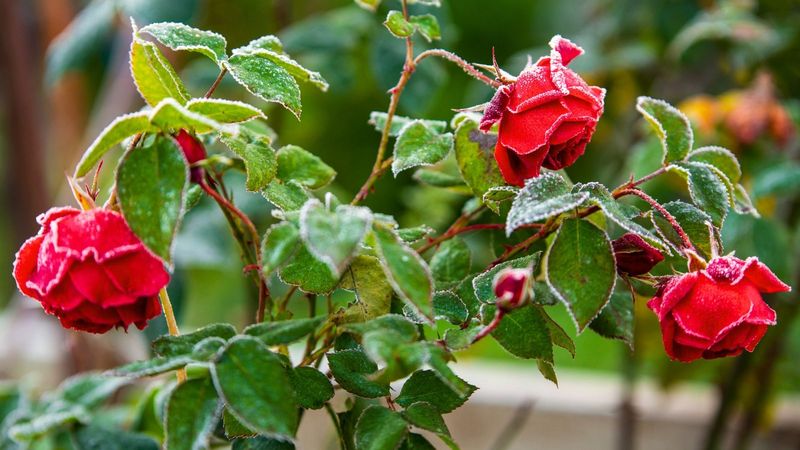
Most fungal pathogens need warmth and moisture to spread, and Texas winters provide both in abundance.
Unlike northern states where freezing temperatures halt disease activity, our mild climate allows fungi to remain active throughout the cooler months.
Temperatures between 50 and 70 degrees Fahrenheit create ideal conditions for spores to germinate and infect rose foliage.
Winter rains and morning dew add the moisture component that completes the perfect disease triangle.
Many Texas gardeners mistakenly believe cold weather protects their roses from infections, but the opposite often proves true.
Reduced sunlight hours and slower leaf drying times mean foliage stays wet longer, giving pathogens extended opportunities to establish themselves.
Your roses may look dormant, but disease organisms remain vigilant and ready to attack vulnerable tissue.
Winter pruning wounds and naturally aging leaves provide easy entry points for infections.
Recognizing that disease pressure continues year-round in Texas helps you stay alert and take preventive action even when roses appear to rest.
Regular monitoring during winter months catches problems early before they spread throughout your garden.
Black Spot – The Most Common Rose Disease In Texas Landscapes
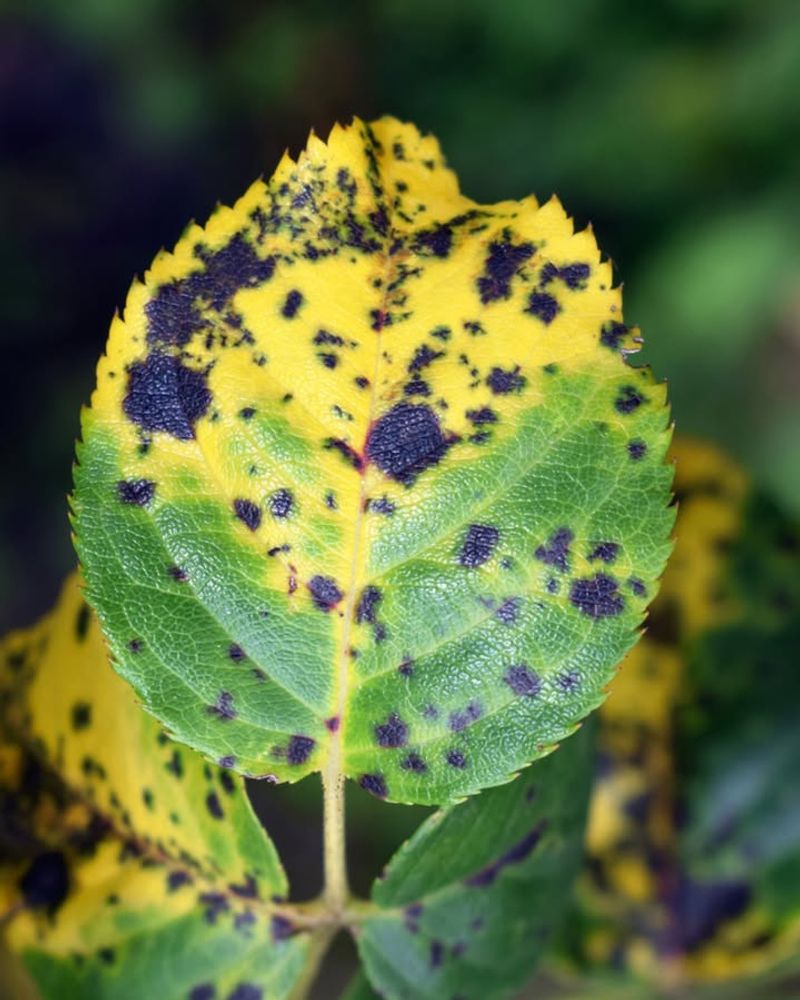
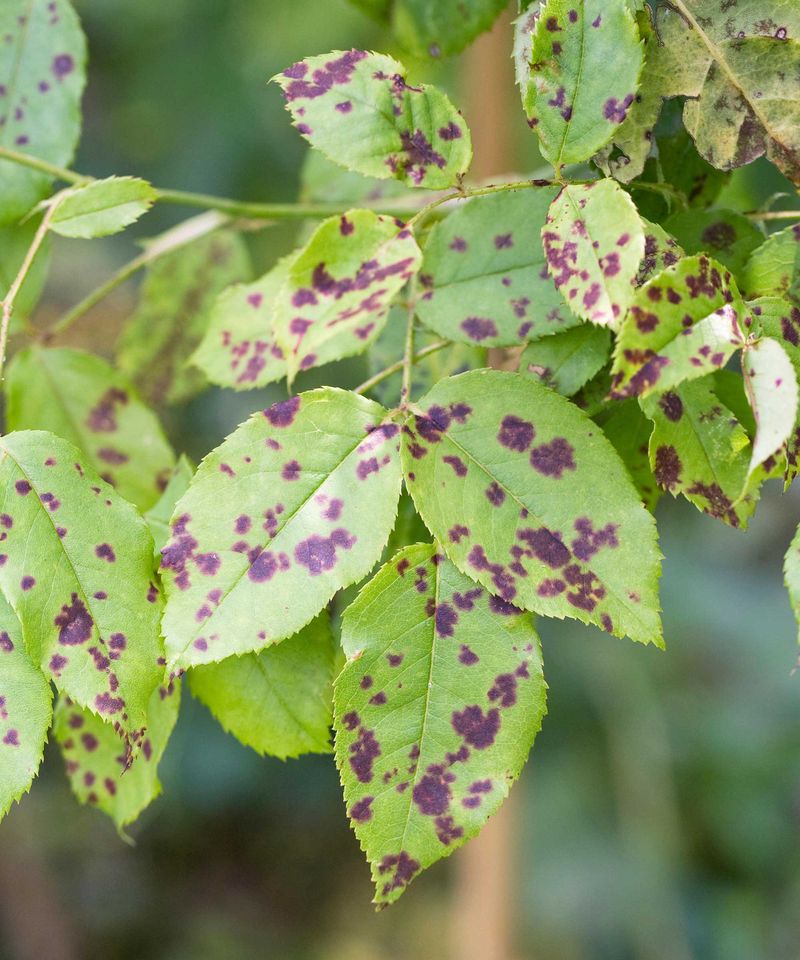
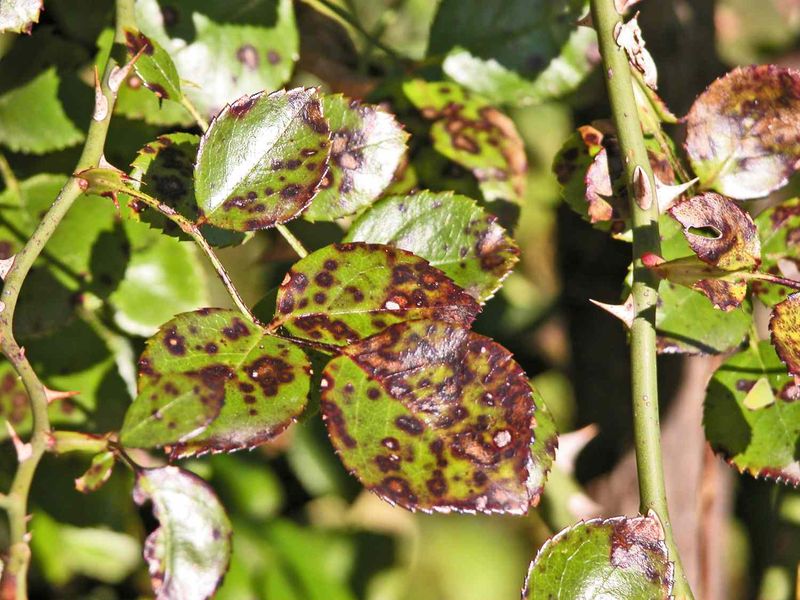
Black spot earns its name from the distinctive dark circles that appear on rose leaves, often surrounded by yellowing tissue.
This fungal disease spreads rapidly during periods of wet weather, making Texas winters particularly challenging for rose growers.
Spores splash from infected leaves onto healthy foliage whenever rain or irrigation water hits the plant.
Within just seven hours of continuous leaf wetness, the fungus can establish infection that leads to visible symptoms within days.
Infected leaves eventually turn yellow and drop from the plant, weakening roses over time.
Severe infections can strip a rose bush of most of its foliage by late winter.
Prevention starts with selecting resistant varieties whenever possible, as some roses show natural immunity to this persistent problem.
Proper spacing between plants improves air movement and helps leaves dry faster after rain.
Remove and dispose of any spotted leaves as soon as you notice them to reduce spore populations.
Avoid overhead watering, which keeps foliage wet unnecessarily long and promotes infection.
Applying preventive fungicides before symptoms appear offers better protection than waiting to treat established infections.
Powdery Mildew And Why It Appears In Cool, Humid Weather
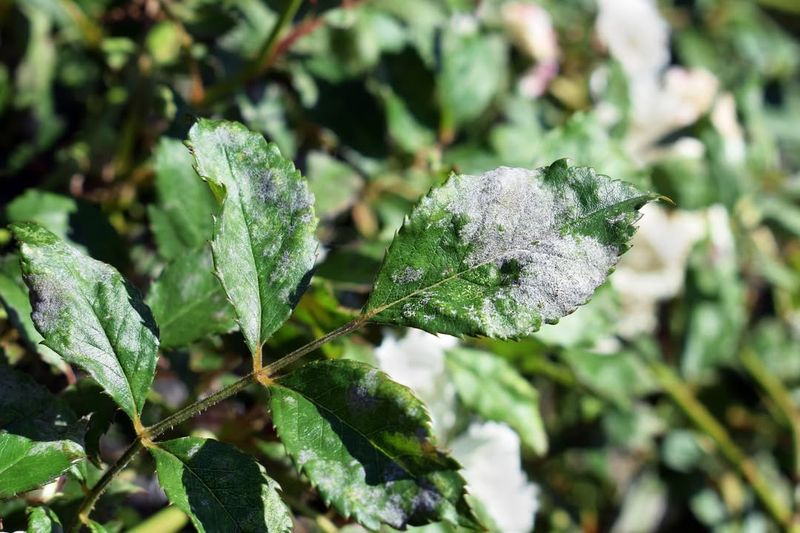
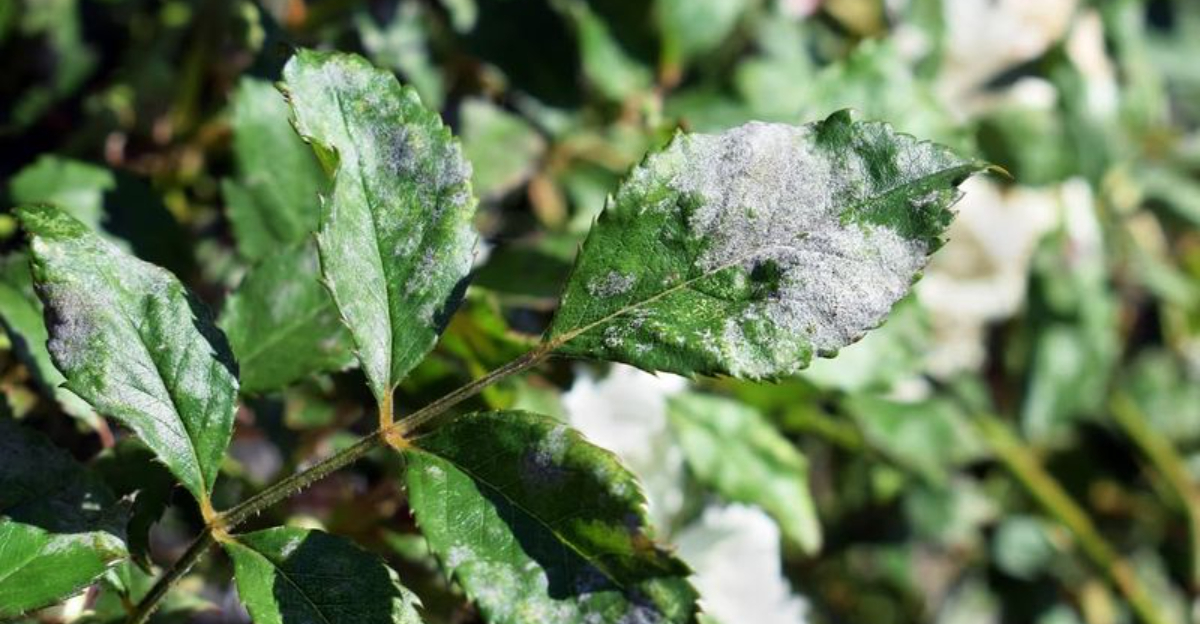
Powdery mildew looks like someone dusted your roses with white flour, coating leaves, stems, and even flower buds.
Your Texas Garden Changes Every Week. Your Plan Should Too.
Gardening in Texas changes quickly throughout the season. Every Friday you’ll receive a simple weekly plan showing exactly what to plant, prune, fertilize, harvest, and protect so you never miss the right timing.
Unlike most fungal diseases, this one thrives in dry conditions with high humidity, making it particularly troublesome during Texas winter nights when dew forms heavily.
Cool temperatures between 60 and 80 degrees Fahrenheit combined with shaded conditions create perfect powdery mildew weather.
New growth shows the most susceptibility, often becoming distorted and stunted when infections strike early.
The white coating consists of millions of spores that spread easily on wind currents to neighboring plants.
Good news: this disease rarely causes permanent damage, but it certainly makes roses look unsightly and reduces bloom quality.
Improving sunlight penetration through strategic pruning helps discourage powdery mildew development.
Roses planted against walls or fences suffer more because air circulation remains poor in these locations.
Watering early in the day allows foliage to dry completely before nightfall.
Sulfur-based sprays work well as preventive treatments, though they must be applied before you see symptoms for best results.
Baking soda solutions offer an organic alternative that many gardeners find effective for light infections.
How Winter Irrigation Can Increase Fungal Risk
Many Texas gardeners continue regular watering schedules through winter without adjusting for cooler temperatures and reduced evaporation rates.
Roses need far less water during dormancy than during active growth periods.
Overwatering keeps soil constantly moist and creates humid conditions around plants that favor fungal diseases.
Overhead sprinklers prove especially problematic because they wet foliage directly, providing the moisture fungi need to germinate and infect.
Water droplets act as tiny magnifying glasses that spread spores from infected tissue to healthy leaves.
Even drip irrigation can cause problems when applied too frequently, as excess moisture in the root zone encourages root rot pathogens.
Check soil moisture before watering by sticking your finger two inches deep into the ground.
Water only when the top inch feels dry, which may mean watering just once or twice monthly during winter.
Always water in early morning so foliage dries quickly as temperatures rise through the day.
Avoid evening irrigation, which leaves plants wet throughout the cool night when diseases spread most actively.
Switching to drip systems or soaker hoses keeps water off foliage entirely, reducing disease pressure significantly while still meeting your roses’ moisture needs.
The Role Of Poor Air Circulation Around Roses
Crowded rose beds might look lush and full, but tight spacing creates stagnant air pockets where humidity builds and diseases flourish.
Leaves need good airflow to dry quickly after rain, dew, or irrigation.
When plants grow too close together, inner foliage stays damp for extended periods, giving fungal spores ample time to germinate.
Proper spacing recommendations suggest placing roses at least three feet apart, though many gardeners plant them much closer for immediate visual impact.
Walls, fences, and dense shrubs block wind movement and trap moisture near rose foliage.
Winter pruning offers an excellent opportunity to open up crowded plantings and improve air circulation throughout your rose beds.
Remove crossing branches and thin out dense growth from the center of each bush.
This pruning allows sunlight and air to penetrate deep into the plant canopy.
Better air movement not only speeds leaf drying but also creates conditions less favorable for disease development.
Consider relocating roses planted too close together when they break dormancy in spring.
Strategic placement with good spacing from the start prevents many disease problems and makes roses easier to maintain throughout their lives.
Simple Winter Sanitation Steps That Reduce Disease Pressure
Cleanliness matters tremendously when managing rose diseases, yet many gardeners overlook this simple but effective strategy.
Fallen leaves harbor millions of fungal spores that splash back onto plants during rain or irrigation.
Removing this infected debris breaks the disease cycle and dramatically reduces spore populations in your garden.
Rake up and dispose of all dropped leaves weekly throughout winter rather than waiting for spring cleanup.
Never compost diseased rose foliage, as most home compost piles fail to reach temperatures hot enough to destroy fungal pathogens.
Instead, bag infected material and place it in your trash or municipal yard waste collection.
Clean pruning tools between cuts using rubbing alcohol or a bleach solution to avoid spreading diseases from one plant to another.
This practice proves especially important when working with roses showing visible symptoms.
Remove any remaining leaves from bushes during winter pruning, even if they look healthy, because they likely harbor hidden infections.
Fresh mulch applied after cleanup provides a clean barrier between soil and foliage.
These straightforward sanitation practices require minimal time and effort but deliver impressive results in reducing disease problems throughout the growing season.
When (And When Not) To Treat Roses During Winter
Timing fungicide applications correctly makes the difference between effective disease control and wasted effort.
Preventive sprays work far better than waiting to treat established infections that have already damaged your roses.
Apply dormant season sprays after winter pruning but before new growth emerges in late winter.
These treatments coat branches and soil with protective chemicals that reduce overwintering spore populations.
Lime sulfur and copper-based fungicides prove particularly effective as dormant sprays, though they can damage foliage if applied too late.
Once you see active disease symptoms during winter, treatment decisions become more complicated.
Light infections might not warrant chemical intervention, especially on roses that will be pruned soon anyway.
Severe outbreaks spreading rapidly through your garden justify immediate treatment to protect healthy plants.
Avoid spraying when temperatures drop below 40 degrees Fahrenheit or exceed 85 degrees, as effectiveness decreases and plant injury risks increase.
Never apply fungicides just before rain, which washes treatments away before they can work.
Organic gardeners can use sulfur, neem oil, or biological fungicides that work well when applied consistently throughout the season.
Always read product labels carefully and follow instructions exactly for safe, effective disease management.
Choosing Disease-Resistant Roses For Long-Term Success

Genetics play a huge role in determining how susceptible roses are to common diseases like black spot and powdery mildew.
Modern breeding programs have produced numerous varieties with built-in resistance that requires far less chemical intervention.
Earth Kind roses, developed specifically for tough Texas conditions, show exceptional disease tolerance while producing beautiful blooms.
Knock Out roses remain among the most popular disease-resistant choices for Texas landscapes, thriving with minimal care.
Researching varieties before purchasing saves countless hours of disease management later.
Look for roses labeled as disease-resistant or bred for hot, humid climates similar to Texas conditions.
Many old garden roses and species roses naturally resist diseases better than hybrid teas, which often require intensive care.
Local nurseries and university extension offices provide excellent recommendations for varieties that perform well in your specific region.
When replacing struggling roses, choose resistant varieties rather than replanting the same susceptible types that caused problems.
Resistant roses still benefit from good cultural practices like proper spacing, sanitation, and appropriate watering.
Starting with disease-resistant genetics gives you a strong foundation for a healthy, beautiful rose garden that brings joy rather than frustration through every season.