9 Native Edible Plants Texas Gardeners Can Grow At Home
Texas gardens thrive on grit, flavor, and a sense of place, and native edible plants fit that bill like a well-worn boot.
These homegrown staples know the heat, laugh at drought, and still bring something good to the table.
Long before raised beds and seed catalogs, these plants fed families and wildlife alike.
Today, they offer fresh taste, lower water bills, and fewer battles with pests.
From backyards in the Hill Country to coastal plots, natives earn trust through toughness and payoff.
They root deep, grow steady, and reward patience with honest harvests.
For gardeners who want food with backbone and history, these plants pull their weight and then some, turning soil into supper without the song and dance.
1. Texas Persimmon
Picture biting into a fruit so sweet it tastes like a natural candy bar.
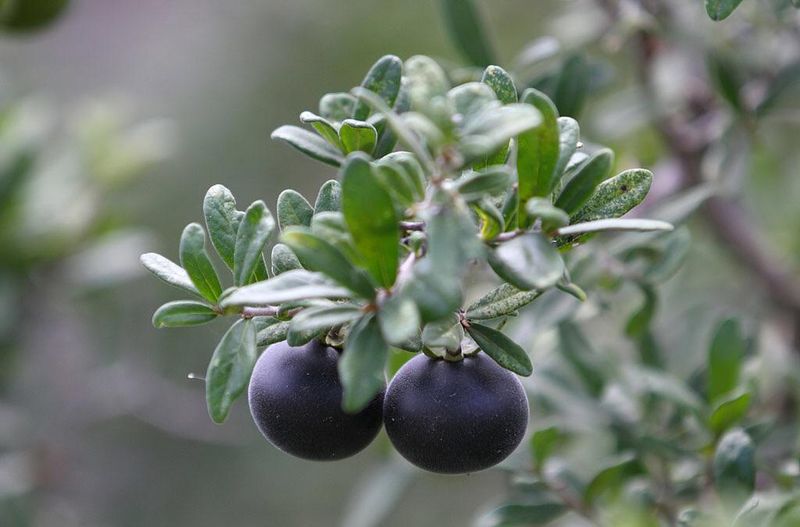
Texas persimmon delivers exactly that experience when the small black fruits ripen in late summer.
This tough little tree grows slowly but rewards patient gardeners with delicious treats year after year.
The fruit might stain your fingers dark purple, but the flavor makes the mess totally worth it.
Native communities relied on this plant for generations, drying the fruits to enjoy throughout winter months.
Your tree will reach about 15 feet tall and handles drought like a champion once established.
Plant it in full sun with well-drained soil, and it will ask for almost nothing in return.
The silvery bark adds beauty to your landscape even when the tree is not producing fruit.
Birds and wildlife also appreciate the sweet harvest, so you might need to pick quickly.
Wait until fruits turn completely black and soft before tasting, or you will experience an unpleasant, chalky sensation.
Fresh persimmons make excellent jams, and some creative cooks even use them in ice cream.
2. Agarita
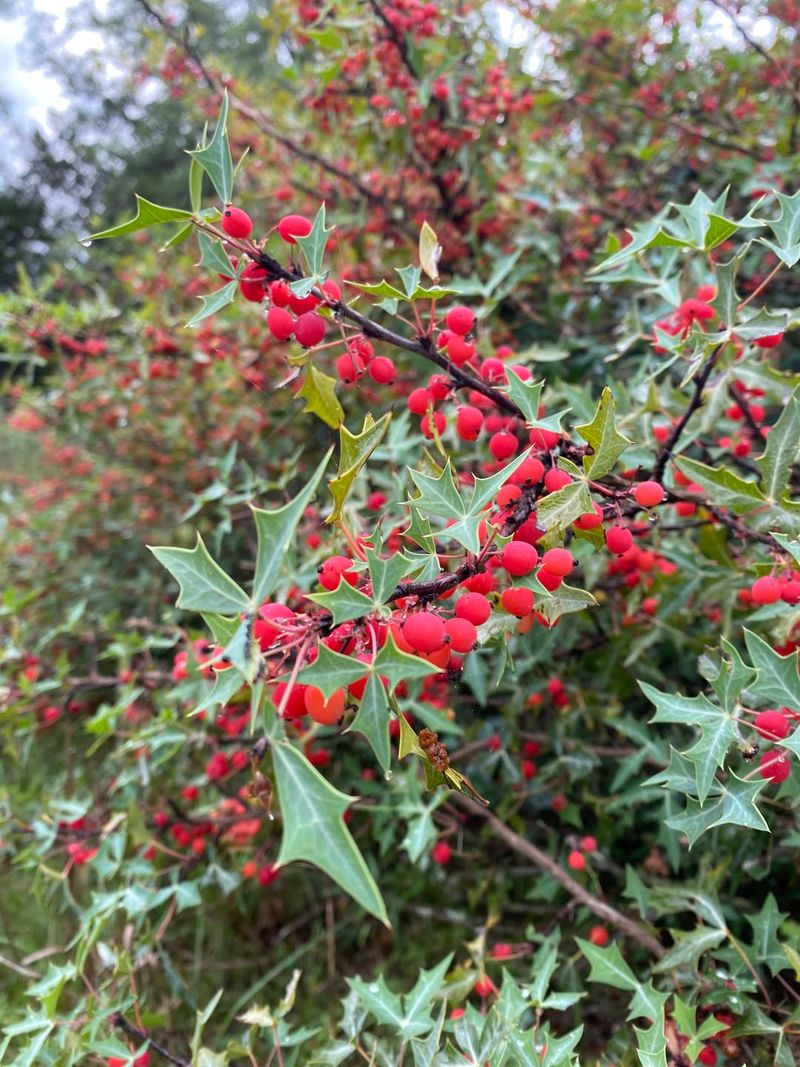
Sharp spines cover this shrub, but the tart red berries make it worth navigating carefully.
Agarita thrives in the rocky Hill Country and produces clusters of bright berries each spring.
Early Texans made jelly from these fruits, and the tradition continues in many families today.
The flavor resembles a cross between cranberries and currants, with a pleasant sourness that balances well with sugar.
This evergreen shrub stays attractive all year, with holly-like leaves that add texture to your garden.
Yellow flowers appear in late winter, filling the air with a sweet fragrance that signals spring is coming.
Bees absolutely love these early blooms when few other plants offer nectar.
Agarita tolerates poor soil and needs minimal water once roots establish themselves.
Plant it as a natural security barrier under windows, where the thorns discourage unwanted visitors.
Harvest berries in April or May when they turn deep red and feel slightly soft.
Wear thick gloves and long sleeves to protect yourself from the needle-sharp spines during collection.
3. Prickly Pear Cactus
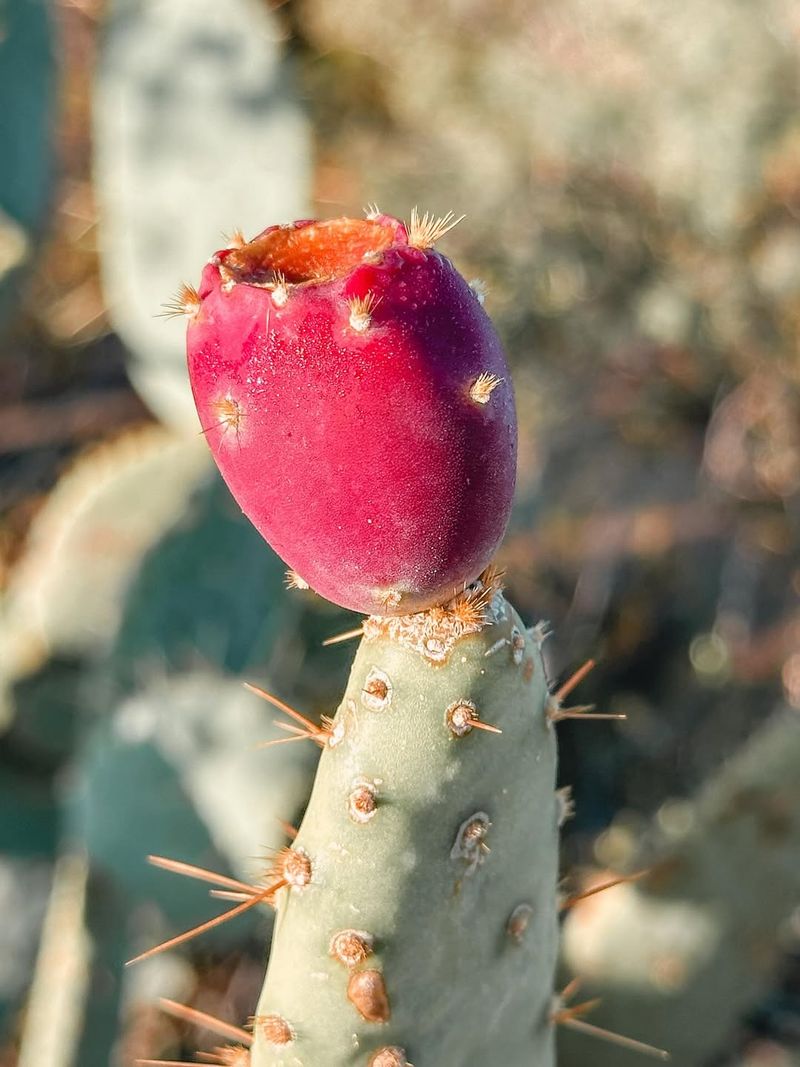
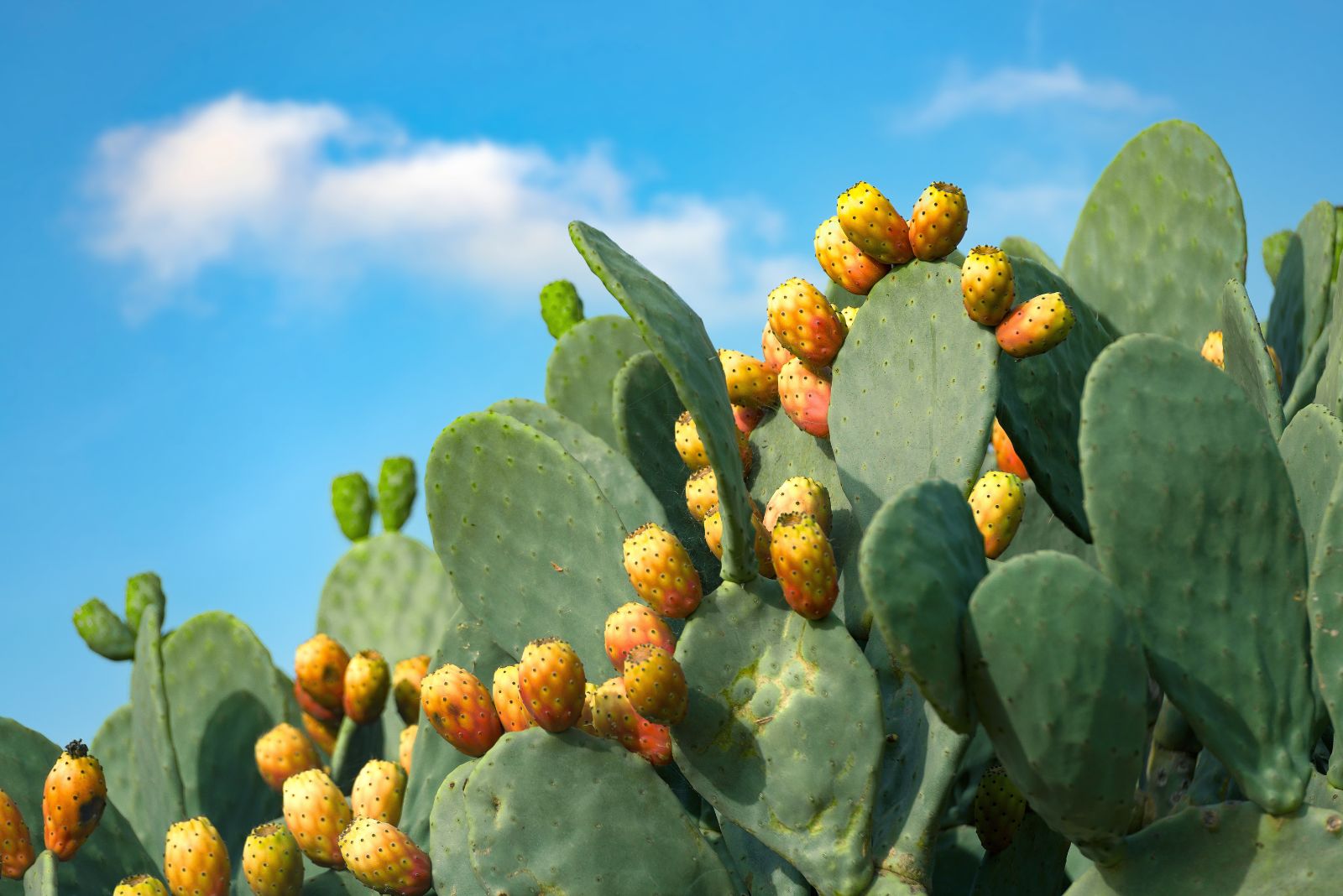
Both the pads and fruits of this iconic cactus offer delicious eating options.
Young pads, called nopales, taste similar to green beans with a slightly tangy flavor when cooked properly.
The colorful fruits, known as tunas, ripen to deep purple or red and contain sweet flesh inside.
Your Texas Garden Changes Every Week. Your Plan Should Too.
Gardening in Texas changes quickly throughout the season. Every Friday you’ll receive a simple weekly plan showing exactly what to plant, prune, fertilize, harvest, and protect so you never miss the right timing.
Mexican and Southwestern cuisine has featured this versatile plant for centuries in countless recipes.
Growing prickly pear requires almost zero effort since it thrives in poor soil and scorching heat.
Just break off a pad, let it dry for a few days, then stick it in the ground.
Roots will form quickly, and your new cactus will start growing without any special care.
Harvest young pads in spring when they are tender and about hand-sized for the best texture.
Remove the spines carefully with a knife or vegetable peeler before cooking them like vegetables.
The fruits ripen in summer and can be eaten fresh, juiced, or made into syrup and candy.
Always wear thick gloves when handling any part of the plant to avoid the tiny, irritating glochids.
4. Dewberries
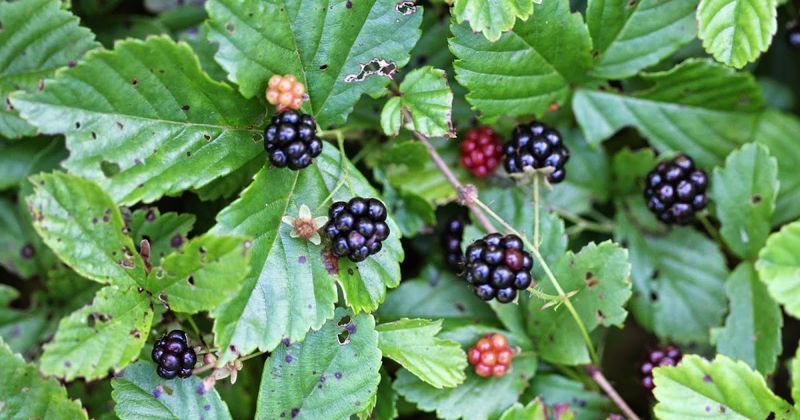
Imagine finding wild blackberries growing right in your own backyard.
Dewberries offer that experience, trailing along the ground and producing sweet, juicy berries in late spring.
These low-growing relatives of blackberries spread naturally across Texas fields and roadsides.
The flavor is intense and sweet, perfect for eating fresh or baking into pies and cobblers.
White flowers appear in early spring, attracting pollinators and promising a good harvest to come.
The vines grow quickly and need room to sprawl, so give them space or train them along a fence.
Thorns protect the berries from animals, but they also require careful picking with long sleeves.
Dewberries need less water than cultivated blackberries and handle Texas heat much better.
Plant them in partial shade for the best production, especially in hotter regions of the state.
Birds compete for the ripe fruit, so check your patch daily during harvest season.
Berries ripen gradually over several weeks, which means you can enjoy fresh treats for an extended period.
5. Wild Onions

Your nose will find these plants before your eyes do when you walk through a spring meadow.
Wild onions pop up naturally across Texas, sending up grass-like leaves and small white bulbs.
Both the green tops and the bulbs add a mild onion flavor to salads, soups, and cooked dishes.
Indigenous peoples used these plants extensively, and they remain a forager favorite today.
The flavor is gentler than store-bought onions, with a fresh, spring-like quality that enhances many recipes.
Small purple or white flowers appear on tall stems, adding a decorative touch to your garden.
Wild onions spread easily and will naturalize in your yard without any effort on your part.
They prefer sunny spots with decent drainage but adapt to various soil conditions across the state.
Harvest the bulbs in late spring when the tops begin to fade and turn brown.
Leave some bulbs in the ground to ensure a continuous supply for future seasons.
The green tops can be snipped throughout the growing season like chives for fresh garnishes and cooking.
6. Texas Mulberry
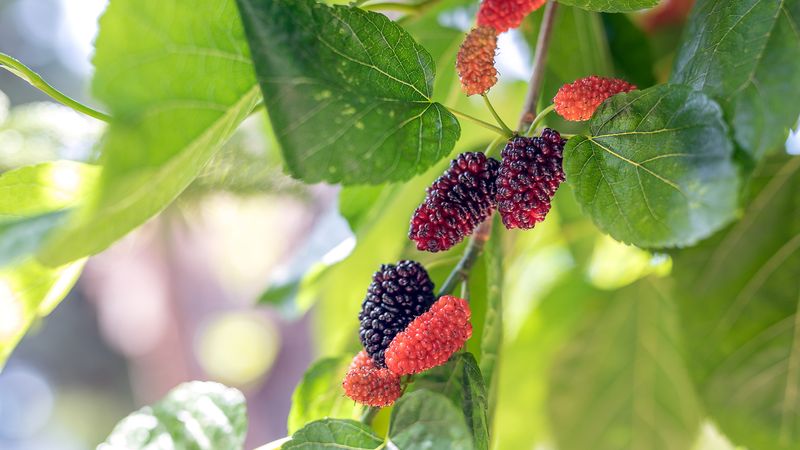
Sweet, juicy berries dangle from branches like natural candy throughout early summer.
Texas mulberry trees grow fast and produce abundant fruit that tastes similar to blackberries.
The dark purple berries stain everything they touch, so plant your tree away from patios and walkways.
Birds flock to mulberry trees, creating a lively scene but also competing for the harvest.
This native tree tolerates poor soil, drought, and neglect while still producing generous crops.
Children love climbing the sturdy branches and eating berries straight from the tree.
The fruit ripens gradually over several weeks, providing fresh snacks throughout the season.
Mulberries work wonderfully in pies, jams, smoothies, and even homemade wine.
Trees can reach 30 feet tall but respond well to pruning if you want to keep them smaller.
Plant in full sun for maximum fruit production, though the tree will tolerate some shade.
Once established, your mulberry will need almost no attention and will reward you for decades with reliable harvests each spring.
7. Mesquite
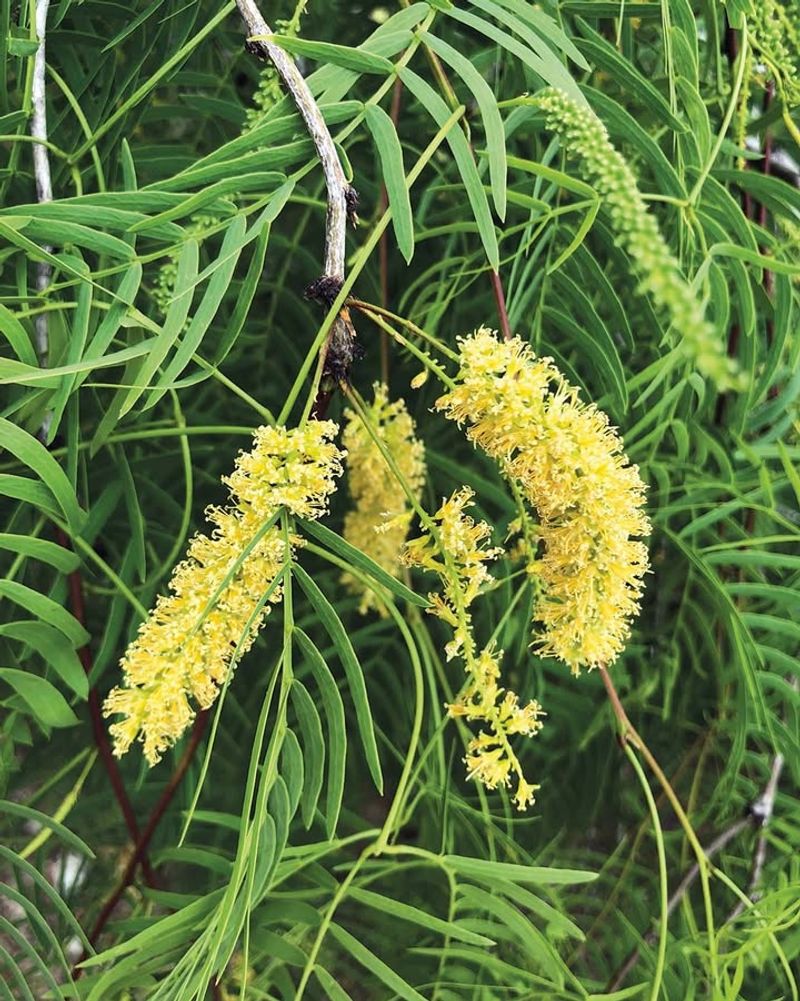
Long yellow pods hang from mesquite branches like natural protein bars waiting to be harvested.
Indigenous communities ground these nutritious pods into flour for thousands of years.
The sweet, nutty flavor adds unique character to breads, pancakes, and even cookies.
Mesquite flour is naturally gluten-free and packed with protein, fiber, and minerals.
Trees thrive in the harshest conditions, surviving on rainfall alone once roots reach deep water sources.
The feathery leaves provide light, filtered shade that allows grass to grow underneath.
Mesquite wood is famous for smoking meats, but the edible pods often get overlooked by modern gardeners.
Harvest pods in late summer when they turn golden brown and taste sweet when chewed.
Dry the pods thoroughly, then grind them in a food processor or grain mill to make flour.
The flour has a distinctive smoky-sweet taste that works best when mixed with other flours in recipes.
Wildlife depends heavily on mesquite pods, so your tree will support local ecosystems while feeding your family too.
8. American Beautyberry
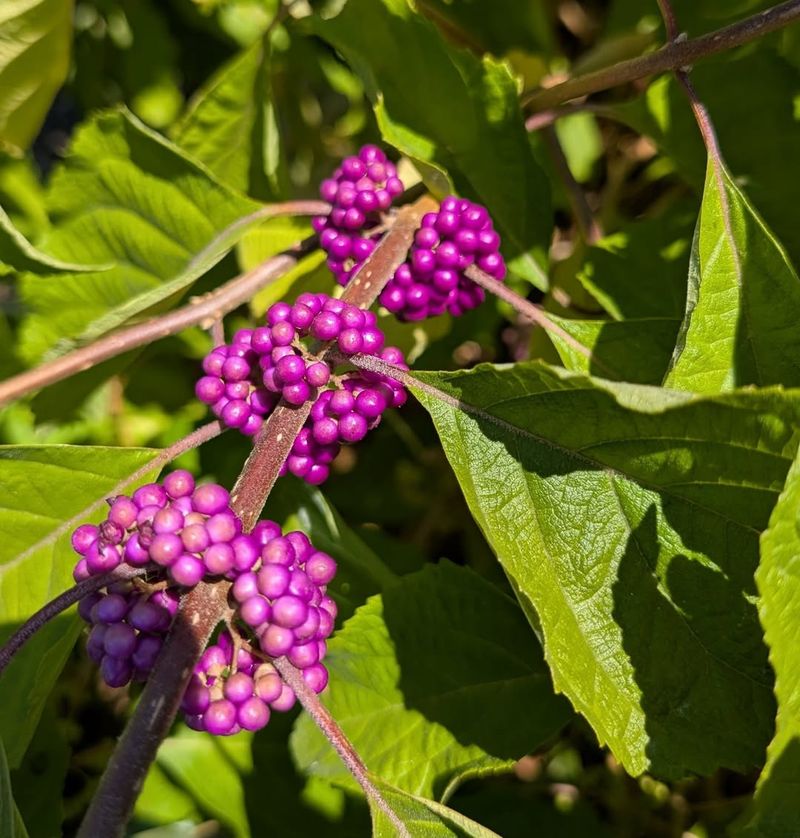
Stunning purple berries circle the stems like bright jewels in late summer and fall.
American beautyberry produces some of the most eye-catching fruit you will ever see in a garden.
The berries taste mildly sweet with a slight astringent quality that improves when cooked into jelly.
This native shrub grows quickly in shady spots where many other edibles struggle to thrive.
Large leaves create a tropical appearance during summer, then drop in winter to reveal architectural stems.
The vibrant berries persist long after leaves fall, providing food for birds during colder months.
Beautyberry prefers moist, rich soil but adapts to typical Texas clay with occasional watering.
Plant it in partial shade under larger trees for the best growth and berry production.
The berries make unique jelly with a distinctive flavor unlike any other fruit preserve.
Some people also use the leaves as a natural insect repellent when crushed and rubbed on skin.
Harvest berries in September or October when they reach peak color and feel slightly soft to touch.
9. Wild Plum
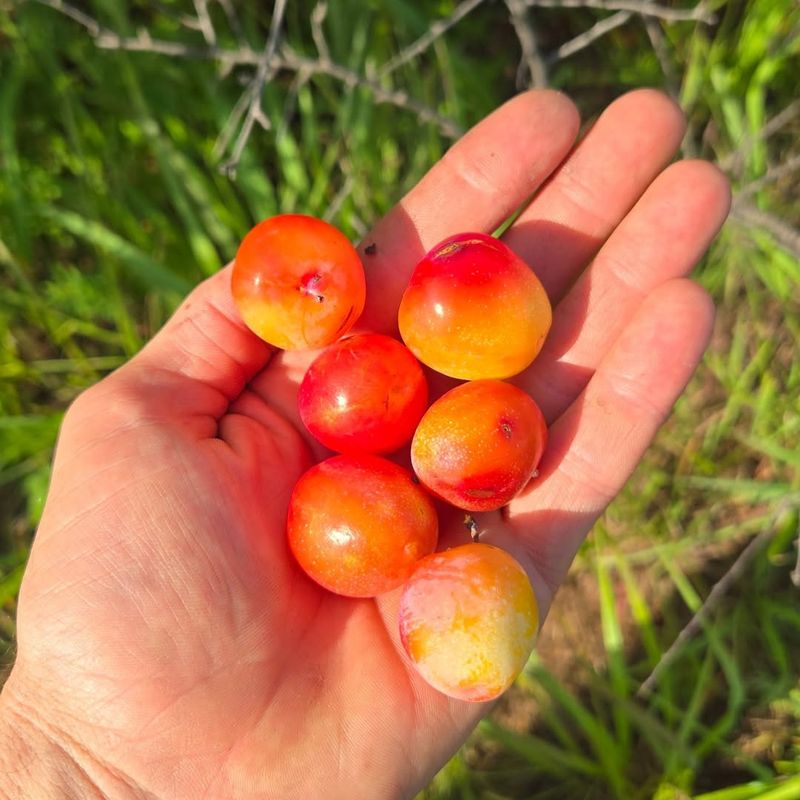
Clouds of white flowers transform wild plum trees into breathtaking displays each March.
The fragrant blooms signal spring has arrived and promise delicious fruit to come in early summer.
Small red or yellow plums ripen in May and June, offering tart-sweet flavor perfect for preserves.
These tough little trees form thickets naturally, creating wildlife habitat while producing food for your family.
Wild plums taste more intense than grocery store varieties, with a balance of sweet and sour.
The fruit is smaller than cultivated plums but packs more flavor into each bite.
Trees grow quickly and begin producing fruit within just a few years of planting.
They prefer full sun and well-drained soil but tolerate various conditions across Texas.
Wild plum jelly is a traditional Texas treat that captures the essence of spring in a jar.
The trees also provide excellent cover and nesting sites for songbirds in your landscape.
Harvest plums when they feel slightly soft and come away from the branch easily with a gentle twist.