9 Yard Features In Florida That Put Native Wildlife At Risk
Florida yards often sparkle with color, light, and tidy lines, yet some familiar features carry a hidden price for native wildlife.
What feels convenient or stylish to homeowners can spell trouble for birds, pollinators, reptiles, and small mammals that already face shrinking habitat.
Bright night lighting disrupts natural rhythms, hardscapes replace shelter, and certain plants offer little food value.
In a state where nature presses close to every neighborhood, backyards play a bigger role than many realize.
Small design choices can tip the scales toward safety or harm.
This topic pulls back the curtain on overlooked risks that hide in plain sight and invites a closer look at how everyday yard decisions shape the lives of Florida’s wild neighbors.
1. Outdoor Cats
Domestic cats roaming freely outdoors rank among the most destructive forces facing Florida’s bird and small mammal populations.
Even well-fed pets retain their hunting instincts and can capture dozens of native creatures each year.
Research shows that free-roaming felines have contributed to the decline of numerous species, including ground-nesting birds and native lizards.
The problem extends beyond individual hunting success.
Cat populations in neighborhoods create constant pressure on wildlife, preventing successful reproduction and territory establishment.
Florida scrub-jays, gopher tortoises, and various snake species face particular vulnerability.
Keeping cats indoors or creating enclosed outdoor spaces provides the best solution.
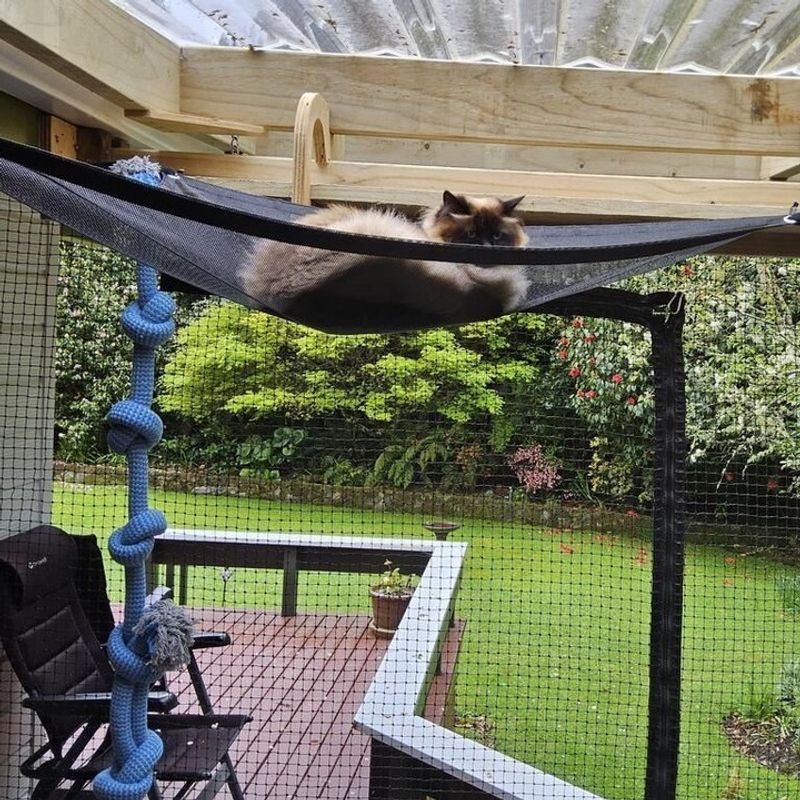
Catios, or cat patios, offer safe outdoor enrichment without endangering wildlife.
These screened structures satisfy your pet’s desire for fresh air while protecting vulnerable native animals.
Supervising outdoor time on leashes represents another responsible option.
Many cats adapt well to harness training and enjoy exploring yards under watchful guidance.
This approach protects both your pet from outdoor dangers and preserves the delicate balance of Florida’s ecosystems.
Making this simple change creates safer neighborhoods for all creatures.
2. Swimming Pools Without Escape Routes
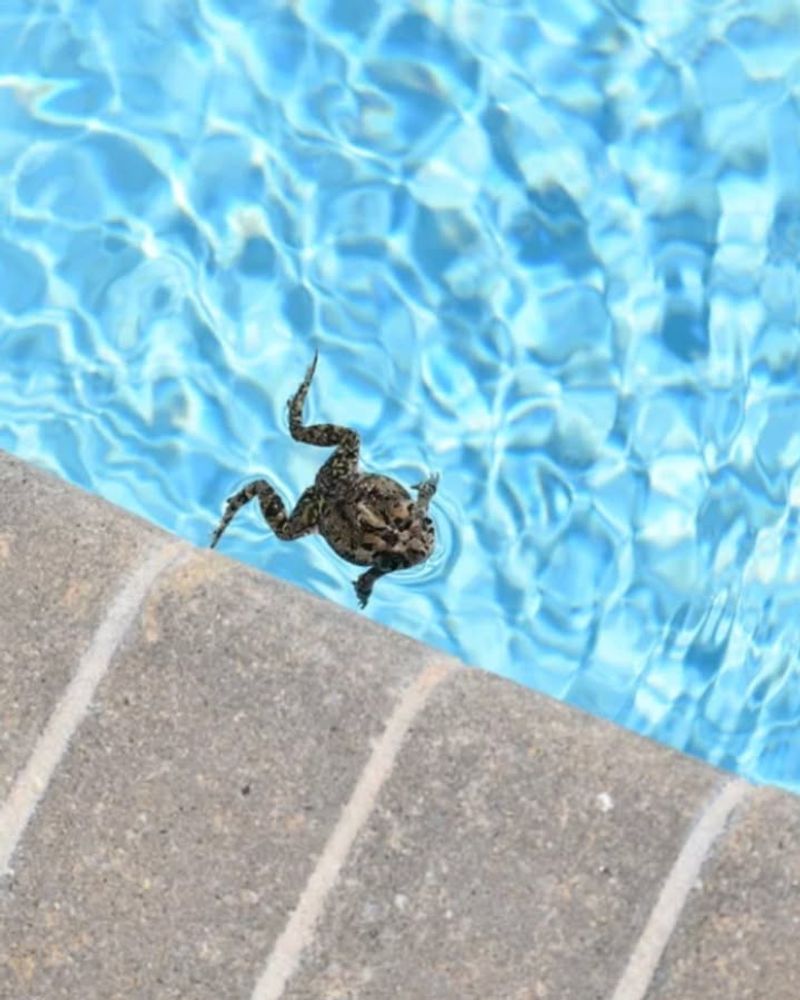
Countless small animals become trapped in swimming pools each year across Florida.
Frogs, turtles, raccoons, and even deer can tumble into pools while searching for water or moving through yards at night.
Smooth walls and steep sides make escape impossible for exhausted creatures.
The problem intensifies during Florida’s hot, dry seasons when wildlife actively seeks water sources.
Pools appear as attractive oases, but animals cannot distinguish between safe ponds and dangerous swimming pools.
Once inside, they paddle desperately until exhaustion takes over.
Installing simple escape devices solves this problem effectively.
Floating ramps, textured mats draped over pool edges, or specially designed animal escape ramps provide crucial exit routes.
These affordable tools allow trapped creatures to climb out safely.
Pool covers offer additional protection when pools sit unused.
Mesh safety covers prevent animals from accessing the water entirely.
Regular checks of your pool also help rescue any struggling visitors before tragedy occurs.
Landscaping around pools with native plants and providing alternative water sources like birdbaths can reduce wildlife attraction to pools.
These combined strategies create safer yards while still enjoying your swimming pool.
Small modifications make tremendous differences for Florida’s native animals.
Your Florida Garden Changes Every Week. Your Plan Should Too.
Gardening in Florida changes quickly throughout the season. Every Friday you’ll receive a simple weekly plan showing exactly what to plant, prune, fertilize, harvest, and protect so you never miss the right timing.
3. Pesticides And Rodenticides
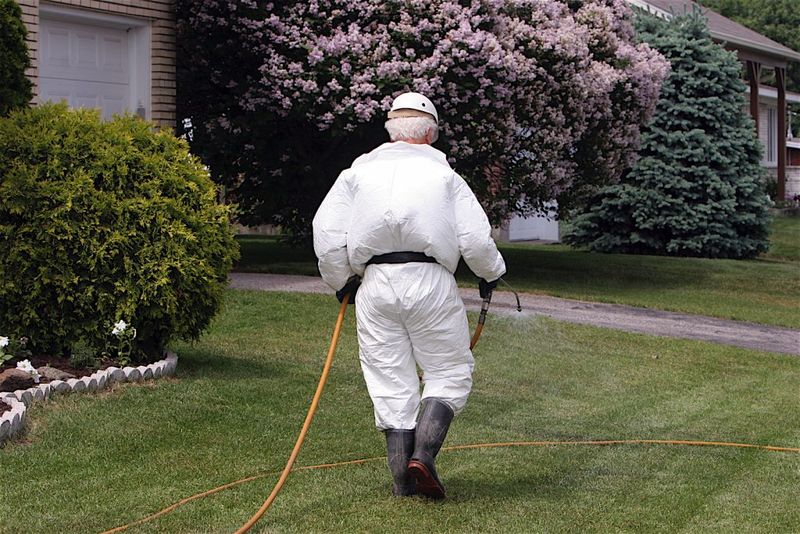
Chemical poisons used to control insects and rodents create devastating ripple effects throughout Florida’s food chain.
When homeowners apply these substances, target pests consume them, but the story doesn’t end there.
Owls, hawks, snakes, and other predators eat poisoned prey, accumulating toxins in their own bodies.
Rodenticides prove particularly dangerous because they cause slow reactions.
Affected mice and rats remain active for days, becoming easy targets for hungry predators.
One poisoned rodent can harm multiple wildlife species as toxins transfer through the ecosystem.
Insecticides eliminate crucial food sources for birds, lizards, and other insect-eating animals.
They also contaminate soil and water, affecting entire habitats.
Even products marketed as safe can harm non-target species when used incorrectly.
Natural alternatives work effectively without endangering wildlife.
Snap traps for rodents, beneficial insects for pest control, and physical barriers prevent problems without chemicals.
Native plants attract natural predators that manage pest populations organically.
Integrated pest management strategies reduce reliance on dangerous substances.
Sealing entry points, removing food sources, and maintaining clean yards prevent infestations naturally.
These methods protect both your family and Florida’s irreplaceable wildlife populations.
4. Non-Native Plants
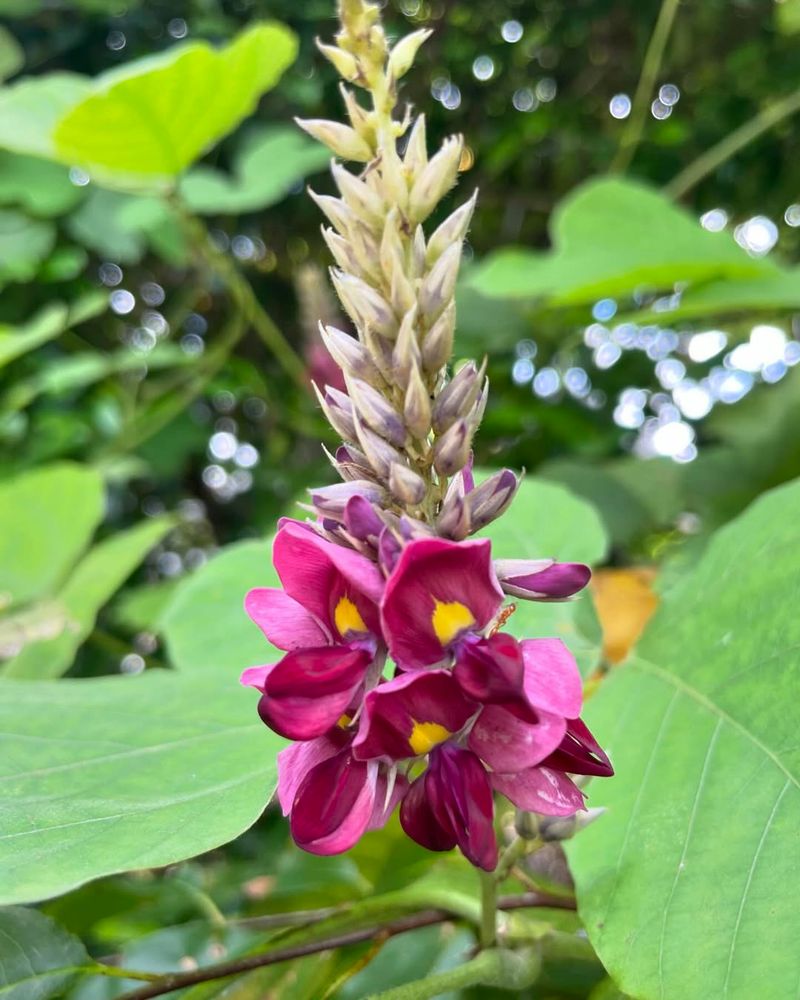
Exotic ornamental plants dominate many Florida landscapes, but they offer little value to native wildlife.
Birds, butterflies, and other creatures evolved alongside specific native plants, depending on them for food and shelter.
Non-native species disrupt these ancient relationships, creating ecological deserts despite appearing lush and green.
Some popular landscaping plants actively harm Florida’s ecosystems.
Brazilian pepper, air potato, and other invasive species escape yards and overtake natural areas.
They crowd out native plants that wildlife needs for survival, fundamentally changing entire habitats.
Many exotic plants produce fruits or seeds that local birds cannot digest properly.
Others lack the insects that native birds need to feed their young.
A yard full of non-native plants essentially becomes a wildlife desert, no matter how beautiful it looks.
Transitioning to native plants transforms yards into wildlife havens.
Coontie, beautyberry, firebush, and muhly grass support hundreds of native species.
These plants require less water and maintenance while providing crucial habitat.
Starting small makes the transition manageable.
Replace one section at a time with native alternatives.
Local native plant nurseries offer guidance on selecting appropriate species for your specific conditions.
This gradual approach creates meaningful habitat improvements.
5. Artificial Lighting
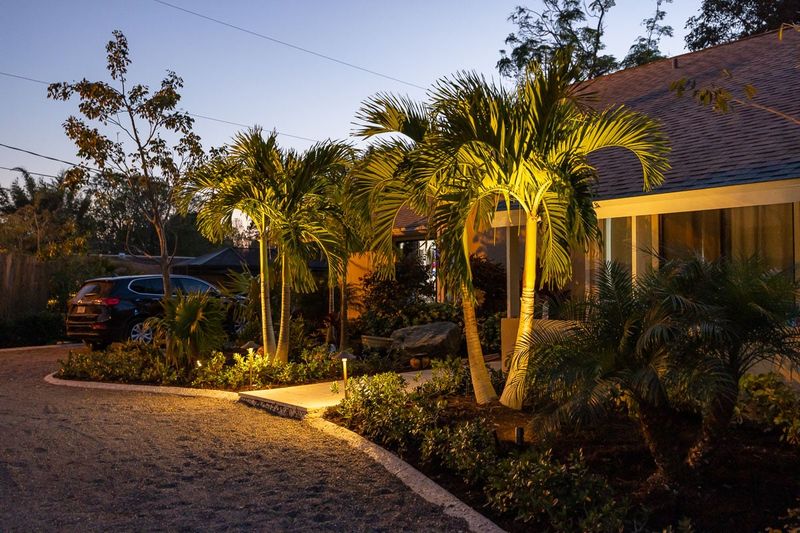
Excessive nighttime illumination fundamentally alters natural behaviors of countless Florida species.
Sea turtles, migrating birds, insects, and nocturnal mammals all rely on natural darkness for survival.
Bright security lights, decorative landscape lighting, and illuminated pools create confusion and danger.
Baby sea turtles hatching on Florida beaches instinctively crawl toward the brightest horizon, which naturally means the ocean’s reflection.
Artificial lights from beachfront properties disorient hatchlings, leading them inland toward danger instead of safety.
This single issue affects thousands of endangered turtles annually.
Migrating birds navigate using stars and natural light cues.
Artificial illumination disrupts their internal compasses, causing exhaustion and disorientation.
Many birds collide with lit structures or waste precious energy circling confused.
Nocturnal animals like owls, bats, and flying squirrels need darkness for hunting and navigation.
Excessive lighting reduces their hunting success and exposes them to predators.
It also disrupts natural sleep cycles and breeding behaviors.
Motion-activated lights, warm-colored bulbs, and downward-facing fixtures minimize wildlife disruption.
Shielded lighting directs illumination only where needed, reducing light pollution.
Turning off unnecessary lights during migration seasons and turtle nesting periods helps tremendously.
These simple adjustments protect wildlife while maintaining security.
6. Window Glass
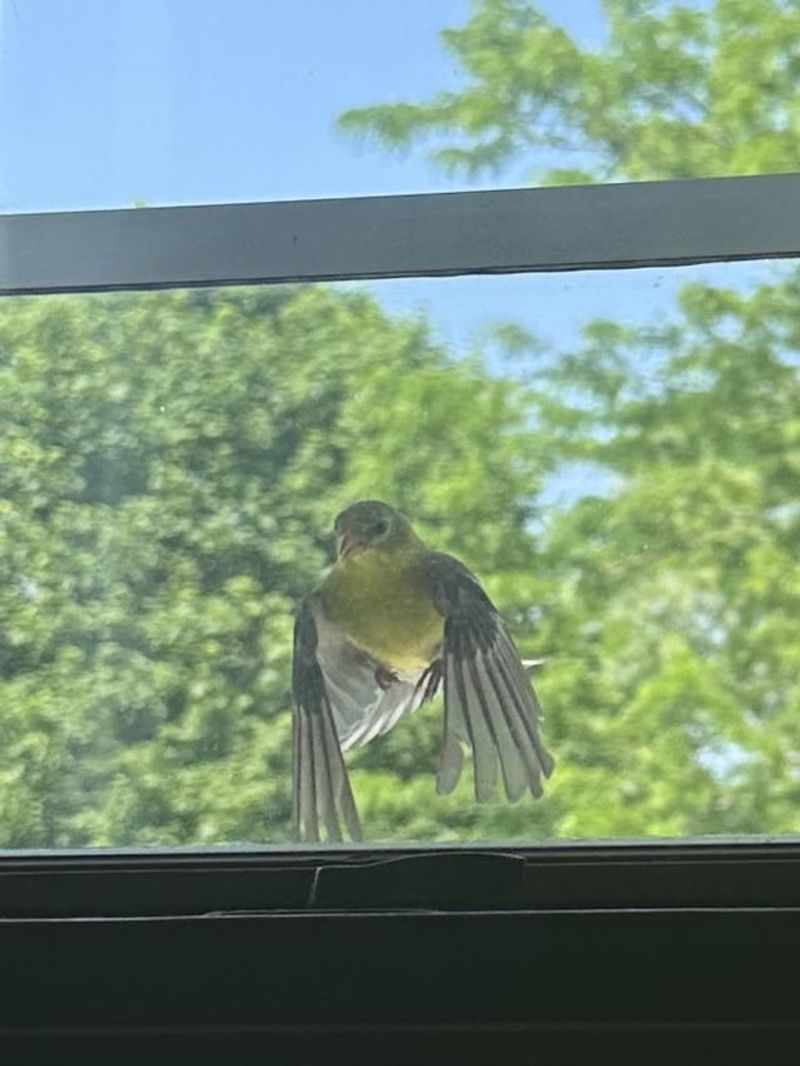
Millions of birds collide with window glass across Florida each year.
Reflective surfaces mirror surrounding vegetation, creating convincing illusions of safe passage.
Transparent windows overlooking vegetation on both sides confuse birds who perceive a clear flight path.
The problem affects all bird species, from tiny warblers to larger woodpeckers.
Collisions occur year-round but increase dramatically during spring and fall migration when unfamiliar birds pass through Florida.
Even experienced local birds strike windows regularly.
Corner windows, large picture windows, and glass railings pose particular dangers.
Birds flying at full speed often sustain fatal injuries upon impact.
Survivors may suffer internal damage or become vulnerable to predators while stunned.
Fortunately, effective solutions exist that maintain views while protecting birds.
Window films, exterior screens, and strategically placed decals break up reflections.
Spacing markers two inches apart horizontally or four inches vertically prevents most collisions.
External shutters, awnings, and strategically planted vegetation also reduce strikes.
Moving bird feeders either very close to windows or far away eliminates dangerous approach speeds.
UV-reflective films invisible to humans appear as barriers to birds.
Identifying problem windows and addressing them systematically saves countless birds.
This simple modification protects Florida’s diverse bird populations while preserving your home’s aesthetic appeal.
7. Netting And Mesh
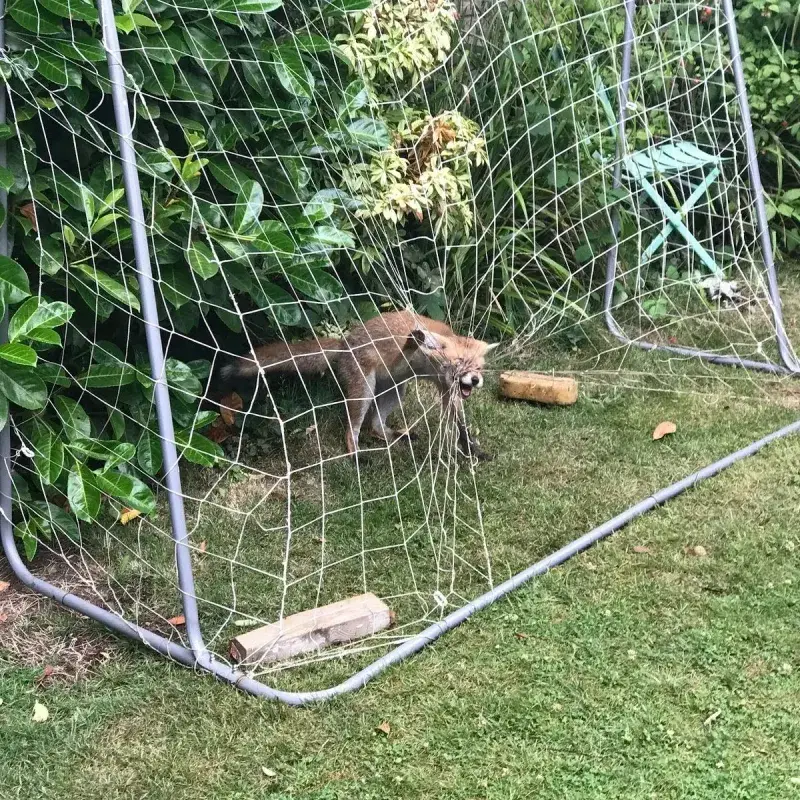
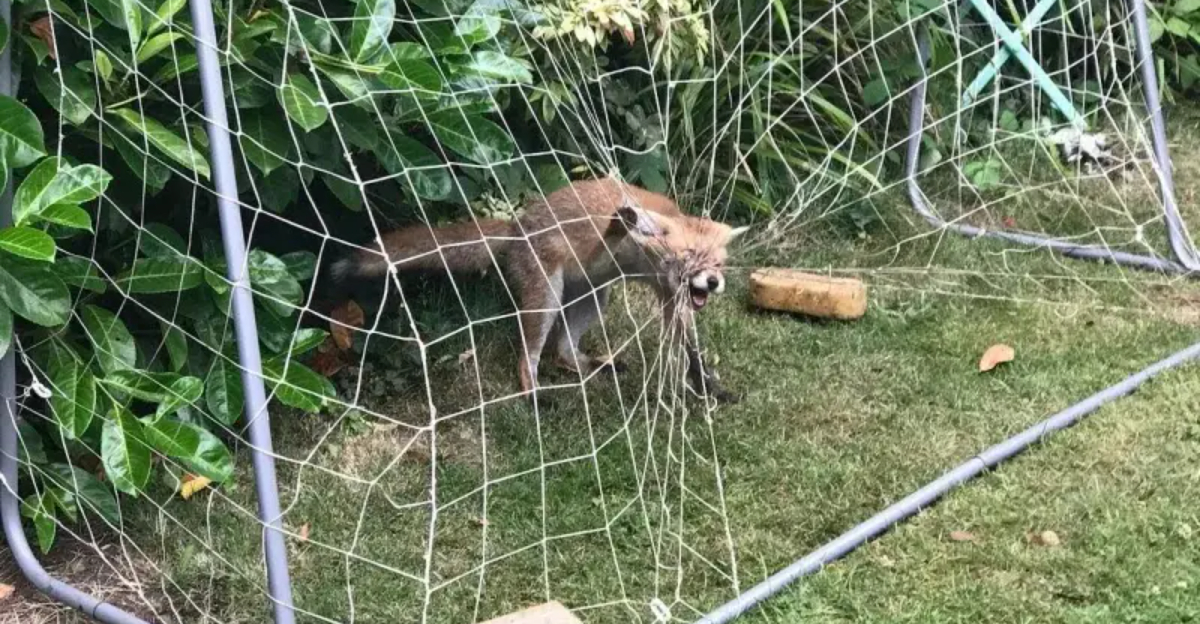
Gardeners often use netting to protect vegetables and fruits from hungry wildlife, but loose or improper installation creates deadly traps.
Snakes, birds, bats, and small mammals easily become entangled in mesh materials.
Their struggles to escape typically worsen the situation, tightening loops around limbs, wings, or bodies.
Lightweight plastic netting proves especially problematic.
Its thin strands cut into flesh as animals fight against restraints.
Birds flying into loose netting become hopelessly tangled within seconds.
Sports netting, decorative mesh, and erosion control fabrics pose similar dangers.
Even small gaps or tears create entry points for curious wildlife.
Abandoned or improperly stored netting continues threatening animals for years.
Wildlife-safe alternatives provide protection without risks.
Rigid metal screens, hardware cloth, and properly tensioned netting with small mesh sizes reduce entanglement.
Installing barriers tightly and checking regularly for damage prevents most problems.
Row covers made from solid fabric eliminate entanglement risks entirely.
Building enclosed cages around vulnerable plants using wood frames and hardware cloth offers complete protection.
These structures keep wildlife out while preventing accidental capture.
Removing netting when not actively needed and properly disposing of damaged materials protects wandering wildlife.
These precautions balance gardening success with wildlife safety.
8. Open Pipes And Vents
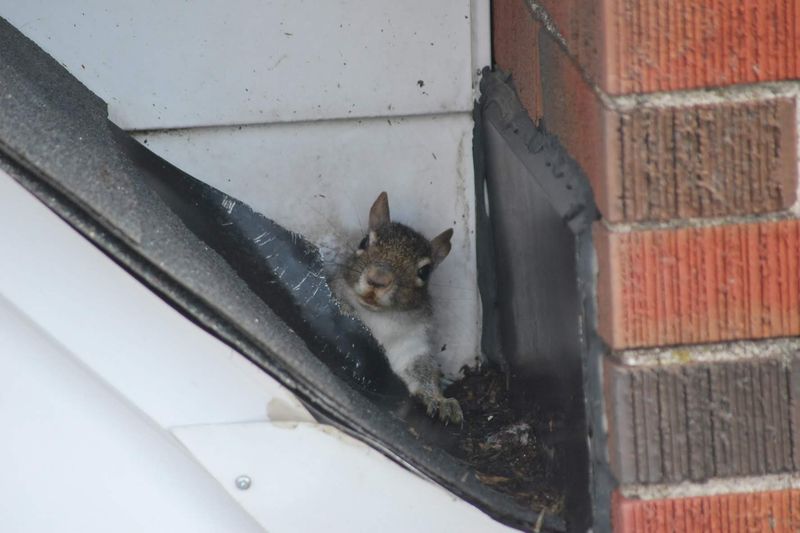
Vertical pipes, fence posts, and vent openings scattered around yards function as deadly pitfalls for small wildlife.
Curious creatures investigating dark openings tumble inside and cannot climb smooth interior walls.
Frogs, lizards, snakes, and small mammals regularly become trapped in these overlooked hazards.
Construction materials and irrigation systems often include exposed pipes.
Fence posts left hollow after installation create particularly common traps.
Even small diameter openings pose risks to tiny creatures exploring their environment.
Animals trapped inside face slow suffering from starvation, dehydration, and exposure.
Parents cannot reach trapped offspring, and predators cannot access trapped prey.
The problem persists invisibly because trapped animals remain hidden from view.
Simple caps and covers eliminate this hazard completely.
Hardware stores sell inexpensive pipe caps in various sizes.
Mesh screens secured over larger openings allow ventilation while blocking entry.
Walking your property to identify and cap all vertical openings takes minimal time but saves countless lives.
Pay special attention to irrigation standpipes, fence posts, playground equipment, and construction remnants.
Regular inspections catch new hazards before they trap wildlife.
This overlooked modification requires little effort but significantly improves yard safety.
Capping pipes represents one of the easiest wildlife-friendly changes homeowners can make.
9. Decorative Water Features Without Wildlife Access
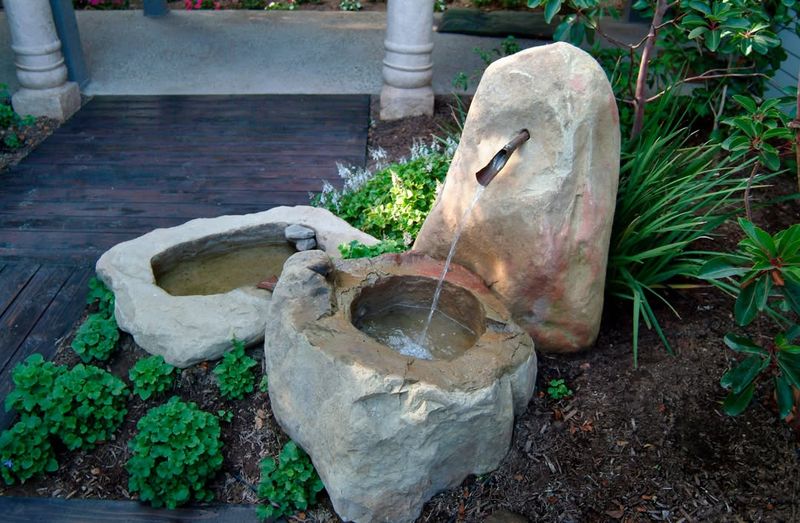
Fountains, ponds, and decorative water features attract thirsty wildlife but often lack safe access points.
Steep-sided containers, deep basins, and smooth surfaces create dangerous situations for small animals seeking hydration.
Bees, butterflies, birds, and mammals all need water, especially during Florida’s scorching summers.
Many decorative features prioritize aesthetics over functionality for wildlife.
Deep bowls with vertical sides offer no landing spots for insects or drinking perches for birds.
Smooth glazed surfaces provide no grip for climbing creatures who slip inside.
Water features also concentrate wildlife in small areas, potentially spreading diseases.
Stagnant decorative ponds without circulation become breeding grounds for mosquitoes.
These problems multiply when features lack regular cleaning and maintenance.
Modifying existing features to accommodate wildlife proves straightforward.
Adding rocks, branches, or floating cork pieces creates landing platforms and escape routes.
Gradually sloped edges allow safe access for various species.
Purpose-built wildlife water sources work even better.
Shallow birdbaths with textured surfaces, small recirculating fountains, and naturalistic pond edges serve both aesthetic and ecological purposes.
Positioning multiple small water sources throughout yards reduces crowding and disease transmission.
Regular cleaning prevents mosquito breeding and maintains water quality.
These thoughtful modifications transform decorative features into genuine wildlife resources that support rather than endanger Florida’s native species.