Gardeners In Miami, Florida Swear By These 9 Winter Maintenance Tips
Miami’s winter season brings unique challenges that gardeners must understand to keep their outdoor spaces thriving through the cooler months ahead.
Unlike northern states with freezing temperatures, South Florida experiences mild winters that still require specific maintenance tasks for optimal plant health and growth.
Understanding these seasonal adjustments helps protect tropical plants while encouraging healthy growth patterns that will benefit your garden throughout the entire year.
Local experts have developed proven strategies that address Miami’s particular climate conditions, ensuring gardens remain beautiful even during the winter season’s unpredictable weather.
1. Adjust Your Watering Schedule For Cooler Temperatures
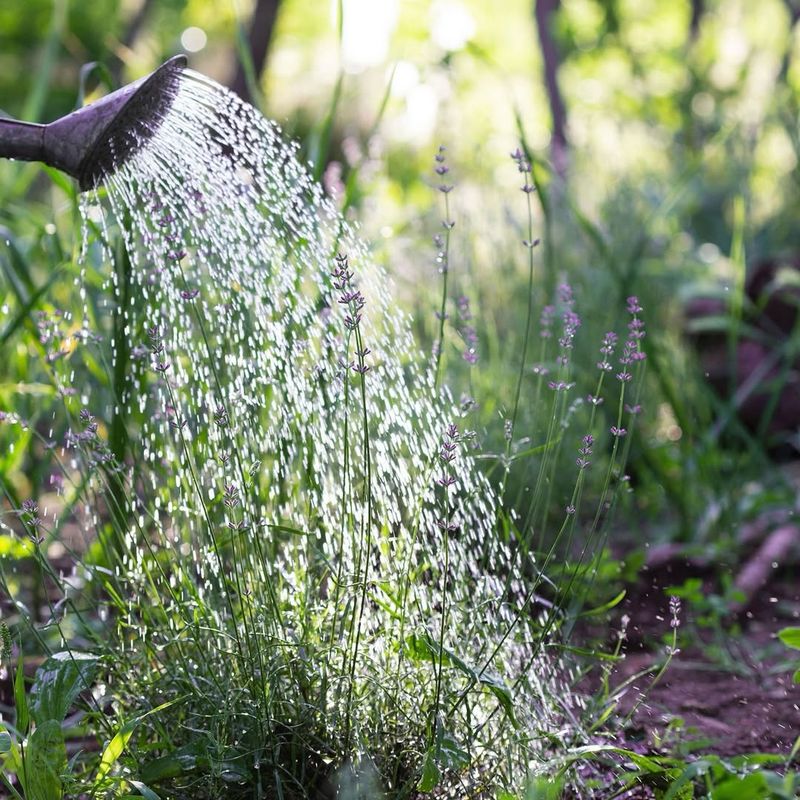
Cooler temperatures mean your plants need significantly less water than they did during Miami’s hot and humid summer months when constant hydration was essential.
Most gardeners make the mistake of continuing their summer watering routine, which can lead to root rot and fungal diseases in the winter season.
Tropical plants enter a slower growth phase during cooler months, so their water requirements naturally decrease as temperatures drop and evaporation rates slow down.
Check soil moisture before watering by sticking your finger two inches deep into the ground to determine if irrigation is actually necessary today.
Morning watering works best because it allows foliage to dry before evening, reducing the risk of fungal infections that thrive in damp conditions.
Adjust automatic sprinkler systems to run less frequently, perhaps twice weekly instead of daily, depending on rainfall amounts and specific plant needs.
Native Florida plants are particularly drought-tolerant during winter and may need watering only once every seven to ten days under normal conditions.
Mulching around plant bases helps retain moisture while regulating soil temperature, creating ideal conditions for root systems to remain healthy throughout winter.
2. Protect Sensitive Plants From Occasional Cold Snaps
Miami rarely experiences freezing temperatures, but occasional cold fronts can drop nighttime lows into the forties, threatening delicate tropical species in your garden.
Plants like orchids, hibiscus, and young citrus trees suffer damage when temperatures fall below fifty degrees for extended periods during unexpected winter storms.
Monitoring weather forecasts becomes crucial during winter months so you can take protective action before cold air arrives at your property overnight.
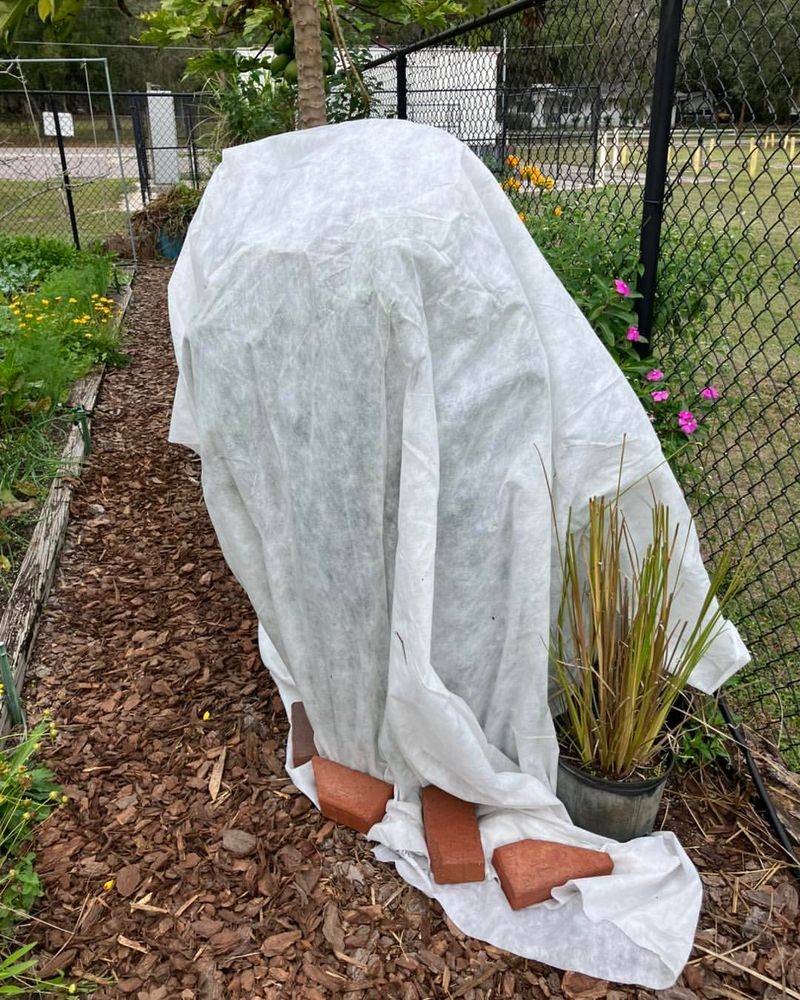
Frost blankets or old bedsheets work wonderfully for covering sensitive plants when temperatures are predicted to drop below the critical threshold tonight.
Remove covers once morning temperatures rise above sixty degrees to prevent overheating and allow plants to receive necessary sunlight for photosynthesis processes.
Grouping potted tropical plants together near south-facing walls creates a microclimate that provides additional warmth and protection from chilling northern winds.
Bringing container plants indoors temporarily during the coldest nights ensures they survive without suffering frost damage that could set back growth.
String lights wrapped around small trees generate enough heat to raise temperatures by several degrees, offering creative protection for valuable specimens.
3. Fertilize Strategically During The Dormant Season
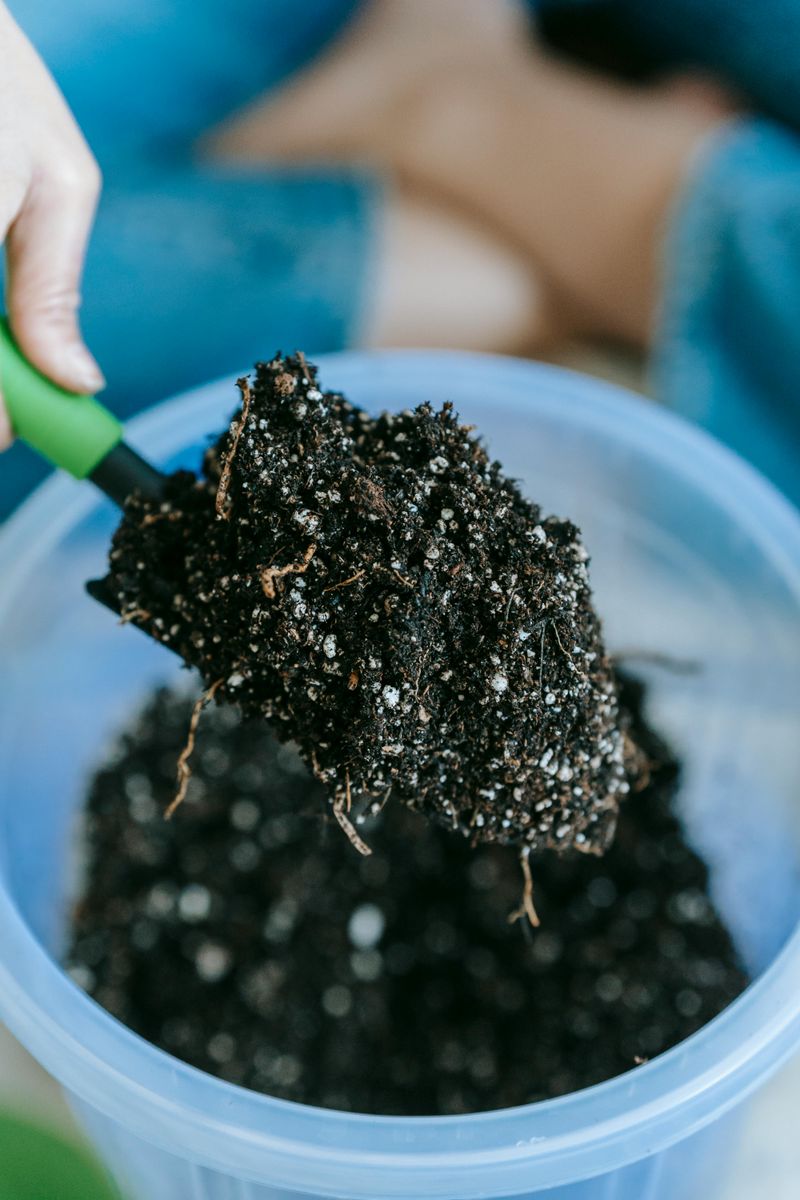
Many Miami gardeners continue aggressive fertilization schedules during winter, but most plants actually require far less nutrition during their dormant growth period.
Your Florida Garden Changes Every Week. Your Plan Should Too.
Gardening in Florida changes quickly throughout the season. Every Friday you’ll receive a simple weekly plan showing exactly what to plant, prune, fertilize, harvest, and protect so you never miss the right timing.
Excessive fertilizer application encourages tender new growth that becomes vulnerable to damage from cold snaps, wasting both the plant’s energy and resources.
Slow-release organic fertilizers work better than quick-release chemical options because they provide steady nutrition without forcing plants into active growth during winter.
Palm trees benefit from specialized palm fertilizer applied in December and February, providing essential micronutrients like manganese that prevent yellowing fronds.
Citrus trees need nitrogen, phosphorus, and potassium in balanced amounts, but only half the summer dosage to support fruit development without stressing trees.
Flowering annuals and vegetables growing in winter gardens still need regular feeding because they’re actively producing blooms and edible crops right now.
Hold off on fertilizing deciduous plants that have dropped their leaves, as they’re fully dormant and cannot absorb nutrients until spring arrives.
Compost application enriches soil structure while providing gentle nutrition, making it an excellent winter soil amendment for all garden areas statewide.
4. Prune Damaged Growth Without Overdoing It
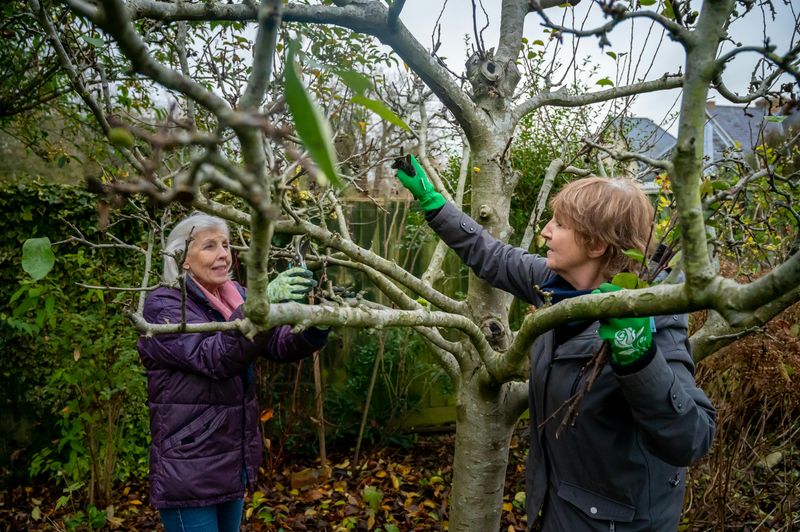
Winter provides an excellent opportunity to remove withered, diseased, or damaged branches from trees and shrubs while plants are less actively growing.
However, aggressive pruning stimulates new growth that could be damaged by late-season cold fronts, so restraint is important when working with tools.
Focus on removing only what’s necessary for plant health rather than doing major shaping work that’s better reserved for early spring months.
Flowering shrubs that bloom in spring should not be pruned now because you’ll remove the buds that will produce next season’s flowers.
Tropical fruit trees benefit from light thinning to improve air circulation, which reduces fungal diseases that thrive in Miami’s humid winter conditions.
Sterilize pruning tools between cuts when working with diseased plants to prevent spreading infections to healthy specimens throughout your entire garden.
Palm fronds should only be removed if they’re completely brown and hanging downward, as green fronds still provide nutrition to the tree.
Dispose of diseased plant material in trash rather than compost piles, where pathogens can survive and reinfect your garden later this year.
5. Plant Cool-Season Vegetables For Fresh Harvests
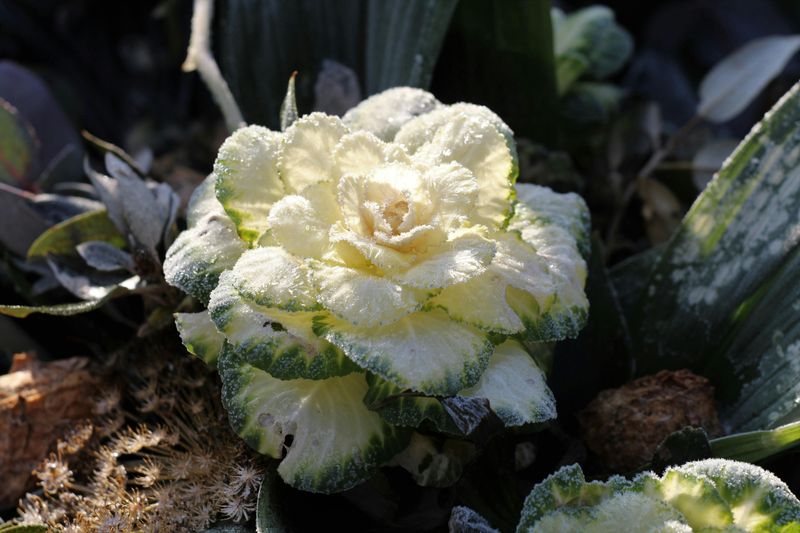
South Florida’s mild winters create perfect growing conditions for vegetables that struggle in summer heat, making this the prime season for edible gardens.
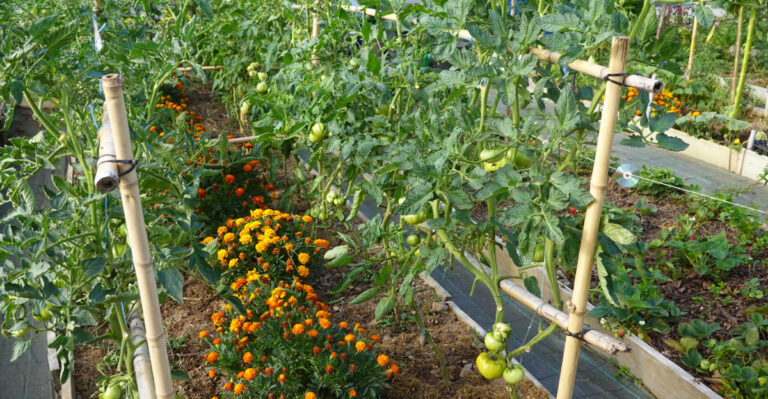
Tomatoes, peppers, lettuce, broccoli, and herbs all thrive when planted between October and February in Miami’s subtropical climate with moderate temperatures.
Starting seeds indoors gives plants a head start, but transplanting healthy seedlings from nurseries often produces faster results for impatient home gardeners.
Prepare garden beds with compost and organic matter to improve drainage and nutrition, creating the ideal foundation for productive vegetable growth this season.
Space plants according to package directions to ensure adequate air circulation, which prevents fungal diseases that can quickly spread in crowded garden beds.
Consistent moisture is essential for vegetables, so check soil daily and water when the top inch feels dry to your fingertips.
Leafy greens like lettuce and spinach can be succession planted every two weeks, providing continuous harvests throughout the entire winter growing season.
Organic pest control methods work best for edible gardens, protecting beneficial insects while keeping harmful pests away from your valuable food crops.
6. Mulch Garden Beds To Regulate Soil Temperature
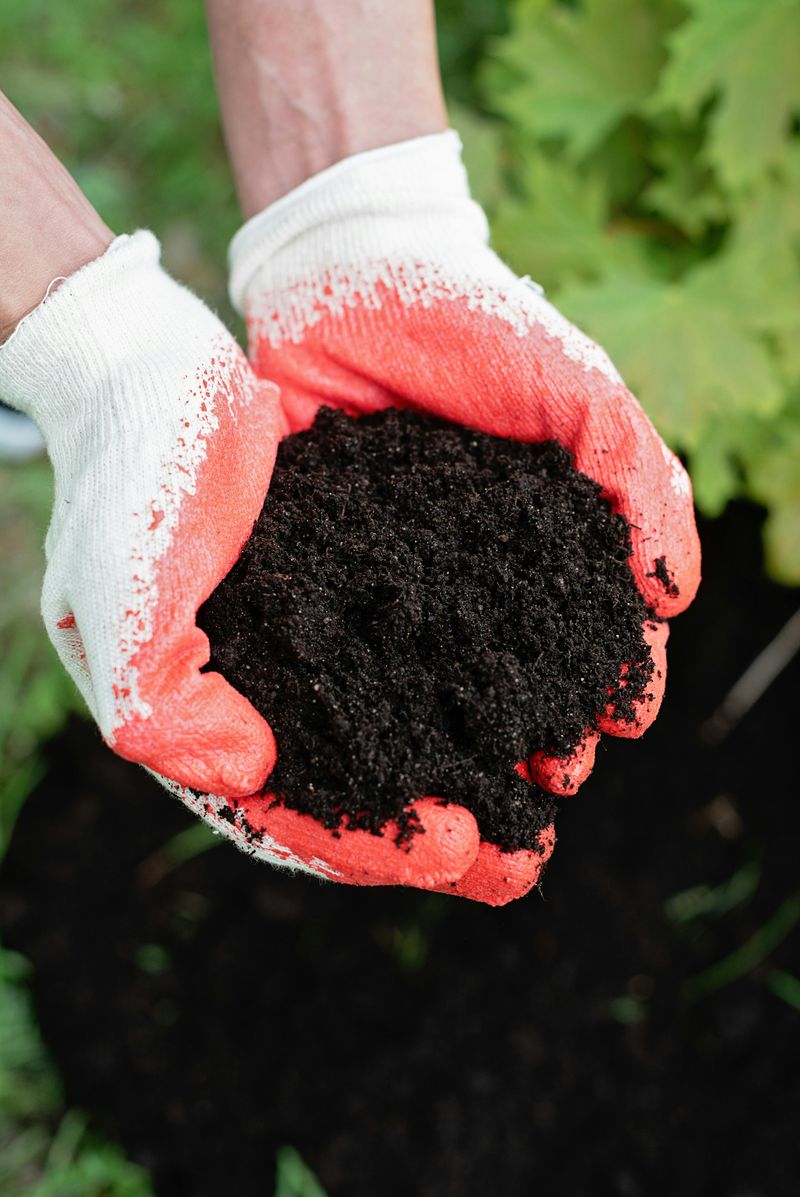
Applying a fresh layer of organic mulch in early winter provides numerous benefits for Miami gardens, from moisture retention to temperature regulation statewide.
Mulch acts as an insulating blanket that keeps soil temperatures stable during cold fronts, protecting root systems from sudden temperature fluctuations overnight.
Organic materials like pine bark, eucalyptus, or melaleuca chips break down slowly, adding valuable nutrients to soil while suppressing weed growth effectively.
Apply mulch two to three inches deep around plants, keeping it several inches away from tree trunks and plant stems to prevent rot.
Fresh mulch also improves garden aesthetics, giving beds a neat, well-maintained appearance that enhances your property’s overall curb appeal this season.
As mulch decomposes, it feeds beneficial soil microorganisms that improve soil structure and nutrient availability for plant roots throughout the year.
Replenishing mulch annually ensures consistent coverage because natural decomposition and weather gradually reduce the protective layer’s thickness over time.
Cypress mulch should be avoided because harvesting it damages Florida’s sensitive wetland ecosystems, so choose sustainably sourced alternatives from responsible suppliers instead.
7. Monitor For Pests That Remain Active Year-Round
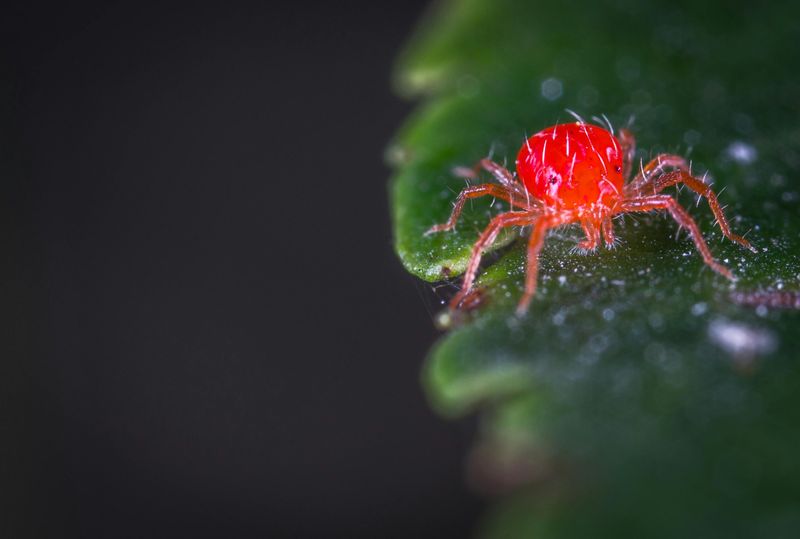
Unlike northern climates where cold temperatures eliminate most insects, Miami’s mild winters allow many garden pests to remain active throughout the season.
Aphids, whiteflies, spider mites, and scale insects continue feeding on plants during winter, potentially causing significant damage if populations are left unchecked.
Regular inspection of plant foliage, especially undersides of leaves, helps catch pest problems early when they’re easier to manage with simple interventions.
Beneficial insects like ladybugs and lacewings remain active in winter gardens, providing natural pest control that reduces the need for chemical interventions.
Insecticidal soaps and horticultural oils effectively control soft-bodied pests without harming beneficial insects when applied according to label directions carefully.
Neem oil serves as both a pesticide and fungicide, making it a versatile organic solution for common winter garden problems in Miami.
Avoid broad-spectrum pesticides that eliminate beneficial insects along with pests, disrupting the natural balance that keeps gardens healthy long-term naturally.
Encouraging birds to visit your garden by providing water sources and native plants helps control insect populations through natural predation throughout winter.
8. Prepare Irrigation Systems For Dry Winter Months
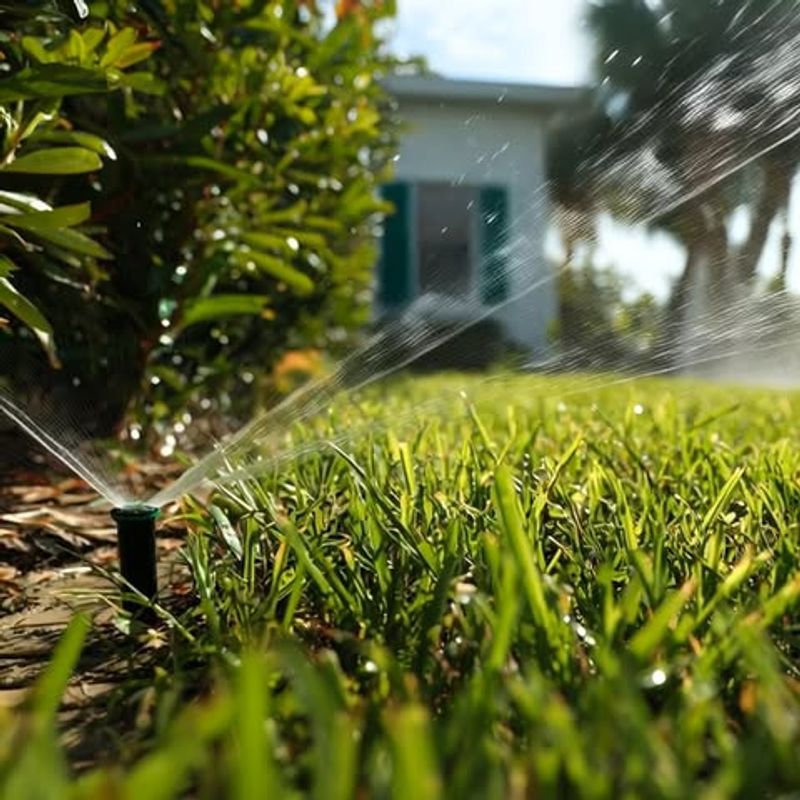
South Florida’s winter dry season can stress plants if irrigation systems aren’t properly maintained and adjusted for the season’s reduced rainfall patterns.
Inspect sprinkler heads and drip emitters for clogs, leaks, or misalignment that wastes water and creates dry spots where plants suffer from inadequate hydration.
Cleaning filters and flushing lines removes mineral deposits that accumulate over time, ensuring even water distribution throughout your entire garden system today.
Adjusting timer settings to match winter’s lower evaporation rates prevents overwatering while ensuring plants receive adequate moisture during the drier months ahead.
Zone-specific programming allows you to water different plant types according to their individual needs, maximizing efficiency and plant health throughout your property.
Rain sensors prevent irrigation systems from running during and after rainfall, conserving water and preventing the overwatering problems that lead to disease.
Drip irrigation delivers water directly to root zones with minimal waste, making it the most efficient option for Miami’s water conservation efforts.
Regular system checks throughout winter ensure everything functions properly, catching small problems before they become expensive repairs or cause plant stress damage.
9. Plant Winter-Blooming Flowers For Continuous Color
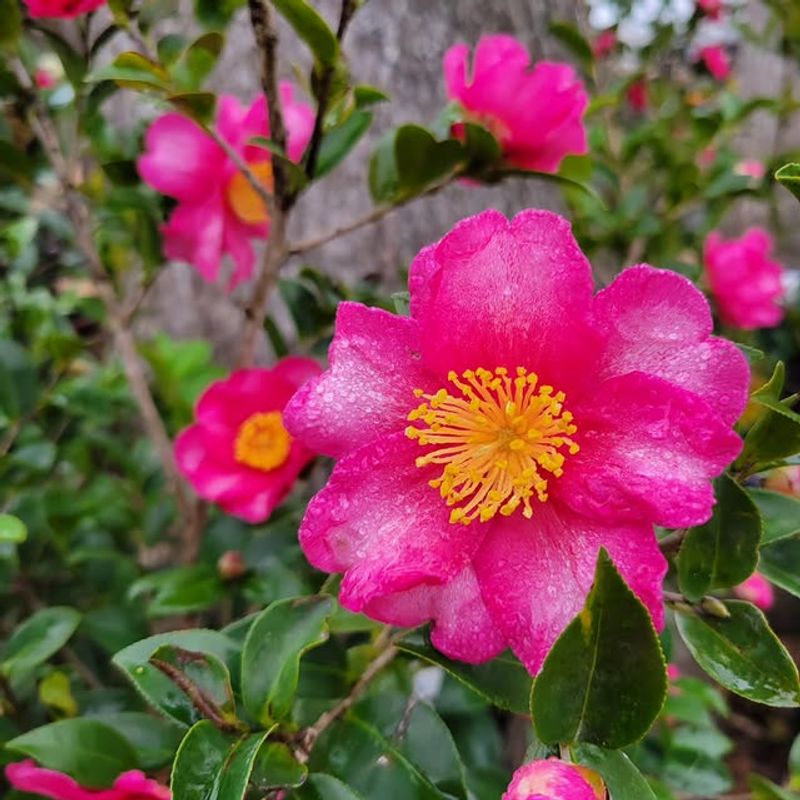
Miami’s winter season offers ideal conditions for growing colorful annual flowers that provide vibrant blooms when many perennial plants are resting.
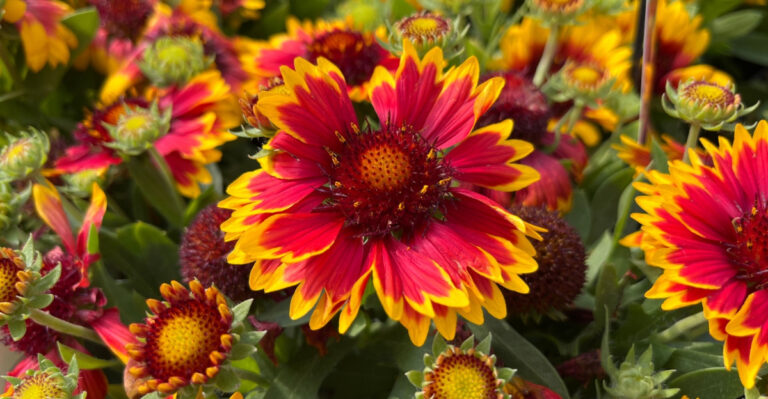
Petunias, impatiens, snapdragons, pansies, and dianthus all flourish in Miami’s winter temperatures, creating spectacular displays that brighten landscapes throughout the season.
Planting flowers in November and December gives them time to establish strong root systems before producing abundant blooms in January and February.
Choose locations with appropriate sunlight levels for each flower type, as some prefer full sun while others thrive in partial shade conditions.
Deadheading spent blooms encourages plants to produce more flowers rather than setting seed, extending the blooming period significantly throughout the entire season.
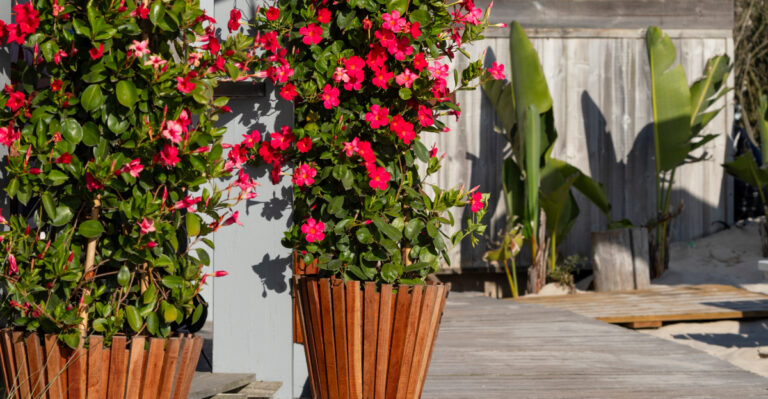
Container gardens filled with winter annuals add color to patios, porches, and entryways, creating welcoming focal points that enhance your home’s appearance.
Combining different flower colors, heights, and textures creates visual interest that makes garden beds more attractive and professionally designed looking to visitors.
Regular fertilization with bloom-boosting formulas high in phosphorus supports continuous flower production, keeping your winter garden colorful until spring arrives again.