The Truth Behind 10 Popular Gardening Myths For Florida Home Gardeners
Florida gardens grow under their own set of rules, yet myths spread faster than weeds in summer rain.
Advice passes from neighbor to neighbor, online forums, and old habits, and before long fiction wears the mask of fact.
Some of these ideas sound harmless, even helpful, but a few can steer plants straight into trouble.
Sandy soil, intense sun, sudden storms, and year-round growth turn many so-called truths on their head.
What works up north often falls flat in the Sunshine State, and stubborn myths refuse to budge.
Trust the wrong tip, and time, money, and effort slip away before results ever show.
Smart gardeners cut through the noise and lean on facts that match Florida’s climate, not folklore.
1. Adding Sand Improves Clay Soil
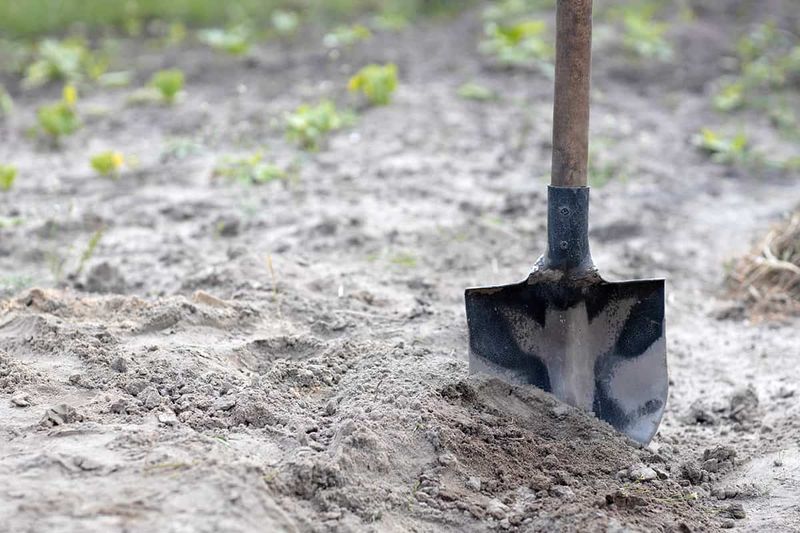
Many gardeners believe mixing sand into clay soil creates better drainage and texture.
This advice sounds logical, but it actually creates a concrete-like mixture that makes growing conditions worse.
Florida already has naturally sandy soil in most areas, so this myth causes less trouble here than in other states.
However, some Florida regions do have pockets of clay or marl soil where people attempt this fix.
The real solution involves adding organic matter like compost, aged manure, or peat moss.
These materials improve soil structure without creating hard, impenetrable layers.
Organic amendments help sandy Florida soils hold moisture and nutrients better while also loosening any clay areas.
Work several inches of compost into your beds before planting for best results.
Mulching on top adds even more organic material as it breaks down over time.
Regular additions of compost throughout the growing season keep your soil healthy and productive.
Your plants will develop stronger root systems in properly amended soil compared to sand-clay mixtures.
Skip the sand and focus on building rich, living soil through organic matter instead.
2. Water Your Garden Every Single Day
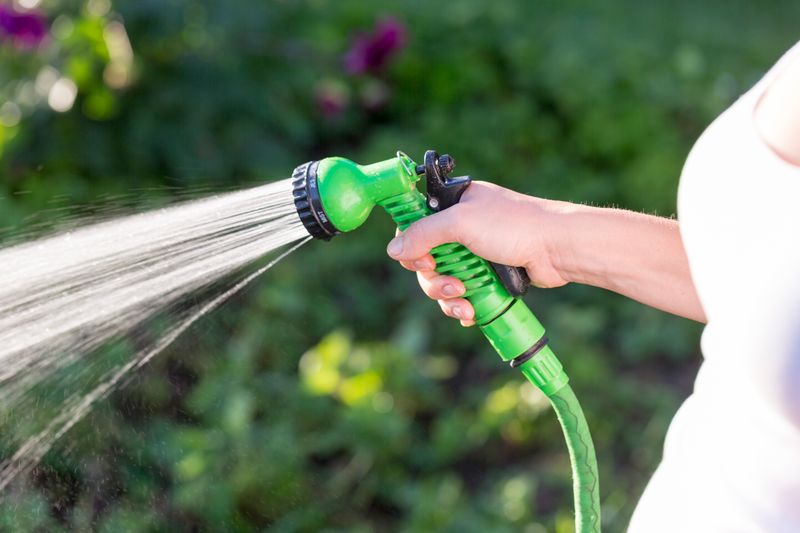
Conventional wisdom suggests daily watering keeps gardens thriving and healthy.
In Florida’s hot climate, this seems even more important to prevent plants from suffering.
The reality is that frequent shallow watering creates weak, shallow root systems that can’t handle stress.
Plants watered daily never develop deep roots because moisture stays near the surface.
When you skip a day or face water restrictions, these shallow-rooted plants struggle immediately.
Better practice involves watering deeply but less frequently, encouraging roots to grow downward seeking moisture.
Most established Florida landscapes need watering only two to three times weekly during dry periods.
New plantings require more frequent attention for the first few weeks until roots establish.
Early morning watering reduces evaporation loss and prevents fungal diseases that thrive in overnight dampness.
Check soil moisture before watering by pushing your finger two inches deep into the ground.
If it feels moist, wait another day or two before watering again.
This approach saves water, reduces your utility bills, and grows stronger, more resilient plants that handle Florida’s variable weather better.
3. All Plants Need Full Sun To Produce Well
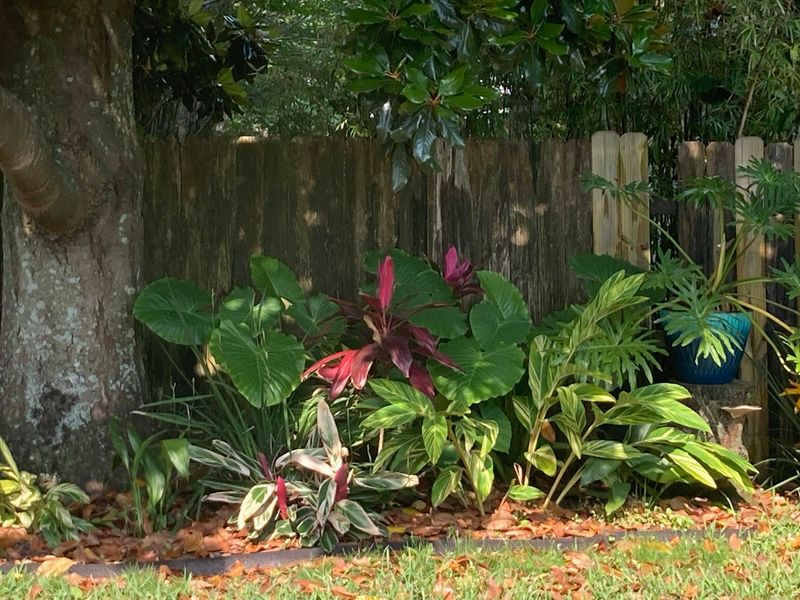
Gardening books often emphasize that vegetables and flowers require six to eight hours of direct sunlight.
Your Florida Garden Changes Every Week. Your Plan Should Too.
Gardening in Florida changes quickly throughout the season. Every Friday you’ll receive a simple weekly plan showing exactly what to plant, prune, fertilize, harvest, and protect so you never miss the right timing.
This guideline works in cooler climates but needs adjustment for Florida’s intense summer rays.
Our sun burns much hotter than northern regions, and full exposure can actually stress many plants.
Afternoon shade becomes essential for crops like lettuce, spinach, and many herbs during summer months.
Even sun-loving tomatoes and peppers appreciate some relief from the harshest midday heat.
Many beautiful ornamental plants prefer filtered light or morning sun with afternoon protection.
Impatiens, begonias, caladiums, and ferns flourish in Florida shade gardens where full-sun plants would struggle.
Native plants like coontie and wild coffee evolved under tree canopies and prefer shadier conditions.
Consider your property’s microclimates when planning where to place different plants.
East-facing locations provide gentle morning light without scorching afternoon exposure.
West-facing spots get the hottest, most intense sun and suit only the toughest specimens.
Understanding that partial shade often produces better Florida results than constant sun exposure opens up more planting possibilities throughout your yard.
4. Native Plants Require No Maintenance
The native plant movement has gained tremendous popularity among Florida gardeners recently.
Advocates correctly point out that native species need less water and fewer chemicals than exotic imports.
However, some people misunderstand this to mean natives require absolutely no care whatsoever.
Even plants perfectly adapted to Florida need some human attention, especially when first establishing.
Young native plants require regular watering until their roots spread and reach deeper soil moisture.
Weeding remains necessary because invasive exotic species often outcompete desirable natives without intervention.
Periodic pruning keeps many native shrubs and perennials looking attractive and flowering abundantly.
Mulch application helps natives just as much as it helps any other plant.
Some native species spread aggressively and need division or containment to prevent them from taking over.
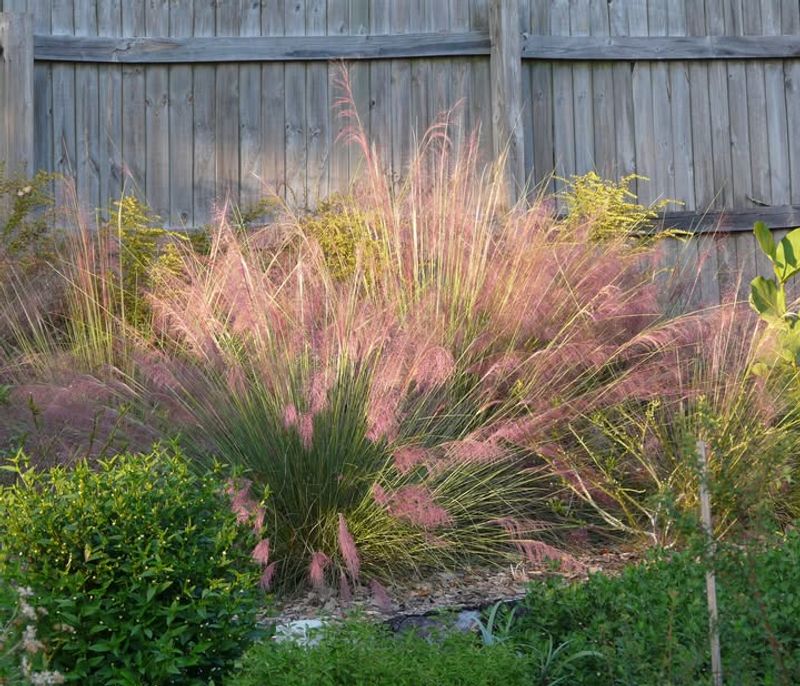
Muhly grass, for example, benefits from cutting back old foliage annually to encourage fresh growth.
The advantage of natives lies in their reduced needs compared to high-maintenance exotics, not in zero maintenance.
Choose natives for their toughness and environmental benefits, but plan to provide basic care for best results.
5. Fertilizer Makes Plants Grow Better Always
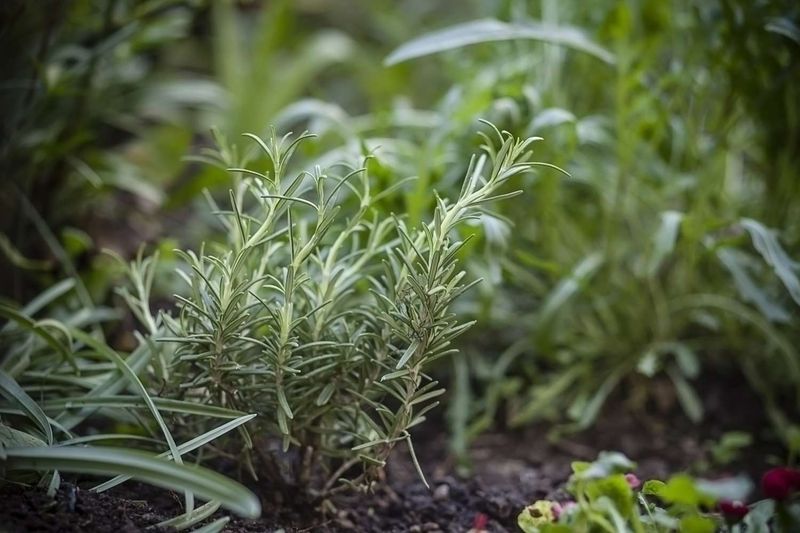
Garden centers stock shelves full of fertilizers promising bigger blooms and faster growth.
The assumption follows that more fertilizer equals better results in every situation.
Florida’s sandy soils do leach nutrients quickly, making regular fertilization seem essential.
However, excessive fertilizer causes multiple problems that harm both plants and the environment.
Over-fertilized plants develop weak, sappy growth that attracts pests and diseases.
Excess nutrients wash through sandy soil into groundwater, lakes, and coastal waters, causing algae blooms and environmental damage.
Many Florida plants, especially natives, actually prefer lean soil conditions and suffer from too much feeding.
Palms develop specific nutrient deficiencies when given standard lawn fertilizers high in phosphorus.
Slow-release fertilizers work much better in Florida than quick-release types that wash away with our frequent rains.
Soil testing reveals exactly what nutrients your garden actually needs instead of guessing.
Organic matter additions provide steady, balanced nutrition without the risks of chemical overload.
Time your fertilizer applications to match active growing periods rather than feeding year-round when plants aren’t actively growing.
6. Mulch Against Tree Trunks Protects Them
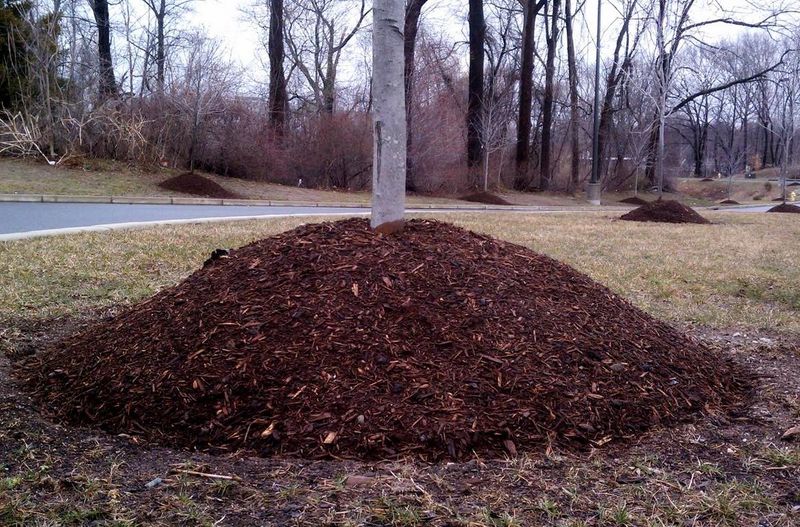
Piling mulch high against tree trunks has become standard practice in many Florida landscapes.
These volcano-shaped mulch mounds appear neat and professional, leading homeowners to copy the look.
Unfortunately, this technique causes serious harm to tree health over time.
Mulch piled against bark holds moisture constantly against the trunk, creating ideal conditions for rot and disease.
Insects and fungi attack the weakened bark, compromising the tree’s structural integrity.
Roots may begin growing upward into the mulch pile instead of spreading properly through the soil.
These circling roots eventually girdle the trunk, slowly strangling the tree from outside pressure.
Proper mulch application involves pulling material several inches away from the trunk, creating a donut shape rather than a volcano.
The mulch layer should extend outward to cover the root zone but remain only two to three inches deep.
This technique conserves soil moisture, moderates temperature, and suppresses weeds without harming the trunk.
Check your existing trees and pull back any mulch touching the bark.
You’ll extend your trees’ lifespan and prevent expensive removals down the road by following correct mulching practices from the start.
7. Pruning Paint Seals And Heals Cuts
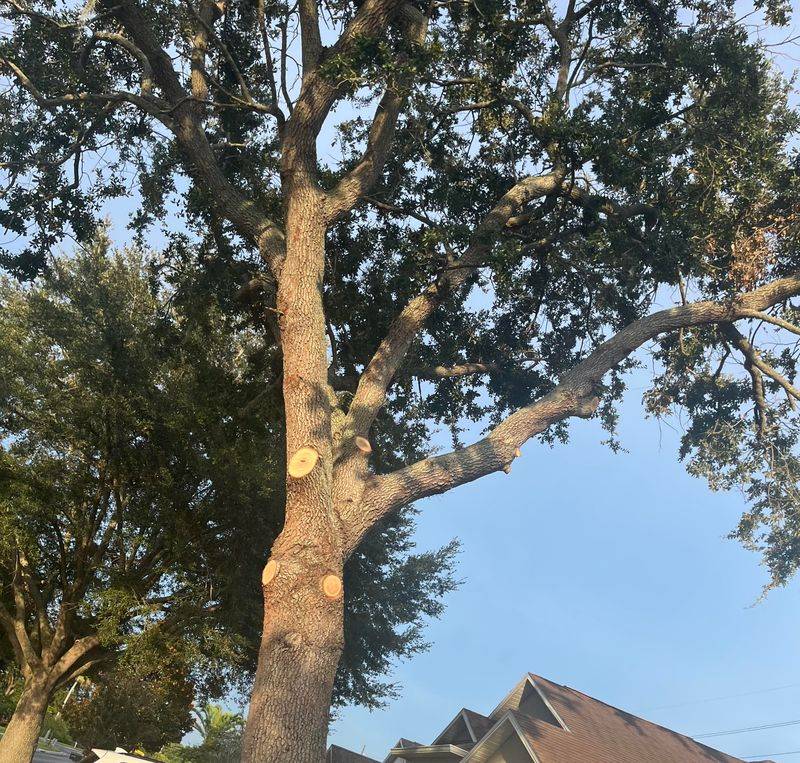
For decades, garden experts recommended coating pruning cuts with special paint or tar.
The theory suggested these sealants prevented insects and disease from entering wounds.
Hardware stores still sell pruning paint, and many Florida gardeners continue using it regularly.
Modern research has completely overturned this old advice with clear scientific evidence.
Trees naturally seal wounds through compartmentalization, a biological process that isolates damaged areas.
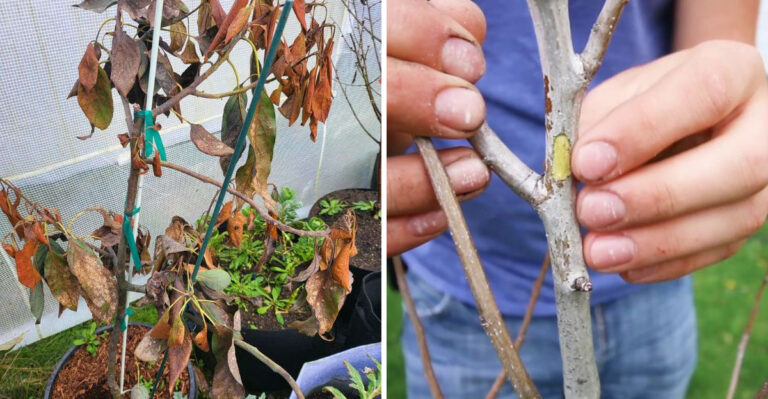
Pruning paint actually interferes with this natural healing by trapping moisture and disease organisms against the wound.
Sealed cuts often develop more rot and problems than cuts left open to air.
The best practice involves making clean cuts with sharp tools at the proper angle and location.
Cut just outside the branch collar where the tree’s natural defenses work most effectively.
Jagged or torn cuts heal slowly regardless of whether you apply paint.
Save your money and skip the pruning paint entirely for better tree health.
Focus instead on proper cutting technique, appropriate timing, and using sanitized, sharp pruning tools to minimize wound size and promote quick natural healing responses.
8. Coffee Grounds Acidify Soil Significantly
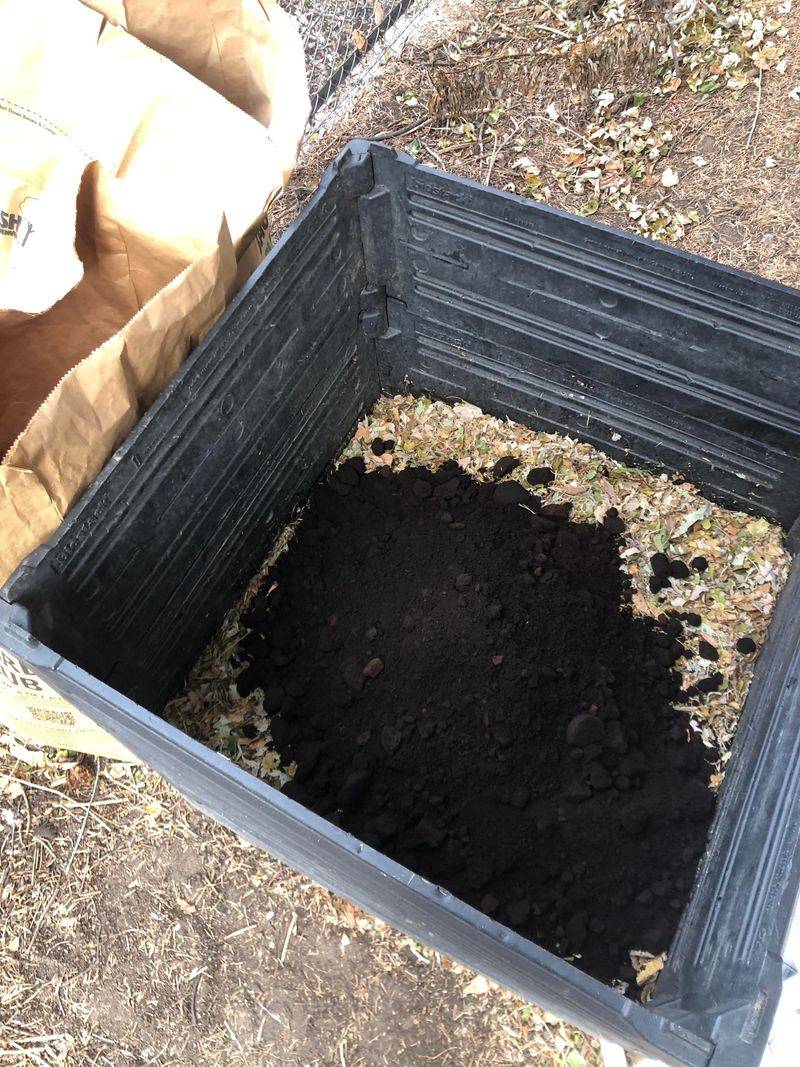
Coffee lovers rejoice when they learn grounds can benefit gardens, and many gardeners save every cup’s worth.
The popular belief states that coffee grounds acidify soil, making them perfect for acid-loving plants.
Azaleas, blueberries, and gardenias supposedly thrive when gardeners spread coffee grounds around their roots.
While coffee grounds do offer benefits, their effect on soil pH is surprisingly minimal.
Used grounds are actually nearly neutral in pH because the brewing process extracts most acidic compounds.
Fresh grounds contain more acidity, but few gardeners have access to large quantities of unbrewed coffee.
The real value of coffee grounds comes from their organic matter and nitrogen content.
They improve soil structure and provide nutrients as they decompose over time.
Worms love coffee grounds, and their presence encourages beneficial earthworm activity in garden beds.
Use grounds as one component in compost piles rather than applying thick layers directly to soil.
Heavy applications can form water-resistant mats that prevent moisture from penetrating properly.
If you want to truly acidify Florida soil for acid-loving plants, use sulfur products specifically designed for pH adjustment instead of relying on coffee grounds alone.
9. Organic Gardening Never Uses Any Chemicals
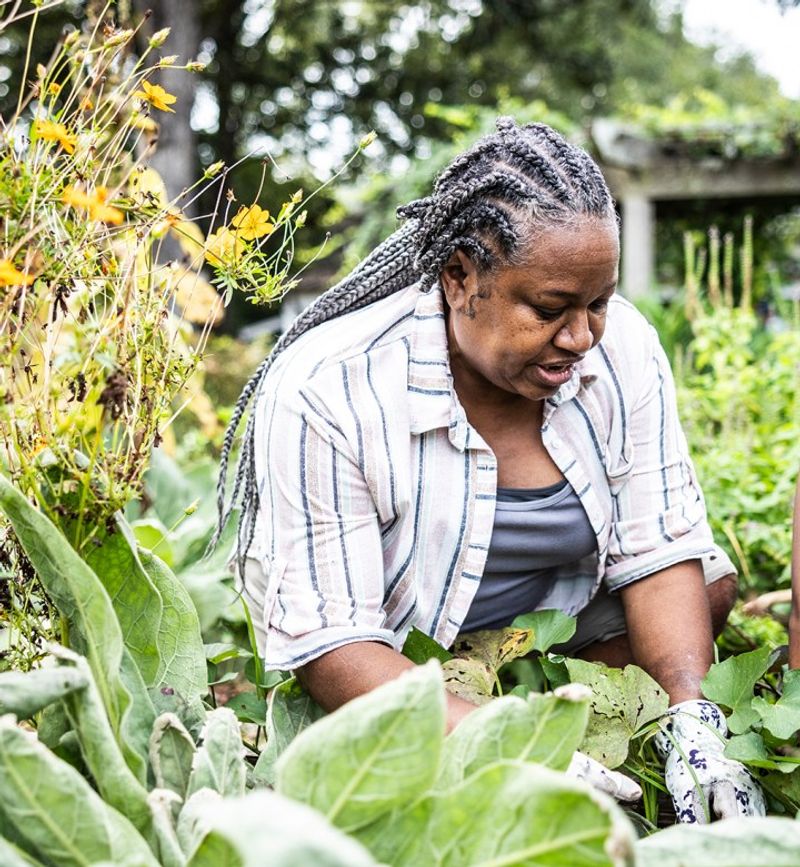
The organic gardening movement emphasizes working with nature rather than against it.
Many people interpret organic methods as completely chemical-free gardening under all circumstances.
This oversimplification misunderstands what organic certification and practices actually allow.
Organic standards permit certain naturally-derived pesticides and fungicides when necessary for crop protection.
Substances like neem oil, pyrethrin, copper fungicides, and insecticidal soaps qualify as organic treatments.
These products still require careful application following label directions to avoid harming beneficial insects.
Some natural substances can be quite toxic to aquatic life or bees despite their organic status.
The goal of organic gardening involves minimizing synthetic chemical use while maintaining healthy, productive gardens.
Prevention through proper plant selection, soil health, and companion planting reduces the need for any interventions.
When problems do arise, organic gardeners first try physical removal, barriers, or biological controls.
Approved organic treatments become the last resort rather than the first response to every pest or disease.
Florida’s intense pest pressure sometimes requires intervention, and organic options provide tools that work with natural systems while still protecting your harvest effectively.
10. Fall Is The Wrong Time To Plant In Florida
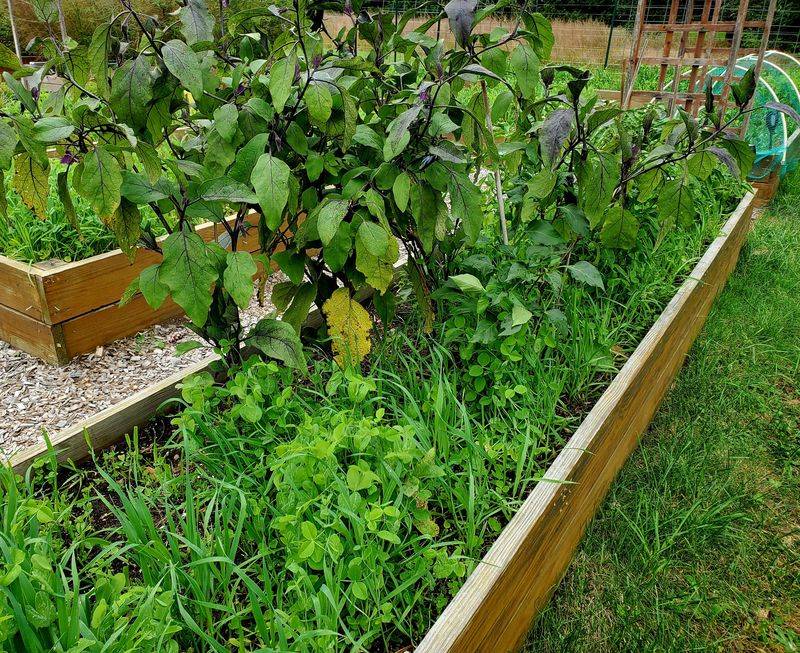
Traditional gardening calendars mark spring as prime planting time throughout most of America.
Florida gardeners who follow national advice often miss our best growing season entirely.
Our reversed seasons mean fall and winter offer ideal conditions for many crops and flowers.
October through February brings cooler temperatures, lower humidity, and less intense sun.
Tomatoes, peppers, and squash planted in fall produce far better than summer plantings that struggle with heat and pests.
Leafy greens like lettuce, kale, and spinach only succeed during Florida’s cooler months.
Many annual flowers including petunias, snapdragons, and pansies thrive from fall through spring here.
Summer’s brutal heat and daily thunderstorms actually create challenging growing conditions for most vegetables.
Established plants can handle summer, but new transplants often struggle to survive the stress.
Fall planting allows roots to establish during pleasant weather before facing either summer heat or northern winter cold.
Garden centers stock cool-season crops and flowers starting in September for good reason.
Embrace Florida’s unique growing calendar and plan your main garden installations for fall rather than fighting against our climate by planting in spring.