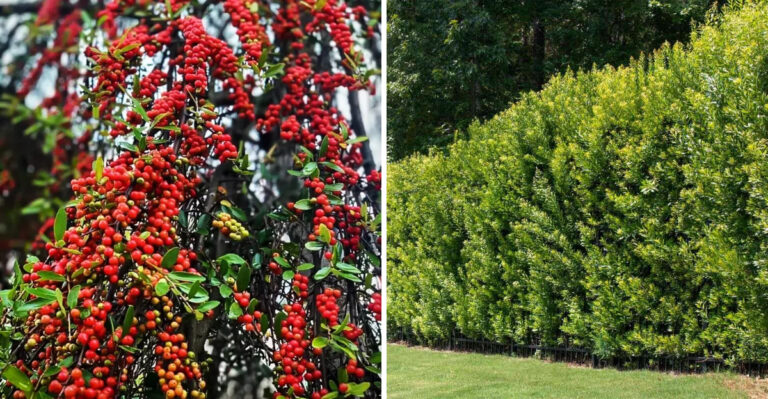
What Texas Law Says About Cutting A Neighbors Shrub On Your Property
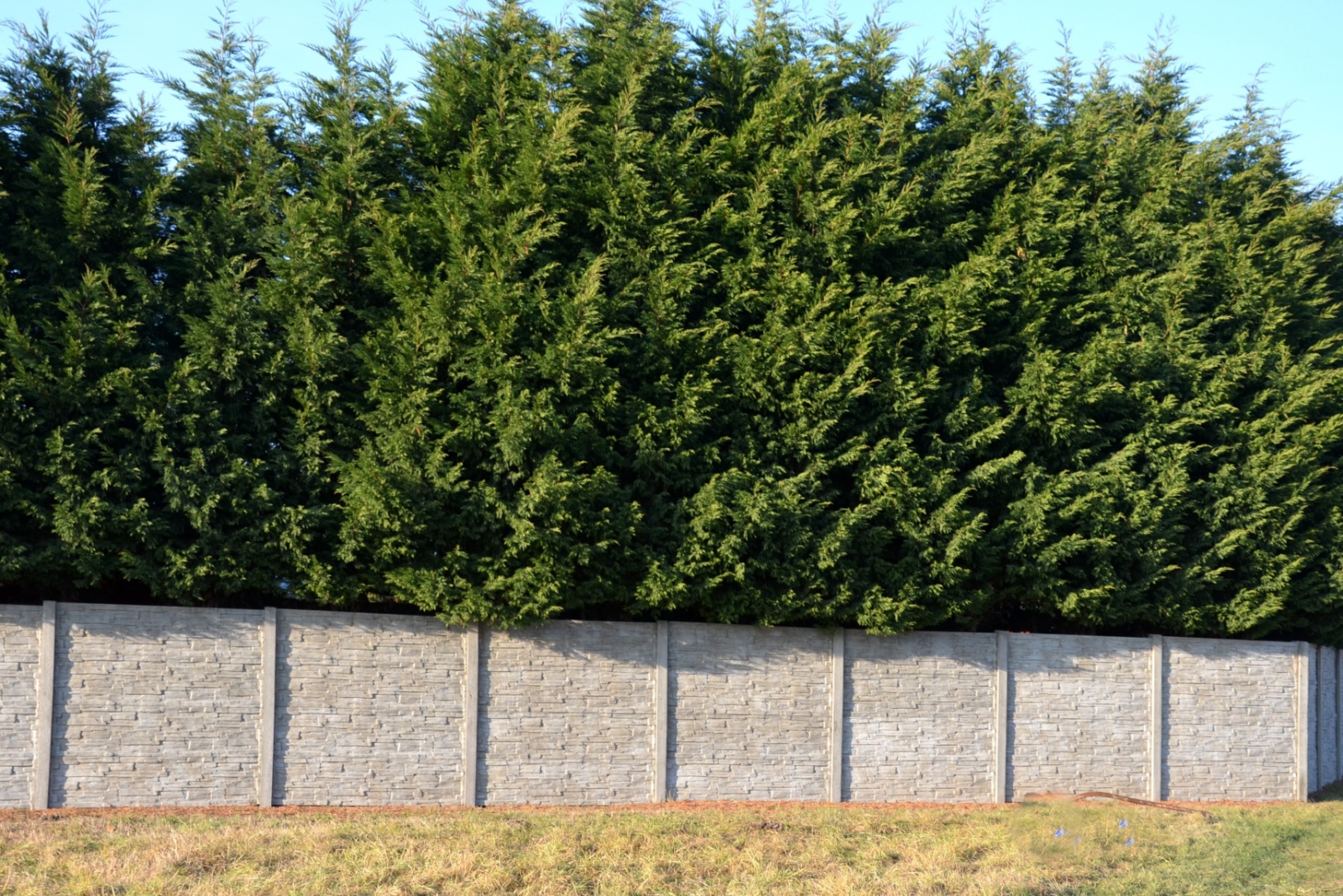
In Texas, what you can — and can’t — do to a neighbor’s shrub isn’t just a matter of courtesy; it’s governed by law.
Property owners often assume they have free rein to trim anything that crosses the boundary, but the reality is more nuanced.
Knowing your trimming rights, the limits on cutting branches or roots, and the legal risks of overstepping can save you from a costly dispute.
Before reaching for the shears, here’s what Texas law actually allows when it comes to your neighbor’s shrubbery.
Texas Follows The Self-Help Rule For Overhanging Vegetation
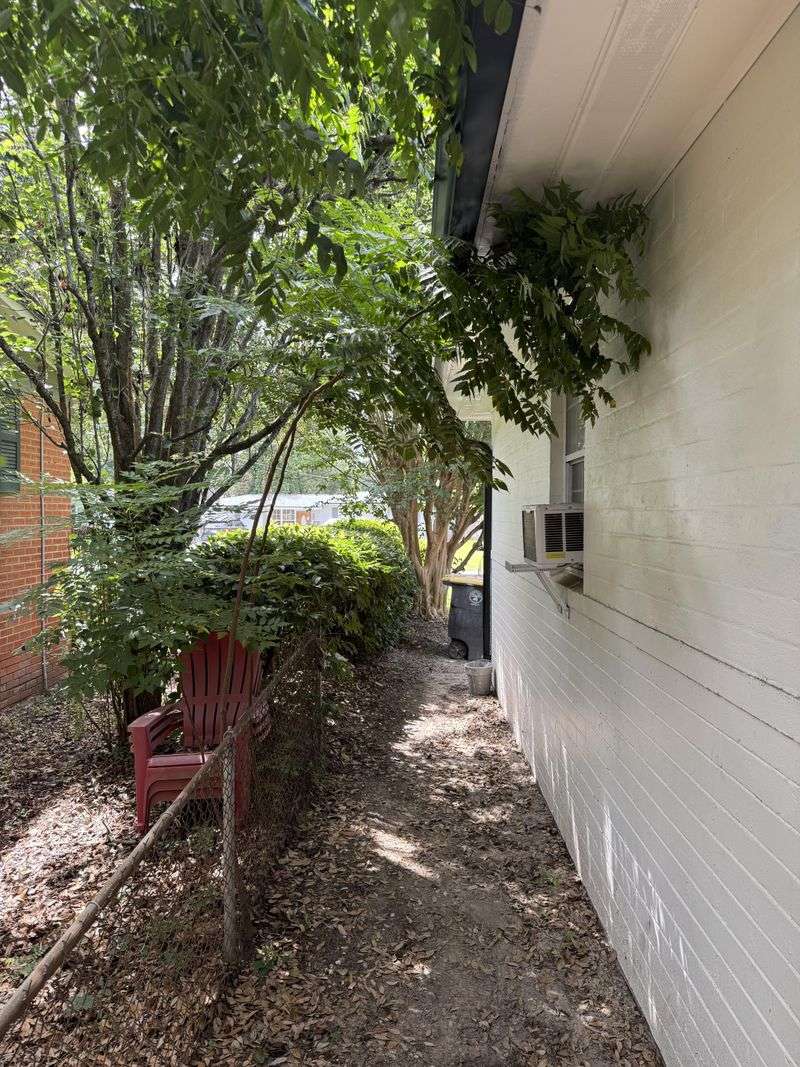
Landowners in Texas have the legal right to trim branches, roots, or shrubs that extend across their property boundary without asking permission first.
This principle is known as the self-help rule and has been recognized by Texas courts for many years as a reasonable solution.
You can cut back the portion of the plant that invades your space, but you must stay within your own property lines.
Crossing onto your neighbor’s land to trim their plants is considered trespassing and can lead to legal consequences including fines or lawsuits.
The self-help rule applies to all types of vegetation, including shrubs, hedges, tree branches, and even roots growing underground beneath your yard.
However, you cannot demand that your neighbor remove the plant entirely, even if it causes you inconvenience or blocks sunlight to your garden.
Texas law expects property owners to handle minor encroachments on their own without involving the courts or creating neighborhood disputes over small issues.
Always make sure you know exactly where your property line is located before cutting anything to avoid accidentally damaging plants on their side.
You Must Not Harm The Entire Plant When Trimming

While Texas allows you to trim encroaching vegetation, you must do so carefully to avoid causing permanent damage to the entire plant.
Courts have ruled that property owners can be held liable if their trimming actions result in the plant becoming unhealthy or unsightly.
For example, cutting too much of a shrub’s root system might cause the whole plant to wither, which could make you responsible for damages.
The key is to trim only what crosses onto your property and to use proper techniques that won’t compromise the plant’s health.
If you’re unsure about how to trim safely, consider consulting with a professional arborist or landscaper who understands plant biology and proper cutting methods.
Some plants are more sensitive than others, and improper cuts can introduce disease or weaken the structure of trees and large shrubs.
Your neighbor could take you to court if they can prove that your trimming caused significant harm beyond what was necessary to clear your land.
Document your work with photos before and after trimming to show you acted reasonably and only removed what was on your side of the line.
Property Line Disputes Require A Survey To Resolve
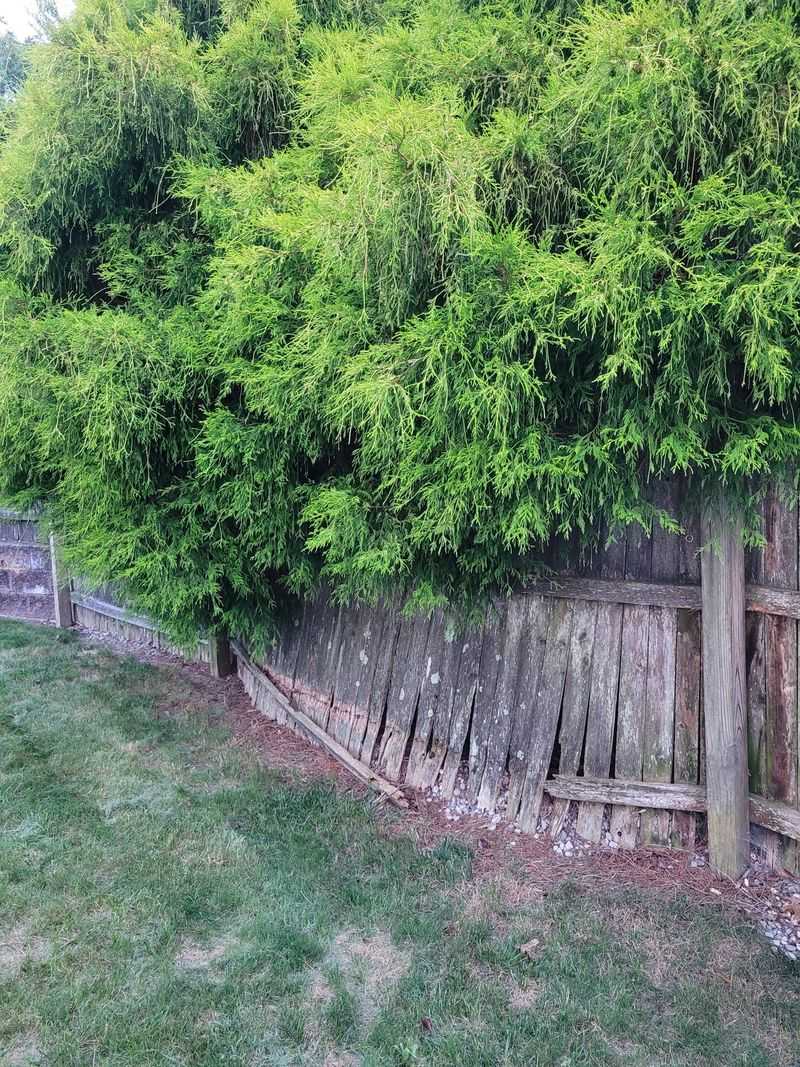
Many conflicts arise because neighbors disagree about where the actual property line is located, making it hard to know what you can trim.
Your Texas Garden Changes Every Week. Your Plan Should Too.
Gardening in Texas changes quickly throughout the season. Every Friday you’ll receive a simple weekly plan showing exactly what to plant, prune, fertilize, harvest, and protect so you never miss the right timing.
Texas law requires that you base your actions on the true legal boundary, not on assumptions, old fences, or verbal agreements from years ago.
Hiring a licensed surveyor to mark the exact property line is the best way to avoid legal problems and ensure you’re acting within your rights.
Surveys typically cost a few hundred dollars but can save you thousands in legal fees if a dispute escalates to court proceedings later on.
Once the survey is complete, you’ll receive a detailed map showing the precise boundaries, which you can use to guide your trimming decisions confidently.
Keep a copy of the survey in your records and share it with your neighbor to promote transparency and reduce the chance of misunderstandings.
If your neighbor refuses to acknowledge the survey results, you may need to seek a court order to enforce your property rights and clarify boundaries.
Fences and hedges often sit slightly off the true line, so never assume these markers represent the legal division between your properties accurately.
Roots Growing Underground Are Treated Like Branches Above

Plant roots that spread beneath the surface and enter your property are subject to the same self-help rule as branches that hang overhead.
You have the right to cut roots on your side of the boundary, especially if they’re damaging your foundation, driveway, or underground utilities.
However, cutting major roots can destabilize a tree and cause it to fall, which might make you liable if the tree then damages property or injures someone.
Before cutting large roots, consider consulting with an arborist who can assess the risk and recommend safe methods to protect both properties.
Some roots provide critical support to the tree’s structure, and removing them can lead to the tree leaning or toppling during storms or high winds.
If you do cut roots, take photos and keep records of the work to show you only removed what was on your land.
Your neighbor might claim that you caused their tree to become unstable, so documentation helps prove you acted reasonably and within legal boundaries.
Texas courts generally support your right to protect your property from root damage, but you must exercise that right carefully and responsibly always.
Fruit Or Nuts From Overhanging Branches Belong To The Tree Owner
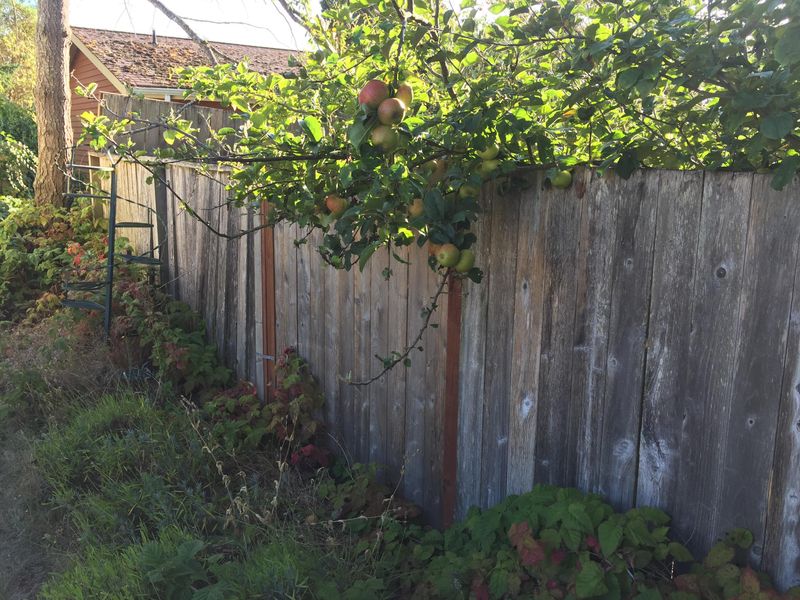
Even if a neighbor’s fruit tree or pecan tree hangs over your yard, the produce that grows on those branches still belongs to them legally.
Texas law considers the fruit, nuts, or other produce to be part of the tree, which remains the property of the person who owns it.
You cannot pick or harvest the fruit without permission, even though the branches are physically located above your land and within easy reach.
However, if the fruit falls naturally onto your property, many legal experts believe you can keep it since it’s no longer attached to the tree.
This area of law isn’t perfectly clear, so it’s wise to discuss the situation with your neighbor to avoid arguments over a few apples or pecans.
Some neighbors might be happy to share the harvest, while others may want to collect all the produce themselves, which is their legal right.
If you trim the overhanging branches using the self-help rule, you should offer the cut branches and any fruit on them back to your neighbor.
Being courteous and respectful about these small matters helps maintain friendly relationships and prevents minor issues from turning into costly legal battles over time.
You Cannot Force Your Neighbor To Trim Their Own Plants
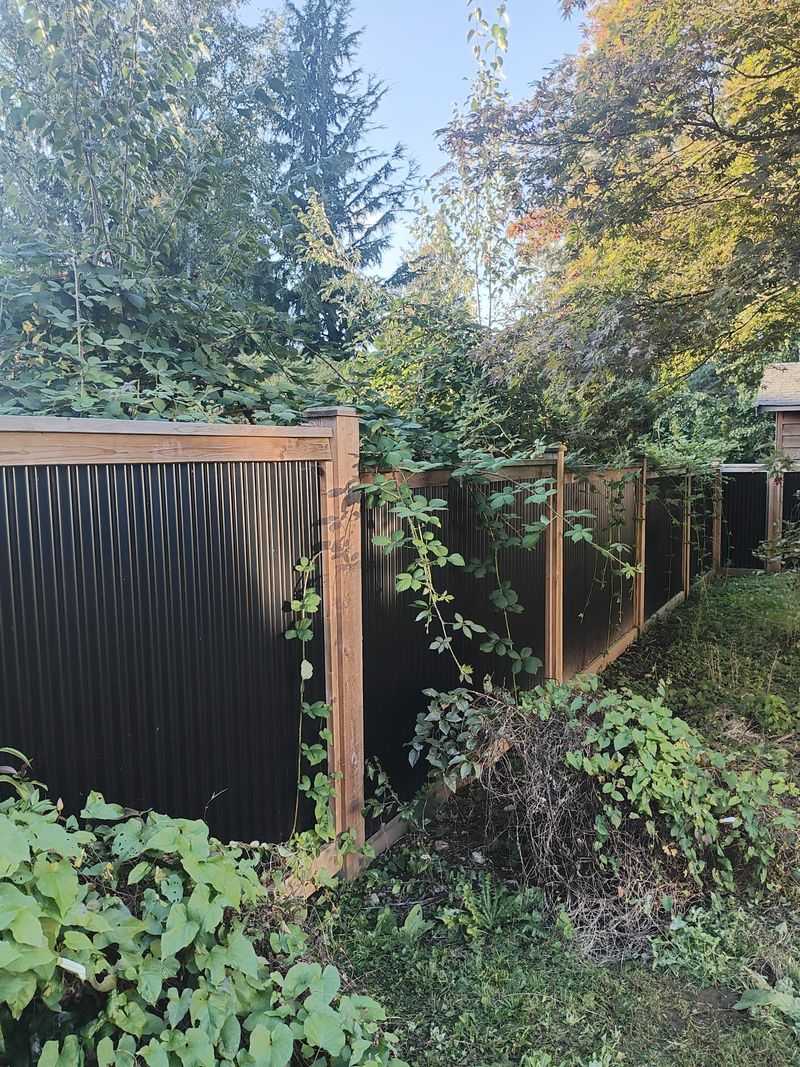
Texas law does not give you the power to demand that your neighbor cut back their shrubs, trees, or other plants on their side.
Even if the vegetation is messy, blocks your view, or drops leaves into your yard, your neighbor has no legal obligation to trim it.
Your only remedy is to use the self-help rule to trim what crosses onto your property, staying carefully within your own legal boundaries.
Some homeowners associations have rules that require members to maintain their landscaping, but these are private agreements, not state laws that apply everywhere.
If you live in a neighborhood with an HOA, check the covenants and bylaws to see if there are specific landscaping standards your neighbor must follow.
You can report violations to the HOA board, which may fine your neighbor or require them to trim their plants to meet community standards.
Outside of HOA rules, Texas courts generally do not interfere with how people maintain their own property unless there’s a clear public safety hazard.
Trying to force your neighbor to trim through legal action is usually unsuccessful and can damage your relationship, so communication and compromise are often better solutions.
Damage To Your Property From Encroaching Plants May Be Compensable
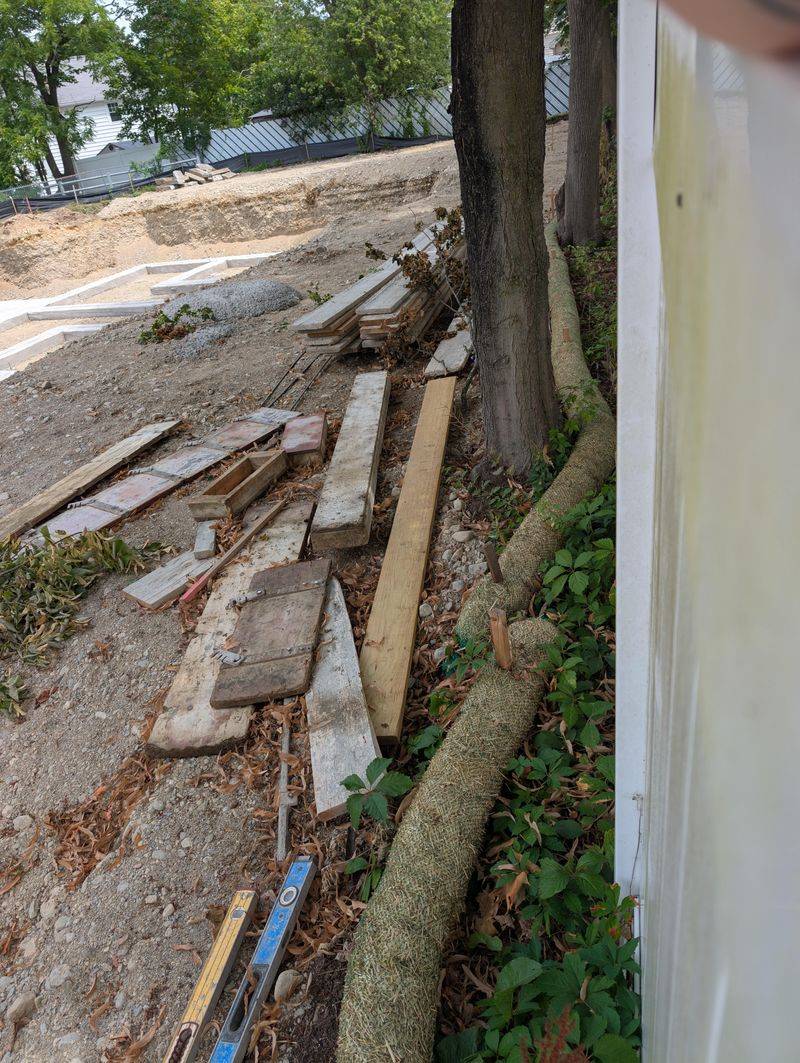
If a neighbor’s shrub or tree causes actual physical damage to your property, you may be able to recover compensation through a legal claim.
Examples include roots that crack your foundation, branches that damage your roof, or plants that interfere with power lines or plumbing on your land.
Texas courts recognize that property owners have a duty not to allow their vegetation to cause harm to others, even if the plants are on their side.
To succeed in a lawsuit, you must prove that the plant caused the damage and that your neighbor knew or should have known about the risk.
Documenting the damage with photos, repair estimates, and expert opinions from contractors or arborists strengthens your case if you go to court.
Before filing a lawsuit, send your neighbor a written notice describing the problem and asking them to address it within a reasonable time frame.
Many disputes can be resolved through negotiation or mediation, which is faster and less expensive than going through a full trial in civil court.
If your neighbor refuses to cooperate and the damage is significant, consult with a property attorney who can advise you on the best legal strategy.
Trespassing To Trim Plants Can Lead To Legal Penalties
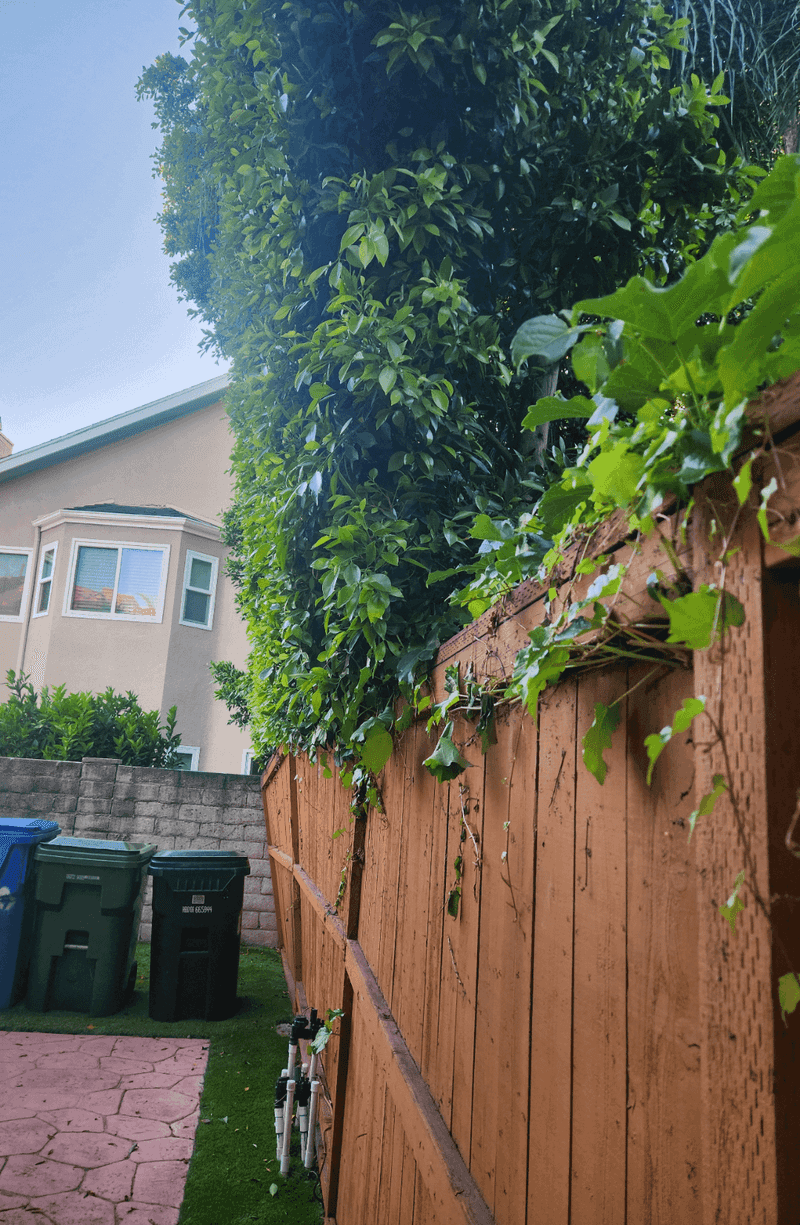
Stepping onto your neighbor’s land to trim their plants, even if branches hang over your side, is considered trespassing under Texas law and can result in serious consequences.
Your neighbor can call the police, file a criminal complaint, or sue you for damages if you enter their property without permission to cut vegetation.
Even if your intentions are good and you’re just trying to tidy up the boundary area, the law protects property owners from uninvited entry.
Always stay on your own side of the property line when trimming, using ladders, poles, or other tools that allow you to reach overhanging branches safely.
If you accidentally cross the line while working, stop immediately and reposition yourself to avoid any appearance of trespassing or intentional boundary violation.
Some neighbors might give you verbal permission to enter their yard, but it’s smarter to get written consent to avoid disputes about what was agreed.
Trespassing charges can result in fines, and repeated violations might lead to restraining orders or other legal actions that complicate your relationship with neighbors.
Respecting property boundaries is essential, and taking shortcuts by entering someone else’s land can cost you far more than the time saved by doing so.
Homeowners Associations May Have Additional Landscaping Rules
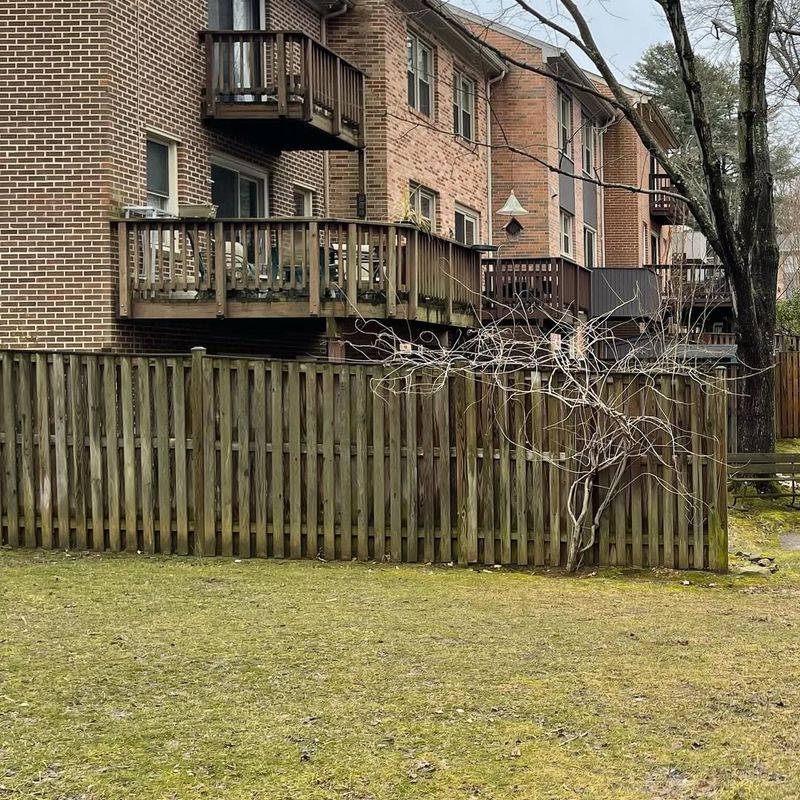
Many Texas neighborhoods are governed by homeowners associations that enforce stricter rules about landscaping, fences, and vegetation than state law requires alone.
HOA covenants often specify how tall hedges can grow, what types of plants are allowed, and how property boundaries must be maintained by residents.
If your neighbor’s shrub violates HOA rules, you can file a complaint with the board, which may issue warnings or fines to enforce compliance.
HOA rules are legally binding contracts that all homeowners agree to when they purchase property in the community, so they carry real legal weight.
However, HOA enforcement can be slow, and some associations are more active than others in addressing landscaping complaints from members who are frustrated.
Review your HOA’s governing documents to understand what rules apply and what process you should follow to report violations or request enforcement action.
Even with HOA rules in place, you still have the right to use the self-help rule to trim plants that cross onto your property.
Combining HOA enforcement with self-help trimming is often the most effective way to address persistent problems with encroaching vegetation in planned communities and subdivisions.
Communicating With Your Neighbor Can Prevent Legal Disputes
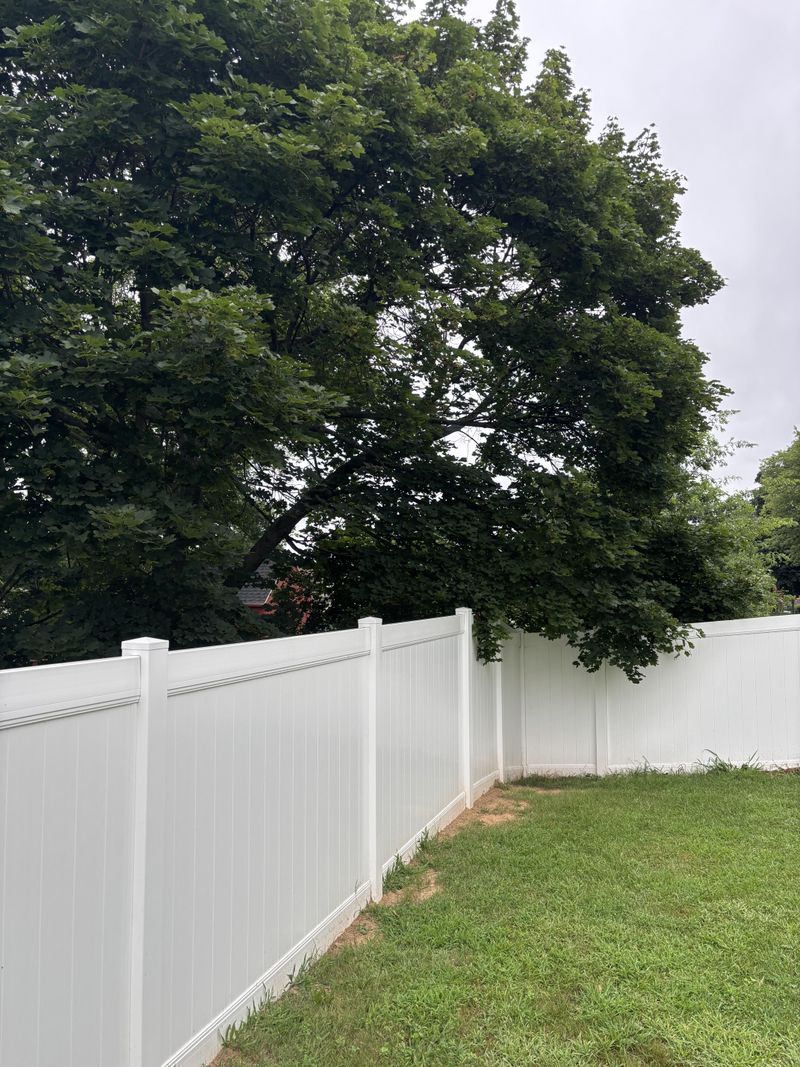
Many conflicts over plants and property lines can be avoided simply by having a polite conversation with your neighbor before taking any action.
Explain the situation calmly, show them where the plants are crossing onto your land, and suggest a solution that works for both of you.
Most people are reasonable and willing to cooperate if they understand the problem and don’t feel attacked or blamed for the encroachment issue.
Approaching the conversation with a friendly attitude rather than an accusatory tone makes it more likely that you’ll reach a positive outcome together.
Offer to help with the trimming or to share the cost of hiring a professional landscaper to handle the work properly and safely.
If your neighbor is elderly or unable to do the work themselves, offering assistance can build goodwill and solve the problem without hard feelings.
Document any agreements you reach in writing, including who will do the work, when it will be done, and who will pay for it.
Good communication and a cooperative spirit can turn a potential legal battle into an opportunity to strengthen your relationship with the people next door.
Consulting A Lawyer Helps When Disputes Escalate Beyond Simple Trimming

When negotiations fail and the conflict over encroaching plants becomes more serious, consulting with a property attorney is a smart and necessary step.
Lawyers who specialize in real estate and property disputes can explain your rights, review your documentation, and recommend the best course of action for your situation.
They can help you understand whether you have a strong case for damages, what evidence you need, and how to proceed if you decide to file a lawsuit.
Many attorneys offer free or low-cost initial consultations, which can give you clarity about your legal options without a major financial commitment upfront.
If the dispute involves significant property damage, boundary disagreements, or repeated trespassing, having legal representation protects your interests and ensures you follow proper procedures.
An attorney can also draft formal letters to your neighbor, which often carry more weight than informal requests and may prompt them to cooperate.
Mediation is another option that lawyers can arrange, allowing both parties to work out a solution with the help of a neutral third party.
While legal action should be a last resort, knowing your rights and having professional guidance can give you confidence and peace of mind during stressful situations.