Texas Gardeners Are Learning The Truth About These 8 Gardening Myths
Texas gardeners have always swapped tips like old friends swapping stories over a fence.
Some advice sticks around for years, even when it no longer holds water.
From watering schedules to soil tricks, many common gardening myths have taken root and refused to budge.
Lately, though, more Texans are pulling back the curtain and seeing what really works in their own backyards.
The Lone Star State throws plenty of curveballs.
Scorching summers, sudden cold snaps, and stubborn soil can turn good intentions into hard lessons.
When gardeners follow outdated advice, plants often pay the price.
Yellow leaves, weak growth, and disappointing harvests are signs that something is off.
That is when myths start to unravel. Learning the truth can feel like a breath of fresh air.
Simple changes based on real conditions make gardens healthier and easier to manage.
Once myths are out of the way, gardeners can focus on practices that save time, water, and effort.
Across Texas, more people are trading guesswork for know how and seeing better results because of it.
When fact replaces fiction, gardens finally get a fair shake and have room to thrive.
1. Watering Plants Daily Keeps Them Healthy
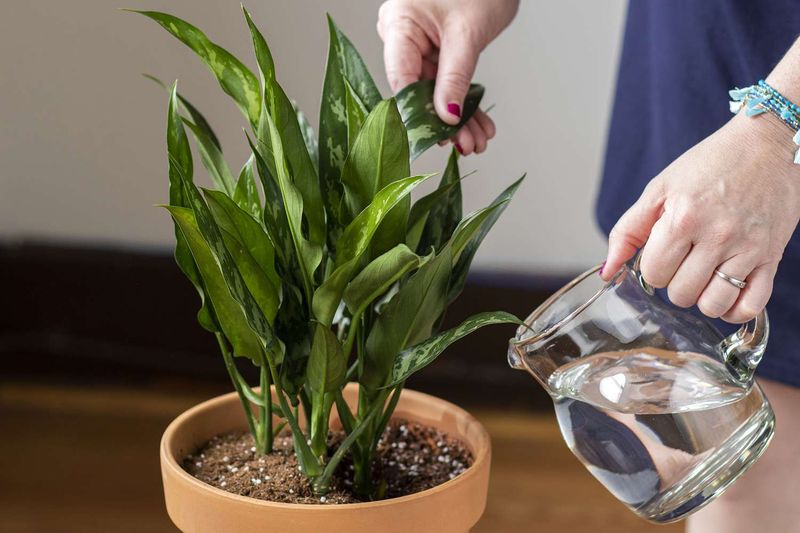
Many gardeners believe that watering their plants every single day is the key to keeping them lush and green.
This common practice actually causes more problems than it solves, especially in Texas where water management is crucial.
Daily watering creates shallow root systems because plants never need to search deeper for moisture.
Shallow roots make plants vulnerable during hot Texas summers when surface soil dries out quickly.
Your garden becomes dependent on constant watering, which wastes precious water resources and increases your utility bills.
Most established plants in Texas landscapes actually prefer deep, infrequent watering that encourages roots to grow downward.
A better approach involves watering less frequently but more thoroughly.
Aim for one or two deep watering sessions per week rather than daily sprinkling.
This method allows soil to dry slightly between waterings, which promotes stronger root development.
Texas gardeners should adjust their watering schedule based on rainfall, temperature, and soil type.
Clay soils common in many Texas regions hold moisture longer than sandy soils.
Check soil moisture by sticking your finger two inches deep before watering again.
Morning watering proves most effective because it reduces evaporation and gives plants time to dry before nightfall.
Mulching around plants helps retain soil moisture and reduces watering frequency.
Smart irrigation systems with moisture sensors can help Texas gardeners avoid overwatering while keeping plants healthy and resilient throughout the growing season.
2. Adding Sand Improves Clay Soil
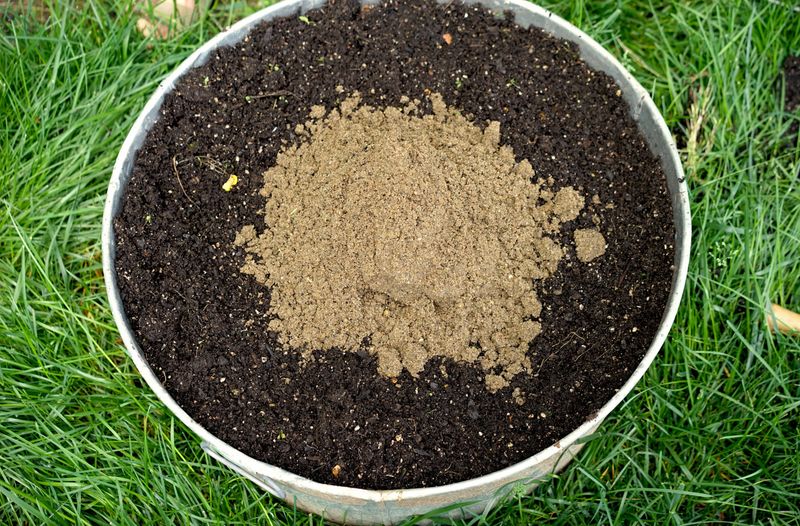
Generations of Texas gardeners have heard that mixing sand into heavy clay soil will improve drainage and make it easier to work.
This advice sounds logical since sand has larger particles than clay.
Unfortunately, combining these two materials often creates something resembling concrete rather than garden-friendly soil.
Clay particles are extremely small and fit tightly together, while sand particles are much larger with spaces between them.
When you mix them together, the tiny clay particles fill the gaps between sand grains.
Your Texas Garden Changes Every Week. Your Plan Should Too.
Gardening in Texas changes quickly throughout the season. Every Friday you’ll receive a simple weekly plan showing exactly what to plant, prune, fertilize, harvest, and protect so you never miss the right timing.
The result is a dense, brick-like material that becomes even harder to dig and drains worse than pure clay.
Texas gardeners dealing with clay soil need organic matter instead of sand.
Compost, aged manure, and shredded leaves break down over time, creating spaces for air and water movement.
These materials also feed beneficial soil organisms that further improve soil structure.
Working organic amendments into clay soil takes patience and repeated applications.
Spread a three-inch layer of compost over your garden beds each season.
Avoid tilling when soil is too wet, as this damages soil structure.
Raised beds offer another solution for Texas gardeners struggling with clay soil.
Fill them with quality garden soil mixed with compost for immediate planting success.
Cover crops like winter rye also help break up clay naturally.
Their roots create channels through dense soil while adding organic matter when you turn them under in spring.
3. Pruning Paint Protects Cut Branches
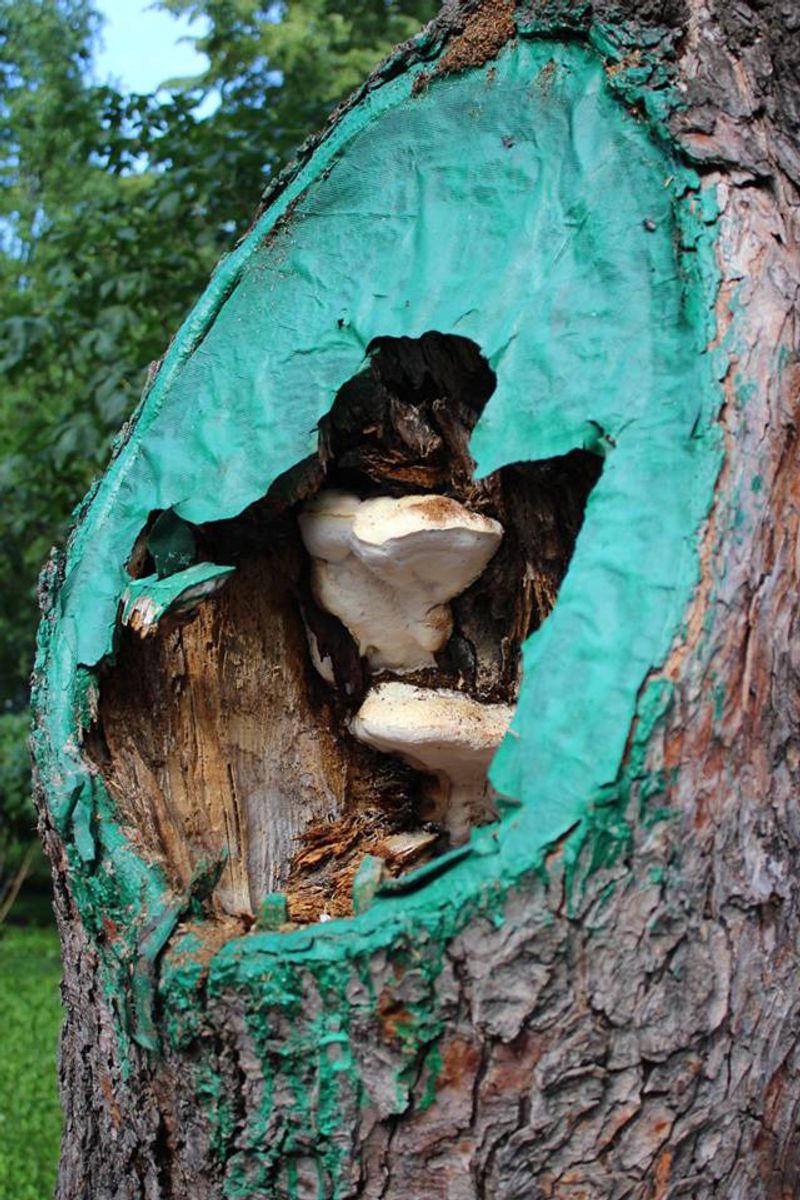
Garden centers across Texas still sell pruning paint and wound sealers, products that generations of gardeners have applied to freshly cut branches.
The belief that trees need this protective coating has persisted for decades.
Research from Texas A&M and other universities has proven that these products actually interfere with natural healing processes.
Trees possess remarkable abilities to seal wounds on their own through a process called compartmentalization.
When you make a proper pruning cut, trees form specialized tissue that walls off the wound from the rest of the plant.
This natural barrier prevents decay organisms from spreading while new growth covers the area.
Pruning paint traps moisture against cut surfaces, creating perfect conditions for fungal growth and bacterial infections.
These sealers can also crack as they age, allowing pests and disease to enter while preventing proper healing underneath.
Trees sealed with paint often develop more decay than those left to heal naturally.
Texas gardeners should focus on making clean cuts rather than covering them.
Use sharp, sterilized pruning tools and cut just outside the branch collar.
This swollen area where the branch meets the trunk contains cells that speed healing.
Timing matters too, especially for Texas oak trees susceptible to oak wilt disease.
Avoid pruning oaks from February through June when disease-carrying beetles are active.
For most other trees, late winter pruning before spring growth begins gives wounds time to heal quickly during the active growing season.
4. Native Plants Never Need Water Or Care
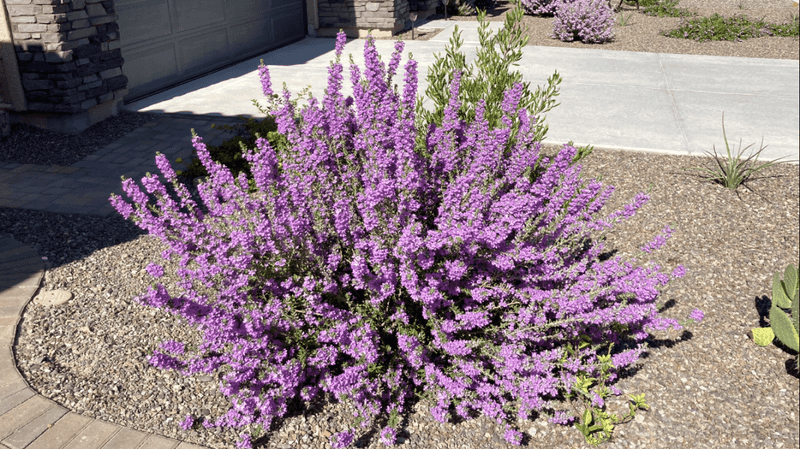
The push toward native plant gardening in Texas has created a dangerous misconception.
Many people assume that because plants are native to Texas, they will thrive with zero attention once planted.
Native plants certainly adapt better to local conditions than exotic species, but they still need proper establishment care.
Every plant, native or not, requires regular watering during its first growing season in your garden.
Transplanting stresses plants regardless of their origin.
Roots need time to spread into surrounding soil and establish themselves.
Young native plants in Texas landscapes benefit from weekly deep watering during dry periods for at least their first year.
Even drought-tolerant species like Texas sage and yucca need this initial support.
Once established, they become far more self-sufficient than non-native alternatives.
Native plants also benefit from occasional maintenance.
Removing spent flowers on Texas natives like coneflowers and black-eyed Susans encourages more blooms.
Cutting back ornamental grasses in late winter promotes fresh growth.
Mulching conserves moisture and suppresses weeds around native plantings.
Matching native plants to your specific site conditions ensures the best success.
A plant native to East Texas pine forests may struggle in the alkaline soils of Central Texas.
Research which natives naturally grow in your region and choose plants suited to your soil type, sun exposure, and moisture levels.
Proper plant selection combined with good establishment care creates low-maintenance Texas landscapes that truly thrive with minimal intervention once mature.
5. Compost Piles Need Special Starters Or Activators
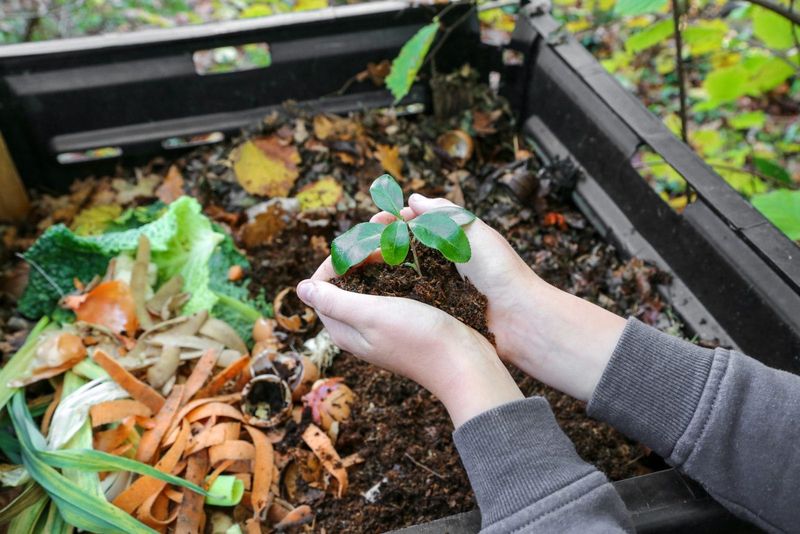
Garden supply stores promote countless compost activators, starters, and accelerators that promise to speed up decomposition.
These products create the impression that successful composting requires expensive additives.
Texas gardeners waste money on these unnecessary items when nature provides everything needed for excellent compost.
Microorganisms that break down organic matter are already present on the materials you add to your compost pile.
Bacteria, fungi, and other decomposers live naturally on leaves, grass clippings, and vegetable scraps.
They begin working immediately when conditions are right.
Successful composting depends on balancing four elements rather than adding special products.
You need carbon-rich brown materials like dried leaves and shredded paper.
Nitrogen-rich green materials include grass clippings and kitchen scraps.
Proper moisture keeps the pile as damp as a wrung-out sponge.
Adequate oxygen from turning or aerating the pile completes the recipe.
Texas gardeners can speed composting naturally by chopping materials into smaller pieces before adding them.
Smaller pieces break down faster because they offer more surface area for microorganisms.
Maintain your pile between three and five feet in diameter for optimal heat generation.
If you want to boost microbial activity, add a shovelful of finished compost or garden soil to new piles.
This introduces beneficial organisms without spending extra money.
Avoid adding meat, dairy, or oily foods that attract pests and create odors.
A properly balanced compost pile in Texas can produce finished compost in three to six months without any commercial additives whatsoever.
6. Mulch Should Touch Plant Stems And Tree Trunks
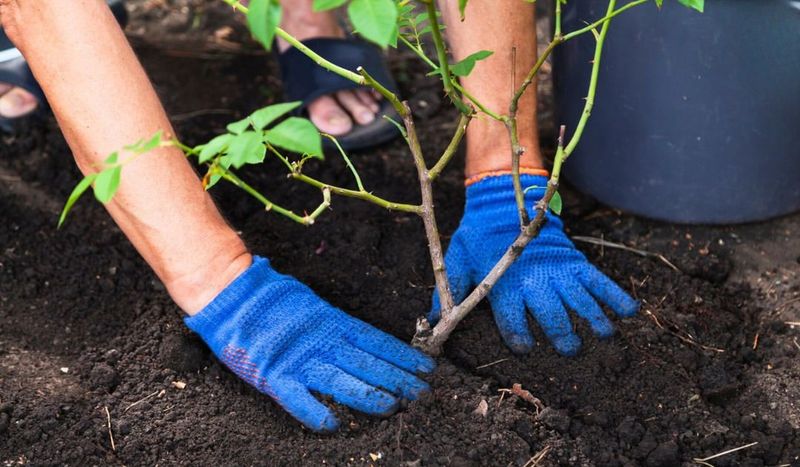
Driving through Texas neighborhoods reveals countless trees surrounded by volcano-shaped mulch piles piled high against trunks.
This practice looks tidy and appears to protect trees, but it causes serious damage.
Mulch volcanoes create conditions that harm rather than help plants.
Bark protects tree trunks from disease and pests while preventing moisture loss.
When mulch stays constantly pressed against bark, it holds moisture that softens and damages this protective layer.
Wet bark becomes vulnerable to fungal infections and insect infestations that can compromise tree health.
Mulch piled against trunks also encourages roots to grow upward into the mulch layer rather than spreading properly through soil.
These shallow roots circle the trunk and eventually strangle the tree as they thicken.
Texas gardeners often don’t notice this damage until trees show obvious decline years later.
Proper mulch application in Texas gardens involves creating a donut shape around trees and shrubs.
Pull mulch several inches away from trunks and stems, leaving the root flare visible.
Spread mulch in a two to four inch layer extending outward to the drip line.
The same principle applies to perennials and shrubs throughout your Texas landscape.
Keep mulch away from plant stems to prevent rot and disease.
Organic mulches like shredded hardwood bark or pine needles work best in Texas gardens.
They gradually decompose, improving soil while regulating temperature and conserving moisture.
Refresh mulch annually but avoid piling new layers on top of old ones, which creates excessive depth and drainage problems.
7. Fertilizer Makes Every Plant Grow Better
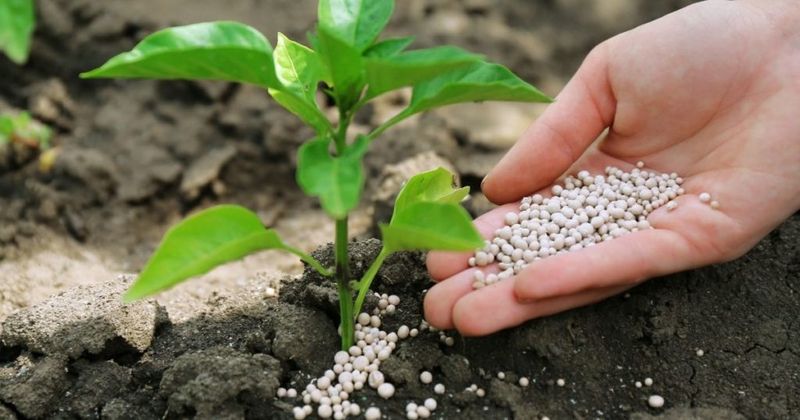
Television commercials and product packaging convince gardeners that plants constantly need fertilizer to thrive.
This marketing-driven myth leads Texas gardeners to overfeed their landscapes, creating problems while wasting money.
More fertilizer does not automatically mean better growth or healthier plants.
Excess fertilizer damages plants in several ways.
Too much nitrogen produces weak, leggy growth that attracts pests and diseases.
Overfertilization burns roots and leaves, causing brown tips and edges.
Unnecessary nutrients wash into Texas waterways during rainfall, contributing to pollution and algae blooms.
Many Texas soils naturally contain sufficient nutrients for plant growth.
Before adding any fertilizer, test your soil through a Texas A&M AgriLife Extension office or home testing kit.
Results show exactly which nutrients your soil needs and in what amounts.
Different plants have vastly different fertilizer requirements.
Texas native plants typically need little or no supplemental feeding once established.
Vegetables and annual flowers benefit from regular fertilization because they grow quickly and produce heavily.
Trees and established shrubs rarely need fertilizing in home landscapes.
When fertilizer is necessary, organic options like compost provide slow-release nutrients without the risk of burning plants.
Synthetic fertilizers work faster but require careful application according to package directions.
Always water thoroughly after fertilizing to help nutrients reach root zones.
Timing matters too in Texas gardens.
Avoid fertilizing during extreme heat or drought when plants are stressed.
Early spring feeding supports new growth, while fall fertilization should be avoided since it encourages tender growth that winter weather can damage.
8. Grass Clippings Cause Thatch Buildup
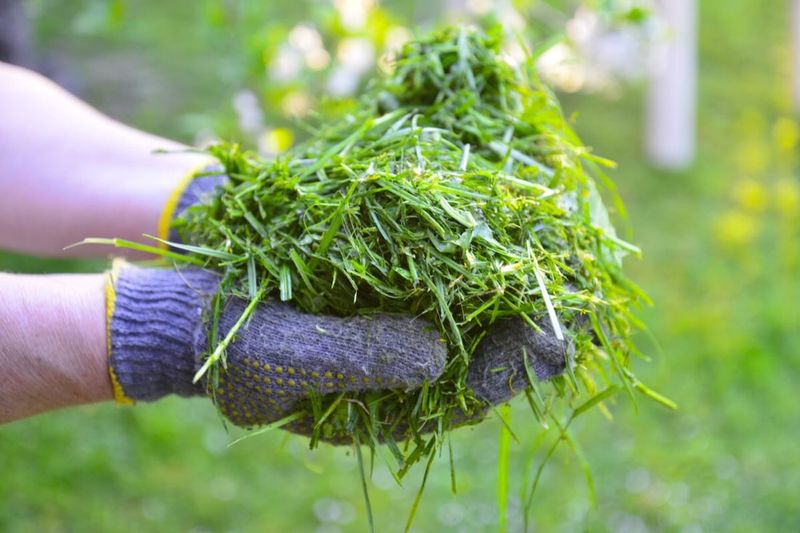
Countless Texas homeowners bag their grass clippings every time they mow, believing that leaving clippings on the lawn causes thatch problems.
This myth wastes time and sends valuable organic matter to landfills.
Grass clippings actually benefit your Texas lawn rather than harming it.
Thatch consists of dry roots, stems, and other slowly decomposing plant parts that accumulate between grass blades and soil.
Grass clippings are mostly water and break down quickly because they contain very little lignin.
They decompose within days, returning nitrogen and other nutrients to your lawn.
Leaving clippings on your Texas lawn provides about 25 percent of its annual nitrogen needs.
This free fertilizer saves money while reducing the amount of synthetic products entering the environment.
Clippings also help retain soil moisture during hot Texas summers.
True thatch buildup results from other factors including overfertilization, overwatering, and certain grass varieties that produce excessive runners.
St. Augustine grass, popular throughout Texas, naturally produces more thatch than Bermuda grass regardless of whether you bag clippings.
For best results with grass cycling in Texas, mow frequently enough that you remove no more than one-third of the grass blade height.
Longer clippings take longer to decompose and may clump on the lawn surface.
Keep mower blades sharp for clean cuts that break down quickly.
If your Texas lawn develops significant thatch despite proper mowing practices, consider dethatching with a specialized rake or machine.
Address underlying causes like excessive fertilization rather than blaming grass clippings for a problem they don’t actually cause.