9 Purple Perennials That Produce Gorgeous Blooms In Texas
Purple has a way of stealing the show in Texas gardens.
From soft lavender shades to deep royal tones, purple perennials bring a richness that turns heads and ties landscapes together.
Once planted, these dependable bloomers come back year after year, standing their ground through heat, sun, and long growing seasons.
For Texas gardeners, that kind of staying power is worth its weight in gold.
These plants do more than add color.
They attract pollinators, fill empty spaces, and give garden beds a sense of balance.
A sweep of purple can cool down a bold landscape or add contrast to bright greens and warm reds.
When summer temperatures climb, these perennials keep on blooming, proving they are tough enough to handle what Texas throws their way.
Choosing purple perennials is a smart move for gardeners who want beauty without constant upkeep.
Many thrive in full sun, shrug off drought once established, and bloom generously with minimal care.
With the right picks, Texas gardens can enjoy waves of gorgeous purple blooms that hold strong from spring through fall, making every outdoor space feel lively and complete.
1. Salvia Leucantha (Mexican Bush Sage)
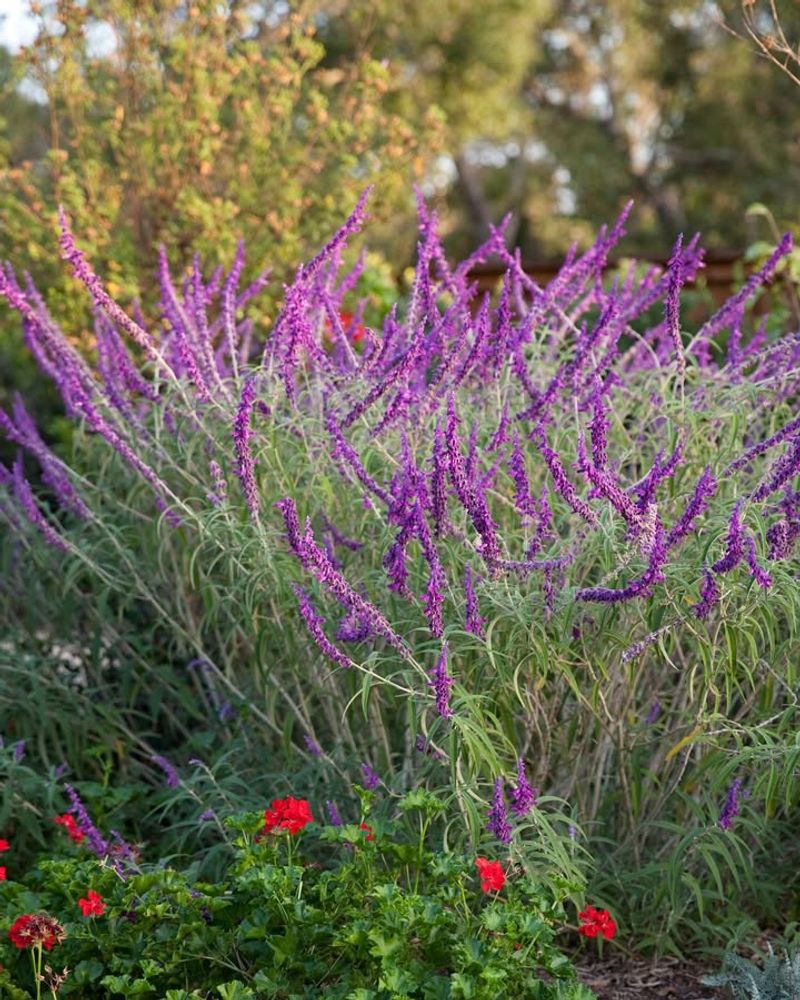
Mexican Bush Sage stands tall as one of the most reliable purple bloomers for Texas landscapes, reaching heights of three to four feet with an equally impressive spread.
Those velvety purple flower spikes appear in late summer and continue through fall, providing nectar for butterflies and hummingbirds when many other plants have finished blooming.
The soft, fuzzy texture of the blooms creates visual interest that goes beyond simple color.
This salvia handles Texas heat without complaint, actually preferring full sun and well-drained soil that many gardeners already have.
Water needs stay moderate once established, making it perfect for xeriscape designs across the state.
Cutting back the plant in early spring encourages bushier growth and prevents it from getting too leggy.
San Antonio and Dallas gardeners particularly love this plant because it thrives in USDA zones 8-10, covering most of Texas.
The silvery-green foliage provides year-round structure even when flowers aren’t present.
Deer tend to leave Mexican Bush Sage alone, which solves a common Texas gardening challenge.
Pairing it with yellow or orange bloomers creates stunning autumn color combinations that celebrate the season beautifully.
2. Ruellia Brittoniana (Mexican Petunia)
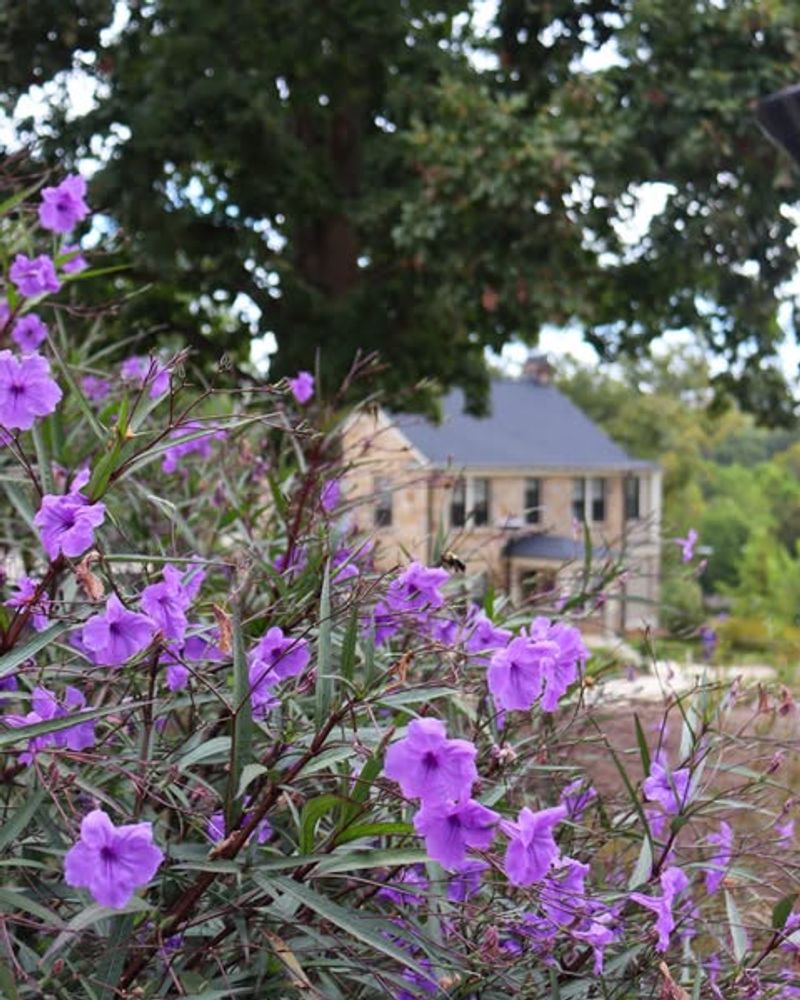
Few plants spread joy quite like Mexican Petunia, opening fresh purple trumpet flowers each morning throughout the warmest months.
Each bloom lasts just one day, but the plant produces so many that you’ll never notice the turnover.
Growing anywhere from one to three feet tall, this adaptable perennial fits into borders, mass plantings, or container gardens with equal success.
Texas gardeners appreciate how it handles both full sun and partial shade, adapting to whatever conditions your yard provides.
The narrow, lance-shaped leaves stay attractive even between flowering cycles.
Mexican Petunia tolerates wet soil better than most perennials, making it ideal for low spots or areas near downspouts where other plants struggle.
It self-seeds readily, which some gardeners love for filling in spaces while others prefer to deadhead spent blooms to control spread.
Your Texas Garden Changes Every Week. Your Plan Should Too.
Gardening in Texas changes quickly throughout the season. Every Friday you’ll receive a simple weekly plan showing exactly what to plant, prune, fertilize, harvest, and protect so you never miss the right timing.
Houston’s humidity doesn’t faze this tough plant, and it bounces back quickly even after occasional freezes in North Texas.
Butterflies visit constantly during peak bloom times, adding movement and life to your garden.
The dwarf variety ‘Katie’ stays more compact for smaller spaces while delivering the same reliable purple color that makes this species so popular.
3. Echinacea Purpurea (Purple Coneflower)
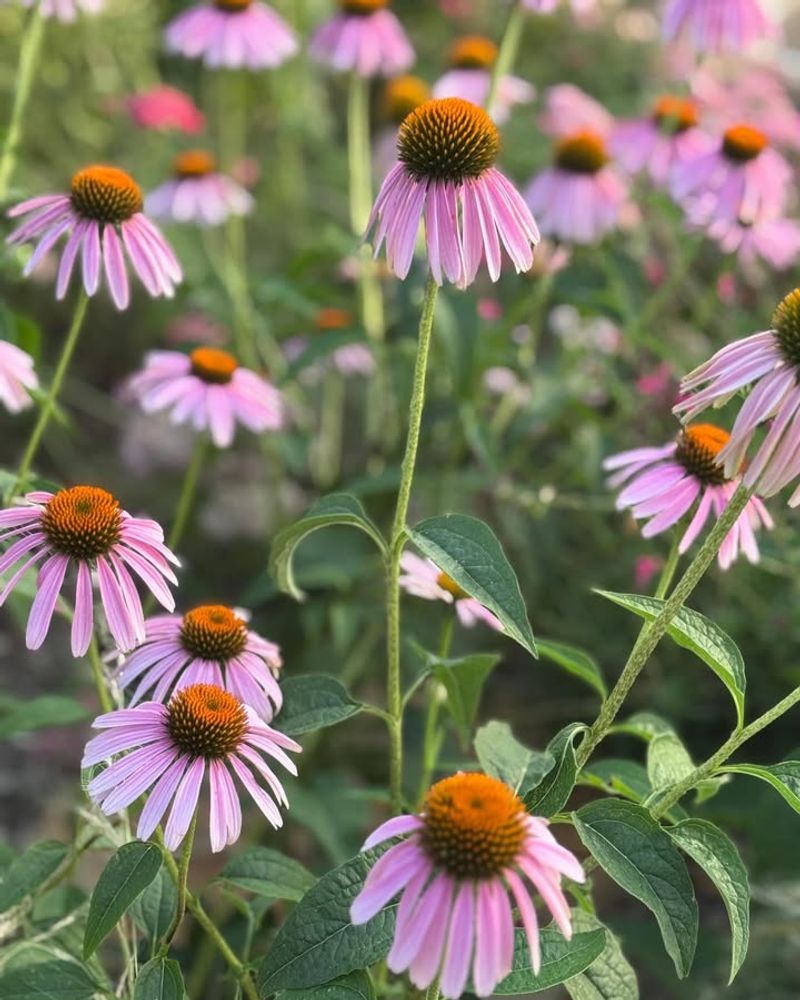
Purple Coneflower brings prairie beauty straight into Texas gardens with its distinctive raised centers and graceful petals that seem to dance in the breeze.
Native to much of North America, this tough perennial feels right at home in Texas soil and climate.
Blooms appear from late spring through summer, each flower lasting several weeks on sturdy stems that reach two to three feet tall.
The spiky orange center cone adds architectural interest and provides seeds that goldfinches absolutely adore in late summer and fall.
Drought tolerance improves dramatically after the first year, making Purple Coneflower perfect for water-wise Texas landscapes.
Full sun brings out the best flowering, though plants tolerate light afternoon shade in the hottest regions.
Austin gardeners often use this perennial in native plant designs that celebrate Texas heritage while reducing maintenance.
Deadheading spent blooms encourages more flowers, but leaving some seed heads feeds wildlife and allows natural reseeding.
The plant rarely needs dividing and actually resents being moved once established.
Purple Coneflower combines beautifully with yellow black-eyed Susans and ornamental grasses for a naturalistic meadow effect that thrives throughout the Lone Star State.
4. Verbena Rigida (Slender Vervain)
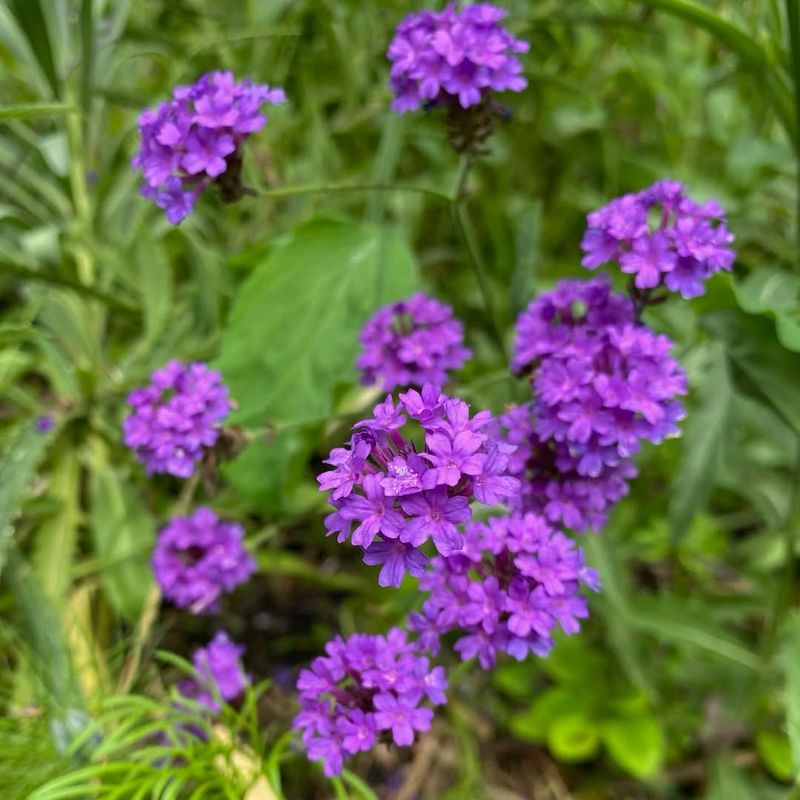
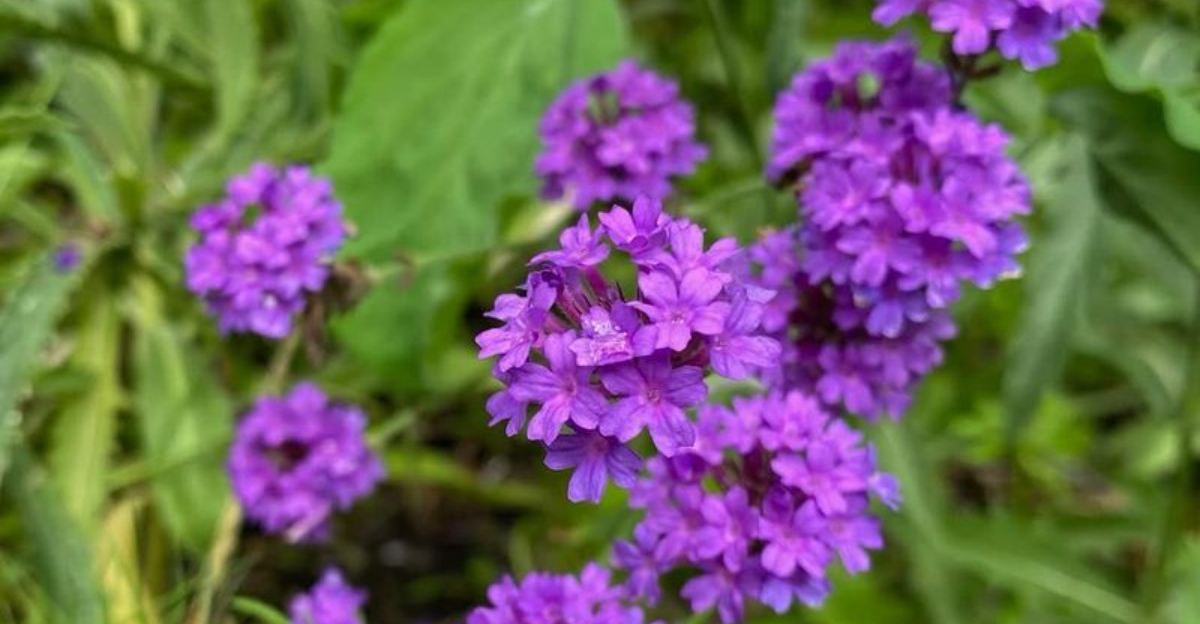
Slender Vervain packs serious flower power into a compact package, producing clusters of vibrant purple blooms from spring through fall without demanding constant attention.
Growing just 12 to 18 inches tall, this low-maintenance perennial works wonderfully as a groundcover or front-of-border plant.
The tubular flowers cluster together in flat-topped heads that butterflies find irresistible during their migrations through Texas.
Once established, Slender Vervain handles extended dry periods that would stress less adapted plants.
Full sun and good drainage keep this perennial happy, conditions that exist naturally in many Texas yards.
The plant spreads gradually through underground runners, filling in gaps without becoming aggressive like some groundcovers.
Corpus Christi and other coastal Texas gardeners find it particularly useful because it tolerates salt spray better than many flowering perennials.
Cutting back plants by half in midsummer encourages fresh growth and a strong fall bloom cycle.
The slightly rough-textured foliage stays semi-evergreen in mild winters, providing year-round garden interest.
Deer resistance makes Slender Vervain valuable in rural Texas settings where browsing animals limit plant choices, and its cheerful purple color brightens paths and borders throughout the growing season.
5. Iris Germanica (Bearded Iris)
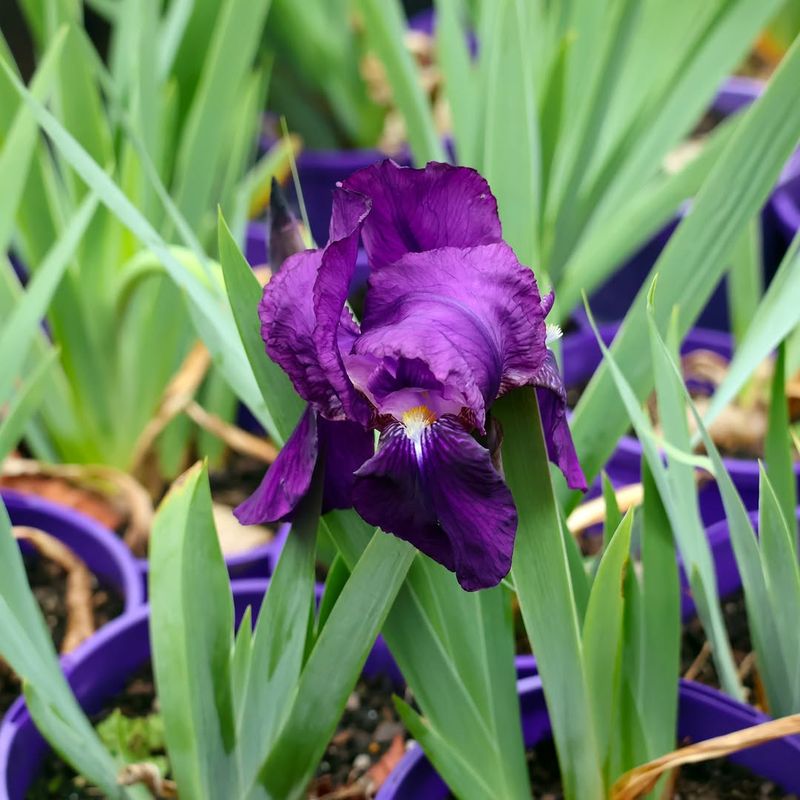
Bearded Iris announces spring’s arrival in Texas with dramatic purple flowers that feature intricate ruffles and the fuzzy beards that give this perennial its common name.
Each bloom lasts just a few days, but rhizomes produce multiple flower stalks that extend the show for several weeks.
Flower stems rise two to three feet above sword-shaped foliage that remains attractive long after blooming finishes.
Texas gardeners succeed with Bearded Iris by planting rhizomes shallow, with the top portion exposed to sunlight and air.
This prevents rot issues that can occur in humid regions like East Texas.
Full sun produces the most abundant flowering, though plants appreciate some afternoon shade in the hottest areas.
Dividing clumps every three to four years keeps plants vigorous and blooming heavily.
The best time for division in Texas falls between late July and early September, after foliage dies back.
Fort Worth and surrounding areas find Bearded Iris particularly rewarding because it tolerates clay soil better than many perennials when drainage is improved.
Hundreds of varieties exist in every shade of purple imaginable, from pale lavender to deep violet.
Pairing different varieties creates a stunning spring display that celebrates this classic perennial’s enduring appeal in Texas gardens.
6. Penstemon Cobaea (Foxglove Beardtongue)
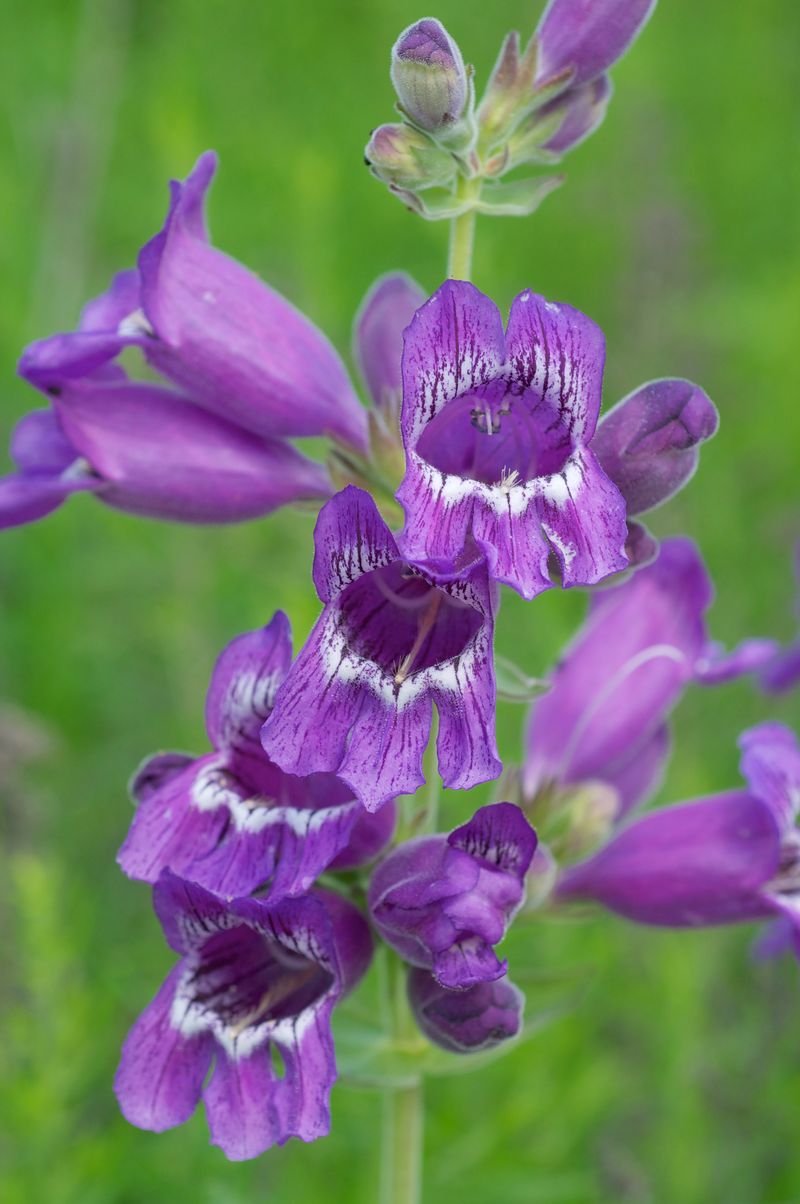
Foxglove Beardtongue earns its place as a Texas native treasure, producing impressive flower spikes covered in large tubular blooms that hummingbirds visit constantly throughout spring.
The two-toned flowers combine purple outer petals with white throats marked with purple lines, creating intricate beauty worth examining up close.
Flower stalks reach two to three feet tall, rising from rosettes of dark green foliage that hug the ground.
This penstemon naturally occurs in Texas limestone areas, making it perfectly adapted to alkaline soils that challenge many garden plants.
Hill Country gardeners particularly appreciate how well it performs in rocky, well-drained conditions.
Full sun brings out the best flowering, though plants tolerate light shade in hotter regions.
Unlike some penstemons, Foxglove Beardtongue shows good heat tolerance and doesn’t require the cool conditions preferred by mountain species.
Blooming occurs primarily in April and May, creating spectacular spring displays when combined with other Texas natives.
Plants often act as short-lived perennials, lasting three to five years before needing replacement.
Fortunately, they self-seed readily in appropriate conditions, ensuring continuity in the garden.
The bold flowers and native status make Foxglove Beardtongue an excellent choice for naturalistic Texas landscapes that celebrate regional plant communities.
7. Aster Oblongifolius (Aromatic Aster)
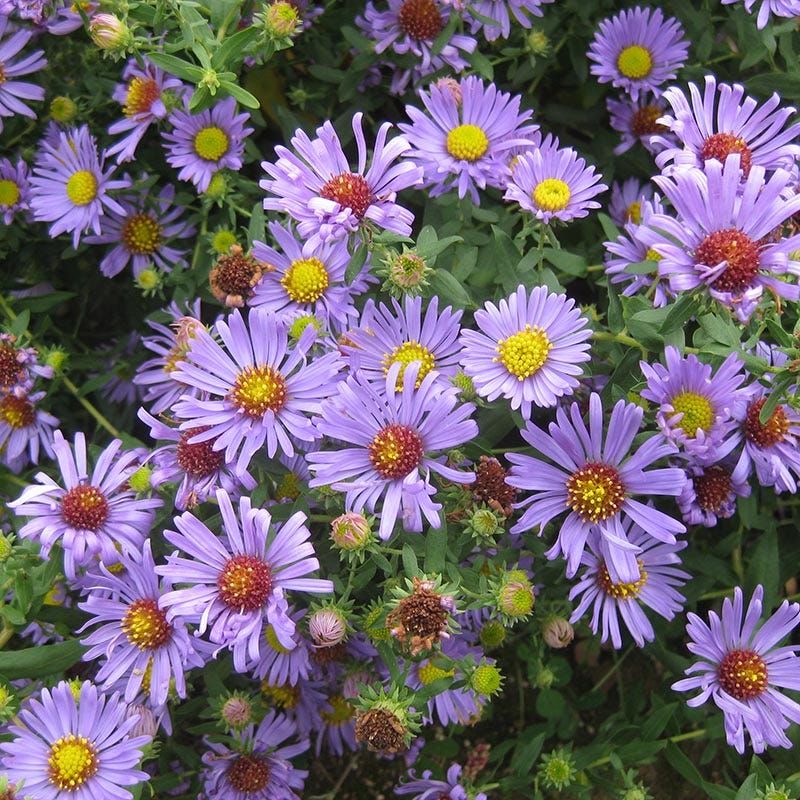
Aromatic Aster saves its best performance for fall, when most gardens need fresh color and pollinators desperately seek nectar before winter arrives.
Small purple daisy flowers with yellow centers cover the entire plant from September through November, creating clouds of color that brighten cooling days.
The bushy plants reach 18 to 24 inches tall and wide, forming neat mounds that need no staking despite heavy flower loads.
Crushing the foliage releases a pleasant fragrance, though most gardeners never notice unless they brush against plants while working nearby.
Texas prairies originally supported vast populations of this aster, and it still thrives in modern gardens with minimal care.
Full sun and average soil satisfy this tough native, which handles both drought and occasional flooding without complaint.
Butterflies, bees, and other beneficial insects visit constantly during bloom time, making Aromatic Aster valuable for pollinator gardens.
Cutting plants back by one-third in early June creates bushier growth and prevents flopping later in the season.
El Paso to Texarkana, this adaptable perennial performs well across the state’s diverse growing conditions.
Pairing Aromatic Aster with ornamental grasses and late-blooming yellow flowers creates stunning autumn combinations that prove Texas gardens offer beauty in every season.
8. Tradescantia Ohiensis (Spiderwort)
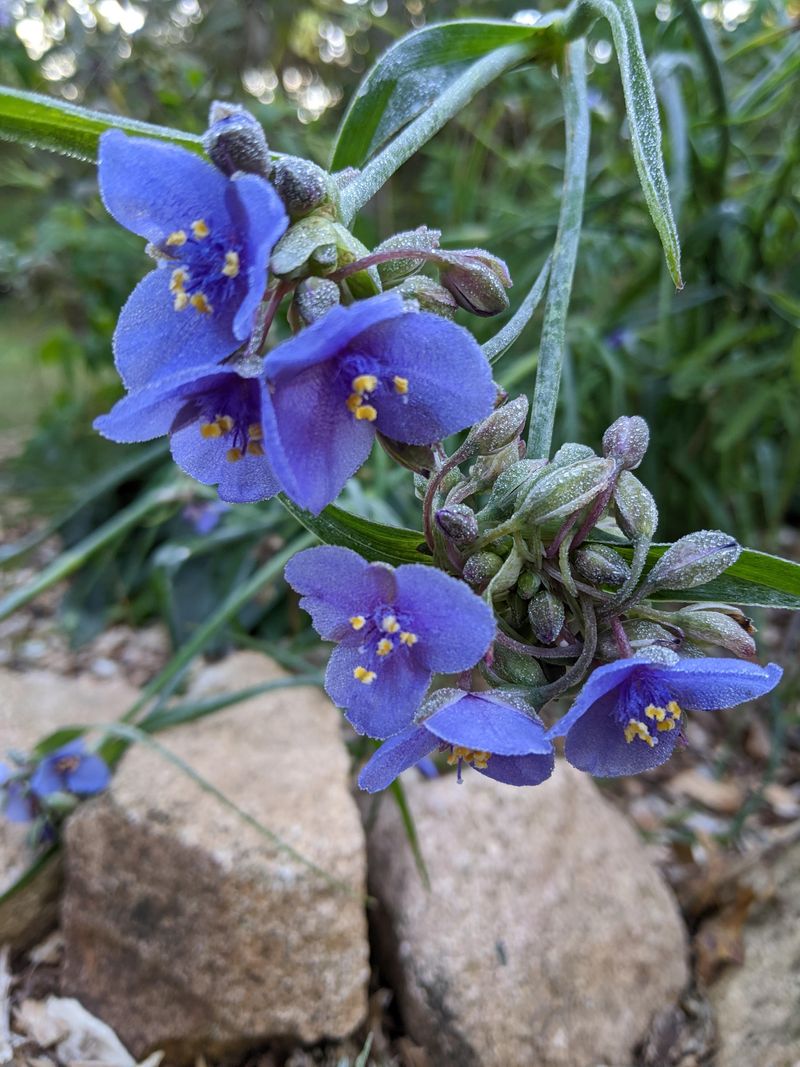
Spiderwort brings woodland charm to Texas gardens with delicate three-petaled flowers that open fresh each morning in shades ranging from pale lavender to deep purple.
Each bloom lasts only until afternoon, but plants produce so many buds that flowering continues for weeks during spring and early summer.
The grass-like foliage forms attractive clumps reaching 12 to 18 inches tall that work well in informal cottage gardens or naturalized areas.
Unlike many purple perennials, Spiderwort actually prefers partial shade, making it perfect for spots under trees or on the north side of buildings.
This adaptability solves problems for Texas gardeners struggling to find color for shadier locations.
Moisture tolerance ranges from average to wet, and plants even handle boggy areas that stay damp during rainy periods.
The native Texas species performs reliably without the fussiness sometimes seen in cultivated varieties.
After the main flowering period ends, cutting plants back to ground level encourages fresh foliage growth and sometimes triggers a modest rebloom in fall.
Spiderwort self-seeds gently, creating natural-looking drifts over time without becoming weedy or invasive.
Tyler and other East Texas gardeners particularly value this perennial for shaded gardens where purple flowers help brighten dim spaces with their cheerful morning displays.
9. Agastache Cana (Texas Hummingbird Mint)
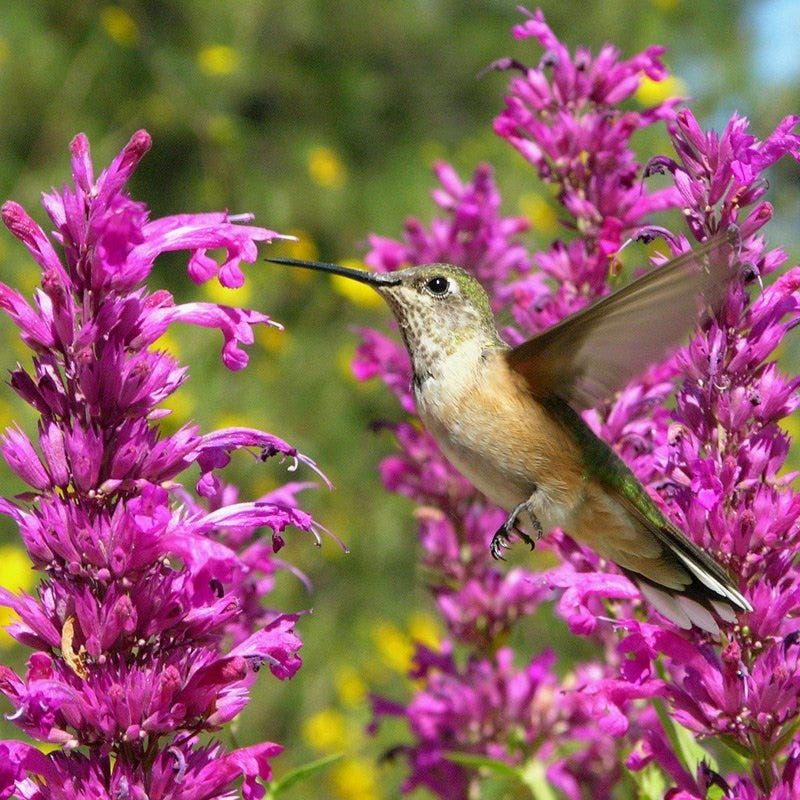
Texas Hummingbird Mint lives up to its name by attracting these tiny birds from the moment flower spikes appear in summer and continuing through fall.
The tubular blooms cluster along upright spikes in shades of purple-pink that glow beautifully in evening light.
Gray-green aromatic foliage smells pleasantly of mint and licorice when brushed, adding sensory interest beyond visual appeal.
Plants reach two to three feet tall with a somewhat open, airy structure that complements more solid-looking perennials.
Native to West Texas and New Mexico, this agastache handles heat, drought, and alkaline soil with remarkable ease.
Full sun and excellent drainage keep plants healthy, conditions that exist naturally in many Texas landscapes.
Deer avoid the aromatic foliage, making Texas Hummingbird Mint valuable in rural areas where browsing pressure limits plant choices.
The long bloom period provides consistent color from June through October, filling the challenging summer months when many perennials take a break.
Butterflies join hummingbirds at the flowers, creating constant activity that brings gardens to life.
Midland, Lubbock, and other West Texas communities find this native particularly rewarding because it thrives in conditions that stress less adapted plants, proving that beauty and toughness combine perfectly in Texas-native purple perennials.