9 Stunning Garden Bed Ideas Landscapers Use In Florida
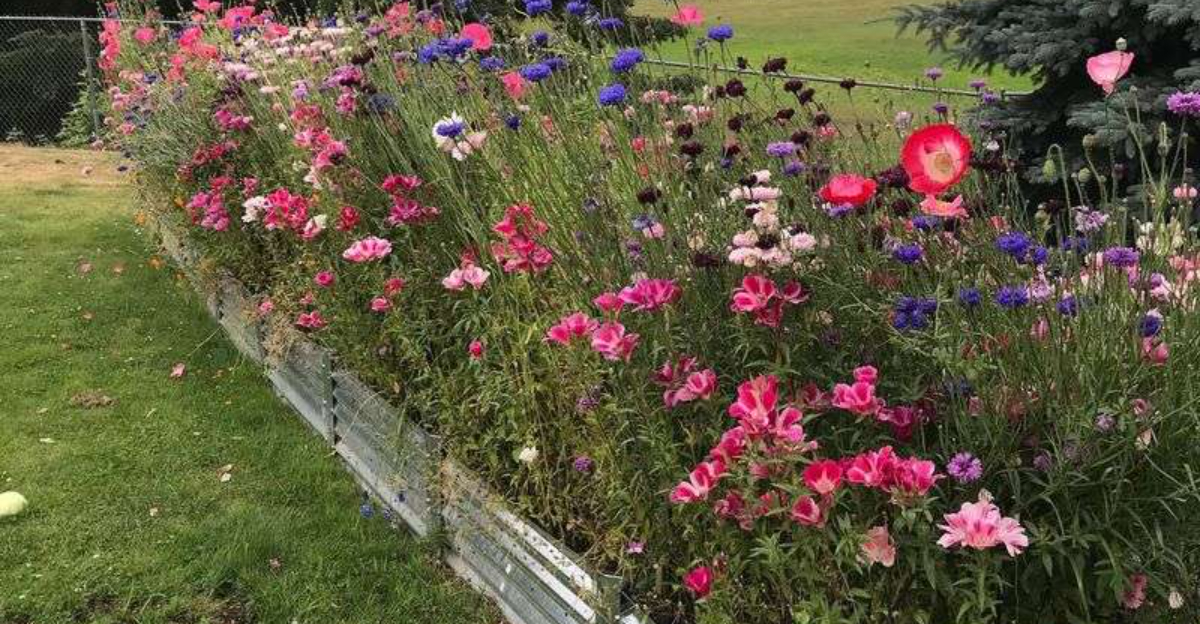
Florida landscapes thrive on bold design, and the best garden beds prove it at a glance.
Flat lawns fade into the background, while layered beds packed with texture and color steal the spotlight.
Professional landscapers know how to work with heat, sun, rain, and sandy soil instead of fighting them.
They mix structure with flow, pair tough plants with eye-catching accents, and create beds that look polished year-round.
Curves guide the eye, mulch adds contrast, and plant placement tells a clear story from curb to backyard.
One smart layout can boost curb appeal, frame a home, or turn a dull corner into a showpiece.
These designs feel effortless, yet every detail pulls its weight.
Florida’s climate rewards creativity, not caution.
1. Tropical Palm Paradise Beds
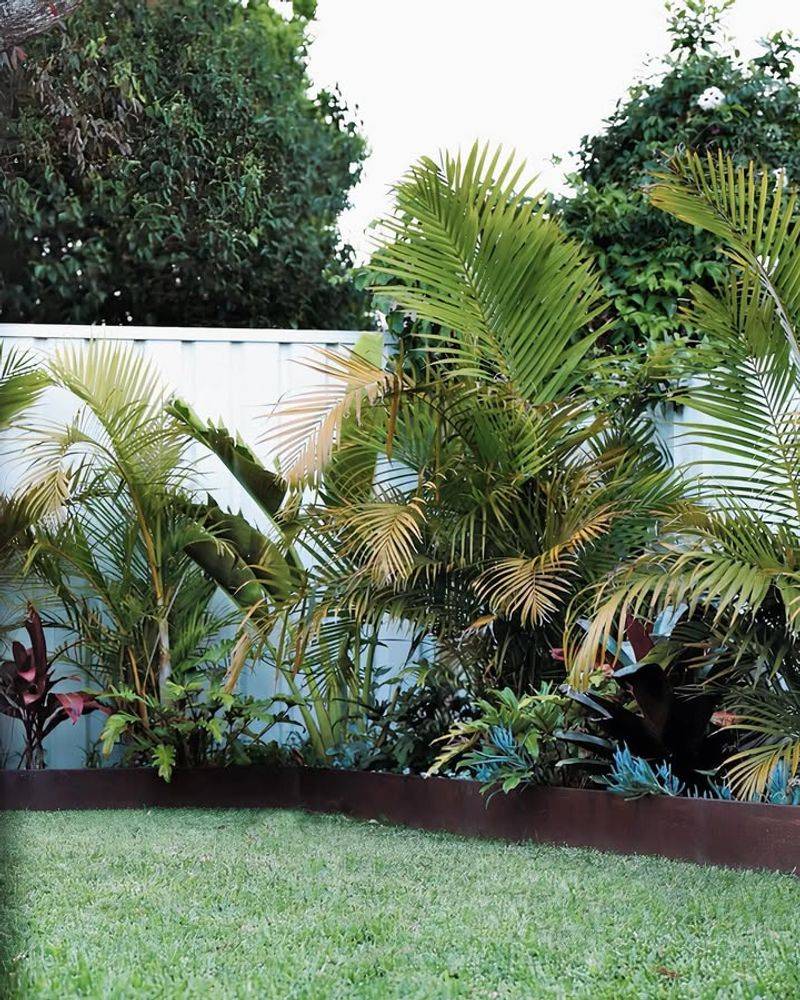
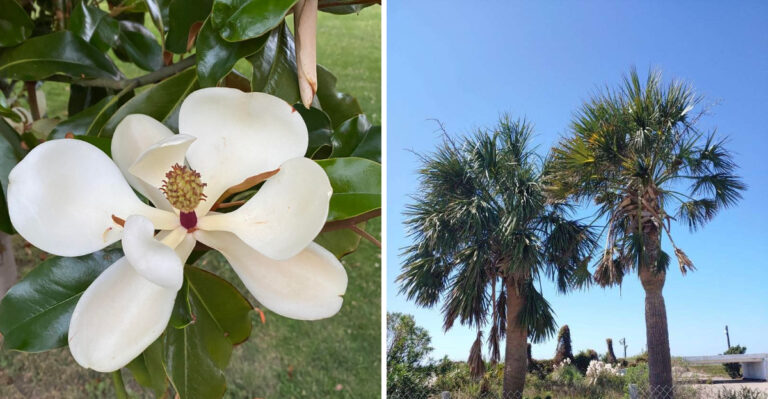
Palm trees instantly transport any yard into a vacation-worthy paradise that feels like an island resort.
Landscapers combine different palm varieties to create layers of texture and height throughout garden beds.
Sago palms work beautifully as shorter accent plants, while queen palms or areca palms add vertical drama.
The secret lies in grouping palms with complementary tropical plants that share similar water needs.
Bromeliads, crotons, and ti plants fill the spaces between palm trunks with bursts of color.
This combination creates a cohesive look that feels intentional rather than random.
Sandy Florida soil drains quickly, which palms absolutely love since they hate soggy roots.
Adding organic mulch helps retain some moisture while keeping weeds under control.
Most palms require minimal pruning, making maintenance surprisingly simple for busy homeowners.
Professional landscapers often arrange palms in odd-numbered groups for visual balance.
Three or five palms planted at varying distances create natural-looking clusters.
Strategic lighting placed near palm fronds transforms these beds into stunning nighttime focal points that enhance curb appeal year-round.
2. Colorful Croton Showcase Gardens
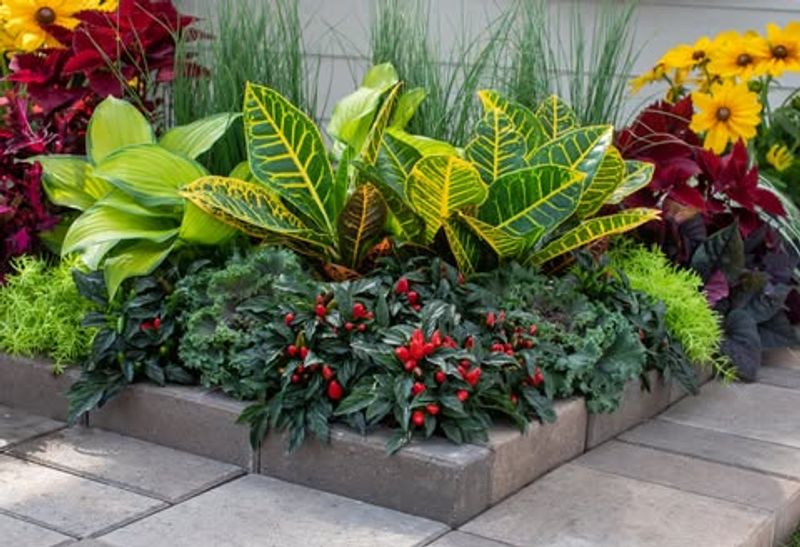
Few plants deliver the explosive color impact that crotons bring to Florida landscapes throughout every season.
These tropical showstoppers boast leaves painted in combinations of red, yellow, orange, green, and even purple.
Each plant becomes a living work of art that requires no flowers to make a bold statement.
Crotons thrive in Florida’s heat and humidity, conditions that would stress many other ornamental plants.
Landscapers position them where they receive morning sun and afternoon shade for the most vibrant leaf colors.
Too much shade causes crotons to lose their brilliant variegation and turn mostly green.
Grouping different croton varieties creates an ever-changing tapestry of color as leaves mature and develop.
The Mammy variety offers twisted leaves in burgundy and gold, while Petra crotons display broader leaves with bright yellow veins.
Mixing varieties prevents the bed from looking too uniform or predictable.
These plants tolerate pruning well, allowing landscapers to maintain desired shapes and sizes easily.
Regular trimming encourages bushier growth and prevents crotons from becoming leggy.
Pairing crotons with simple green foliage plants like liriope helps their colors pop even more dramatically against the contrasting background.
3. Native Wildflower Meadow Beds
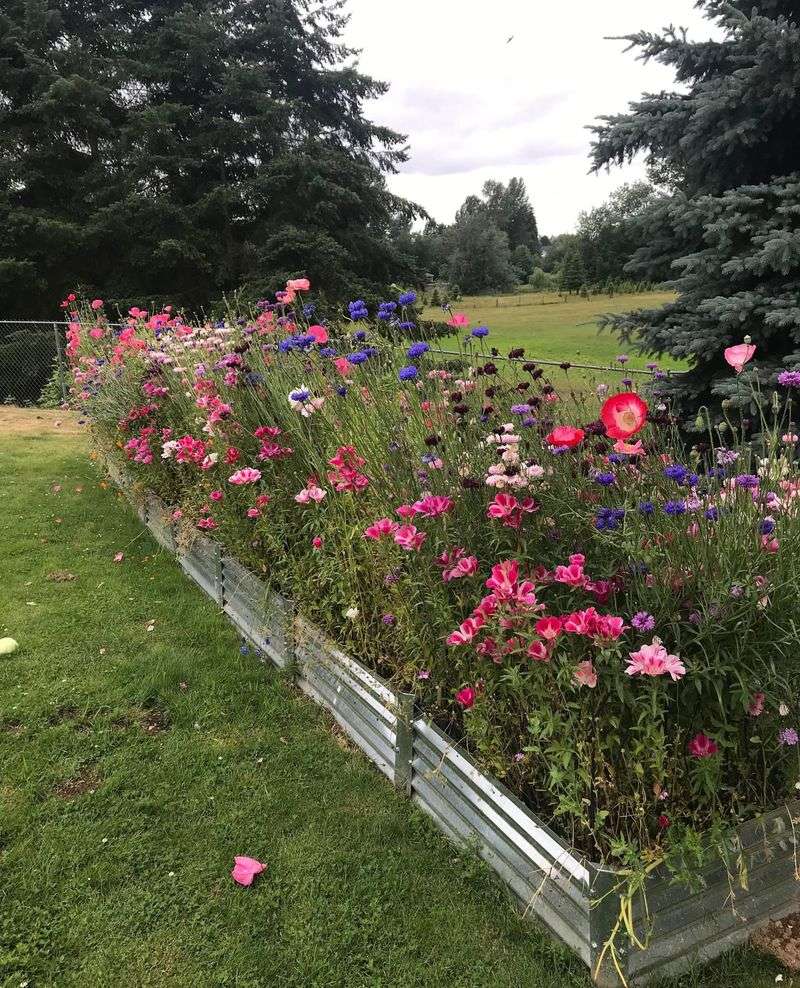
Native wildflowers have evolved over thousands of years to flourish in Florida’s specific conditions without pampering.
Your Florida Garden Changes Every Week. Your Plan Should Too.
Gardening in Florida changes quickly throughout the season. Every Friday you’ll receive a simple weekly plan showing exactly what to plant, prune, fertilize, harvest, and protect so you never miss the right timing.
Blanket flowers, black-eyed Susans, and coreopsis create waves of cheerful blooms that butterflies and bees adore.
Professional landscapers increasingly recommend these plants because they require far less water and fertilizer than exotic species.
Creating a wildflower meadow bed means embracing a more relaxed, natural aesthetic rather than formal garden precision.
Seeds can be scattered across prepared soil, or young plants can be arranged in drifts for quicker results.
Within weeks, these hardy natives begin spreading and filling gaps naturally.
The real magic happens when wildflowers start attracting beneficial insects and pollinators to your yard.
Watching monarchs, swallowtails, and painted ladies flutter through your garden becomes daily entertainment.
Many native wildflowers reseed themselves, meaning your bed becomes fuller and more established each year with minimal effort.
Landscapers often edge wildflower beds with natural materials like pine bark or weathered wood to define the space.
Occasional mowing or cutting back after bloom cycles keeps the bed tidy without destroying its casual charm.
This approach creates sustainable gardens that benefit local ecosystems while reducing maintenance costs and environmental impact significantly.
4. Succulent And Cactus Desert Beds

Water conservation has become increasingly important across Florida, making succulent and cactus gardens both practical and stylish.
Agave, aloe, and various cacti species create architectural interest with their geometric shapes and sculptural forms.
These drought-tolerant champions store water in their thick leaves, meaning they can survive weeks without rainfall or irrigation.
Landscapers design these beds with excellent drainage using sandy soil mixed with gravel or coarse sand.
Succulents absolutely hate standing water, which causes root rot faster than any other problem.
Raised beds work particularly well for succulent gardens in areas with heavy clay soil or poor drainage.
The color palette extends far beyond green, with blue agaves, purple aeoniums, and red-tipped sedums adding variety.
Arranging plants by height and color creates visual rhythm that guides the eye through the composition.
Decorative rocks, driftwood, or ceramic containers add artistic touches that enhance the desert aesthetic.
Many people assume succulents look sparse or boring, but creative combinations prove otherwise.
Clustering different textures and forms together creates surprisingly lush displays despite minimal water requirements.
These beds stay attractive year-round with almost zero maintenance beyond occasional weeding.
Florida’s intense sun and heat actually help most succulents develop their most vibrant colors and compact growth habits.
5. Fragrant Herb And Edible Gardens
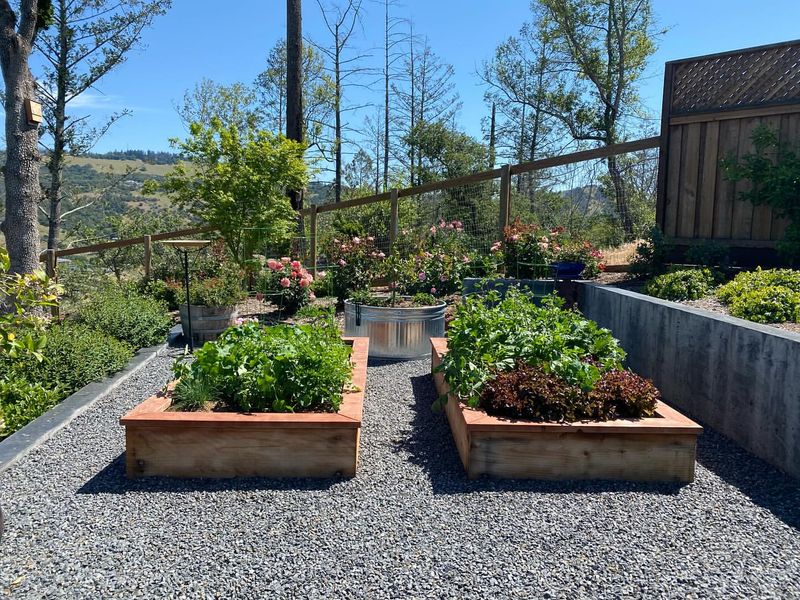
Combining beauty with functionality, edible garden beds provide fresh ingredients steps from your kitchen door.
Basil, rosemary, thyme, oregano, and mint all flourish in Florida’s climate when planted correctly.
Professional landscapers design these spaces to be both productive and visually appealing rather than looking like vegetable patches.
Raised beds filled with quality soil give herbs the drainage they need to prevent root problems.
Most culinary herbs prefer slightly drier conditions than typical Florida landscape plants require.
Adding compost enriches the soil and provides nutrients that enhance flavor in harvested leaves.
Landscapers often arrange herbs by height and growth habit, placing tall rosemary or lemongrass toward the back.
Sprawling plants like oregano and thyme cascade over bed edges, softening hard borders beautifully.
Interspersing edible flowers like nasturtiums or violas adds pops of color between green herb foliage.
The practical benefits extend beyond cooking, as many herbs naturally repel mosquitoes and other pests.
Brushing against lavender or lemon balm releases aromatic oils that make spending time outdoors more enjoyable.
Regular harvesting actually encourages bushier, more productive growth rather than harming the plants.
Rotating seasonal herbs keeps the bed interesting and provides variety in your kitchen throughout the year with minimal space required.
6. Butterfly And Pollinator Haven Beds

Creating habitat for butterflies and pollinators transforms your yard into a living nature documentary that changes daily.
Milkweed, pentas, firebush, and salvia provide nectar sources that specific butterfly species absolutely need for survival.
Monarch butterflies, in particular, depend entirely on milkweed plants for laying eggs and feeding caterpillars.
Professional landscapers design pollinator beds with blooms available across all seasons rather than just spring or summer.
Staggering bloom times ensures hungry butterflies and bees always find food in your garden.
Native plants work best because local pollinators have co-evolved with them over millennia.
Avoiding pesticides becomes crucial in pollinator gardens since chemicals harm beneficial insects along with pests.
Most butterfly-friendly plants naturally resist common problems without chemical intervention anyway.
Allowing some leaf damage from caterpillars is part of supporting the complete butterfly lifecycle.
Landscapers add flat stones for butterflies to bask and warm their wings in morning sun.
Shallow water dishes with pebbles provide safe drinking spots where insects can land without drowning.
Grouping the same plant species together in clusters rather than scattering singles makes it easier for pollinators to locate food sources.
Watching caterpillars transform into butterflies right in your garden creates educational opportunities and connects families with natural cycles happening outside their windows.
7. Low-Maintenance Ground Cover Beds

Ground covers solve the eternal Florida problem of grass that refuses to grow in shady or problematic areas.
Asiatic jasmine, liriope, and perennial peanut spread quickly to form dense mats that choke out weeds naturally.
Once established, these tough plants require almost no attention beyond occasional trimming to keep edges neat.
Landscapers choose ground covers based on sun exposure and intended use of the space.
Sunshine mimosa tolerates foot traffic and mowing, making it suitable for pathways or play areas.
Shade-loving ferns and begonias work beautifully under trees where grass struggles constantly.
The installation process requires patience initially as plants fill in bare spots over several months.
Starting with plugs spaced appropriately allows ground covers to spread and merge into continuous carpets.
Landscape fabric underneath helps suppress weeds during the establishment period without blocking water penetration.
These beds dramatically reduce lawn maintenance time and eliminate the need for constant reseeding or sodding.
Many ground covers stay green year-round in Florida, maintaining attractive appearance through winter months.
Their dense growth prevents soil erosion on slopes or banks where rain would otherwise wash away topsoil.
Mixing different textures and heights creates visual interest that simple grass lawns cannot match.
Property values often increase when professional landscapers replace struggling lawn areas with appropriate ground cover solutions.
8. Ornamental Grass Feature Beds
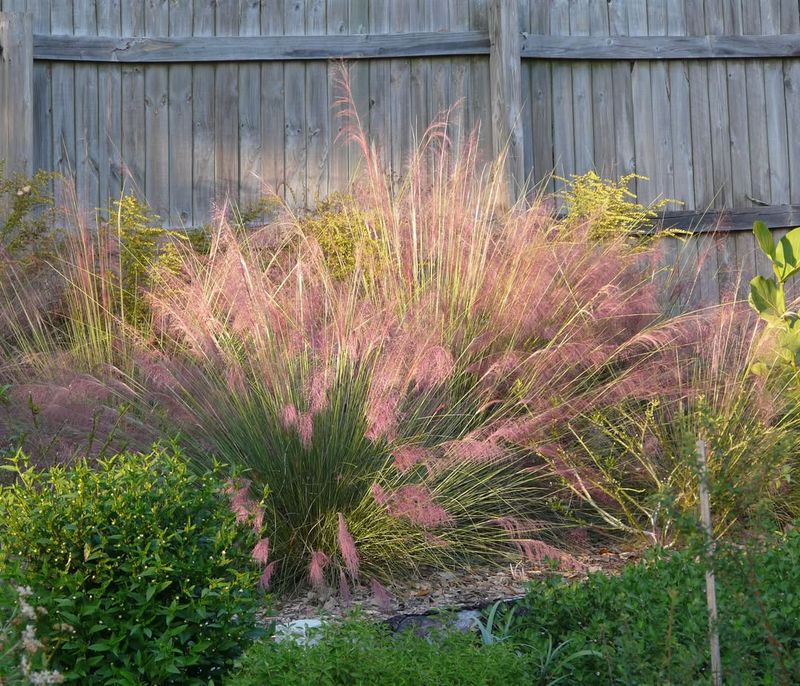
Ornamental grasses bring movement and sound to Florida gardens as breezes rustle through their graceful blades.
Muhly grass explodes with pink or white clouds of feathery blooms each fall, creating breathtaking seasonal displays.
Fountain grass and fakahatchee grass add vertical elements that contrast beautifully with broader-leafed plants.
These grasses tolerate Florida’s intense summer heat and occasional drought better than most flowering perennials.
Their deep root systems help them access water during dry spells without constant irrigation.
Most varieties actually prefer lean soil and decline when over-fertilized, making them surprisingly carefree.
Landscapers use ornamental grasses to soften hard edges of buildings, fences, or pavement with their flowing forms.
Backlit by morning or evening sun, grass plumes glow with ethereal beauty that photographs cannot fully capture.
Their texture provides contrast when planted near bold tropical foliage or architectural succulents.
Cutting grasses back in late winter encourages fresh growth and maintains tidy appearance through growing season.
Unlike many plants, this severe pruning actually benefits grasses rather than setting them back.
Wildlife appreciates these beds too, as birds harvest seeds and small creatures find shelter in dense clumps.
Ornamental grasses remain attractive even when not blooming, offering year-round structure and interest that justifies their space in any Florida landscape design.
9. Coastal Salt-Tolerant Beds
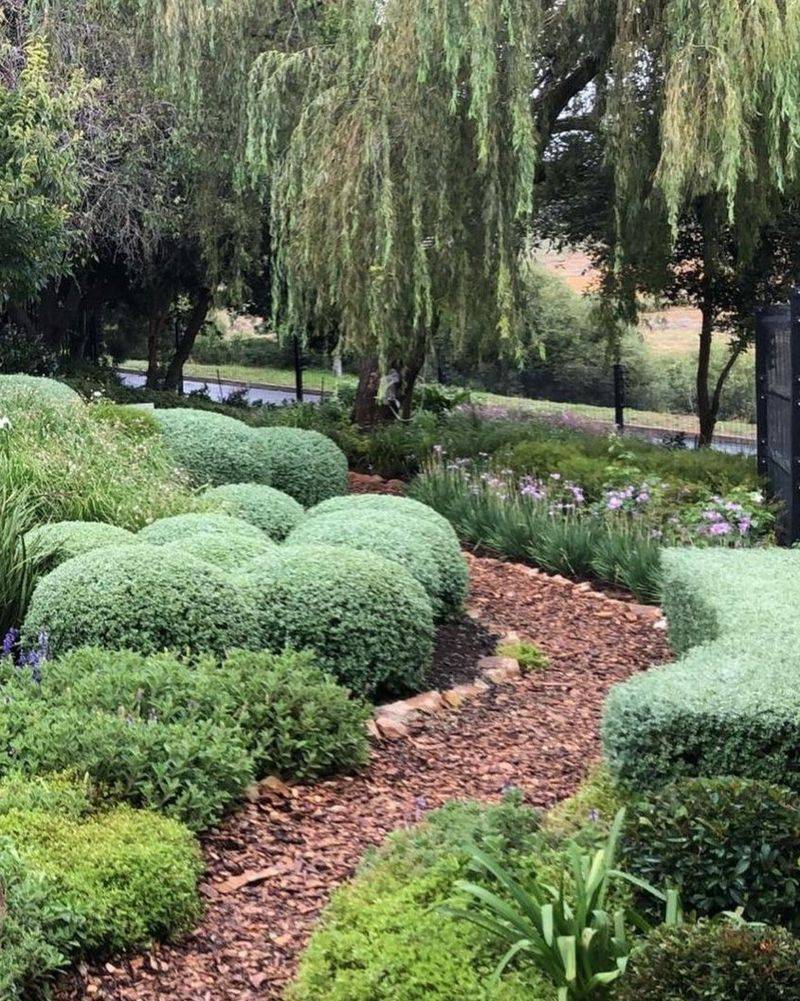
Coastal properties face unique challenges from salt spray, sandy soil, and harsh winds that destroy typical landscape plants.
Sea oats, railroad vine, and beach sunflower have adapted specifically to thrive in these tough beachfront conditions.
Professional landscapers working near Florida’s coastline rely on these native species to create gardens that actually survive and flourish.
Salt spray from ocean breezes coats foliage with corrosive minerals that burn leaves of sensitive plants.
Coastal natives have waxy or thick leaves that shed salt before damage occurs.
Their deep roots anchor them against strong winds while accessing moisture beneath dry surface sand.
Creating coastal beds requires understanding that less is often more in these extreme environments.
Simple plantings of tough species look more natural and require far less replacement than fighting nature with inappropriate choices.
Dune vegetation like sea grape and cocoplum provide wind breaks that protect more delicate plants behind them.
These beds help stabilize sand and prevent erosion that threatens coastal properties during storms.
Root systems hold soil in place where waves and wind would otherwise wash everything away.
Many coastal plants bloom prolifically, attracting shore birds and butterflies that enhance the beach experience.
Landscapers often incorporate driftwood, shells, or coral rock as natural mulch that complements the coastal aesthetic while serving practical purposes in garden beds.