15 Foolproof Plants That Instantly Upgrade Florida Backyards (Even For Beginners)
Florida backyards have big potential—and big challenges.
Between heat, humidity, sandy soil, and surprise downpours, not every plant makes the cut.
For beginners, that learning curve can feel steep, expensive, and discouraging.
The good news? Some plants are practically bulletproof and still look like you hired a landscape designer.
The secret to an instant upgrade isn’t exotic plants or complicated layouts—it’s choosing reliable performers that thrive in Florida conditions without constant fuss.
These are the plants that forgive missed waterings, laugh at heat waves, and bounce back quickly when things go sideways.
From bold foliage to long-lasting color, these fifteen foolproof plants deliver impact fast.
They fill empty spaces, soften harsh lines, and make even basic yards feel intentional and polished.
Best of all, they build confidence.
Once beginners see real success, gardening stops feeling like guesswork and starts feeling fun.
1. Hibiscus For Instant Tropical Color
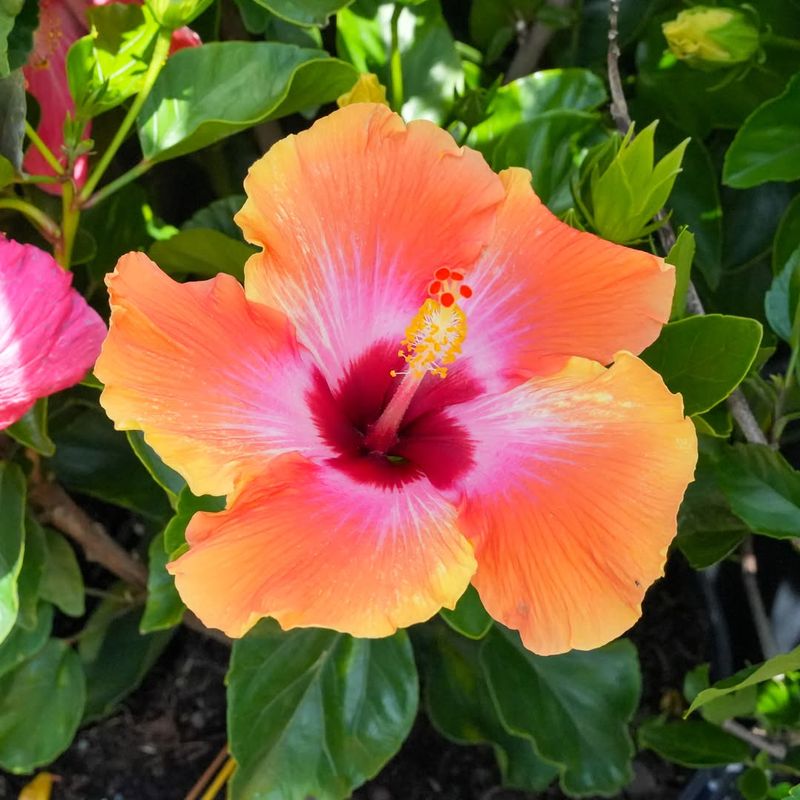
Nothing says “tropical paradise” quite like a hibiscus plant bursting with dinner-plate-sized blooms in shades of red, pink, orange, yellow, or even purple.
These showstoppers are surprisingly easy to grow in Florida’s warm climate, making them perfect for anyone just starting their gardening journey.
Hibiscus plants love full sun, which means at least six hours of direct sunlight daily, and they’ll reward you with continuous blooms from spring through fall.
Watering is straightforward—keep the soil consistently moist but not waterlogged, checking it every few days during hot summer months.
A layer of mulch around the base helps retain moisture and keeps roots cool during scorching afternoons.
Feed your hibiscus monthly with a balanced fertilizer during the growing season to encourage more flowers.
If blooms start looking sparse, a light pruning can stimulate fresh growth and more buds.
Container planting works wonderfully too, allowing you to move your hibiscus to protected spots during occasional cold snaps.
Whether planted as a focal point near your patio or grouped along a fence line, hibiscus instantly elevates any backyard with its bold, cheerful presence that screams Florida living at its finest.
2. Bougainvillea For Bold, Long-Lasting Blooms
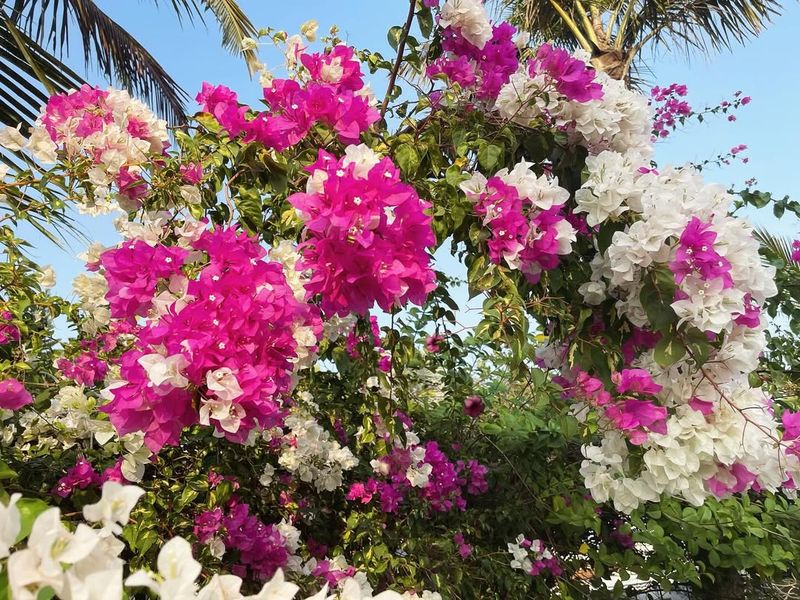
If you want dramatic color that lasts for months with minimal fuss, bougainvillea is your answer.
These vigorous vines thrive in Florida’s heat and humidity, actually preferring the intense sunshine that would wilt lesser plants.
What most people think are flowers are actually colorful paper-like bracts surrounding tiny white blooms, and they come in stunning shades of magenta, purple, orange, red, white, and even variegated combinations.
Bougainvillea is incredibly drought-tolerant once established, meaning you can skip a few waterings without worry.
In fact, slightly stressing the plant by reducing water actually encourages more prolific blooming.
Training bougainvillea along fences, walls, arbors, or pergolas creates instant architectural interest and privacy screening.
Pruning is simple—just trim back wayward branches after each bloom cycle to maintain shape and encourage bushier growth.
Watch for thorns when handling, and wear gloves for protection.
These tough plants resist most pests and diseases, making them virtually maintenance-free.
Plant in well-draining soil and provide something sturdy for climbing, then step back and watch your backyard transform into a vibrant tropical escape that looks professionally designed.
Your Florida Garden Changes Every Week. Your Plan Should Too.
Gardening in Florida changes quickly throughout the season. Every Friday you’ll receive a simple weekly plan showing exactly what to plant, prune, fertilize, harvest, and protect so you never miss the right timing.
3. Croton For Colorful Foliage Year-Round
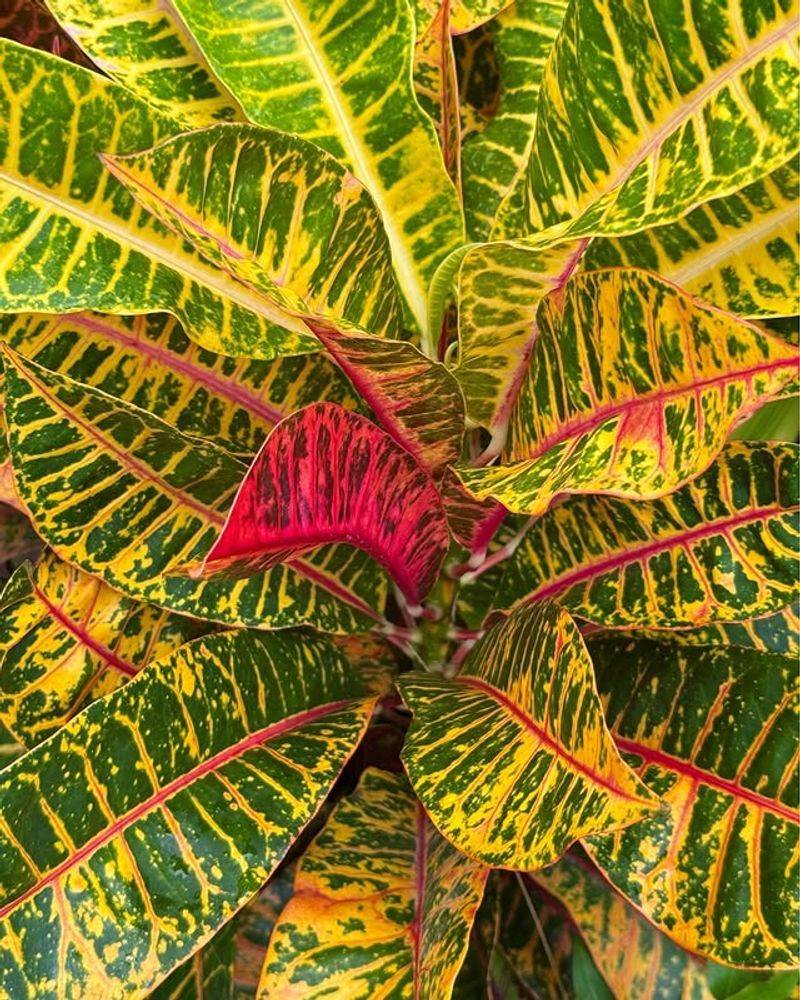
Who needs flowers when you have leaves this spectacular?
Crotons are foliage superstars that paint your backyard with year-round color in combinations of yellow, orange, red, pink, green, and even purple.
Each variety offers unique leaf patterns, from broad and oval to narrow and twisted, ensuring you’ll find one that matches your style.
These tropical beauties thrive in Florida’s warm climate and actually prefer the humidity that makes other plants struggle.
Crotons perform best in bright, indirect light or partial sun, though many varieties can handle full sun once acclimated.
More sun typically means more intense coloration, so experiment with placement to achieve your desired look.
Water regularly during establishment, then ease back to occasional deep watering once roots are settled.
Crotons are relatively pest-resistant but appreciate occasional misting to keep leaves dust-free and vibrant.
Fertilize every few months with a balanced plant food to maintain that eye-catching color intensity.
Use crotons as border plants, foundation plantings, or container specimens on patios where their stunning foliage can be admired up close.
They mix beautifully with flowering plants, providing constant color even when blooms take a break.
4. Ixora For Neat Hedges With Tropical Flair
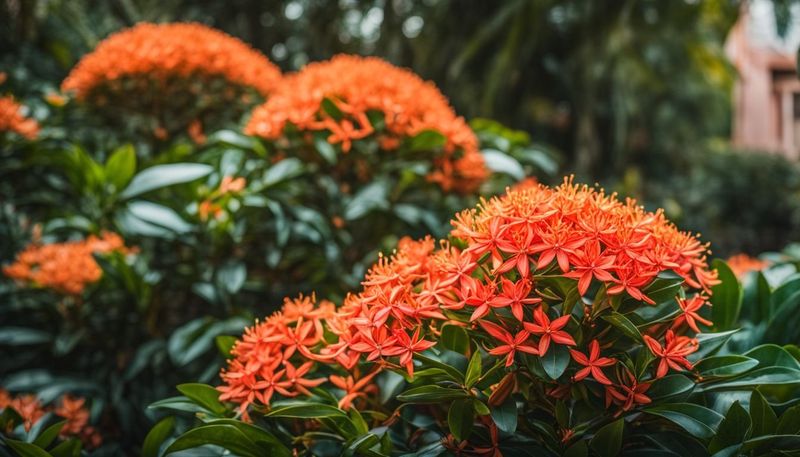
Ixora transforms ordinary hedge lines into spectacular floral displays with its clusters of tiny, star-shaped flowers in red, orange, yellow, or pink.
This evergreen shrub maintains a naturally compact, rounded shape that requires minimal pruning to stay neat and tidy.
Florida’s climate is absolutely perfect for ixora, as it loves warmth and humidity while tolerating both sun and partial shade.
Planting ixora is straightforward—space them about three feet apart for hedges, or use individually as accent plants.
They prefer slightly acidic soil, so mixing in some peat moss or acidic compost at planting time gives them a great start.
Water regularly during the first growing season, then reduce frequency once established, though consistent moisture encourages the best blooming.
Fertilize with an acid-loving plant food every couple of months during the growing season.
Pruning is minimal—just trim lightly after bloom cycles to maintain shape and remove any stray branches.
The flowers attract butterflies and hummingbirds, adding movement and life to your backyard.
Ixora works beautifully as property borders, foundation plantings, or poolside accents where its tidy habit and continuous blooms create a polished, tropical resort feel without demanding constant attention.
5. Lantana For Heat-Loving Ground Coverage
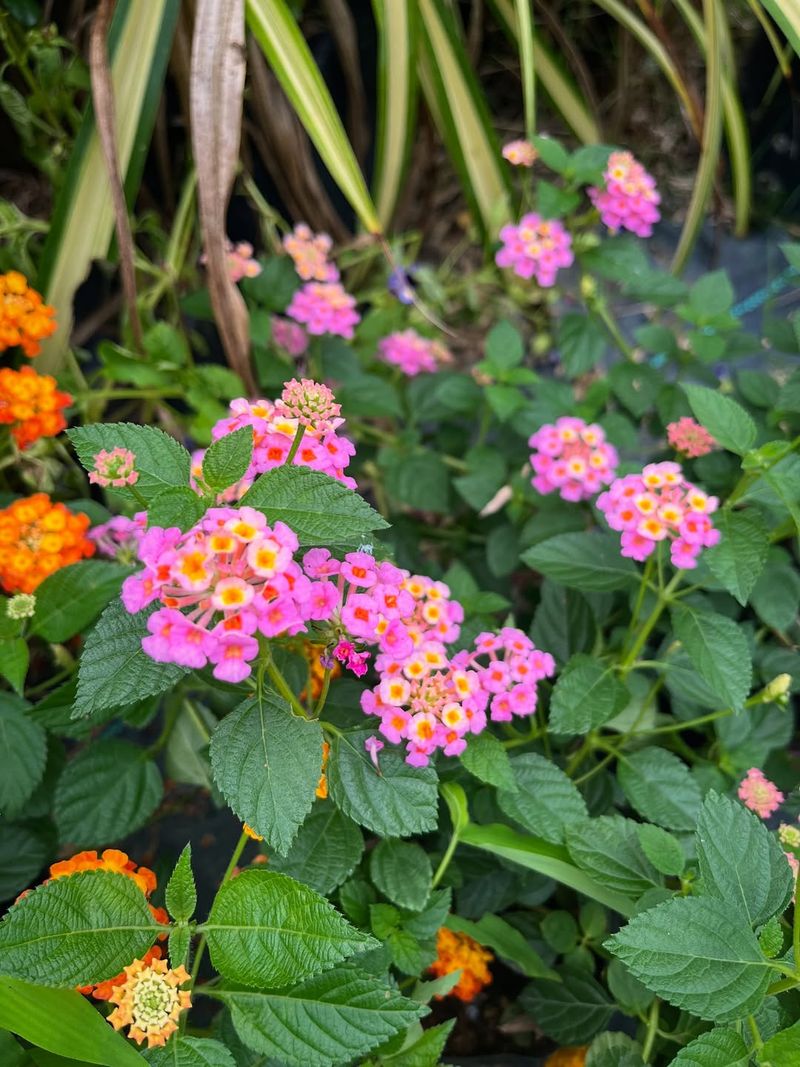
Lantana laughs in the face of Florida’s brutal summer heat, actually blooming more profusely when temperatures soar.
These tough little plants produce clusters of tiny flowers that often change color as they age, creating beautiful multicolored displays of yellow, orange, pink, red, purple, or white all on the same plant.
Butterflies absolutely adore lantana, so expect your backyard to become a fluttering sanctuary once these plants start blooming.
Lantana spreads nicely to cover bare ground, suppress weeds, and fill in empty spaces quickly without becoming invasive in cultivated areas.
It thrives in full sun and tolerates poor soil, drought, salt spray, and general neglect better than almost any other flowering plant.
Water occasionally during extreme dry spells, but otherwise let nature handle irrigation.
Fertilizing is optional—lantana blooms generously without it, though a light feeding in spring can boost performance.
Trim back leggy growth in late winter to keep plants compact and encourage fresh flowering stems.
Use lantana along walkways, in rock gardens, cascading over walls, or anywhere you need reliable color without constant maintenance.
The plant’s carefree nature and pollinator-attracting powers make it an absolute winner for beginners seeking maximum impact with minimal effort.
6. Areca Palm For Instant Privacy And Height
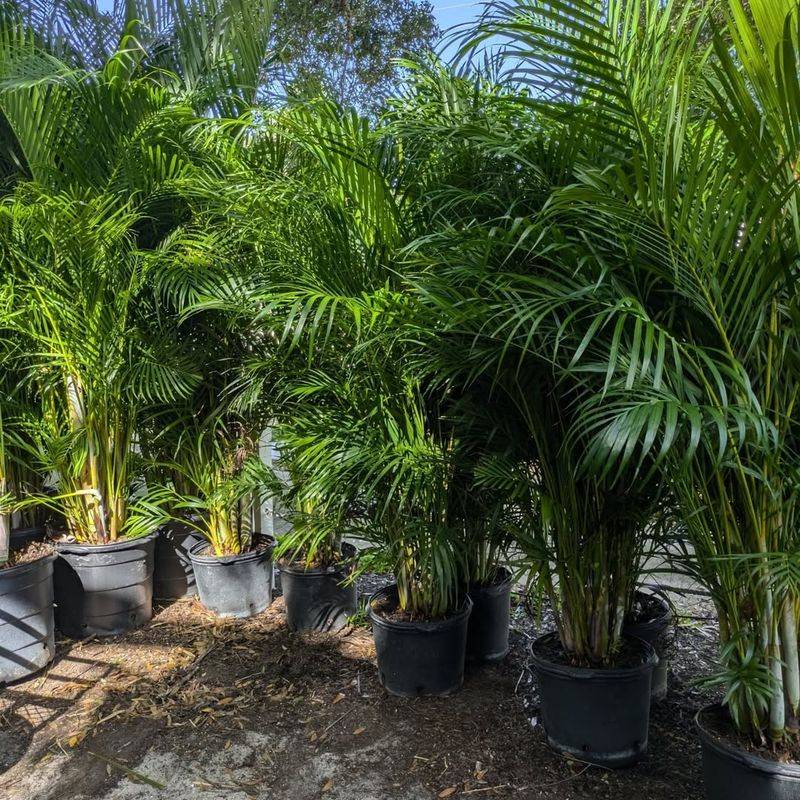
Need privacy fast? Areca palms are your solution.
These elegant, clumping palms grow relatively quickly and create dense, tropical screens that block unwanted views while adding that classic Florida resort vibe.
Their feathery, arching fronds sway gracefully in breezes, creating movement and a soothing rustling sound that enhances backyard relaxation.
Areca palms typically reach ten to twenty feet tall, making them perfect for screening tall fences or second-story windows.
They prefer partial shade to filtered sun, making them ideal for areas where many flowering plants struggle.
Plant arecas about six to eight feet apart for a solid privacy barrier, or space them wider for a more open, natural look.
Water regularly during establishment, keeping soil consistently moist but not soggy.
Once mature, they tolerate brief dry periods but look best with regular irrigation during hot months.
Fertilize three to four times yearly with a palm-specific fertilizer to maintain that lush, deep green color.
Remove any brown or damaged fronds at the base to keep plants looking tidy.
Areca palms work beautifully along property lines, flanking patios, or framing outdoor living spaces where their graceful presence instantly upgrades the entire backyard aesthetic with minimal ongoing care requirements.
7. Firebush For Wildlife-Friendly Beauty
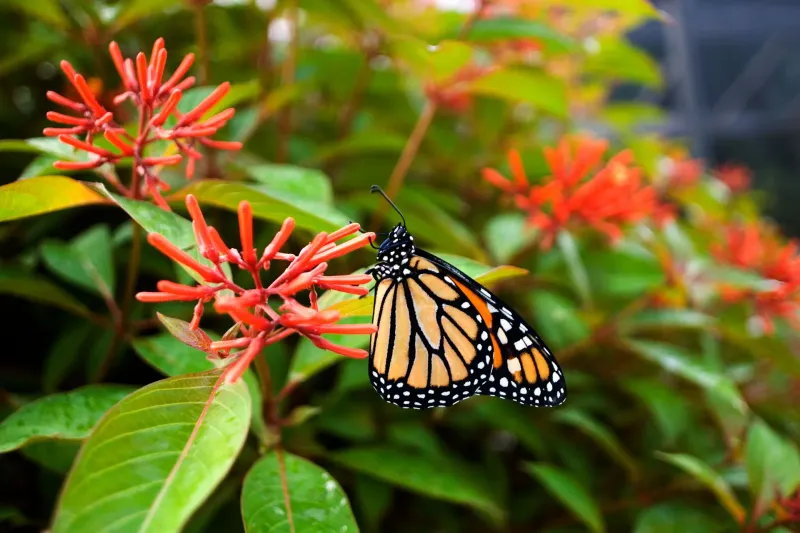
Want to turn your backyard into a wildlife haven while adding spectacular color? Firebush delivers on both counts.
This Florida-friendly native shrub produces clusters of tubular orange-red flowers that hummingbirds and butterflies find absolutely irresistible.
The blooms appear almost continuously from spring through fall, providing reliable nectar sources when pollinators need them most.
Birds also appreciate firebush, feasting on the small berries that follow the flowers.
Firebush grows quickly into a rounded shrub reaching six to eight feet tall, though it can be pruned smaller for tighter spaces.
It thrives in full sun to partial shade and tolerates a wide range of soil conditions, including sandy Florida soil that challenges many plants.
Once established, firebush handles drought remarkably well, though occasional watering during extreme dry spells keeps it looking its best.
Fertilizing is optional—this tough native does fine without it, but a light feeding in spring can boost growth and flowering.
Prune in late winter or early spring to control size and shape, cutting back as much as one-third if needed.
Use firebush as a backdrop for smaller plants, a natural hedge, or a specimen plant where you can watch the constant parade of winged visitors it attracts.
8. Coontie For Low-Maintenance Native Appeal
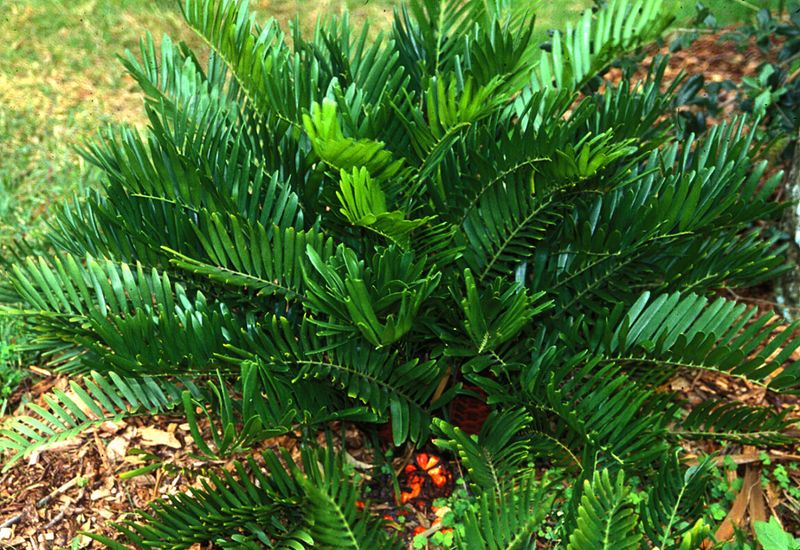
Looking for a plant that practically takes care of itself? Meet coontie.
This Florida native cycad has been around since dinosaur times and clearly knows how to survive without pampering.
Its dark green, feathery fronds grow in attractive rosettes that add texture and structure to any landscape design.
Coontie is the host plant for the beautiful atala butterfly, so planting it supports this rare native species while adding ecological value to your backyard.
This incredibly drought-tolerant plant thrives in full sun to full shade, making it one of the most versatile options for Florida landscapes.
Once established, coontie requires almost no watering, even during extended dry periods.
It grows slowly, eventually reaching about three feet tall and wide, so it won’t outgrow its space or require constant pruning.
Fertilizing is unnecessary—coontie evolved in nutrient-poor Florida soils and actually prefers lean conditions.
Simply remove any damaged or brown fronds at the base to keep plants looking neat.
Use coontie as groundcover, border edging, foundation plantings, or massed in shady areas where grass struggles.
Its prehistoric appearance adds unique character while requiring virtually zero maintenance, making it absolutely perfect for beginners who want impressive results without the work.
9. Plumbago For Cascading Blue Blooms
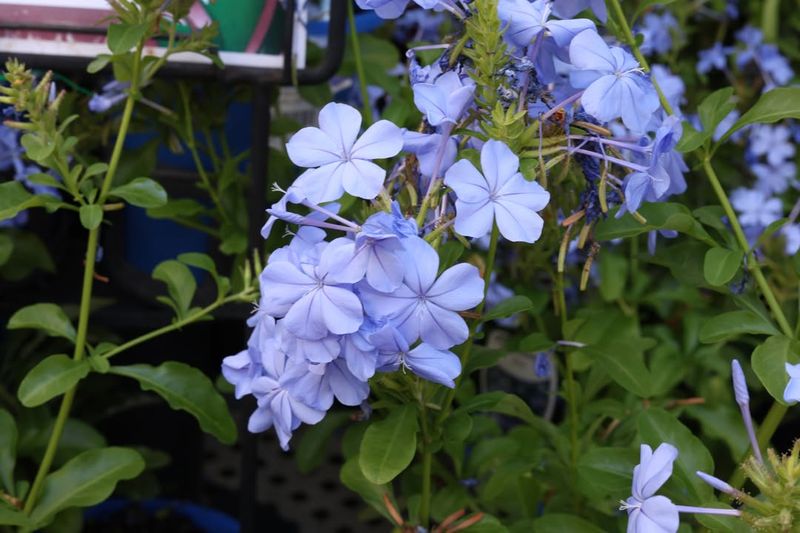
Blue flowers are relatively rare in the plant world, making plumbago an instant standout in any Florida backyard.
This sprawling shrub produces masses of delicate, sky-blue flowers (though white varieties exist too) that bloom almost continuously in Florida’s climate.
The flowers appear in clusters at branch tips, creating a cloud-like effect that softens hardscapes and adds romantic charm.
Plumbago works beautifully cascading over walls, spilling from raised beds, or trained along fences where its relaxed habit creates an informal, cottage-garden feel.
It thrives in full sun to partial shade, though more sun typically means more abundant blooming.
Water regularly during establishment, then reduce to occasional deep watering once roots are established.
Plumbago tolerates brief dry periods but looks lusher with consistent moisture during hot months.
Fertilize every couple of months during the growing season with a balanced fertilizer to encourage continuous flowering.
Pruning is important for keeping plumbago manageable—it can become leggy without occasional trimming.
Cut back by about one-third in late winter or early spring to promote bushier growth and more flowering stems.
The plant’s easygoing nature and those stunning blue blooms make it a favorite among Florida gardeners seeking effortless elegance and color that stands out from the typical tropical palette.
10. Snake Plant For Effortless Structure
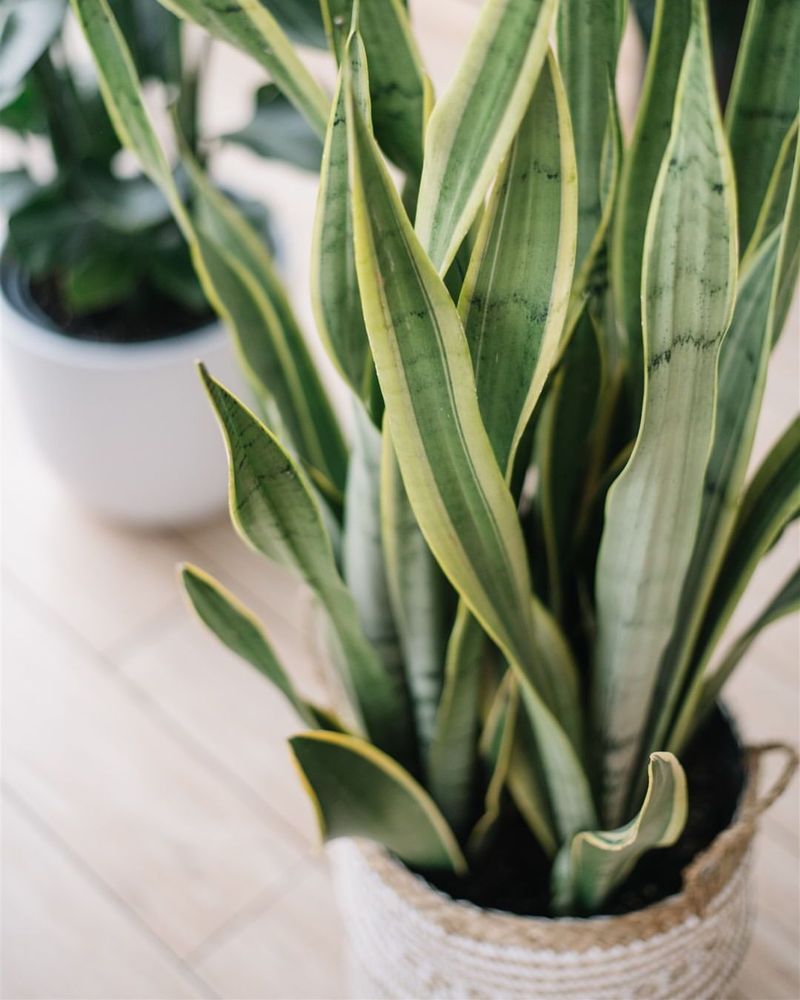
If you can manage to harm a snake plant, you’re probably trying too hard.
These architectural beauties are virtually indestructible, tolerating neglect, low light, irregular watering, and pretty much anything else you throw at them.
Their upright, sword-like leaves with distinctive variegated patterns add bold vertical interest and modern structure to Florida backyards.
Snake plants work equally well planted directly in the ground or showcased in containers on patios, porches, or poolside areas.
They thrive in everything from full sun to deep shade, though they grow faster with more light.
Watering requirements are minimal—these succulents store water in their leaves, so they’re perfectly happy being ignored for weeks.
In fact, overwatering is the only real way to harm them, so err on the side of too dry rather than too wet.
Snake plants require no fertilizer, though an occasional feeding during summer can boost growth if desired.
They spread slowly through underground rhizomes, eventually forming attractive clumps that can be divided to create more plants.
Use snake plants as border edging, corner accents, container specimens, or massed in shady spots where other plants languish.
Their sculptural presence and zero-maintenance requirements make them absolutely perfect for beginners who want guaranteed success and contemporary style.
11. Dwarf Schefflera For Full, Lush Greenery
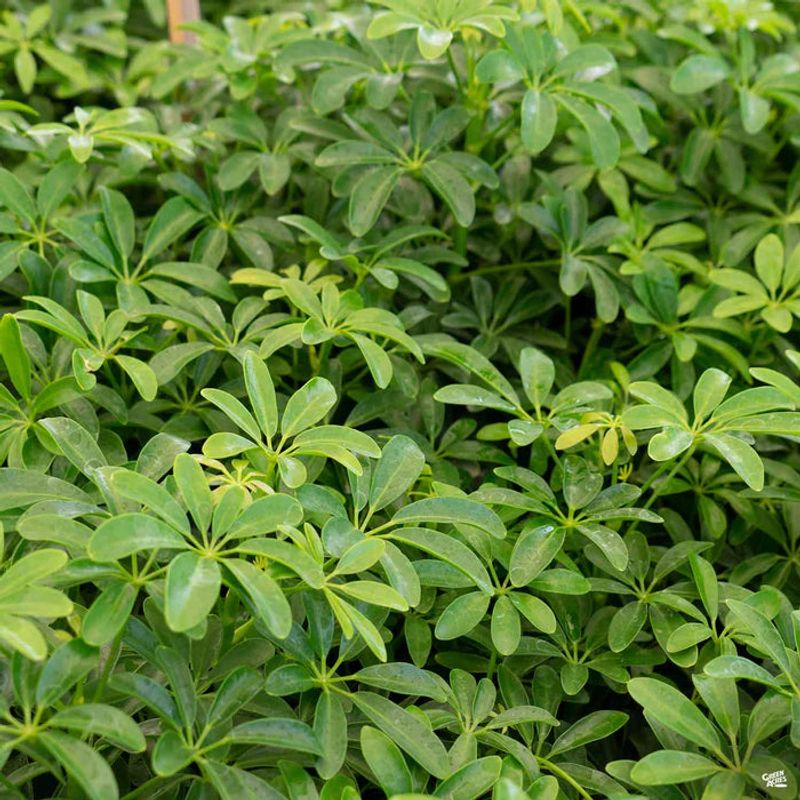
Sometimes you just need reliable, lush greenery that fills space quickly without drama, and dwarf schefflera delivers exactly that.
This evergreen shrub grows into a dense, rounded mound of glossy, umbrella-shaped leaves that create a full, tropical look year-round.
The foliage emerges bright green and matures to a deeper shade, maintaining visual interest through subtle color variations.
Dwarf schefflera typically reaches four to six feet tall and wide, making it perfect for foundation plantings, privacy screens, or filling empty corners that need substance.
It adapts well to various light conditions, from full sun to quite shady spots, though partial shade often produces the most attractive growth.
Water regularly during the establishment period, then reduce to occasional deep watering once the plant is settled.
Dwarf schefflera tolerates brief dry spells but maintains better appearance with consistent moisture during hot weather.
Fertilize two to three times yearly with a balanced fertilizer to encourage vigorous growth and maintain that rich green color.
Pruning is minimal—just trim to shape or control size as needed, which the plant tolerates well.
The dense foliage also provides excellent cover for small birds and beneficial insects.
Use dwarf schefflera anywhere you need fast-growing, reliable greenery that creates a polished, tropical atmosphere without requiring expert care or constant attention.
12. Muhly Grass For Soft Texture And Movement
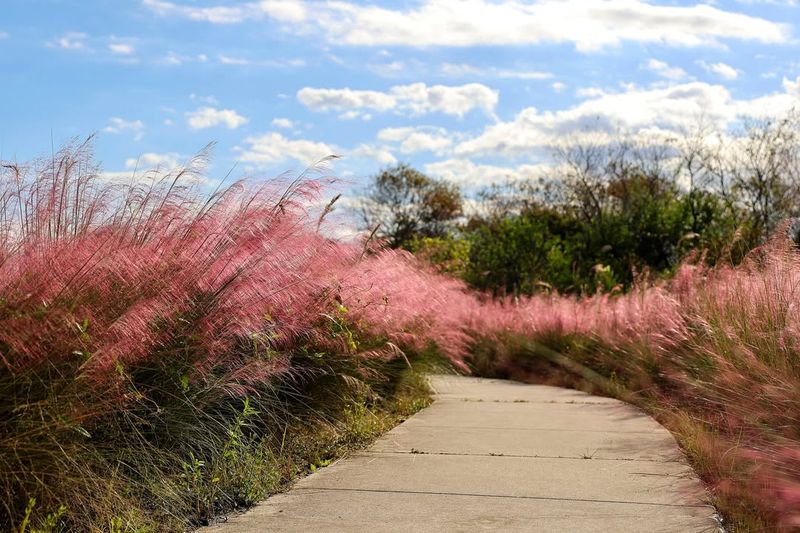
When fall arrives, muhly grass puts on one of Florida’s most spectacular garden shows.
This native ornamental grass produces clouds of airy, pink to purple plumes that seem to float above the foliage like cotton candy.
The feathery flower heads catch light beautifully, glowing at sunrise and sunset while swaying gracefully in breezes to add movement and life to static landscapes.
Even when not in bloom, muhly grass contributes fine-textured, mounding foliage that provides excellent contrast to broader-leaved plants.
It thrives in full sun and well-drained soil, making it perfect for Florida’s sandy conditions.
Muhly grass is exceptionally drought-tolerant once established, requiring virtually no supplemental watering except during extreme dry spells.
Fertilizing is unnecessary—this tough native evolved in nutrient-poor soils and actually prefers lean conditions that prevent floppy growth.
The only maintenance required is an annual trim in late winter, cutting the entire plant back to about six inches to remove old foliage and make room for fresh spring growth.
Use muhly grass as border edging, massed for dramatic effect, or as accent plants where its seasonal transformation can be fully appreciated.
The combination of low maintenance, native toughness, and spectacular autumn display makes muhly grass an absolute must-have for beginners seeking effortless elegance.
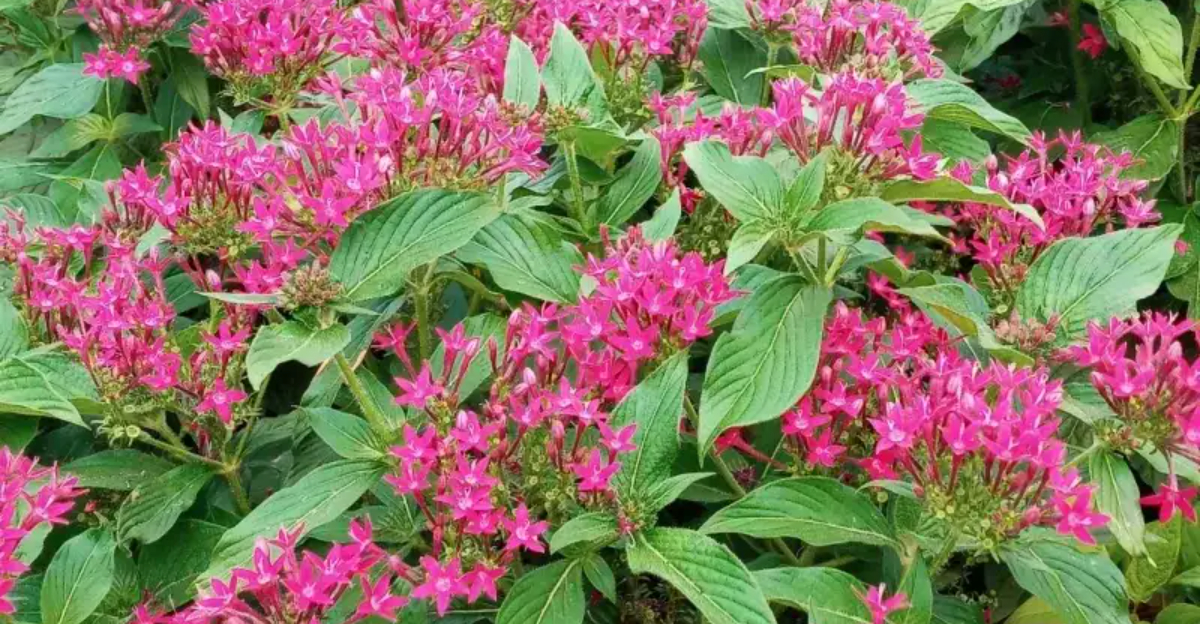
13. Pentas For Continuous Color And Pollinators
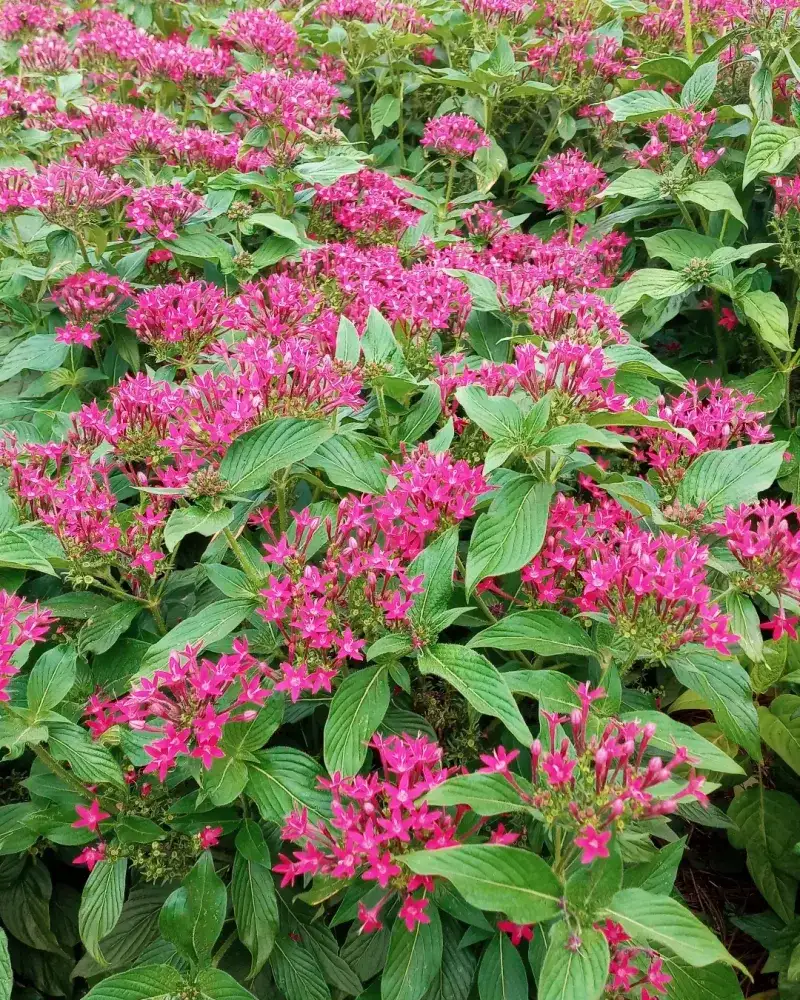
Few plants bloom as reliably and continuously as pentas, making them absolute workhorses in Florida gardens.
These cheerful plants produce clusters of star-shaped flowers in vibrant shades of red, pink, white, lavender, or bicolors that appear almost year-round in Florida’s climate.
Butterflies, bees, and hummingbirds flock to pentas, creating a lively, animated garden scene that brings joy every time you step outside.
Pentas are incredibly heat-tolerant and actually bloom more profusely during Florida’s hottest months when many other flowers take a break.
They perform best in full sun, which means at least six hours of direct sunlight daily, though they’ll tolerate some afternoon shade.
Water regularly to keep soil consistently moist but not waterlogged, especially during bloom periods when plants are working hard.
Fertilize monthly during the growing season with a balanced fertilizer to fuel continuous flowering.
Deadheading spent blooms encourages more flowers, though it’s not absolutely necessary—pentas will keep blooming either way.
Prune leggy stems occasionally to maintain compact, bushy growth and prevent plants from becoming sparse.
Use pentas in beds, borders, containers, or anywhere you want reliable color and pollinator activity.
Their easy care, nonstop blooms, and wildlife-attracting powers make them perfect for beginners who want guaranteed success and constant backyard entertainment.
14. Blue Daze For Low-Growing Color Pops
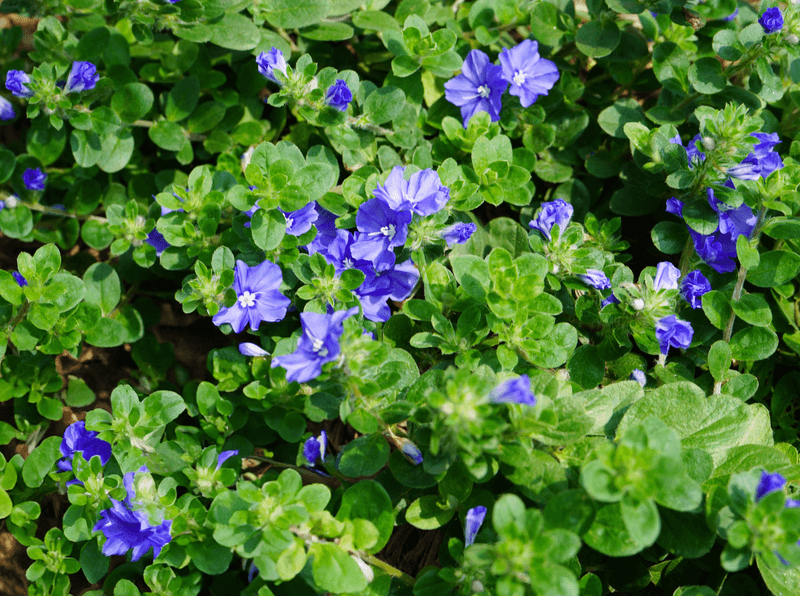
Blue daze earns its name by producing sky-blue flowers that seem to glow in morning light, creating dreamy patches of color in Florida landscapes.
This low-growing groundcover spreads nicely to fill spaces while remaining well-behaved and easy to control.
Each delicate flower opens fresh in the morning and typically lasts just one day, but plants produce so many blooms that you’ll always see plenty of color.
The silvery-green foliage provides attractive texture even when flowers are less abundant during occasional cooler periods.
Blue daze thrives in full sun, where it blooms most prolifically, though it tolerates light shade in hotter areas.
It prefers well-drained soil and actually performs better with occasional dry periods rather than constant moisture.
Water deeply but infrequently once established, allowing soil to dry slightly between waterings.
Fertilize lightly every couple of months during the growing season—too much fertilizer produces leafy growth at the expense of flowers.
Trim back leggy growth or shear the entire plant lightly if it becomes sparse, which encourages fresh, compact growth and more blooms.
Use blue daze along walkways, in rock gardens, at bed edges, or in containers where its trailing habit can cascade attractively.
The plant’s easygoing nature and those stunning blue flowers make it perfect for beginners seeking low-maintenance color that stands out beautifully.
15. How To Combine These Foolproof Plants For Instant Impact
Creating a stunning Florida backyard isn’t about randomly placing plants—it’s about thoughtful combinations that maximize visual appeal while minimizing maintenance.
Start with structural elements like areca palms or dwarf schefflera as your backdrop, providing height and greenery that anchors the entire design.
Layer mid-height flowering shrubs like hibiscus, ixora, or firebush in front of taller plants, creating depth and continuous color at eye level.
Add groundcovers like lantana, blue daze, or coontie at the front to tie everything together while suppressing weeds and filling bare soil.
Include ornamental grasses like muhly grass for textural contrast and seasonal interest that breaks up blocky shrub shapes.
Group plants with similar water needs together to simplify irrigation and prevent over or under-watering.
Place sun-lovers like pentas and bougainvillea in the brightest spots, reserving shadier areas for snake plants and crotons.
Create color echoes by repeating bloom colors throughout the space—for example, pair red hibiscus with red pentas and orange lantana for cohesive flow.
Use containers strategically on patios with snake plants or dwarf varieties to extend your garden into living spaces.
Remember that odd-numbered groupings (three or five of the same plant) look more natural than even numbers.
With these foolproof plants properly combined, your Florida backyard will look professionally designed while requiring minimal upkeep, giving you more time to actually enjoy your beautiful outdoor space.