12 Striking Black Plants That Add Instant Drama To Texas Gardens
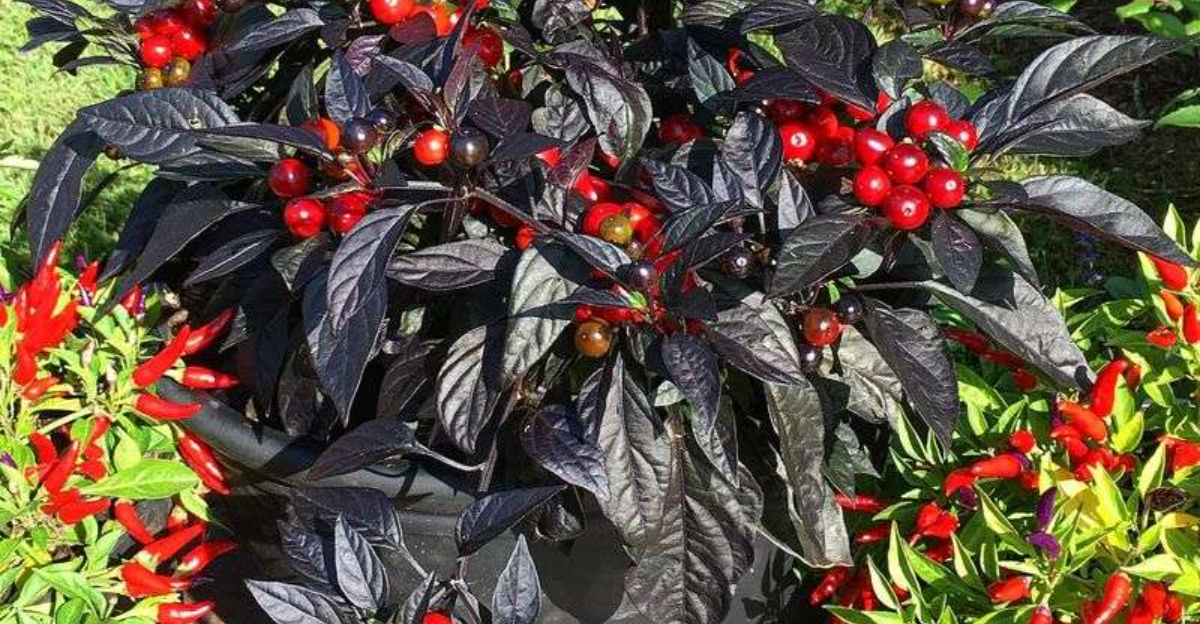
Texas gardens don’t shy away from bold statements—and black plants bring drama like nothing else.
Against bright skies and blazing sun, deep, inky foliage and dark blooms create contrast that stops people in their tracks.
These plants don’t whisper; they command attention.
Black plants add depth, sophistication, and modern edge to landscapes that might otherwise feel flat.
They pair beautifully with silvers, bright greens, and fiery reds, making every neighboring plant look more intentional.
In Texas, where sunlight is abundant, darker plants can actually shine without getting lost in the mix.
From moody leaves to near-black flowers, these twelve plants thrive in Texas conditions while delivering instant visual impact.
Used thoughtfully, they turn ordinary beds into statement pieces and make even familiar gardens feel fresh again.
When done right, black plants don’t darken a space—they electrify it.
1. Black Mondo Grass For Sleek, Modern Contrast
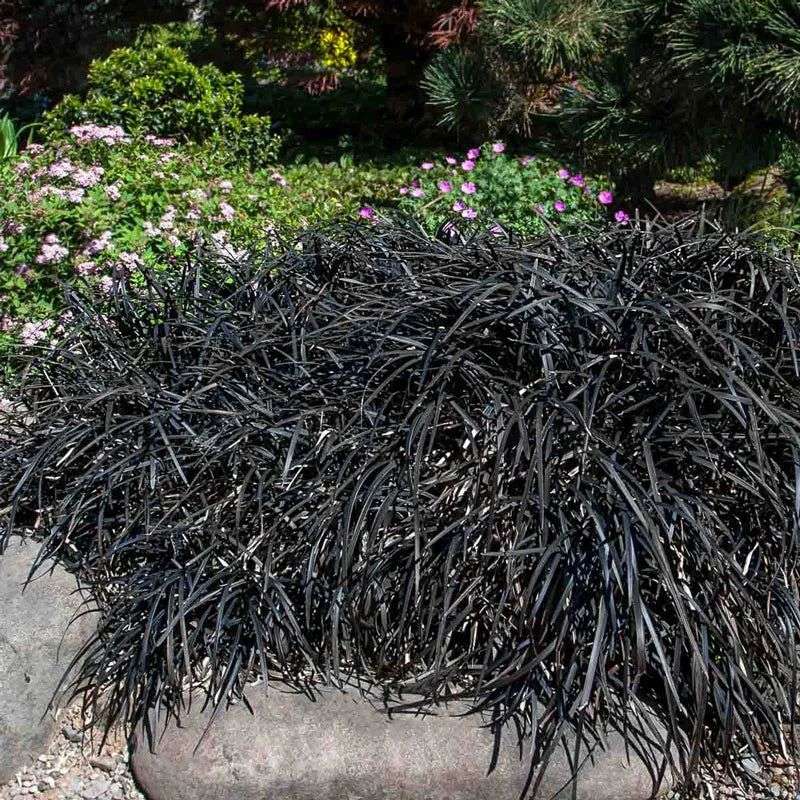
Few groundcovers command attention quite like this remarkable grass with its nearly jet-black blades that seem to absorb light rather than reflect it.
Black mondo grass grows slowly but steadily, forming dense clumps of slender foliage that reaches about six inches tall, making it perfect for edging walkways or filling spaces between stepping stones.
This perennial thrives in partial shade to full sun across Texas, though afternoon shade helps preserve the deepest color intensity during brutal summer months.
Heat tolerance ranks exceptionally high, and once established, this grass handles Texas temperatures without complaint or excessive water demands.
Pair it alongside silvery dusty miller, bright green hostas, or golden creeping jenny to create jaw-dropping contrast that stops visitors in their tracks.
The dramatic effect works beautifully in contemporary landscape designs where clean lines and bold color blocking take center stage.
Plant in well-draining soil enriched with compost, and water regularly during the first growing season to encourage strong root development.
After establishment, black mondo grass becomes remarkably low-maintenance, requiring only occasional division every few years to maintain vigor and prevent overcrowding in tight spaces.
2. Black Diamond Crape Myrtle For Dark Foliage And Colorful Blooms
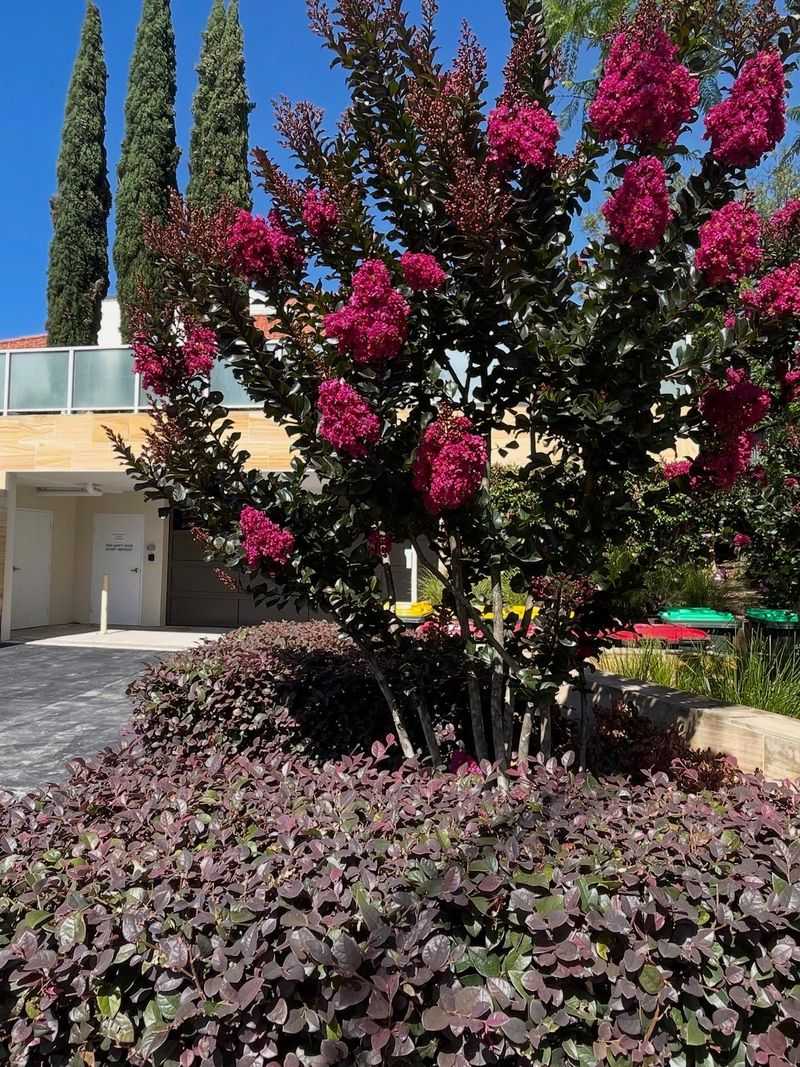
Imagine a crape myrtle that flips the script entirely, showcasing foliage so dark it appears almost black while exploding with brilliantly colored blooms throughout summer.
The Black Diamond series revolutionized traditional crape myrtle expectations by introducing varieties with burgundy-to-black leaves that provide season-long drama even before flowers appear.
Blooms emerge in shades ranging from pure white to deep red depending on the specific cultivar you select, creating spectacular contrast against the moody foliage backdrop.
These shrubs handle Texas heat like champions, thriving in full sun exposure and requiring minimal supplemental watering once their root systems establish firmly in the ground.
Prune in late winter before new growth emerges, removing crossing branches and shaping the plant to encourage optimal air circulation and abundant flowering.
Black Diamond varieties resist common crape myrtle diseases better than many traditional cultivars, making them smart choices for Texas gardeners seeking beauty without constant maintenance headaches.
Plant them as focal points in mixed borders, use them to anchor corner plantings, or line driveways with multiples for a cohesive, dramatic statement.
Your Texas Garden Changes Every Week. Your Plan Should Too.
Gardening in Texas changes quickly throughout the season. Every Friday you’ll receive a simple weekly plan showing exactly what to plant, prune, fertilize, harvest, and protect so you never miss the right timing.
Their compact growth habit suits smaller urban gardens perfectly while still delivering the visual impact larger landscapes crave.
3. Black Elephant Ear For Tropical Drama
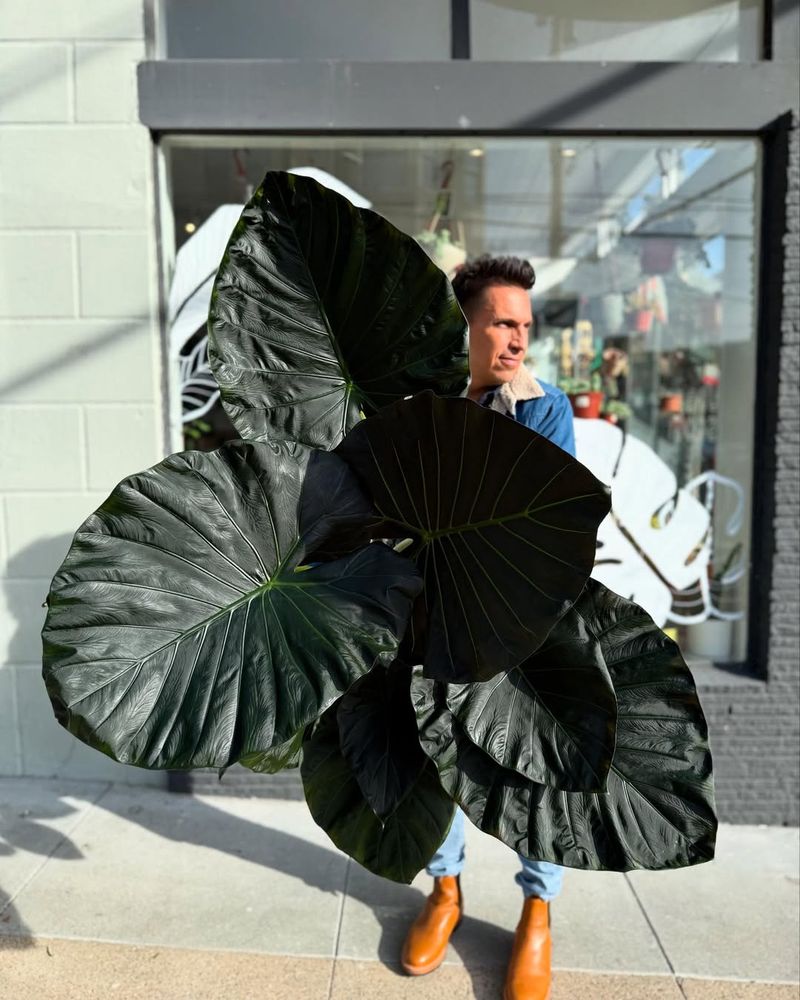
When you want your garden to feel like a lush tropical escape, black elephant ear plants deliver that exotic ambiance with breathtaking oversized foliage.
Each leaf can span two feet or more across, displaying deep purple-black coloring that shifts subtly in changing light conditions throughout the day.
These dramatic plants prefer partial shade in Texas, especially during the hottest afternoon hours when intense sun can stress even heat-tolerant tropical specimens.
Consistent moisture ranks as the single most important care requirement, as elephant ears naturally thrive in wetland environments and suffer quickly when soil dries out completely.
Consider planting near water features, in low-lying areas that retain moisture naturally, or in large containers where you can monitor and control watering schedules more precisely.
The bold architectural presence works beautifully as a backdrop for smaller flowering plants or as a standalone specimen that commands attention in shaded garden corners.
In colder parts of Texas, treat these as annuals or lift the tubers before the first freeze and store them indoors until spring temperatures warm reliably.
Fertilize monthly during the growing season with a balanced formula to fuel the impressive leaf production that makes these plants such showstoppers in any landscape setting.
4. Black Knight Butterfly Bush For Moody Flower Power
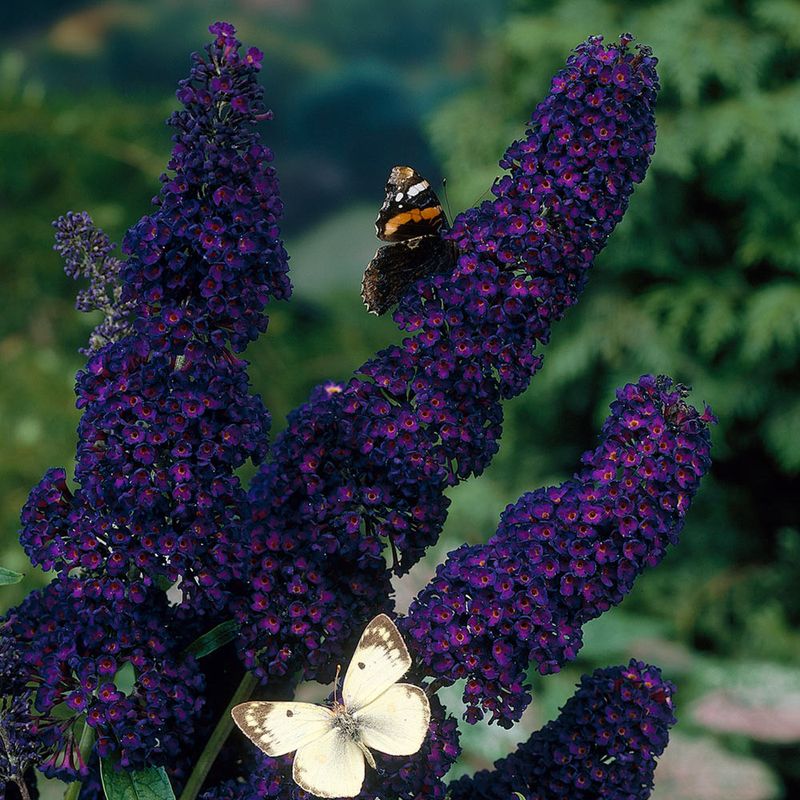
Pollinators go absolutely wild for this stunning shrub that produces long, cone-shaped flower spikes in the deepest purple-black imaginable.
Black Knight butterfly bush blooms prolifically from early summer through fall, attracting monarchs, swallowtails, and dozens of other beneficial insects to your Texas garden with irresistible nectar.
The silvery-green foliage provides perfect contrast to the dark blooms, creating a sophisticated color palette that elevates any planting scheme beyond ordinary expectations.
Full sun exposure brings out the best flowering performance, and this tough shrub handles Texas heat and occasional drought with remarkable resilience once roots establish deeply.
Prune hard in late winter, cutting stems back to about twelve inches from the ground to encourage vigorous new growth and maximum bloom production.
Some Texas gardeners worry about butterfly bush spreading aggressively, but regular deadheading prevents unwanted seedlings while extending the blooming period considerably.
Plant near patios, seating areas, or windows where you can enjoy watching the constant parade of pollinators that visit throughout warm months.
The gentle honey-like fragrance adds another sensory dimension, making this shrub a multi-sensory experience rather than just a visual one in your outdoor living spaces.
5. Black Hollyhock For Cottage-Style Drama
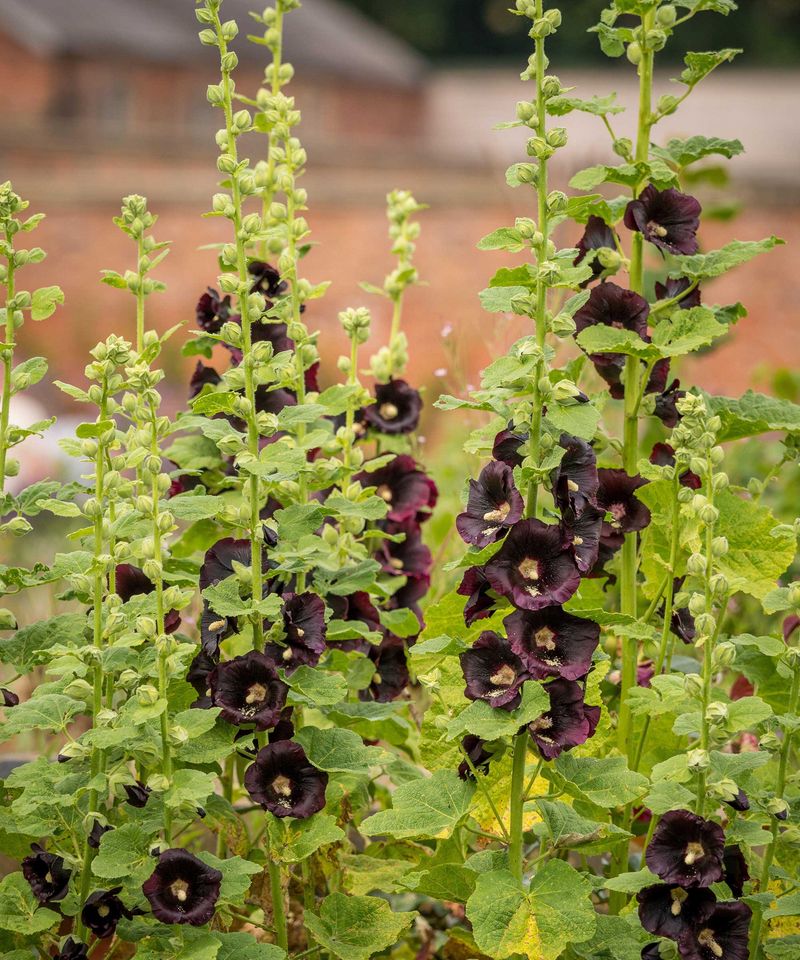
Picture a cottage garden with all its romantic charm, then add towering spires of nearly black blooms that bring unexpected gothic elegance to the traditional scene.
Black hollyhocks reach heights of five to eight feet when happily established, creating vertical drama that draws the eye upward and adds dimension to flat landscape areas.
The large, ruffled flowers open in deep maroon-black shades that appear almost velvety in texture, blooming progressively up the tall stalks throughout summer months.
These biennials or short-lived perennials prefer full sun and well-draining soil, handling Texas heat admirably when provided adequate moisture during extended dry spells.
Plant them along fences, walls, or at the back of deep borders where their impressive height won’t overshadow smaller companions growing in front.
Hollyhocks self-sow readily, ensuring new plants appear each year without requiring replanting efforts, though you can collect seeds intentionally if you prefer controlling placement more precisely.
Stake taller specimens in windy locations to prevent storm damage, and watch for signs of rust disease, which sometimes affects hollyhock foliage in humid conditions.
The old-fashioned charm combined with dramatic dark coloring creates a unique aesthetic that works beautifully in both traditional and contemporary Texas garden designs.
6. Black Pearl Pepper For Edible And Ornamental Appeal
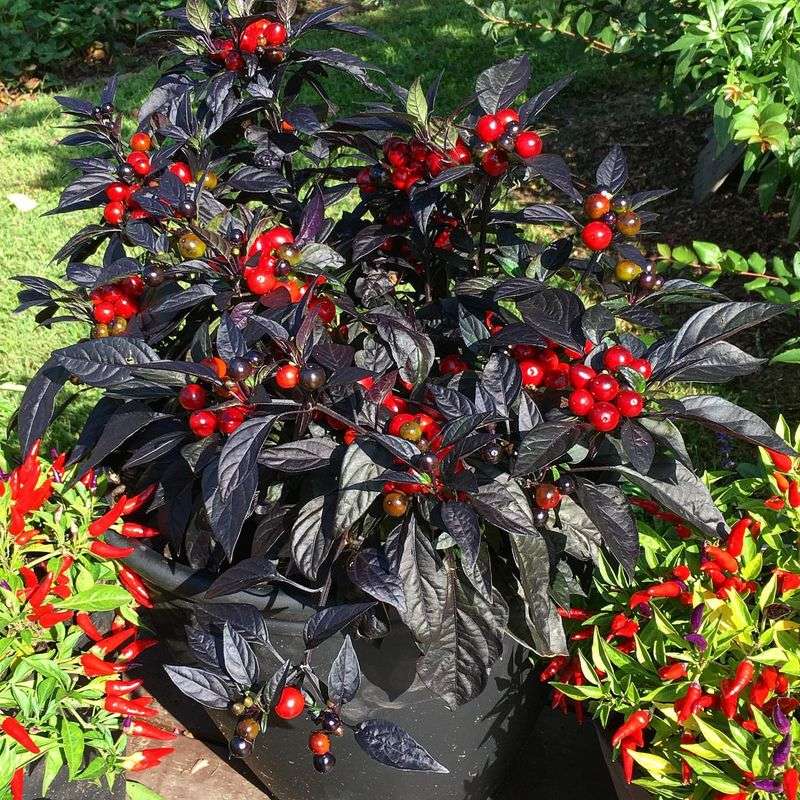
Not many plants successfully bridge the gap between edible garden and ornamental landscape, but this stunning pepper does exactly that with style and flair.
Black Pearl pepper features glossy, nearly black leaves that shimmer with purple undertones, creating a rich backdrop for the small, round fruits that emerge black before ripening to bright red.
The compact growth habit makes this pepper perfect for container cultivation, allowing Texas gardeners with limited space to enjoy dramatic dark foliage on patios, balconies, or entryways.
Full sun exposure encourages the deepest leaf coloring and most prolific fruit production, and peppers handle summer heat beautifully when containers receive consistent watering.
The fruits pack serious heat, measuring around 10,000 to 30,000 Scoville units, so handle them with respect and warn curious children about their fiery nature.
Use Black Pearl peppers as seasonal focal points in mixed container arrangements, pairing them with trailing silver dichondra or bright green sweet potato vine for stunning contrast.
Fertilize every two weeks with a balanced liquid formula to support continuous growth and fruiting throughout the long Texas growing season.
When temperatures drop below fifty degrees in late fall, either bring containers indoors or enjoy the plant as a seasonal annual and replant fresh specimens next spring.
7. Black Bat Flower For Exotic Statement Spaces
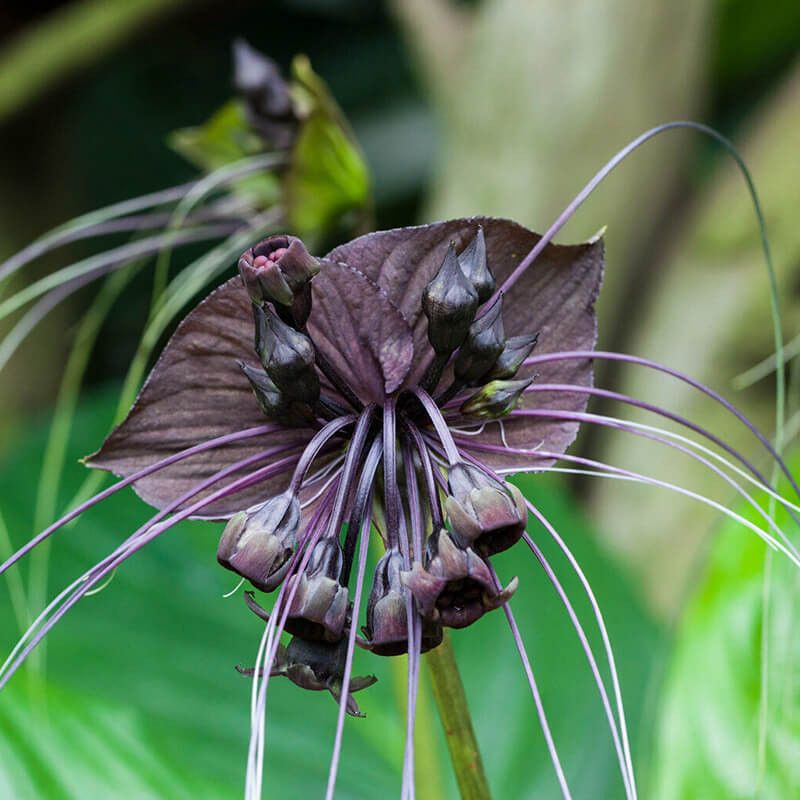
For gardeners who crave something truly unusual, this extraordinary plant produces flowers that genuinely resemble bats in flight, complete with wing-like petals and long, dangling whiskers.
Black bat flowers bloom in shades of deepest maroon-black, creating an almost supernatural appearance that fascinates visitors and sparks endless conversations about your adventurous plant choices.
These exotic beauties require shade and high humidity, making them challenging but not impossible for Texas gardeners willing to create specialized microclimates in protected garden areas.
Consider placing them in shaded courtyard corners, beneath tree canopies, or in enclosed patios where humidity naturally accumulates and harsh afternoon sun never penetrates.
Consistent moisture and well-draining, organic-rich soil help replicate the tropical Asian environments where these plants naturally thrive in forest understories.
Mist foliage regularly during dry periods, and consider grouping multiple moisture-loving plants together to create a humid microenvironment that benefits all inhabitants.
Black bat flowers work beautifully in large containers that can be moved to protected locations during temperature extremes or unexpected weather events.
While certainly more demanding than many garden plants, the reward of seeing those bizarre, beautiful blooms makes the extra effort worthwhile for collectors and exotic plant enthusiasts.
8. Black Petunia For High-Contrast Borders And Containers
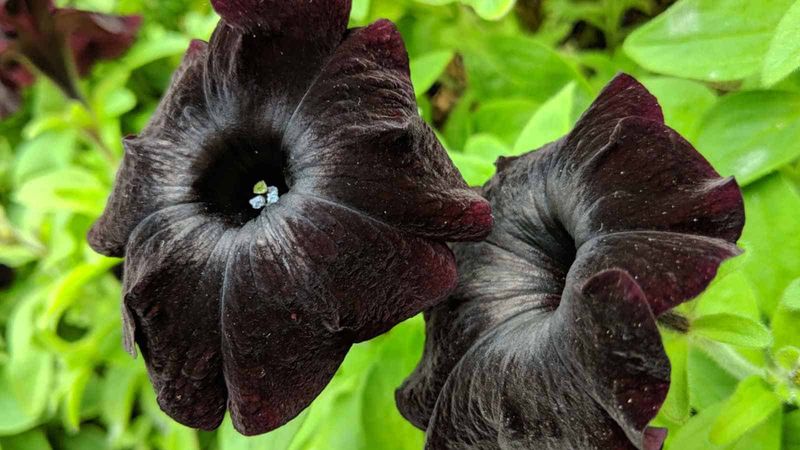
Annual flowers rarely make such dramatic statements as petunias bred for the darkest possible coloring, appearing almost black in certain lighting conditions.
Varieties like Black Velvet produce velvety blooms that absorb light rather than reflecting it, creating depth and richness that standard flower colors simply cannot achieve.
These petunias thrive in full sun exposure, blooming continuously from spring through fall frost when provided regular deadheading and consistent fertilization every two weeks.
Texas heat sometimes slows blooming during the most intense summer weeks, but plants bounce back vigorously when temperatures moderate slightly in late summer and early fall.
Plant black petunias in containers, hanging baskets, or as edging along walkways where their dark beauty contrasts spectacularly with lighter pavement, gravel, or surrounding foliage.
Pair them with white alyssum, silver dusty miller, or chartreuse sweet potato vine to create high-impact combinations that command attention from across the garden.
Water consistently, as petunias suffer quickly when soil dries out completely, and consider adding water-retaining crystals to containers to reduce watering frequency during busy weeks.
Pinch back leggy growth mid-season to encourage bushier plants and renewed flowering vigor that carries them beautifully through the entire growing season.
9. Black Velvet Alocasia For Luxurious Texture
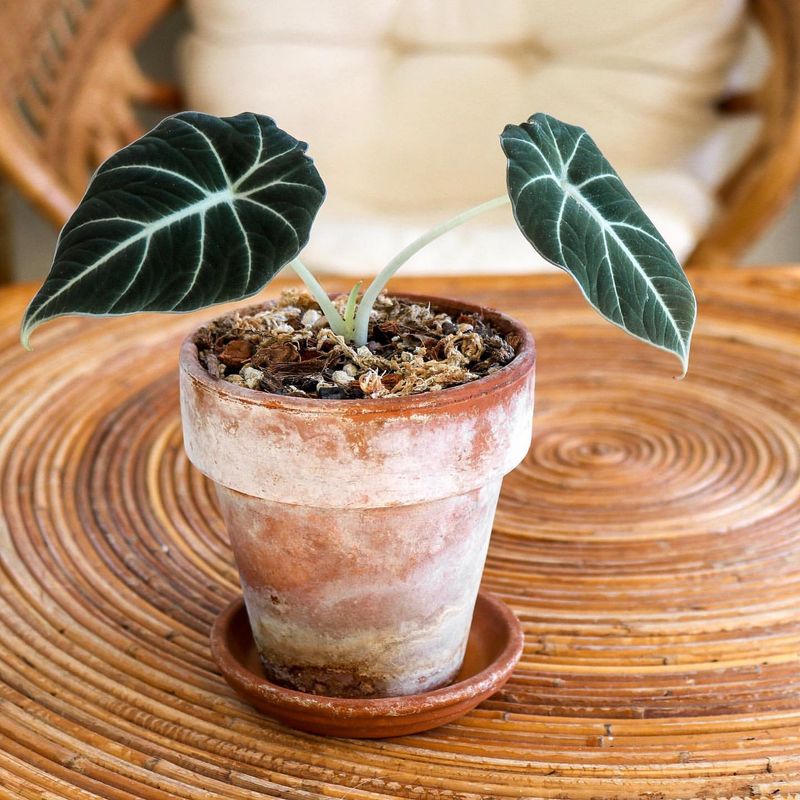
Texture matters just as much as color when creating memorable garden moments, and this compact alocasia delivers both in spades with its extraordinary foliage.
Each leaf displays a velvety surface in deep purple-black coloring, dramatically accented by bright white or silver veins that create striking contrast and visual interest.
The compact size makes Black Velvet alocasia perfect for small spaces, containers, or as understory accents beneath taller plants in protected garden areas.
Bright indirect light works best in Texas, as direct sun can scorch the delicate foliage while too much shade causes plants to stretch awkwardly toward available light.
Keep soil consistently moist but never waterlogged, as alocasias naturally grow in humid tropical environments where moisture remains available without creating soggy conditions.
Indoor cultivation works beautifully during extreme temperature periods, allowing you to enjoy this stunning plant year-round in climate-controlled environments.
Temperatures below sixty degrees cause stress and potential foliage damage, so plan accordingly as fall temperatures drop and winter approaches in your specific Texas region.
Feed monthly during active growth with diluted liquid fertilizer to support healthy leaf production and maintain the intense coloring that makes this alocasia such a coveted specimen among plant collectors.
10. Black Coral Colocasia For Bold Foliage Displays
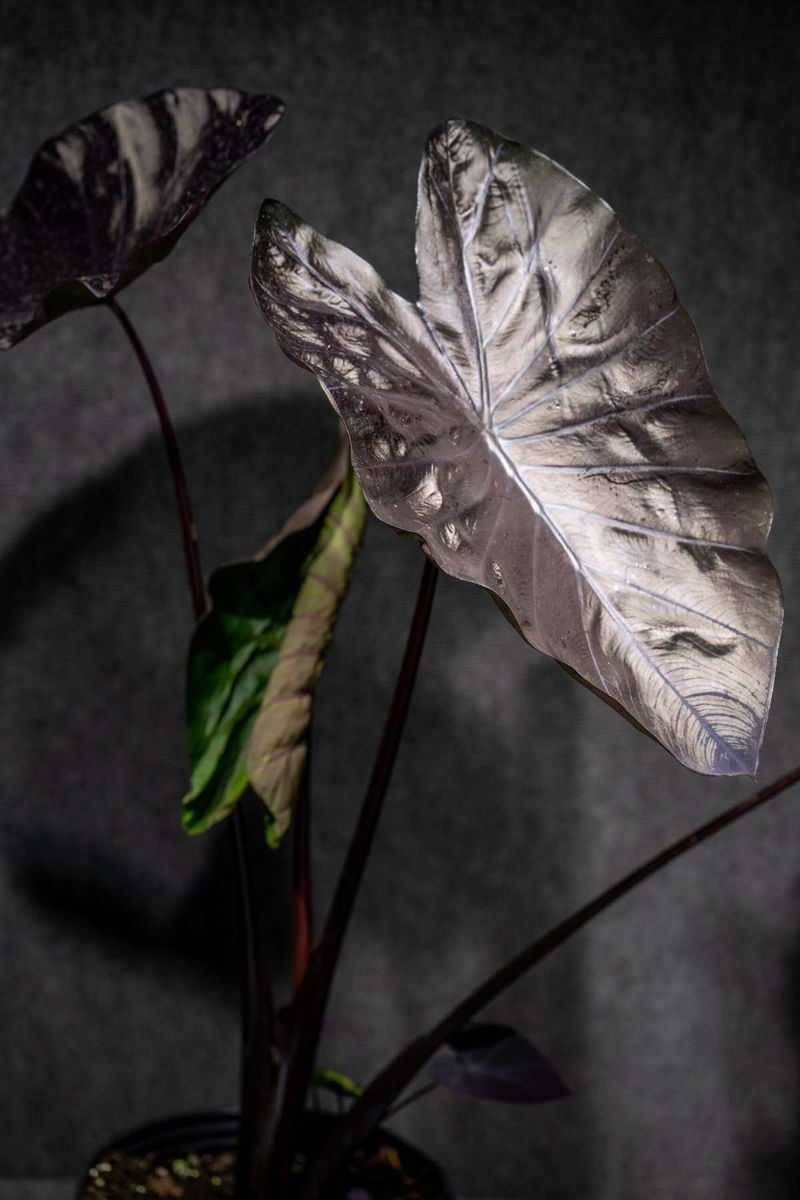
Imagine elephant ear foliage taken to the next level with extraordinary vein coloring that glows against the darkest possible leaf background.
Black Coral colocasia produces large, heart-shaped leaves in deep purple-black shades dramatically accented by coral-pink to burgundy veins that create an almost stained-glass effect.
This showstopper demands attention wherever planted, working beautifully as a standalone specimen or grouped with other tropicals for a lush, layered jungle effect.
Partial shade to filtered sun works best in Texas, protecting the foliage from harsh afternoon rays while providing enough light to maintain the intense coloring.
Consistent moisture ranks as the top priority, as these water-loving plants naturally thrive in boggy conditions and suffer quickly when soil dries out between waterings.
Plant in low areas that naturally retain moisture, near water features, or in containers with saucers that hold water reserves for roots to access during hot days.
The bold architectural presence creates instant tropical ambiance, transforming ordinary garden spaces into exotic retreats that feel worlds away from everyday surroundings.
In areas where freezing temperatures occur, lift tubers before frost and store them in slightly moist peat moss indoors until spring warmth returns and replanting becomes possible again.
11. Black Adder Agastache For Dark Spikes And Pollinators
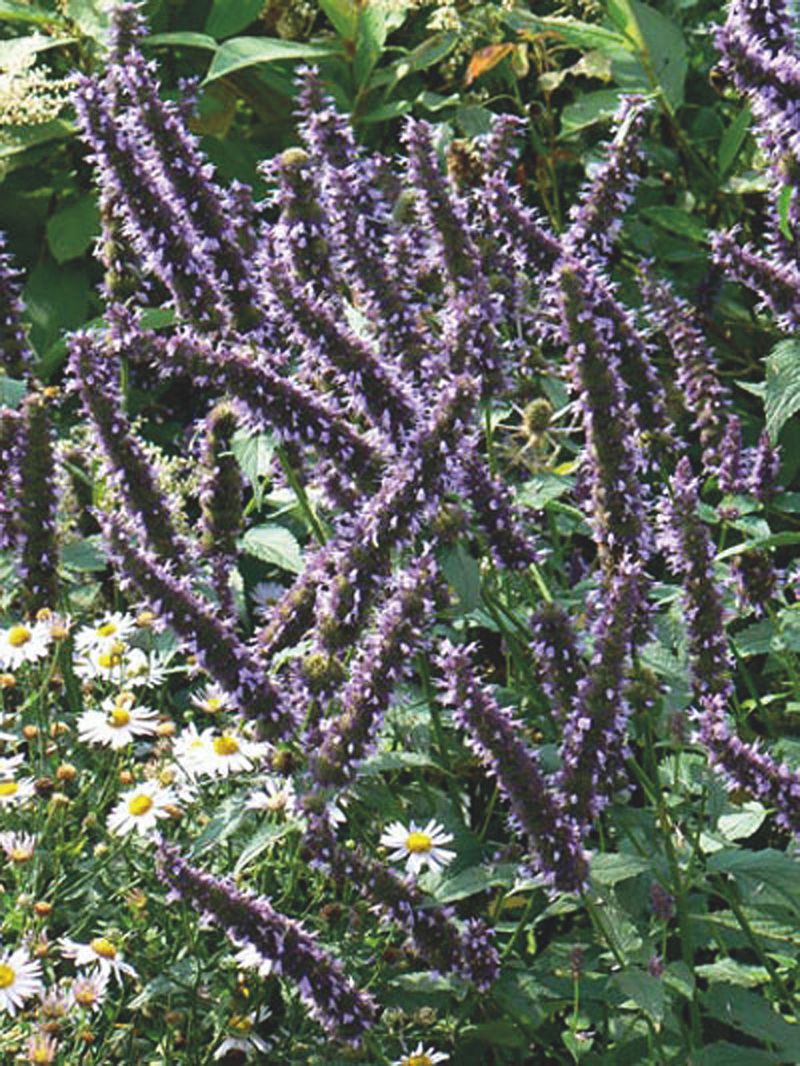
Drought-tolerant perennials rarely look this elegant, but Black Adder agastache combines water-wise practicality with stunning dark flower spikes that bloom for months.
The deep purple-black flower spikes emerge atop sturdy stems in early summer and continue opening fresh blooms through fall, creating a long season of color and pollinator activity.
Bees, butterflies, and hummingbirds visit constantly, drawn by the abundant nectar and the pleasant anise-mint fragrance that emanates from both flowers and foliage.
Full sun exposure brings out the best performance, and once established, this tough perennial handles Texas heat and drought conditions without complaint or constant watering.
Well-draining soil prevents root rot during occasional heavy rain periods, making raised beds or amended clay soils ideal planting locations for long-term success.
Cut back spent flower spikes to encourage additional blooming waves, or leave them standing through winter to provide seeds for hungry birds and architectural interest in dormant gardens.
The upright growth habit works beautifully in perennial borders, pollinator gardens, or mixed with ornamental grasses for a naturalistic meadow aesthetic.
Deer and rabbits typically avoid agastache due to the aromatic foliage, making this an excellent choice for gardens where wildlife browsing creates ongoing challenges with more palatable plant selections.
12. How To Design With Black Plants In Texas Gardens
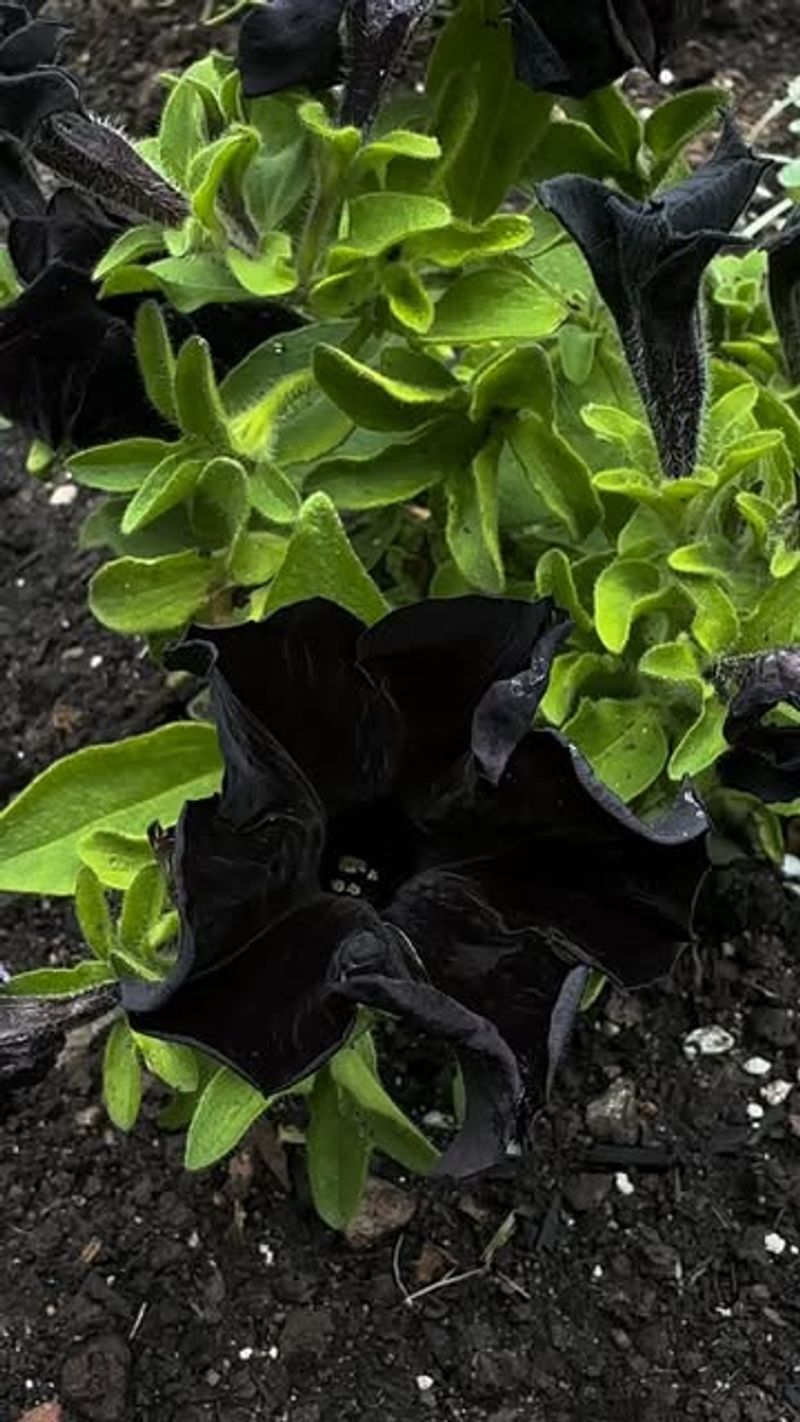
Designing with dark plants requires thoughtful planning to avoid creating spaces that feel heavy or visually overwhelming rather than dramatic and sophisticated.
Pair black foliage and flowers with lighter companions like silver artemisia, white flowering perennials, or bright chartreuse coleus to create contrast that makes both elements shine more brilliantly.
Light-colored hardscaping materials such as pale gravel, blonde flagstone, or white-painted fences provide perfect backdrops that allow dark plants to stand out dramatically without disappearing into shadows.
Consider lighting carefully, as black plants naturally absorb rather than reflect light, making them less visible in shaded areas or during evening hours without supplemental illumination.
Strategic placement near light sources or in areas receiving bright indirect light ensures your dramatic specimens remain visible and impactful throughout the day.
Avoid clustering too many dark plants together, which can create visual holes in the landscape where details disappear rather than creating the intended dramatic effect.
Instead, distribute them thoughtfully as focal points, accents, or repeating elements that guide the eye through the garden space in a deliberate, designed manner.
Balance remains key to successful dark plant design, creating gardens that feel intentional, sophisticated, and perfectly suited to Texas landscapes where bold choices and confident style thrive naturally.