13 Large Houseplants Perfect For Filling Empty Spaces In Florida Homes
Living in Florida means you have the perfect climate to grow stunning indoor plants that thrive in warmth and humidity year-round.
Empty corners and bare walls can make your home feel incomplete, but large houseplants offer an instant solution to that problem.
These green beauties not only fill space but also purify your air, boost your mood, and bring nature indoors effortlessly.
Discover which large houseplants work best for Florida homes and transform your living space into a tropical indoor paradise today.
1. Fiddle Leaf Fig

Fiddle Leaf Figs stand tall with dramatic violin-shaped leaves that command attention in any room you place them in your home.
Florida’s natural humidity works wonders for this plant, helping it grow lush and vibrant without requiring constant misting or special equipment.
Bright, indirect sunlight near east or west-facing windows keeps the leaves glossy and prevents them from dropping unexpectedly throughout the year.
Water this beauty when the top two inches of soil feel dry to your touch, usually once weekly during warmer months.
Rotate your Fiddle Leaf Fig every few weeks so all sides receive equal light exposure and grow evenly and symmetrically.
Wipe the large leaves gently with a damp cloth monthly to remove dust and help the plant breathe and photosynthesize better.
This statement plant can reach six to ten feet indoors, making it ideal for filling tall, empty corners in your living space.
Fertilize monthly during spring and summer using a balanced liquid fertilizer to encourage new leaf growth and maintain plant health overall.
2. Monstera Deliciosa
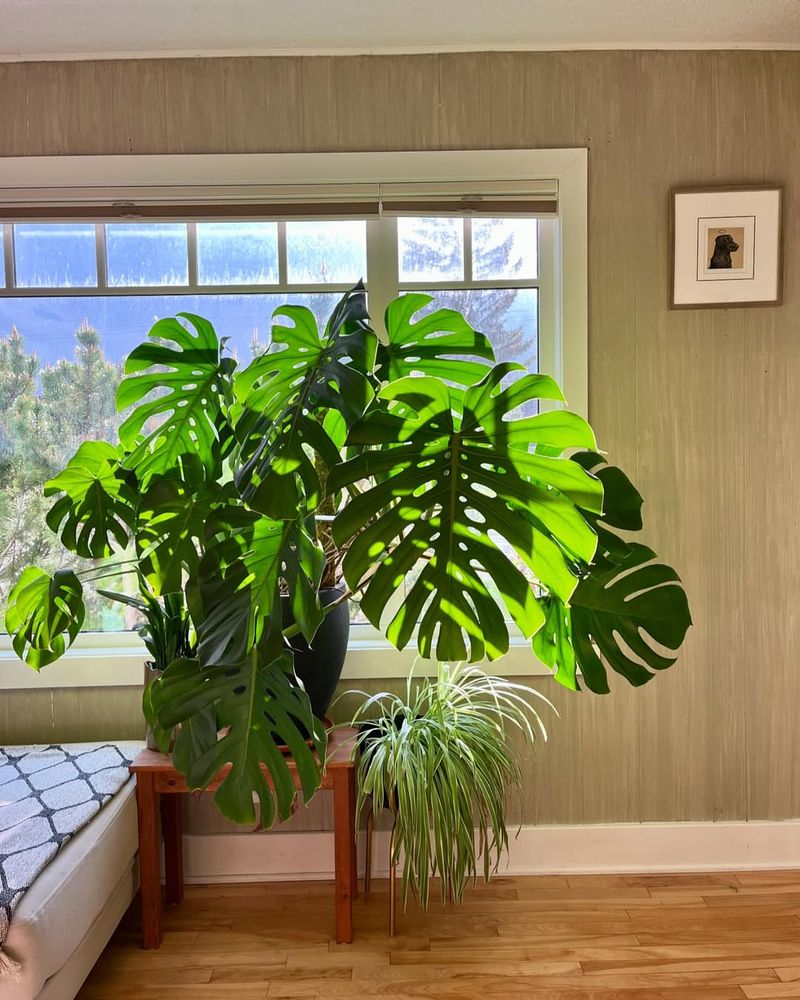
Known as the Swiss Cheese Plant, Monstera Deliciosa brings tropical vibes with its iconic split leaves and climbing growth habit naturally.
Florida homeowners love this plant because it tolerates the state’s humidity levels and adapts well to indoor conditions without much fuss.
Place your Monstera in medium to bright indirect light, avoiding harsh direct sun that can scorch those beautiful fenestrated leaves quickly.
Water thoroughly when the soil dries out about halfway down the pot, typically every one to two weeks depending on conditions.
Provide a moss pole or trellis for support as this climbing plant matures and grows taller, reaching up to eight feet.
Aerial roots develop naturally and can be tucked into soil or left hanging, adding to the plant’s wild, jungle-like appearance indoors.
Clean the leaves occasionally to keep them dust-free and allow maximum light absorption, which promotes healthy growth and vibrant green color.
Feed your Monstera with diluted fertilizer every month during growing season to support its impressive size and leaf development over time.
3. Bird of Paradise
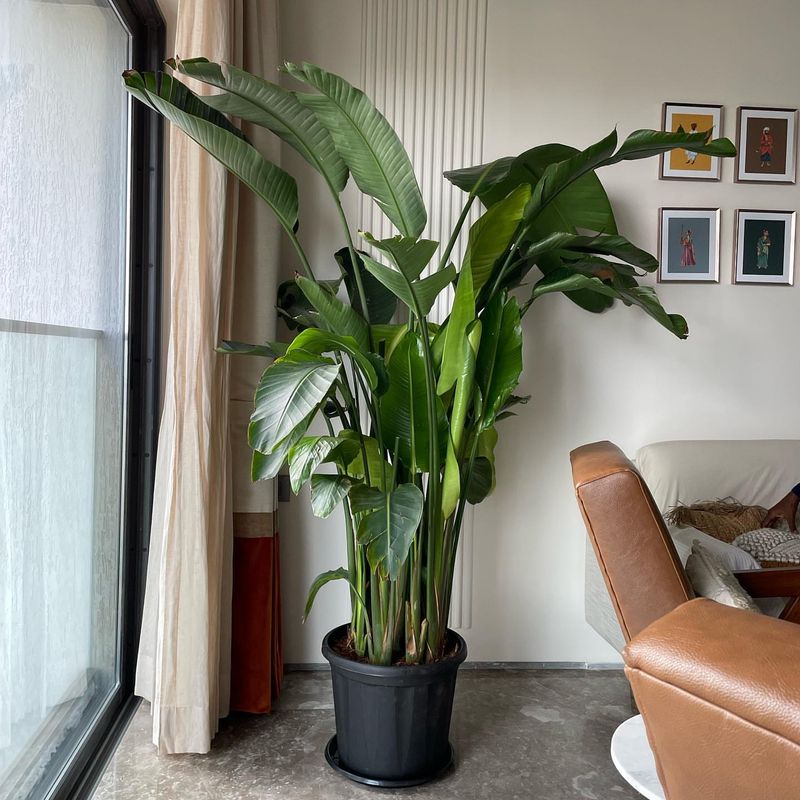
Bird of Paradise plants create instant drama with their enormous paddle-shaped leaves that stretch upward, resembling tropical banana foliage magnificently.
These plants absolutely thrive in Florida’s warm climate, making them low-maintenance choices for homeowners seeking bold, architectural greenery for interiors.
Bright, direct sunlight for several hours daily encourages the best growth and may even trigger blooming if conditions are absolutely perfect.
Water generously during warmer months, allowing the top inch of soil to dry between waterings to prevent root rot issues effectively.
Your Florida Garden Changes Every Week. Your Plan Should Too.
Gardening in Florida changes quickly throughout the season. Every Friday you’ll receive a simple weekly plan showing exactly what to plant, prune, fertilize, harvest, and protect so you never miss the right timing.
Expect your Bird of Paradise to grow five to six feet tall indoors, filling vertical space beautifully without overwhelming the room.
Occasionally brown leaf tips appear due to low humidity or inconsistent watering, so trim them carefully with clean scissors as needed.
Fertilize every two weeks during spring and summer with a balanced fertilizer to support vigorous growth and leaf production throughout seasons.
Repot every two years into slightly larger containers to accommodate the growing root system and ensure continued health and vitality.
4. Rubber Plant
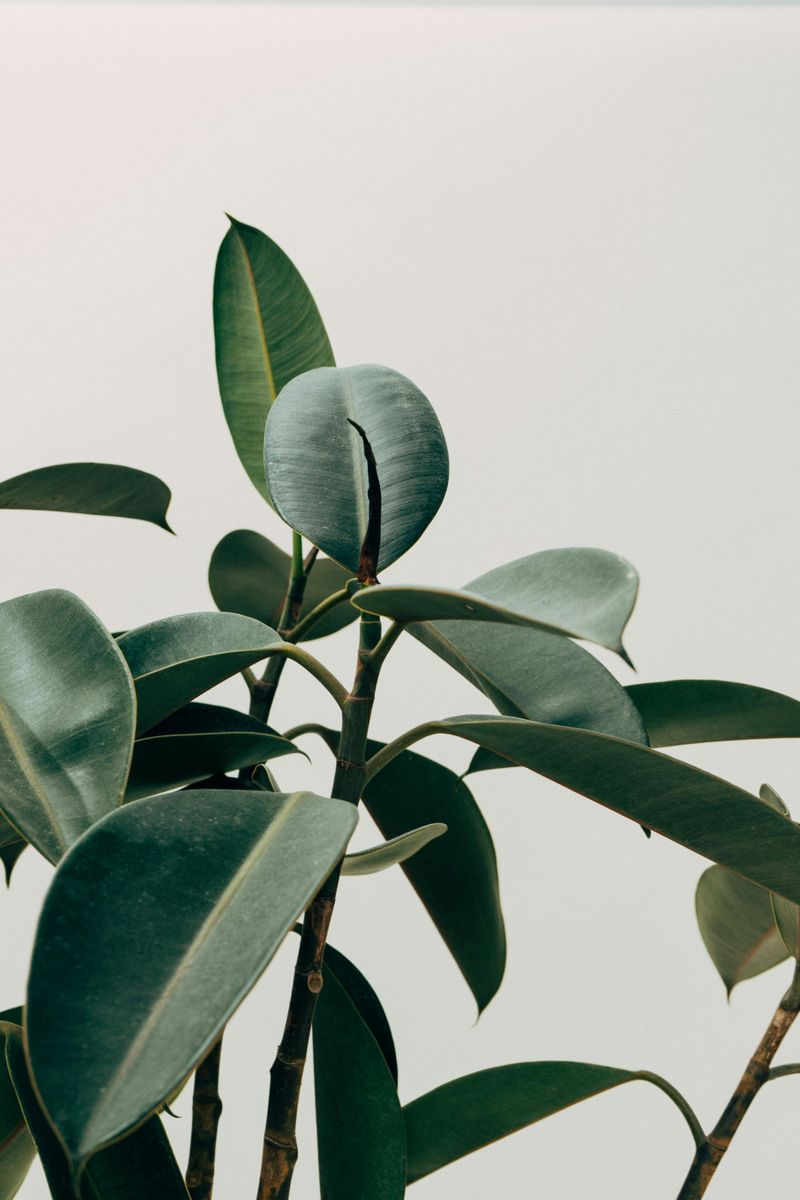
Rubber Plants offer shiny, thick leaves in deep green or burgundy shades that add sophistication and elegance to any Florida interior.
This hardy plant tolerates a range of light conditions but grows fastest and fullest in bright, indirect light near sunny windows.
Florida’s humidity suits Rubber Plants perfectly, though they adapt surprisingly well to drier indoor environments without showing stress or damage.
Water when the top inch of soil feels dry, usually every week or so, adjusting frequency based on your home’s temperature.
Rubber Plants can grow six to ten feet tall indoors, making them excellent choices for filling empty corners or framing doorways.
Prune occasionally to control height and encourage bushier growth, cutting just above a leaf node with clean, sharp pruning shears.
Wipe leaves regularly with a damp cloth to maintain their signature glossy appearance and remove dust that blocks light absorption.
Feed monthly during the growing season with diluted liquid fertilizer to promote strong stems and vibrant, healthy foliage year-round.
5. Dracaena Marginata
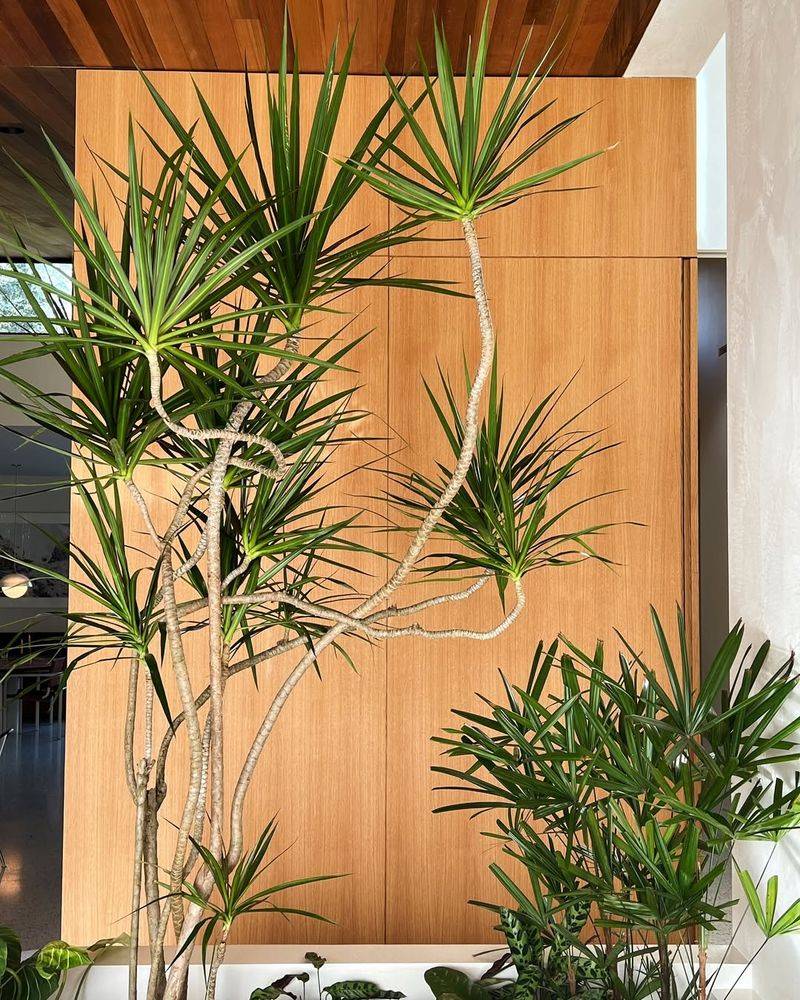
Dracaena Marginata, commonly called Dragon Tree, features slender stems topped with spiky, colorful foliage that adds vertical interest to spaces.
This plant grows slowly but steadily, eventually reaching six to eight feet tall, perfect for filling narrow corners or tight spaces.
Florida’s indoor conditions suit Dracaena Marginata well since it tolerates lower light levels better than many other large houseplant varieties available.
Water moderately, allowing soil to dry out between waterings, as this plant prefers slightly drier conditions over constantly moist soil.
Fluoride in tap water sometimes causes brown leaf tips, so use filtered or distilled water if you notice this issue.
Dracaena Marginata tolerates neglect better than overwatering, making it ideal for busy homeowners who travel frequently or forget watering schedules.
Bright, indirect light brings out the best leaf coloration, especially in variegated varieties with pink, red, or cream-colored edges.
Fertilize sparingly, just two or three times during the growing season, as too much fertilizer can cause leaf tip burn.
6. Parlor Palm
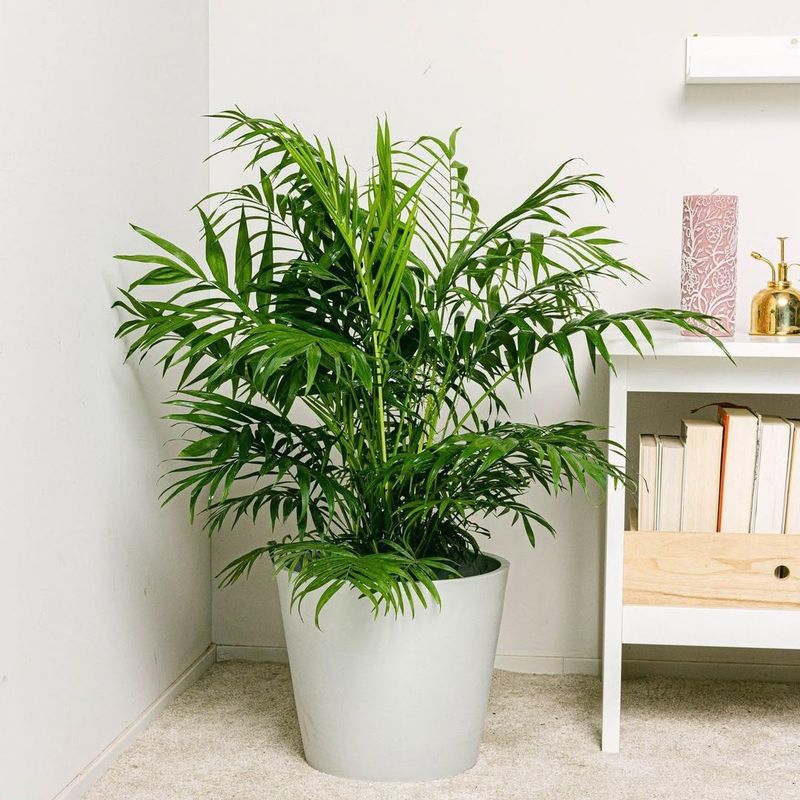
Parlor Palms bring delicate, feathery fronds that sway gently and create a soft, tropical atmosphere perfect for Florida’s relaxed lifestyle.
These palms adapt well to indoor conditions and tolerate lower light better than most palms, making them versatile for various rooms.
Florida’s natural humidity keeps Parlor Palms happy, though they still perform well in average household humidity without extra misting needed.
Water consistently to keep soil lightly moist but never soggy, as overly wet conditions lead to root problems and yellowing fronds.
Parlor Palms grow slowly, reaching four to six feet indoors over several years, providing gradual but steady space-filling growth patterns.
Place them in medium, indirect light away from harsh afternoon sun that can scorch the delicate leaves and cause browning.
Brown leaf tips may appear if the air becomes too dry, so consider placing a humidity tray underneath the pot.
Feed every two to three months during spring and summer with diluted palm fertilizer to maintain healthy green fronds and growth.
7. Yucca Cane
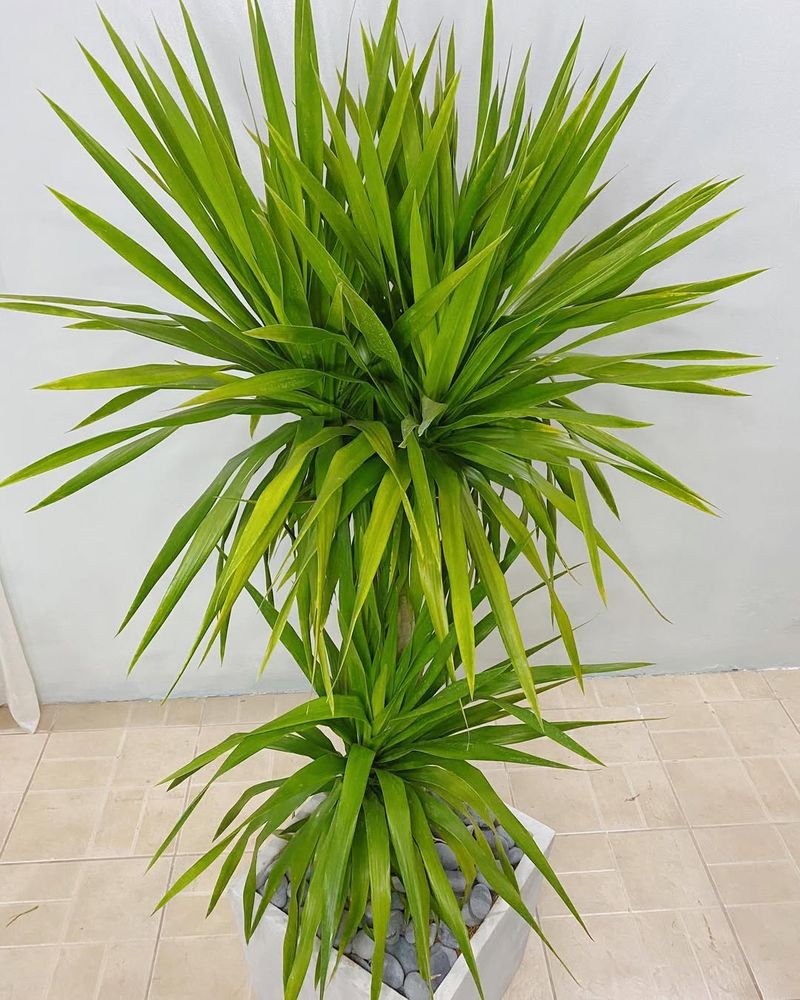
Yucca Cane plants feature striking sword-like leaves that radiate from thick, woody stems, creating bold architectural statements in any room.
These desert natives surprisingly adapt well to Florida homes, tolerating a range of humidity levels while maintaining their dramatic appearance effortlessly.
Bright, direct sunlight suits Yucca Cane best, so position it near south-facing windows where it receives several hours of sunshine daily.
Water sparingly, allowing soil to dry completely between waterings, as Yucca prefers drier conditions and suffers quickly from overwatering issues.
This low-maintenance plant can reach five to eight feet tall indoors, filling vertical space without demanding constant attention or care.
Yucca Cane tolerates neglect exceptionally well, making it perfect for beginners or anyone seeking hassle-free, large houseplants for their homes.
Rotate the plant occasionally to ensure even growth on all sides and prevent leaning toward the light source over time.
Fertilize once or twice yearly during spring and summer with a balanced, diluted fertilizer to support healthy growth and foliage.
8. Philodendron Selloum
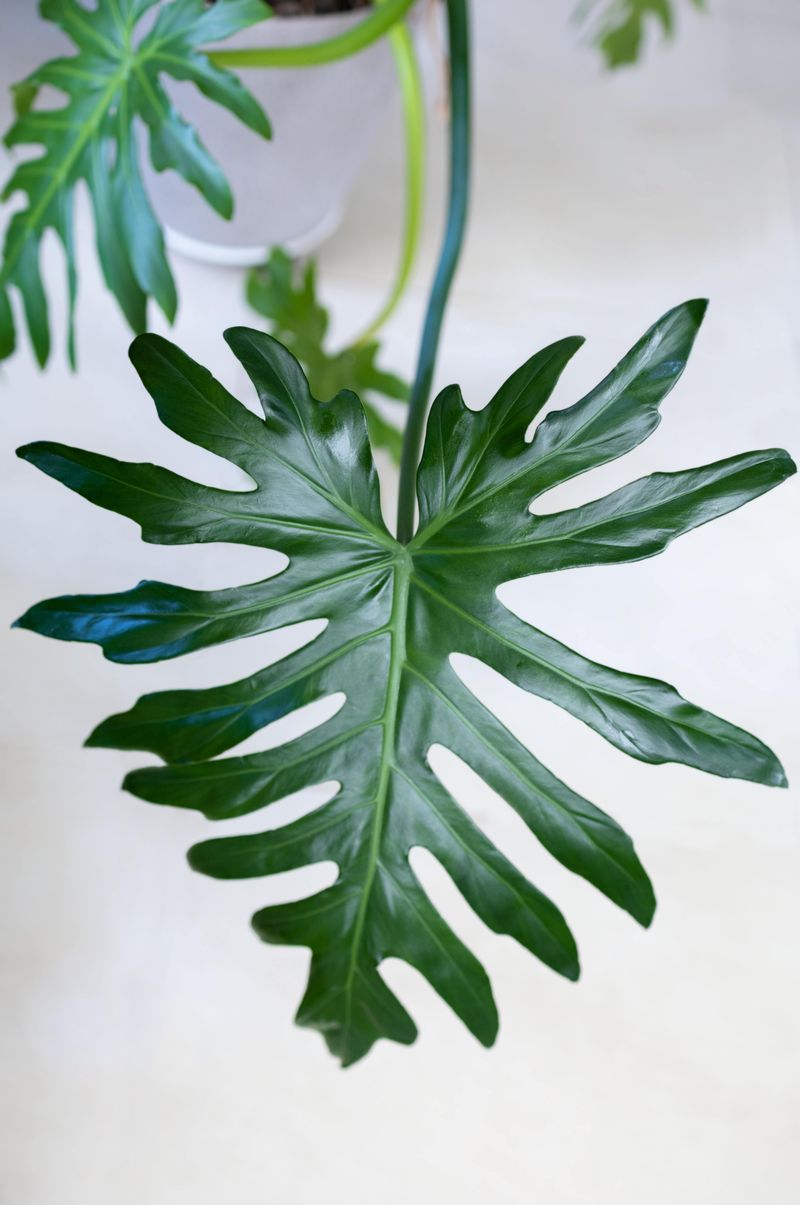
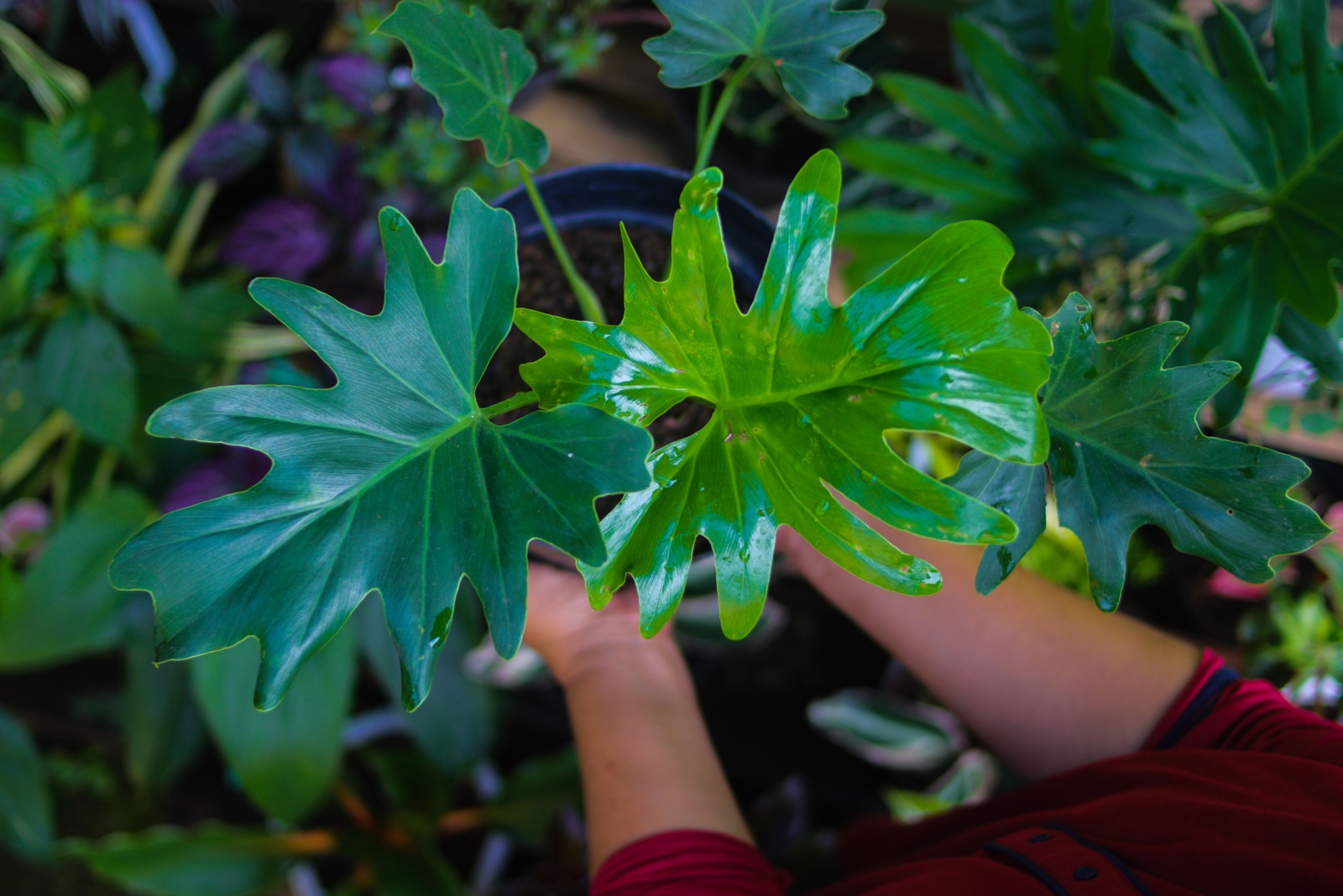
Philodendron Selloum showcases deeply lobed, glossy leaves that spread wide, creating a lush, tropical focal point in any living area.
Florida’s warm, humid climate mirrors this plant’s native Brazilian environment, helping it thrive with minimal effort from homeowners year-round.
Medium to bright indirect light works best, though this adaptable plant tolerates lower light conditions better than many large houseplants.
Water when the top two inches of soil dry out, usually weekly, adjusting based on your home’s temperature and humidity.
This sprawling beauty can reach four to five feet wide and tall, so give it plenty of space to spread comfortably.
Philodendron Selloum rarely needs pruning, but you can remove older, yellowing leaves at the base to maintain a tidy appearance.
Wipe the large, glossy leaves monthly with a damp cloth to keep them shiny and free from dust buildup that reduces photosynthesis.
Feed monthly during growing season with balanced liquid fertilizer to encourage robust growth and maintain those stunning, deeply cut leaves beautifully.
9. Areca Palm
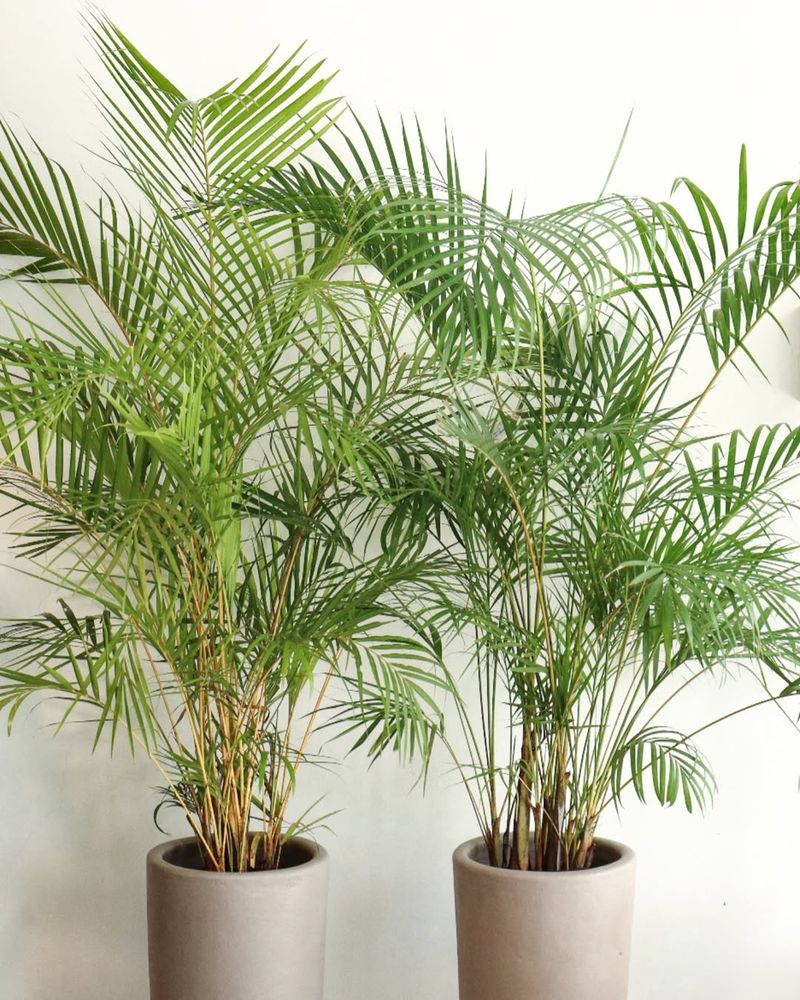
Areca Palms produce graceful, feathery fronds that arch elegantly, bringing a resort-like feel to Florida homes with their tropical appearance.
This clumping palm grows multiple stems from the base, creating a full, lush look that effectively fills empty corners or spaces.
Bright, indirect light near windows helps Areca Palms thrive, though they tolerate medium light conditions reasonably well without major issues.
Keep soil consistently moist but not waterlogged, watering two to three times weekly during warmer months to maintain healthy growth.
Florida’s humidity levels perfectly match this palm’s needs, reducing the chance of brown leaf tips that plague them in drier climates.
Areca Palms can reach six to seven feet tall indoors, providing substantial height and volume to transform empty spaces dramatically.
Yellow fronds occasionally appear at the base, which is normal aging; simply trim them away with clean scissors when needed.
Fertilize every two months during spring and summer with palm-specific fertilizer to support vigorous growth and vibrant green fronds continuously.
10. Snake Plant
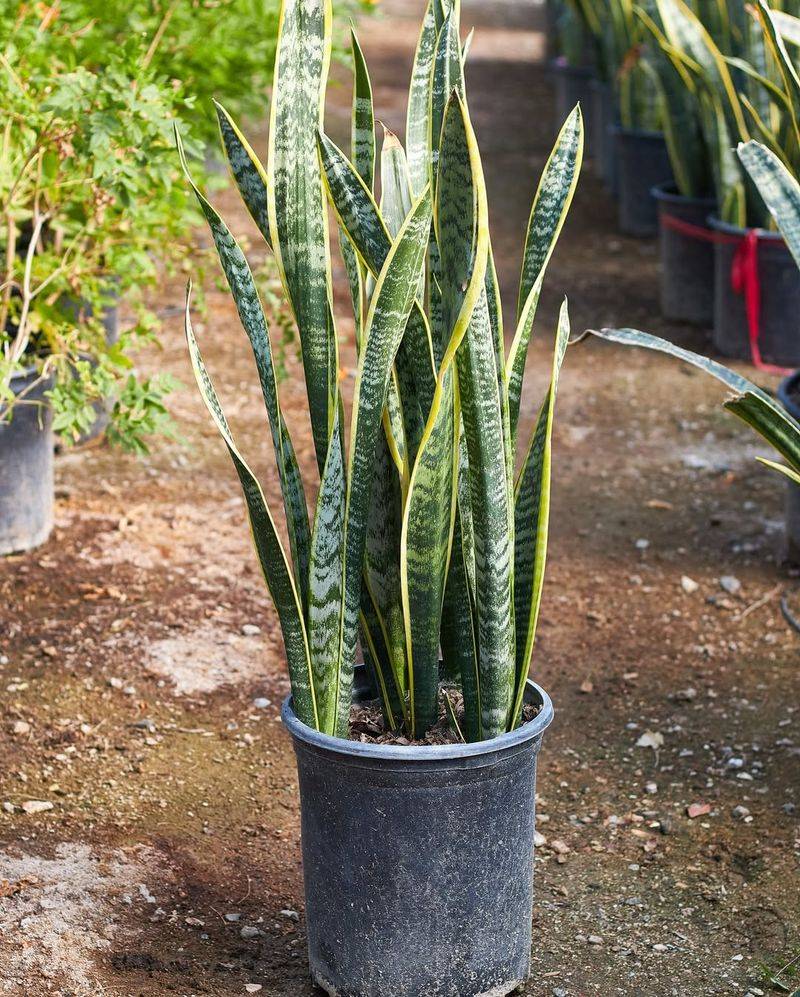
Snake Plants grow tall, sword-like leaves that stand rigidly upright, creating striking vertical lines that modernize any Florida interior space.
This incredibly tough plant tolerates low light, irregular watering, and neglect better than almost any other large houseplant available today.
Florida homeowners appreciate Snake Plants because they purify indoor air effectively, removing toxins while requiring virtually no maintenance or attention.
Water sparingly, only when soil dries completely, as Snake Plants store water in their thick leaves and suffer from overwatering quickly.
Varieties like Sansevieria Laurentii can reach four to five feet tall, making them ideal for filling corners without taking much floor space.
Bright, indirect light encourages faster growth, but Snake Plants adapt to almost any light condition, including dimly lit rooms or hallways.
Propagate easily by dividing the root ball or rooting leaf cuttings, allowing you to create multiple plants from one original specimen.
Fertilize once or twice yearly with diluted fertilizer, as Snake Plants grow slowly and need minimal nutrients to stay healthy long-term.
11. Corn Plant
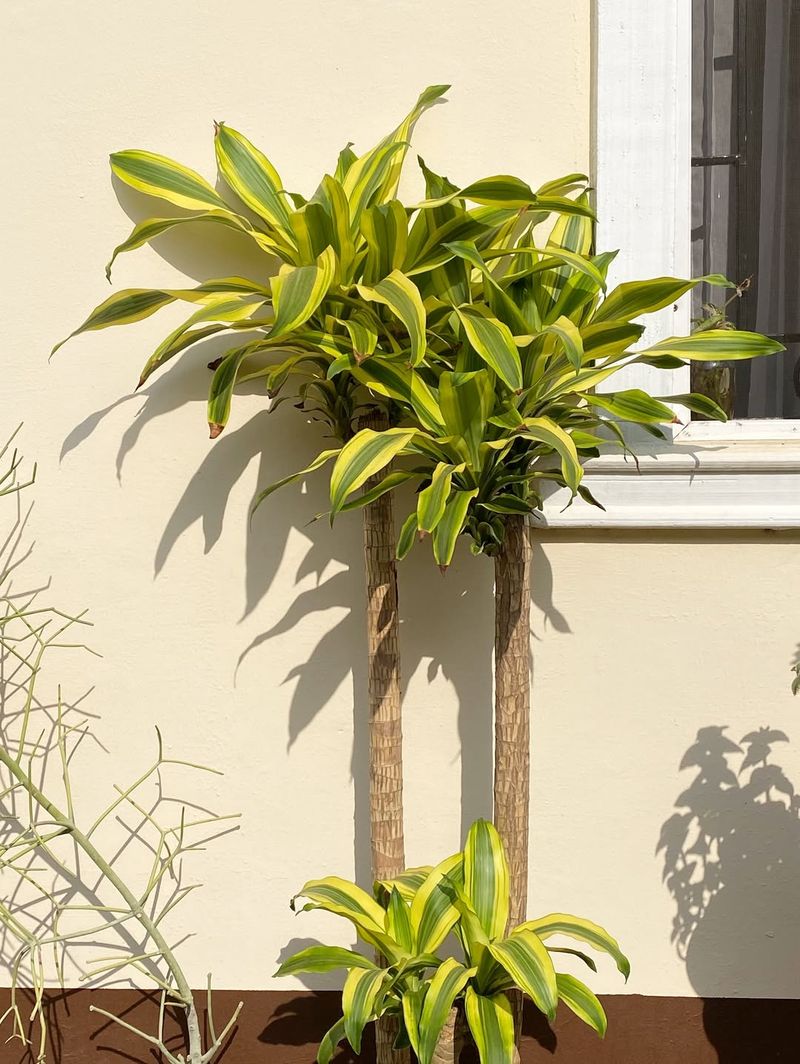
Corn Plants, scientifically known as Dracaena fragrans, feature long, arching leaves that resemble corn foliage, hence their common name today.
These plants grow tall on woody stems, reaching five to six feet indoors, perfect for adding height to empty spaces effortlessly.
Florida’s indoor conditions suit Corn Plants well since they tolerate lower light levels and adapt to various humidity levels without complaints.
Water when the top inch of soil dries out, usually weekly, being careful not to overwater as this causes root rot.
Corn Plants occasionally produce fragrant white flowers indoors, though this happens rarely and only under ideal growing conditions and maturity.
Variegated varieties with yellow or white stripes add extra visual interest and brighten darker corners more effectively than solid green types.
Brown leaf tips may develop from fluoride in tap water, so switch to filtered or distilled water if this becomes problematic.
Fertilize every two months during growing season with balanced liquid fertilizer to maintain healthy foliage and support steady growth rates.
12. ZZ Plant
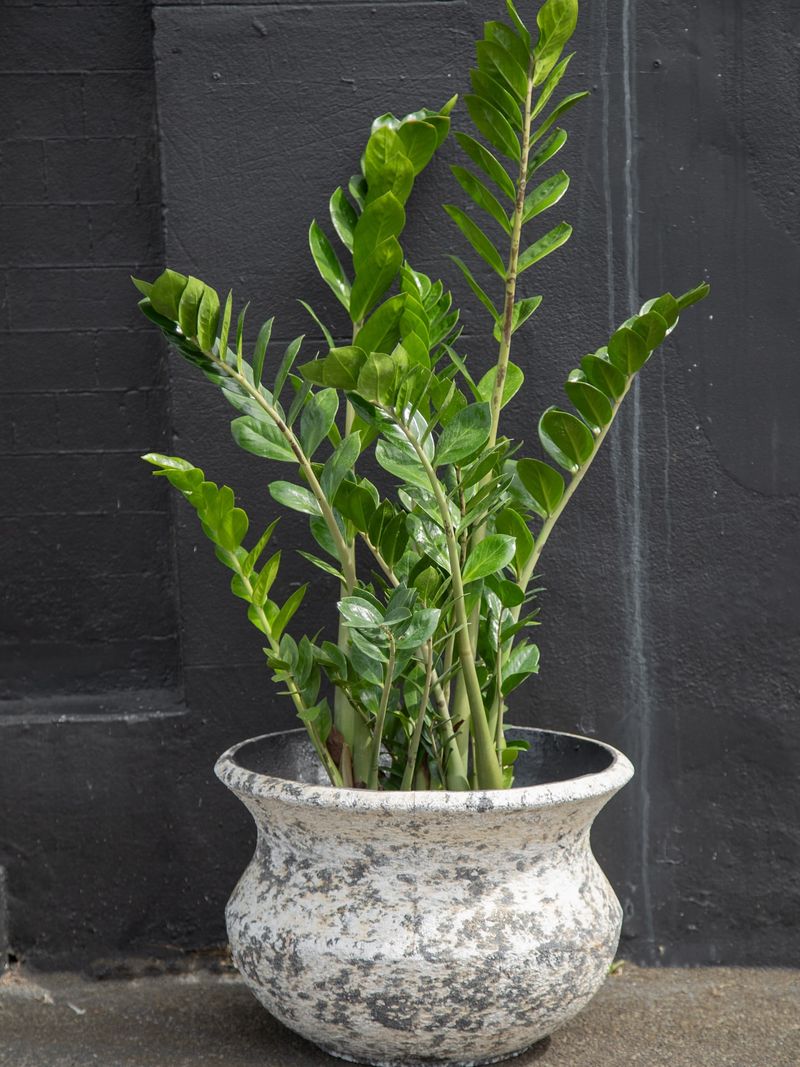
ZZ Plants boast thick, glossy leaves that grow on upright stems, creating a polished, modern look that complements contemporary Florida interiors.
This plant thrives on neglect, tolerating low light, infrequent watering, and poor conditions better than most houseplants you will encounter.
Florida homeowners love ZZ Plants because they require almost no maintenance while still making a bold statement in any room space.
Water only when soil dries completely, sometimes just once or twice monthly, as ZZ Plants store water in their rhizomes underground.
Larger varieties can reach three to four feet tall, providing substantial presence without demanding constant care or attention from busy owners.
ZZ Plants adapt to various light conditions, from low to bright indirect, making them incredibly versatile for different rooms and exposures.
Wipe leaves occasionally to maintain their signature shine and remove dust that accumulates on the smooth, waxy surface over time.
Fertilize sparingly, just two or three times during growing season, as ZZ Plants grow slowly and need minimal nutrients overall.
13. Kentia Palm
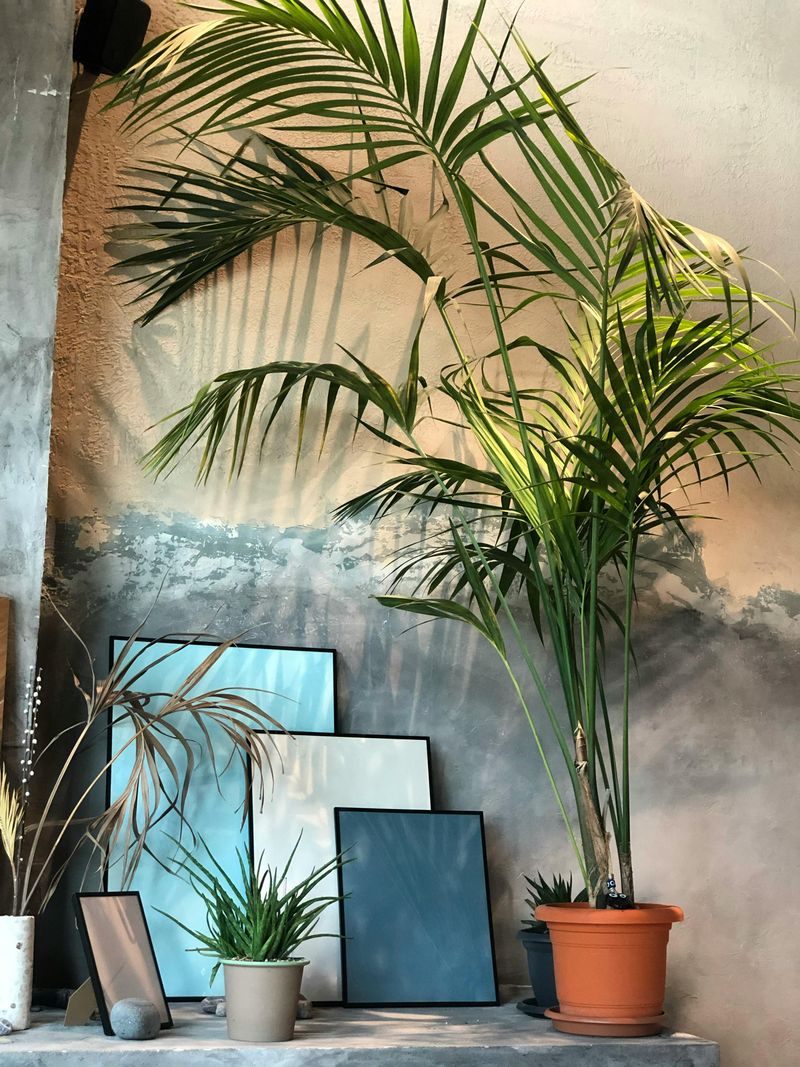
Kentia Palms display elegant, arching fronds that create a sophisticated, timeless look reminiscent of classic Victorian parlors and grand hotels.
This palm tolerates lower light conditions better than most palms, making it ideal for rooms without direct sunlight or bright windows.
Florida’s climate suits Kentia Palms beautifully, as they appreciate warmth and humidity but adapt well to average indoor conditions too.
Water when the top inch of soil dries, keeping soil lightly moist throughout the growing season to support healthy frond development.
Kentia Palms grow slowly but steadily, eventually reaching six to ten feet indoors, providing impressive height without rapid, uncontrollable growth.
These palms tolerate some neglect and irregular watering better than other palm varieties, making them forgiving for less experienced plant owners.
Brown leaf tips may appear if humidity drops too low, so mist occasionally or place a humidity tray beneath the pot.
Fertilize every three months during spring and summer with palm-specific fertilizer to maintain vibrant green fronds and steady growth patterns.