10 Sculptural Plants That Give Texas Gardens Strong Structure
Strong structure in Texas gardens often comes from plants that hold their shape and presence no matter the season or heat.
Sculptural plants act like living anchors, giving landscapes a sense of balance and intention even when flowers are not in bloom.
In Texas conditions, these bold forms do more than look good, as they also handle sun, wind, and dry spells with impressive resilience.
Once added, they instantly make gardens feel more designed, grounded, and visually confident from every angle.
1. Century Plant (Agave americana)
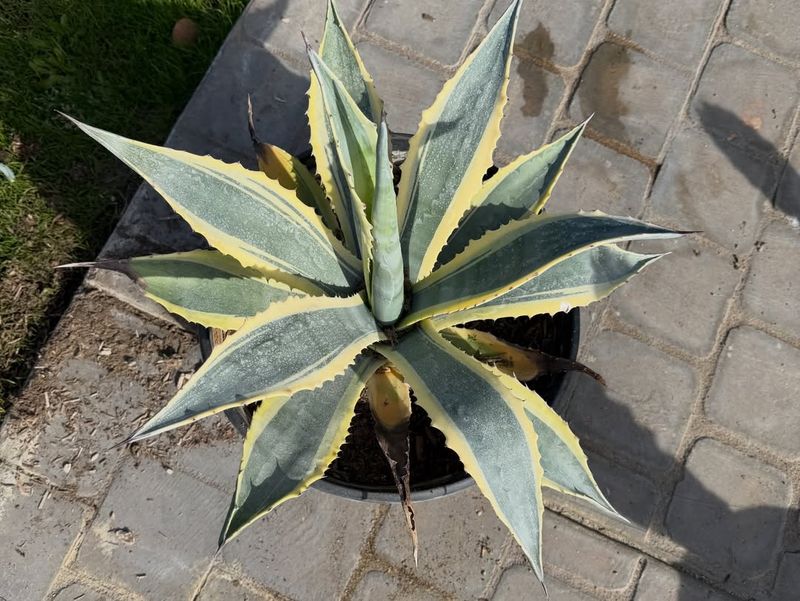
Bold rosettes of thick, blue-gray leaves make this agave an instant focal point that commands attention in any Texas landscape setting.
Spines along leaf edges and a sharp terminal spine create dramatic shadows and architectural interest throughout the day.
This southwestern native tolerates drought, poor soil, and neglect better than most ornamentals while maintaining its striking appearance.
Gardeners across Texas appreciate how it anchors planting beds and provides year-round structure without requiring constant watering or fertilizing.
Mature specimens can reach five feet tall and wide, creating impressive statements in xeriscapes, rock gardens, or modern designs.
The plant earned its common name because it takes many years to bloom, though it typically flowers after fifteen to twenty-five years.
Pups form around the base, allowing you to propagate new plants and expand your collection or share with fellow gardening enthusiasts.
Its massive scale and sculptural form bring a desert aesthetic that feels perfectly suited to the Texas climate and landscape style.
2. Red Yucca (Hesperaloe parviflora)
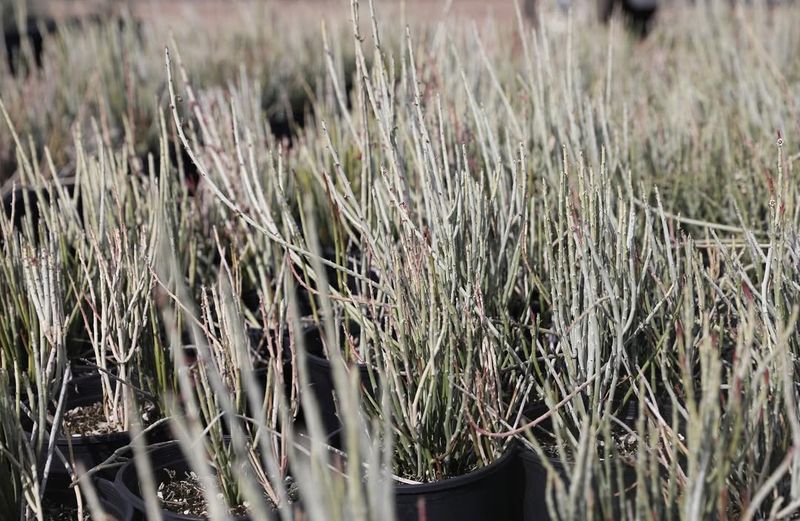
Graceful clumps of narrow, arching leaves create fountain-like shapes that soften hardscapes while adding textural contrast to garden beds throughout Texas.
Coral-pink flower spikes rise three to five feet above the foliage from spring through fall, attracting hummingbirds and adding vertical drama.
Despite its common name, this plant belongs to the Hesperaloe genus rather than true yuccas, though its form remains equally sculptural.
Minimal water requirements make it ideal for water-wise landscapes, and it thrives in full sun without wilting during brutal summer heat.
The evergreen foliage maintains its blue-green color year-round, ensuring your Texas garden looks attractive even during winter months when annuals fade.
Deer typically avoid browsing on this tough plant, making it valuable in areas where wildlife pressure challenges other ornamental choices.
Clumps expand slowly, filling spaces without becoming invasive or requiring frequent division to keep them looking neat and well-proportioned.
Its low maintenance needs and reliable performance make it a favorite among both novice gardeners and experienced landscape designers.
3. Sotol (Dasylirion wheeleri)
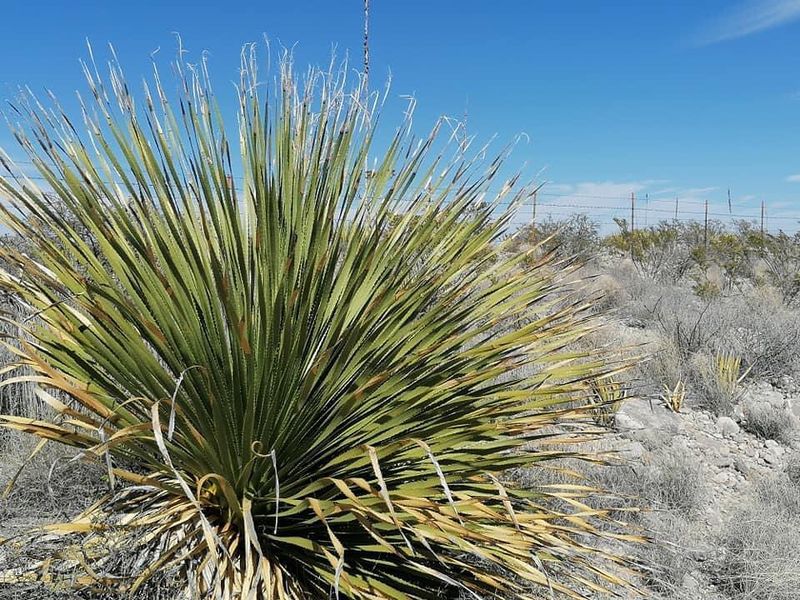
Hundreds of narrow, saw-toothed leaves radiate from a central point, forming perfect spheres that look almost artificial in their geometric precision.
This desert native brings bold texture and architectural form to Texas gardens, working beautifully as a specimen plant or in grouped arrangements.
Mature plants develop thick trunks over time, adding even more character and height while maintaining their distinctive spherical leaf crown.
Extreme drought tolerance means you can plant sotol in the driest parts of your yard where other ornamentals would struggle or fail.
Your Texas Garden Changes Every Week. Your Plan Should Too.
Gardening in Texas changes quickly throughout the season. Every Friday you’ll receive a simple weekly plan showing exactly what to plant, prune, fertilize, harvest, and protect so you never miss the right timing.
The plant thrives in rocky, well-drained soils common throughout Texas, making it perfect for challenging sites with poor fertility or limited moisture.
Tall flower stalks emerge in summer, reaching ten to fifteen feet and creating dramatic vertical accents that contrast with the rounded foliage.
Its spiky appearance deters foot traffic, making it useful for defining boundaries or creating natural barriers in landscape designs without installing fencing.
Sotol requires virtually no maintenance once established, simply needing occasional removal of dead lower leaves to keep it looking tidy and attractive.
4. Giant Hesperaloe (Hesperaloe funifera)
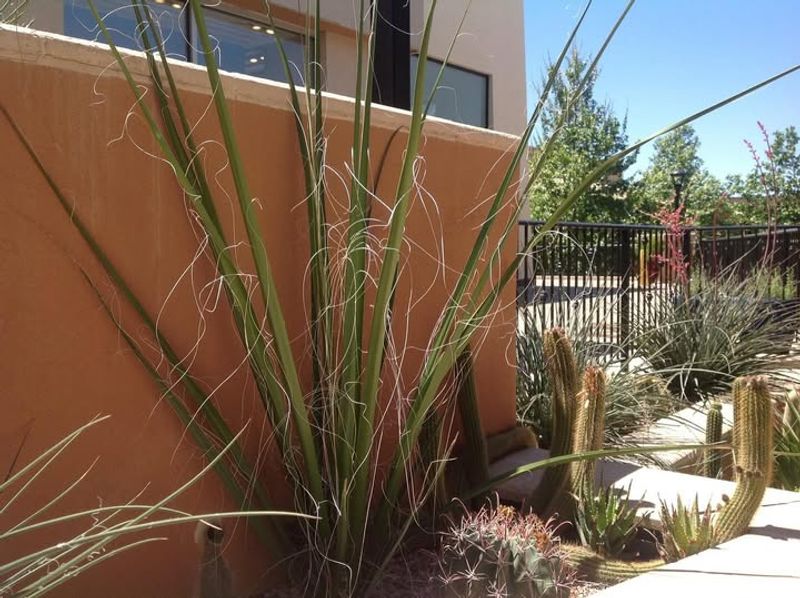
Massive clumps of rigid, sword-shaped leaves grow upright rather than arching, creating bold vertical elements that anchor large-scale Texas landscape designs.
This species grows much larger than its cousin red yucca, with leaves reaching four feet long and forming impressive specimens.
Creamy white flowers appear on towering stalks that can reach twelve feet tall, making dramatic statements visible from considerable distances.
The plant works exceptionally well in commercial landscapes, public gardens, or spacious residential yards where its size can be fully appreciated.
Its coarse texture contrasts beautifully with fine-textured grasses and softer perennials, creating dynamic compositions that hold visual interest year-round in Texas.
Fibrous leaf edges add subtle detail without the sharp spines found on agaves, making it safer near walkways or gathering spaces.
Established plants tolerate extended drought periods, making them ideal for low-water landscapes or areas where irrigation systems cannot reach easily.
The architectural form remains attractive throughout all seasons, providing structure even when flowering finishes and other garden plants enter dormancy periods.
5. Prickly Pear Cactus (Opuntia species)
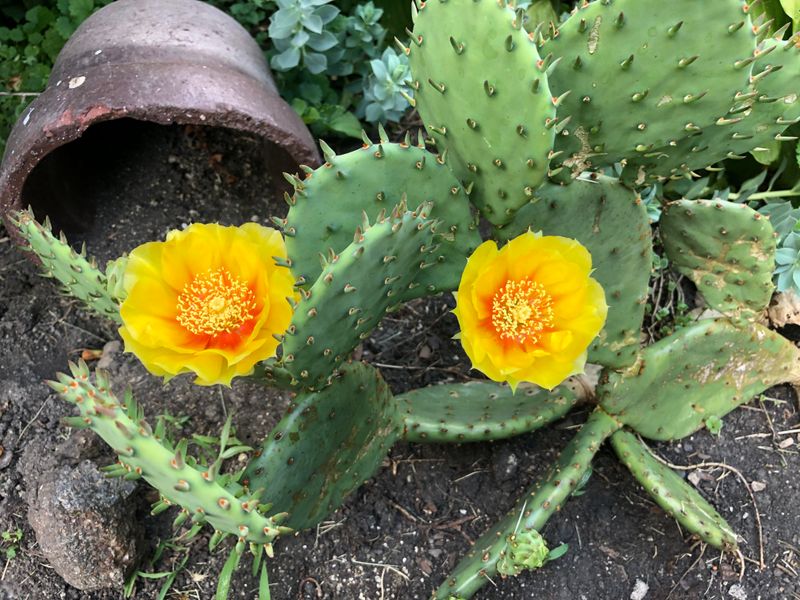
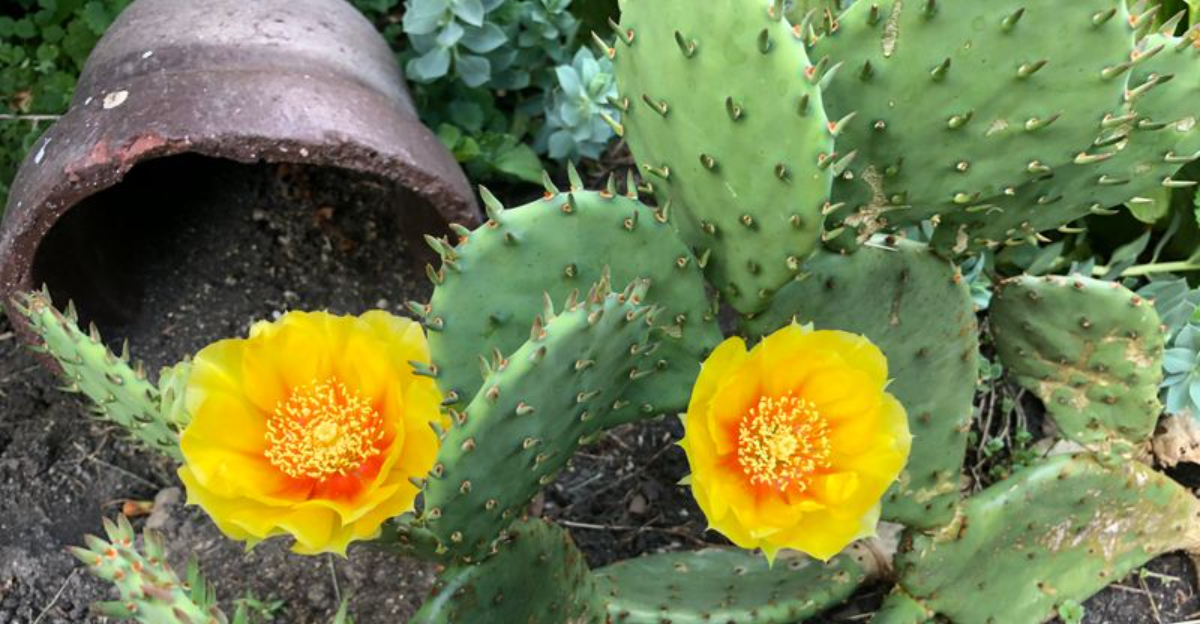
Flat, paddle-shaped pads stack in irregular patterns, creating organic sculptures that change shape as new growth emerges each season across Texas.
Bright yellow, orange, or pink flowers appear in spring, followed by colorful fruits that attract wildlife and add seasonal interest.
Multiple species grow naturally throughout Texas, each offering slightly different pad shapes, sizes, and growth habits to suit various design needs.
This iconic southwestern plant brings instant regional character to landscapes, connecting gardens to the native flora and cultural heritage of the area.
Spines and glochids provide natural protection, making prickly pear useful for creating barriers or discouraging unwanted traffic in specific garden zones.
Extreme heat and drought tolerance mean it thrives in locations where most other plants would require supplemental irrigation or soil amendments.
The sculptural pads create interesting shadows and silhouettes, especially when backlit by morning or evening sun, adding another dimension to landscape design.
Propagation occurs easily from pad cuttings, allowing you to expand plantings or share this distinctive Texas native with friends and neighbors.
6. Mexican Grass Tree (Dasylirion longissimum)
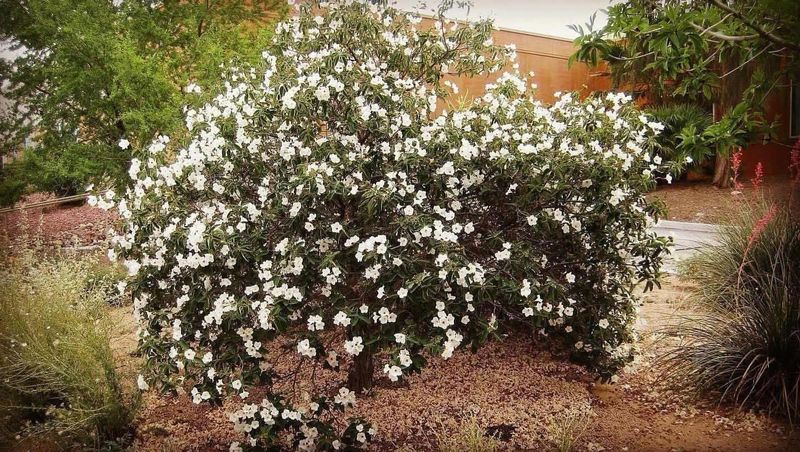
Long, slender leaves flow from the center like a fountain of green ribbons, creating movement and softness despite the plant’s structural presence.
Unlike its spiky sotol relatives, this species has smooth leaf margins that make it safer for planting near patios or areas with foot traffic.
The graceful, flowing form contrasts beautifully with rigid architectural plants, providing textural variety that enhances overall landscape composition throughout Texas.
Mature specimens develop short trunks that elevate the leaf crown, adding height and creating even more dramatic fountain-like effects in gardens.
This Mexican native adapts easily to Texas conditions, handling heat, drought, and alkaline soils without showing stress or requiring special care.
The plant works beautifully in contemporary landscapes, complementing clean lines and modern hardscapes while adding organic softness to balance geometric elements.
Tall flower spikes appear occasionally, rising high above the foliage and adding vertical drama during the blooming season in summer months.
Its unique combination of structural form and graceful movement makes it a standout choice for creating focal points or anchoring mixed plantings.
7. Beaked Yucca (Yucca rostrata)
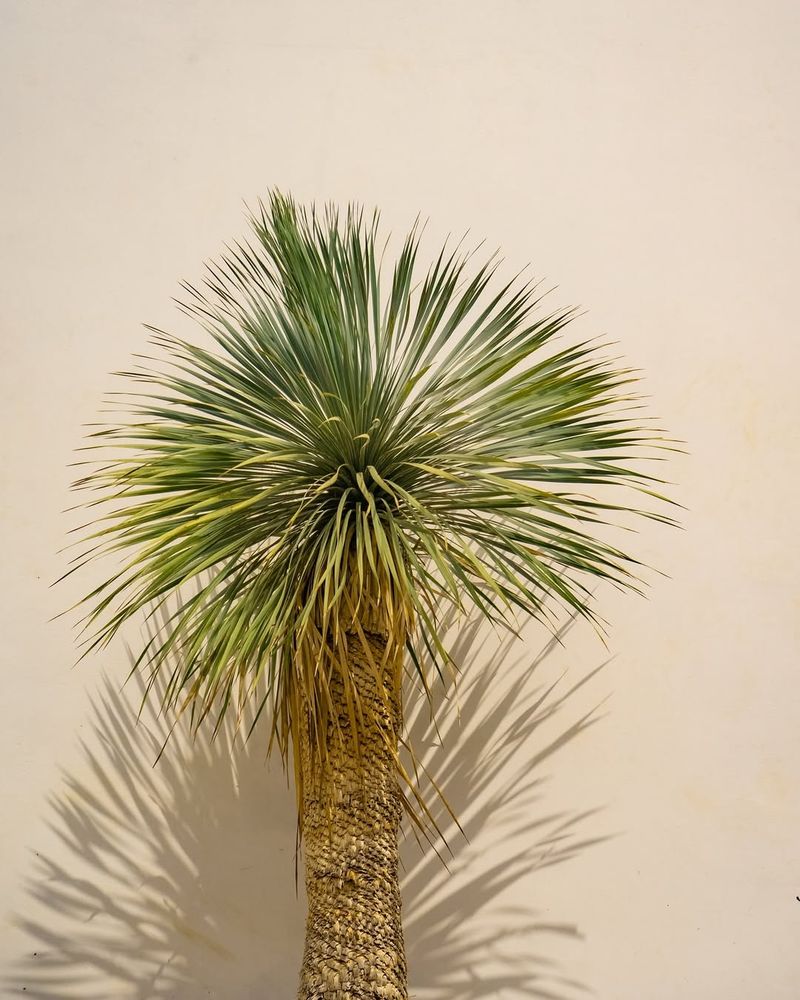
Perfectly symmetrical crowns of narrow, blue-gray leaves top sturdy trunks, creating living sculptures that look almost too perfect to be real.
This slow-growing yucca develops impressive trunks over time, with some mature specimens reaching eight to twelve feet tall in Texas landscapes.
The cool blue foliage color provides striking contrast against green plants and warm-toned hardscapes, making it a favorite among contemporary designers.
Native to northern Mexico and far west Texas, it handles extreme heat, cold, and drought with remarkable resilience and minimal maintenance.
Multiple trunks sometimes develop, creating even more dramatic multi-headed specimens that serve as extraordinary focal points in minimalist or desert-themed gardens.
The rigid, sword-like leaves radiate from the center in perfect spirals, creating mathematical beauty that appeals to those who appreciate geometric patterns.
White flower clusters appear on tall stalks in spring, adding seasonal interest while maintaining the plant’s overall architectural character throughout the year.
Its refined appearance and manageable size make beaked yucca suitable for smaller Texas gardens where other tree-form yuccas might overwhelm the space.
8. Spineless Prickly Pear (Opuntia ellisiana)
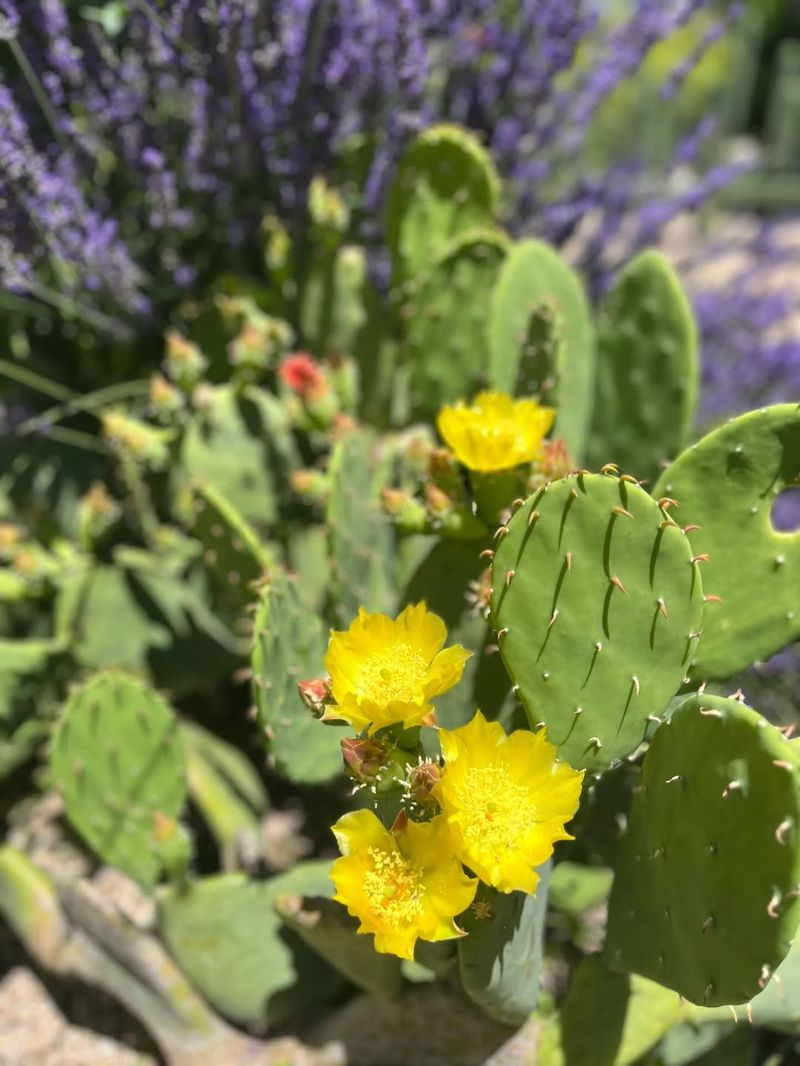
Smooth pads without the dangerous spines of typical prickly pears make this sculptural cactus safe for gardens where children and pets play.
The distinctive paddle shapes still provide the bold architectural form associated with opuntias, just without the hazardous needles that limit placement options.
Bright yellow flowers appear in spring, creating cheerful displays that contrast beautifully with the blue-green pads throughout Texas landscapes.
This variety grows naturally in parts of Texas, meaning it adapts perfectly to local soil conditions, rainfall patterns, and temperature extremes.
Irregular stacking of pads creates organic sculptures that change continuously as the plant grows, offering evolving visual interest across seasons and years.
Purple-red fruits develop after flowering, adding another layer of color and attracting birds who feast on the sweet, edible pads.
The spineless nature makes harvesting these fruits safer for gardeners interested in making jams, jellies, or other culinary creations from their landscape.
Its combination of sculptural beauty and family-friendly features makes this cactus an excellent choice for modern Texas gardens seeking distinctive character without safety concerns.
9. Ponytail Palm (Beaucarnea recurvata)
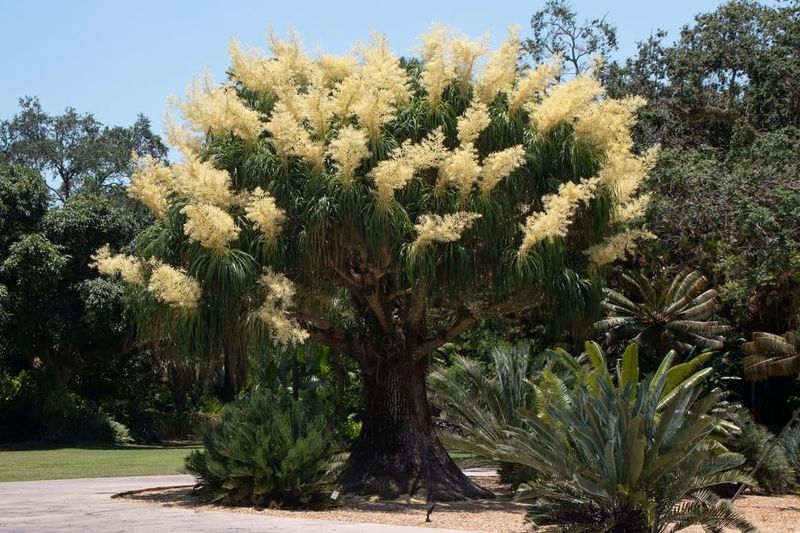
Swollen trunk bases store water, creating bulbous forms topped with cascades of long, narrow leaves that fountain downward like flowing hair.
Despite its common name, this plant is actually a succulent rather than a true palm, though its tropical appearance adds exotic flair.
The distinctive trunk shape provides sculptural interest even when plants are young, with the bulbous base becoming more pronounced with age.
Ponytail palms adapt well to Texas heat and drought once established, though they appreciate protection from extreme cold in northern regions.
Container culture works beautifully, allowing gardeners to move plants to sheltered locations during occasional freezes or showcase them on patios during summer.
The plant grows slowly, making it suitable for spaces where rapid growth might create maintenance challenges or overwhelm carefully planned landscape compositions.
Curling leaf tips and graceful arching foliage add movement and softness while the solid trunk provides strong structural presence year-round in gardens.
Its unique form makes it instantly recognizable and conversation-worthy, serving as a distinctive accent that sets your Texas landscape apart from typical plantings.
10. Ocotillo (Fouquieria splendens)
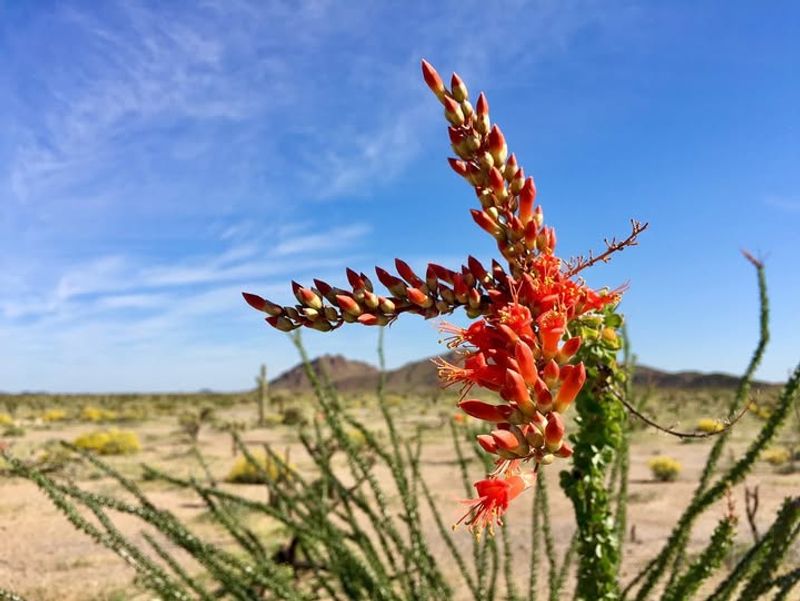
Tall, spiny stems rise from the base like a bundle of walking sticks, creating vertical drama and unique silhouettes in Texas gardens.
The plant appears dead much of the year, with bare gray stems that suddenly sprout small leaves after rains, creating magical transformations.
Brilliant red tubular flowers cluster at stem tips in spring, attracting hummingbirds and adding intense color to the sculptural framework below.
This desert native thrives in far west Texas and adapts to cultivation in other regions with excellent drainage and minimal supplemental watering.
The bare stems create striking winter interest, proving that plants need not have foliage year-round to provide strong structural presence in landscapes.
Ocotillo works beautifully as a living fence or screen, with the spiny stems discouraging intrusion while allowing air circulation and filtered views.
Its deciduous nature teaches gardeners to appreciate seasonal changes rather than expecting constant green foliage from every plant in the landscape design.
The dramatic form and minimal maintenance requirements make ocotillo perfect for those seeking truly distinctive sculptural elements that celebrate Texas native flora.