The Right Way To Prune Fig Trees For Better Harvests In Florida
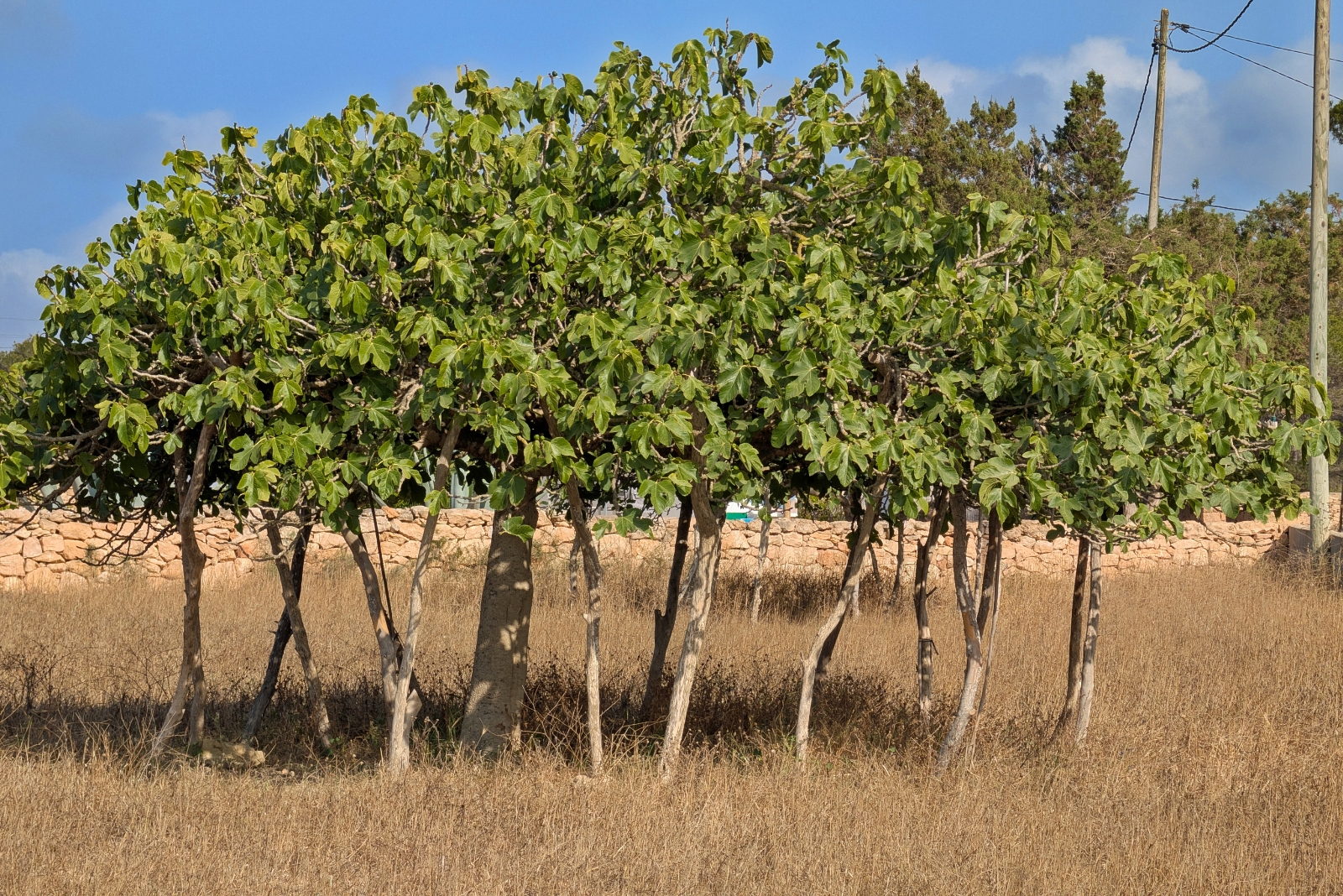
Pruning fig trees the right way makes a noticeable difference in how well they grow and how much fruit they produce in Florida conditions.
Timing and technique matter, especially in warm climates where growth can get unruly fast.
A thoughtful approach helps direct energy into healthy branches instead of excess growth that limits fruiting.
When done correctly, pruning sets fig trees up for stronger structure and more reliable harvests season after season.
1. Choose the Best Time to Prune Your Fig Tree
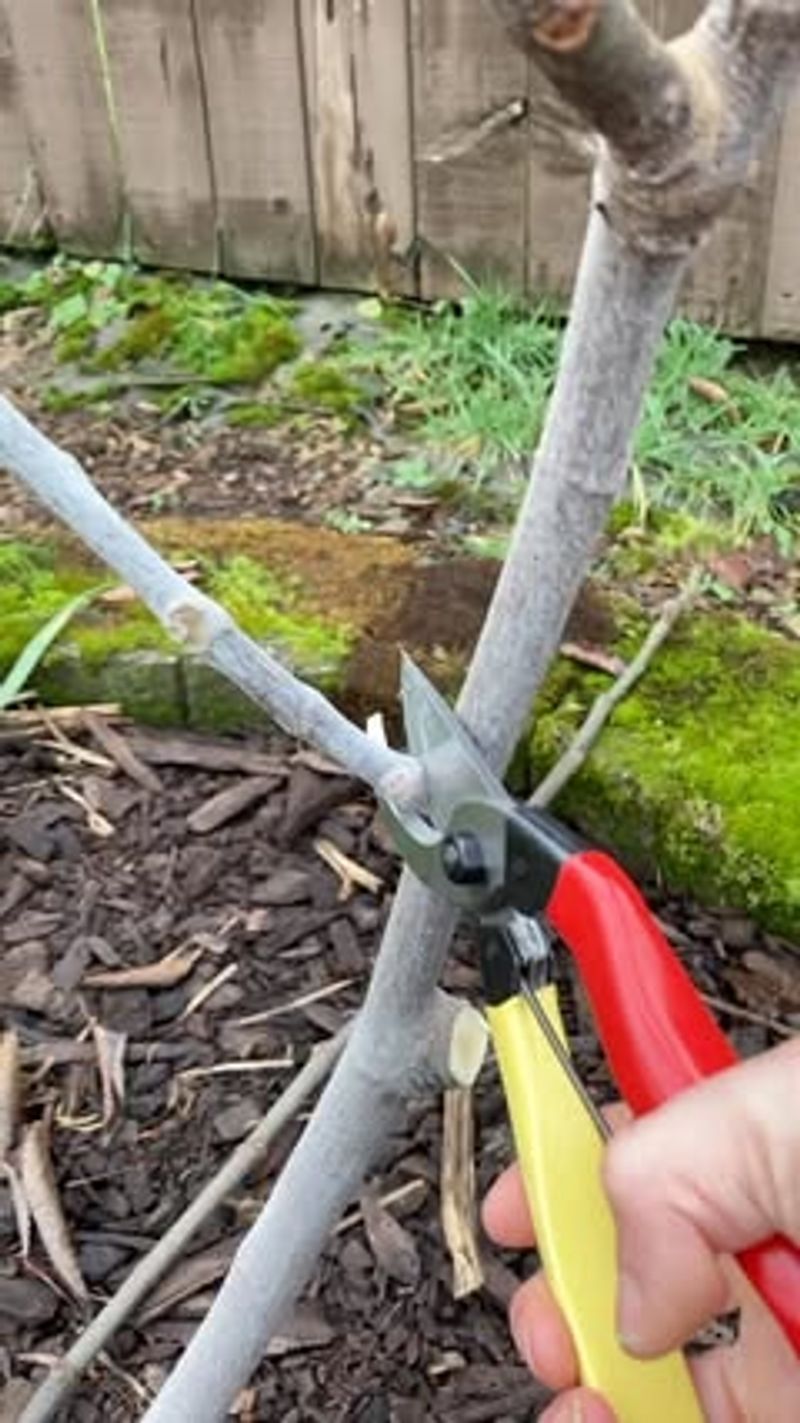
Timing matters more than most people realize when it comes to trimming back branches on your fig tree successfully in Florida.
Late winter serves as the perfect season because the tree remains dormant and won’t lose precious energy through fresh cuts made.
Pruning during this period allows wounds to heal quickly before spring growth begins pushing through all the branches you left behind.
Avoid cutting during active growing months because sap will leak heavily and stress the tree beyond what it can handle properly.
Florida gardeners should aim for January or February when temperatures stay cool but frost danger has mostly passed through the region.
Waiting until after the last frost protects new growth from damage that could set back your harvest by several frustrating weeks.
Checking your local weather forecast helps you pick the ideal day when conditions support healthy recovery for your tree moving forward.
Early morning pruning works best because the tree has maximum moisture levels and cuts seal faster than afternoon sessions in Florida.
2. Gather the Right Tools Before You Start
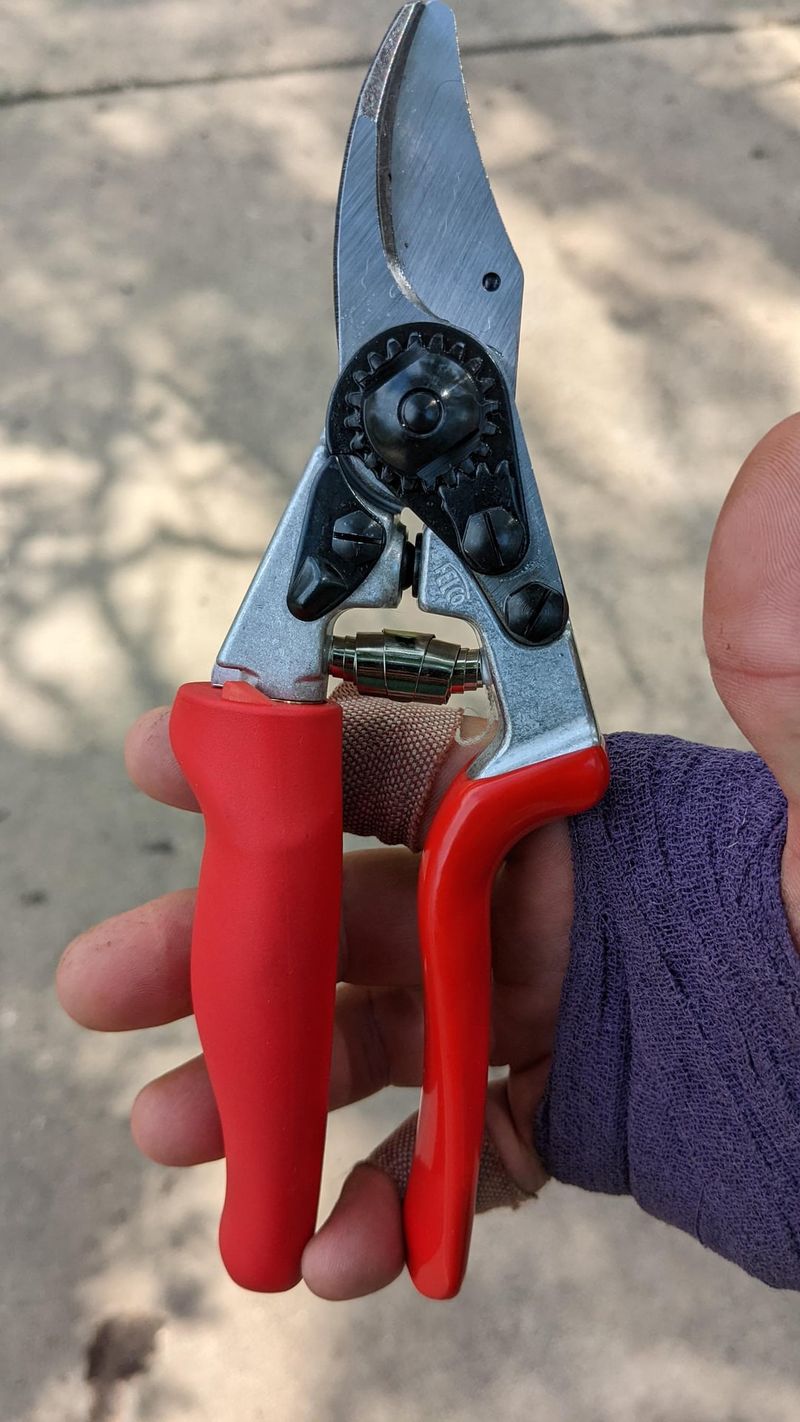
Sharp pruning shears make all the difference when you want clean cuts that heal quickly without tearing delicate bark tissue unnecessarily.
Loppers come in handy for thicker branches that regular shears cannot slice through smoothly no matter how hard you squeeze them.
A small hand saw becomes essential when dealing with older wood that has grown too thick for standard cutting tools available.
Wearing sturdy gloves protects your hands from rough bark and sticky sap that fig trees produce throughout the pruning process in Florida.
Disinfecting your tools between cuts prevents spreading disease from one branch to another part of the tree you are working on.
Rubbing alcohol or a bleach solution works perfectly for sterilizing blades quickly without causing rust or damage to metal surfaces later.
Keeping a bucket nearby for collecting trimmed branches makes cleanup easier and prevents tripping hazards around your Florida yard during work.
Organizing your workspace before starting saves time and keeps you focused on making precise cuts rather than searching for misplaced equipment constantly.
3. Remove Dead and Damaged Branches First
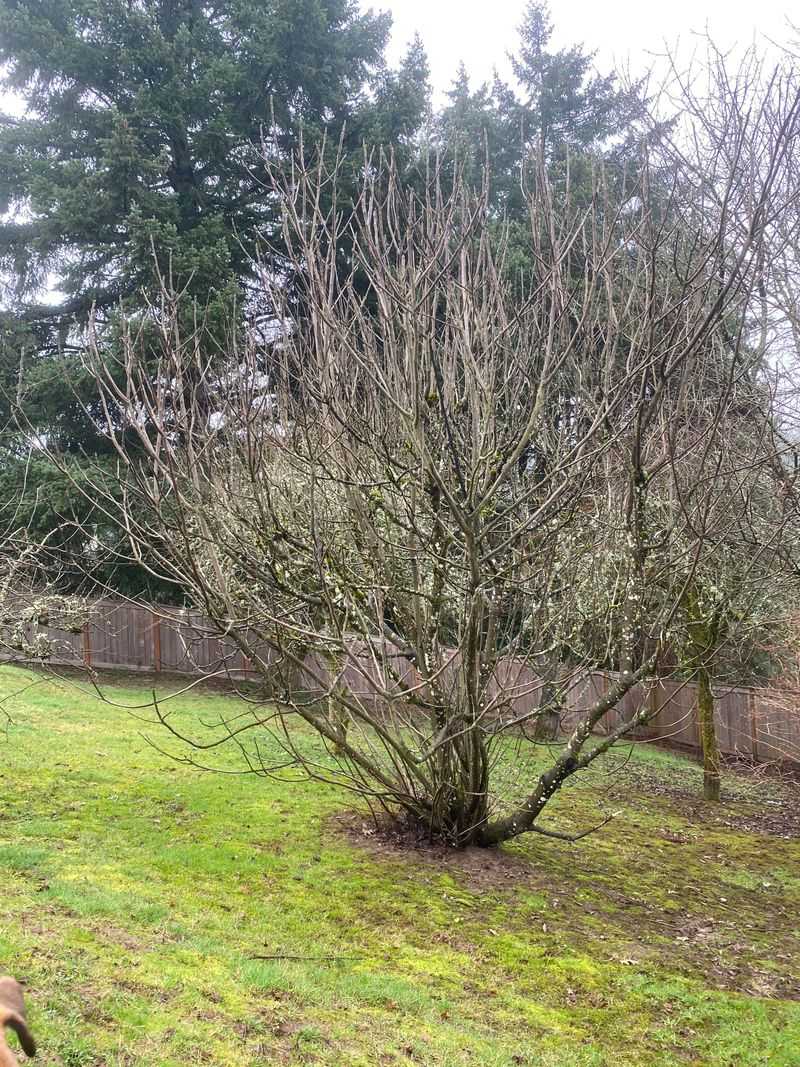
Dead wood serves no purpose except draining energy that your fig tree could use for producing delicious fruit throughout the growing season.
Spotting lifeless branches becomes easy once you look for dull brown color and brittle texture that snaps cleanly under light pressure applied.
Damaged sections often show cracks or splits where pests might enter and cause infections that spread rapidly through healthy tissue in Florida.
Your Florida Garden Changes Every Week. Your Plan Should Too.
Gardening in Florida changes quickly throughout the season. Every Friday you’ll receive a simple weekly plan showing exactly what to plant, prune, fertilize, harvest, and protect so you never miss the right timing.
Cutting these problem areas back to healthy wood prevents further decay and allows the tree to focus resources on productive growth patterns.
Making cuts at a slight angle just above a bud encourages proper healing and directs new growth in the direction you want.
Florida humidity can cause wounds to stay moist longer so removing diseased wood quickly reduces the chance of fungal problems developing later on.
Inspecting your tree carefully from top to bottom ensures you catch all the damaged spots that might hide behind healthy looking foliage.
Disposing of removed branches away from the tree prevents pests from crawling back onto the plant and causing new problems down the road.
4. Thin Out Crowded Interior Branches
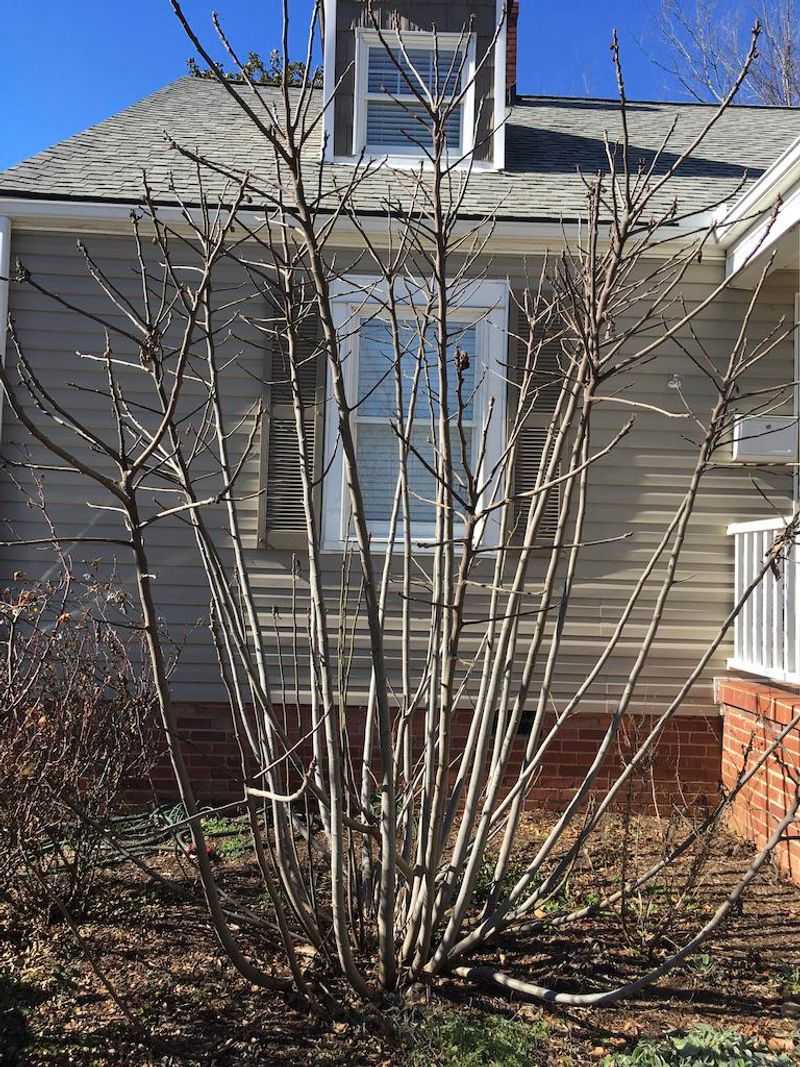
Overcrowded branches create shade that blocks sunlight from reaching fruit buds that need bright light to develop into sweet figs properly.
Air circulation improves dramatically when you remove crossing limbs that rub against each other and create wounds where infections can start easily.
Opening up the center allows Florida breezes to flow through the canopy and dry leaves quickly after rain or morning dew settles.
Target branches growing inward toward the trunk because they contribute little to fruit production and only waste valuable tree energy needlessly.
Keeping three to five main scaffold branches creates a strong framework that supports heavy crops without breaking under the weight of fruit.
Space remaining limbs evenly around the trunk so each one receives adequate sunlight and room to grow without competing for resources constantly.
Thinning cuts should go all the way back to the branch collar rather than leaving stubs that rot and attract pests later.
Step back occasionally during the process to view your work from different angles and ensure balanced shaping across the entire tree structure.
5. Control the Height for Easy Harvesting
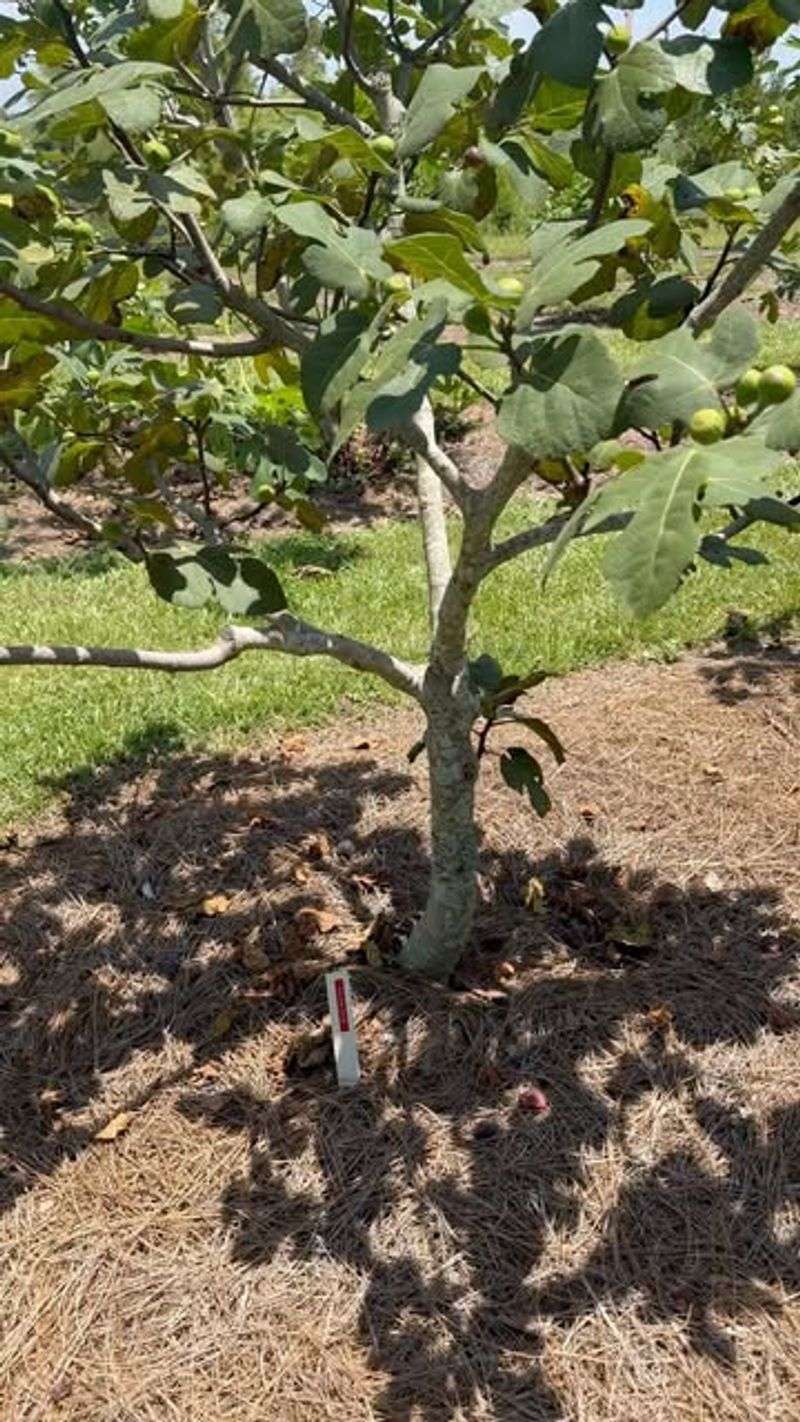
Tall trees make picking fruit a frustrating challenge that often results in bruised figs falling to the ground before you can reach them.
Cutting back the tallest branches to a manageable height keeps all your fruit within easy reach without needing ladders or special equipment.
Most Florida gardeners find that maintaining trees between eight and ten feet tall provides the best balance of production and accessibility year-round.
Topping cuts should be made just above a strong lateral branch that can take over as the new leader and continue growth.
Reducing height also minimizes wind damage during Florida storms that can snap tall branches and destroy developing fruit before harvest time arrives.
Lower canopies receive better spray coverage if you need to treat for pests or diseases that occasionally affect fig trees in humid climates.
Pruning for height control becomes an annual task that prevents the tree from outgrowing your space and shading other garden plants nearby.
Remember that fig trees grow vigorously in Florida so staying on top of height management saves you from drastic cutting later on.
6. Encourage Strong Scaffold Branch Development
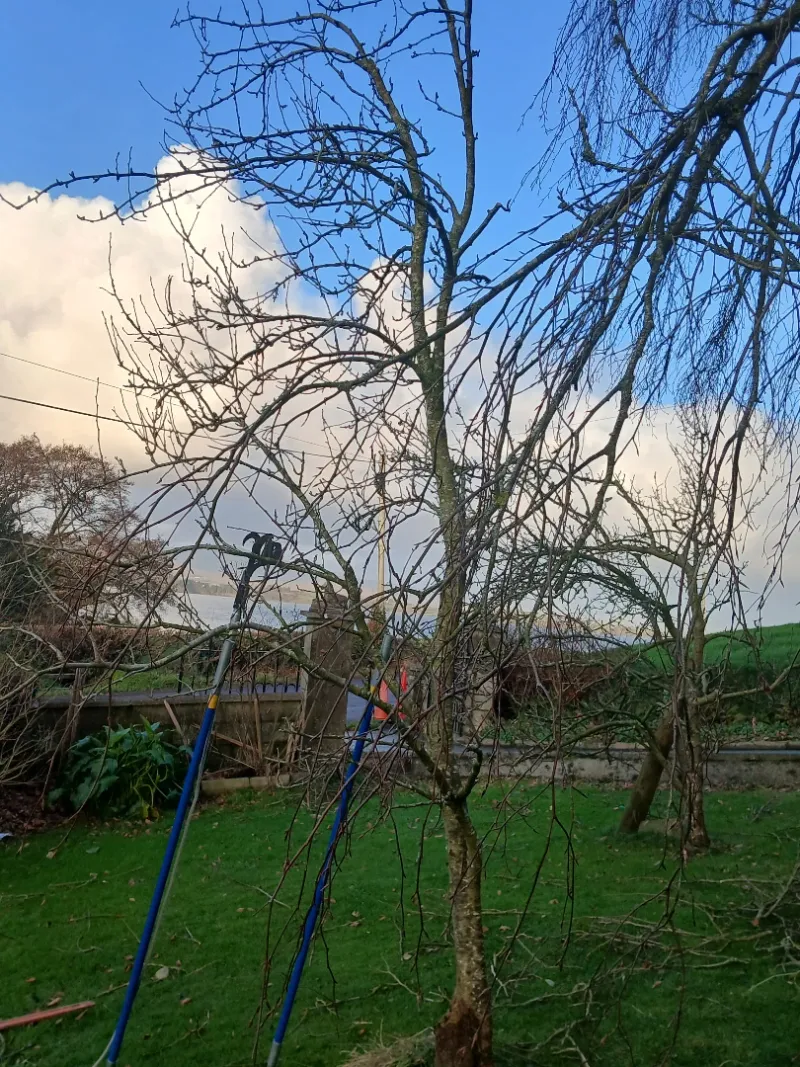
Scaffold branches form the permanent framework that determines how much fruit your tree can support without breaking under heavy load conditions.
Selecting three to five strong limbs that emerge from the trunk at wide angles creates a stable structure that lasts for years.
Narrow crotch angles create weak attachment points that split easily when figs ripen and add weight to the outer branches in Florida.
Removing competing leaders forces energy into the branches you want to keep and strengthens their connection to the main trunk significantly.
Even spacing around the trunk prevents one side from becoming too heavy and pulling the tree off balance during windy weather periods.
Young trees benefit most from scaffold training because shaping becomes much harder once wood matures and thickens with age over time.
Florida growers should start this process in the second or third year after planting to establish good structure from the beginning stages.
Maintaining these main branches through annual pruning ensures consistent fruit production and reduces the risk of storm damage breaking your tree apart.
7. Prune for Fruit Production on New Growth
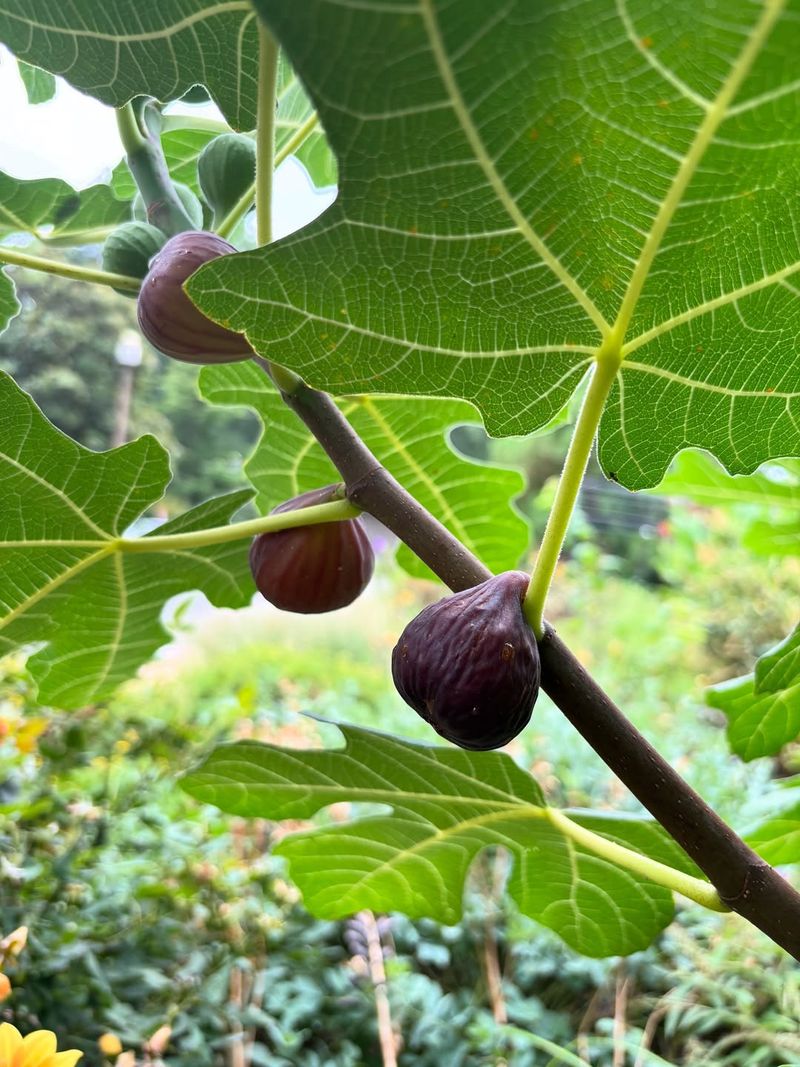
Fig trees produce their best fruit on wood that grew during the previous season rather than on old branches from years past.
Understanding this growth pattern helps you make smarter pruning decisions that maximize your harvest instead of accidentally removing productive wood unknowingly.
Cutting back some of last year’s growth encourages the tree to push out fresh shoots that will bear figs later in Florida.
Leaving too much old wood results in fewer new branches and a disappointing harvest that leaves you wondering what went wrong.
Shortening long shoots by about one-third stimulates branching and creates more fruiting sites along each limb throughout the growing season ahead.
Florida’s warm climate allows fig trees to produce two crops annually if you prune correctly and encourage vigorous new growth patterns.
Focus on maintaining a balance between removing enough wood to stimulate growth while leaving sufficient structure to support developing fruit clusters properly.
Observing where figs formed last year guides your cuts this season and helps you develop an eye for productive pruning over time.
8. Clean Up and Monitor Tree Recovery
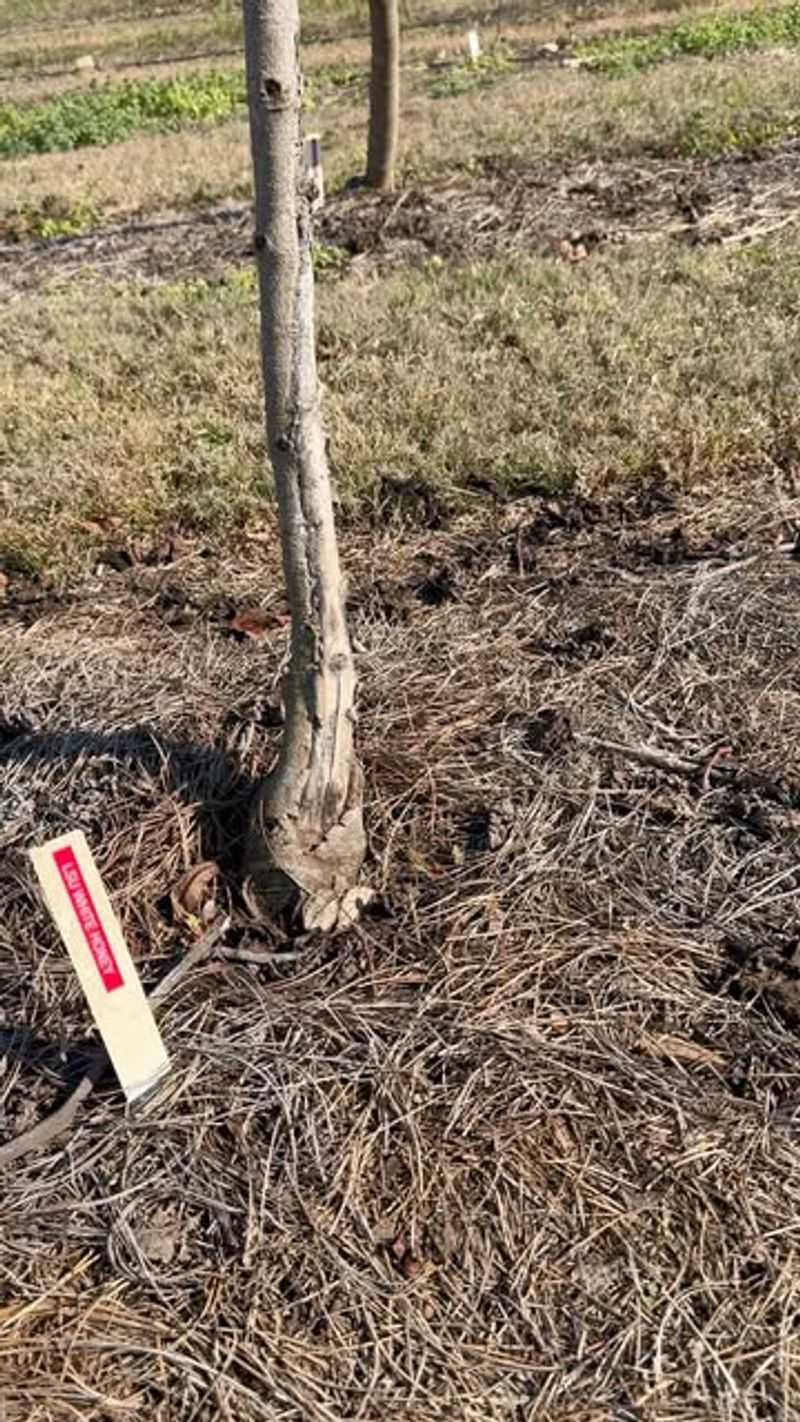
Collecting all the cut branches and disposing of them properly prevents pests from using the debris as shelter near your tree afterward.
Composting healthy trimmings works well but diseased wood should be bagged and removed from your property to avoid spreading problems to plants.
Raking around the base removes fallen leaves and twigs that might harbor insects or fungal spores waiting for warm Florida weather to activate.
Watering deeply after pruning helps the tree recover from stress and supports the healing process as wounds begin to seal over naturally.
Applying a balanced fertilizer a few weeks later gives your fig tree the nutrients needed to push out strong new growth quickly.
Watching for signs of disease or pest activity in the weeks following pruning allows you to address problems before they become serious.
New shoots should appear within a month showing that your tree responded well to the pruning work you completed in Florida.
Taking photos before and after pruning helps you track improvements and refine your technique for even better results next year and beyond.