Armadillo Digging Up Your Florida Yard? Here’s Exactly What To Do (And What Not To Try)
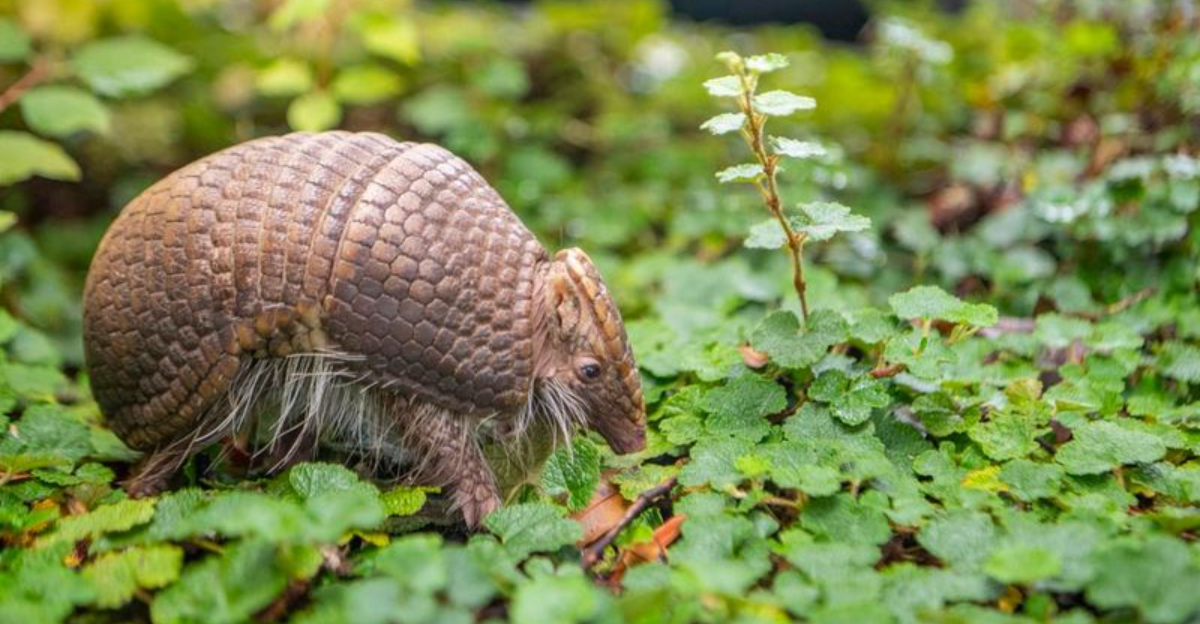
Armadillos may look harmless, but when they start tearing up your Florida lawn at night, they become a serious problem for homeowners across the state.
These armored diggers hunt for grubs and insects just below the surface, leaving behind cone-shaped holes and messy trails that can ruin even the most well-kept yards.
Understanding what actually works—and what’s just a waste of time—can save you money, frustration, and a whole lot of lawn damage.
Here are thirteen proven strategies to protect your property, plus the common mistakes you absolutely need to avoid.
Confirm It’s Really An Armadillo
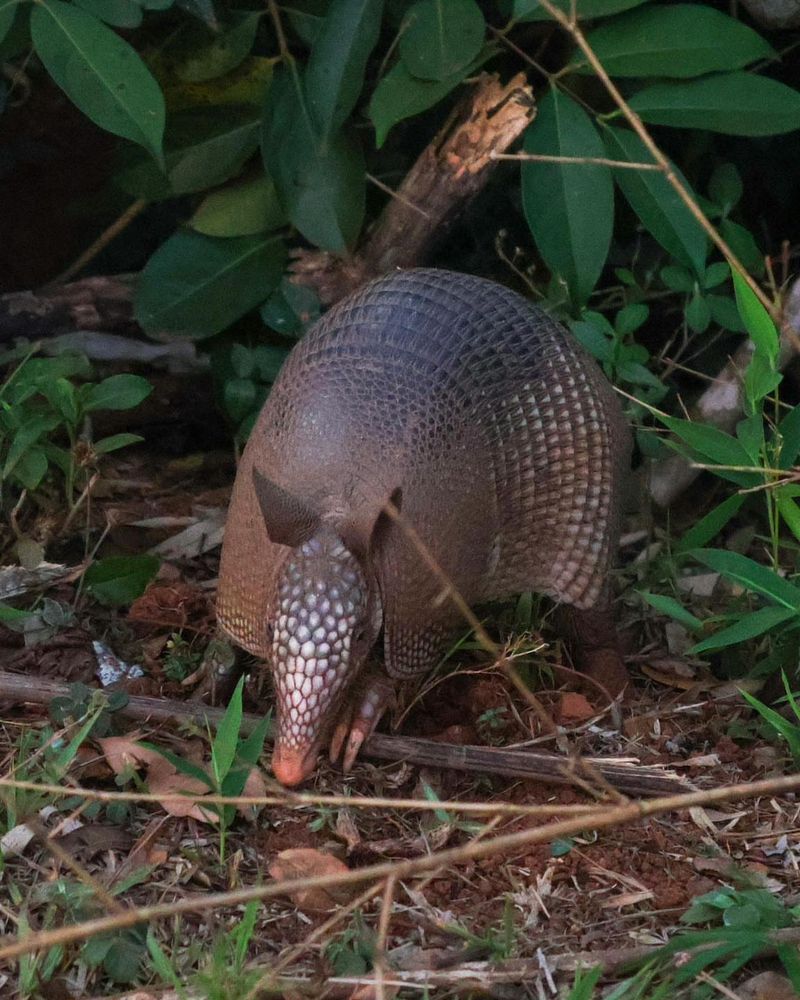
Before you take any action, you need to make absolutely sure that armadillos are your real problem.
Many Florida homeowners blame armadillos when raccoons, moles, or even skunks might actually be the culprits tearing up their grass.
Armadillo damage has very specific characteristics that set it apart from other wildlife activity.
Look for cone-shaped holes that are typically three to five inches wide and a few inches deep, scattered randomly across your lawn rather than in straight tunnel lines.
Armadillos are nocturnal creatures, so most of their digging happens between dusk and dawn when they’re actively hunting for food.
If you wake up to fresh holes that weren’t there the evening before, that’s a strong indicator you’re dealing with armadillos.
Moles create raised ridges and volcano-like mounds, while raccoons tend to roll back chunks of sod like carpet.
Armadillos leave behind a distinctive pattern of shallow excavations that look almost like someone took a small garden trowel and randomly poked holes everywhere.
You might even spot their tracks, which show four toes on the front feet and five on the back.
Taking time to properly identify the pest saves you from wasting money on solutions that won’t work for your specific situation.
Remove What’s Attracting Them: Grubs And Insects
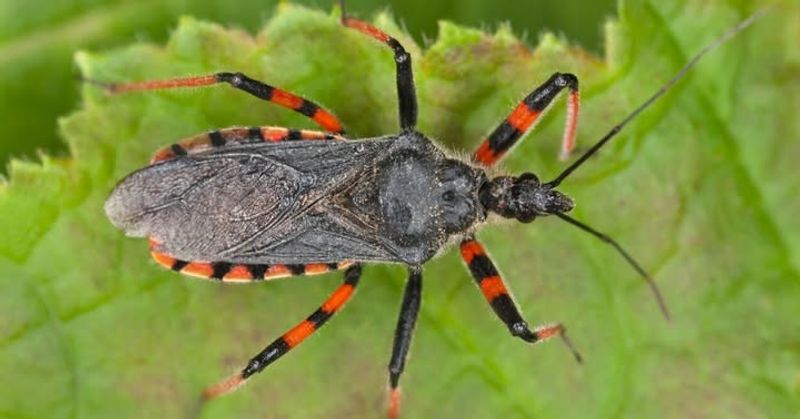
Armadillos don’t dig up your yard just for fun—they’re hunting for their favorite meal, which includes grubs, beetles, earthworms, and other tasty insects living in your soil.
Your lawn is basically a buffet to them, and they’ll keep coming back as long as the food supply remains plentiful.
Reducing the insect population in your yard makes it far less appealing to these hungry diggers.
Consider treating your lawn with beneficial nematodes, which are microscopic organisms that naturally target grubs without harming pets, kids, or beneficial insects like bees and butterflies.
You can also adjust your lawn care routine to create conditions that discourage grub populations from exploding in the first place.
Healthy grass with strong root systems tends to resist grub damage better than weak, stressed turf.
Avoid over-fertilizing, which can actually encourage beetle larvae to thrive in your soil.
Some Florida homeowners find success with milky spore treatments, which specifically target Japanese beetle grubs over time.
Remember that completely eliminating every insect isn’t the goal—you want to reduce populations enough that armadillos find better hunting grounds elsewhere.
Your Florida Garden Changes Every Week. Your Plan Should Too.
Gardening in Florida changes quickly throughout the season. Every Friday you’ll receive a simple weekly plan showing exactly what to plant, prune, fertilize, harvest, and protect so you never miss the right timing.
A balanced approach protects your lawn while keeping your local ecosystem healthy and functioning properly.
Water Your Lawn Less Frequently
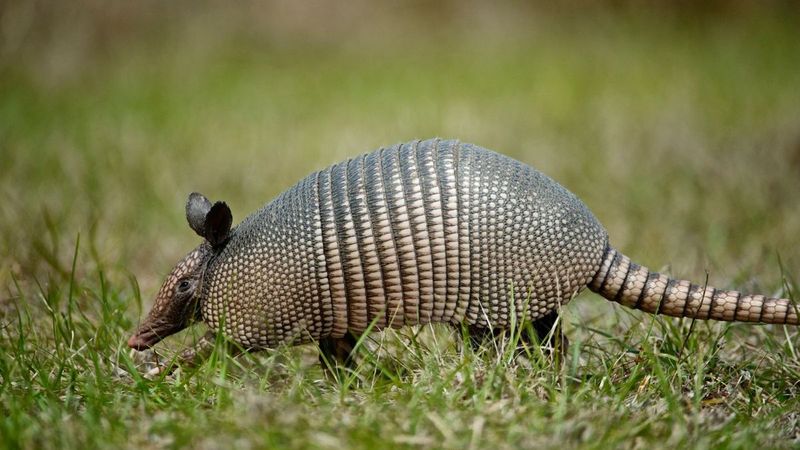
Excessive watering creates the perfect conditions for armadillos to feast on insects hiding just below the surface.
Moist soil is much easier for them to dig through compared to dry, compact ground, and it also keeps grubs and worms closer to the surface where they’re easier to reach.
Many Florida homeowners water their lawns way more than necessary, especially during the rainy season when Mother Nature is already doing the job for them.
Cutting back on irrigation makes your yard significantly less attractive to these persistent diggers.
Most established Florida lawns only need about one inch of water per week, including rainfall.
Water deeply but infrequently to encourage deep root growth rather than shallow, frequent watering that keeps the top layer constantly moist.
Early morning watering is best because it gives grass time to dry before nightfall, when armadillos become most active.
If you have an automatic sprinkler system, adjust the timer based on seasonal rainfall patterns rather than leaving it on the same schedule year-round.
During Florida’s wet summer months, you might not need to water at all.
Drier soil not only discourages armadillo activity but also promotes healthier grass that’s more resistant to disease and stress.
Install Low, Sturdy Fencing In Key Areas
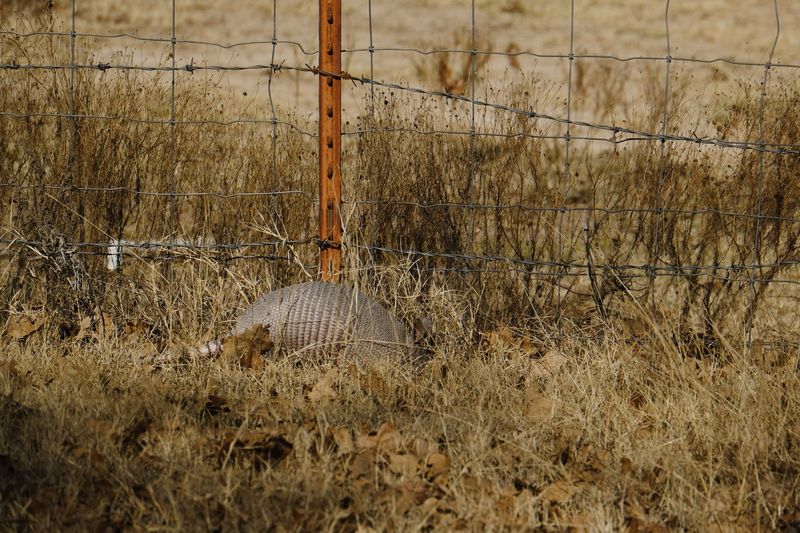
Fencing can be surprisingly effective against armadillos when installed correctly, though it needs to be designed specifically with their digging habits in mind.
Armadillos are strong diggers but relatively poor climbers, so a low fence that extends underground works better than a tall barrier.
Focus on protecting your most vulnerable areas rather than trying to fence your entire property, which can get expensive quickly.
Garden beds, flower borders, and prized landscape sections are perfect candidates for targeted fencing solutions.
Use sturdy wire mesh or hardware cloth that’s at least two feet tall, and bury the bottom twelve to eighteen inches underground at an outward angle.
This buried portion prevents armadillos from simply digging underneath, which is their first instinct when they encounter an obstacle.
The fence doesn’t need to be particularly attractive—functionality matters more than aesthetics in this situation.
Some Florida homeowners camouflage protective fencing with strategic plantings or decorative elements that blend into their landscape design.
Check your fence line regularly for any gaps or weak spots where determined diggers might push through.
Properly installed fencing provides long-term protection without requiring constant maintenance or ongoing costs like repellents do.
Use Motion-Activated Sprinklers Strategically
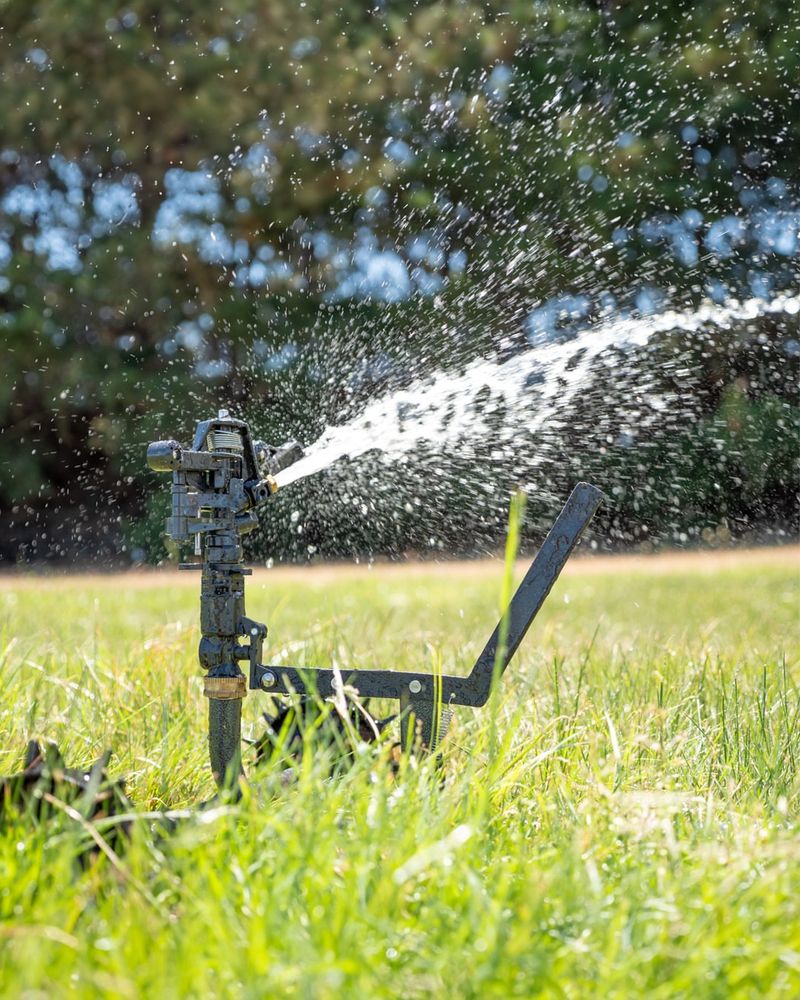
Motion-activated sprinklers offer a humane and effective way to startle armadillos and train them to avoid your property altogether.
These devices detect movement and respond with a sudden burst of water that surprises nocturnal visitors without causing any harm.
Armadillos have poor eyesight but are easily startled by unexpected sensations, making these sprinklers particularly effective as a deterrent.
Place them strategically in areas where you’ve noticed the most digging activity or along common entry points to your yard.
The key is positioning them to cover the zones armadillos travel through rather than trying to protect every square foot of your property.
Most motion-activated sprinklers have adjustable sensitivity settings, so you can fine-tune them to respond to armadillo-sized creatures while ignoring smaller animals or blowing leaves.
They work best when combined with other deterrent methods rather than being your only line of defense.
During Florida’s rainy season, you might want to adjust placement or temporarily relocate sprinklers to avoid creating overly wet conditions that actually attract more digging.
The initial investment pays off over time since these devices require minimal maintenance beyond occasional battery changes.
Many homeowners report success within just a few weeks as armadillos learn to associate your yard with unpleasant surprises.
Fill And Repair Existing Holes Quickly
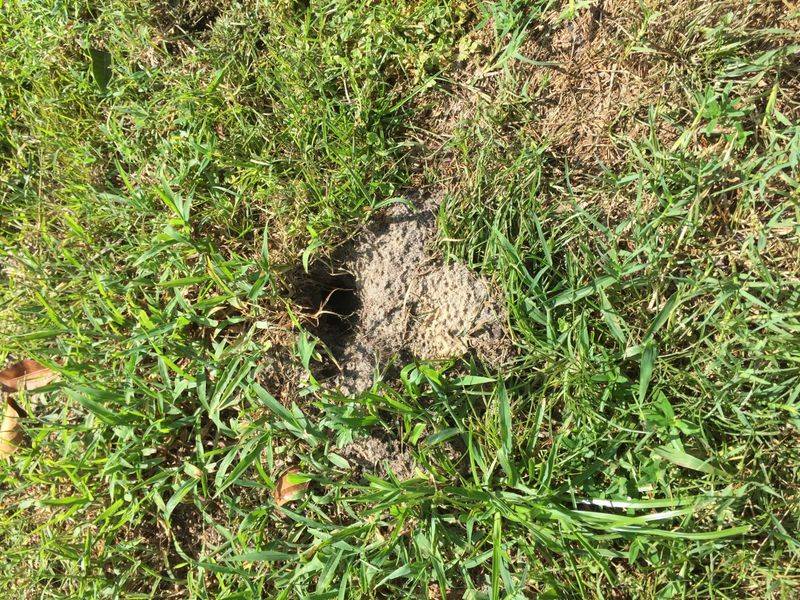
Leaving armadillo holes unrepaired sends a signal that your yard is an easy target for continued digging.
Fresh holes also make it harder to track whether new damage is occurring or if you’re just seeing old destruction.
Quick repairs discourage return visits and help your lawn recover faster from the damage that’s already been done.
Start by filling holes with quality topsoil that matches your existing lawn composition, tamping it down firmly to eliminate air pockets.
Add a bit more soil than needed since it will settle over the next few days with rain and foot traffic.
Top the repaired areas with grass seed that matches your lawn type—St. Augustine, Bahia, and Zoysia are common Florida varieties that each have different growth patterns.
Keep newly seeded spots consistently moist until the grass establishes, but avoid creating the soggy conditions that attracted armadillos in the first place.
Some homeowners lay sod pieces over larger damaged areas for faster recovery, though this costs more than seeding.
Mark repaired spots mentally or with small flags so you can monitor whether armadillos are creating new holes or just re-digging old ones.
Prompt repairs also prevent trip hazards and keep your lawn looking maintained rather than neglected and inviting to wildlife.
Secure Garden Beds And Mulched Areas
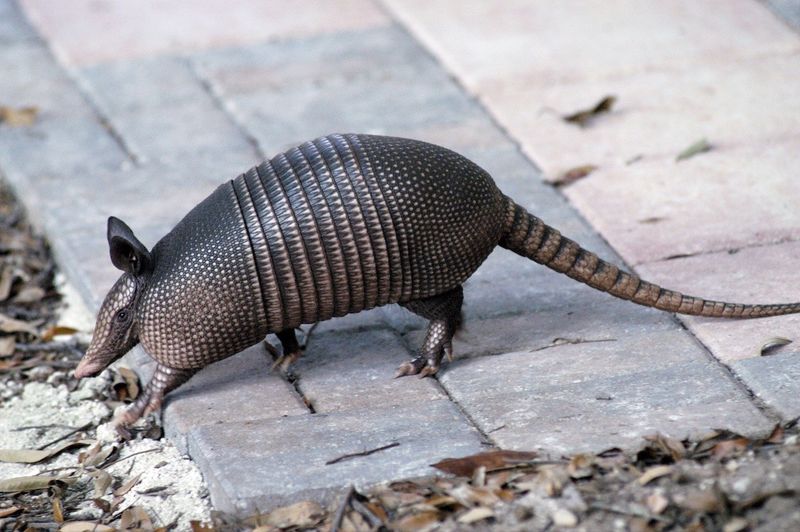
Garden beds with loose mulch are like armadillo playgrounds—easy to dig through and often packed with insects and worms.
These areas typically receive regular watering and organic material, creating ideal conditions for the grubs and beetles that armadillos crave.
Protecting your garden beds requires a combination of physical barriers and maintenance strategies that make digging less rewarding.
Install solid edging materials like metal, stone, or thick plastic borders that extend several inches below the soil surface to discourage digging along the perimeter.
Consider using heavier mulch materials like pine bark nuggets instead of fine shredded mulch, which armadillos can easily scatter.
Some Florida gardeners have success with decorative river rocks or pea gravel in areas where armadillos are particularly persistent.
Reduce the depth of your mulch layer to around two inches rather than the thick blankets that provide perfect hiding spots for insects.
Regularly inspect garden beds for signs of digging and address problems immediately before they escalate into major damage.
You might also try planting strongly scented herbs like rosemary or lavender along garden borders, though scent alone won’t solve a serious armadillo problem.
The goal is making your garden beds less accessible and less rewarding compared to other food sources in the neighborhood.
Encourage Natural Deterrents Through Yard Maintenance
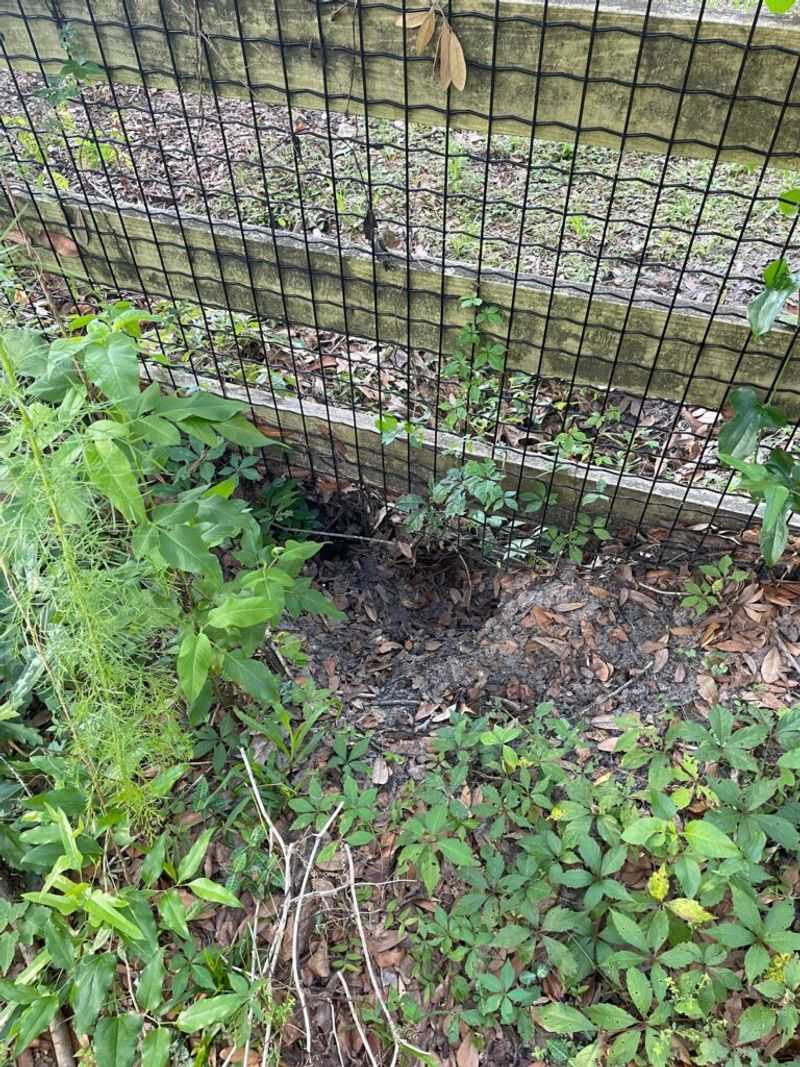
A well-maintained yard naturally discourages armadillo activity by eliminating hiding spots and making them feel exposed while foraging.
Armadillos prefer yards with plenty of cover like overgrown shrubs, piles of leaves, and cluttered areas where they can move around undetected.
Simple maintenance habits can make your property significantly less appealing without requiring expensive interventions.
Keep your grass mowed to a reasonable height and trim back overgrown vegetation that provides shelter along fence lines and building foundations.
Remove brush piles, fallen branches, and yard debris that armadillos use as daytime resting spots between their nighttime feeding sessions.
Clear out dense groundcover plants near areas where you’ve noticed digging, replacing them with more open landscaping if possible.
Maintain clear sight lines across your yard so armadillos feel vulnerable and exposed rather than safe and hidden.
If you have woodpiles, elevate them off the ground and keep them away from your main lawn areas.
Trim tree branches that hang low to the ground, especially near areas where armadillos might be entering your property.
Regular yard maintenance also helps you spot new armadillo activity quickly so you can respond before minor digging becomes a major landscape disaster.
Call A Licensed Wildlife Professional If Damage Continues
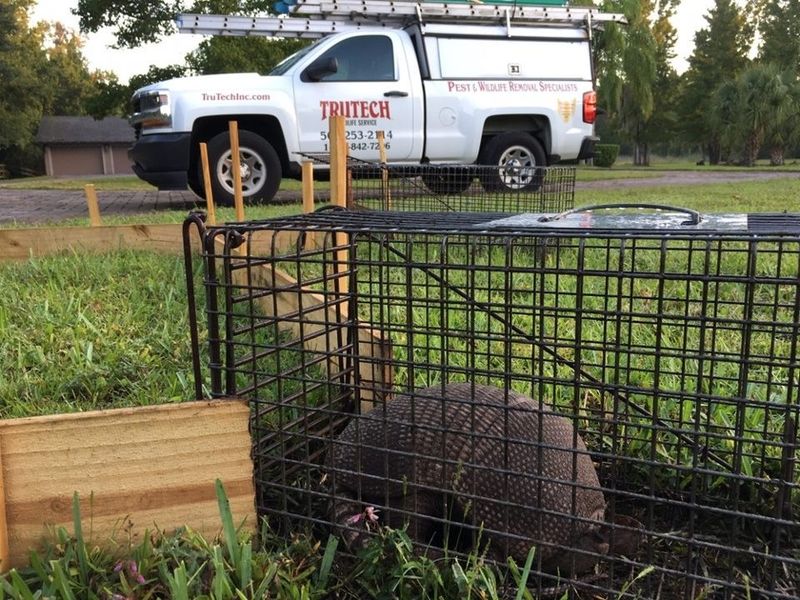
Sometimes armadillo problems exceed what homeowners can reasonably handle on their own, especially when damage continues despite your best prevention efforts.
Licensed wildlife professionals have the training, equipment, and legal authority to handle armadillo situations safely and effectively.
Florida has specific regulations regarding wildlife removal, and professionals stay current on laws that change periodically.
They can assess your specific situation and develop a comprehensive plan that addresses not just the current problem but also prevents future invasions.
Professional services typically include humane trapping, proper relocation according to state guidelines, and recommendations for long-term prevention strategies.
The cost of professional help often proves cheaper than repeatedly trying DIY solutions that don’t work while your lawn sustains ongoing damage.
Look for wildlife control operators who are licensed by the Florida Fish and Wildlife Conservation Commission and carry appropriate insurance.
Ask about their methods to ensure they use humane approaches rather than techniques that cause unnecessary stress or harm.
Many professionals offer guarantees or follow-up services if armadillos return within a certain timeframe.
Don’t wait until your entire lawn is destroyed—early professional intervention typically costs less and achieves better results than waiting until the problem becomes severe.
Never Use Poison Or Toxic Repellents
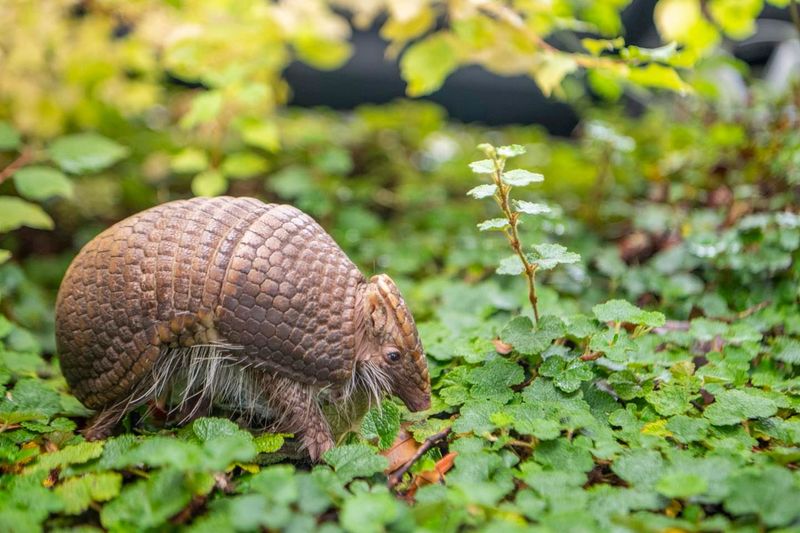
Poison represents one of the worst possible approaches to armadillo problems for multiple compelling reasons.
First, there are no pesticides legally registered for armadillo control in Florida, making their use both ineffective and potentially illegal.
Armadillos have very specific diets focused on insects and small invertebrates, so they won’t consume bait stations designed for rodents.
Even if you could somehow get them to ingest poison, the consequences extend far beyond your intended target.
Toxic substances can contaminate your soil and groundwater, creating environmental hazards that persist long after the armadillo problem is resolved.
Pets and children playing in your yard face serious risks from poisoned bait or contaminated areas.
Other wildlife like birds, raccoons, or neighborhood cats might consume poison meant for armadillos, causing unintended casualties.
Florida’s sandy soil and high water table make toxic contamination particularly concerning since chemicals can quickly spread through groundwater systems.
Chemical repellents marketed for armadillos are largely ineffective despite their bold advertising claims.
Armadillos have a poor sense of smell and simply ignore most scent-based deterrents that supposedly drive them away.
Save your money and protect your family, pets, and local ecosystem by avoiding poison entirely in favor of proven humane methods.
Never Try Home Remedies That Don’t Work
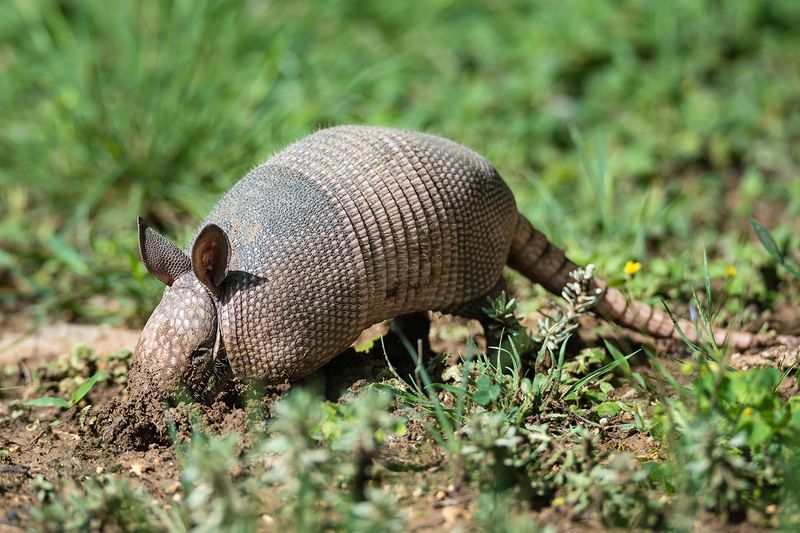
Internet forums and neighborhood advice are full of home remedies that supposedly chase armadillos away, but most of these methods are complete wastes of time and money.
Mothballs represent one of the most commonly suggested remedies despite being totally ineffective against armadillos.
These smelly naphthalene balls are designed to protect stored clothing from moths, not to deter wildlife from outdoor areas.
Armadillos have relatively poor senses of smell and simply ignore mothballs scattered around yards, plus the chemicals can be harmful to pets and beneficial wildlife.
Ammonia-soaked rags are another popular myth that fails in real-world testing.
Even if the strong smell bothers armadillos initially, rain quickly washes away the ammonia, requiring constant reapplication that becomes expensive and annoying.
Loud noises, ultrasonic devices, and vibrating stakes might seem logical but armadillos quickly become accustomed to these disturbances and continue their digging.
Predator urine products marketed for armadillo control rarely work because armadillos don’t have significant natural predators in Florida that would trigger a fear response.
Wasting weeks or months trying ineffective remedies allows armadillo damage to worsen while you delay implementing solutions that actually work.
Stick with proven methods backed by wildlife experts rather than experimenting with folk remedies that sound good but deliver disappointing results.
Never Ignore The Damage And Hope It Stops
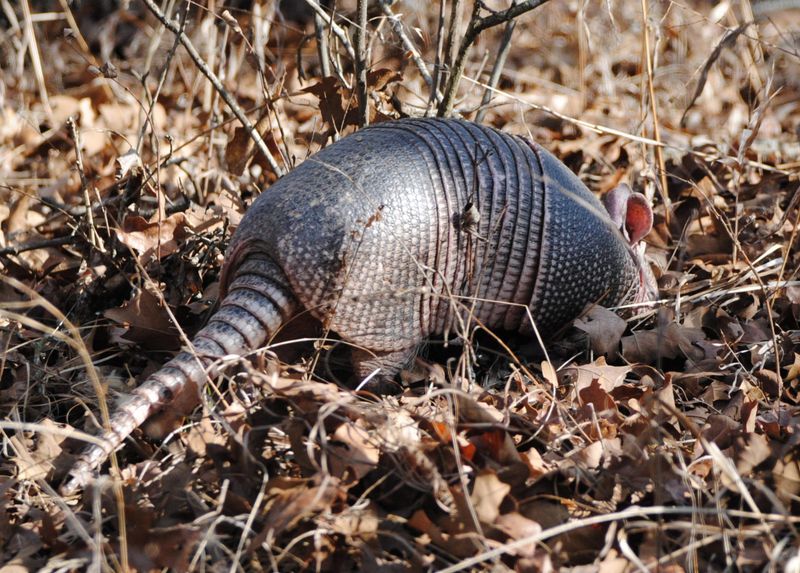
Hoping that armadillos will simply move on without intervention is wishful thinking that almost always leads to worse problems.
Once armadillos discover that your yard provides easy access to food without any consequences, they establish regular feeding patterns and return night after night.
What starts as a few scattered holes can quickly escalate into widespread lawn destruction that costs hundreds or even thousands of dollars to repair properly.
Armadillos are creatures of habit and will continue exploiting a reliable food source until something forces them to change their behavior.
Ignoring early warning signs means you’ll eventually face much more extensive damage that requires professional lawn restoration services.
Your neighbors might also experience increased armadillo activity as these animals establish territories that include multiple nearby properties.
The longer you wait to address the problem, the more difficult and expensive the solution becomes.
Early intervention with simple prevention methods can often resolve minor armadillo issues before they require professional help.
Damaged lawns also become more susceptible to weeds, diseases, and other pest problems that compound your repair challenges.
Take action as soon as you notice the first signs of armadillo activity rather than adopting a wait-and-see approach that rarely works out in your favor.
Never Attempt To Trap Or Relocate Armadillos Yourself
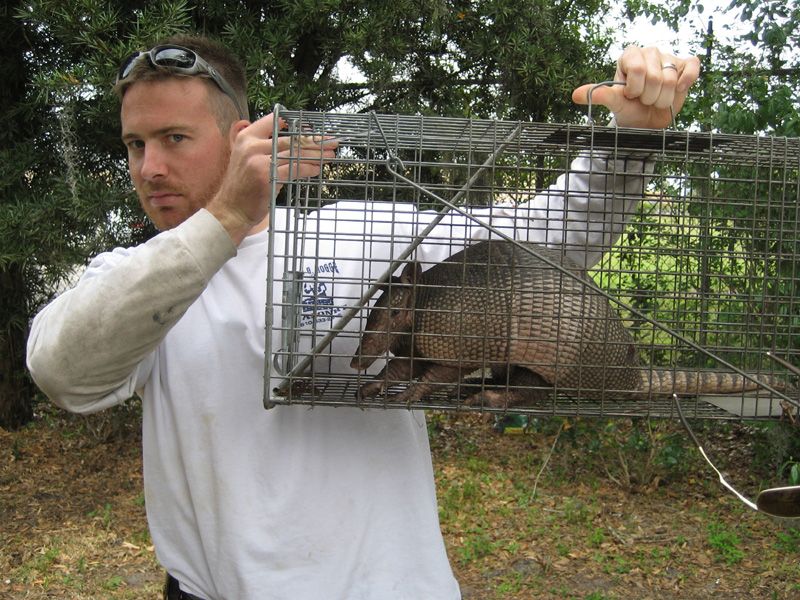
DIY armadillo trapping might seem like a straightforward solution, but it creates numerous legal, practical, and safety problems that most homeowners don’t anticipate.
Florida law requires permits for trapping and relocating most wildlife species, and regulations change depending on your specific county and situation.
Trapping without proper authorization can result in significant fines and legal complications that far exceed the cost of hiring a licensed professional.
Even if you successfully trap an armadillo, you face the challenge of what to do with it next.
You can’t simply release trapped wildlife wherever you feel like it—doing so may be illegal and can spread diseases to new areas.
Armadillos can carry leprosy bacteria, though transmission to humans is rare, and handling them increases your exposure risk unnecessarily.
Trapped armadillos become stressed and defensive, potentially scratching or biting anyone who gets too close during transport.
Improper trap placement can catch unintended animals like raccoons, cats, or possums, creating additional problems you didn’t have before.
Many homeowners discover that trapping one armadillo doesn’t solve the problem because others quickly move in to take advantage of the available food source.
Leave trapping to licensed professionals who understand proper techniques, legal requirements, and effective long-term solutions for your specific situation.