Trees In Florida That Could Land You With Hefty Fines If You Cut Them Down
Florida is home to some of the most beautiful trees in the country, but many of them come with serious legal protections that homeowners often don’t know about.
Cutting down the wrong tree—even on your own property—can result in fines reaching tens of thousands of dollars, criminal charges, or mandatory restoration costs.
From mangroves along the coast to towering oaks in your backyard, understanding which trees are protected can save you from expensive mistakes.
Before you pick up a chainsaw or hire a tree service, it’s important to know which species are off-limits and what steps you need to take to stay on the right side of the law.
Mangrove Trees Protected By Florida State Law
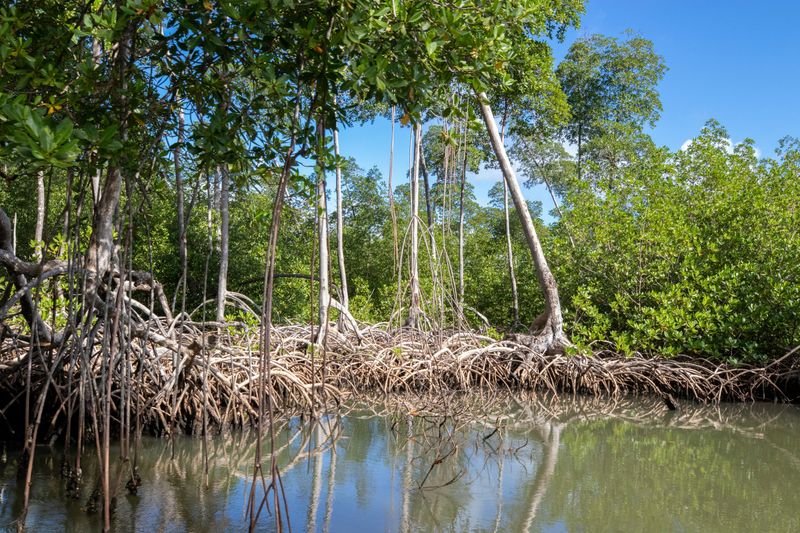
Mangrove forests line Florida’s coastlines and serve as critical nurseries for fish, buffers against storm surge, and filters for water quality.
Because of their ecological importance, mangroves are protected under the Mangrove Trimming and Preservation Act, which applies statewide regardless of whether the tree is on public or private land.
Property owners must obtain a permit from the Florida Department of Environmental Protection before trimming or removing any mangrove, even if it’s blocking a view or growing too close to a dock.
Trimming without a permit can result in fines up to $500 per mangrove tree, and illegal removal can lead to penalties exceeding $10,000 plus restoration costs.
Many homeowners mistakenly believe that because they own the property, they can manage the trees freely, but state law overrides property rights in this case.
Mangroves include red, black, and white species, all of which fall under the same protections.
Restoration requirements can be especially costly, as violators may be required to replant mangroves and monitor their growth for years.
Always consult with local environmental agencies before touching any mangrove on your property to avoid steep legal consequences.
Live Oak Trees Often Covered By Local Preservation Ordinances
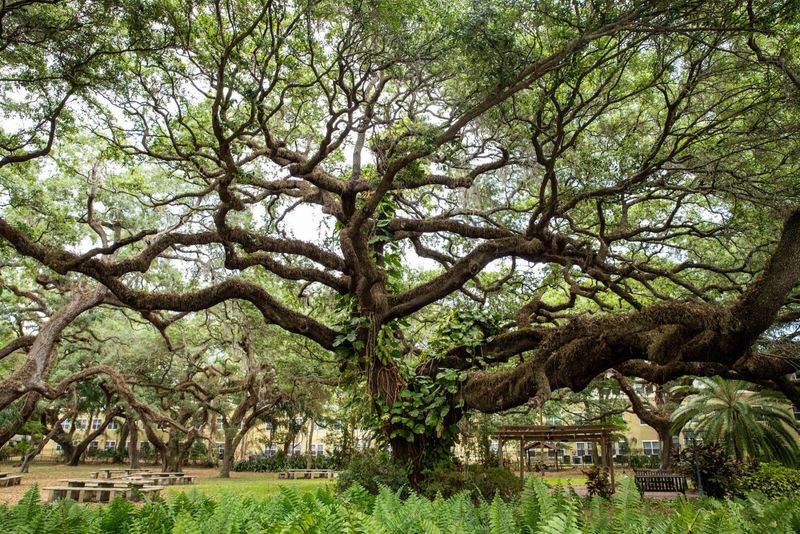
Live oaks are iconic symbols of the South, with sprawling branches and thick canopies that provide shade and character to neighborhoods across Florida.
Many cities and counties have tree preservation ordinances that specifically protect live oaks based on their trunk diameter, often starting at 12 to 24 inches.
Homeowners who want to remove a protected live oak must apply for a permit, provide a certified arborist’s report, and sometimes pay mitigation fees or plant replacement trees.
Fines for unauthorized removal can range from $1,000 to $10,000 per tree, depending on the municipality and the size of the oak.
One common mistake is assuming that a tree posing a risk to a home or driveway can be removed without approval, but even hazardous trees often require documentation and permits.
Some areas allow exemptions for trees that are diseased or structurally unsound, but proof from a licensed professional is usually required.
Live oaks also hold historical and aesthetic value, which is why many communities go to great lengths to preserve them.
Before making any decisions about a live oak on your property, check with your local code enforcement or planning department to understand the rules that apply.
Your Florida Garden Changes Every Week. Your Plan Should Too.
Gardening in Florida changes quickly throughout the season. Every Friday you’ll receive a simple weekly plan showing exactly what to plant, prune, fertilize, harvest, and protect so you never miss the right timing.
Bald Cypress Trees Restricted In Wetland Areas
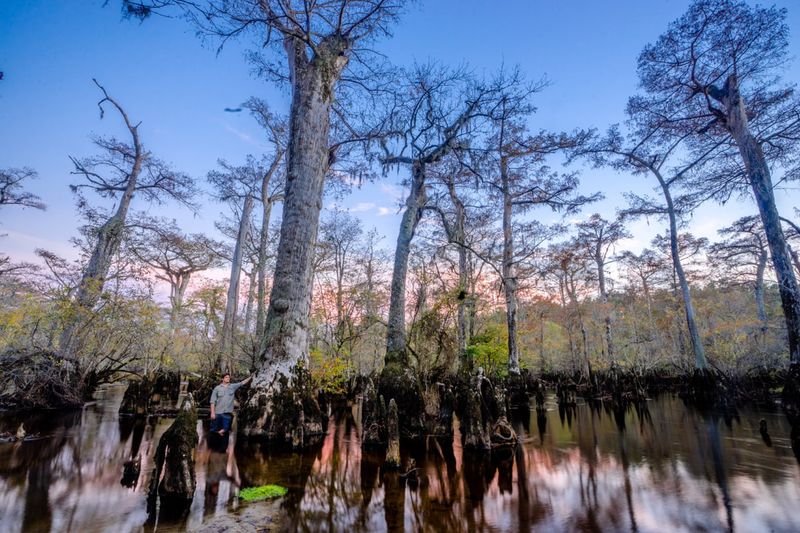
Bald cypress trees are native to Florida’s swamps, wetlands, and floodplains, where they play a vital role in stabilizing soil and supporting wildlife habitats.
When these trees grow in or near wetlands, they fall under both state and federal environmental protections, including the Clean Water Act and Florida’s wetland regulations.
Removing a bald cypress from a wetland area without proper permits can result in fines from both the Florida Department of Environmental Protection and the U.S. Army Corps of Engineers.
Penalties can include thousands of dollars in fines, mandatory replanting, and long-term monitoring requirements to ensure wetland restoration.
Even if the tree is on private property, wetland protections often take precedence, and landowners must navigate a complex permitting process before any work can begin.
Bald cypress trees are also valued for their beauty and longevity, often living for hundreds of years and becoming landmarks in their own right.
Homeowners near wetlands should always consult with environmental consultants or regulatory agencies before cutting or trimming these trees.
Ignoring these rules can lead to expensive legal battles and restoration projects that far exceed the cost of obtaining the proper permits in the first place.
Sabal Palm (Florida’s State Tree) With Special Protections
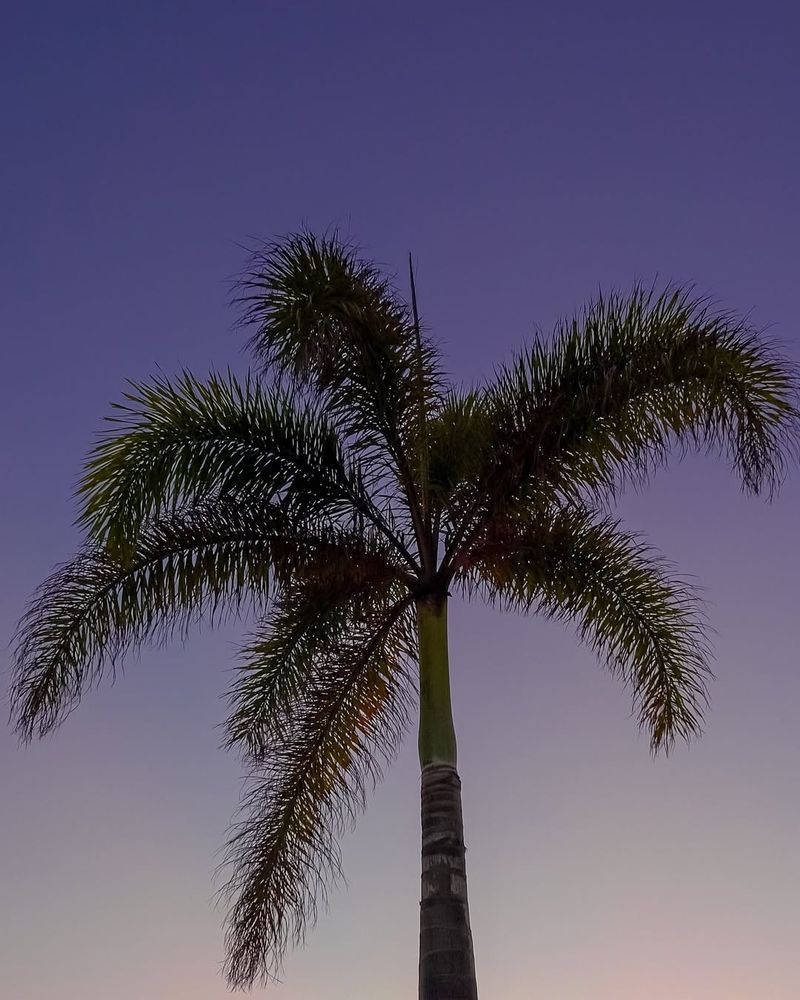
The sabal palm, also known as the cabbage palm, is Florida’s official state tree and holds a special place in the hearts of residents and local governments alike.
While sabal palms are not universally protected statewide, many municipalities have enacted ordinances that regulate their removal, especially in public spaces or historic districts.
Homeowners may need to obtain a permit before removing a sabal palm, particularly if the tree is above a certain height or located in a protected zone.
Fines for unauthorized removal vary by city but can reach several thousand dollars, and replacement requirements may also apply.
In some areas, removal is allowed without a permit if the tree is damaged by storms or poses an immediate safety hazard, but documentation is often required.
Sabal palms are hardy and drought-tolerant, making them popular in landscaping, but their cultural significance means they receive more attention from local codes than other palm species.
Before removing a sabal palm, it’s wise to check with your city or county planning office to see if any restrictions apply.
Even if removal is permitted, some communities encourage preservation and may offer incentives or alternatives to cutting the tree down entirely.
Sea Grape Trees Protected In Coastal Communities
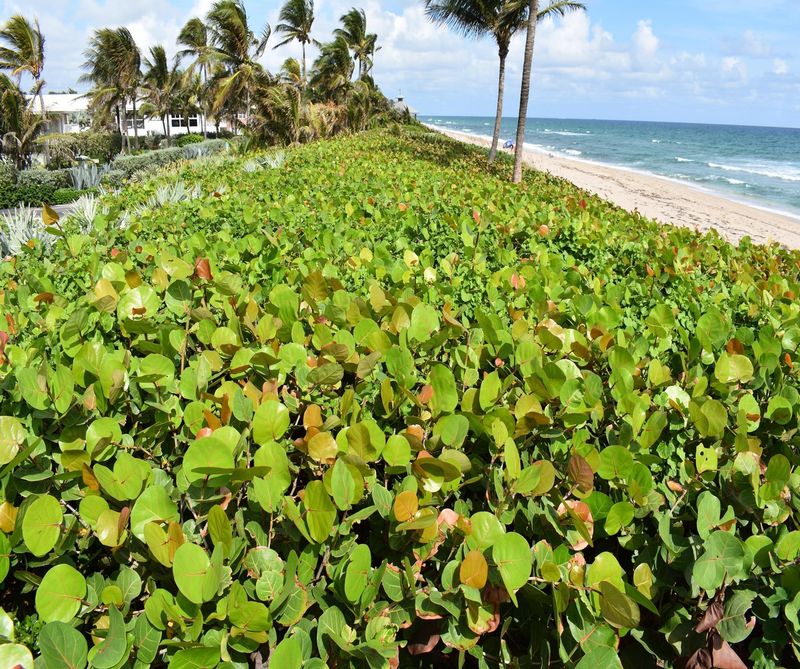
Sea grape trees are essential to Florida’s coastal ecosystems, providing erosion control, dune stabilization, and habitat for birds and other wildlife.
Because of their role in protecting shorelines from storm damage and erosion, many coastal municipalities have strict regulations against cutting or removing sea grapes without a permit.
Homeowners living near beaches or in coastal setback zones must obtain approval from local environmental or planning departments before trimming or removing these trees.
Fines for unauthorized removal can be significant, often ranging from $500 to $5,000 per tree, and violators may also be required to replant and restore the area.
Sea grapes are often mistaken for nuisance plants because they drop fruit and leaves, but their environmental benefits far outweigh these minor inconveniences.
In some areas, trimming is allowed with restrictions, such as maintaining a certain canopy size or avoiding nesting season for protected bird species.
Coastal protection laws are designed to preserve the natural barriers that keep beaches and properties safe during hurricanes and tropical storms.
Before making any changes to sea grape trees on your property, contact your local code enforcement office to ensure compliance with all applicable regulations and avoid costly penalties.
Buttonwood Trees Often Regulated Along Shorelines
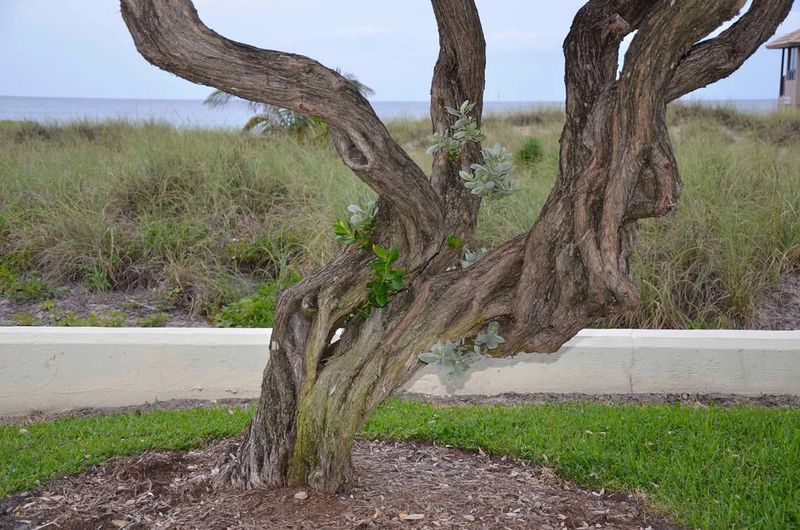
Buttonwood trees are native to Florida’s coastal areas and mangrove communities, where they provide important ecological benefits such as erosion control and wildlife habitat.
These trees are often included in coastal protection ordinances alongside mangroves and sea grapes, meaning they require permits for trimming or removal in many jurisdictions.
Homeowners along shorelines, canals, or estuaries may find that buttonwood trees on their property fall under local or state environmental regulations.
Trimming limits are typically strict, with some areas allowing only minimal pruning to maintain views or safety, while complete removal is rarely permitted without exceptional circumstances.
Fines for unauthorized cutting can range from hundreds to thousands of dollars, depending on the size and location of the tree.
Buttonwood trees are valued for their ability to tolerate saltwater and thrive in harsh coastal conditions, making them ideal for stabilizing shorelines.
Many communities also recognize their aesthetic value, as mature buttonwoods add natural beauty and shade to waterfront properties.
Before attempting any work on a buttonwood tree, it’s essential to check with your local environmental protection office or planning department to understand the specific rules that apply to your area.
Gumbo Limbo Trees Covered By Native Tree Protection Laws

Gumbo limbo trees, often called the tourist tree because of their peeling red bark, are native to South Florida and the Keys.
These trees are highly valued for their ability to thrive in tropical conditions, resist hurricanes, and provide habitat for native wildlife.
Many municipalities have native tree protection ordinances that include gumbo limbo trees, requiring permits for removal or significant pruning.
Fines for cutting down a protected gumbo limbo can reach several thousand dollars, and property owners may also be required to replant native species as mitigation.
Gumbo limbo trees are often found in parks, preserves, and residential areas where native landscaping is encouraged or mandated.
Their fast growth and low maintenance make them popular among homeowners, but their protected status means you can’t simply remove one without following local regulations.
Some areas allow removal if the tree is diseased, damaged, or poses a safety hazard, but documentation from a certified arborist is typically required.
Gumbo limbos are also culturally significant in Florida, symbolizing the state’s unique tropical environment and biodiversity.
Always verify with your local planning or environmental office before making any changes to a gumbo limbo tree on your property to avoid fines and legal issues.
Black Olive Trees Frequently Protected In Urban Areas
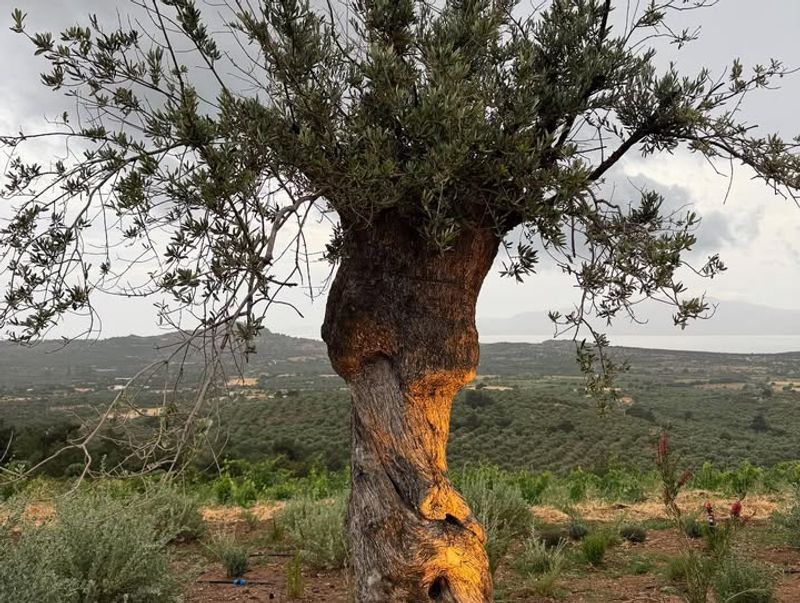
Black olive trees are prized in urban Florida for their dense canopies, shade, and ability to tolerate heat and poor soil conditions.
Many cities have tree preservation ordinances that protect mature black olive trees based on trunk diameter, often starting at 12 to 18 inches.
Homeowners who want to remove a protected black olive must apply for a permit, provide justification, and sometimes pay replacement costs or plant new trees elsewhere on the property.
Fines for unauthorized removal can range from $1,000 to $5,000 per tree, and in some cases, violators may face additional penalties for damaging the urban canopy.
Black olive trees are not native to Florida, but they have become so common in landscaping that many municipalities treat them like native species when it comes to preservation.
One challenge for homeowners is that these trees can grow quite large, and their roots may interfere with sidewalks, driveways, or underground utilities.
Even in these situations, removal usually requires a permit and proof that the tree is causing significant damage.
Some cities offer exemptions for trees that are structurally unsound or pose a clear safety risk, but an arborist’s report is typically required.
Before removing a black olive tree, always check with your local code enforcement office to understand the specific requirements and avoid costly fines.
Slash Pine Trees Subject To Permit Requirements
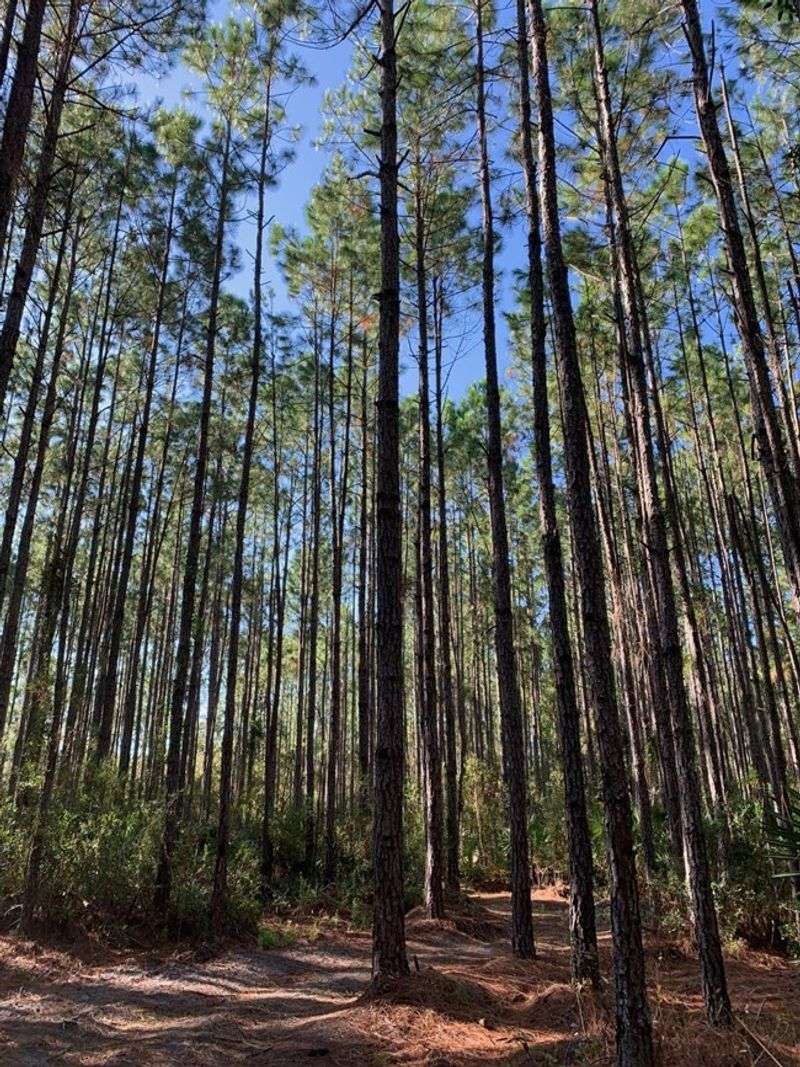
Slash pine trees are native to Florida and play an important role in the state’s ecosystems, particularly in flatwoods and coastal areas.
Some counties and municipalities have regulations that protect slash pines, especially in conservation areas or zones designated for native vegetation preservation.
Homeowners may need to obtain a permit before removing a slash pine, particularly if the tree is above a certain size or located in a protected zone.
Fines for unauthorized removal vary by jurisdiction but can reach thousands of dollars, and replacement requirements may also apply.
Slash pines are valued for their resilience during storms, as their deep root systems help them withstand high winds and heavy rains.
They also provide habitat for native birds and other wildlife, making them ecologically important in residential and rural areas.
In some cases, removal is allowed without a permit if the tree is infested with pests, diseased, or poses a safety hazard, but documentation is usually required.
Local regulations may also require property owners to plant replacement trees if a slash pine is removed, even with a permit.
Before cutting down a slash pine, it’s essential to check with your county’s environmental or planning department to ensure compliance with all applicable rules and avoid fines.
Royal Poinciana Trees Protected By Local Codes
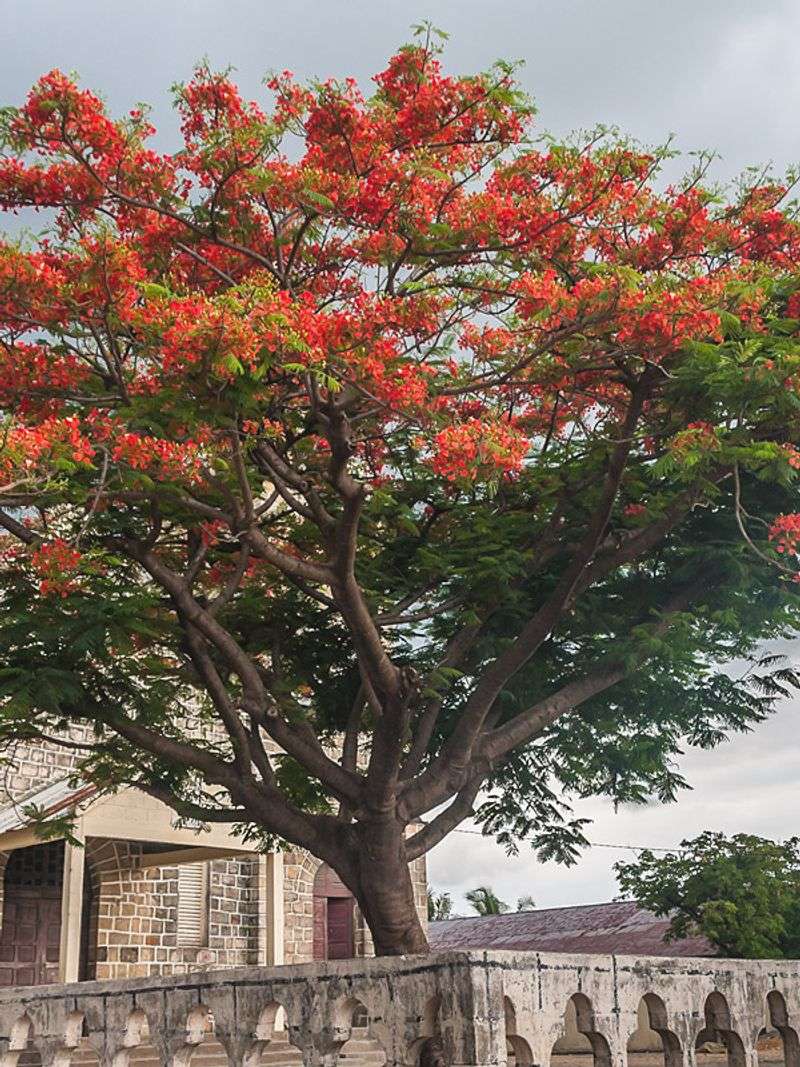
Royal poinciana trees are famous for their stunning display of bright red and orange flowers, which bloom in late spring and summer across South Florida.
Because of their beauty and the extensive shade they provide, many municipalities have enacted ordinances to protect mature royal poincianas from removal.
Homeowners who want to cut down a royal poinciana often need to apply for a permit and demonstrate that the tree is diseased, hazardous, or causing significant property damage.
Fines for unauthorized removal can be steep, ranging from $1,000 to $10,000 depending on the size of the tree and local regulations.
In some areas, property owners are also required to plant replacement trees or pay mitigation fees to compensate for the loss of canopy coverage.
Royal poincianas are not native to Florida, but they have become iconic in the landscape and are often treated as treasured community assets.
Their wide-spreading branches and vibrant blooms make them popular in parks, streetscapes, and residential yards, which is why local governments work hard to preserve them.
Even if a royal poinciana is on private property, its removal may still require approval from local planning or code enforcement offices.
Always check your city or county’s tree ordinances before making any decisions about a royal poinciana to avoid fines and legal complications.
Mahogany Trees Regulated For Their Environmental Value
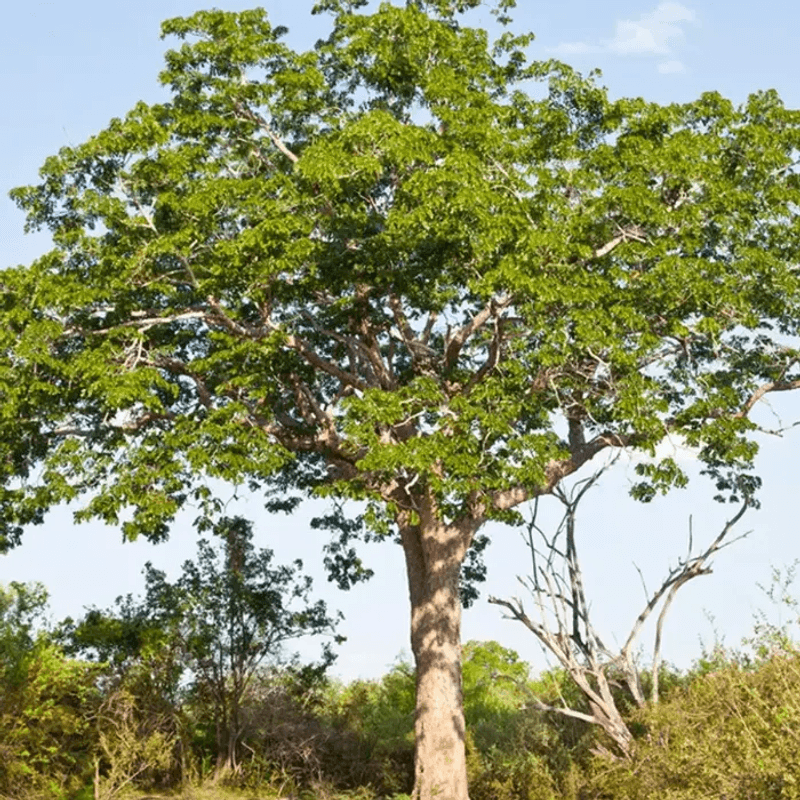
West Indian mahogany trees are native to South Florida and the Keys, where they are highly valued for their beauty, shade, and ecological importance.
Many municipalities have native tree protection laws that include mahogany trees, requiring permits for removal or significant pruning.
Fines for cutting down a protected mahogany can be substantial, often reaching several thousand dollars, and violators may also be required to replant native trees or pay restoration fees.
Mahogany trees are slow-growing and long-lived, making each mature specimen especially valuable to the local ecosystem and community.
These trees provide habitat for native wildlife, improve air quality, and contribute to the urban canopy that helps cool neighborhoods during hot Florida summers.
Homeowners who want to remove a mahogany tree must typically provide a compelling reason, such as disease, structural instability, or unavoidable construction impacts.
Even in these cases, a certified arborist’s report is usually required, and alternative solutions like relocation or pruning may be suggested before removal is approved.
Some areas also have heritage tree programs that offer additional protections for particularly large or old mahogany trees.
Before making any changes to a mahogany tree on your property, contact your local environmental or planning office to understand the specific regulations and ensure full compliance with the law.
Trees Located In Conservation Or Overlay Zones
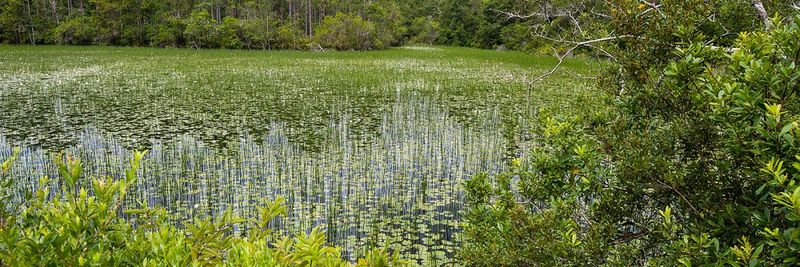
Conservation zones and overlay districts are special areas designated by local governments to protect natural resources, wildlife habitats, and environmentally sensitive lands.
Any tree growing within these zones may be subject to strict protections, regardless of species, size, or whether it’s native or non-native.
Homeowners often don’t realize their property falls within a conservation or overlay zone until they attempt to remove a tree and are denied a permit or fined for unauthorized cutting.
Fines for violating these regulations can be severe, sometimes reaching tens of thousands of dollars, especially if the removal impacts wetlands, waterways, or protected habitats.
In many cases, property owners must submit detailed plans, environmental impact assessments, and mitigation proposals before any tree work is approved.
Conservation zones are typically found near water bodies, wetlands, nature preserves, and areas with rare or endangered species.
Overlay districts may also exist in historic neighborhoods or areas with unique ecological features that local governments want to preserve.
Even routine maintenance like trimming or clearing brush may require permits in these zones, so it’s important to check with local authorities before starting any work.
Understanding whether your property is in a conservation or overlay zone is essential to avoiding costly fines and ensuring compliance with environmental protection laws.
What Florida Homeowners Must Do Before Cutting Any Tree
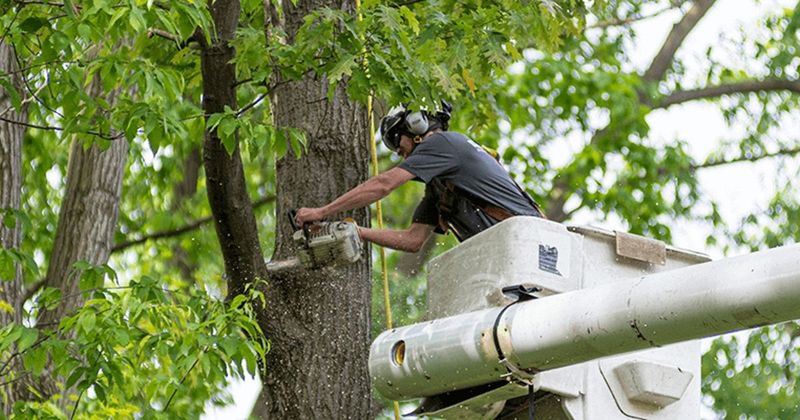
Before cutting down any tree on your Florida property, the first step is to check with your local city or county government to see if tree removal permits are required.
Many municipalities have online resources, planning departments, or code enforcement offices that can provide information about protected species, size thresholds, and permit applications.
It’s also wise to consult with a certified arborist who can assess the tree’s health, identify its species, and advise on whether removal is necessary or if alternatives like pruning or cabling might work.
Homeowners often assume that because they own the property, they have the right to remove any tree, but Florida law and local ordinances frequently override that assumption.
Failing to obtain the proper permits can result in fines, legal action, and mandatory restoration projects that cost far more than the original tree removal would have.
In some cases, you may also need environmental assessments, especially if your property is near wetlands, shorelines, or conservation zones.
Keeping detailed records, including photos, arborist reports, and permit applications, can protect you if questions arise later.
Taking the time to research and follow the rules not only keeps you out of legal trouble but also helps preserve Florida’s natural beauty and environmental health for future generations.