How To Start A Vegetable Garden That’s Easy To Maintain In Texas
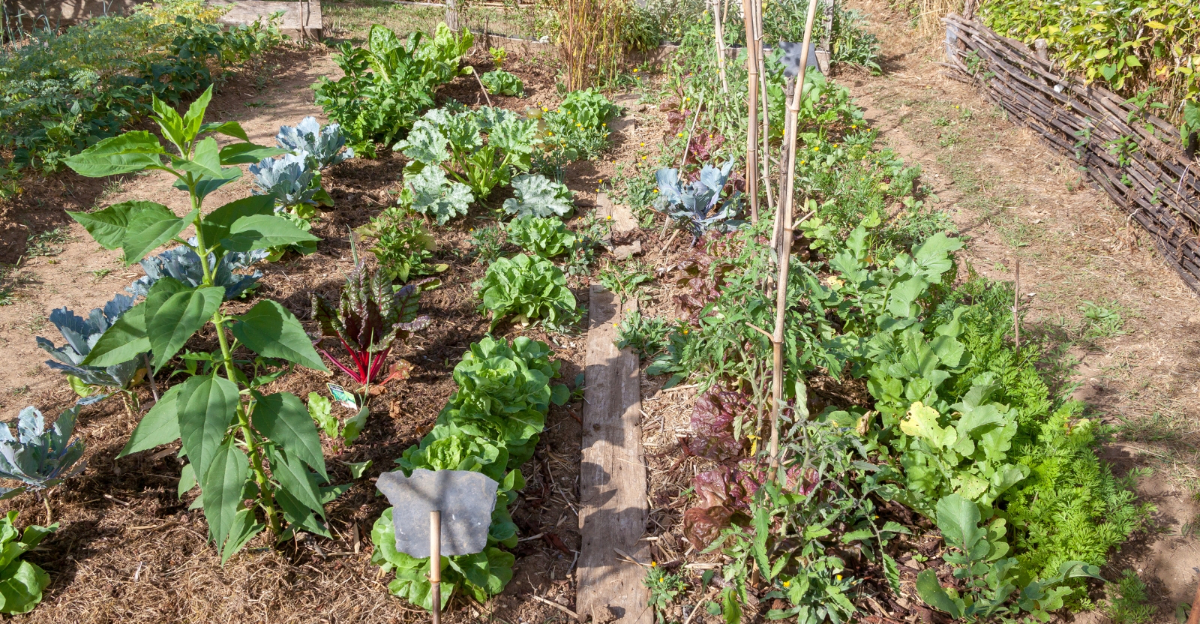
Starting a vegetable garden in Texas can feel intimidating at first, especially when heat, soil, and watering all seem demanding at the same time.
Many new gardens struggle not because of effort, but because they’re built in ways that require constant attention from day one.
An easy-to-maintain vegetable garden focuses on smart plant choices, simple layouts, and routines that work with Texas conditions instead of fighting them.
When everything is set up with simplicity in mind, growing vegetables becomes far more enjoyable and far less overwhelming.
1. Choose Heat-Tolerant Vegetables
Texas summers bring intense heat that can stress many common garden plants, so selecting varieties bred for warm climates makes all the difference.
Tomatoes like Celebrity and Heatwave perform exceptionally well when temperatures soar above ninety degrees throughout June, July, and August in most regions.
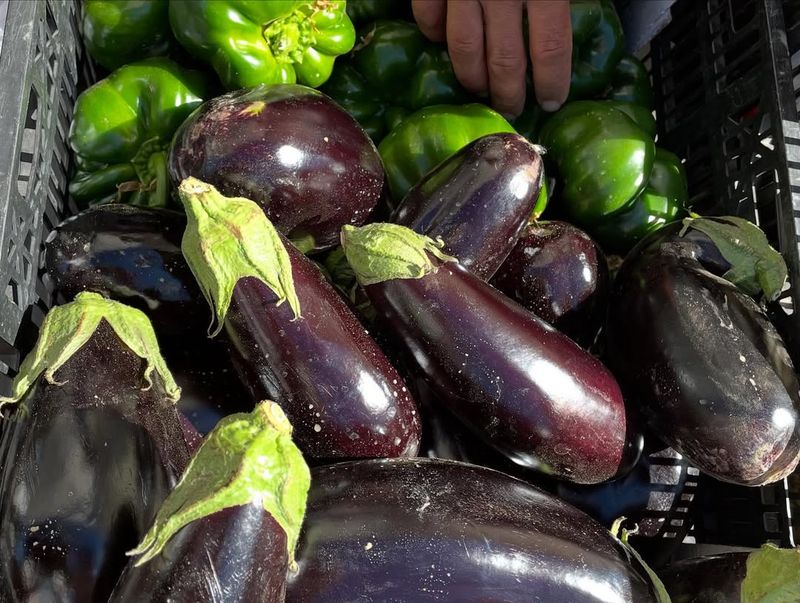
Peppers thrive in scorching conditions, with jalapeños and bell peppers producing abundant harvests even when other crops struggle during extended heat waves.
Okra stands as a Texas gardening champion, growing vigorously in hot weather and requiring minimal attention once established in your garden beds.
Summer squash varieties tolerate high temperatures better than their winter cousins, making them ideal choices for gardeners seeking reliable production without constant intervention.
Eggplants also love the warmth, developing their glossy purple fruits steadily throughout the growing season with just basic watering and occasional feeding.
Many Texas gardeners find success with Armenian cucumber, a heat-loving alternative that produces crisp, mild fruits even during the hottest months.
Starting with vegetables naturally suited to your climate eliminates frustration and creates a foundation for long-term gardening success across the state.
2. Install Drip Irrigation Systems
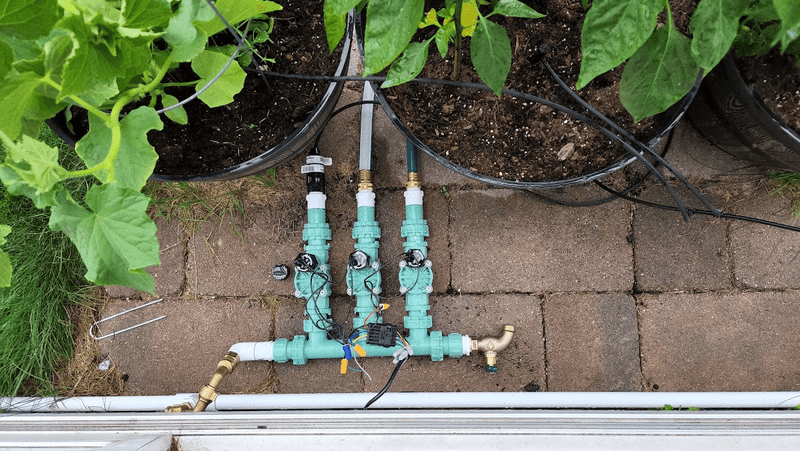
Hand-watering a vegetable garden every day becomes tedious quickly, especially during Texas summers when plants need consistent moisture to produce quality harvests.
Drip irrigation delivers water directly to plant roots, reducing waste and ensuring your vegetables receive steady hydration even during your busiest weeks.
These systems connect to outdoor faucets and run through garden beds on timers, automating the watering process so you can focus on other tasks.
Across Texas, drip systems prove especially valuable because they minimize water loss through evaporation, which happens rapidly in hot, dry conditions throughout most months.
Installation requires only basic tools and an afternoon of work, with most homeowners successfully setting up systems without professional help or specialized knowledge.
Adjustable emitters allow you to customize water flow for different plants, giving thirsty tomatoes more moisture while providing less to drought-tolerant herbs nearby.
Mulching around drip lines further conserves moisture and keeps soil temperatures more moderate, creating ideal growing conditions for roots beneath the surface.
This investment pays dividends in saved time, reduced water bills, and healthier plants that produce more vegetables throughout the entire growing season.
3. Build Raised Garden Beds
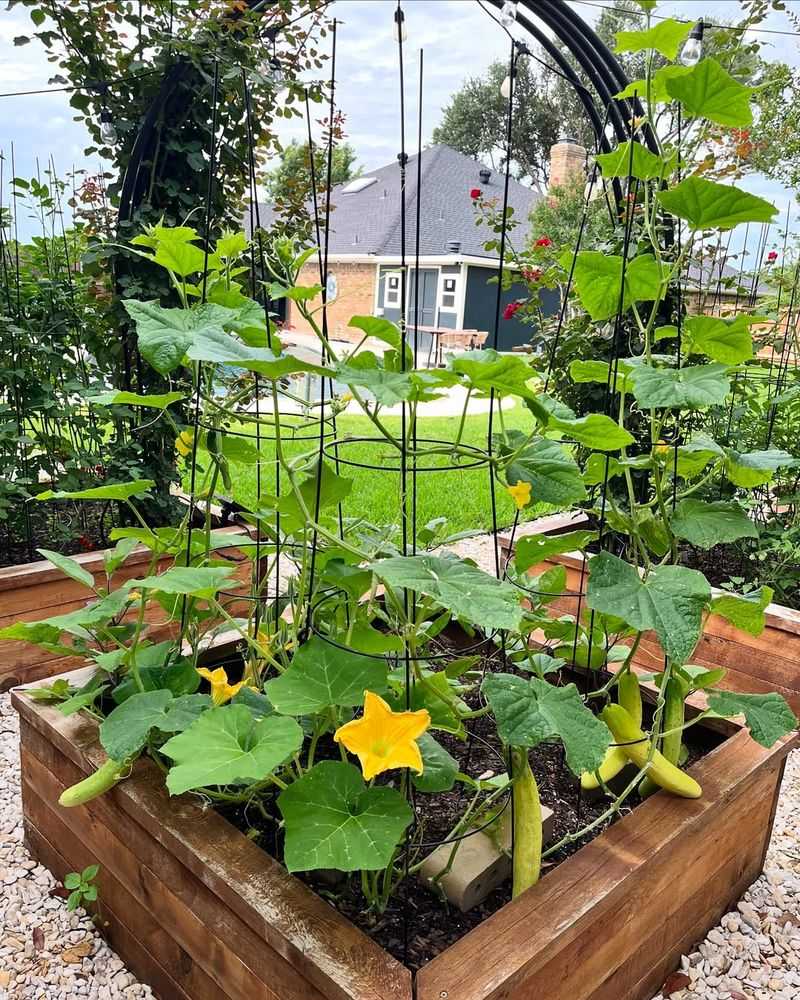
Many Texas yards feature heavy clay soil or rocky terrain that makes traditional in-ground gardening challenging and labor-intensive for most homeowners.
Raised beds filled with quality soil mix eliminate these problems, providing vegetables with ideal growing conditions regardless of what lies beneath your property.
Your Texas Garden Changes Every Week. Your Plan Should Too.
Gardening in Texas changes quickly throughout the season. Every Friday you’ll receive a simple weekly plan showing exactly what to plant, prune, fertilize, harvest, and protect so you never miss the right timing.
Constructing beds from untreated wood, concrete blocks, or galvanized metal takes just a weekend and requires no advanced carpentry skills or expensive equipment.
Beds elevated twelve to eighteen inches allow for better drainage, which becomes critical during spring storms when Texas receives sudden heavy rainfall amounts.
The contained space makes weed control much simpler since you can easily distinguish between desired plants and invaders trying to establish themselves.
Filling beds with purchased soil means you control fertility and texture from the start, creating perfect conditions for root development and nutrient uptake.
Throughout Texas, raised beds warm up faster in spring, extending your growing season and allowing earlier planting dates for warm-season crops like tomatoes.
Gardening at a comfortable height reduces back strain and makes maintenance tasks more pleasant, encouraging you to spend more time tending your vegetables.
This approach transforms difficult gardening situations into manageable projects that yield impressive results with reasonable effort and basic maintenance routines.
4. Apply Thick Mulch Layers

Bare soil exposed to Texas sun quickly dries out and develops a hard crust that prevents water penetration and stresses plant roots below.
Spreading three to four inches of organic mulch around vegetables creates a protective barrier that moderates soil temperature and retains precious moisture.
Shredded hardwood bark, straw, and pine needles all work well, breaking down gradually to improve soil structure while performing their protective functions.
Across the state, mulched gardens require significantly less frequent watering because the covering prevents rapid evaporation that occurs in exposed garden beds daily.
Mulch also suppresses weed growth by blocking sunlight from reaching dormant seeds, dramatically reducing the time you spend pulling unwanted plants each week.
As organic mulches decompose, they feed beneficial soil organisms and add nutrients, creating a healthier growing environment without chemical fertilizers or amendments.
Replenishing mulch once or twice per season maintains its effectiveness, making this a minimal-maintenance strategy with maximum benefits for busy gardeners.
Many Texas gardeners source free mulch from tree trimming services or municipal composting programs, making this an economical improvement for any garden.
This simple practice transforms garden maintenance by addressing multiple challenges simultaneously, allowing plants to thrive with less intervention from you throughout the season.
5. Plant During Optimal Seasons
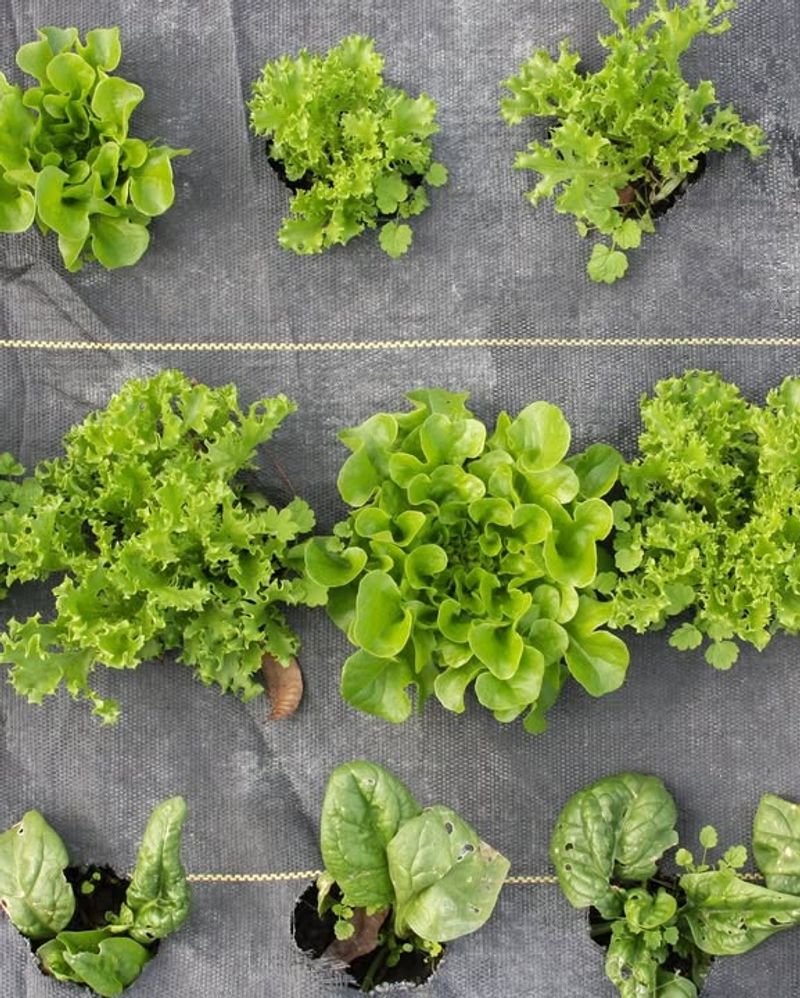
Timing plantings to match Texas growing seasons dramatically increases success rates and reduces the effort needed to keep vegetables healthy and productive.
Spring gardens should start in late February through March for most regions, allowing plants to establish before summer heat arrives in full force.
Cool-season crops like lettuce, broccoli, and carrots grow best when planted in fall, typically from September through October across most Texas counties.
Understanding your specific USDA hardiness zone helps you determine precise planting dates that align with local climate patterns and average frost dates annually.
Many gardeners in Texas enjoy two distinct growing seasons, spring and fall, with summer reserved for heat-loving crops that tolerate extreme conditions.
Planting at the right time means vegetables grow vigorously with minimal pest pressure and disease problems that often plague crops planted too early.
Seedlings started during appropriate windows establish quickly, developing strong root systems that support healthy growth and abundant harvests in coming weeks and months.
Local extension offices throughout the state provide free planting calendars customized for your area, taking the guesswork out of scheduling your garden activities.
Working with natural seasons rather than against them creates a low-maintenance garden that practically takes care of itself once established properly.
6. Select Compact Plant Varieties
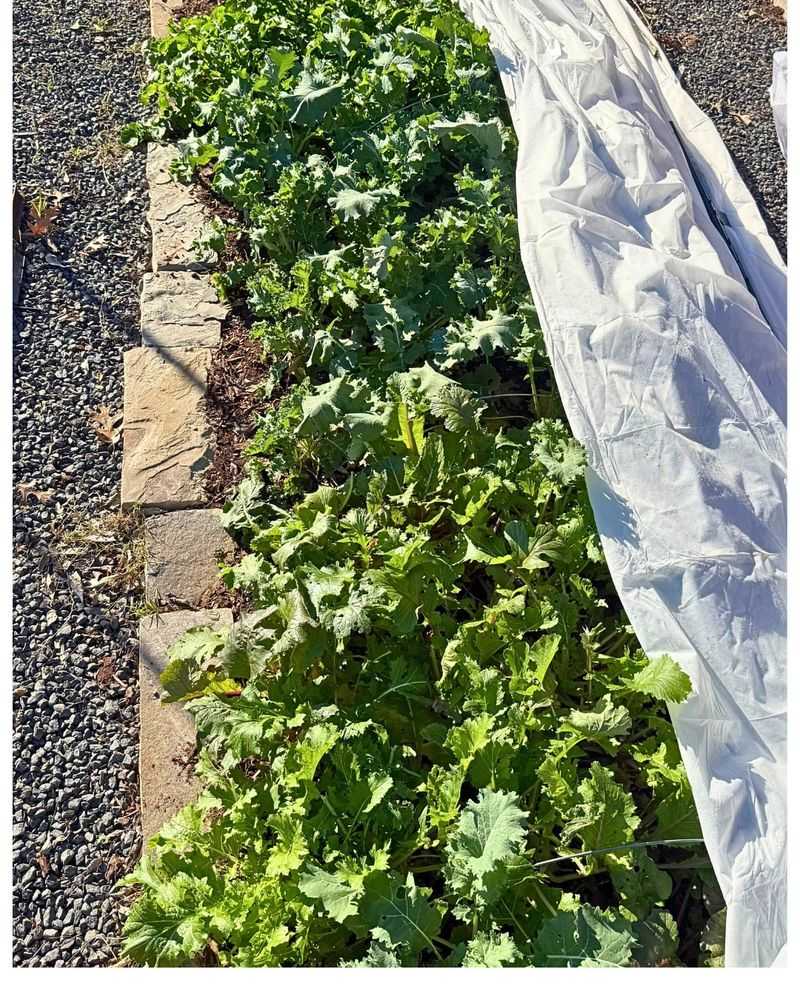
Standard vegetable varieties often grow larger than necessary for home gardens, sprawling across beds and requiring constant pruning and staking throughout the season.
Compact or dwarf cultivars produce full-sized vegetables on smaller plants, making them perfect for limited spaces and easier to manage for beginners.
Bush beans eliminate the need for trellising, growing tidily in rows and producing heavy yields in a fraction of the space required by pole varieties.
Determinate tomatoes stay naturally compact, reaching three to four feet tall and setting all their fruit within a concentrated period for easier harvesting.
Across Texas, space-saving varieties make sense even in large yards because they simplify maintenance tasks like pruning, tying, and pest inspection activities.
Smaller plants also adapt better to container growing, allowing you to position vegetables on patios or near kitchen doors for convenient access daily.
Seed catalogs and nursery labels clearly identify compact varieties, making selection straightforward when planning your garden layout and ordering supplies each season.
These efficient plants maximize productivity per square foot while minimizing the time you spend managing overgrown vines and sprawling stems constantly.
Choosing appropriately sized varieties from the start prevents frustration and creates a neat, manageable garden that remains attractive throughout the entire growing period.
7. Add Compost Regularly
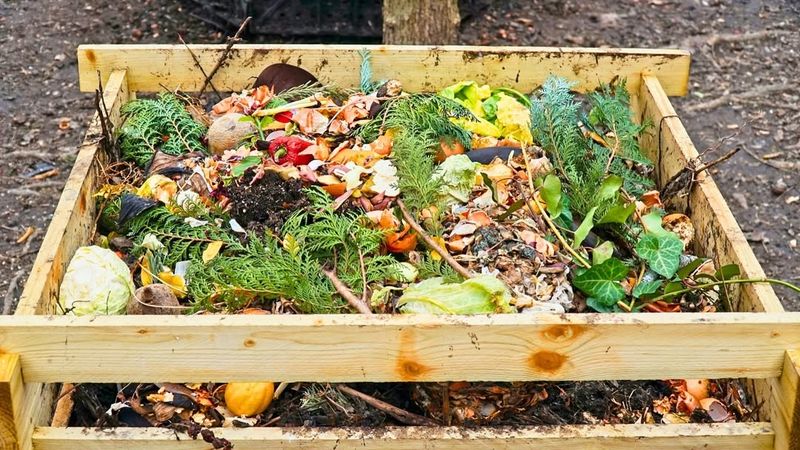
Texas soils often lack sufficient organic matter, leading to poor water retention and nutrient deficiencies that limit vegetable production throughout the growing season.
Incorporating finished compost into beds before planting and as side-dressing during growth provides a steady supply of nutrients without complicated fertilizer schedules.
Homemade compost from kitchen scraps and yard waste costs nothing and transforms waste into valuable soil amendment that improves garden performance dramatically.
Even purchased compost remains affordable and delivers excellent results, particularly when applied consistently rather than in large amounts once or twice annually.
Gardens across the state benefit from compost’s ability to improve soil structure, helping clay soils drain better and sandy soils hold moisture longer.
Adding a two-inch layer each season feeds beneficial microorganisms that support plant health naturally, reducing reliance on chemical inputs and synthetic products.
Vegetables grown in compost-enriched soil develop stronger root systems and show greater resistance to stress from heat, drought, and pest pressure naturally.
Many Texas municipalities offer free or low-cost compost to residents, making this soil improvement strategy accessible to gardeners at every budget level.
This simple practice creates a positive cycle where better soil produces healthier plants, which in turn support more robust gardens year after year.
8. Grow Perennial Vegetables
Replanting entire gardens each season requires significant time and effort, especially when juggling work, family, and other responsibilities throughout busy spring and fall months.
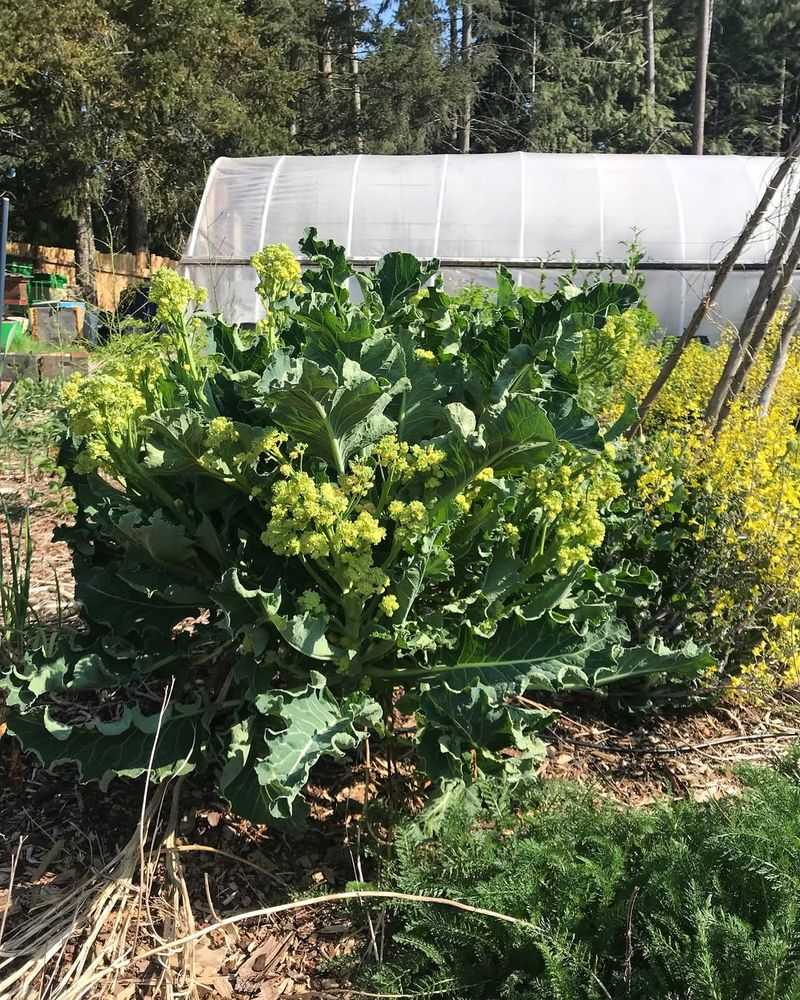
Perennial vegetables return year after year from the same roots, eliminating annual replanting while providing reliable harvests with minimal ongoing maintenance required.
Asparagus thrives in Texas once established, sending up tender spears each spring for fifteen to twenty years from a single initial planting effort.
Jerusalem artichokes produce edible tubers and grow vigorously throughout the state, requiring almost no care beyond occasional watering during extended dry periods.
Multiplier onions and walking onions spread gradually, providing fresh green shoots and bulbs continuously without replanting or starting from seed each season.
Many herbs like rosemary, oregano, and thyme grow as perennials across Texas, offering fresh flavors year-round with only occasional trimming and shaping.
These permanent plantings develop extensive root systems that access deep soil moisture, making them naturally more drought-tolerant than annual crops nearby.
Incorporating perennials into your garden design creates a low-maintenance backbone that produces food reliably while you focus attention on seasonal annual vegetables.
This strategy reduces overall workload while diversifying your harvest, providing interesting vegetables that many neighbors never experience growing in their own yards.