The 12 Best Plants To Prune In Late Winter In Virginia
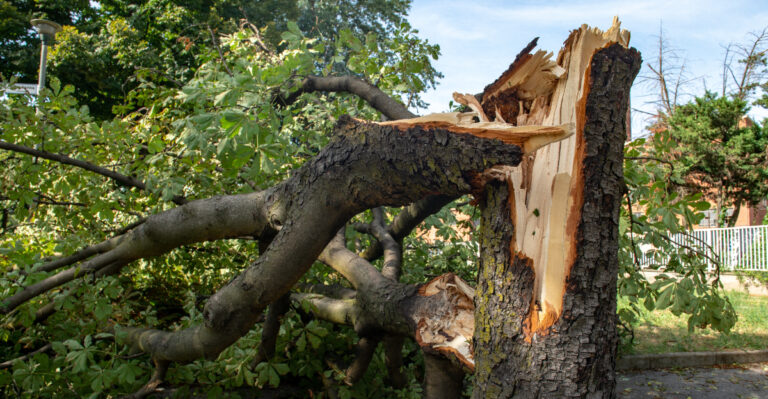
Late winter in Virginia offers a valuable window for pruning that can shape how plants grow and perform all year.
With trees and shrubs still dormant, branch structure is easier to see, pests are less active, and plants respond with strong spring growth.
Timing matters, though. Pruning the wrong plants now can mean fewer flowers, while cutting the right ones leads to healthier shapes and better blooms.
From classic landscape shrubs to flowering favorites and fruiting plants, certain varieties benefit most from a late-winter trim.
Taking action before buds break helps redirect energy where it counts.
This guide highlights the plants that respond best to late-winter pruning in Virginia, helping gardens emerge cleaner, stronger, and ready for a productive growing season.
1. Crape Myrtle
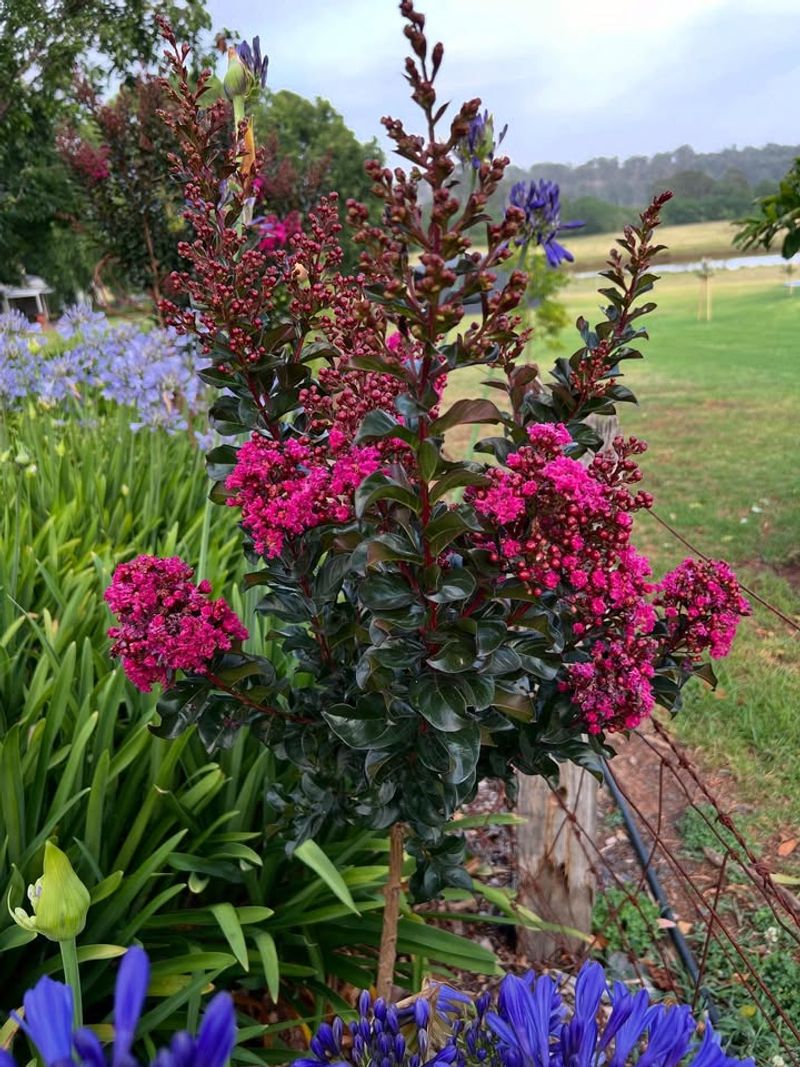
Crape myrtles are beloved southern trees that produce stunning summer blooms, making them a staple in Virginia gardens across the state.
Late winter pruning helps these trees develop strong branch structures and encourages abundant flowering when warm weather returns to your neighborhood.
Focus on removing crossed branches and suckers that grow from the base, creating a clean and attractive shape for your tree.
Virginia gardeners should avoid topping crape myrtles, as this practice weakens the tree and creates an unnatural appearance that detracts from beauty.
Instead, selective thinning allows light and air to penetrate the canopy, promoting healthier growth and reducing disease risk throughout the season.
Prune before new growth emerges in early spring, typically between late February and early March depending on your specific location in Virginia.
This timing ensures your crape myrtle has plenty of energy stored to produce vigorous new shoots and spectacular blooms all summer long.
Proper pruning transforms these trees into stunning focal points that enhance curb appeal and provide shade for outdoor spaces in your yard.
2. Butterfly Bush
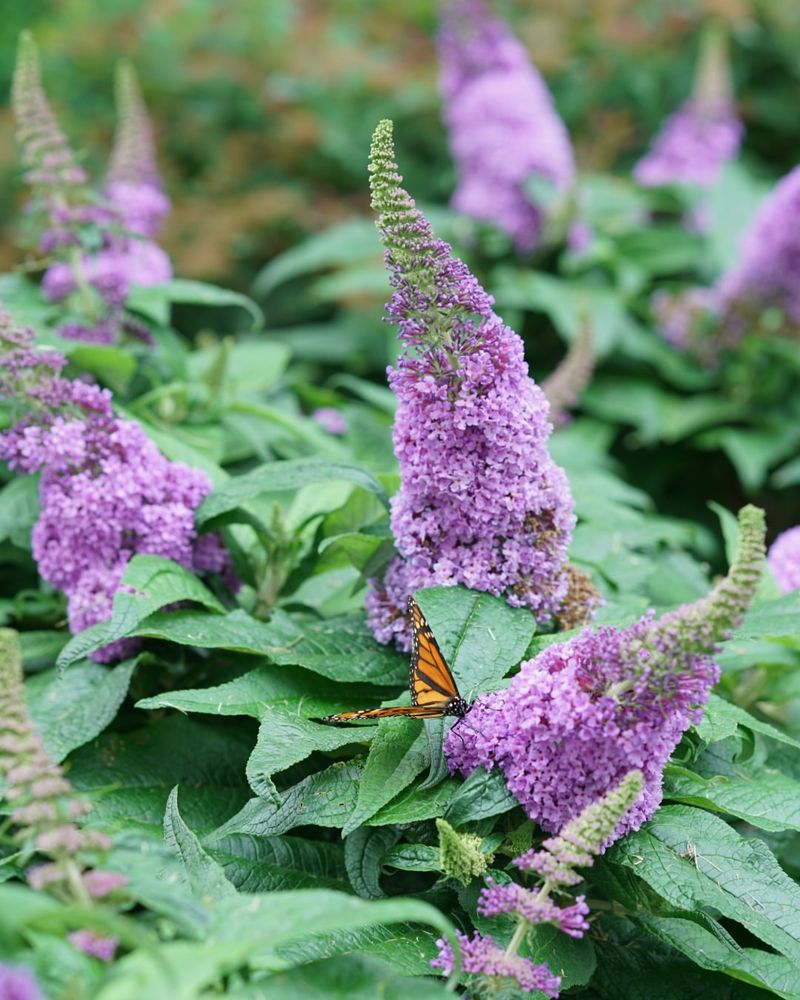
Butterfly bushes attract pollinators with their fragrant flower spikes, creating a lively garden scene that brings joy to anyone who watches nature unfold.
Cutting back butterfly bushes in late winter encourages vigorous new growth and larger blooms that butterflies and hummingbirds absolutely adore visiting regularly.
Virginia gardeners can prune these shrubs quite hard, cutting stems down to about twelve inches from the ground without causing harm.
This aggressive approach may seem drastic, but butterfly bushes bloom on new wood, so heavy pruning actually improves their flowering performance significantly.
Remove any damaged or weak stems first, then shape the remaining branches to create a balanced and attractive framework for the plant.
Late February through early March is ideal timing in Virginia, right before the shrub breaks dormancy and begins its spring growth cycle.
Regular pruning prevents butterfly bushes from becoming leggy and overgrown, keeping them compact and manageable in smaller garden spaces throughout the year.
Your efforts will be rewarded with a spectacular display of colorful blooms that transform your garden into a pollinator paradise every summer.
3. Rose Bushes
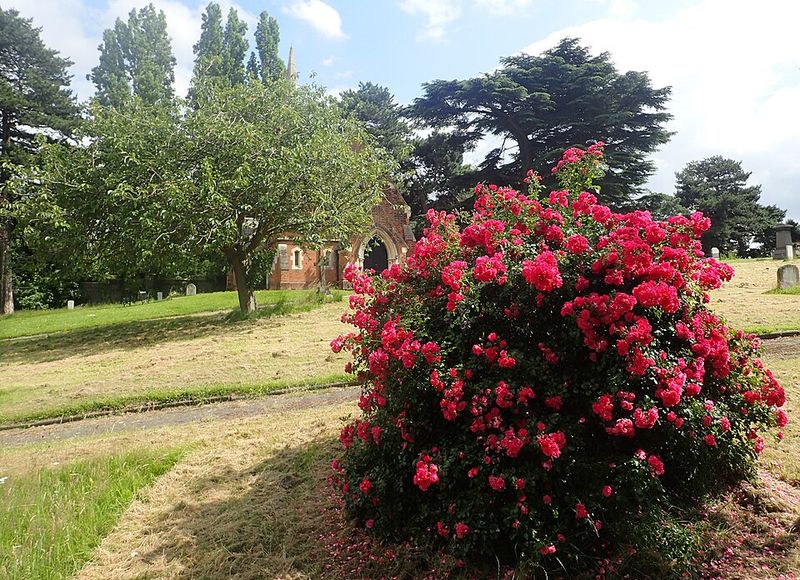
Roses are classic garden favorites that benefit tremendously from late winter pruning, setting the stage for healthy growth and abundant blooms ahead.
Your Virginia Garden Changes Every Week. Your Plan Should Too.
Gardening in Virginia changes quickly throughout the season. Every Friday you’ll receive a simple weekly plan showing exactly what to plant, prune, fertilize, harvest, and protect so you never miss the right timing.
Pruning roses while they are dormant reduces stress and allows you to see the plant structure clearly, making it easier to decide cuts.
Start by removing withered, diseased, or damaged canes, cutting them back to healthy wood that shows a white or green interior when sliced.
Virginia gardeners should also eliminate thin or weak growth that will not support robust flowering, focusing energy on the strongest canes instead.
Aim to create an open center that allows air circulation, which helps prevent fungal diseases common in Virginia’s humid spring and summer climate.
Cut canes at a forty-five-degree angle just above an outward-facing bud, encouraging new growth to spread away from the plant’s center naturally.
Hybrid tea roses typically require more severe pruning than shrub or climbing varieties, so adjust your approach based on the rose type.
Proper late winter pruning results in vigorous spring growth and stunning blooms that make your garden the envy of the entire neighborhood.
4. Hydrangeas
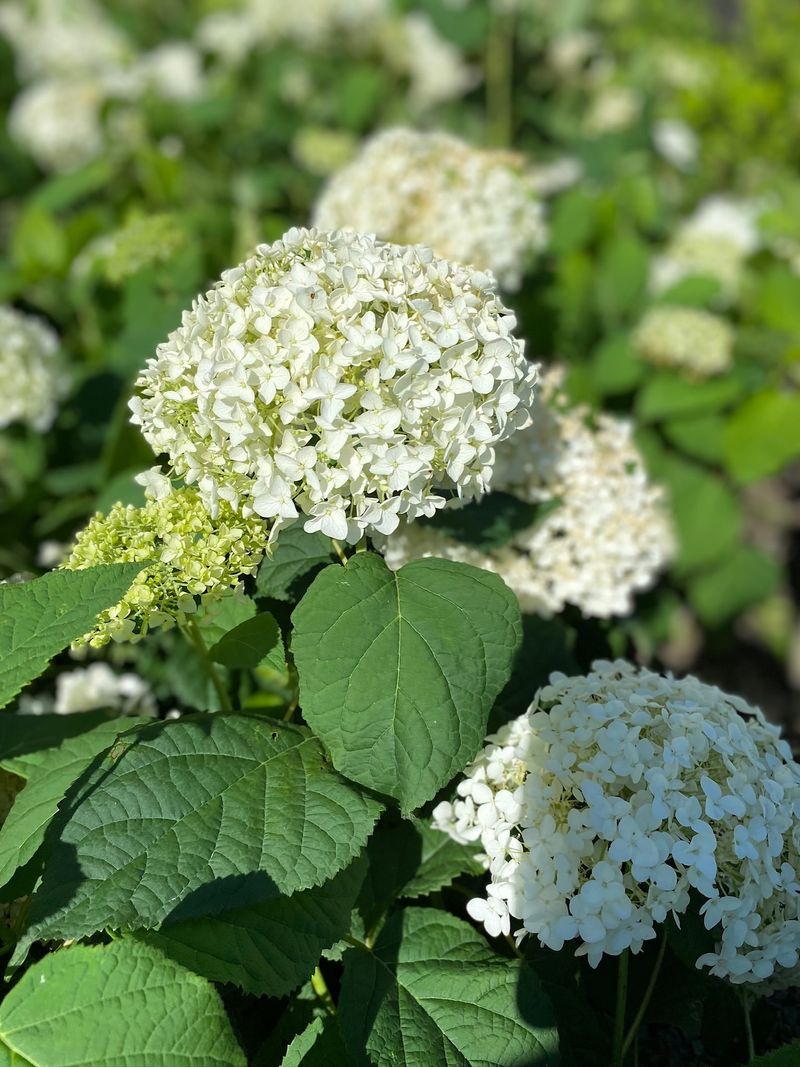
Hydrangeas produce magnificent blooms that range from blue to pink, depending on soil conditions and the specific variety growing in your garden.
Knowing which type of hydrangea you have is crucial because different varieties require different pruning approaches to ensure successful flowering each year.
Smooth hydrangeas and panicle hydrangeas bloom on new wood, so they can be pruned hard in late winter without sacrificing summer flowers.
Cut these varieties back to about eighteen inches from the ground, removing old stems and encouraging fresh, vigorous growth for the season.
Bigleaf and oakleaf hydrangeas bloom on old wood, so only remove withered stems and spent flower heads in late winter pruning sessions.
For these types, save major shaping for right after they finish blooming in summer, preserving next year’s flower buds that form early.
Virginia gardeners should prune hydrangeas in late February or early March, timing the task to coincide with the end of winter dormancy.
Proper pruning ensures your hydrangeas produce stunning blooms that brighten shady corners and create focal points in landscape designs throughout your property.
5. Fruit Trees
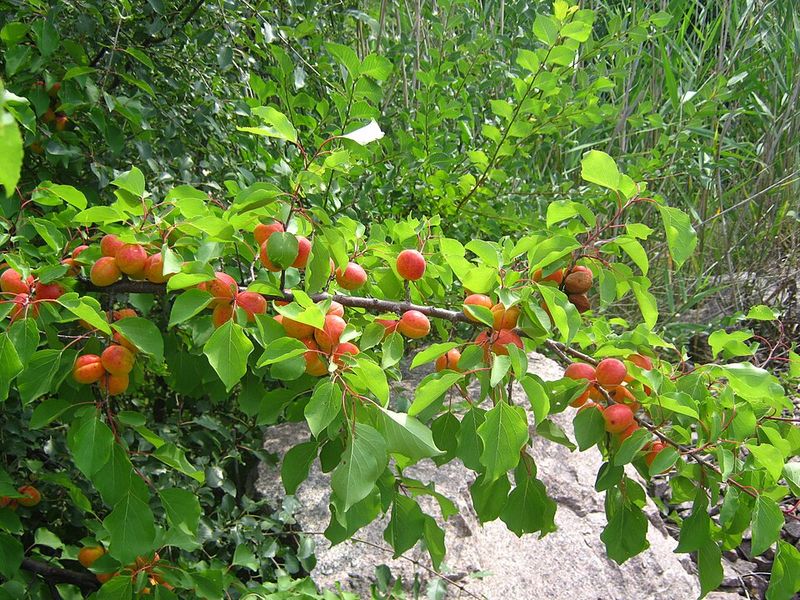
Fruit trees like apples, pears, and peaches thrive when pruned during late winter, setting them up for healthy growth and productive harvests ahead.
Dormant pruning allows you to see the tree’s framework clearly, making it easier to identify problem branches that need removal for better structure.
Start by eliminating withered, diseased, or damaged wood, then remove branches that cross or rub against each other, causing wounds and inviting pests.
Opening up the canopy improves air circulation and sunlight penetration, both essential for fruit development and reducing disease pressure in Virginia’s climate.
Focus on creating a balanced shape with well-spaced branches that can support heavy fruit loads without breaking under the weight later on.
Virginia gardeners should prune fruit trees in late February or early March, before buds begin to swell and active growth resumes naturally.
Avoid heavy pruning in fall or early winter, as this can stimulate new growth that may be damaged by late frosts.
Proper late winter pruning improves fruit quality and tree health, ensuring your orchard produces delicious harvests for years to come without major issues.
6. Blueberry Bushes
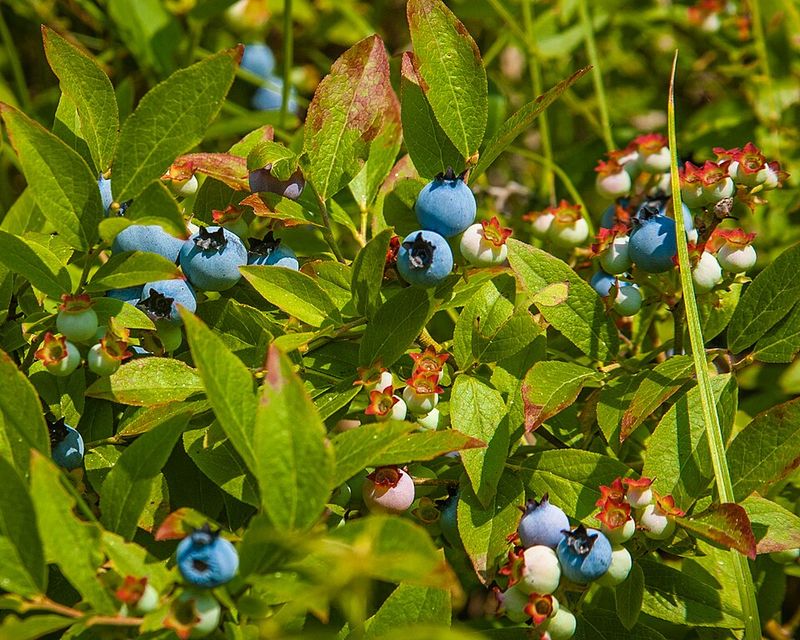
Blueberry bushes are wonderful additions to Virginia gardens, offering delicious fruit and attractive foliage that changes color with the seasons beautifully.
Late winter pruning keeps blueberry bushes productive and healthy, removing old wood that no longer produces quality fruit or vigorous new growth.
Focus on eliminating branches that are more than six years old, as these become less productive and can crowd out younger canes.
Remove any low-growing branches that touch the ground, as these are more susceptible to pests and diseases that can spread throughout plants.
Thin out weak or spindly growth to direct energy toward stronger canes that will produce larger berries and more abundant harvests each season.
Virginia gardeners should also remove any withered or damaged wood, cutting back to healthy tissue that shows no signs of discoloration or damage.
Prune blueberries in late February or early March, just before they break dormancy and begin their spring growth cycle in your garden.
Proper pruning maintains bush vigor and ensures consistent fruit production, rewarding you with sweet, plump berries perfect for fresh eating or preserving.
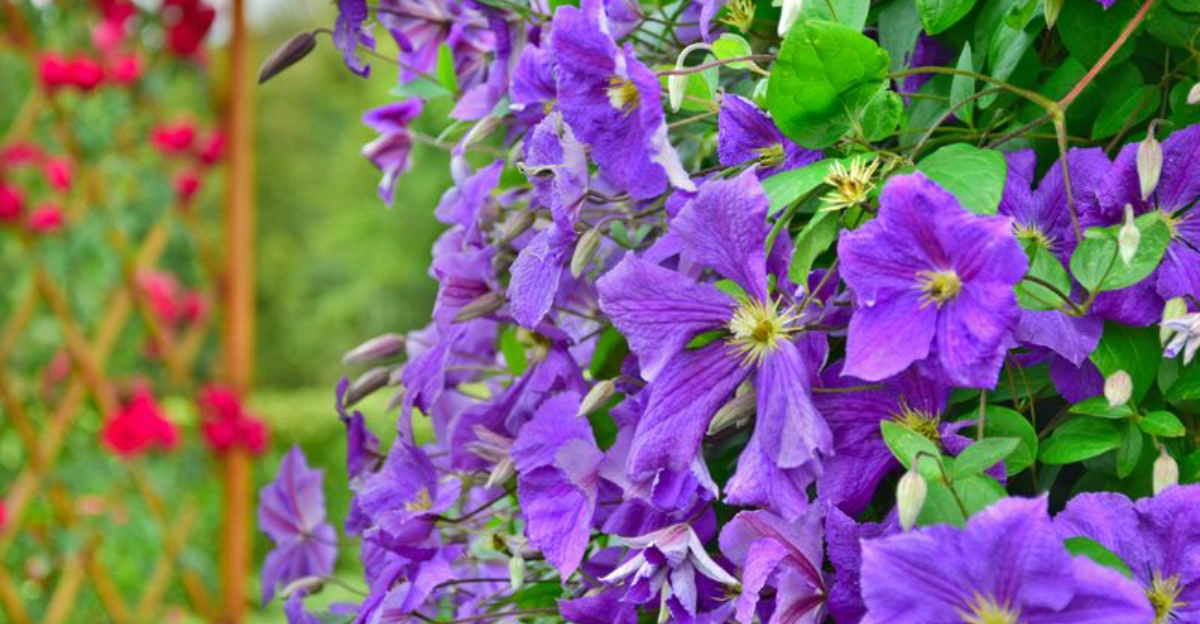
7. Clematis
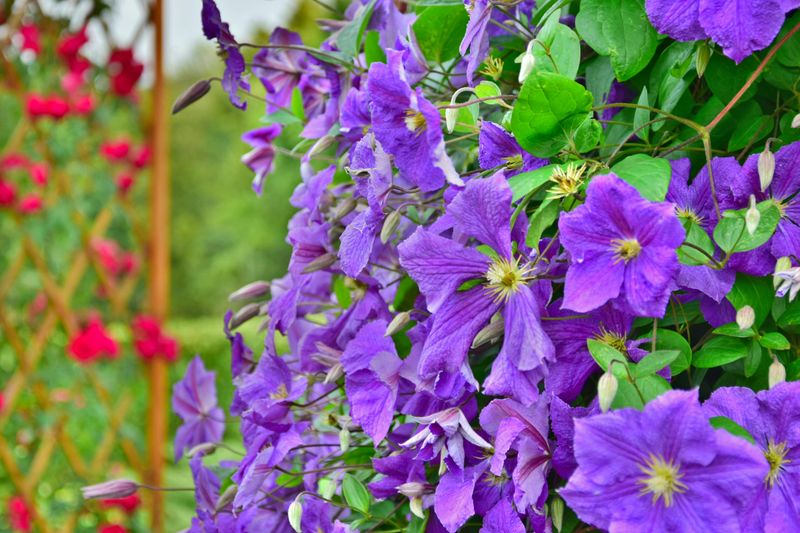
Clematis vines produce spectacular flowers that climb fences and trellises, adding vertical interest and color to gardens throughout Virginia and beyond.
Pruning requirements vary depending on the clematis group, so identifying your variety is essential before making any cuts to the plant structure.
Group three clematis bloom on new wood and can be pruned hard in late winter, cutting stems back to about twelve inches.
This aggressive approach encourages vigorous new growth and abundant flowering on fresh stems that emerge as temperatures warm in early spring months.
Group two clematis bloom on old wood and should only have withered or damaged stems removed during late winter pruning sessions.
For these varieties, save major pruning for right after their first flush of blooms fades, preserving buds that formed the previous year.
Group one clematis also bloom on old wood and require minimal pruning, just tidying up withered growth after flowering finishes completely.
Virginia gardeners should prune clematis in late February or early March, timing the task based on the specific variety growing in your space.
8. Ornamental Grasses
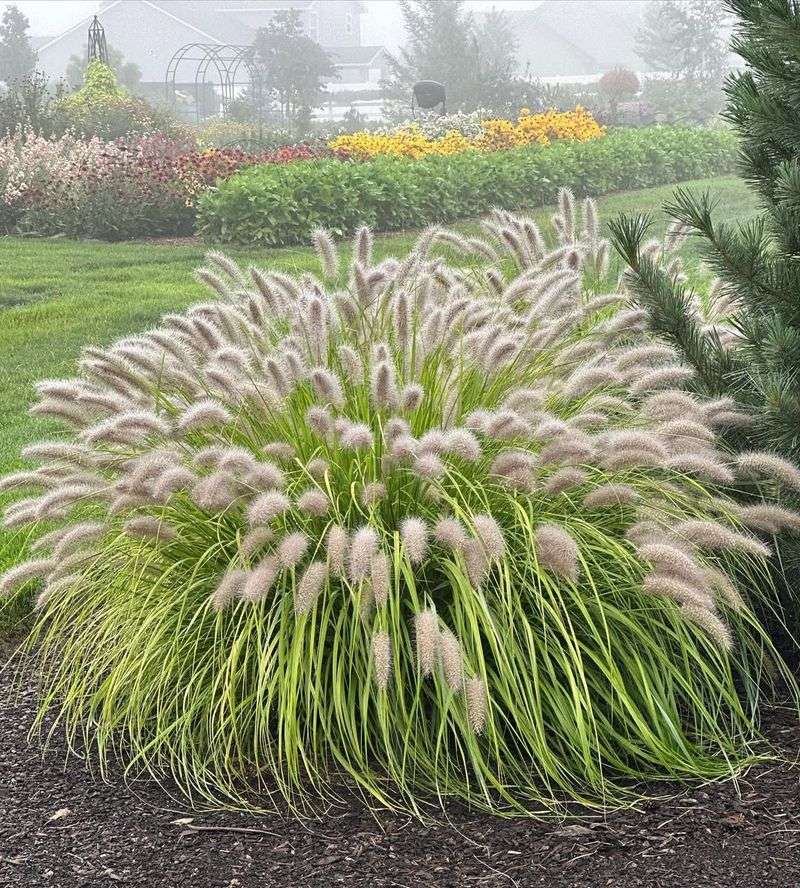
Ornamental grasses add texture and movement to landscapes, swaying gracefully in breezes and providing visual interest even during winter months when dormant.
Late winter is the perfect time to cut back ornamental grasses, removing old foliage before new shoots emerge from the base.
Use sharp hedge shears or pruners to cut grasses down to about four to six inches above the ground, creating a clean slate.
This timing allows you to enjoy the dried foliage throughout winter while ensuring you do not damage emerging growth in early spring.
Virginia gardeners should avoid cutting grasses back in fall, as the foliage provides winter interest and protects crowns from freezing temperatures.
Bundle up the old foliage and dispose of it, or add it to compost piles where it will break down and enrich soil.
Some grasses, like fountain grass and maiden grass, benefit from annual cutting, while others may need division every few years to maintain vigor.
Proper late winter maintenance keeps ornamental grasses looking fresh and attractive, ensuring they provide beautiful texture and color throughout the growing season ahead.
9. Forsythia

Forsythia is one of the first shrubs to bloom in spring, producing cheerful yellow flowers that signal the end of winter cold.
While forsythia can be pruned in late winter, timing is tricky because the flower buds are already set on the branches.
Pruning before blooming removes some flowers, so many Virginia gardeners prefer to wait until right after the blooms fade in spring.
However, if your forsythia has become overgrown or unruly, late winter is a good time to do major rejuvenation pruning without worry.
Remove old, thick stems at the base to encourage new growth from the roots, creating a more attractive and manageable shrub shape.
Thin out crowded branches to improve air circulation and light penetration, which helps the shrub maintain health and vigor throughout the year.
Virginia gardeners should avoid shearing forsythia into formal shapes, as this destroys the natural arching form that makes the shrub so attractive.
Proper pruning maintains forsythia’s graceful appearance and encourages abundant flowering, ensuring your garden bursts with golden blooms each spring without fail or disappointment.
10. Wisteria
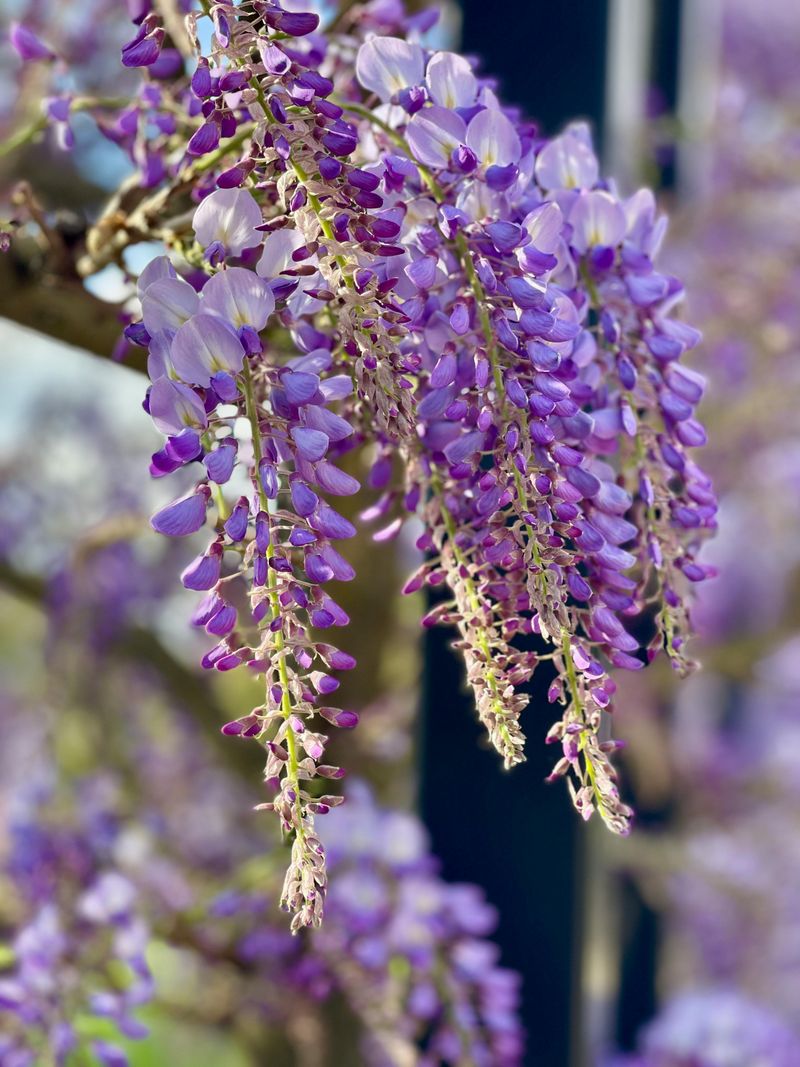
Wisteria produces cascading clusters of fragrant flowers that are absolutely breathtaking, transforming arbors and pergolas into stunning focal points each spring.
Late winter pruning is essential for controlling wisteria’s vigorous growth and encouraging the plant to produce more flower buds instead of foliage.
Cut back the long whips that grew during the previous summer, shortening them to about three to five buds from the main framework.
This approach directs energy toward flowering rather than rampant vegetative growth, resulting in more abundant blooms that everyone will admire and appreciate.
Virginia gardeners should also remove any withered or damaged wood and thin out crowded areas to improve air circulation throughout the vine structure.
Wisteria can become quite heavy, so ensure the supporting structure is sturdy enough to handle the weight of mature vines and flowers.
Prune wisteria in late February or early March, before new growth begins and while the plant is still dormant for easiest management.
Regular late winter pruning keeps wisteria under control and maximizes flowering, creating a spectacular display that perfumes the air and delights the senses.
11. Spirea
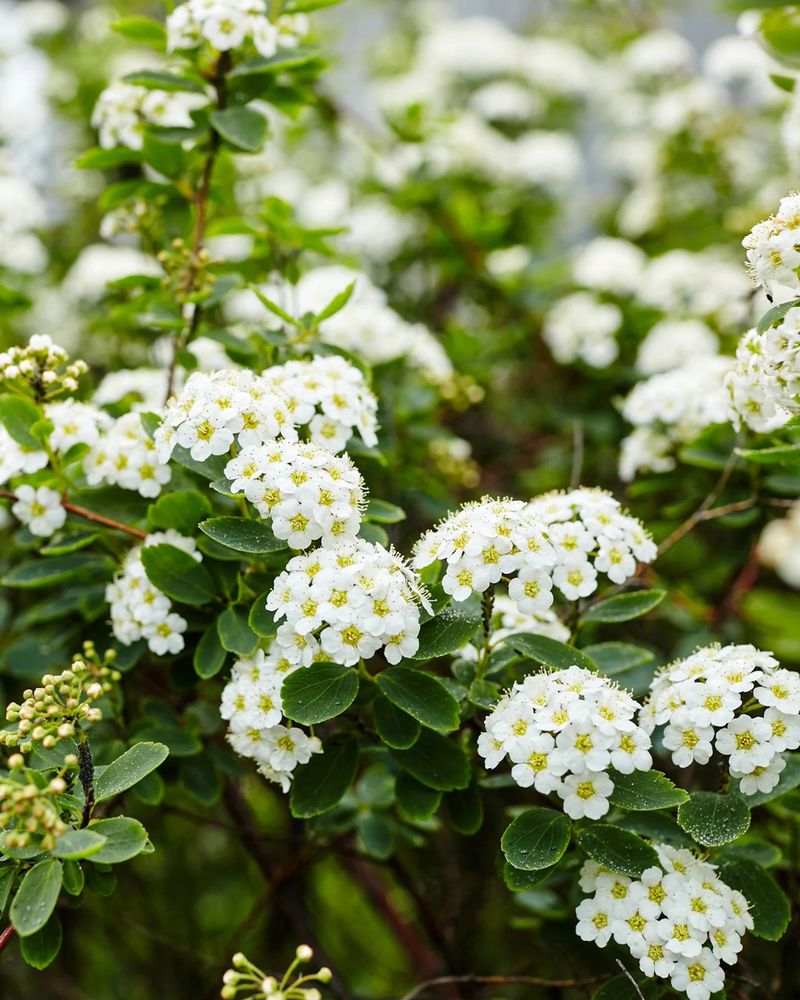
Spirea shrubs are low-maintenance plants that produce clusters of white or pink flowers, making them popular choices for Virginia landscapes and gardens.
Late winter pruning keeps spirea looking tidy and encourages fresh growth that will bloom abundantly when warmer weather arrives in spring months.
Different spirea varieties bloom at different times, so understanding your plant’s flowering habit helps determine the best pruning approach for success.
Spring-blooming spirea should only receive light pruning in late winter, removing withered wood and shaping the plant without removing flower buds.
Summer-blooming spirea can be pruned more heavily in late winter because these varieties bloom on new wood produced during the current season.
Virginia gardeners can cut summer-blooming spirea back by about one-third, removing old stems and encouraging vigorous new growth from the base.
Avoid shearing spirea into formal shapes, as this creates an unnatural appearance and reduces the shrub’s flowering potential significantly over time.
Proper late winter pruning maintains spirea’s attractive mounded form and ensures abundant blooms that attract pollinators and add color to your landscape design.
12. Beautyberry
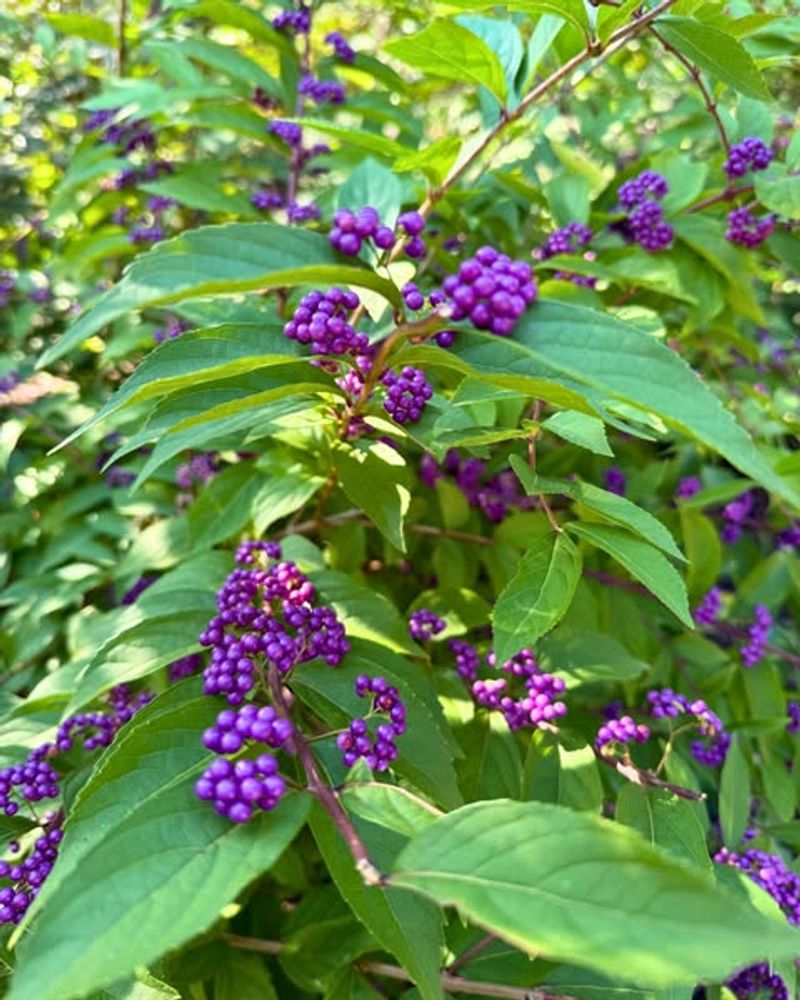
Beautyberry is a native shrub that produces stunning purple berries in fall, providing food for birds and adding unique color to gardens.
Late winter is the ideal time to prune beautyberry, as the plant blooms on new wood and benefits from hard pruning annually.
Cut beautyberry stems back to about six to twelve inches from the ground, removing all of the previous year’s growth completely.
This drastic approach may seem harsh, but it encourages vigorous new shoots that will produce more flowers and berries later in the season.
Virginia gardeners appreciate beautyberry’s low-maintenance nature and its ability to bounce back quickly from even severe pruning without showing stress or damage.
Removing old growth also helps prevent the shrub from becoming too large or sprawling, keeping it manageable in smaller garden spaces effectively.
Prune beautyberry in late February or early March, just before new growth begins to emerge from the base of the plant naturally.
Proper late winter pruning ensures your beautyberry produces abundant berries that brighten fall landscapes and provide valuable food sources for wildlife in your area.