10 Vegetables Florida Gardeners Should Be Planting Right Now In January
January is one of Florida’s best-kept gardening secrets.
While much of the country is stuck indoors waiting for spring, Florida gardeners can step outside and get their hands dirty planting vegetables that thrive in our mild winter weather.
Cool-season crops love the mix of warm days, cooler nights, and low pest pressure that January brings, making this month a real sweet spot for planting.
Planting in January gives vegetables a head start before spring heat arrives.
Growth stays steady, flavors improve, and harvests come sooner rather than later.
Many gardeners miss this window, but those who plant now reap the rewards when spring rolls around.
Planting times may vary slightly between North, Central, and South Florida, but January remains a prime month for cool-season vegetables across most of the state.
1. Lettuce
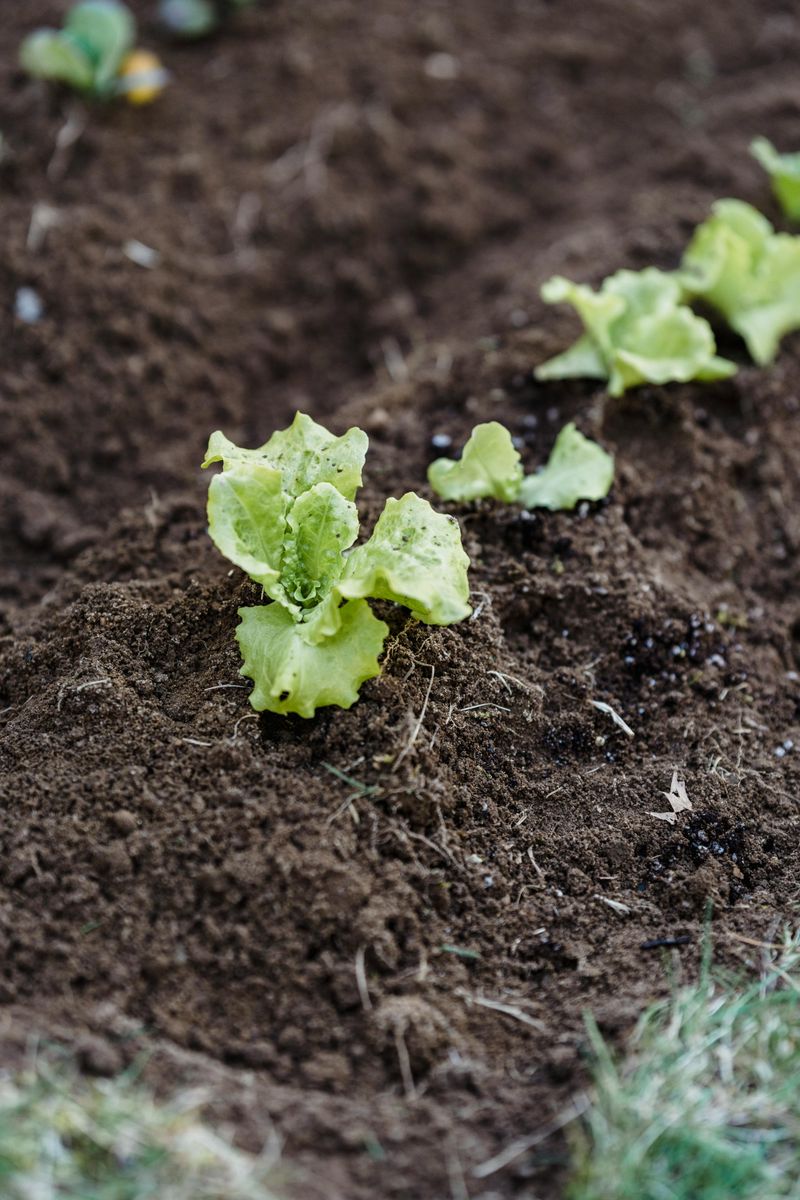
Nothing beats the crisp, fresh taste of homegrown lettuce picked straight from your garden.
January offers ideal conditions for lettuce because our temperatures sit in that sweet spot where the plants grow quickly without bolting.
You can plant seeds directly into prepared beds or start with transplants if you want faster results.
Space your lettuce plants about six to eight inches apart to give them room to develop full heads.
Leaf varieties mature faster than head types, so you can start harvesting outer leaves in as little as three weeks.
Water consistently to keep the soil moist but not waterlogged, especially during our occasional dry spells.
Morning watering works best because it gives leaves time to dry before evening.
Pests tend to be minimal this time of year, which makes lettuce an easy win for beginners.
You can succession plant every two weeks to ensure a continuous harvest through spring.
When temperatures start climbing in late March, your lettuce will be finishing up just in time.
2. Spinach
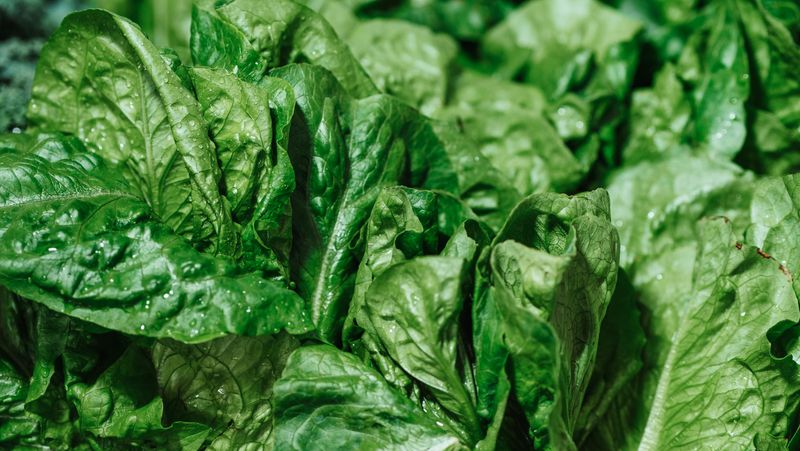
Spinach absolutely thrives when planted during Florida’s coolest months.
This powerhouse green needs temperatures below 75 degrees to really perform well, making January the perfect planting window.
You can sow seeds about half an inch deep and watch them germinate within a week when soil temps hover around 50 to 70 degrees.
Thin seedlings to three or four inches apart once they develop their first true leaves.
Spinach grows surprisingly fast in our winter climate, often ready to harvest in just 40 days.
Baby leaves can be picked even earlier if you prefer tender greens for salads.
Keep the soil consistently moist because spinach has shallow roots that dry out quickly.
Adding a layer of mulch helps retain moisture and keeps the roots cool.
Lower pest pressure in January means you rarely deal with aphids or leaf miners that plague spring plantings.
Harvest outer leaves first to encourage continued production from the center of the plant.
3. Kale
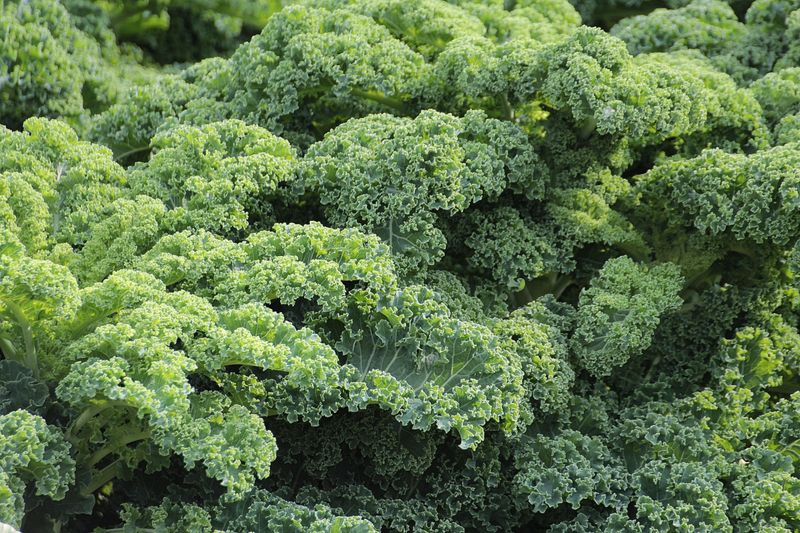
Kale has earned its reputation as a cold-weather champion that actually tastes sweeter after experiencing cool temperatures.
January planting allows kale to establish strong roots before our warmer weather arrives.
Seeds germinate reliably in our winter soil, or you can use transplants to get a head start.
Your Florida Garden Changes Every Week. Your Plan Should Too.
Gardening in Florida changes quickly throughout the season. Every Friday you’ll receive a simple weekly plan showing exactly what to plant, prune, fertilize, harvest, and protect so you never miss the right timing.
Space plants about 12 to 18 inches apart because kale grows into substantial bushy plants.
Curly varieties and Lacinato types both perform beautifully in Florida’s winter gardens.
Water deeply but less frequently to encourage deep root development.
Kale tolerates our occasional cold snaps without any protection needed in most Florida regions.
You can start harvesting lower leaves when plants reach about eight inches tall.
The center continues producing new growth as you harvest, giving you months of fresh greens.
Kale planted now will produce well into April before heat stress becomes an issue.
This vegetable requires minimal maintenance and forgives beginner mistakes better than most crops.
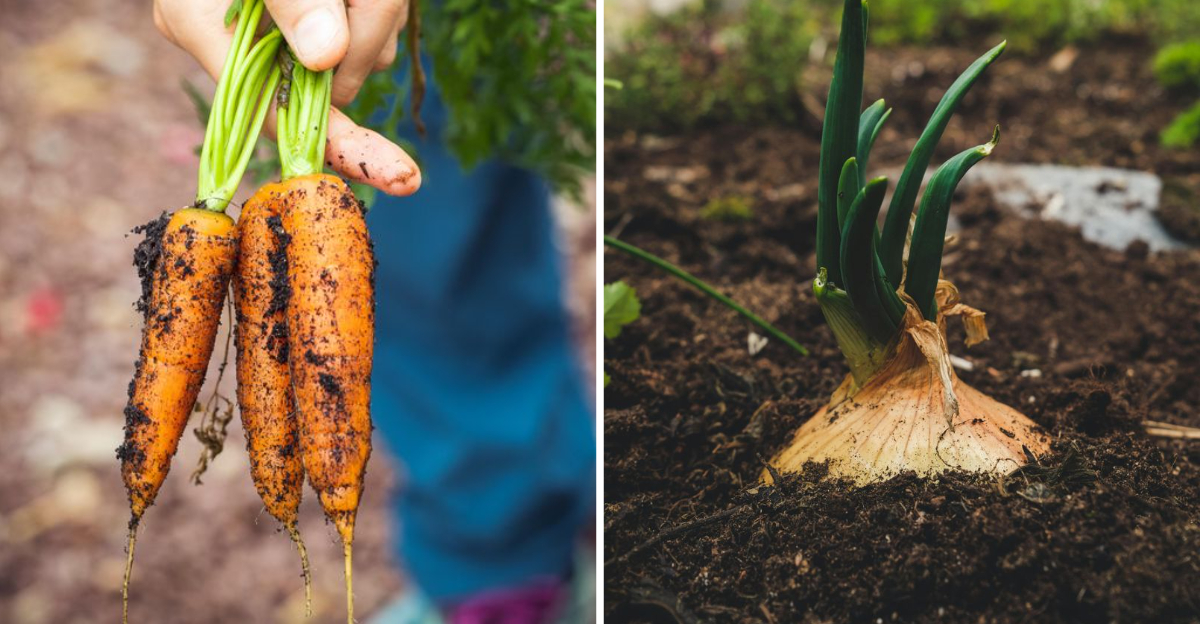
4. Carrots
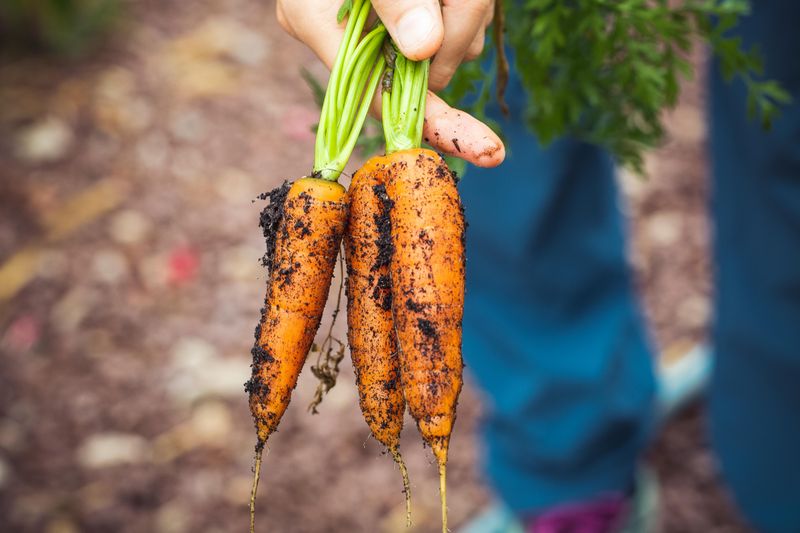
Carrots need cool soil temperatures to develop their sweetest flavor and crunchiest texture.
Florida’s January weather provides exactly what carrots need without the risk of hard freezes that can damage roots.
Prepare your bed with loose, sandy soil because carrots struggle in heavy clay or compacted ground.
Sow seeds directly since carrots dislike transplanting and often develop forked roots when disturbed.
Plant seeds about a quarter inch deep and keep the soil surface moist until germination occurs.
Thin seedlings to two inches apart once they reach a couple inches tall.
This step feels wasteful but gives remaining carrots room to size up properly.
Shorter varieties like Chantenay or Danvers work better in Florida’s shallower soils than long types.
Consistent moisture prevents carrots from splitting or becoming woody.
Mulching helps maintain even soil moisture and keeps the soil temperature stable.
You can start harvesting baby carrots in about 50 days or wait for full-size roots around 70 days.
5. Beets
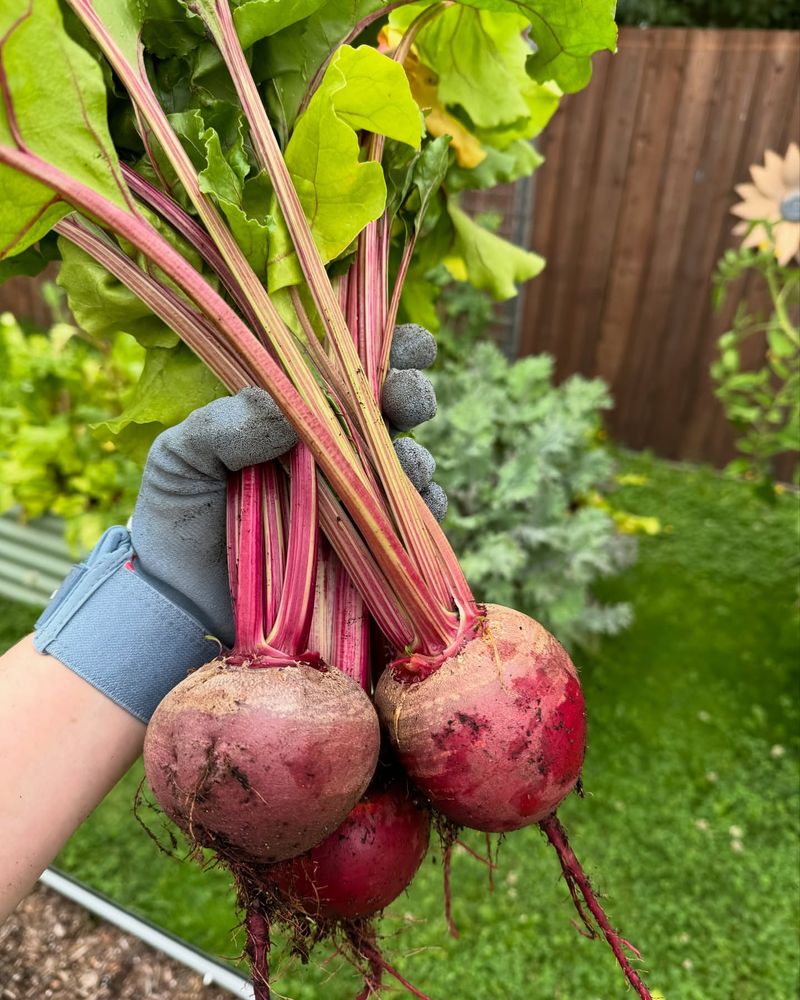
Beets offer you two crops in one because both the roots and the leafy tops are delicious.
Cool January temperatures help beets develop deep color and sweet flavor without becoming tough.
Each beet seed is actually a cluster, so multiple seedlings will sprout from each spot you plant.
Sow seeds about half an inch deep and space them two inches apart in rows.
Thinning is essential once seedlings emerge, and you can eat those tender thinnings in salads.
Beets prefer consistent moisture but tolerate dry spells better than many leafy greens.
They grow well in Florida’s sandy soils as long as you add some compost for nutrients.
Watch for the shoulders of the beet roots to push up through the soil surface as they mature.
Harvest when roots reach one to three inches in diameter for the best texture.
Larger beets become woody and less flavorful, so check them regularly.
Beets planted in January will be ready to harvest before our spring heat arrives.
6. Broccoli
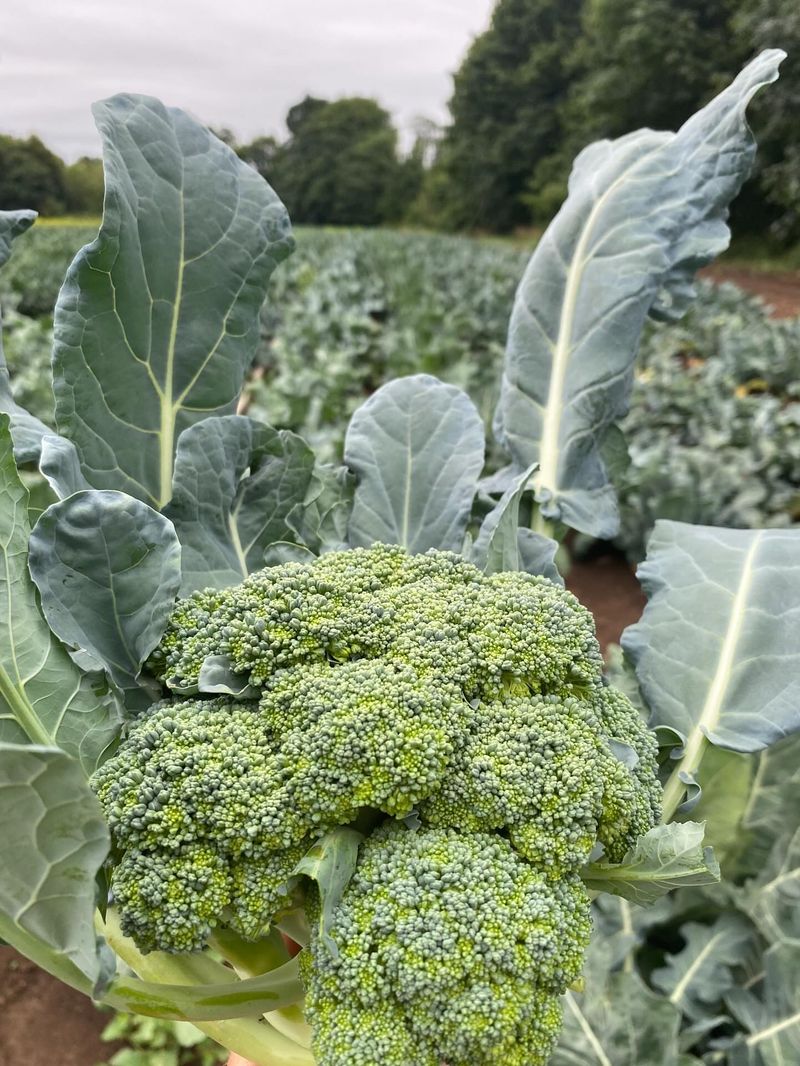
Growing your own broccoli feels like a real accomplishment because those tight green heads rival anything from the grocery store.
January transplants give broccoli the cool weather it needs to form solid heads before heat causes bolting.
Starting from transplants rather than seeds speeds up your harvest by several weeks.
Space plants 18 to 24 inches apart because broccoli develops large leaves that need room.
Water deeply and regularly since broccoli is a heavy feeder that needs consistent moisture.
Side-dress with compost or balanced fertilizer about three weeks after planting.
Watch for the main head to develop in the center of the plant after about 60 days.
Harvest the central head while the buds are still tight and before any yellow flowers appear.
After cutting the main head, smaller side shoots will continue developing for weeks.
These secondary harvests extend your broccoli season well into spring.
Cold snaps do not bother broccoli at all, and light frosts can actually improve flavor.
7. Cauliflower
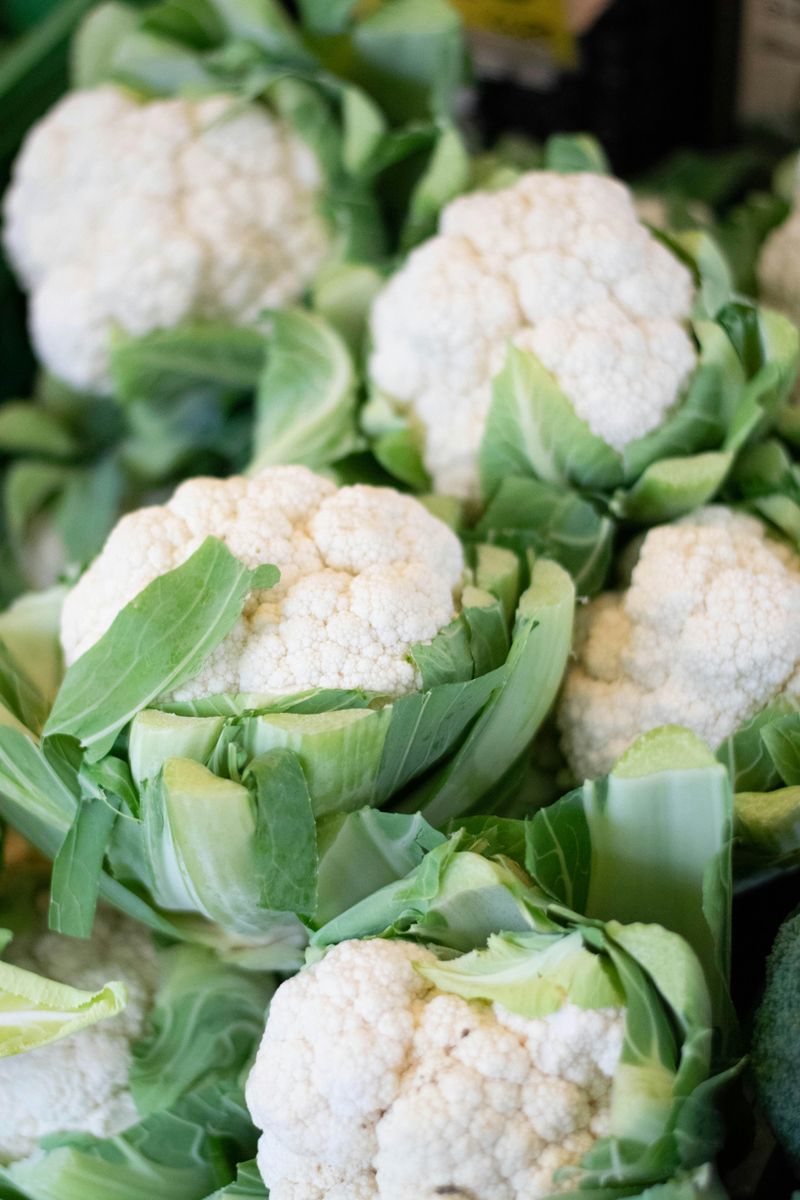
Cauliflower demands more attention than its cousin broccoli, but the reward is worth the extra effort.
This vegetable absolutely requires cool weather to form those beautiful white heads.
January planting gives cauliflower the extended cool period it needs before our temperatures rise.
Use transplants rather than direct seeding to maximize your success rate.
Space plants about 18 inches apart and prepare the soil with plenty of compost.
Cauliflower needs steady, even moisture throughout its growing period.
Inconsistent watering causes the heads to develop poorly or button prematurely.
When the head starts forming, you may need to tie outer leaves over it to keep it white.
This blanching process prevents sun exposure that can cause discoloration.
Some newer varieties are self-blanching, which simplifies the process considerably.
Check your plants daily once heads start forming because they can go from perfect to overripe quickly.
Harvest when heads are firm and compact, usually around 75 days from transplanting.
8. Radishes
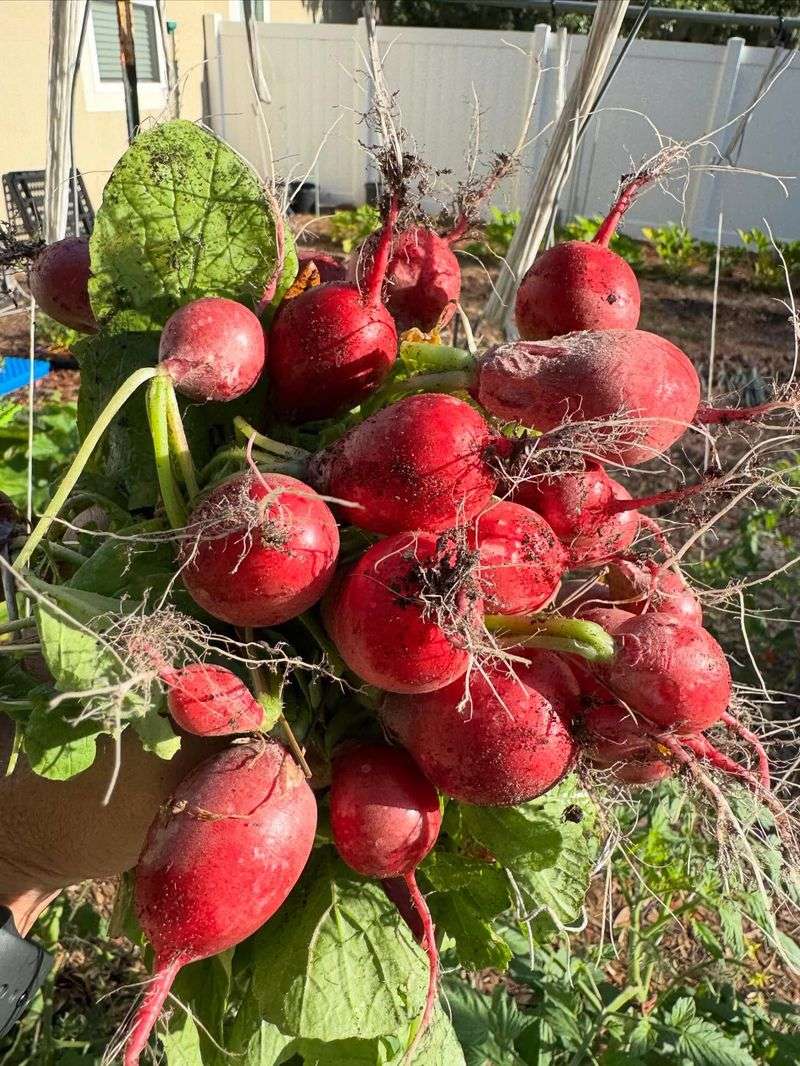
Radishes give you the fastest harvest of any vegetable in your winter garden.
You can go from seed to salad in as little as three weeks with the right varieties.
This speed makes radishes perfect for impatient gardeners or kids who want quick results.
Plant seeds directly into the garden about half an inch deep and one inch apart.
Radishes germinate within days when soil temperatures stay above 40 degrees.
Thin seedlings if they come up too crowded, giving each plant about two inches of space.
Consistent moisture keeps radishes crisp and mild rather than hot and woody.
January’s cooler temperatures prevent radishes from becoming overly spicy or pithy.
You can succession plant every week to maintain a continuous supply through spring.
Pull radishes as soon as they reach harvestable size because they decline quickly when left in the ground.
Try different varieties like French Breakfast, Cherry Belle, or colorful watermelon radishes for variety.
Radishes also make excellent companion plants that help break up soil for slower-growing crops.
9. Peas
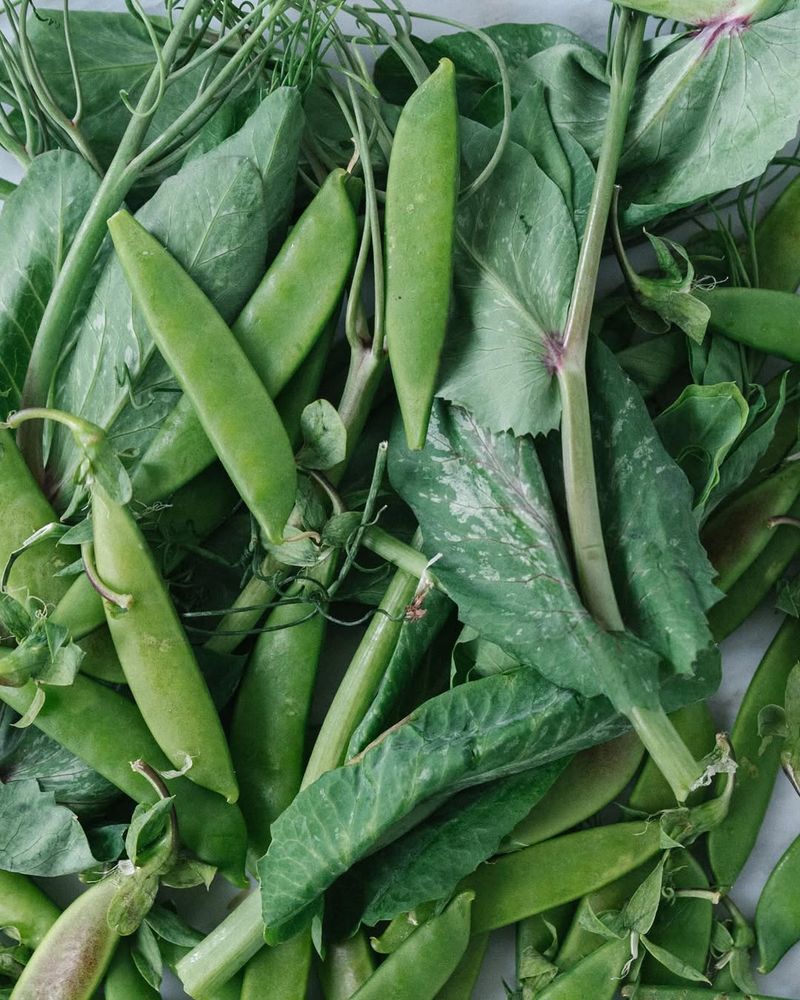
Fresh garden peas taste nothing like the frozen ones from the store.
January offers ideal conditions because peas need cool weather to set pods successfully.
Choose between shelling peas, snap peas, or snow peas based on your preference.
Plant seeds about one inch deep and two inches apart along a trellis or fence.
Peas climb naturally using tendrils, so they need support as they grow taller.
Setting up your trellis before planting makes everything easier later.
Water regularly but avoid overwatering, which can cause seeds to rot before germinating.
Peas fix their own nitrogen, so they need less fertilizer than most vegetables.
Watch for flowers to appear about 60 days after planting.
Pods develop quickly after flowering, so check your plants every couple of days.
Harvest snap peas when pods are plump but before they get tough.
Pick regularly to encourage continued pod production throughout the season.
10. Onions

Onions require patience because they need months to develop full-size bulbs.
January planting gives onions the long, cool growing season they need before bulbing begins.
Short-day varieties work best in Florida because they form bulbs when day length reaches 10 to 12 hours.
Plant onion sets, transplants, or seeds depending on your preference and timeline.
Sets and transplants give you a significant head start over seeds.
Space plants about four inches apart in rows to allow room for bulb development.
Keep the soil consistently moist but not saturated throughout the growing season.
Onions have shallow roots that need regular watering, especially during dry spells.
Side-dress with nitrogen fertilizer when plants are about six inches tall to boost growth.
Watch for the tops to fall over naturally in late spring, signaling that bulbs are mature.
Stop watering once tops begin falling to allow bulbs to cure in the ground.
Harvest when most tops have fallen, then cure bulbs in a dry, shaded area before storage.