Need Winter Color? These 12 Florida Flowers Are Blooming Right Now
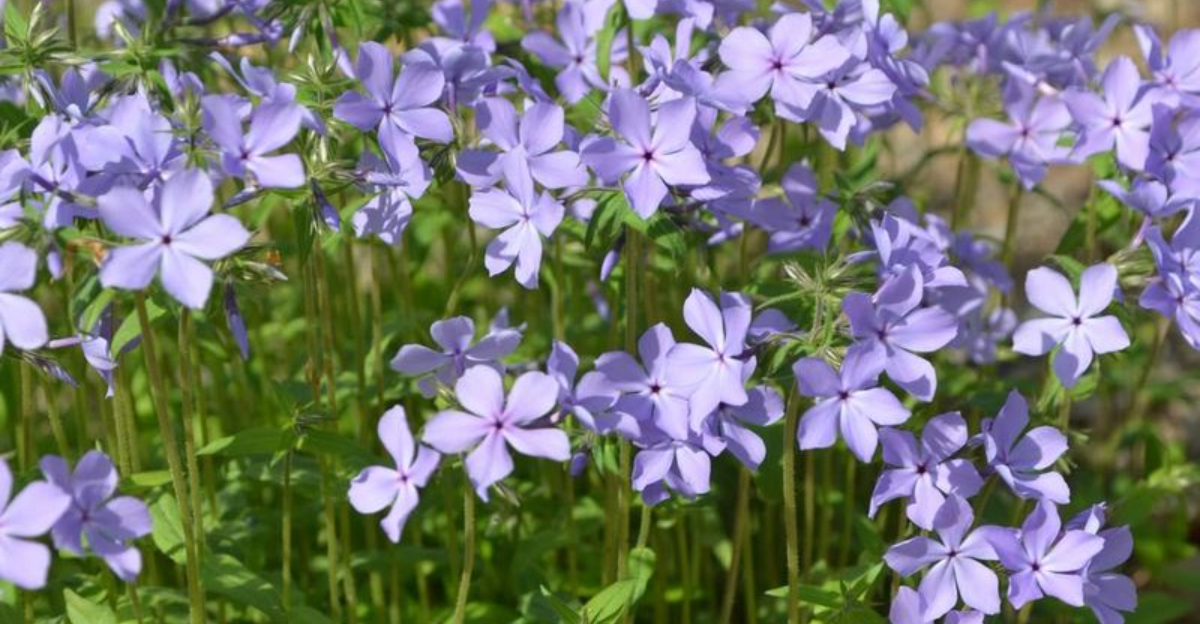
Winter in Florida doesn’t have to feel dull or washed out, because colorful flowers are blooming right now, proving the Sunshine State always has a trick up its sleeve.
While much of the country bundles up and waits for spring, Florida gardens quietly steal the show with bold blooms that thrive during cooler days and crisp mornings.
From vibrant reds to soft pastels, winter flowers add instant curb appeal, turning ordinary yards into eye-catching landscapes without breaking a sweat or demanding constant care.
If your garden feels stuck in a rut, these winter bloomers might be just what the doctor ordered, bringing fresh color, life, and charm when you least expect it.
1. Camellias
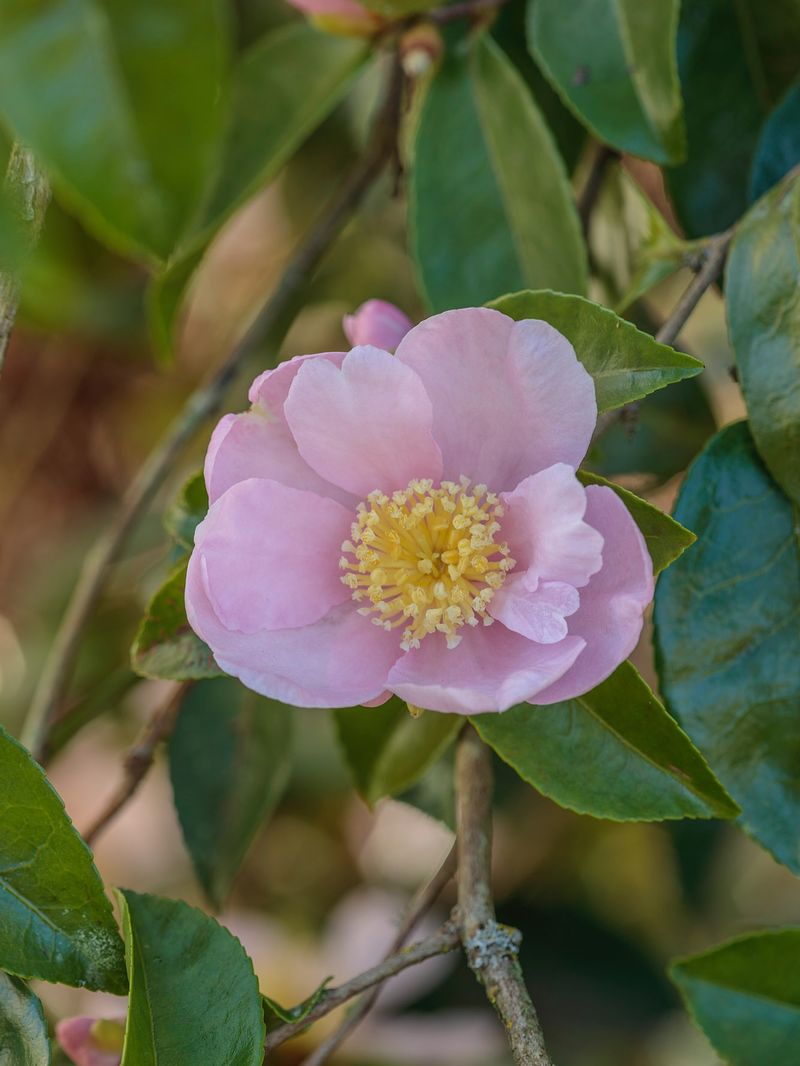
Glossy green leaves frame stunning blooms that arrive just when Florida gardens need them most during winter.
Camellias produce flowers in shades of pink, red, white, and even variegated patterns that last for weeks.
These elegant shrubs prefer partial shade, making them perfect for spots under tall trees or along shaded walkways.
Florida gardeners love how camellias require little fuss once established in slightly acidic, well-draining soil with mulch.
Blooms can appear as early as November and continue through March, depending on the variety you choose.
Sasanqua camellias bloom earlier in fall, while Japonica types flower later in winter and early spring months.
Their evergreen foliage stays attractive year-round, providing structure and beauty even when flowers fade away temporarily.
Camellias work beautifully as foundation plantings, privacy screens, or focal points in shaded Florida landscape areas.
Pairing them with ferns or hostas creates a lush, layered look that feels both classic and refreshing.
Regular watering during dry spells keeps blooms looking fresh and vibrant throughout the entire blooming season ahead.
2. Pansies
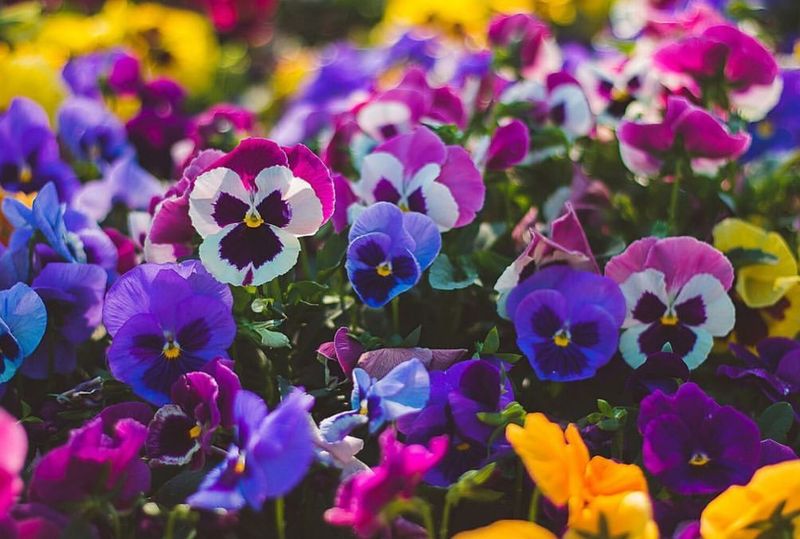
Cheerful faces in every color imaginable make pansies a favorite choice for Florida gardeners seeking instant winter charm.
These hardy annuals tolerate cool temperatures beautifully, thriving when many other flowers struggle in chilly morning air.
Pansies come in solids, bicolors, and tricolors, with blooms ranging from tiny to impressively large and showy.
Plant them in full sun or light shade across Florida, spacing them about six to eight inches apart.
They perform best in well-draining soil enriched with compost, blooming continuously from fall through late spring here.
Deadheading spent flowers encourages more buds to form, keeping your pansy display looking fresh and abundant all season.
Pansies work wonderfully in containers, hanging baskets, window boxes, or as colorful edging along garden paths and beds.
Their low-growing habit makes them perfect companions for taller winter bloomers like snapdragons or flowering kale in arrangements.
Florida’s mild winters allow pansies to flourish without the frost damage common in northern states during cold snaps.
Regular watering and occasional feeding with balanced fertilizer keep blooms coming strong until warmer weather arrives in May.
3. Petunias
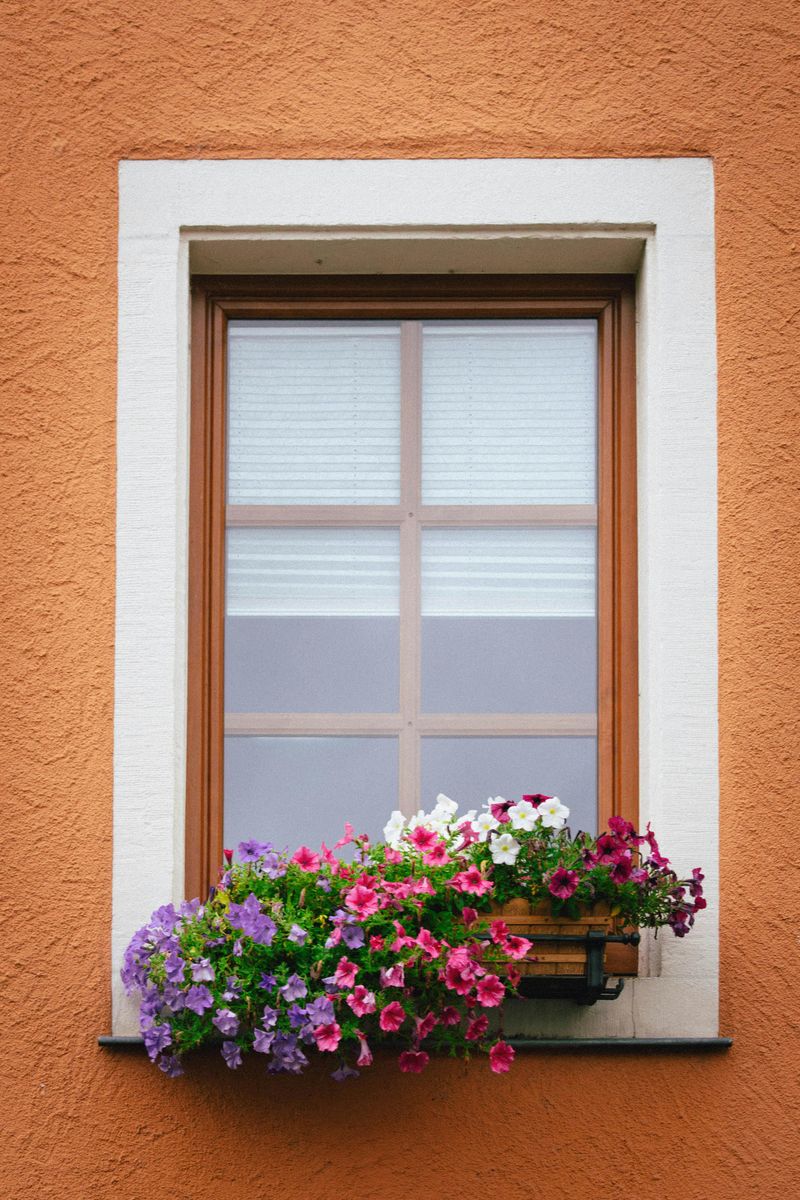
Trumpet-shaped blooms spill generously from containers and beds, bringing waves of color to Florida landscapes all winter long.
Petunias offer an incredible range of hues, from soft pastels to deep purples, vibrant reds, and striped varieties.
Your Florida Garden Changes Every Week. Your Plan Should Too.
Gardening in Florida changes quickly throughout the season. Every Friday you’ll receive a simple weekly plan showing exactly what to plant, prune, fertilize, harvest, and protect so you never miss the right timing.
Wave and spreading types cascade beautifully over edges, while upright varieties create stunning mass plantings in garden beds.
Full sun locations across Florida suit petunias best, though they tolerate light afternoon shade in southern regions.
These versatile annuals bloom prolifically when fed regularly with fertilizer designed for flowering plants every two weeks or so.
Pinching back leggy stems encourages bushier growth and more flower production, keeping plants looking full and healthy throughout winter.
Petunias thrive in well-draining soil and containers with adequate drainage holes to prevent root rot during rainy periods.
Their sweet fragrance attracts butterflies and hummingbirds, adding movement and life to your outdoor spaces during cooler months.
Combining different petunia colors in one planter creates eye-catching displays that brighten porches, patios, and entryways instantly.
Florida gardeners appreciate how petunias handle occasional cold snaps better than many tropical plants that struggle in winter.
4. Snapdragons
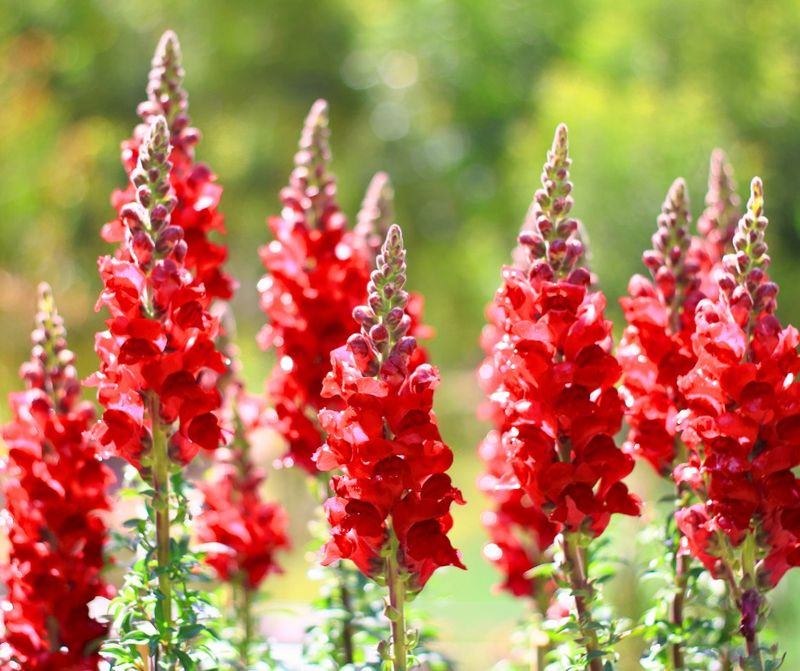
Vertical spikes packed with tubular blooms add height and drama to Florida gardens during the winter growing season.
Snapdragons come in dwarf, medium, and tall varieties, offering options for borders, middle plantings, or dramatic backdrops.
Colors range from pure white and soft yellow to hot pink, deep red, and even bicolor combinations.
Kids love squeezing the individual flowers to make them open and close like tiny dragon mouths snapping shut.
Florida’s cool winters provide ideal conditions for snapdragons, which struggle in the heat and humidity of summer months.
Plant them in full sun with rich, well-draining soil amended with compost for best growth and flowering results.
Cutting spent flower spikes encourages side shoots to develop, extending the blooming period well into early spring across Florida.
Snapdragons make excellent cut flowers, lasting over a week in vases and filling rooms with subtle, pleasant fragrance.
Their upright form pairs beautifully with mounding flowers like alyssum or trailing petunias in mixed container arrangements and beds.
Regular watering keeps foliage lush and blooms vibrant, especially during dry spells common in Florida’s winter season ahead.
5. Violas
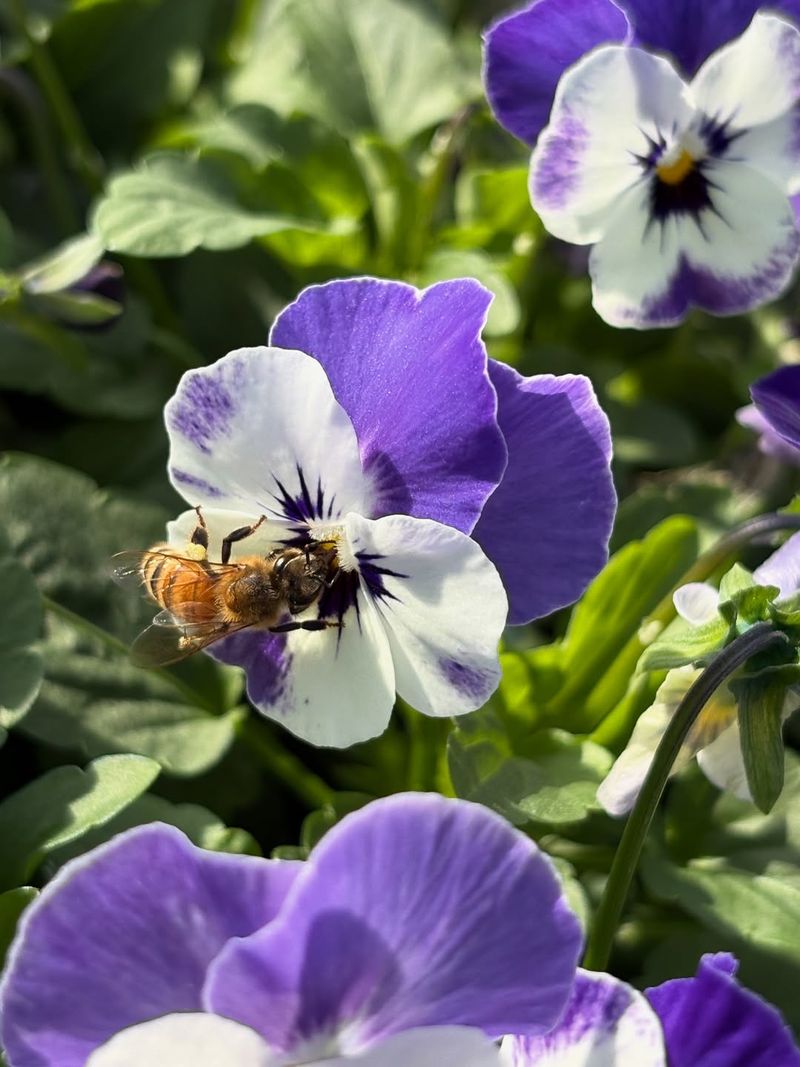
Smaller cousins to pansies, violas produce abundant blooms that cover plants in cheerful color throughout Florida’s winter months.
Their dainty flowers appear in solid colors and charming bicolors, often with delicate whisker markings radiating from centers.
Violas handle light frosts better than many annuals, making them reliable performers even during occasional cold snaps here.
These compact plants work perfectly as edging along walkways, filling gaps in borders, or carpeting areas under taller plants.
Florida gardeners appreciate how violas self-seed readily, often returning in subsequent years without replanting in favorable conditions.
Plant them in full sun to partial shade, spacing about six inches apart for a dense carpet of color.
Violas prefer consistently moist soil but tolerate brief dry periods better than their pansy relatives do in garden settings.
Their long blooming season extends from fall through spring, providing months of reliable color in Florida landscapes and containers.
Combining violas with spring bulbs creates layered interest as daffodils and tulips emerge through the flowering carpet below.
Deadheading spent blooms keeps plants tidy and encourages continuous flowering, though violas bloom prolifically even without this maintenance.
6. Dianthus
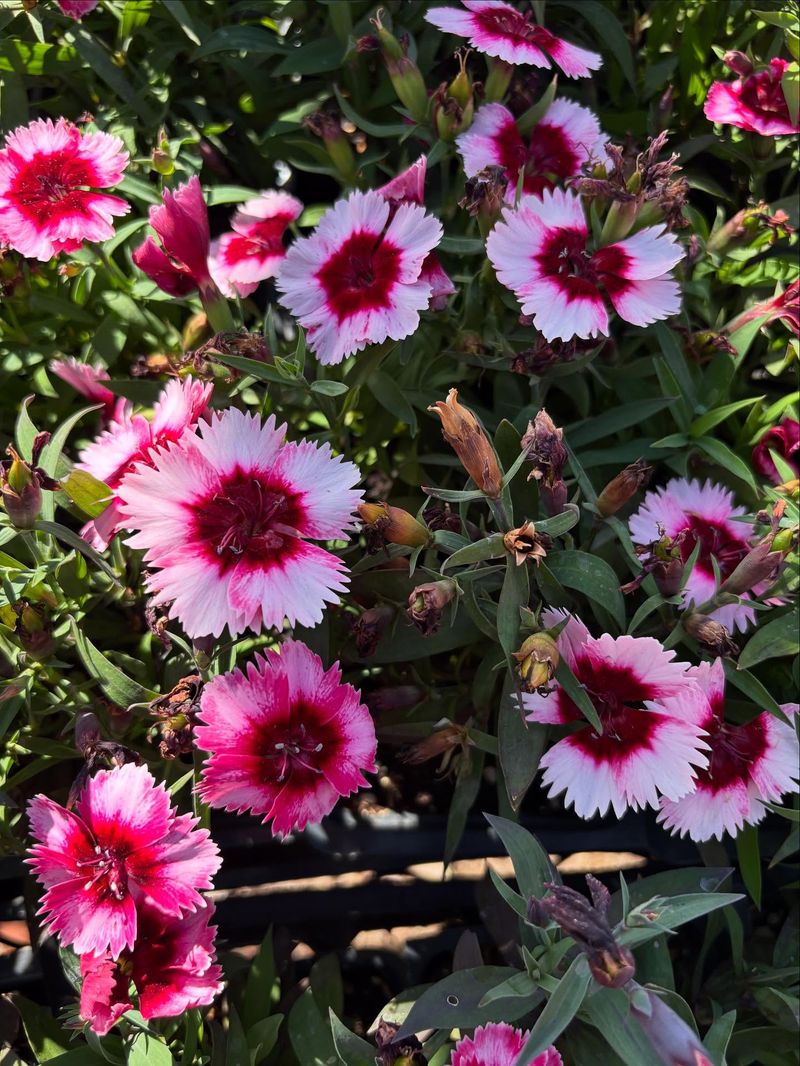
Fringed petals and spicy fragrance make dianthus a delightful addition to Florida gardens seeking winter color and scent.
Commonly called pinks or sweet williams, these charming flowers bloom in shades of pink, red, white, and bicolors.
Their grass-like blue-green foliage provides attractive texture even when plants rest briefly between heavy flowering flushes in winter.
Dianthus thrives in full sun across Florida, preferring slightly alkaline soil that drains well after rain or watering.
Blooms appear on slender stems above the foliage, creating an airy, cottage-garden feel in beds and borders.
The sweet, clove-like scent attracts butterflies and makes dianthus wonderful for planting near patios and outdoor seating areas.
Cutting flowers for bouquets encourages more blooms to form, extending the display throughout the entire winter season ahead.
Dianthus works beautifully in rock gardens, as edging, or tucked into pockets of larger perennial borders for pops.
Florida’s mild winters allow dianthus to bloom continuously from fall through spring without the winter dormancy northern gardens experience.
Regular deadheading and occasional trimming keep plants compact and flowering abundantly instead of getting leggy or sparse over time.
7. Alyssum
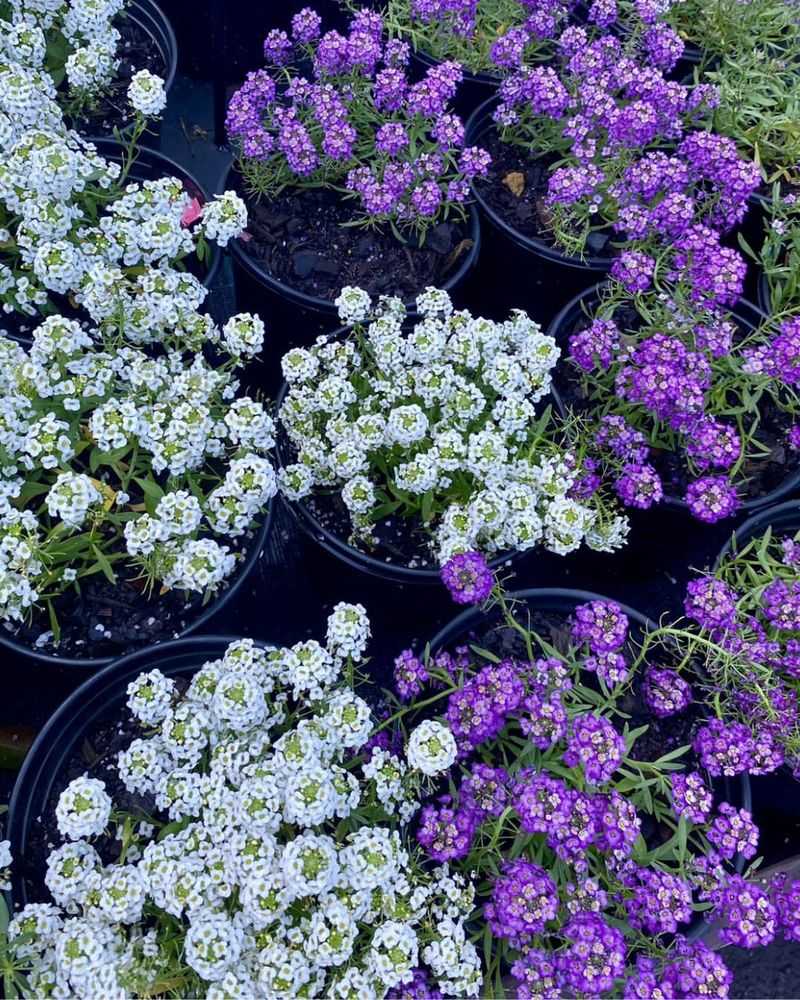
Tiny clusters of honey-scented blooms form clouds of color that soften edges and fill spaces in Florida winter gardens.
Alyssum grows low and spreading, making it perfect as a living mulch beneath taller plants or spilling over edges.
White varieties glow in evening light, while purple and pink types add soft color that complements bolder bloomers nearby.
The sweet fragrance attracts beneficial insects like lacewings and hoverflies that help control garden pests naturally in landscapes.
Florida gardeners love how alyssum self-seeds readily, filling in bare spots and returning year after year in favorable locations.
Plant in full sun to light shade, spacing about eight inches apart, though plants quickly grow together forming mats.
Alyssum tolerates poor soil better than many annuals but performs best with occasional watering during extended dry periods here.
Shearing plants back by one-third if they get leggy encourages fresh growth and renewed flowering throughout winter months.
This versatile annual works wonderfully between stepping stones, in rock gardens, or cascading from containers and hanging baskets beautifully.
Combining white alyssum with colorful pansies or petunias creates classic color combinations that brighten Florida gardens all season long.
8. Lobelia
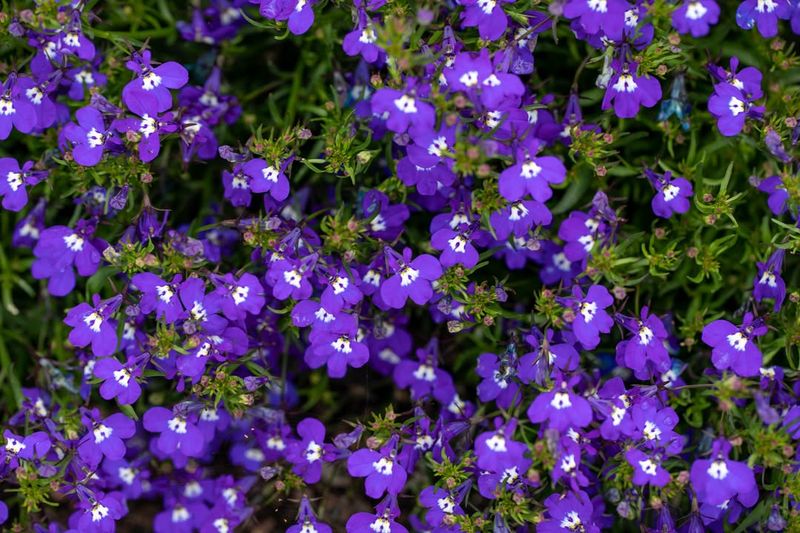
Electric blue blooms create stunning cascades that bring rare cool tones to Florida gardens during the winter season.
Lobelia also comes in white, pink, and purple varieties, though the intense blue types remain most popular among gardeners.
Trailing forms spill beautifully from hanging baskets and containers, while upright types work well in borders and beds.
These delicate-looking plants produce masses of small flowers that nearly hide the foliage when blooming at peak performance.
Florida’s mild winters suit lobelia perfectly, as it struggles in heat and appreciates the cooler temperatures of winter months.
Plant in full sun in northern Florida or partial shade in southern regions where winter sun remains quite strong.
Lobelia prefers consistently moist soil, so regular watering or placement near irrigation helps maintain continuous blooming throughout the season.
Combining blue lobelia with yellow or orange flowers creates vibrant complementary color schemes that catch eyes from across yards.
Shearing plants back if flowering slows encourages fresh growth and renewed blooming that extends the display into spring.
Lobelia attracts butterflies and hummingbirds, adding movement and life to containers and beds throughout Florida’s cooler months ahead.
9. Calendula
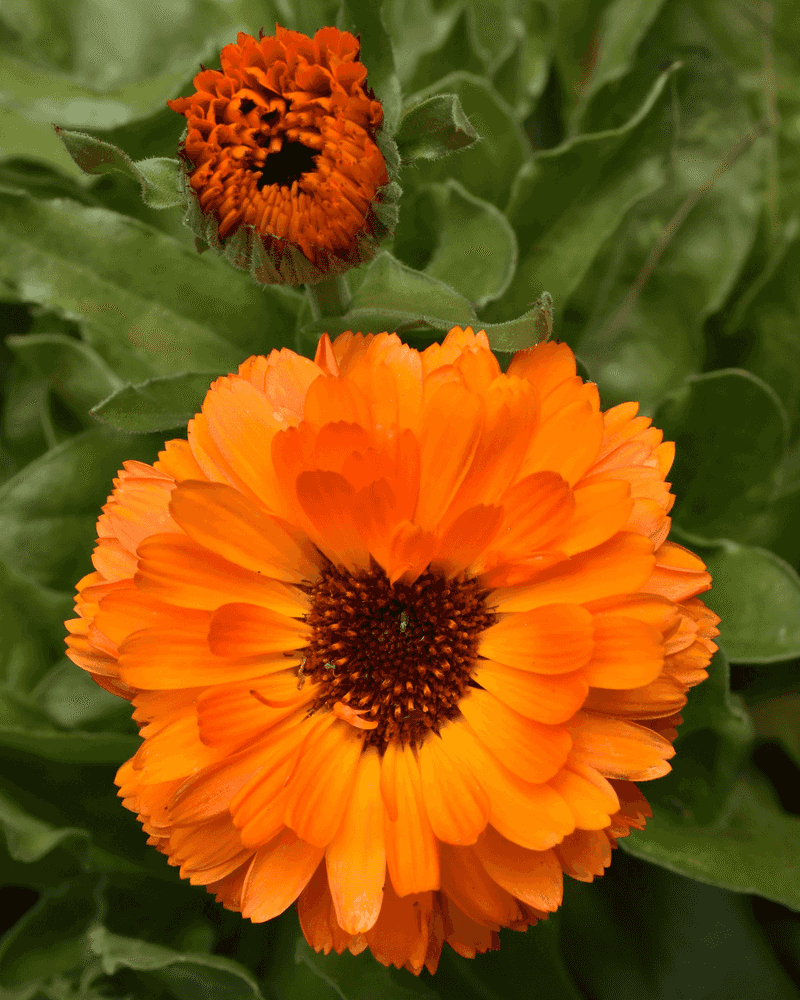
Cheerful daisy-like blooms in shades of orange and yellow bring warm sunshine colors to Florida gardens all winter.
Calendula, also called pot marigold, produces edible flowers often used in salads, teas, and natural skin remedies.
The slightly spicy foliage and bright blooms add both visual interest and practical uses to edible and ornamental gardens.
Florida’s cool season provides perfect growing conditions for calendula, which dislikes heat and humidity of summer months here.
Plant in full sun with well-draining soil, spacing about twelve inches apart for bushy plants covered in blooms.
Calendula self-seeds readily in favorable conditions, often returning in subsequent winters without replanting efforts from gardeners at all.
Deadheading spent flowers encourages continuous blooming and prevents excessive self-seeding if you prefer more controlled plantings in beds.
These hardy annuals tolerate light frosts and continue blooming through occasional cold snaps that damage more tender plants.
Calendula attracts beneficial insects and pollinators while reportedly deterring certain garden pests with its distinctive scent and presence.
Cutting flowers regularly for bouquets or culinary use keeps plants producing fresh blooms throughout the entire winter season ahead.
10. Geraniums
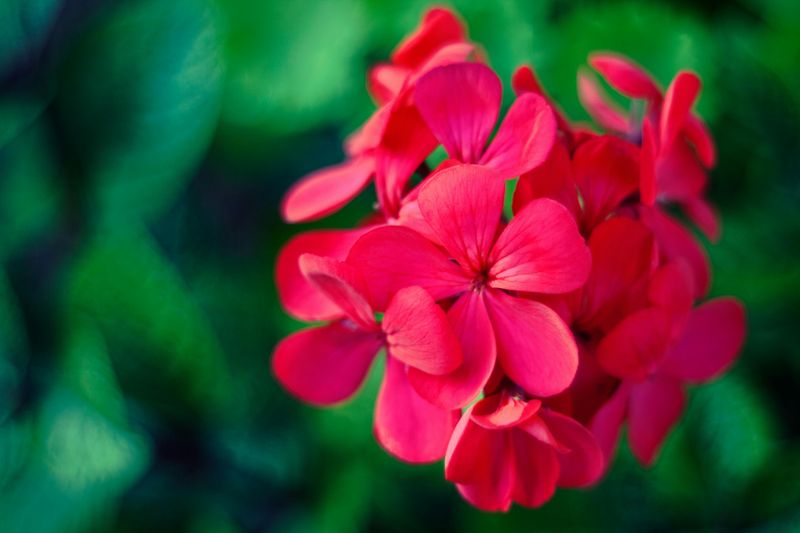
Bold clusters of flowers in vivid reds, pinks, whites, and salmons create eye-catching displays in Florida winter gardens.
True geraniums, actually pelargoniums, thrive in containers and beds, blooming continuously throughout the cooler months across the state.
Their rounded leaves sometimes feature decorative zones or patterns that add interest even when flowering takes brief pauses.
Geraniums prefer full sun and well-draining soil, making them perfect for Florida’s sandy conditions with minimal soil amendment.
These versatile plants tolerate drought once established but bloom most abundantly with regular watering during dry winter stretches.
Removing spent flower clusters encourages new buds to form, keeping plants looking fresh and colorful throughout the entire season.
Geraniums work beautifully as focal points in container arrangements or as mass plantings creating bold swaths of color.
Their upright habit pairs nicely with trailing plants like alyssum or lobelia in mixed containers and window boxes throughout Florida.
Overwintering geraniums indoors in northern states takes effort, but Florida gardeners enjoy them outdoors all winter without special protection.
Scented geranium varieties add fragrance dimension with leaves smelling like rose, lemon, mint, or other delightful scents when brushed.
11. Phlox
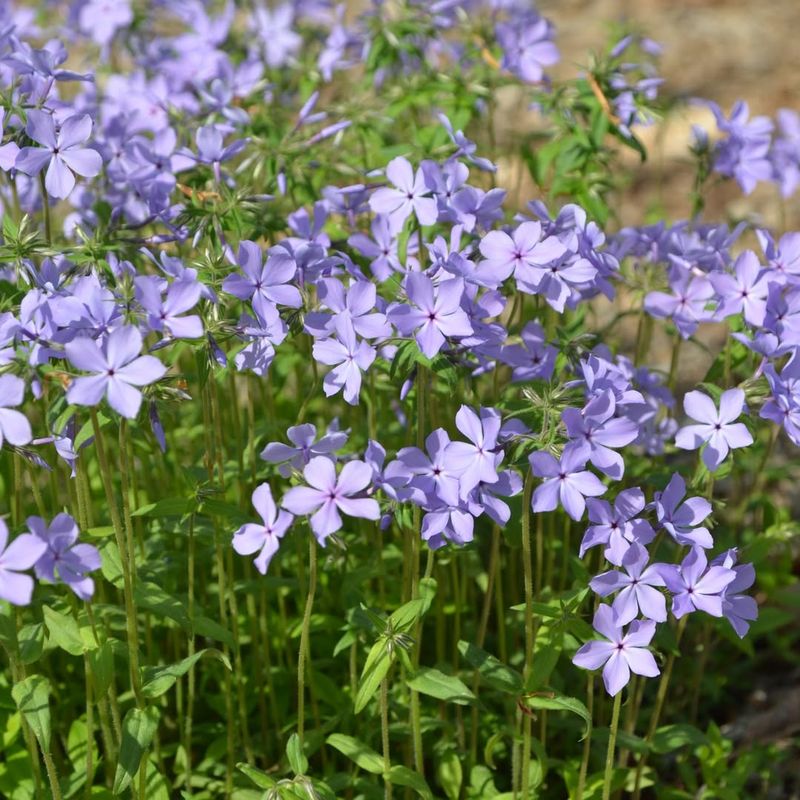
Star-shaped blooms form dense clusters that create carpets of color in Florida gardens throughout the winter growing season.
Annual phlox comes in shades of pink, red, white, purple, and bicolors, often with contrasting eyes at centers.
These low-growing plants spread to form mats of color, making them excellent for edging, borders, or filling gaps.
Florida’s winter temperatures suit annual phlox perfectly, as it prefers cooler weather and struggles in summer heat and humidity.
Plant in full sun with well-draining soil, spacing about ten inches apart for plants that quickly grow together beautifully.
Phlox blooms continuously from fall through spring without deadheading, though removing spent flowers keeps beds looking tidier overall.
The sweet fragrance attracts butterflies, bees, and hummingbirds, bringing delightful activity to gardens during the quieter winter months.
Combining different phlox colors creates stunning tapestries of bloom that brighten Florida landscapes with minimal maintenance requirements throughout winter.
These hardy annuals tolerate light frosts and occasional cold snaps better than many tropical plants commonly grown here.
Regular watering during establishment helps phlox develop strong root systems that support abundant flowering throughout the entire season ahead.
12. Dusty Miller
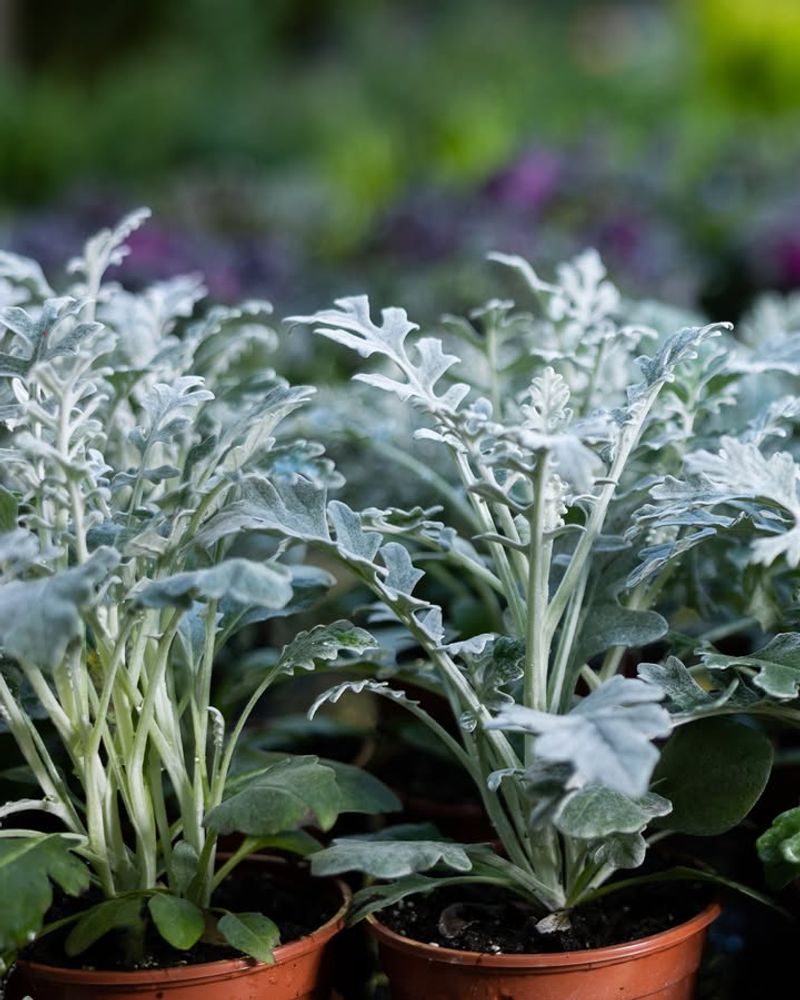
Silvery-gray foliage provides stunning contrast and texture that makes colorful winter bloomers pop in Florida garden designs.
While dusty miller produces small yellow flowers, gardeners grow it primarily for the beautiful fuzzy leaves that glow.
The soft, velvety texture and unusual color add sophistication to containers, borders, and mixed plantings throughout the winter season.
Dusty miller thrives in full sun across Florida, tolerating poor soil and drought better than many ornamental foliage plants.
Its neutral silver tone complements every flower color, making it an invaluable companion plant in winter garden combinations and arrangements.
The low-growing mounds work beautifully as edging, filler, or contrast elements that highlight brighter colors planted nearby in beds.
Florida’s mild winters allow dusty miller to maintain its attractive foliage without the frost damage common in colder climates.
Pinching back growing tips encourages bushier, more compact growth that stays neat throughout the entire winter growing season ahead.
Combining dusty miller with purple petunias, pink geraniums, or red snapdragons creates classic color schemes that feel elegant and timeless.
This versatile foliage plant bridges the gap between summer and winter plantings, providing continuity and structure in Florida landscapes year-round.