Don’t Plant Yet: Do These 5 Soil Prep Steps First In Florida
In Florida gardening, jumping straight to planting is like building a house on quicksand — it might look fine for a minute, but trouble is brewing underneath.
Between sugar-sand soil, surprise downpours, and a growing season that never really clocks out, Florida plays by its own rules.
What works up north can flop hard here, and even seasoned gardeners can find themselves scratching their heads when plants struggle despite “doing everything right.”
The truth is, our soil isn’t lazy — it’s just misunderstood.
Sandy ground drains like a sieve, nutrients vanish faster than sweet tea at a summer barbecue, and heavy rains can undo weeks of effort in a single afternoon.
Skip the prep, and you’re fighting an uphill battle with one hand tied behind your back.
That’s why smart Florida gardeners know the real work happens before the first seed ever touches the ground.
A little patience and preparation now can mean the difference between thriving plants and a garden that fizzles out before it hits its stride.
Before you grab that trowel and start planting with crossed fingers, take a step back.
These five essential soil prep steps will help you turn Florida’s tricky terrain into a solid foundation — setting your garden up for strong roots, steady growth, and a season that actually lives up to the hype.
1. Test Your Soil First
Understanding what nutrients your soil lacks is the smartest move any Florida gardener can make right now.
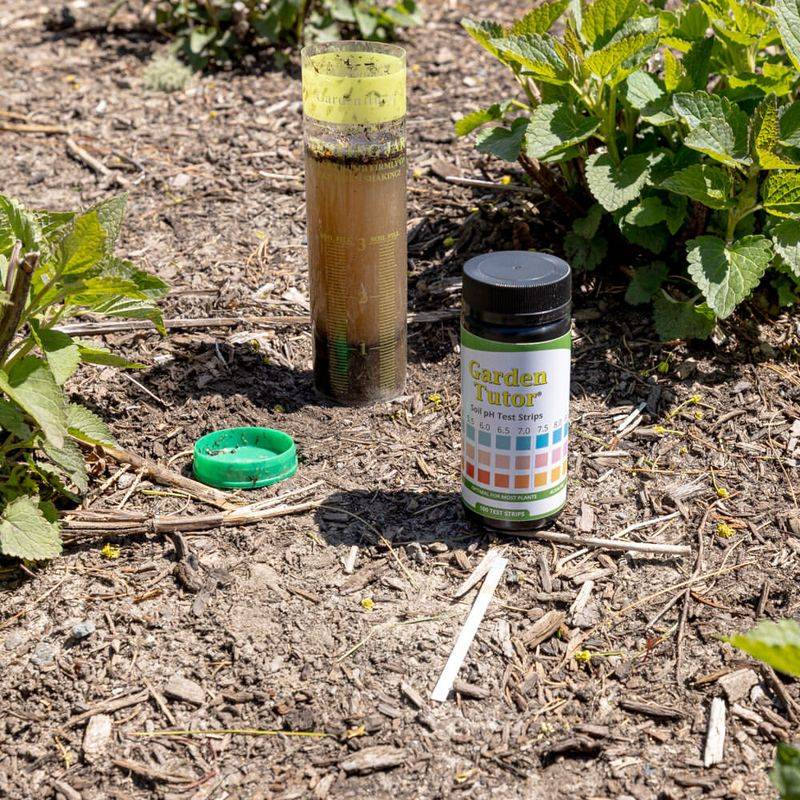
Soil testing reveals pH levels and shows which essential minerals need boosting for optimal plant growth ahead.
Florida’s sandy soils typically lack nitrogen, phosphorus, and potassium, the three nutrients plants need most for success.
You can purchase an affordable home testing kit from local garden centers or send samples to professionals.
University of Florida’s extension offices provide detailed testing services that give you comprehensive results and recommendations.
Sandy soil drains quickly, which means nutrients wash away faster than in other regions across the country.
Testing before you add anything prevents you from wasting money on amendments your soil doesn’t actually need.
Most Florida soils lean slightly acidic, but some coastal areas have alkaline conditions from shell fragments nearby.
Knowing your starting point helps you adjust pH levels correctly so plants can absorb nutrients efficiently later.
Blueberries and azaleas prefer acidic soil while vegetables generally thrive in slightly acidic to neutral pH ranges.
Annual testing becomes especially important if you’re growing edibles because nutrient demands change with each planting cycle.
Results typically arrive within two weeks, giving you plenty of time to make necessary adjustments before planting.
Professional tests often include specific recommendations tailored to what you plan to grow in your Florida garden.
This small investment saves frustration and money by preventing nutrient deficiencies that stunt growth throughout the season.
2. Clear And Reset The Planting Area
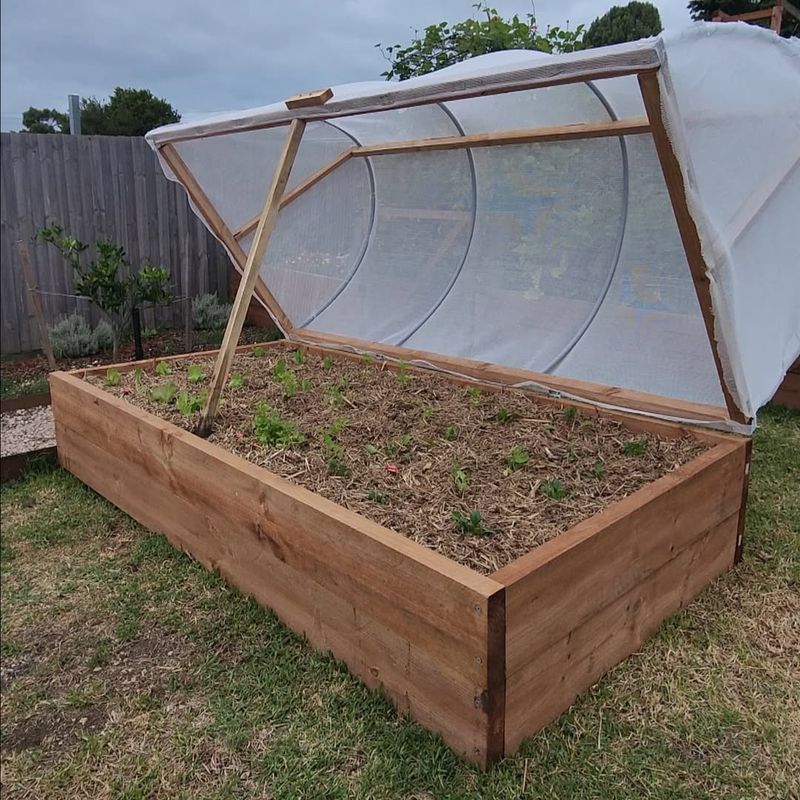
Starting with a clean slate eliminates hidden problems that could sabotage your gardening efforts in coming months.
Old plant roots left behind often harbor diseases and pests that spread quickly to new plants once established.
Your Florida Garden Changes Every Week. Your Plan Should Too.
Gardening in Florida changes quickly throughout the season. Every Friday you’ll receive a simple weekly plan showing exactly what to plant, prune, fertilize, harvest, and protect so you never miss the right timing.
Florida’s warm climate means weeds grow year-round, so removing every bit of unwanted vegetation prevents future headaches.
Nutgrass and dollar weed are particularly aggressive in Florida gardens and return rapidly if roots remain underground.
Pulling weeds by hand works best for small areas, but larger spaces may require more intensive removal methods.
Remove at least three inches of the top layer if previous plants showed signs of disease or pest problems.
Clearing debris also exposes the soil surface, making it easier to see drainage issues before they cause trouble.
Old mulch can contain weed seeds and fungal spores that interfere with the health of your new plants.
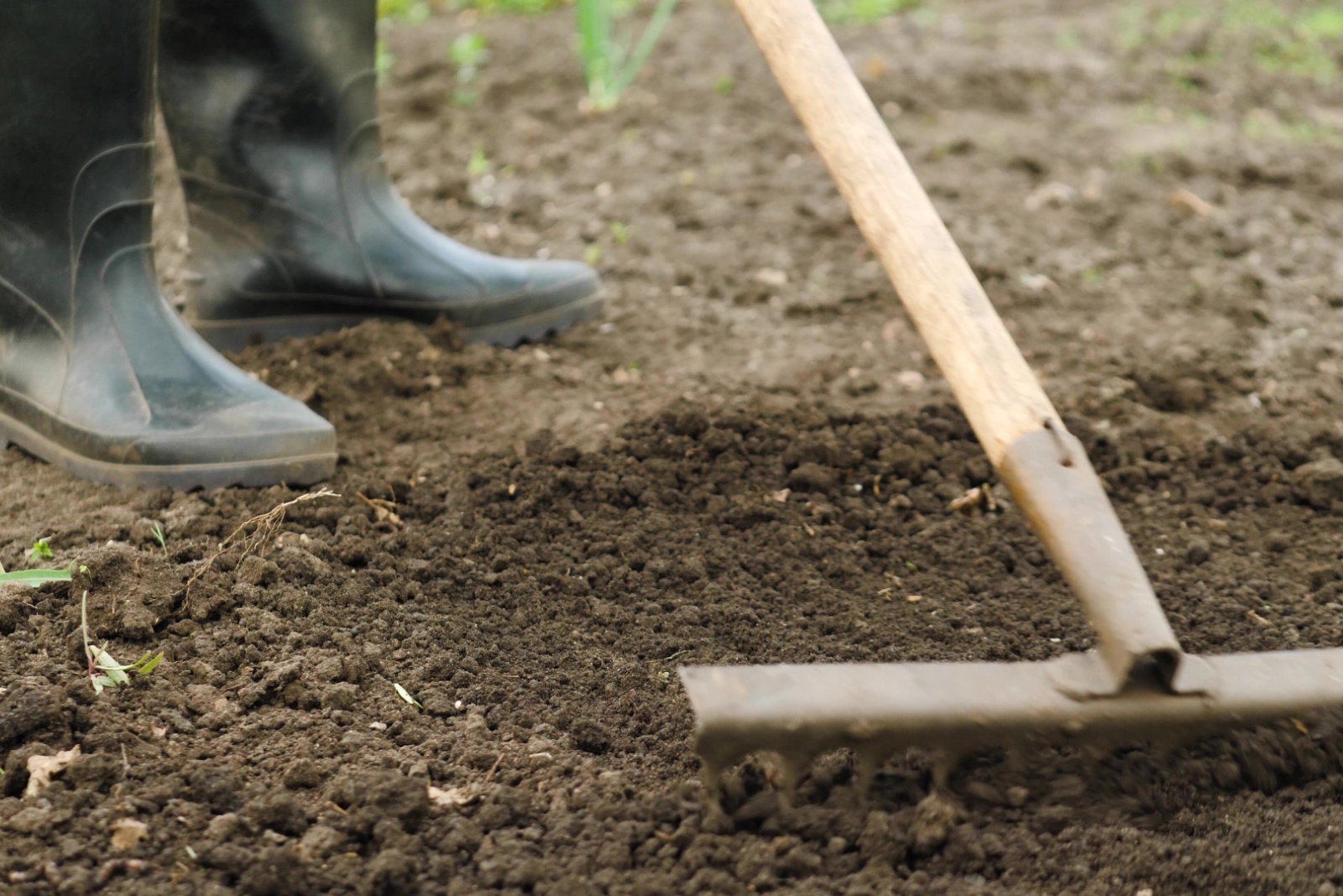
Rake away leaves, sticks, and decomposed material so you can properly assess the soil condition underneath everything.
Check for hidden obstacles like rocks, roots, or construction debris that could block root development as plants mature.
Florida’s frequent thunderstorms sometimes wash items into garden beds, so inspect the area thoroughly before moving forward.
A fresh start also gives you the perfect opportunity to redesign your planting layout for better results.
Removing competing vegetation ensures your new plants receive all available water and nutrients without unnecessary competition from invaders.
This step takes effort upfront but pays off tremendously by creating ideal conditions for everything you plant.
3. Improve Drainage Before Planting
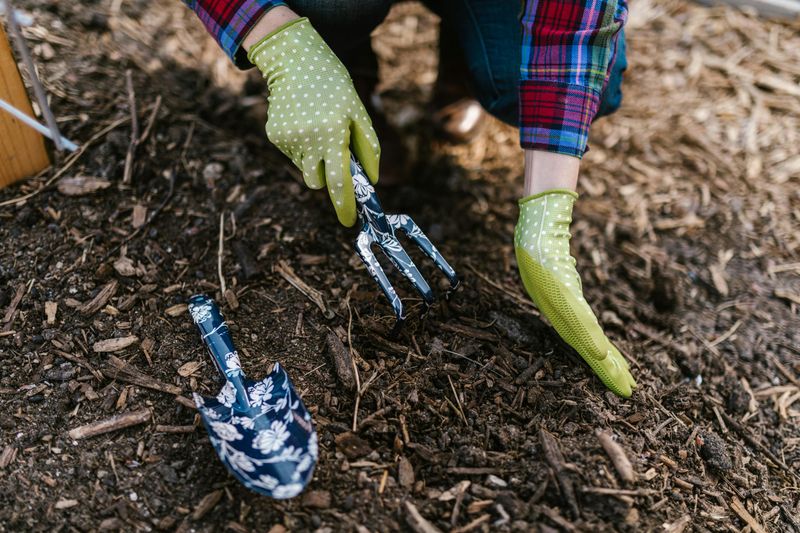
Poor drainage ranks among the top reasons Florida gardens struggle, especially during our intense summer rainstorm season.
Water pooling around plant roots creates oxygen-deprived conditions that cause root rot and stunted growth patterns quickly.
Sandy soil drains fast naturally, but clay pockets or compacted areas trap water in ways that harm plants.
Walk your garden after a heavy rain to identify spots where water stands longer than two hours.
These problem areas need immediate attention before you introduce any plants that could suffer from soggy conditions.
Raised beds offer an excellent solution for Florida gardeners dealing with drainage challenges throughout their growing spaces.
Building beds six to twelve inches high ensures roots stay above waterlogged soil even during heavy rainfall.
Another effective method involves creating gentle slopes that direct excess water away from planting areas toward appropriate drainage.
French drains work well for persistent water problems, channeling runoff through gravel-filled trenches to safer locations nearby.
Mixing coarse sand into clay-heavy spots improves water movement, though this requires substantial effort and material investment.
Some Florida gardeners install perforated drainage pipes beneath beds to move water away from sensitive root zones effectively.
Container gardening provides perfect drainage control since pots have holes that prevent water from accumulating around roots.
Remember that Florida’s water table sits high in many areas, making drainage improvements essential rather than optional.
Proper drainage protects your investment in plants and amendments while creating healthier growing conditions throughout the year.
4. Add Organic Matter Properly
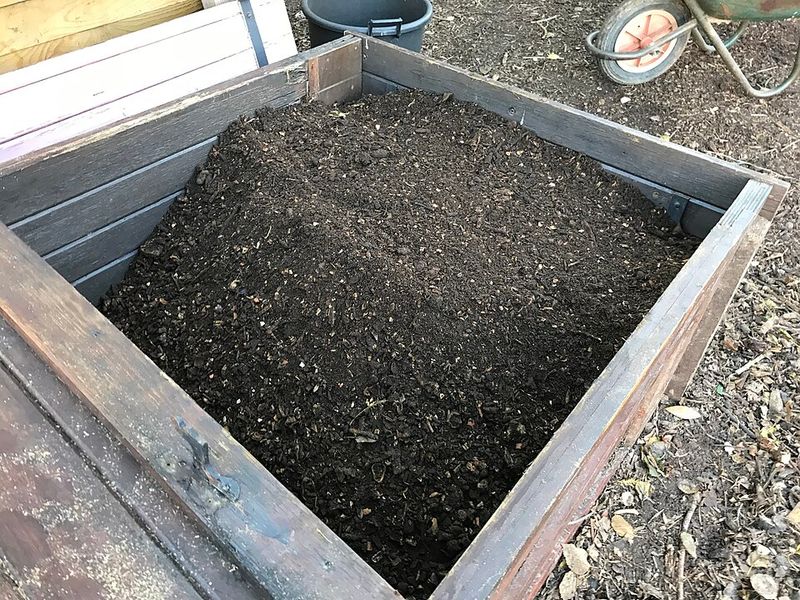
Organic matter transforms Florida’s nutrient-poor sandy soil into a rich environment where plants can truly flourish beautifully.
Compost, aged manure, and peat moss all add essential nutrients while improving the soil’s ability to retain moisture.
Florida’s hot weather breaks down organic material faster than cooler climates, so generous applications work best here.
Mix at least two to four inches of quality compost into the top six inches of existing soil.
This ratio provides enough organic content to make a noticeable difference without overwhelming the soil’s natural structure.
Well-aged cow or chicken manure adds nitrogen and other nutrients, but fresh manure can burn plant roots.
Composted yard waste from your own property offers a free, sustainable option that recycles nutrients back into gardens.
Peat moss holds moisture exceptionally well, which helps sandy soil stay hydrated between waterings throughout hot periods.
Coconut coir provides a sustainable alternative to peat moss with similar water-retention properties for Florida gardeners to consider.
Spread organic matter evenly across the planting area, then work it in thoroughly using a garden fork or tiller.
Mixing ensures amendments distribute throughout the root zone rather than sitting in layers that roots can’t easily access.
Organic matter also encourages beneficial microorganisms and earthworms that naturally improve soil health over time through their activity.
Reapply compost or other organic materials each season because Florida’s climate depletes these amendments faster than elsewhere.
Quality organic matter creates a sponge-like texture that balances drainage with moisture retention for optimal plant performance always.
5. Let The Soil Rest Before Planting
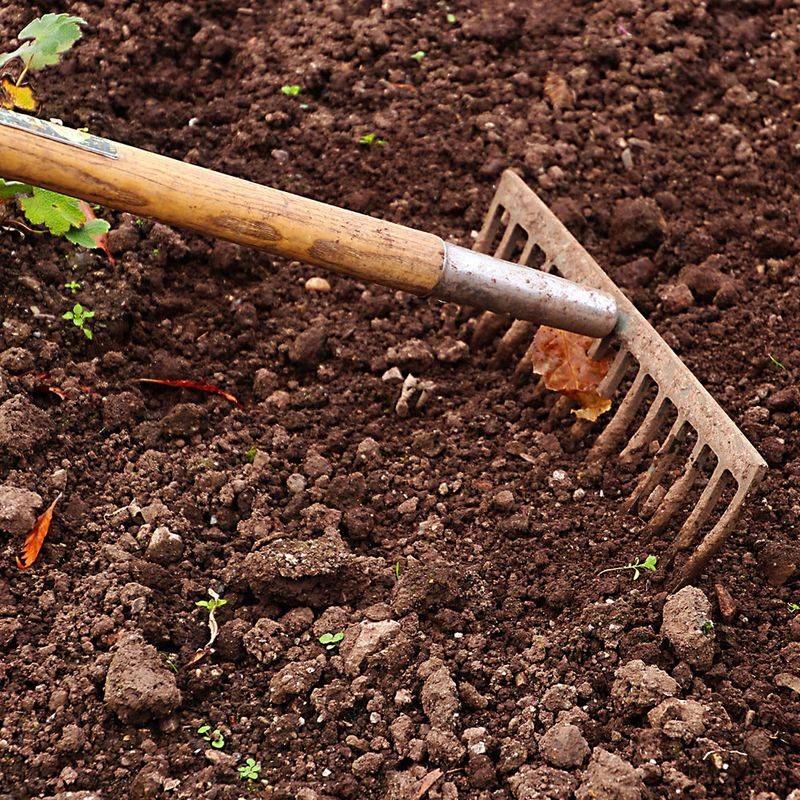
Patience pays off tremendously when you give amended soil time to settle and stabilize before introducing plants.
Freshly worked soil needs at least two weeks to allow amendments to integrate and beneficial microorganisms to establish.
This waiting period lets organic matter begin breaking down, releasing nutrients in forms plants can actually absorb easily.
Soil microbes need time to colonize new compost and start the decomposition process that feeds your plants naturally.
Rushing to plant immediately after amending often results in transplant shock as roots encounter unstable soil conditions.
Florida’s frequent rains during the rest period help settle amendments and wash nutrients deeper into the root zone.
Watering your prepared beds lightly every few days during this waiting time speeds up the settling process significantly.
This rest period also gives any remaining weed seeds a chance to sprout so you can remove them.
Pulling these early weeds prevents competition once your desired plants go into the ground in coming weeks.
Covering resting soil with a light layer of mulch prevents erosion during heavy rains and moderates temperature fluctuations.
Beneficial insects and earthworms move into prepared beds during this time, creating a healthier ecosystem for plant roots.
Soil structure improves as particles bond with organic matter, creating better air pockets for root growth and development.
Some gardeners use this waiting period to finalize planting plans and source the healthiest seedlings from local nurseries.
Resting soil ensures everything is perfectly balanced and ready when you finally put plants in the ground ahead.
The Payoff: Why Prepping First Makes All The Difference
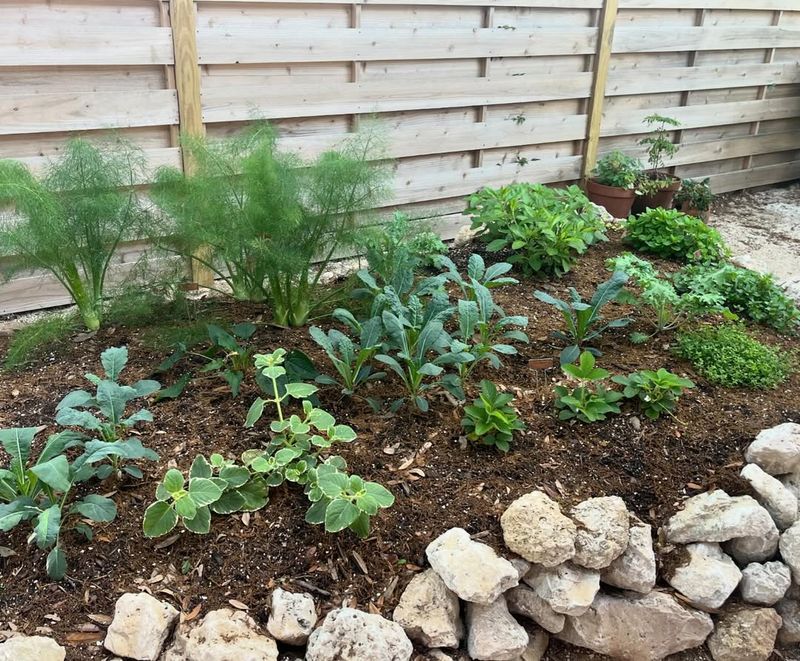
Florida soil may be stubborn, but it’s not impossible — it just demands respect.
By slowing down and handling these prep steps in the right order, you’re stacking the deck in your favor before the game even begins.
Well-prepared soil holds nutrients instead of letting them wash away, drains excess water without drowning roots, and creates a welcoming home for beneficial microbes that work behind the scenes all season long.
Plants settle in faster, grow stronger, and are far more resilient when heat, rain, and pests inevitably show up to test them.
Think of soil prep as your garden’s insurance policy.
It won’t eliminate every challenge Florida throws your way, but it gives your plants the best possible fighting chance.
When you finally do plant, you’ll do it with confidence — not hope and luck.
Take the time now, and your future self will thank you when your garden is thriving while others are wondering what went wrong.
In Florida gardening, the harvest belongs to those who prepare first.