No Yard Needed: 11 Container Gardening Ideas For Florida In January
Who says you need a backyard to grow great food?
In Florida, January throws that idea right out the window.
While much of the country is bundled up, we’re out on balconies and patios planting greens, herbs, and strawberries like it’s no big deal—because here, it isn’t.
Living in an apartment or small space doesn’t mean your garden dreams are on hold.
January’s mild temperatures are the sweet spot: cool enough to keep plants happy, warm enough to keep you outside, and calm enough to actually enjoy growing instead of fighting the elements.
Container gardening lets small spaces pull serious weight.
You control the soil, chase the sun, move plants when cold snaps roll in, and harvest fresh ingredients just steps from your kitchen.
No weeds, no yard work, no nonsense.
From leafy greens and herbs to citrus, flowers, and fast-growing microgreens, these eleven container ideas prove you don’t need land to grow something beautiful—or delicious.
Fresh food, bright blooms, and zero yard required.
1. Leafy Greens Bowl
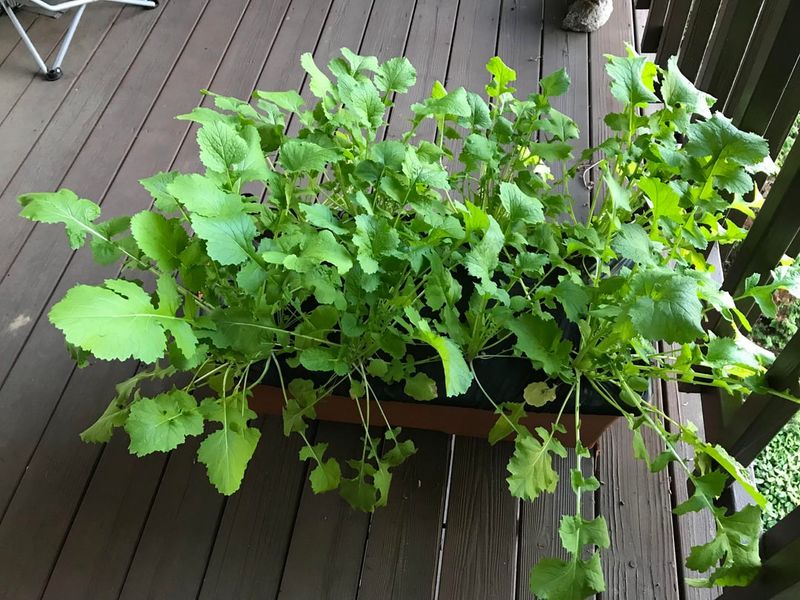
Shallow bowls work beautifully for growing lettuce, spinach, and arugula because their roots stay near the surface naturally.
Florida’s January temperatures range between fifty and seventy degrees, which prevents these cool-season crops from bolting too quickly.
Place your greens container where it receives four to six hours of morning sunlight for best growth.
Afternoon shade helps protect tender leaves from any unexpected warm spells that occasionally happen during Florida winters.
Water lightly every other day since shallow containers dry out faster than deep pots in our climate.
Harvest outer leaves regularly to encourage new growth and extend your harvest period throughout the entire month.
Most leafy greens reach harvestable size within three to four weeks when planted in January’s cooler weather.
Choose containers at least six inches deep and twelve inches wide to give multiple plants room to flourish.
Mixing different greens creates visual interest while providing varied textures and flavors for your salads and sandwiches.
This setup requires minimal effort but delivers fresh nutrition that tastes far better than anything from a store.
2. Herb Windowsill Garden
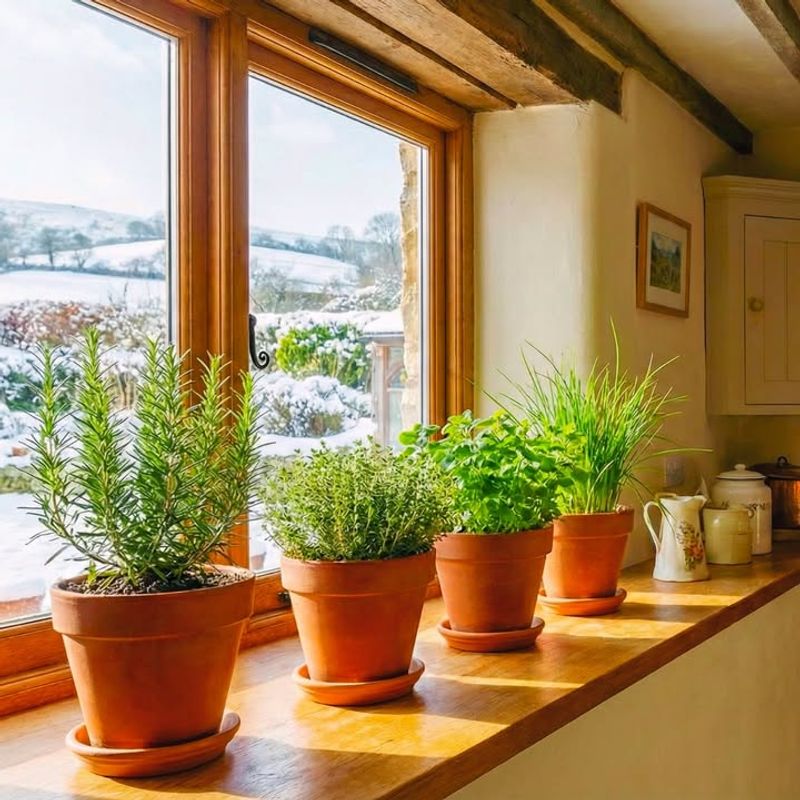
Kitchen windowsills become productive growing spaces when you choose compact herbs that thrive in limited root space.
Basil, parsley, cilantro, and chives grow exceptionally well indoors during Florida’s January when outdoor conditions fluctuate slightly.
South-facing windows provide the strongest light intensity, which helps herbs develop their signature flavors and essential oils.
January sunlight in Florida comes at a lower angle, allowing deeper penetration into your home without harsh intensity.
Small four-inch pots work perfectly for individual herbs, letting you arrange them according to your cooking preferences.
Rotate pots every few days so all sides receive equal light exposure and plants grow evenly upright.
Snip herbs regularly to prevent them from getting leggy and to encourage bushier, more productive growth patterns.
Indoor herbs need less water than outdoor plants since they face no wind or intense heat exposure.
The pleasant aroma of fresh herbs brightens your kitchen atmosphere while staying conveniently close for meal preparation.
Your Florida Garden Changes Every Week. Your Plan Should Too.
Gardening in Florida changes quickly throughout the season. Every Friday you’ll receive a simple weekly plan showing exactly what to plant, prune, fertilize, harvest, and protect so you never miss the right timing.
This arrangement costs very little to start but saves money compared to buying packaged herbs every week.
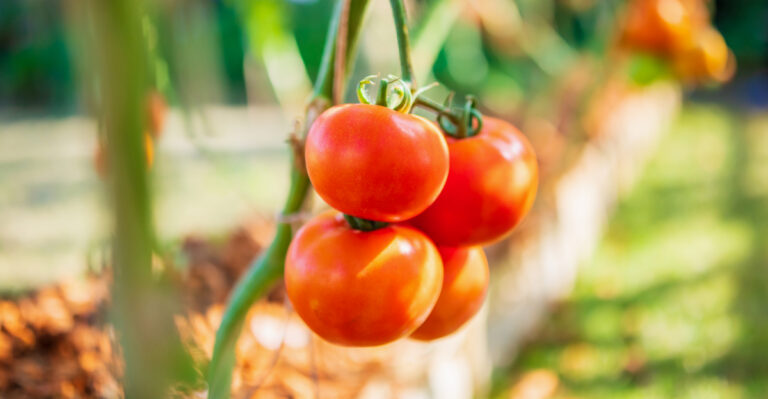
3. Patio Tomato Pot
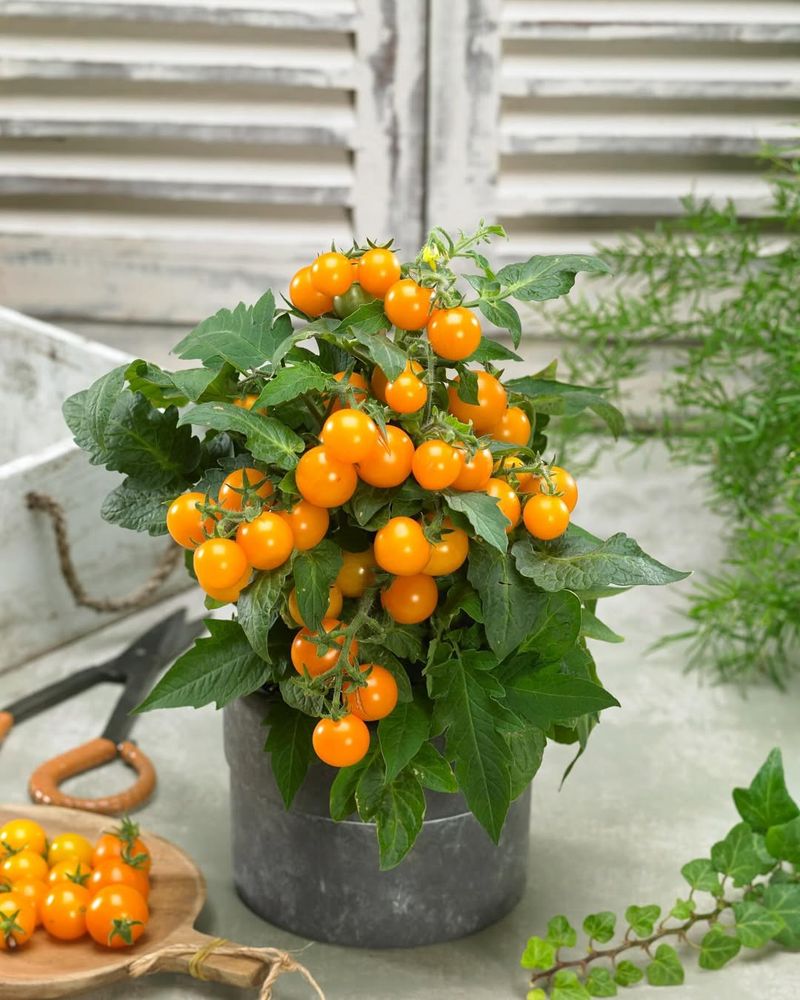
Dwarf tomato varieties like Tiny Tim or Patio Princess fit perfectly in containers without requiring stakes or cages.
January in Florida allows tomato plants to establish strong root systems before spring heat arrives and stresses them.
Choose pots at least twelve inches deep to accommodate tomato roots, which need space to support future fruit.
Position your tomato container against a south-facing wall where reflected heat creates a warmer microclimate during cooler nights.
Tomatoes grow more slowly in January than summer, but they develop stronger stems and healthier foliage overall.
Water deeply when the top two inches of soil feel dry, usually every two to three days.
Moving containers under cover during rare cold snaps protects tender plants from unexpected temperature drops below forty degrees.
Compact varieties produce full-sized flavor despite their smaller plant size, making them perfect for limited patio space.
Watch for small yellow flowers to appear within six to eight weeks after planting your seedlings outdoors.
Growing tomatoes in pots lets you adjust their location as the sun’s path changes throughout winter and spring.
4. Strawberries in Pots
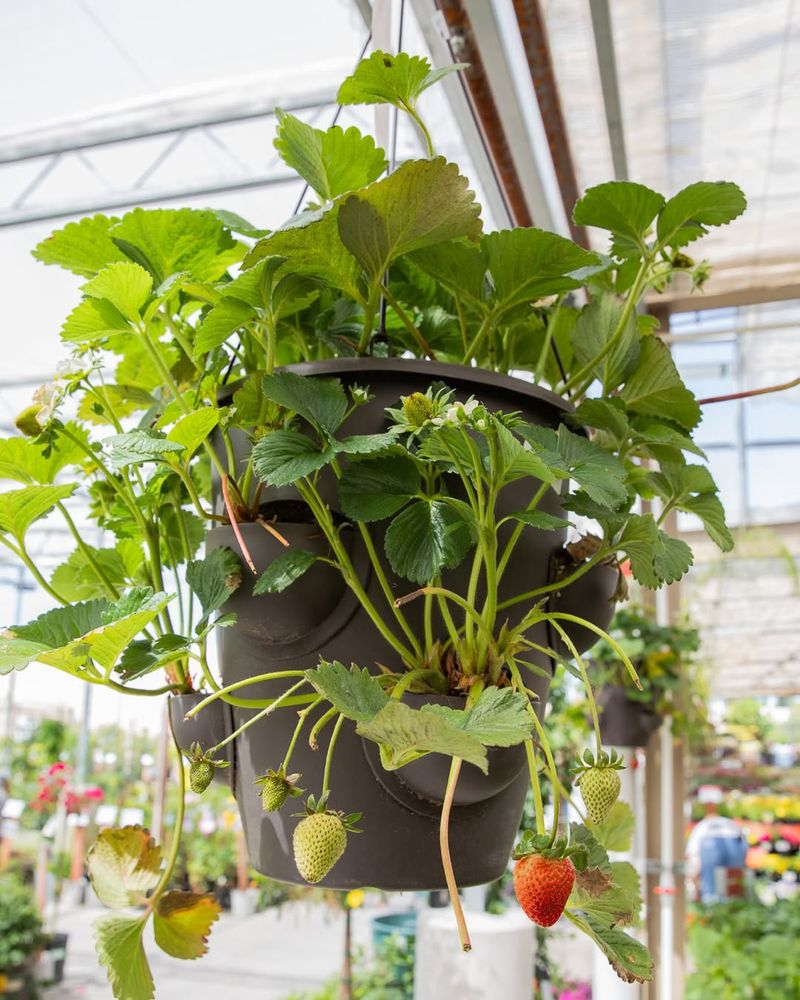
Strawberry plants thrive in January because Florida’s cool nights trigger flower formation while warm days support healthy growth.
Hanging baskets showcase strawberries beautifully while keeping fruit off the ground away from pests and soil-borne diseases.
Each plant needs about six inches of space, so a twelve-inch basket can hold two to three strawberries comfortably.
Place containers where they receive at least six hours of direct sunlight daily for maximum flower and fruit production.
January planting means you could see ripe berries by late February or early March depending on variety selection.
Water consistently to keep soil evenly moist but never waterlogged, checking daily since hanging baskets drain quickly.
Everbearing varieties continue producing throughout spring, giving you multiple harvests from the same plants over several months.
Strawberries grown in containers taste sweeter than store-bought because you pick them at peak ripeness right outside.
The cascading foliage creates an attractive display even before flowers and fruit appear on your balcony or patio.
Fertilize every two weeks with diluted liquid fertilizer to support continuous flowering and fruit development throughout the season.
5. Peppers in Containers
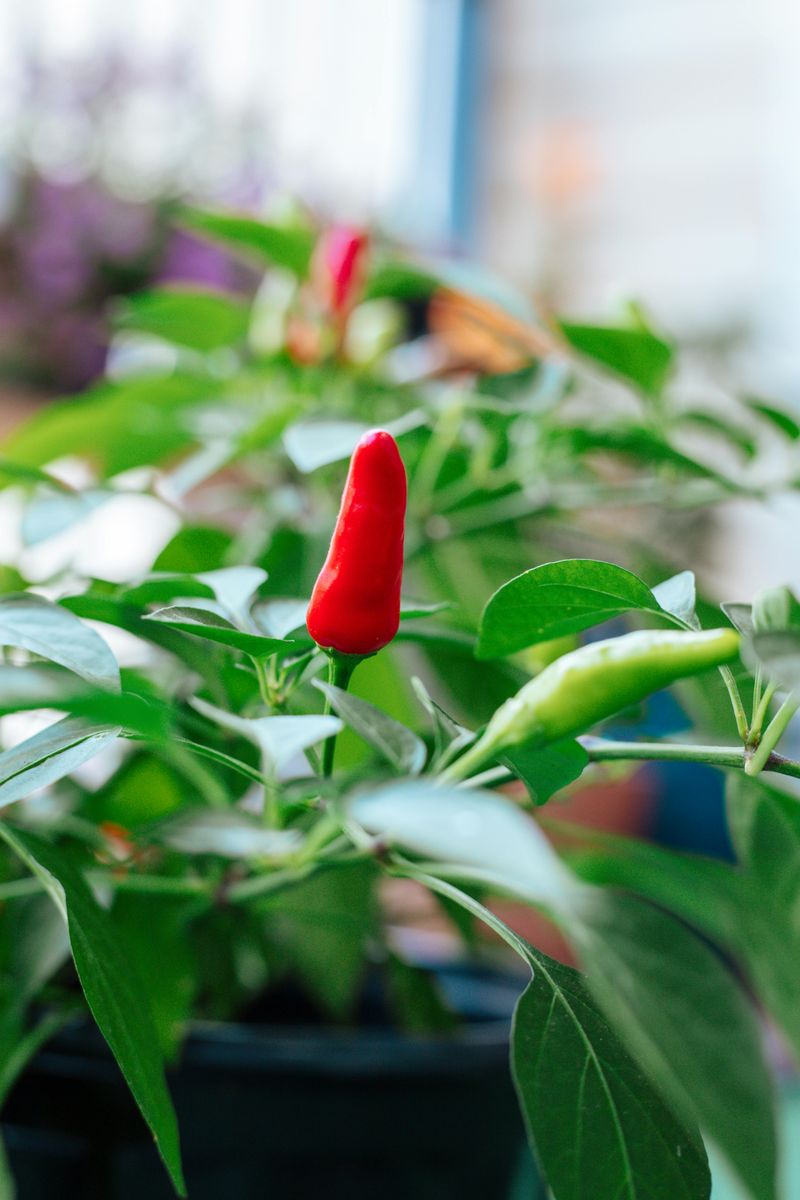
Pepper plants appreciate container mobility because you can move them to warmer spots during Florida’s occasional January cold fronts.
Growth slows during winter months, but established pepper plants continue developing slowly rather than going completely dormant here.
Select containers at least ten inches deep and wide to give pepper roots adequate room for nutrient uptake.
Positioning pots near walls or under eaves provides extra warmth and wind protection during cooler January evenings.
Bell peppers, banana peppers, and jalapeños all adapt well to container culture when given proper sunlight exposure.
Full sun for six to eight hours daily helps peppers maintain steady growth even during shorter winter days.
Patience pays off because peppers planted in January develop strong root systems before producing heavily in spring.
Check soil moisture every few days since peppers dislike both drought stress and constantly wet conditions equally.
Compact varieties bred specifically for containers stay manageable while still producing full-sized fruits for your kitchen use.
January temperatures rarely harm pepper plants in Florida, making this month safer than planting during summer’s intense heat.
6. Flowering Color Pots
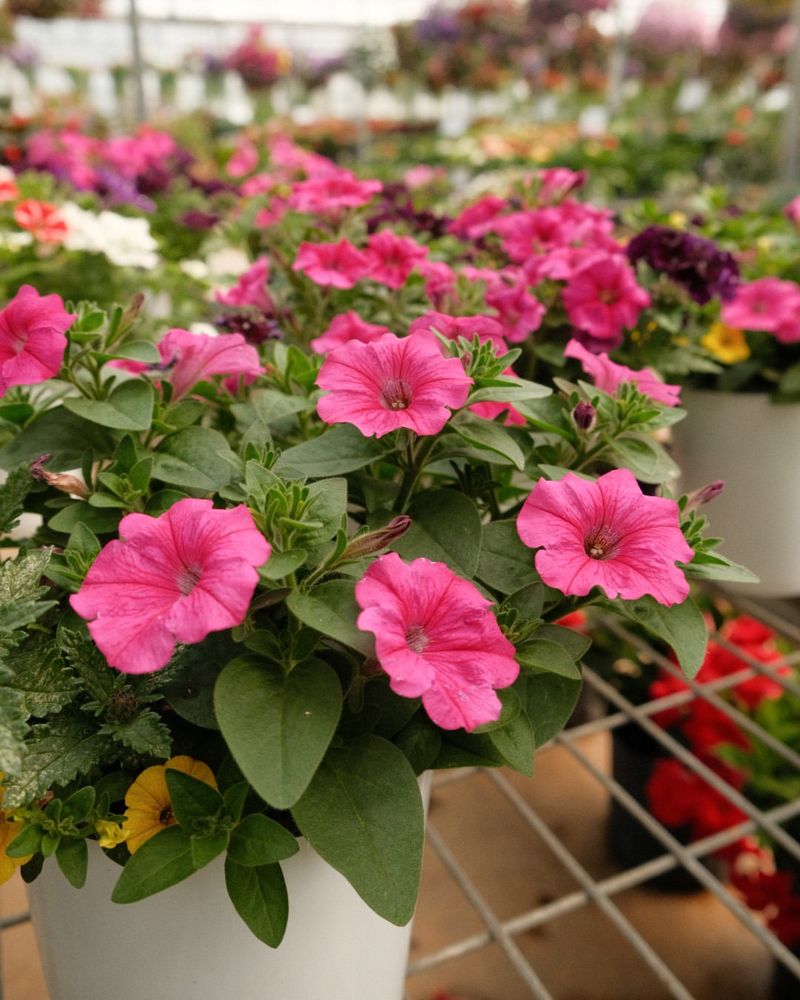
January brings perfect conditions for cool-season flowers that add instant cheerfulness to balconies, patios, and entryways statewide.
Petunias, pansies, snapdragons, and alyssum bloom prolifically in Florida’s mild winter without requiring constant deadheading or fussy maintenance.
Grouping multiple pots with complementary colors creates visual impact that brightens outdoor spaces during shorter winter days.
These flowers tolerate light frosts that occasionally touch northern Florida while thriving in warmer southern and coastal areas.
Choose containers with drainage holes to prevent root rot, which can occur during Florida’s occasional January rainstorms.
Morning sun with afternoon shade keeps flowers blooming longer by protecting delicate petals from any midday warmth.
Water when the top inch of soil feels dry, usually every other day depending on container size.
Flowering plants in pots require less effort than vegetable gardens while delivering months of continuous color and beauty.
Adding slow-release fertilizer at planting time eliminates the need for frequent feeding throughout the entire blooming season.
Visitors and neighbors will notice your colorful displays, making your outdoor space feel welcoming and thoughtfully designed all winter.
7. Microgreens Tray
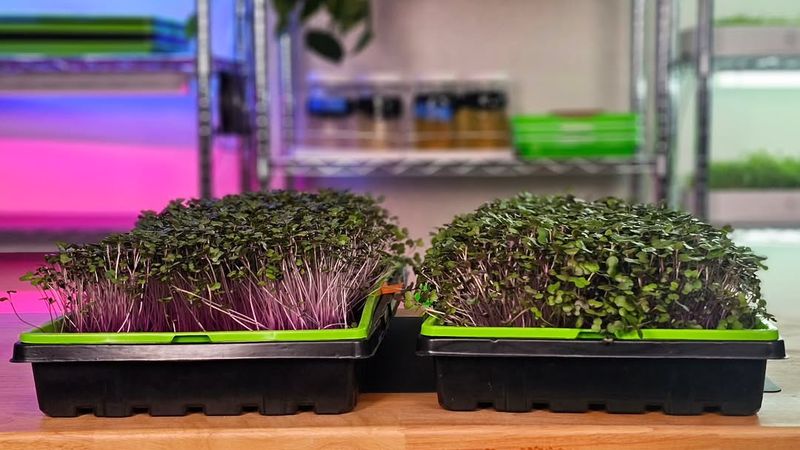
Microgreens grow from seed to harvest in just seven to fourteen days, providing the fastest results possible.
Shallow trays only two inches deep work perfectly since microgreens get harvested before developing extensive root systems.
Florida kitchens offer ideal indoor temperatures during January, eliminating concerns about outdoor weather affecting your tiny crops.
Place trays near bright windows or under inexpensive grow lights to provide adequate illumination for healthy green growth.
Radish, broccoli, kale, and sunflower microgreens pack intense flavors and concentrated nutrition into tiny, tender leaves and stems.
Mist the soil surface daily with a spray bottle to maintain moisture without overwatering these delicate seedlings.
Harvest by snipping greens just above soil level when the first true leaves appear after the initial seed leaves.
Growing microgreens indoors avoids pests completely while keeping fresh garnishes and salad additions within arm’s reach constantly.
Succession planting every few days ensures a continuous supply of fresh microgreens throughout January and beyond without gaps.
This method requires minimal investment in supplies but delivers impressive nutritional value and gourmet appeal for everyday meals.
8. Salad Garden Planter
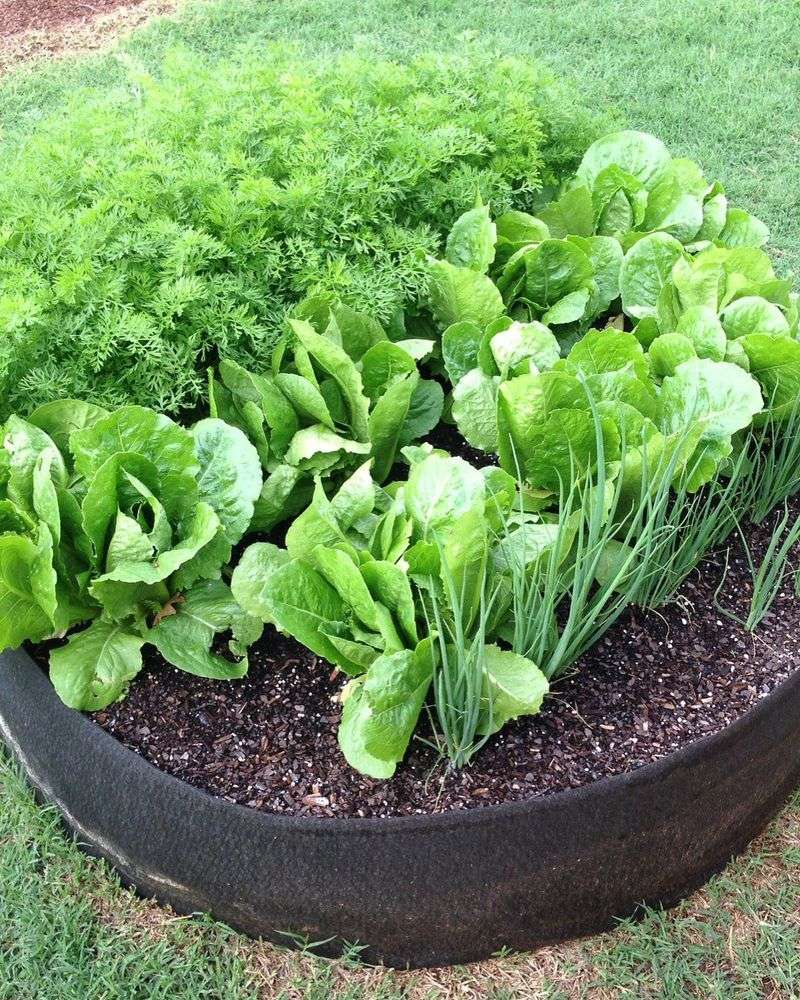
Combining multiple salad ingredients in one large planter creates a complete harvest station right outside your door.
Lettuce, radishes, green onions, and arugula mature at different rates, providing staggered harvests throughout several weeks continuously.
Rectangular planters at least eight inches deep and twenty-four inches long accommodate several plant types with proper spacing.
Florida’s January weather supports vigorous growth for all these cool-season crops without the bolting problems summer heat causes.
Position your salad planter where it receives morning sun and afternoon shade to prevent leaves from becoming bitter.
Cut-and-come-again harvesting means you snip outer leaves while allowing centers to keep producing new growth indefinitely.
Water gently every other day to keep soil consistently moist, which helps tender salad greens develop crisp texture.
Radishes add peppery crunch and mature in just three to four weeks from seed to harvest size.
Green onions regrow after cutting, providing continuous fresh flavor for salads, sandwiches, and cooked dishes all season long.
This arrangement saves trips to the grocery store while guaranteeing the freshest possible ingredients for healthy meals daily.
9. Vertical Container Setup
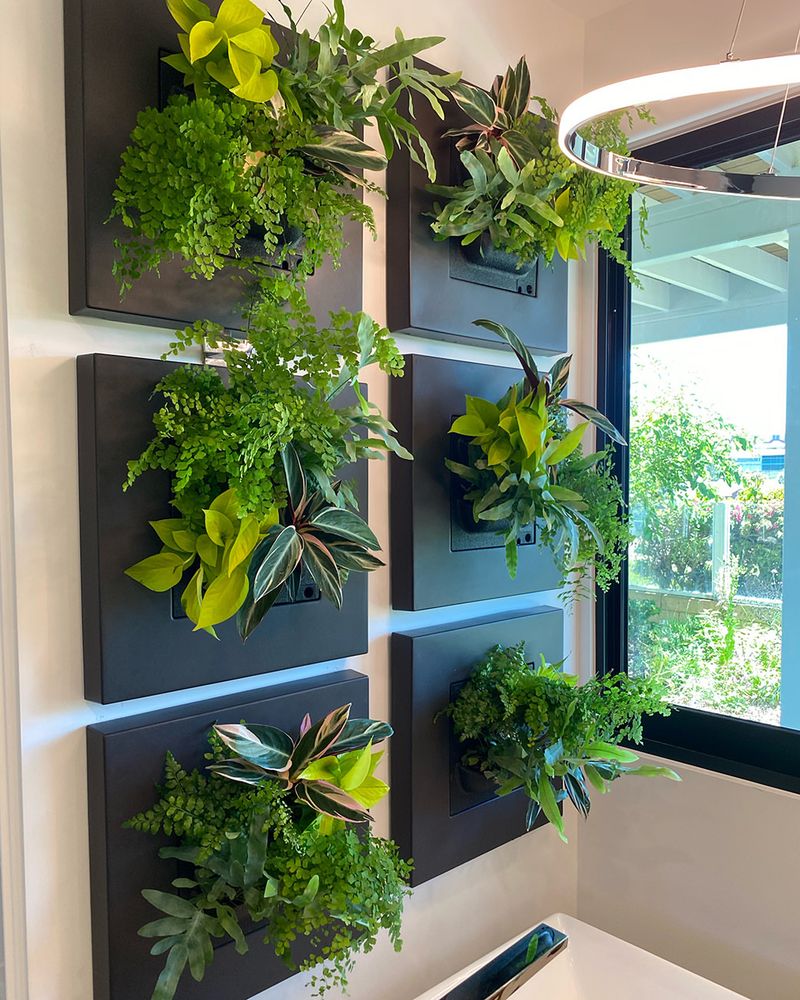
Wall-mounted planters and vertical towers maximize growing space on small balconies where floor space remains extremely limited.
Airflow around vertical setups reduces humidity problems that sometimes affect plants in Florida’s occasionally damp January weather.
Compact plants like herbs, lettuce, and strawberries work best in vertical arrangements since their roots need less depth.
Mounting systems to sturdy railings or walls ensures stability when containers fill with soil and water weight increases significantly.
January’s mild temperatures prevent vertical containers from overheating, which can happen when summer sun hits dark mounting surfaces.
Each pocket or tier should have drainage holes to prevent water from pooling and causing root problems over time.
Vertical gardens create living walls that add privacy, beauty, and productivity to balconies without sacrificing valuable floor area.
Water upper containers first and allow excess to drain down, reducing overall watering time and effort considerably.
Florida balconies benefit from vertical growing because it keeps plants elevated away from ground-level pests and improves visibility.
This approach transforms blank walls into productive gardens that impress guests while providing fresh ingredients for your kitchen regularly.
10. Citrus In Large Pots
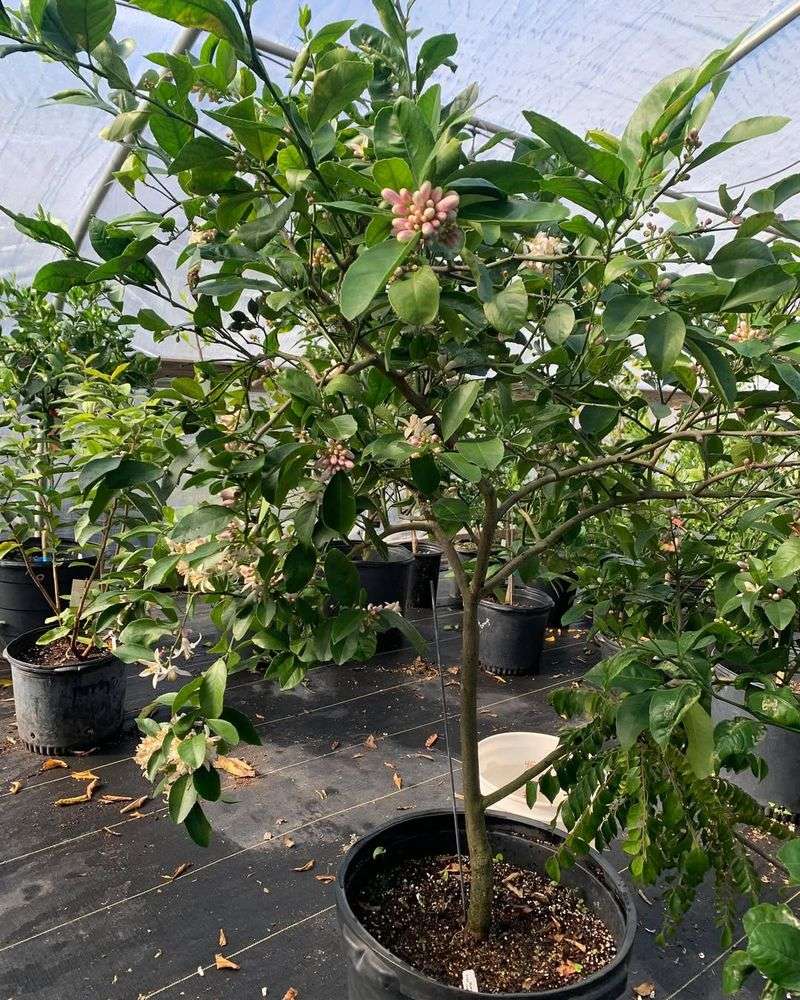
Meyer lemons, key limes, and calamondin oranges adapt beautifully to container life when given appropriately sized pots.
Containers allow you to move citrus trees under cover during rare freezes that occasionally threaten northern Florida areas.
Choose pots at least twenty inches in diameter to accommodate citrus root systems that need space for stability and nutrition.
January marks an ideal time to establish potted citrus before spring growth begins and trees demand more resources.
Position containers in full sun locations where trees receive eight hours of direct light for best flowering and fruiting.
Citrus trees in pots need deep watering once or twice weekly, allowing soil to dry slightly between waterings.
Dwarf varieties stay manageable at four to six feet tall, making them perfect for patios without overwhelming available space.
Florida’s winter provides citrus trees with the slight chill needed to trigger flower formation for next season’s fruit crop.
Container mobility protects your investment during cold snaps while keeping trees accessible for harvesting ripe fruit year-round.
Fresh citrus from your own patio tastes incredibly fragrant and flavorful compared to grocery store options shipped from elsewhere.
11. Succulent Arrangement
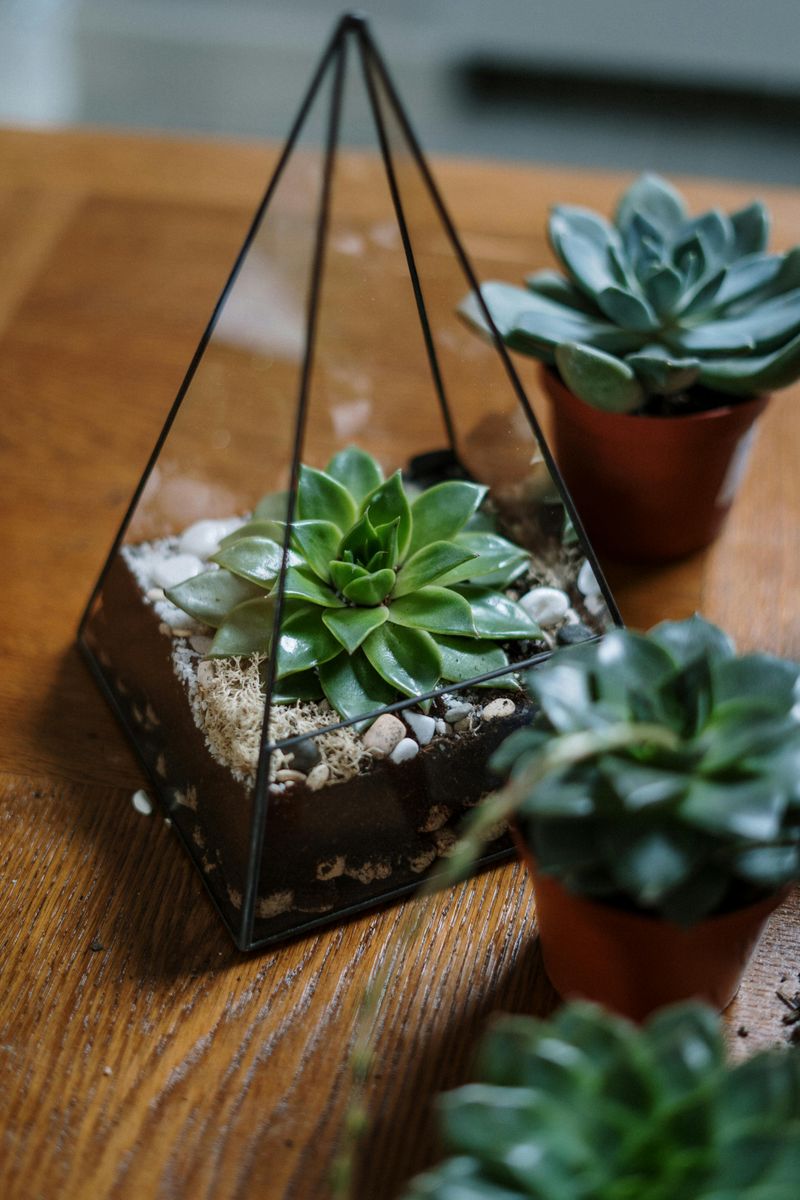
Succulents tolerate Florida’s occasional January dry spells beautifully because their thick leaves store water for extended periods naturally.
January’s cooler temperatures prevent the heat stress that sometimes challenges succulents during Florida’s intense summer months ahead.
Shallow bowls or decorative containers work perfectly since succulent roots remain near the surface and spread horizontally outward.
Combining different colors, textures, and shapes creates living art that requires minimal maintenance while looking professionally designed always.
Place succulent arrangements where they receive bright indirect light or morning sun without harsh afternoon exposure that burns leaves.
Water sparingly every seven to ten days, allowing soil to dry completely between waterings to prevent root rot.
Succulents add architectural interest to patios, balconies, and entryways without demanding constant attention or frequent care routines.
January planting gives succulents time to establish roots before spring growth begins and outdoor conditions become more demanding.
These arrangements survive neglect better than most plants, making them perfect for busy people or frequent travelers throughout.
Florida’s mild winter climate keeps succulents looking vibrant and healthy without the dormancy problems colder regions experience annually.