Think Winter Means No Pests? 9 That Still Attack Florida Gardens
Think winter shuts down the bug brigade? In Florida, that’s wishful thinking in a light jacket.
While the rest of the country’s pests are frozen stiff, Sunshine State troublemakers are very much clocked in, chewing, sucking, tunneling, and multiplying like they missed the memo about taking a seasonal break.
Winter here isn’t a ceasefire; it’s a sneak attack.
Mild temps, cozy garden hideouts, and cool-season crops roll out the welcome mat for pests that never skip a beat.
Blink, and they’re back at it, turning lush leaves into all-you-can-eat buffets and tender transplants into collateral damage.
Know your enemy, keep your guard up, and you can outsmart these cold-weather freeloaders before they gain the upper hand and run your winter garden like they own the place.
1. Aphids
Cool weather may slow you down, but aphids never hit the brakes in Florida gardens.
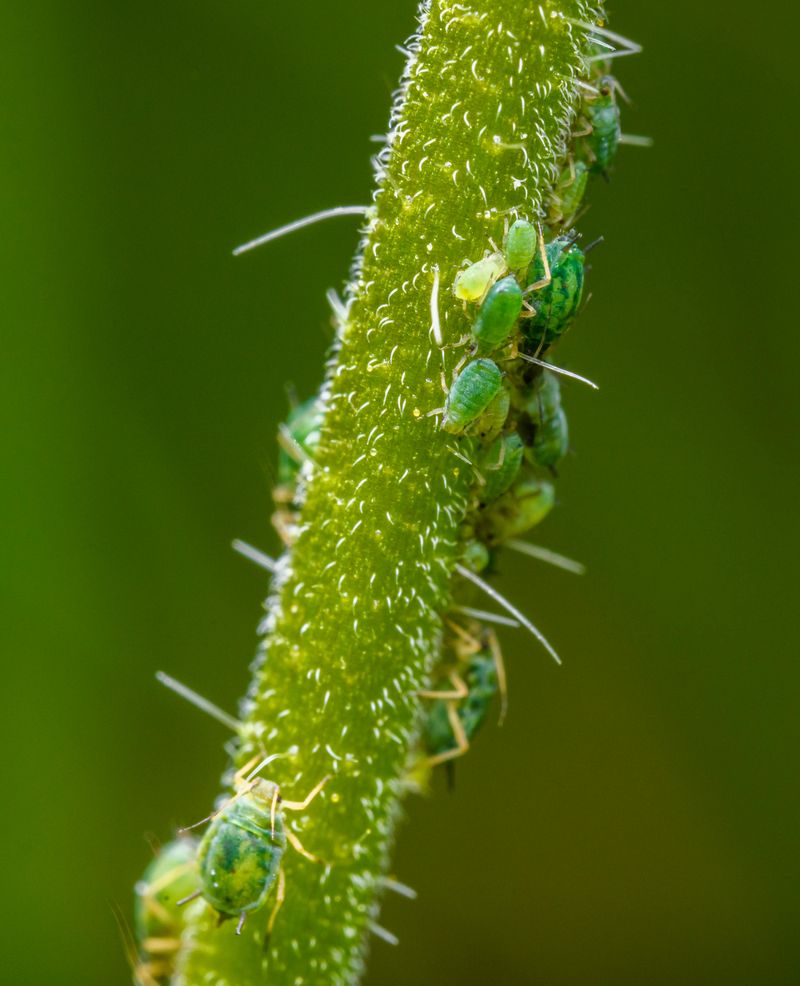
The moment tender new growth appears, these tiny pear-shaped freeloaders swoop in, clustering by the dozens on leaf undersides and young stems like they’ve claimed squatter’s rights.
Winter barely fazes them, and Florida’s mild temperatures give aphid populations free rein to feed, multiply, and spread without interruption.
Soft, succulent leaves on broccoli, lettuce, kale, and cabbage become irresistible targets, quickly turning from lush and vibrant to curled, yellowed, and stressed.
Often, the first red flag isn’t the insects themselves but the damage they leave behind.
A sticky coating of honeydew glistening on leaves and a sudden parade of ants are clear signs aphids are throwing a feast in your winter garden.
Sheltered planting areas with gentle morning sun and protection from cold winds only sweeten the deal, creating perfect aphid hideouts during the cooler months.
Without regular checkups, these pests can explode in number seemingly overnight.
Stay alert, inspect your cool-season crops often, and you’ll catch aphid invasions early before a small nuisance snowballs into a full-blown winter takeover.
2. Whiteflies
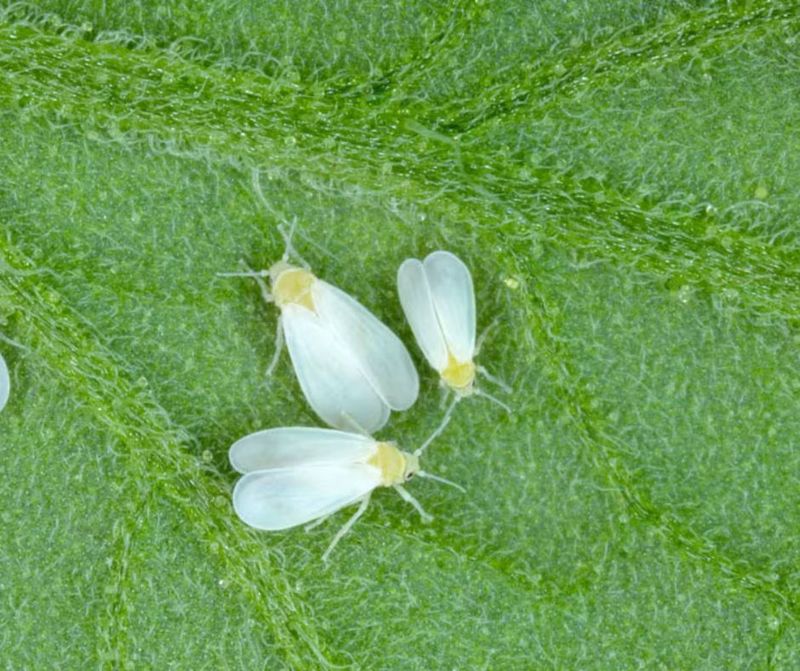
Lingering warmth in Florida’s protected garden spaces keeps whiteflies active and hungry long after winter is supposed to shut pests down.
These tiny, moth-like insects explode into motion the second a leaf is disturbed, scattering in clouds that signal trouble has already taken hold.
Tomatoes, peppers, squash, and ornamental plants turn into dependable winter food sources, giving whiteflies everything they need to thrive.
Temperature swings stress winter vegetables, weakening their defenses and making them easy targets for fast-growing whitefly populations.
As numbers climb, gardeners begin spotting white specks clinging to leaf undersides and watching once-healthy foliage fade into sickly yellow.
Warm pockets near buildings, fences, and overhangs act like winter resorts, trapping heat and creating ideal whitefly breeding zones.
Florida’s mild winter weather rarely delivers the hard freeze needed to knock populations back naturally, allowing infestations to persist unchecked.
Carefully inspecting new transplants before they enter your garden helps stop whiteflies from sneaking in and spreading to otherwise healthy plants.
3. Spider Mites
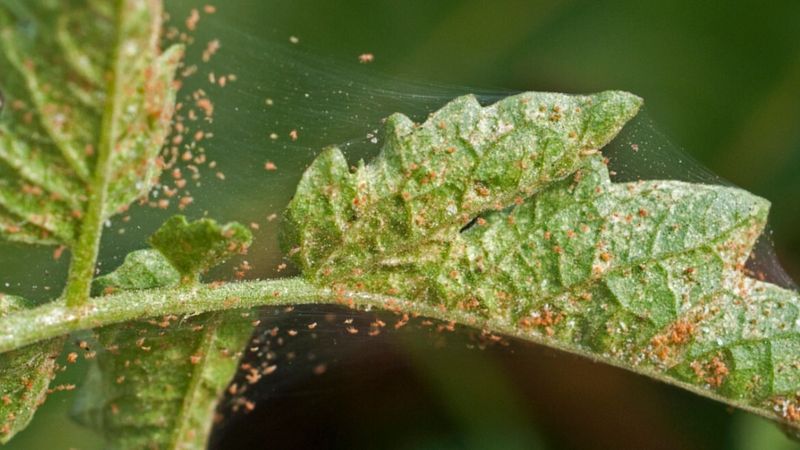
Dry winter air paired with Florida’s mild temperatures sets the stage for spider mites to move in and take over without resistance.
Your Florida Garden Changes Every Week. Your Plan Should Too.
Gardening in Florida changes quickly throughout the season. Every Friday you’ll receive a simple weekly plan showing exactly what to plant, prune, fertilize, harvest, and protect so you never miss the right timing.
These microscopic pests thrive on indoor plants and sheltered outdoor specimens, quietly spreading throughout the cooler months.
Fine, silky webbing stretched between leaves and pale yellow stippling across foliage are the first warning signs that spider mites are at work.
Vegetables like beans and tomatoes, along with ornamentals such as roses, quickly become prime winter targets.
Low humidity during Florida winters fuels rapid reproduction, allowing spider mite populations to explode before gardeners realize what’s happening.
Bringing plants indoors for protection often backfires, as dry indoor heat creates an ideal breeding environment.
Container plants tucked onto covered patios face even greater pressure when winter reduces air circulation around dense foliage.
Light misting, proper spacing, and consistent monitoring help keep spider mites from gaining the upper hand in a Florida winter garden.
4. Caterpillars
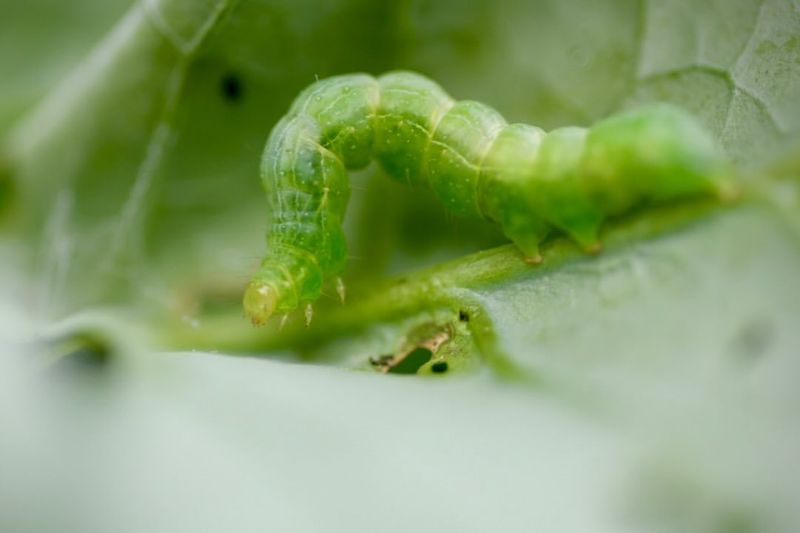
Think caterpillars disappear once winter rolls in? In Florida, they simply change shifts.
Overwintering larvae stay active on leafy crops all season long, never entering true dormancy thanks to the state’s mild winter weather.
Cabbage loopers, armyworms, and diamondback moth caterpillars continue feeding across gardens statewide, treating cool-season vegetables like an open buffet.
Broccoli, collard greens, kale, and lettuce often take the hardest hit, with leaves quickly riddled by damage if pests go unnoticed.
Gardeners usually spot the problem after seeing irregular holes in foliage or dark droppings scattered across leaves and soil.
Warm winter afternoons give caterpillars just enough heat to crawl out and feed, even when mornings feel brisk.
Some species actually prefer cooler temperatures, becoming more active during Florida’s comfortable winter conditions.
Flipping leaves and checking undersides regularly helps catch small caterpillars early, before they grow large and destructive.
Row covers, combined with routine inspections, give Florida gardeners a strong defense against caterpillar invasions throughout the winter growing season.
5. Slugs
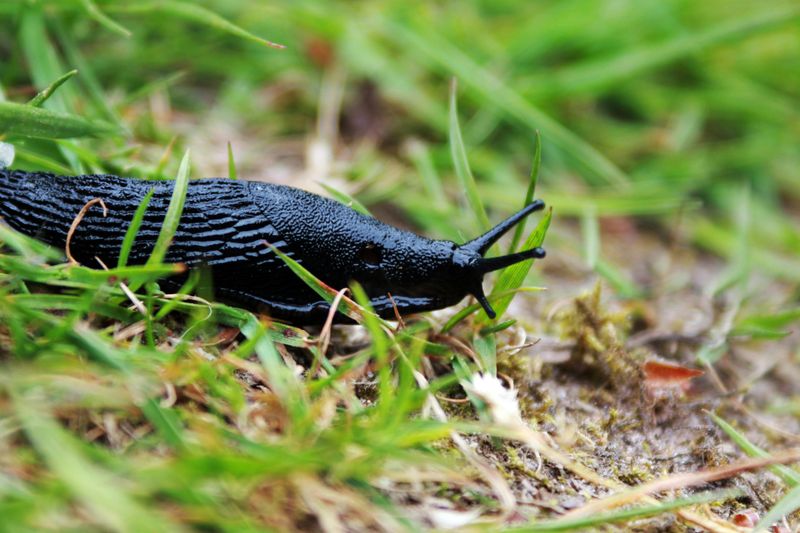
Slugs don’t pack it in for winter in Florida; they thrive on it.
Moisture from winter rains and regular irrigation creates the damp, cozy conditions these pests love, keeping them active instead of dormant.
Shaded garden beds, thick mulch, and dense foliage turn into perfect slug hideouts during the cooler months.
Once the sun goes down, slug activity ramps up, with nighttime feeding frenzies focused on tender seedlings and leafy vegetables.
Lettuce, strawberries, and young transplants often wake up to irregular holes, chewed edges, and unmistakable slime trails left behind overnight.
Florida’s mild winter temperatures rarely get cold enough to slow slug populations or force them into hibernation.
Organic mulch may benefit plants, but it also traps moisture and provides slugs with safe daytime shelter.
Damage often spikes after rainy stretches, when soil stays wet for days and slug numbers surge.
Pulling mulch back from vulnerable plants and improving drainage can go a long way toward keeping slug damage under control during Florida’s wet winter season.
6. Snails
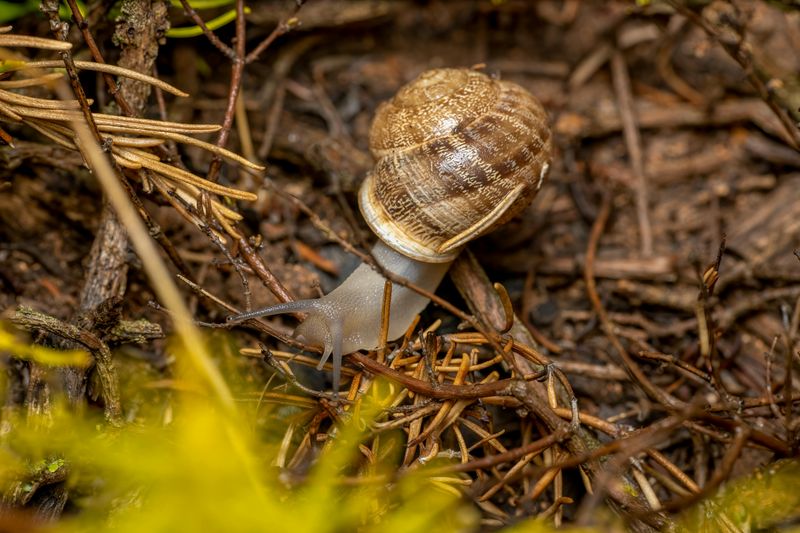
Snails may move slowly, but they cause fast frustration in Florida winter gardens.
Cool-weather conditions keep these pests active, making them a surprisingly persistent problem throughout the winter growing season.
Container plants and potted herbs are frequent targets, as snails seek out moist potting soil for both food and shelter.
Their slow but steady crawl allows them to reach higher foliage, chewing on tender growth and climbing trellised winter vegetables with ease.
Ornamental plants tucked near foundations, walls, and protected corners become ideal daytime hideouts.
Gardeners usually spot the damage first—silvery slime trails and ragged, chewed leaf edges left behind after cool Florida nights.
Decorative pots, saucers, and garden ornaments trap moisture underneath, creating perfect snail habitat during winter.
Florida’s mild climate keeps snail populations active instead of dormant, unlike in colder regions.
Checking container rims, pot bases, and sheltered spots regularly helps catch snails early, before winter plantings suffer serious damage.
7. Thrips
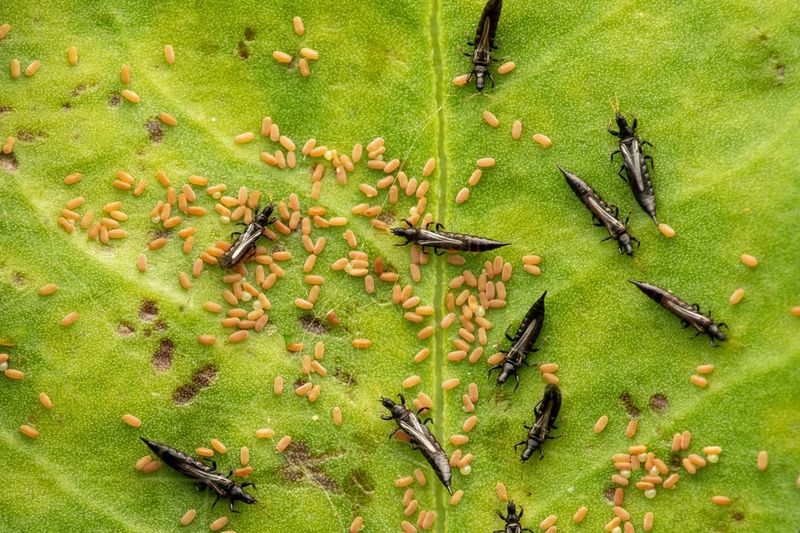
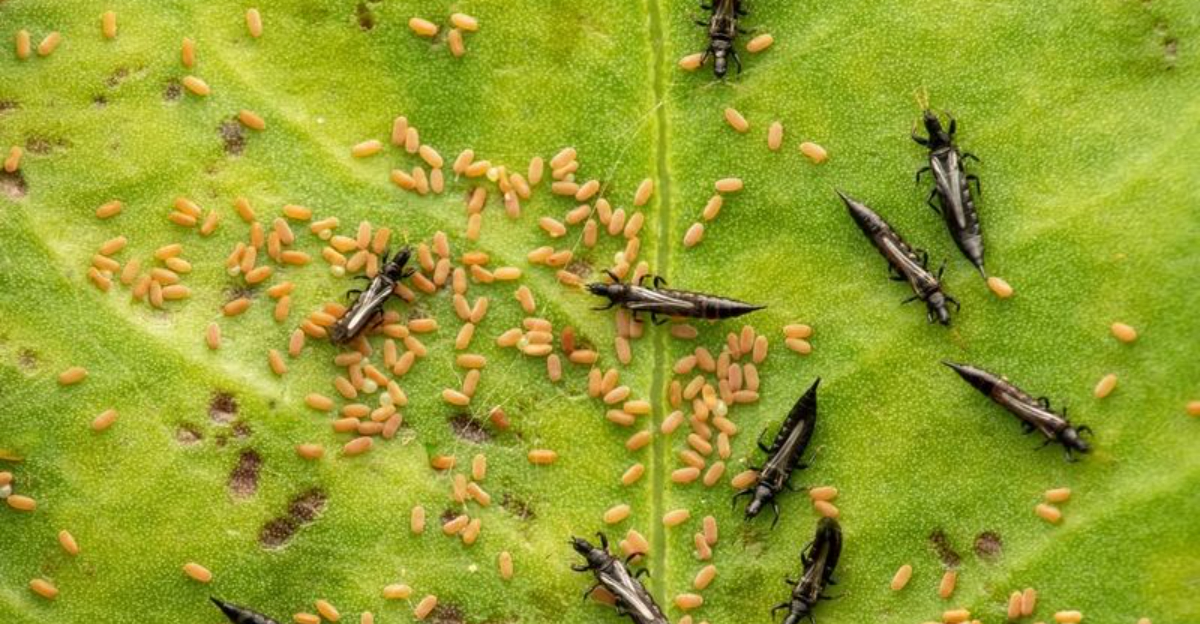
Thrips may be tiny, but the damage they cause in Florida winter gardens is anything but minor.
Their small size makes them easy to overlook, allowing problems to build before gardeners realize what’s happening.
Flower buds and blooms develop silvery streaks, brown edges, and scarring as thrips feed throughout the cooler months.
Roses, pansies, snapdragons, and other winter flowers attract thrips searching for pollen and tender plant tissue.
Florida’s year-round growing conditions allow thrips populations to cycle rapidly without a true winter slowdown.
Repeated feeding leads to distorted blooms and scarred foliage that never fully recovers.
Flowers sheltered under eaves, patios, or inside greenhouses face even heavier pressure during mild winter weather.
Windy days may slow activity briefly, but calm winter mornings allow thrips to resume feeding quickly.
Close inspection of blooms and foliage helps catch thrips early, before damage spreads and worsens heading into spring.
8. Leaf Miners
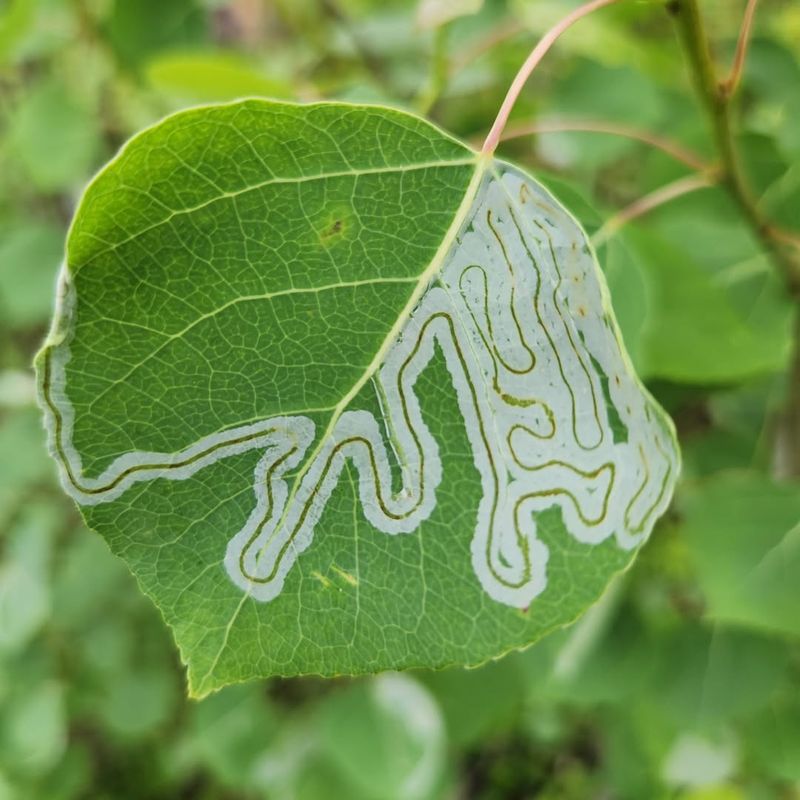
At first glance, the damage can look almost decorative, with thin, winding lines etched across what should be healthy green leaves.
Those white or brown trails are a clear sign of pests feeding just beneath the surface of cool-season crops.
Larvae live between the leaf layers, tunneling as they go and leaving behind serpentine paths that weaken plants and reduce harvest quality.
Spinach, chard, beets, and lettuce often suffer the most during Florida’s active winter growing season.
Gardeners usually spot the tunnels before anything else, then notice tiny adult flies hovering nearby once the problem has already taken hold.
Florida’s mild winter weather allows leaf miners to reproduce continuously instead of slowing down for the season.
Left unchecked, several generations can develop in a short period of time.
Removing damaged leaves early helps break the cycle and limits the number of new flies that emerge.
Row covers placed over young transplants provide an extra layer of defense by blocking egg-laying on tender foliage.
Consistent checks throughout winter make a noticeable difference and help keep leaf damage from spreading across the garden.
9. Fungus Gnats
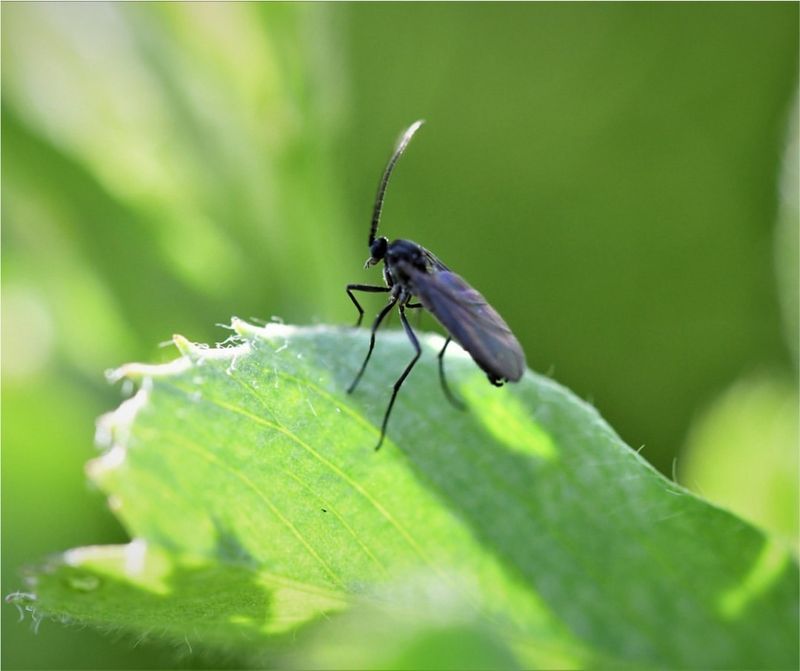
Moist soil conditions in container gardens and indoor plants create ideal breeding grounds for fungus gnats during winter.
These small dark flies hover around potted herbs and houseplants that Florida gardeners bring indoors for winter protection.
Overwatering becomes more common in winter when plants need less frequent irrigation but gardeners maintain summer schedules.
Fungus gnat larvae feed on organic matter and roots in consistently wet potting soil throughout the winter months.
Gardeners notice clouds of tiny flies emerging when they water plants or disturb soil in winter container gardens.
Indoor plants face increased fungus gnat pressure when Florida winter weather encourages more time gardening inside protected spaces.
Allowing soil to dry slightly between waterings disrupts fungus gnat life cycles and reduces populations in winter containers.
Yellow sticky traps near potted plants help monitor and reduce adult fungus gnat numbers throughout Florida’s mild winters.