15 Fruit Trees And Berry Bushes You Can Plant In Late Winter In Texas

Late winter in Texas isn’t just a lull before spring—it’s prime planting season for fruit trees and berry bushes.
While most people are still eyeing bare branches and brown lawns, savvy gardeners know that planting now gives your crops a head start before the heat and summer sun arrive.
Texas winters are short… but the planting window is golden.
From juicy peaches to plump blueberries, late-winter planting sets roots deep while the soil is still cool, helping trees and bushes thrive once temperatures soar.
Timing is everything: plant too late, and roots struggle; plant too early, and frost can be a problem.
With the right choices, your backyard can become a mini orchard or berry haven that produces for years to come.
Plant now, harvest later—and enjoy the bragging rights all season long.
These fifteen fruit trees and berry bushes are tailored to Texas conditions, balancing heat tolerance, soil adaptability, and pest resilience.
They’re perfect for home gardeners who want reliable fruit and beautiful greenery, without feeling like they’re gambling with the climate.
Because in Texas, smart gardeners plant with purpose—and a little foresight pays off in sweet rewards.
1. Peach Trees That Establish Best Before Spring Heat
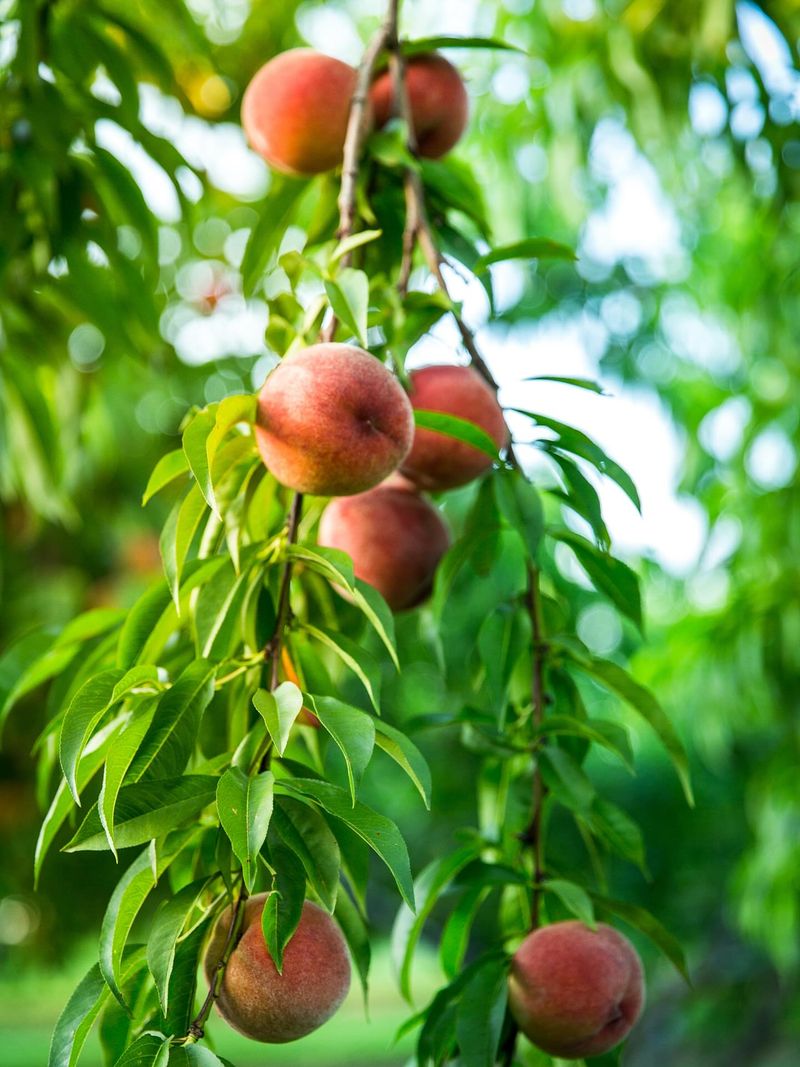
Peach trees love getting settled into Texas soil while the weather is still cool and calm.
Late winter planting gives roots time to spread out before the hot sun demands more water and energy from the tree.
Most Texas-friendly peach varieties need between 200 and 600 chill hours, which are the hours below 45 degrees Fahrenheit that help the tree wake up properly in spring.
Varieties like Texstar, Ranger, and La Feliciana perform beautifully across the state.
When you plant in late winter, the tree focuses on building a strong underground foundation instead of pushing out leaves and flowers right away.
This early establishment means better drought tolerance and healthier growth once summer arrives.
Choose a sunny spot with well-draining soil, and dig a hole twice as wide as the root ball.
Avoid planting too deep; the graft union should sit just above soil level.
Water thoroughly after planting and apply a layer of mulch to keep roots cool and moist.
By the time spring warmth arrives, your peach tree will be ready to explode with green growth and set fruit for future seasons.
2. Apple Trees Suited To Texas Winters
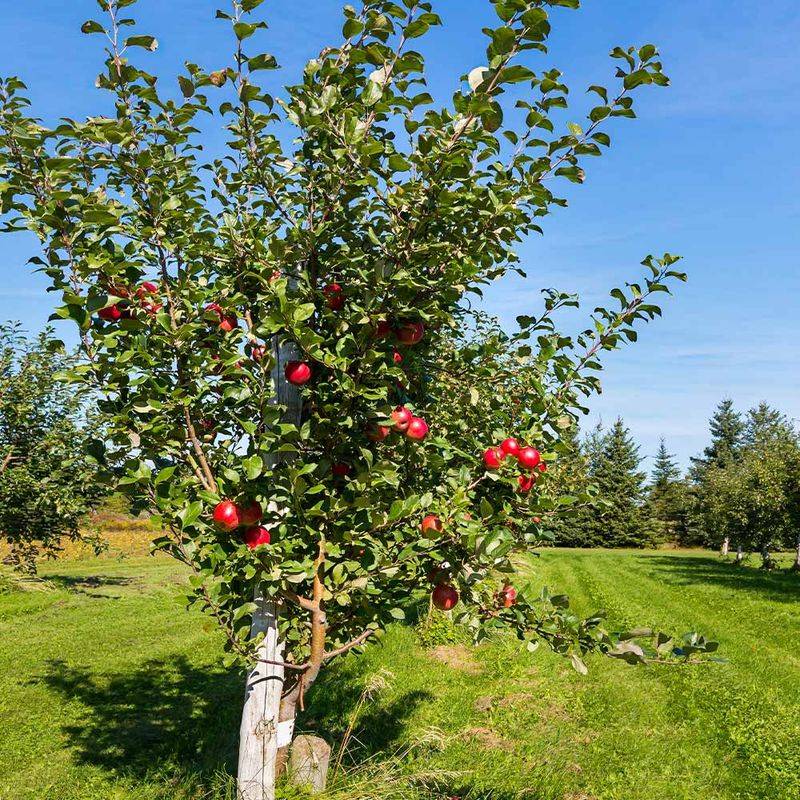
Apples might seem like a northern fruit, but several varieties thrive in Texas when given the right conditions.
Low-chill apple cultivars like Anna, Dorsett Golden, and Ein Shemer need only 200 to 300 chill hours, making them perfect for warmer regions.
Planting in late winter allows the tree to adjust to its new home without the stress of summer heat.
Apples prefer slightly acidic to neutral soil with a pH between 6.0 and 7.0.
Amend heavy clay soils with compost to improve drainage and root penetration.
Space trees at least 15 to 20 feet apart to allow for mature canopy spread and good air circulation.
Most apple varieties require cross-pollination, so plant at least two different cultivars nearby.
Your Texas Garden Changes Every Week. Your Plan Should Too.
Gardening in Texas changes quickly throughout the season. Every Friday you’ll receive a simple weekly plan showing exactly what to plant, prune, fertilize, harvest, and protect so you never miss the right timing.
Late winter planting gives roots time to anchor before the spring growth flush begins.
Water deeply once a week during the first growing season to encourage strong root development.
Mulch around the base to retain moisture and suppress weeds, but keep mulch a few inches away from the trunk to prevent rot.
With proper care, your apple trees will reward you with crisp, sweet fruit year after year.
3. Pear Trees That Handle Texas Temperature Swings
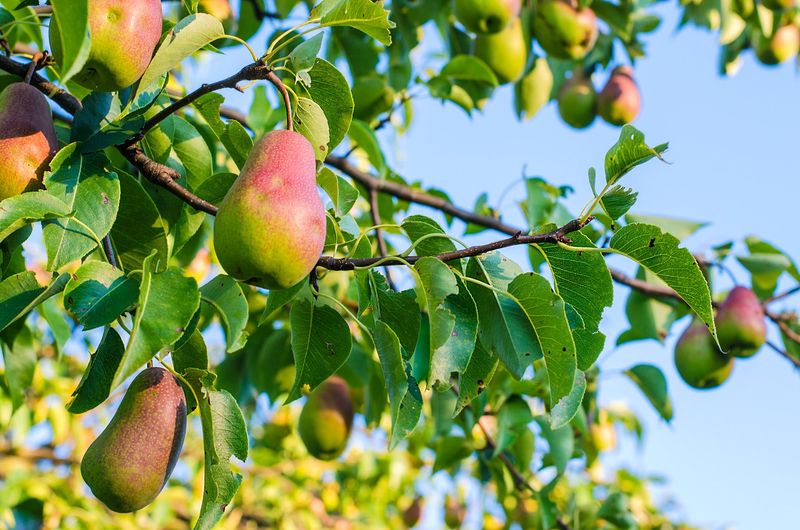
Pear trees are among the most reliable fruit trees for Texas gardeners who want low-maintenance beauty and flavor.
They handle temperature swings better than many other fruit trees, making them ideal for unpredictable Texas weather.
Varieties like Orient, Kieffer, and Ayers are known for their fire blight resistance, a bacterial disease that can devastate pear trees in humid climates.
Late winter is the best time to plant because the tree remains dormant and focuses energy on root growth rather than leaf production.
Pears prefer full sun and well-drained soil, though they tolerate a range of soil types better than apples or peaches.
Space trees 20 feet apart to allow room for their spreading canopies.
Most pear varieties need a pollination partner, so plant at least two different types for a good fruit set.
Water regularly during the first year to help roots establish deeply.
Mulch around the base to conserve moisture and regulate soil temperature.
Pear trees are long-lived and can produce fruit for decades with minimal care, making them a smart investment for any Texas homestead.
4. Plum Trees That Benefit From Early Root Growth
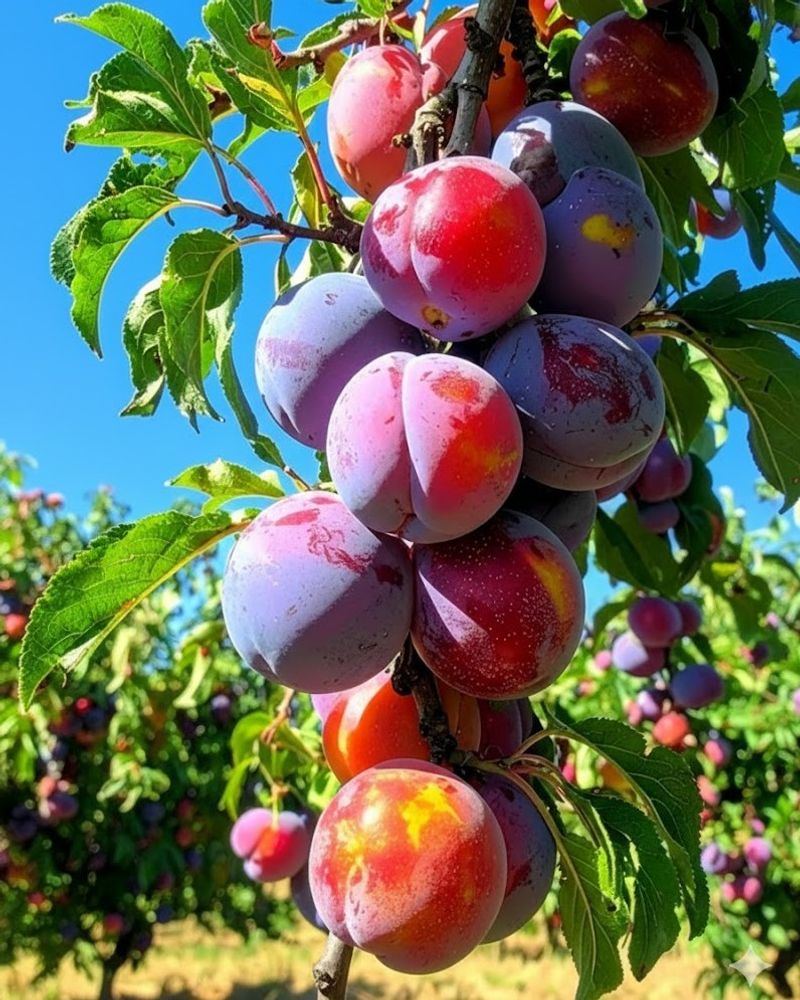
Plum trees are fast growers that reward patience with juicy, sweet fruit.
Planting them in late winter gives roots a chance to spread before the spring growth surge begins.
Texas-friendly varieties like Methley, Bruce, and Santa Rosa are well-suited to the state’s climate and chill-hour requirements.
Most plums need a pollination partner, so plan to plant at least two different varieties within 50 feet of each other.
Plums prefer full sun and well-drained soil with a slightly acidic to neutral pH.
Dig a hole twice as wide as the root ball and amend the soil with compost to improve fertility and drainage.
Water deeply after planting and continue to water weekly during the first growing season.
Mulch around the base to retain moisture and keep weeds at bay.
Early root establishment helps the tree withstand summer heat and produce a stronger first harvest.
Plum trees also attract pollinators with their early spring blossoms, adding beauty to your garden before the fruit arrives.
With proper care, your plum trees will become productive members of your edible landscape for many years.
5. Fig Trees That Thrive When Planted Dormant
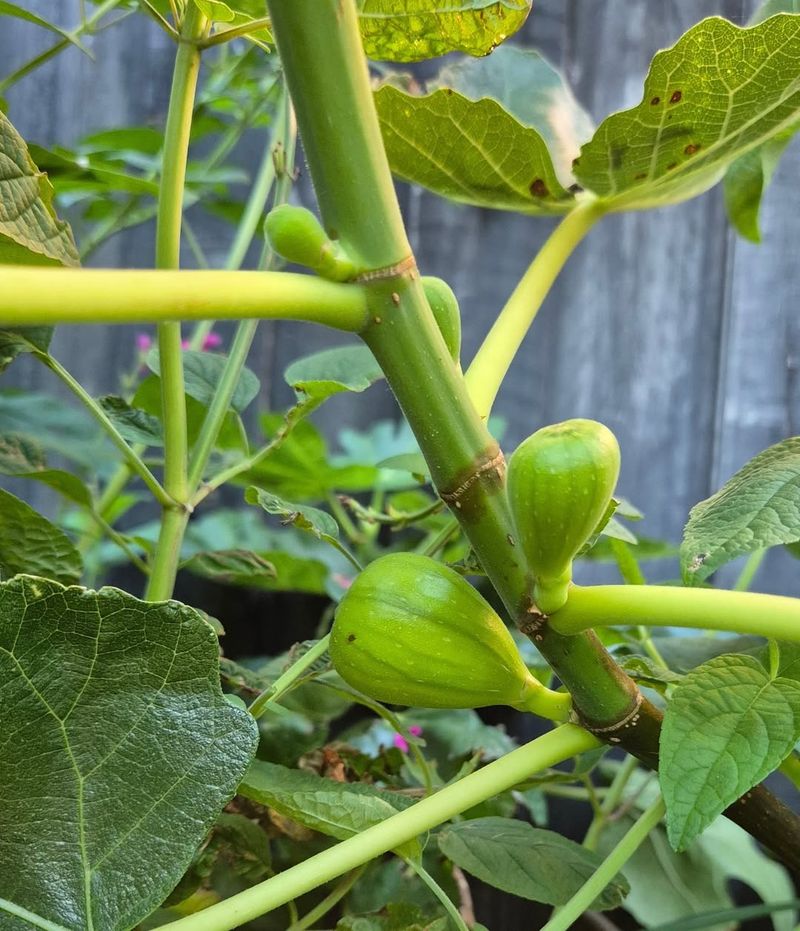
Fig trees are some of the easiest and most rewarding fruit trees for Texas gardeners.
They tolerate heat, drought, and poor soil better than most fruit-bearing plants.
Late winter planting allows the tree to settle in while still dormant, which reduces transplant shock and encourages strong root development.
Varieties like Texas Everbearing, Celeste, and Brown Turkey are cold-hardy and produce sweet, rich fruit even in challenging conditions.
Figs prefer full sun and well-drained soil but adapt to a wide range of soil types.
Choose a sheltered location if you live in North Texas, where winter freezes can damage young branches.
Dig a hole as deep as the root ball and twice as wide, and backfill with native soil.
Water thoroughly after planting and mulch around the base to conserve moisture.
Figs often produce two crops per year in Texas, one in early summer and another in fall.
They require little pruning and are naturally resistant to most pests and diseases.
With minimal effort, your fig tree will become a reliable source of fresh fruit and a stunning focal point in your garden.
6. Pomegranate Trees For Warm-Climate Gardens
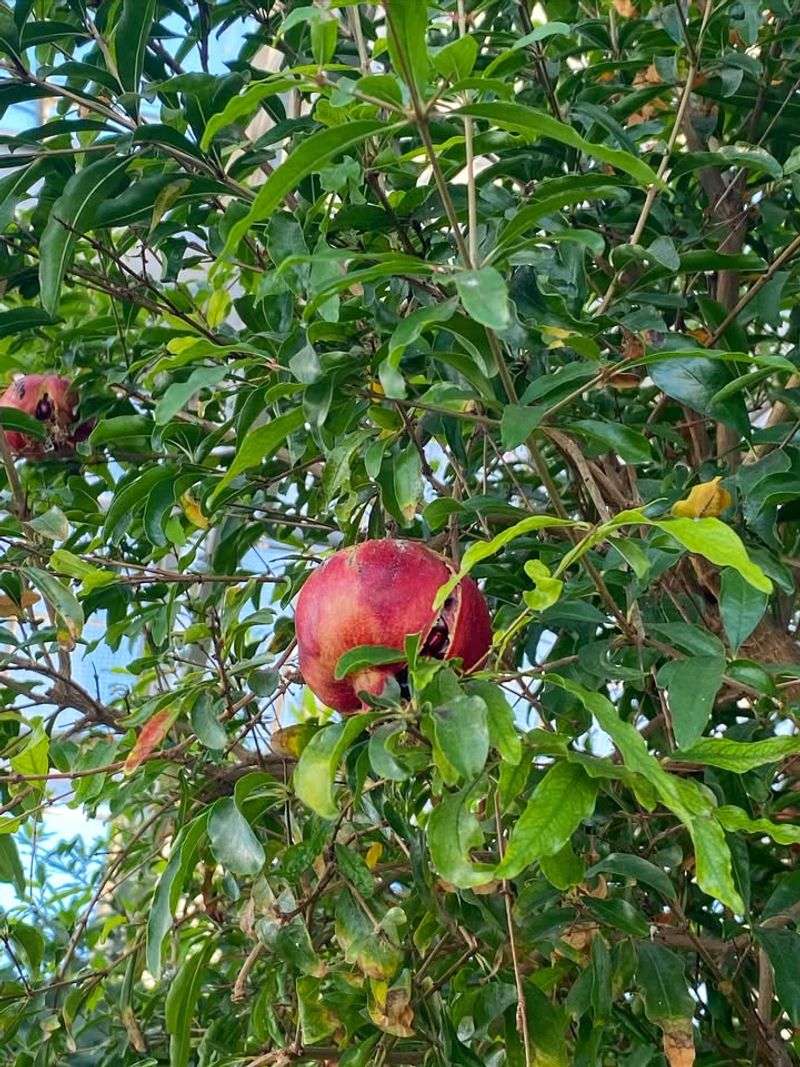
Pomegranate trees are perfectly suited to Texas heat and sunshine.
They thrive in warm climates and tolerate drought once established, making them ideal for water-conscious gardeners.
Late winter planting gives roots time to anchor before the intense summer sun arrives.
Varieties like Wonderful, Eversweet, and Texas Pink produce beautiful red flowers in spring followed by jewel-toned fruit in fall.
Pomegranates prefer full sun and well-drained soil, and they perform best in areas with long, hot summers.
Dig a hole twice as wide as the root ball and backfill with native soil.
Avoid overwatering, as pomegranates are prone to root rot in soggy conditions.
Water deeply once a week during the first year, then reduce frequency as the tree matures.
Mulch around the base to conserve moisture and regulate soil temperature.
Pomegranate trees are low-maintenance and naturally resistant to most pests and diseases.
They can be grown as small trees or large shrubs, making them versatile for different garden styles.
With their stunning blooms and nutritious fruit, pomegranates are a beautiful and practical addition to any Texas landscape.
7. Persimmon Trees For Long-Term, Low-Maintenance Fruit
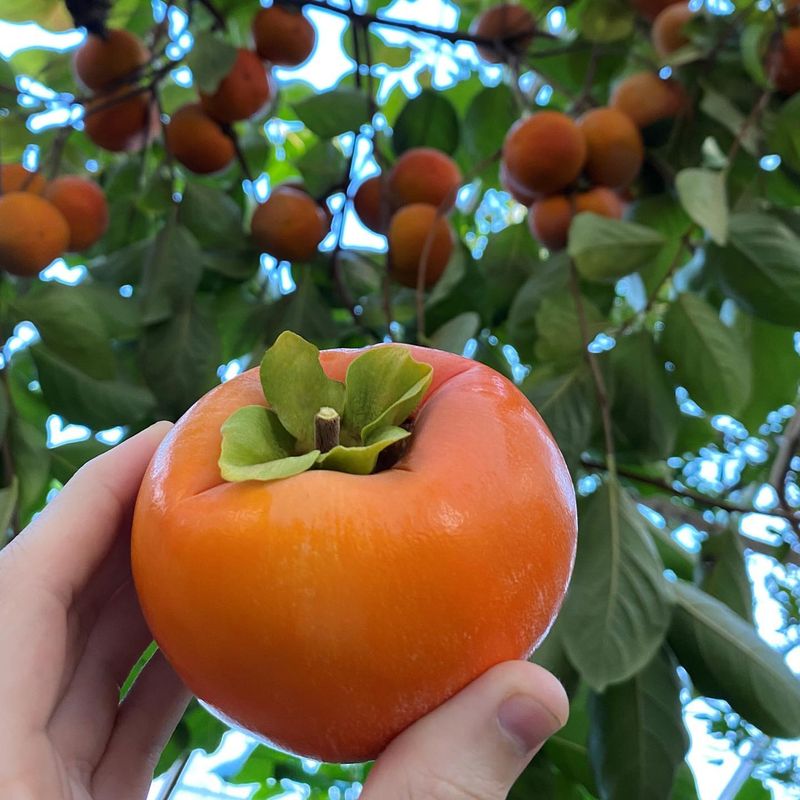
Persimmon trees are unsung heroes of the Texas fruit garden.
They require very little care once established and produce sweet, honey-like fruit in the fall.
Both American and Asian persimmon varieties grow well in Texas, with Asian types like Fuyu and Jiro offering non-astringent fruit you can eat fresh.
American persimmons are more cold-hardy and tolerate a wider range of soil conditions.
Late winter planting allows roots to establish before spring growth begins, setting the tree up for long-term success.
Persimmons prefer full sun and well-drained soil but adapt to clay, sand, and loam.
Dig a hole twice as wide as the root ball and plant at the same depth the tree was growing in its container.
Water deeply after planting and mulch around the base to retain moisture.
Persimmon trees are naturally pest-resistant and rarely need spraying or pruning.
They can live for decades and produce fruit reliably year after year.
The glossy green leaves turn vibrant shades of orange and red in fall, adding ornamental value to your landscape.
With patience and minimal effort, your persimmon tree will become a cherished part of your garden.
8. Mulberry Trees For Fast Growth And Heavy Harvests
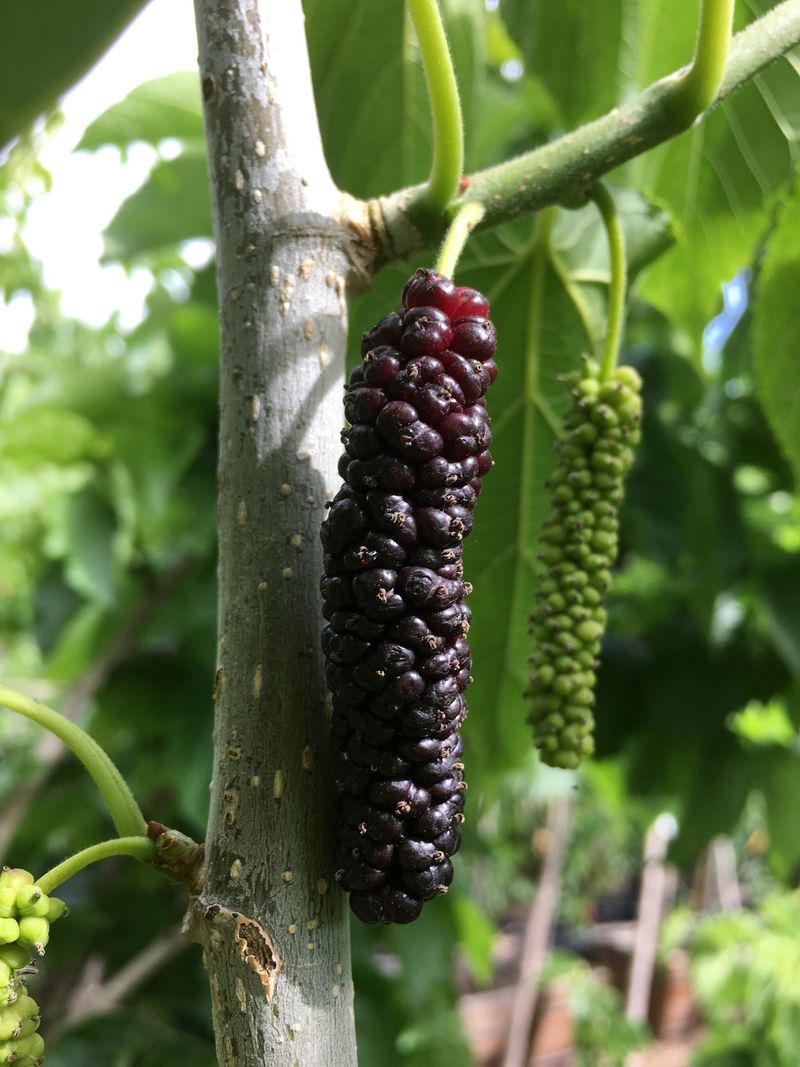
Mulberry trees are the speed demons of the fruit tree world.
They grow fast, produce heavily, and require almost no maintenance once established.
Late winter planting gives roots a head start, allowing the tree to shoot up quickly when spring warmth arrives.
Varieties like Illinois Everbearing and Pakistan Mulberry are well-suited to Texas and produce sweet, juicy berries that taste like a mix of blackberries and raspberries.
Mulberries prefer full sun but tolerate partial shade and adapt to a wide range of soil types.
Dig a hole twice as wide as the root ball and backfill with native soil.
Water deeply after planting and mulch around the base to conserve moisture.
Mulberry trees can grow several feet per year, so give them plenty of space to spread.
They begin producing fruit within a few years, and mature trees can yield gallons of berries each season.
Birds love mulberries, so consider planting near a patio or driveway where you can easily harvest before they do.
The fruit is perfect for pies, jams, and fresh eating, and the tree provides excellent shade in the summer.
With minimal care, your mulberry tree will become a productive and beloved part of your landscape.
9. Blackberry Bushes That Root Quickly In Cool Soil
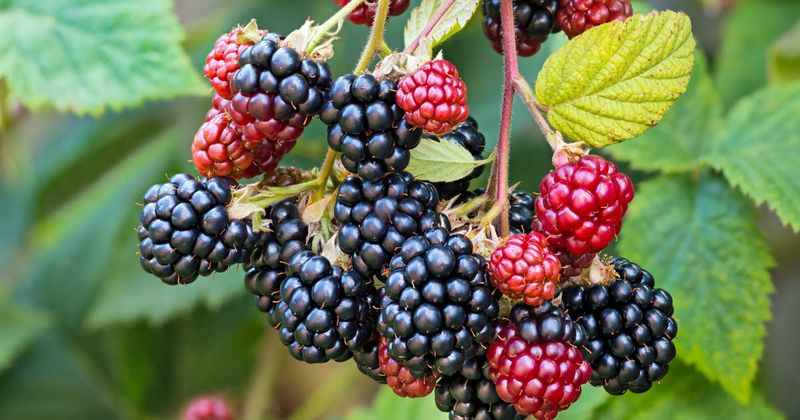
Blackberries are tough, productive, and perfect for Texas gardens.
Late winter planting allows the canes to root deeply in cool soil before spring growth begins.
Thornless varieties like Navaho, Arapaho, and Ouachita make harvesting a breeze and are well-suited to Texas heat.
Blackberries prefer full sun and well-drained soil with plenty of organic matter.
Amend clay soils with compost to improve drainage and fertility.
Plant canes in rows spaced 3 to 4 feet apart, and install a trellis or support system to keep canes upright and manageable.
Water deeply after planting and mulch around the base to retain moisture and suppress weeds.
Blackberries produce fruit on second-year canes, so be patient during the first season.
Prune out old canes after harvest to encourage new growth and maintain plant health.
Late winter planting gives roots time to establish before the summer heat, resulting in stronger plants and better fruit production.
Blackberries are prolific producers, and a small patch can yield quarts of berries each season.
Fresh, frozen, or baked into cobblers, homegrown blackberries are a true Texas treasure.
10. Blueberry Bushes For Acidic-Soil Gardens
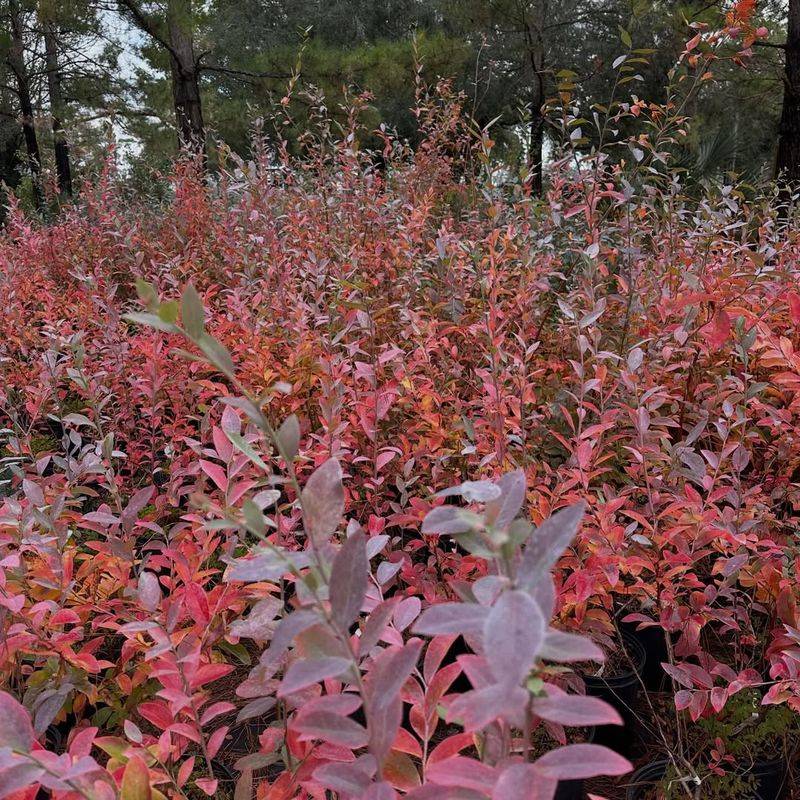
Blueberries are a little picky about their growing conditions, but the reward is worth the effort.
They need acidic soil with a pH between 4.5 and 5.5, which is lower than most Texas soils naturally provide.
Late winter planting gives roots time to settle in before spring growth begins.
Rabbiteye varieties like Tifblue, Brightwell, and Climax are best suited to Texas heat and humidity.
Prepare the planting area by amending soil with sulfur, peat moss, or pine bark to lower the pH.
Dig a hole twice as wide as the root ball and backfill with acidic soil mix.
Plant at least two different varieties nearby to ensure good pollination and fruit set.
Water deeply after planting and mulch with pine needles or bark to maintain soil acidity and moisture.
Blueberries prefer full sun but tolerate light afternoon shade in hotter regions.
Fertilize with an acid-forming fertilizer in early spring and again in early summer.
With proper soil preparation and care, blueberry bushes will produce sweet, nutritious berries for many years.
Fresh blueberries are delicious on their own or in muffins, pancakes, and smoothies.
11. Raspberry Bushes That Benefit From Early Establishment
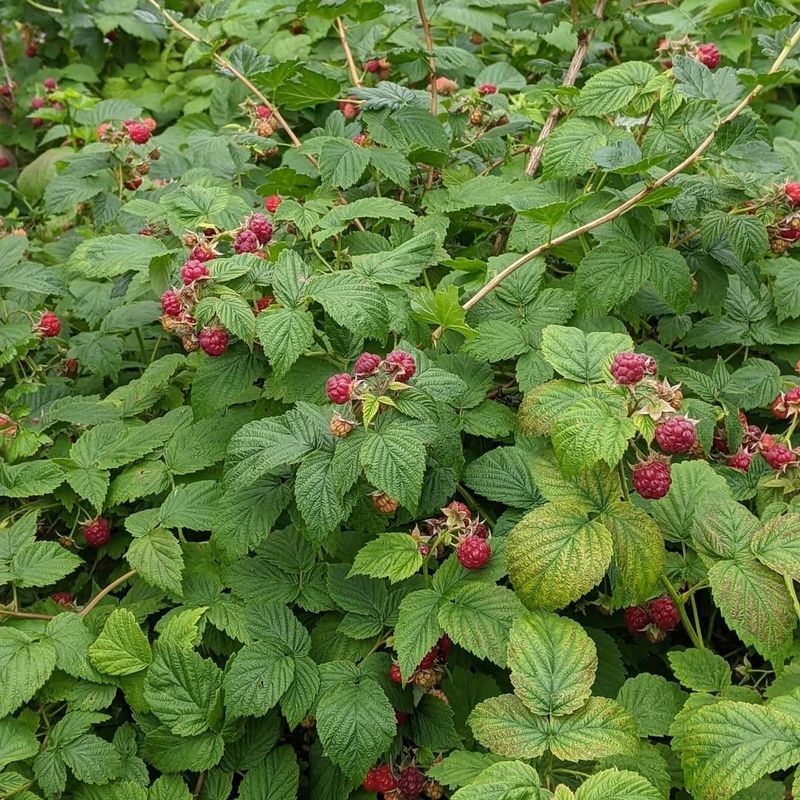
Raspberries are a bit more finicky than blackberries, but they reward careful gardeners with sweet, delicate fruit.
Late winter planting allows canes to establish roots before the heat arrives, giving them a better chance of thriving in Texas conditions.
Choose heat-tolerant varieties like Dormanred, Bababerry, or Heritage for best results.
Raspberries prefer full sun and well-drained, slightly acidic soil rich in organic matter.
Amend clay soils with compost to improve drainage and fertility.
Plant canes 2 to 3 feet apart in rows, and install a trellis or support system to keep canes upright.
Water deeply after planting and mulch around the base to conserve moisture and regulate soil temperature.
Raspberries produce fruit on second-year canes, so expect a light harvest the first year.
Prune out old canes after harvest to encourage new growth and maintain plant vigor.
Late winter planting gives roots time to establish before summer stress, resulting in healthier plants and better fruit production.
Fresh raspberries are fragile and don’t store long, making homegrown berries a special treat you can’t buy at the store.
12. Strawberry Plants For Early Spring Harvests
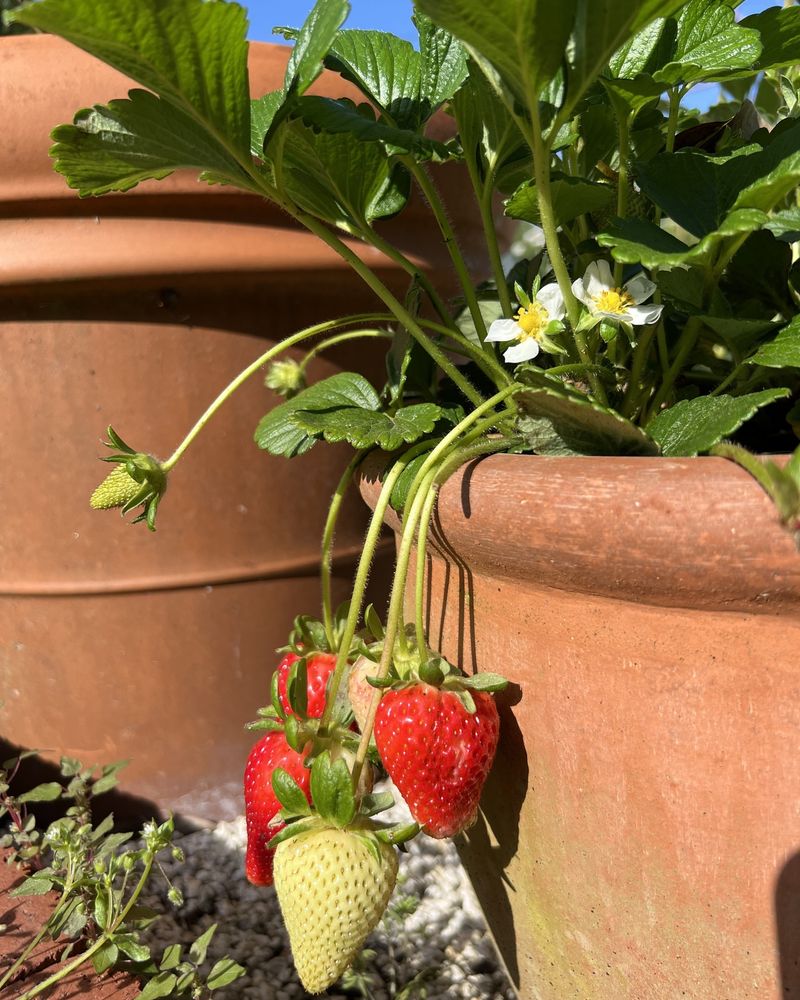
Strawberries are the ultimate early-season treat, and late winter planting gives them a head start on spring production.
Planting in late winter allows roots to establish in cool soil, resulting in stronger plants and earlier harvests.
Varieties like Chandler, Sweet Charlie, and Sequoia perform well in Texas and produce sweet, juicy berries.
Strawberries prefer full sun and well-drained, slightly acidic soil rich in organic matter.
Plant in raised beds or containers if your soil is heavy clay or poorly drained.
Space plants 12 to 18 inches apart in rows, and plant the crown at soil level to prevent rot.
Water deeply after planting and mulch with straw or pine needles to keep berries clean and conserve moisture.
Strawberries are heavy feeders, so fertilize monthly with a balanced fertilizer during the growing season.
Remove runners to encourage larger fruit production, or let them spread to fill in the bed.
Late winter planting allows strawberries to produce fruit by late spring, giving you fresh berries weeks earlier than spring-planted crops.
Container-grown strawberries are perfect for patios and small spaces, making them accessible to gardeners with limited room.
13. Goji Berry Bushes For Heat-Tolerant Gardens
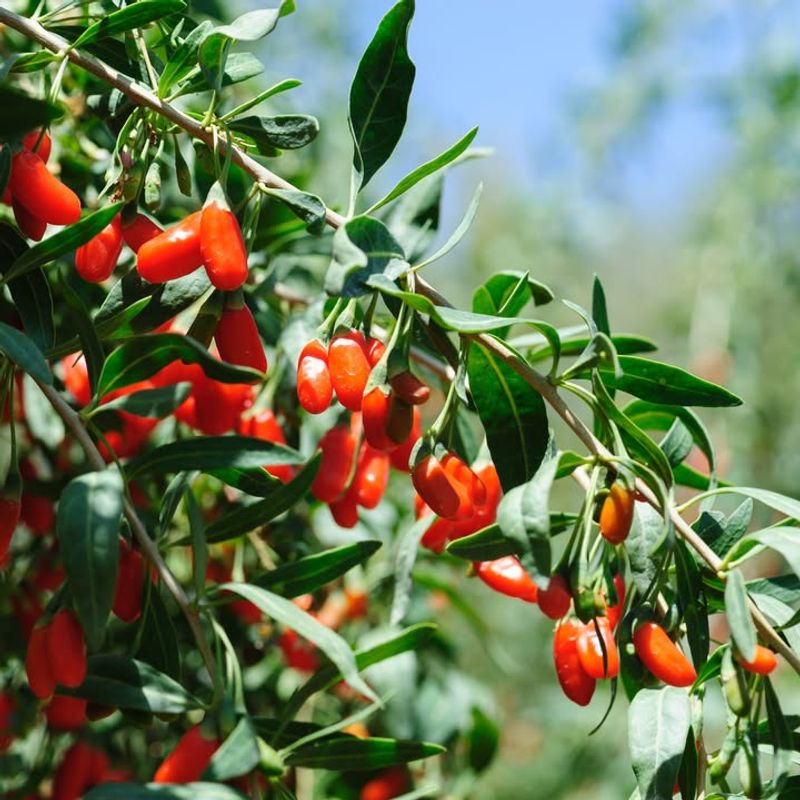
Goji berries are an underused gem in Texas gardens, and they deserve more attention.
These hardy shrubs tolerate heat, drought, and poor soil better than most berry plants.
Late winter planting allows roots to establish before summer heat, giving the plant a strong start.
Goji berries grow as upright shrubs that can reach 6 to 10 feet tall, with arching branches covered in small, bright red berries.
They prefer full sun and well-drained soil but adapt to a wide range of conditions.
Dig a hole twice as wide as the root ball and backfill with native soil.
Water deeply after planting and mulch around the base to conserve moisture.
Goji berries are self-pollinating and begin producing fruit within a year or two.
The berries are rich in antioxidants and vitamins, and they taste sweet and slightly tangy.
Harvest berries when they turn bright red and eat them fresh, dried, or added to smoothies and teas.
Goji berries are low-maintenance and naturally resistant to most pests and diseases.
With minimal care, your goji berry bush will become a productive and unique addition to your edible landscape.
14. Elderberry Bushes For Wildlife And Edible Landscapes
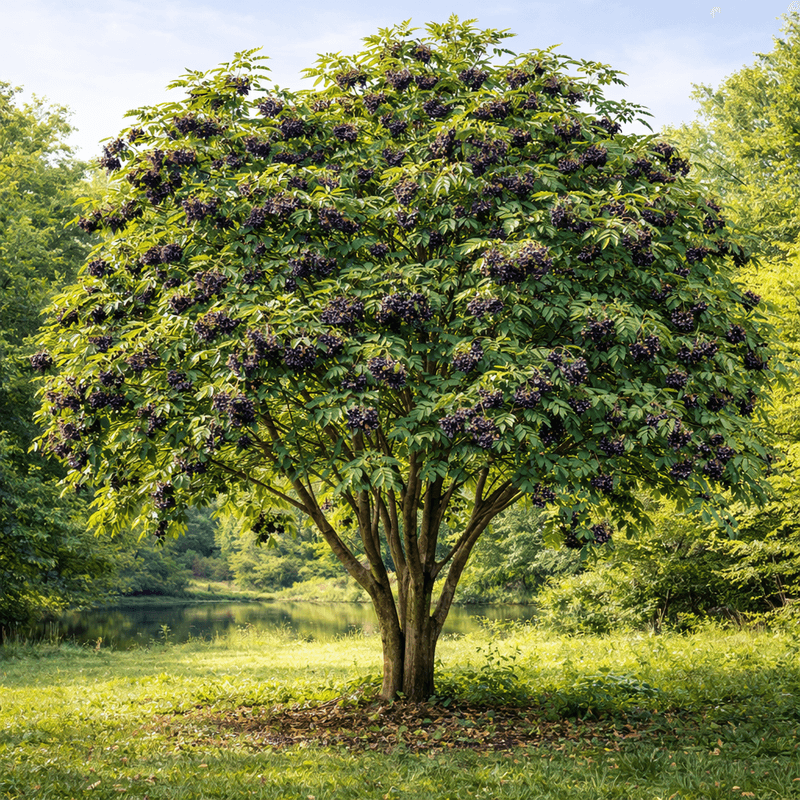
Elderberries are a beautiful and functional addition to any Texas garden.
They produce clusters of white flowers in spring followed by dark purple berries in summer, and they attract pollinators and birds throughout the growing season.
Late winter planting allows roots to establish before spring growth begins, resulting in stronger plants and better fruit production.
Varieties like Adams, Johns, and York are well-suited to Texas and produce large clusters of flavorful berries.
Elderberries prefer full sun to partial shade and moist, well-drained soil rich in organic matter.
Amend clay soils with compost to improve drainage and fertility.
Plant at least two different varieties nearby for cross-pollination and better fruit set.
Water deeply after planting and mulch around the base to retain moisture and suppress weeds.
Elderberries grow quickly and can reach 6 to 10 feet tall, so give them plenty of space.
Harvest berries when they turn dark purple and use them in jams, syrups, and baked goods.
Never eat raw elderberries, as they can cause stomach upset; always cook them first.
With minimal care, elderberry bushes will become a productive and beautiful part of your edible landscape.
15. How To Prepare Texas Soil For Late-Winter Fruit Planting
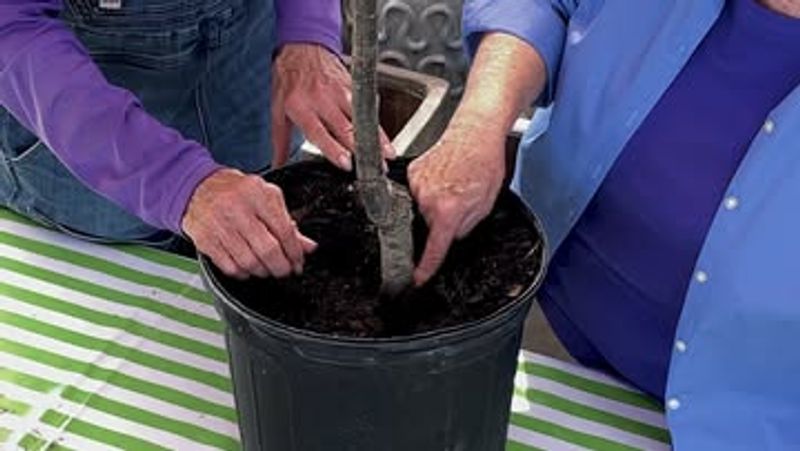
Proper soil preparation is the foundation of successful fruit tree and berry bush planting.
Late winter is the ideal time to prepare your soil because it’s cool enough to work comfortably and plants are still dormant.
Start by testing your soil pH and nutrient levels with a simple home test kit or through your local extension office.
Most fruit trees and berries prefer slightly acidic to neutral soil with a pH between 6.0 and 7.0.
Amend heavy clay soils with compost, aged manure, or pine bark to improve drainage and fertility.
Dig a hole twice as wide as the root ball but no deeper, and loosen the soil around the edges to encourage root penetration.
Water deeply after planting to settle the soil and eliminate air pockets around the roots.
Apply a 3- to 4-inch layer of organic mulch around the base of the plant to conserve moisture, regulate soil temperature, and suppress weeds.
Keep mulch a few inches away from the trunk or crown to prevent rot.
In areas prone to late frosts, cover young plants with frost cloth on cold nights to protect tender buds.
With proper soil preparation and care, your late-winter plantings will establish quickly and produce fruit for years to come.