Frost Coming? 7 Easy Ways To Protect Florida Gardens
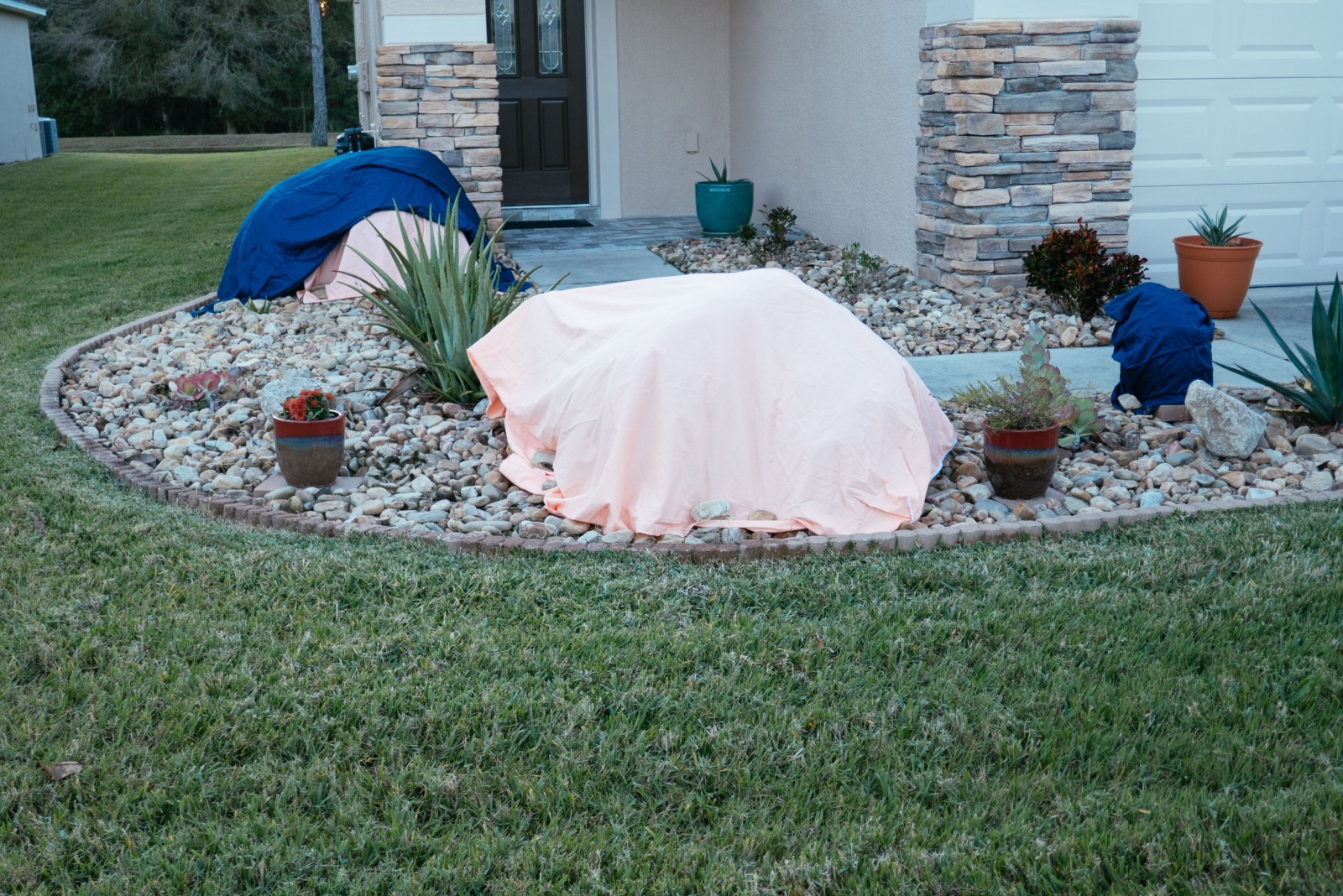
Cold weather in Florida has a sneaky reputation.
One day your garden is basking in sunshine, and the next, a frost warning flashes across your phone like an emergency alert.
For Florida gardeners, especially those growing tropical plants or tender vegetables, this sudden shift can feel downright unfair.
Unlike northern gardeners who plan months in advance for freezing temperatures, Floridians are often caught off guard.
Frost can arrive overnight, silently damaging leaves, blackening stems, and undoing months of careful care before sunrise even hits.
The good news?
You don’t need fancy equipment, expensive heaters, or professional-grade supplies to save your garden.
With a little preparation and a few smart techniques using materials you already have at home, you can protect your plants and keep them thriving through Florida’s unpredictable cold snaps.
Below are seven simple, effective, and proven ways to guard your Florida garden against frost, without stress, panic, or big spending.
1. Cover Plants Overnight
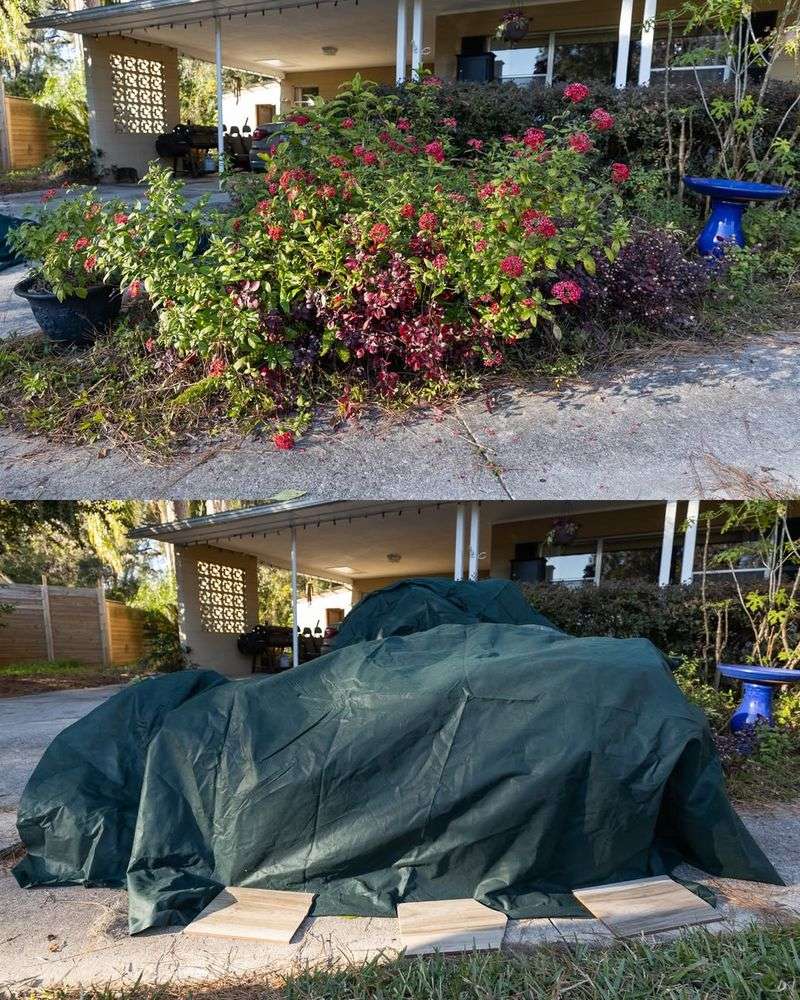
Covering plants is one of the oldest and most reliable frost-protection methods—and for good reason.
When done correctly, it creates a warm pocket of air that shields your plants from freezing temperatures.
Old bedsheets, blankets, towels, or specially designed frost cloths work beautifully.
These materials trap the warmth that naturally rises from the soil after sunset, keeping plants several degrees warmer than the surrounding air.
Timing is everything.
Cover your plants before sunset, not after frost has already settled.
This allows heat from the soil to build beneath the fabric throughout the evening.
Florida frosts typically arrive between midnight and sunrise, giving you plenty of time to prepare after dinner.
Make sure covers reach all the way to the ground.
Gaps allow warm air to escape, reducing effectiveness.
You can secure edges with bricks, rocks, or garden stakes to keep everything in place overnight.
Avoid using plastic directly on leaves.
While plastic blocks cold air, it also traps moisture that can freeze on contact with foliage, often causing more damage than leaving plants uncovered.
If plastic is your only option, use it as an outer layer with fabric underneath.
Remove coverings in the morning once temperatures rise above freezing.
Plants need sunlight and airflow to resume photosynthesis and prevent moisture-related diseases.
This method works exceptionally well for citrus trees, tomatoes, peppers, hibiscus, bougainvillea, and other cold-sensitive plants commonly grown across Florida landscapes.
Best of all, these materials are reusable—meaning one small effort can protect your garden for many winters to come.
2. Move Containers Indoors
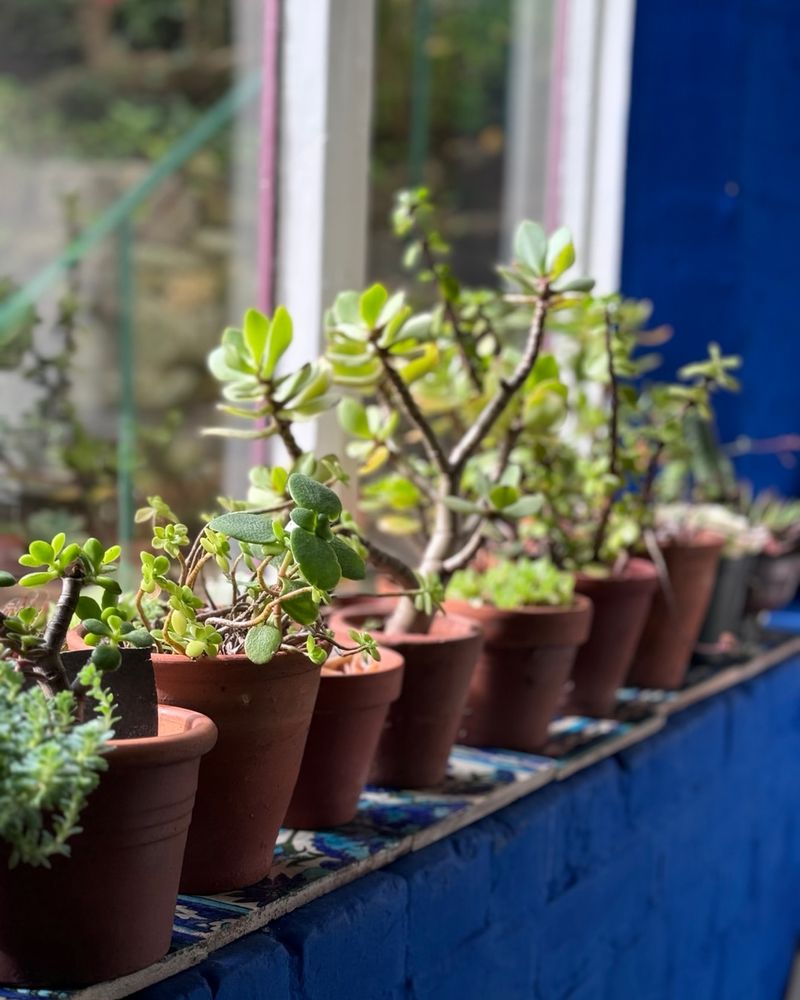
One of the biggest advantages of container gardening is flexibility.
When cold weather threatens, you can simply move your plants out of harm’s way.
Potted plants cool much faster than those in the ground, making them especially vulnerable to frost.
Even light freezes can damage roots when containers are exposed overnight.
Before temperatures dip into the upper 30s, relocate containers to sheltered areas such as garages, covered patios, screened lanais, or even indoors near windows.
Bathrooms and laundry rooms often provide warmth and humidity that tropical plants love.
Your Florida Garden Changes Every Week. Your Plan Should Too.
Gardening in Florida changes quickly throughout the season. Every Friday you’ll receive a simple weekly plan showing exactly what to plant, prune, fertilize, harvest, and protect so you never miss the right timing.
If bringing plants fully indoors isn’t possible, place containers near exterior walls.
South-facing walls absorb heat during the day and release it slowly at night, creating a warmer microclimate.
Orchids, ferns, succulents, crotons, and tropical flowering plants benefit greatly from temporary relocation.
Grouping pots together also helps retain warmth and makes watering easier.
Just remember to move plants back outside once the weather warms.
Extended indoor stays can lead to leggy growth due to low light levels.
This strategy requires no special tools—just awareness and a few minutes of effort that can save your plants from irreversible damage.
3. Water Soil Before Frost
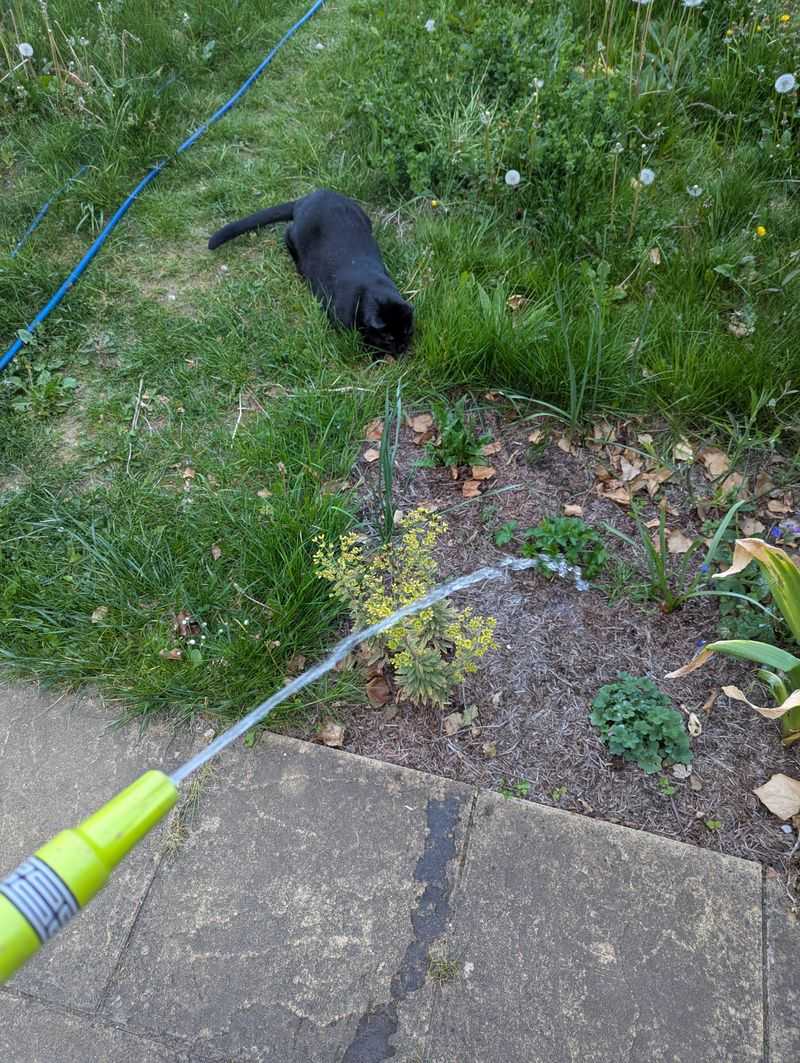
It might sound counterintuitive, but watering your garden before a frost can significantly reduce damage.
Moist soil holds and releases heat far better than dry soil.
During the day, watered soil absorbs warmth from the sun.
At night, it slowly releases that stored heat upward, creating a warmer environment around plant roots and lower stems.
Water garden beds thoroughly in the late afternoon, giving the soil time to absorb moisture before temperatures drop.
Florida’s sandy soils drain quickly but still retain enough water to provide thermal benefits.
Avoid watering foliage or spraying plants late at night.
Wet leaves are more susceptible to frost damage when temperatures fall rapidly after dark.
This method is especially effective for vegetable gardens, flower beds, and newly planted shrubs with shallow root systems.
Many gardeners mistakenly believe dry soil protects better during cold weather, but physics proves otherwise.
Moisture increases thermal mass, slowing heat loss during freezes.
For best results, combine watering with mulching or overnight coverings to create a layered defense against frost.
4. Add Mulch For Insulation
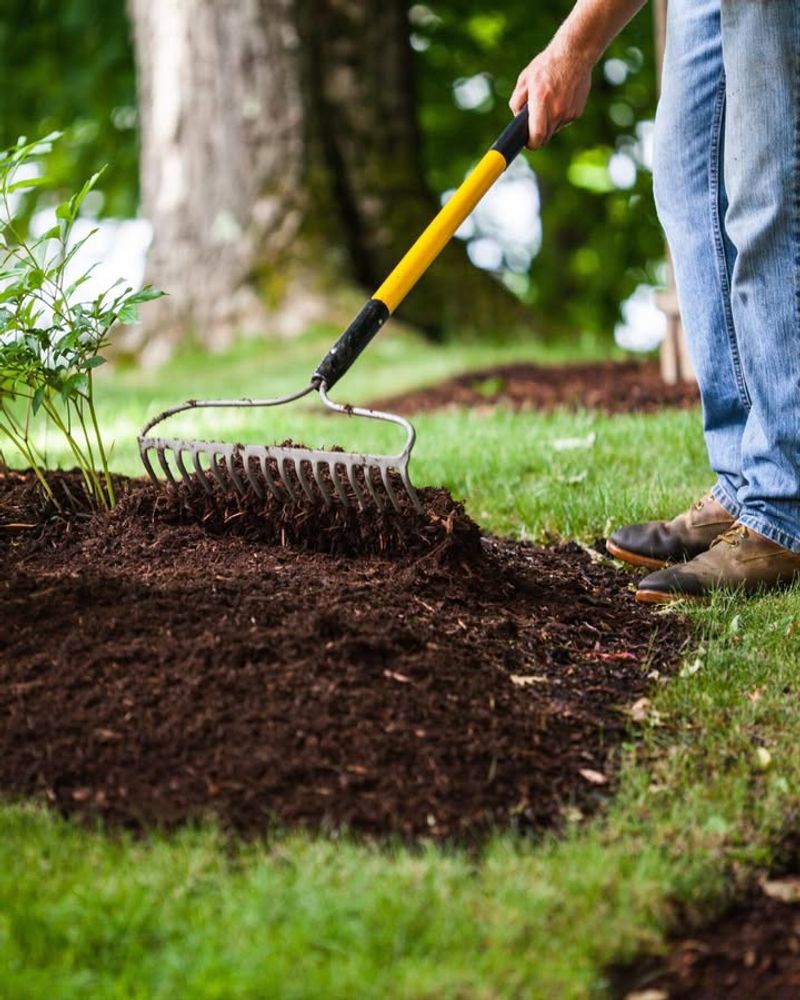
Mulch is one of the most underrated frost-protection tools—and one of the easiest to apply.
A thick layer of organic mulch insulates soil, stabilizing temperatures and protecting plant roots from sudden cold shocks.
It acts like a cozy blanket for the ground.
Pine straw, shredded leaves, bark chips, wood mulch, or even grass clippings work well.
Apply mulch three to four inches deep around the base of plants, taking care not to pile it directly against stems or trunks.
Mulch slows the rate at which soil loses heat overnight, making a huge difference during brief cold events.
This is especially beneficial for strawberries, herbs, root vegetables, perennials, and young transplants.
As a bonus, mulch retains moisture—enhancing the heat-retention benefits discussed earlier—and improves soil health as it breaks down over time.
Many Florida gardeners already have mulch available from yard waste or can obtain it inexpensively from local garden centers.
Once applied, mulch continues protecting plants throughout winter, making it one of the most cost-effective and long-lasting frost defenses available.
5. Use String Lights For Warmth
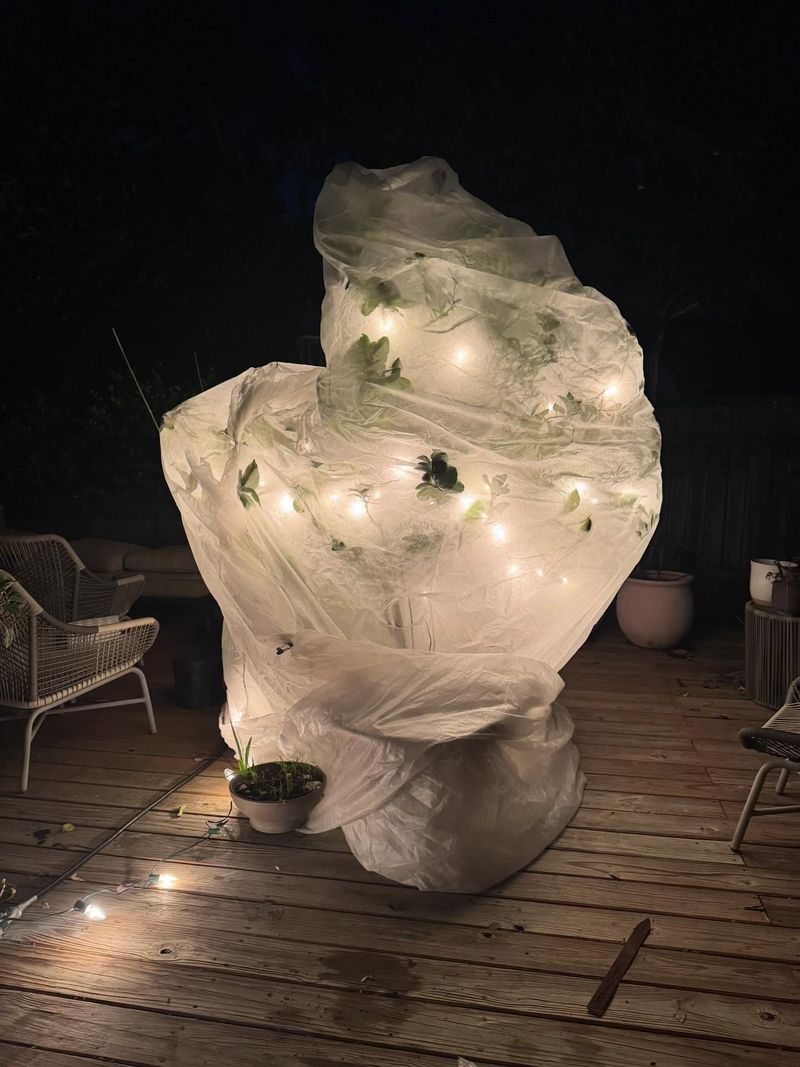
Here’s a surprisingly effective trick: old-fashioned incandescent string lights.
Unlike LEDs, incandescent bulbs generate gentle heat—just enough to raise temperatures a few crucial degrees around plants.
In Florida, that small difference can mean the line between survival and damage.
Wrap string lights loosely around shrubs, small trees, or container plants before temperatures drop.
Focus on the lower branches and trunk area where warmth matters most.
This method works particularly well for potted citrus, ornamental trees, and prized tropical plants you don’t want to lose.
Make sure bulbs are positioned several inches away from leaves to avoid scorching.
For added protection, combine lights with a fabric cover to trap warmth even more effectively.
At night, the soft glow also makes your garden easier to monitor—and adds a festive charm during chilly evenings.
Unplug lights in the morning once temperatures rise to prevent unnecessary heat stress and save electricity.
6. Choose Protected Locations
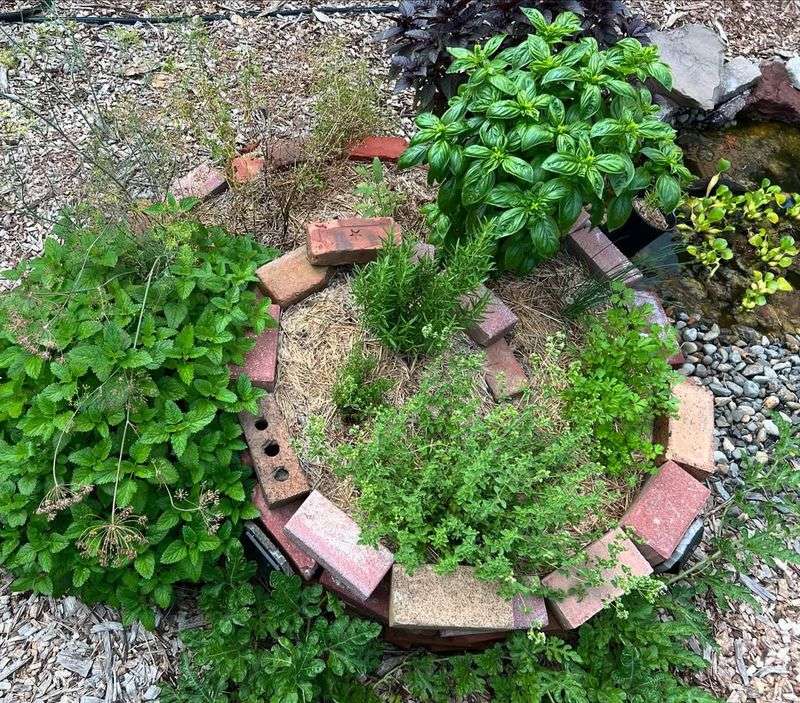
Smart garden design is one of the most powerful forms of frost protection—and it starts long before winter arrives.
Planting near south-facing walls, fences, or buildings creates natural warmth.
These structures absorb heat during the day and radiate it back at night, reducing frost exposure.
Stucco, brick, and concrete walls are especially effective at holding heat.
Roof overhangs also help block cold air and reduce frost accumulation.
Wind is another major factor.
Cold winds strip heat from plants quickly, increasing frost damage but sheltered areas reduce this risk significantly.
Tropical favorites like gardenias, bougainvillea, hibiscus, crotons, and ixora thrive when planted in these warmer microclimates.
Observe your yard during winter mornings and notice where frost forms first—and where it melts last.
Those patterns reveal natural cold pockets to avoid in future plantings.
Avoid low-lying areas where cold air settles overnight, even if the rest of your yard remains frost-free.
Thoughtful placement reduces the need for emergency measures and makes gardening far less stressful during unpredictable weather.
7. Avoid Pruning Before Cold
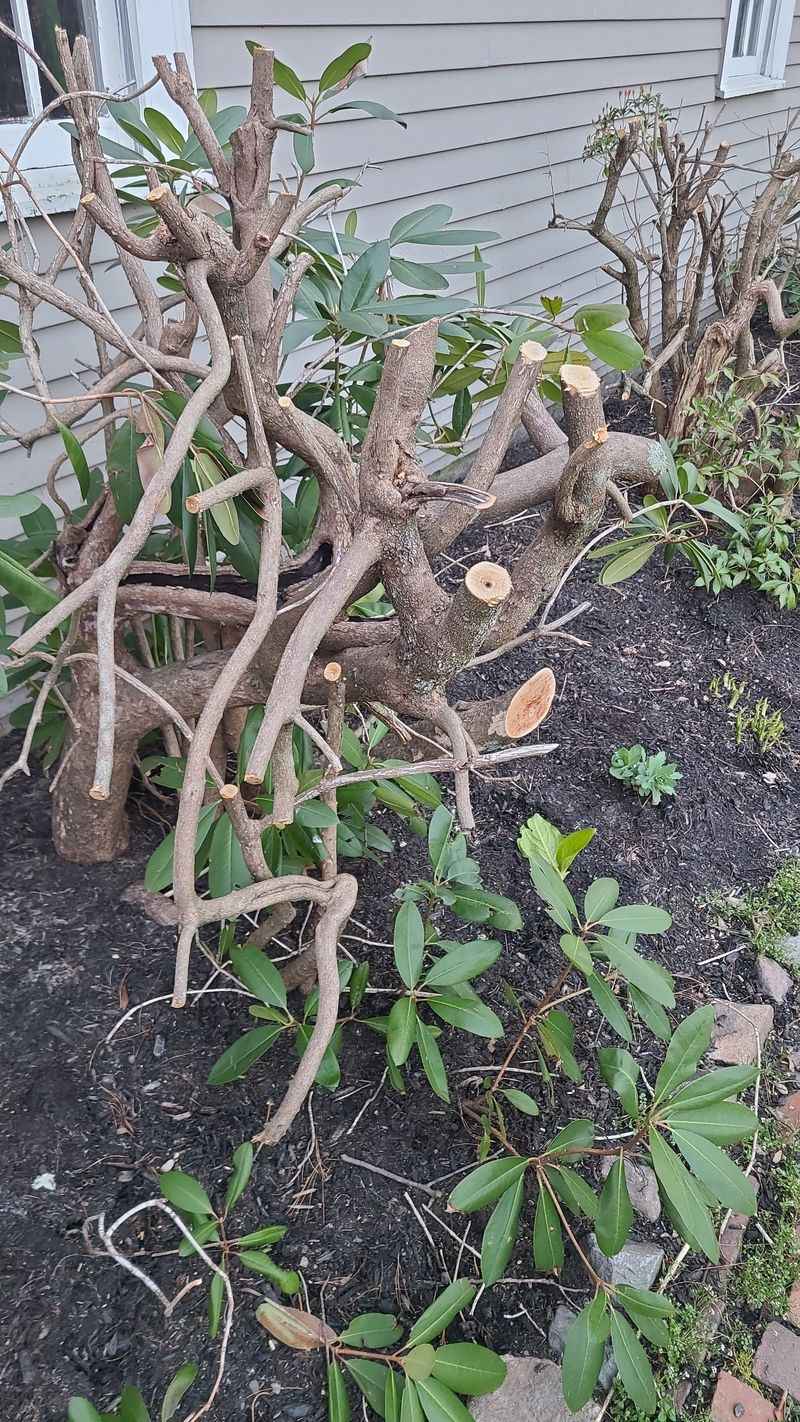
When frost is in the forecast, put the pruning shears away.
Pruning stimulates new growth—and fresh growth is extremely vulnerable to cold.
Tender shoots lack the resilience of mature wood and can be damaged even by mild freezes.
Florida gardeners should delay major pruning until late winter or early spring, once all frost danger has passed.
Leaving plants slightly overgrown during winter actually helps protect them.
Dense foliage shields inner branches and buds from cold exposure.
Citrus trees, hibiscus, ixora, roses, and flowering shrubs all benefit from delayed pruning.
While plants may look untidy temporarily, they recover faster and grow stronger in spring.
If frost damage does occur, wait until temperatures stabilize before removing withered growth.
Premature pruning can expose healthy tissue to additional cold.
This method costs nothing—just patience—and prevents setbacks that delay blooming and growth for weeks or even months.
8. When Cold Strikes, Your Garden Is Ready
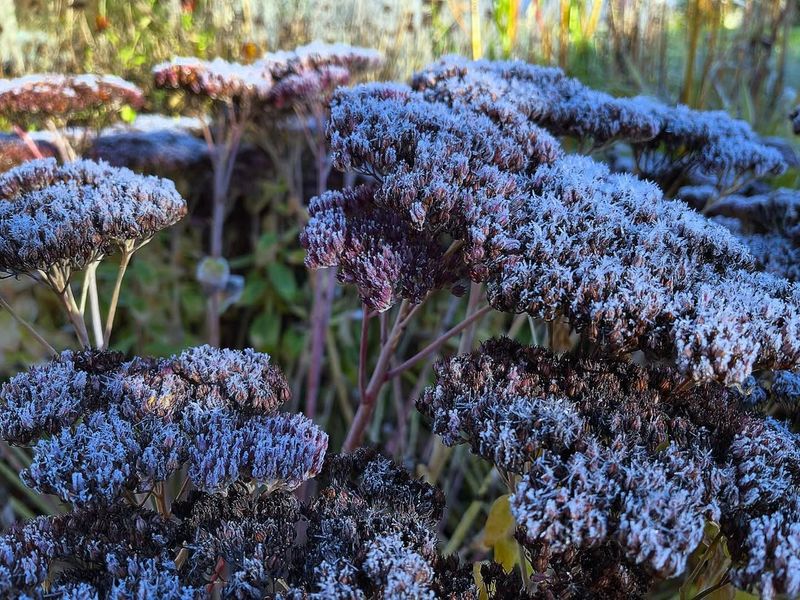
Florida winters may be short, but their cold snaps can be surprisingly brutal—often arriving with little warning and catching even experienced gardeners off guard.
One sudden dip in temperature is all it takes to stress tender plants, damage foliage, and undo weeks or months of careful growth.
The real secret to protecting your garden isn’t panic, expensive equipment, or last-minute scrambling—it’s simple preparation and smart timing.
By covering plants before nightfall and relocating containers to sheltered spaces, you reduce their exposure to cold.
Watering soil to retain heat, insulating roots with mulch, using gentle heat sources when needed, choosing protected planting locations, and avoiding early pruning create multiple layers of protection that work together.
These small, thoughtful actions help plants withstand cold stress, preserve healthy tissue, and bounce back quickly once temperatures rise again.
A little effort today can make all the difference tomorrow.
With the right steps in place, your garden can emerge from even the coldest Florida night strong and ready to thrive—rewarding you with lush growth, vibrant blooms, and healthy harvests long after winter has passed.