11 Native Florida Plants That Are Perfect To Add To Your Garden This Month
Florida gardens aren’t meant to be ordinary.
With year-round warmth, dramatic rain cycles, and an ecosystem unlike anywhere else in the country, the Sunshine State rewards gardeners who work with nature rather than against it.
That’s where native plants come in.
When you choose plants that evolved right here in Florida, you’re not just decorating your yard, you’re building a living system that thrives with less water, fewer chemicals, and dramatically lower maintenance.
Native plants laugh at heat, shrug off humidity, and welcome butterflies, birds, and pollinators as if they were old friends.
And this month is one of the best times to plant them.
Soil temperatures are still welcoming, rainfall patterns support root establishment, and plants have time to settle in before the stress of seasonal extremes.
Whether you’re refreshing a single bed or reimagining your entire landscape, planting now gives your garden a head start that pays off for months—or even years—to come.
Below are 11 native Florida plants that are perfectly suited for planting right now.
Each one offers beauty, resilience, and ecological value—and together, they can turn any garden into a thriving Florida sanctuary.
1. Coontie
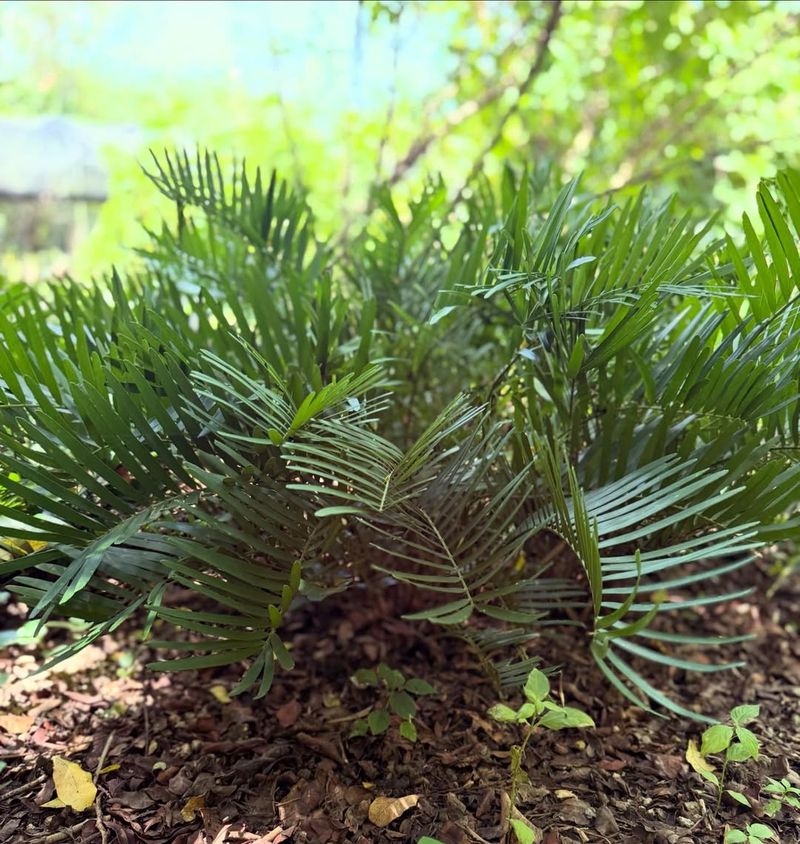
This native cycad has been growing in Florida since the age of dinosaurs, and remarkably, it still looks perfectly at home in modern gardens.
With its fern-like fronds and graceful symmetry, coontie adds texture and structure that feels both wild and refined.
One of its greatest strengths is adaptability.
Coontie thrives in shade or partial sun, making it ideal for those tricky spots beneath oak canopies or along the north side of a home.
It tolerates sandy soils, clay soils, and even periods of drought once established.
Planting coontie this month gives it time to establish strong roots before summer heat sets in.
Unlike tropical ornamentals that wilt without constant irrigation, coontie becomes incredibly self-sufficient once settled.
Ecologically, coontie plays a vital role.
It is the sole host plant for the Atala butterfly, a once-rare species that has rebounded only because gardeners reintroduced coontie into landscapes.
Plant one, and you may soon witness bright orange caterpillars and jewel-toned butterflies fluttering through your yard.
Evergreen, low-maintenance, and historically significant—coontie proves that sometimes the oldest plants are also the smartest choices.
2. Firebush
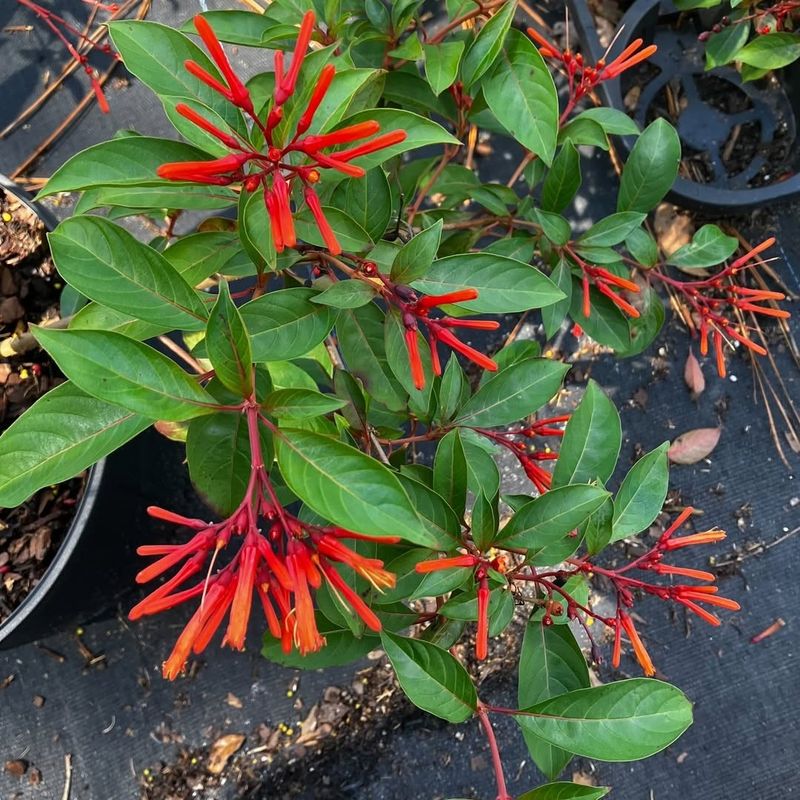
Few plants bring instant excitement like firebush.
With its glowing orange-red tubular flowers, firebush acts like a neon sign for hummingbirds.
Stand back for a moment, and you’ll see them darting in and out of blooms, hovering midair, and turning your garden into a living nature documentary.
Firebush is incredibly versatile.
In Central and South Florida, it can bloom almost year-round, while in North Florida, it shines during warmer months.
It performs beautifully in full sun but also tolerates partial shade, making it easy to place.
Planting now allows firebush to develop deep roots before peak growth season, leading to faster establishment and heavier flowering later on.
Once established, it requires surprisingly little water, relying mostly on rainfall.
Butterflies and bees join the show, and after flowering, small berries appear—an important food source for birds.
Your Florida Garden Changes Every Week. Your Plan Should Too.
Gardening in Florida changes quickly throughout the season. Every Friday you’ll receive a simple weekly plan showing exactly what to plant, prune, fertilize, harvest, and protect so you never miss the right timing.
Fast growth means firebush fills space quickly, making it perfect for borders, screens, or colorful focal points.
If you want bold color, constant movement, and nonstop wildlife activity, firebush delivers it all with minimal effort.
3. Beautyberry
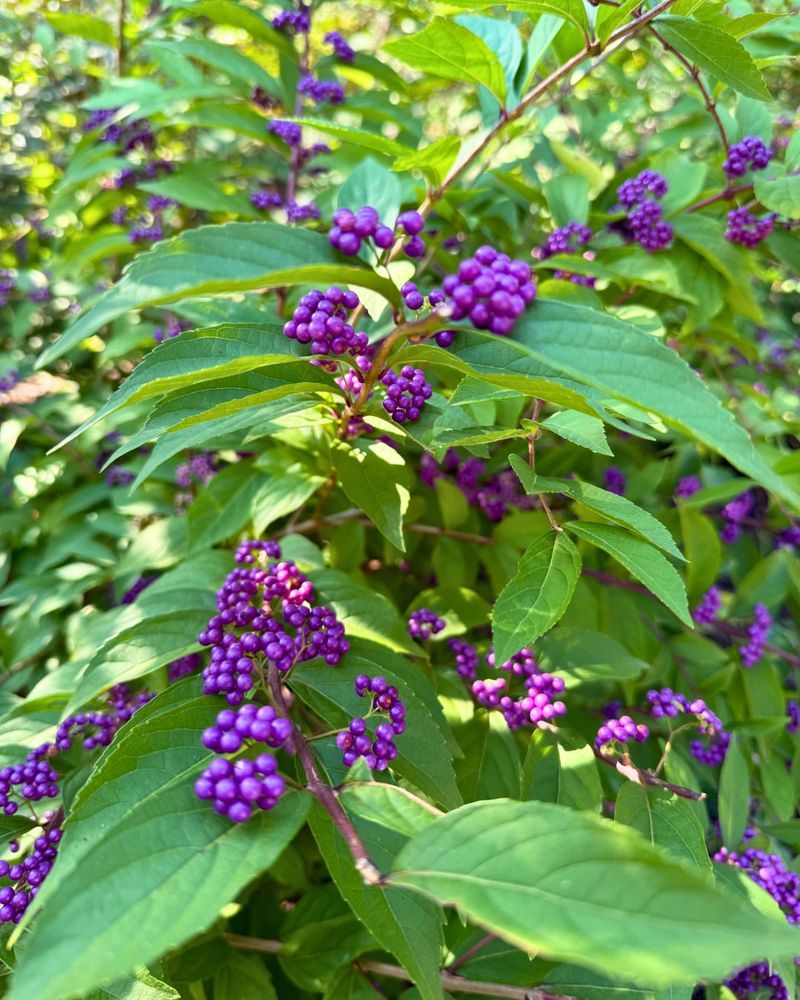
As summer fades into fall, arching branches suddenly become studded with vivid purple berries that seem almost unreal.
Against green foliage, they glow—drawing the eye from across the yard and pulling birds in by the dozens.
Beautyberry thrives in partial shade, especially along woodland edges or beneath tall trees.
It handles Florida’s humidity effortlessly and rarely suffers from pests or disease.
Planting this month gives beautyberry time to establish strong roots before summer storms and rapid growth arrive.
Once settled, it needs little supplemental water and tolerates a wide range of soil conditions.
Beyond its ornamental value, beautyberry offers shelter for small wildlife and an essential food source for birds preparing for migration.
Its loose, natural form blends seamlessly into native landscapes while softening more formal designs.
For gardeners who love seasonal drama without high maintenance, beautyberry is pure magic.
4. Simpson’s Stopper
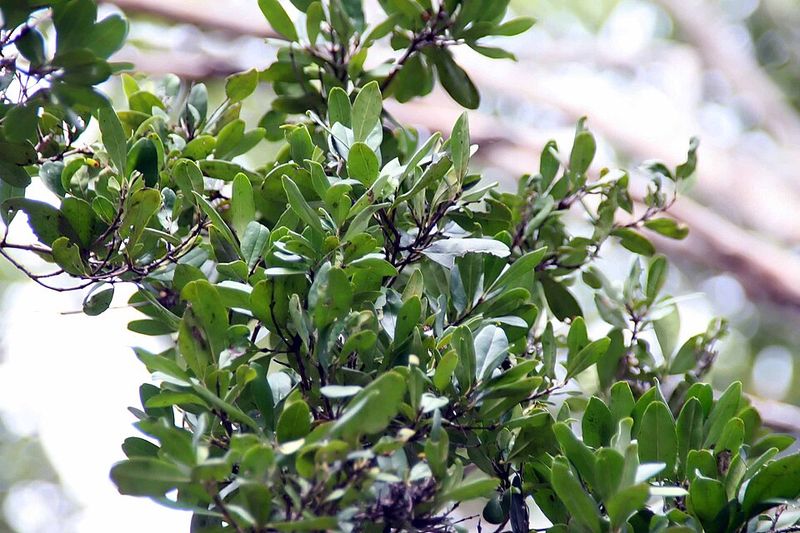
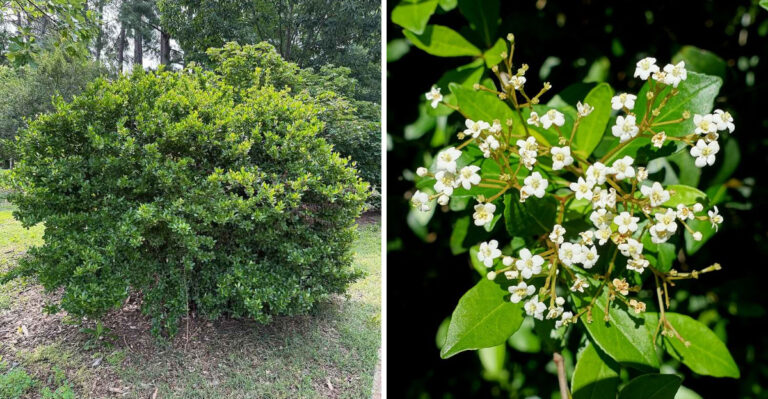
Dense growth and attractive foliage make Simpson’s stopper an outstanding choice for privacy screens throughout Florida.
Glossy leaves catch the light beautifully, while small white flowers add delicate seasonal interest during annual bloom periods.
Its natural hedge potential comes from compact growth that responds well to pruning without ever looking artificial or forced.
Planting this month allows roots to anchor firmly before winds and storms test structural stability in the coming seasons.
Salt tolerance makes Simpson’s stopper especially valuable for coastal gardens, where many traditional hedge plants struggle.
Once established, this tough native requires minimal watering compared to thirsty exotic alternatives that demand constant attention.
Orange berries follow the flowers, attracting birds that bring movement and sound to garden spaces throughout the year.
Florida landscapes gain reliable, evergreen structure from this adaptable native, which performs consistently across a wide range of soil types and growing conditions.
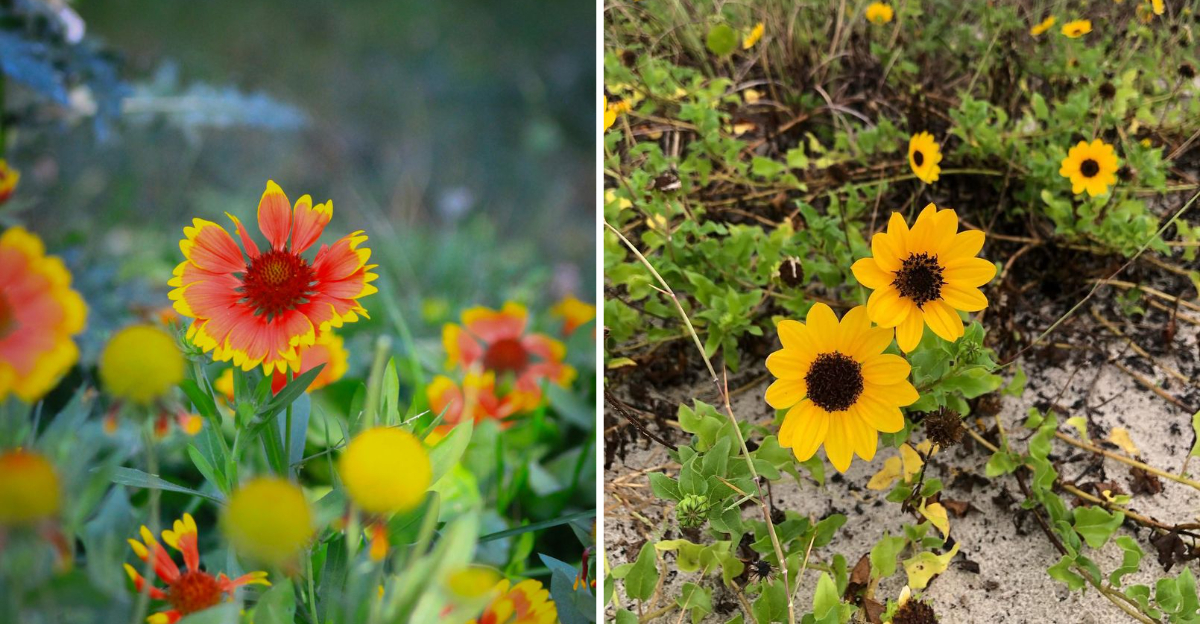
5. Blanket Flower
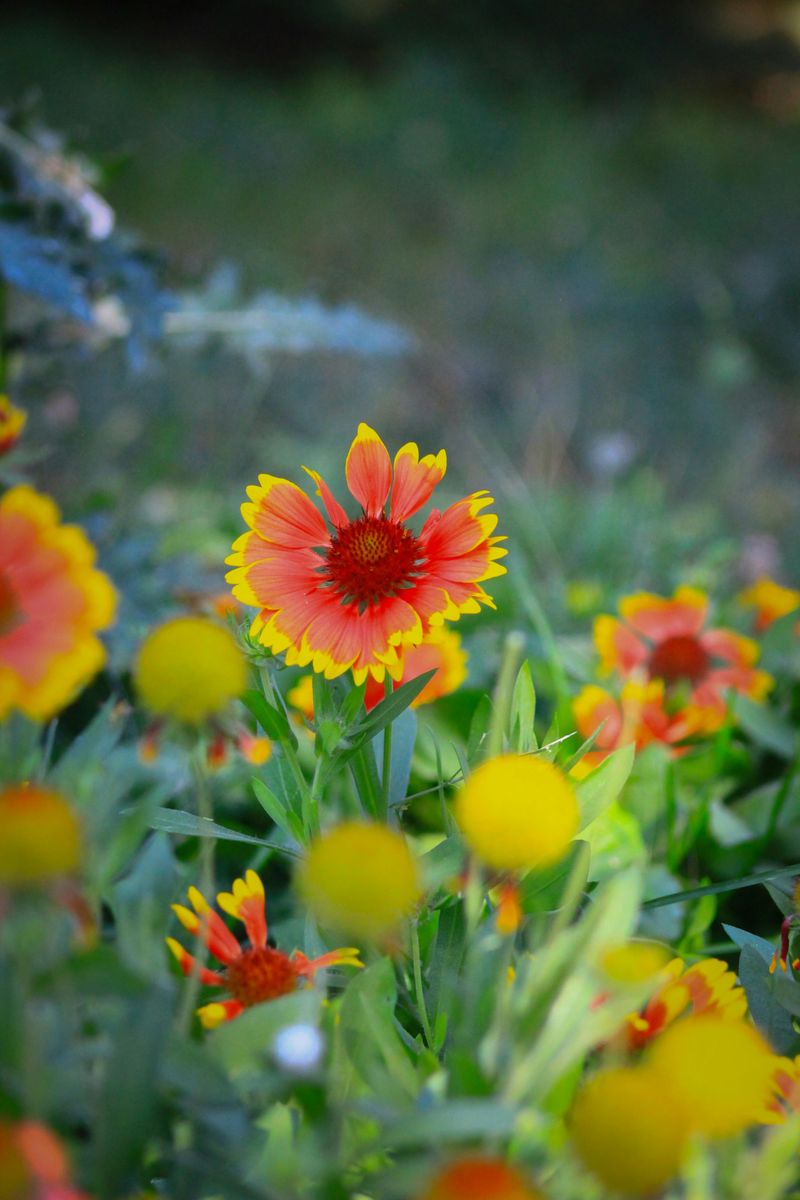
Blanket flower is impossible to ignore.
Its fiery red, orange, and yellow blooms seem to capture Florida sunsets and scatter them generously across the garden.
Each flower looks hand-painted, radiating warmth and cheer even on the hottest days.
While many flowering plants wilt, sulk, or simply give up under Florida’s intense sun, blanket flower does the opposite—it thrives.
Blooming for months on end, this native wildflower is perfectly adapted to hot, sandy, nutrient-poor soil, the very conditions that frustrate so many gardeners.
Coastal yards, roadside edges, and open sunny beds become ideal stages for its long-lasting display.
Planting blanket flower this month is a smart move.
The mild conditions allow roots to establish deeply before summer heat accelerates top growth.
Once settled, it becomes remarkably drought-tolerant, needing little more than sunshine and good drainage to perform beautifully.
Pollinators adore it.
Butterflies linger on its open blooms, while native bees work methodically from flower to flower.
Even a small planting quickly becomes a lively hub of movement and sound.
Low maintenance and happily self-seeding, blanket flower rewards gardeners who prefer a relaxed, natural look over constant pruning and pampering.
It’s proof that bold color doesn’t have to come with high effort.
6. Frogfruit
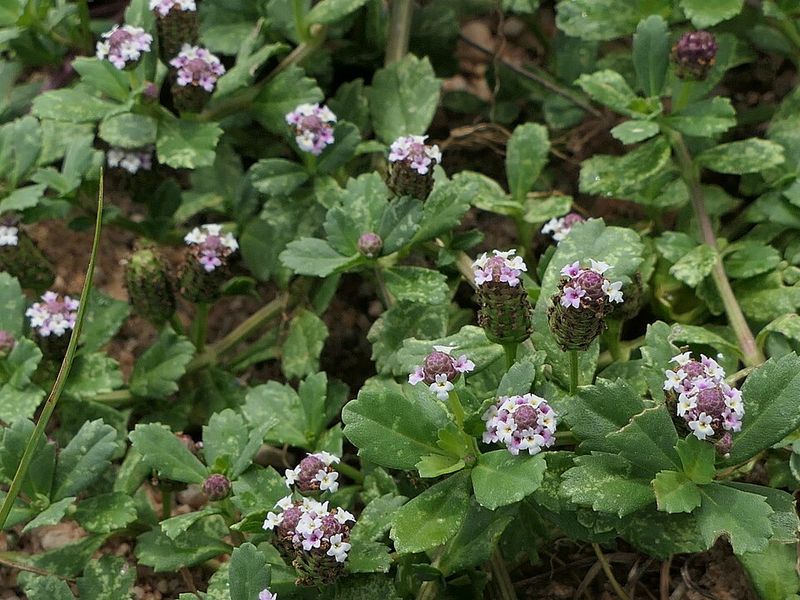
Traditional lawns demand endless mowing, watering, fertilizing, and frustration.
Frogfruit does the exact opposite—and looks better doing it.
This native groundcover spreads into a dense, low-growing mat that stays green year-round in most of Florida.
It tolerates foot traffic, fills bare spots quickly, and produces tiny white flowers almost continuously throughout the warm months.
Those flowers may be small, but they’re powerful.
Frogfruit is a major nectar source for tiny native butterflies, including hairstreaks and crescents, as well as beneficial insects that help keep gardens healthy.
Plant frogfruit this month, and you’ll see rapid establishment as the growing season ramps up.
Once it fills in, mowing becomes optional, water needs drop dramatically, and erosion problems fade away.
Unlike imported turfgrass that struggles with Florida’s heat and humidity, frogfruit thrives in exactly those conditions.
It doesn’t mind rain, resists disease, and stays attractive without chemicals or fertilizers.
For gardeners seeking a low-input, wildlife-friendly alternative to traditional lawns, frogfruit isn’t just a good option—it’s a game changer.
7. Beach Sunflower
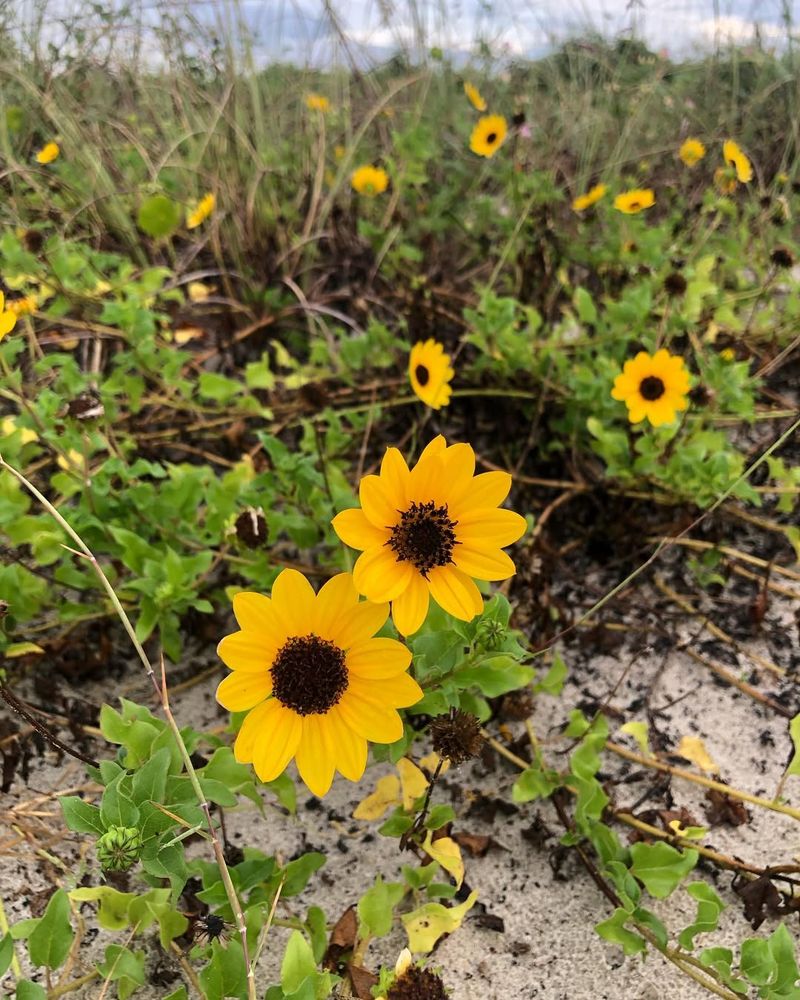
Beach sunflower laughs in the face of harsh conditions.
Salt spray, blazing sun, sandy soil—conditions that destroy most ornamental plants barely faze this resilient native.
Along coastlines, dunes, and even inland gardens, beach sunflower spreads with ease, covering bare ground in cheerful green foliage and bright yellow blooms.
The flowers appear almost nonstop, creating a relaxed, coastal feel wherever they grow.
Planting this month gives beach sunflower time to establish strong roots before summer growth accelerates its spreading habit.
Its dense growth plays an important ecological role as well.
Roots stabilize sandy soils, helping prevent erosion during heavy rains, while the foliage creates shelter for beneficial insects.
Butterflies and native bees flock to the blooms, and gardeners quickly realize how little effort is required to maintain such a vibrant display.
No fertilizer.
No special soil.
Minimal water.
Beach sunflower is perfect for gardeners who want maximum impact with minimal intervention.
8. Muhly Grass
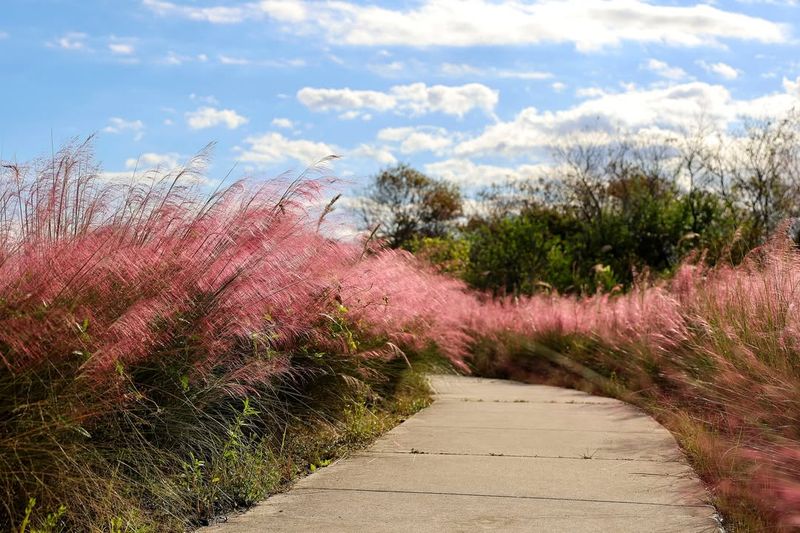
Muhly grass is understated—until it isn’t.
For most of the year, it forms tidy green clumps that add texture and structure to the landscape.
Then fall arrives, and suddenly those clumps erupt into ethereal pink plumes that seem to float above the garden like clouds at sunset.
Backlit by early morning or evening light, muhly grass becomes breathtaking.
It’s one of those plants that makes people stop, stare, and ask, “What is that?”
Planting muhly grass this month ensures strong root development, which directly affects the size and quality of its fall bloom.
Once established, it’s highly drought-tolerant and requires very little maintenance—usually just a yearly trim to remove old growth.
Unlike some ornamental grasses, muhly grass stays well-behaved and non-invasive, making it safe for both residential gardens and naturalized landscapes.
If your garden needs movement, structure, and seasonal drama, muhly grass delivers all three effortlessly.
9. Blue Porterweed
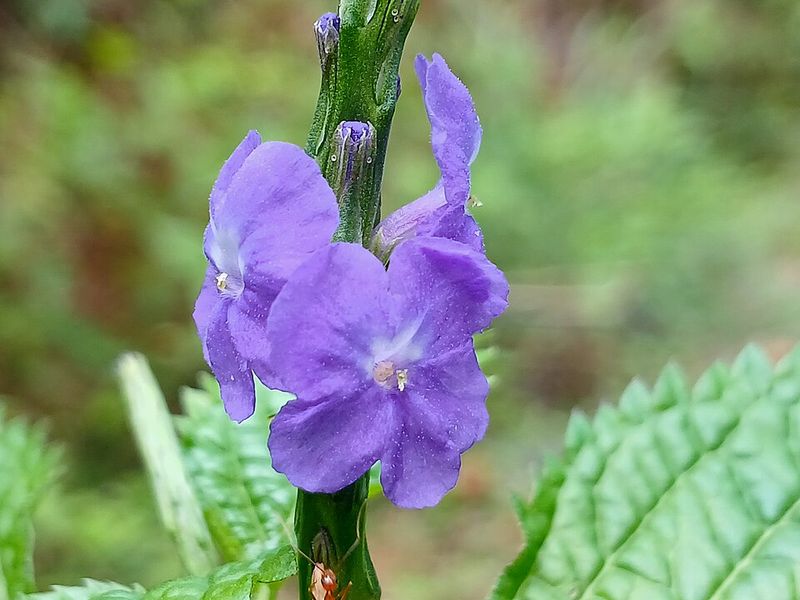
Butterflies don’t just visit blue porterweed—they swarm it.
Tall spikes of vivid purple-blue flowers rise above lush green foliage, blooming again and again throughout the growing season.
Each flower provides easy-access nectar, making porterweed a favorite stop for long-tongued butterflies like swallowtails and skippers.
Planting this month allows blue porterweed to establish deep roots before peak flowering begins.
Once settled, it becomes surprisingly water-efficient, relying mostly on rainfall to keep blooming.
It performs best in full sun but adapts well to partial shade, offering flexibility in garden design.
Unlike many hybrid flowers, porterweed doesn’t demand constant deadheading or fertilizing to keep producing blooms.
If your goal is to create a garden that feels alive—fluttering, buzzing, and constantly changing—blue porterweed belongs at the center of it.
10. Walter’s Viburnum
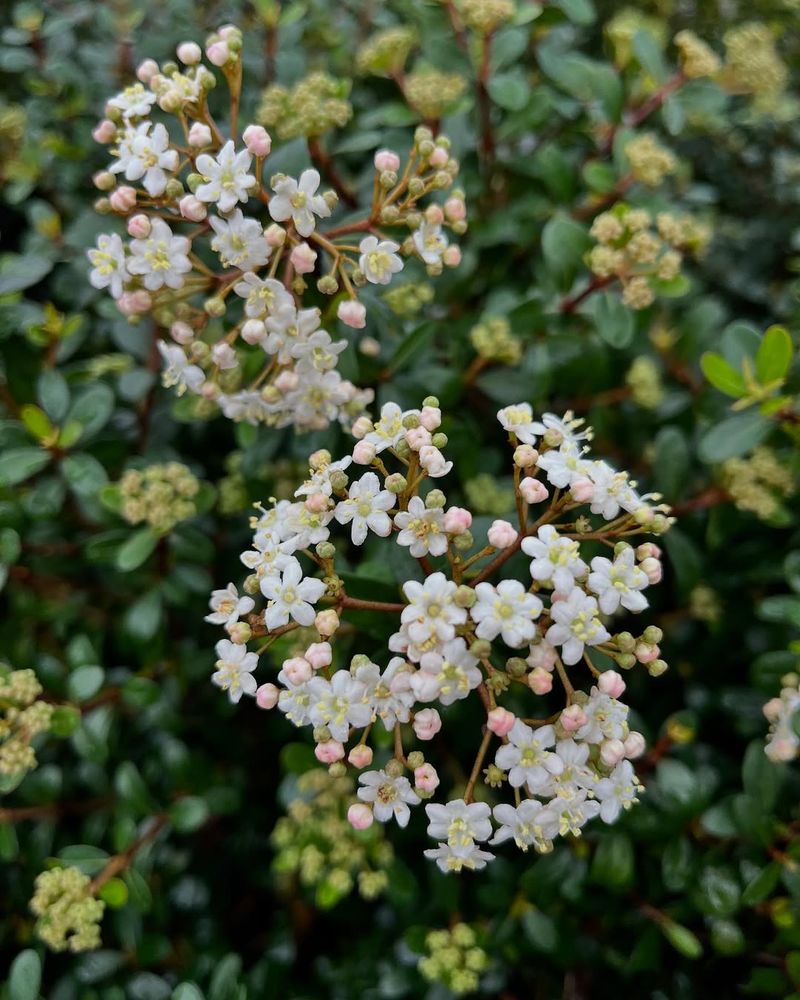
When it comes to reliable structure, few natives rival Walter’s viburnum.
This evergreen shrub grows dense and full, making it ideal for privacy screens, windbreaks, and hedges.
Glossy leaves stay attractive year-round, while clusters of small white flowers appear seasonally, followed by dark berries that birds rely on for food.
Planting now gives Walter’s viburnum time to establish roots before summer growth spurts kick in.
Once established, it handles Florida heat, humidity, and even brief droughts without complaint.
It works equally well as a formal hedge or a natural, loosely pruned screen, adapting easily to different landscape styles.
For gardeners who want dependable performance with minimal upkeep, Walter’s viburnum is a cornerstone plant.
11. Native Milkweed
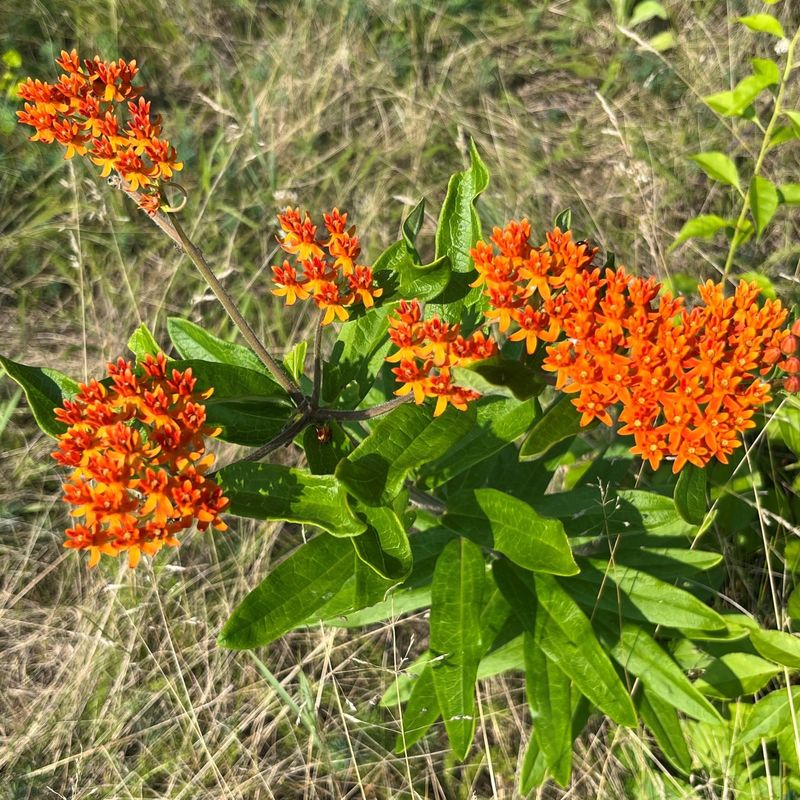
Monarch butterflies cannot complete their life cycle without milkweed since caterpillars feed exclusively on these plants.
Choosing correct species matters tremendously since tropical milkweed can disrupt migration patterns while natives support natural cycles.
Butterfly milkweed, swamp milkweed, and other Florida natives provide appropriate options depending on garden conditions and locations.
Seasonal planting timing this month allows roots to establish before spring brings migrating Monarchs seeking egg-laying sites.
Ecosystem benefits extend beyond Monarchs since many native insects depend on milkweed for food and habitat resources.
Flowers attract numerous pollinators while seedpods provide interesting architectural elements as they mature and split open naturally.
Importance cannot be overstated since Monarch populations need widespread milkweed planting to recover from recent population declines.
Florida gardeners become conservation partners simply by adding appropriate native milkweed species to landscape and garden spaces.