What To Plant In January To Bring Color Back To Texas Gardens
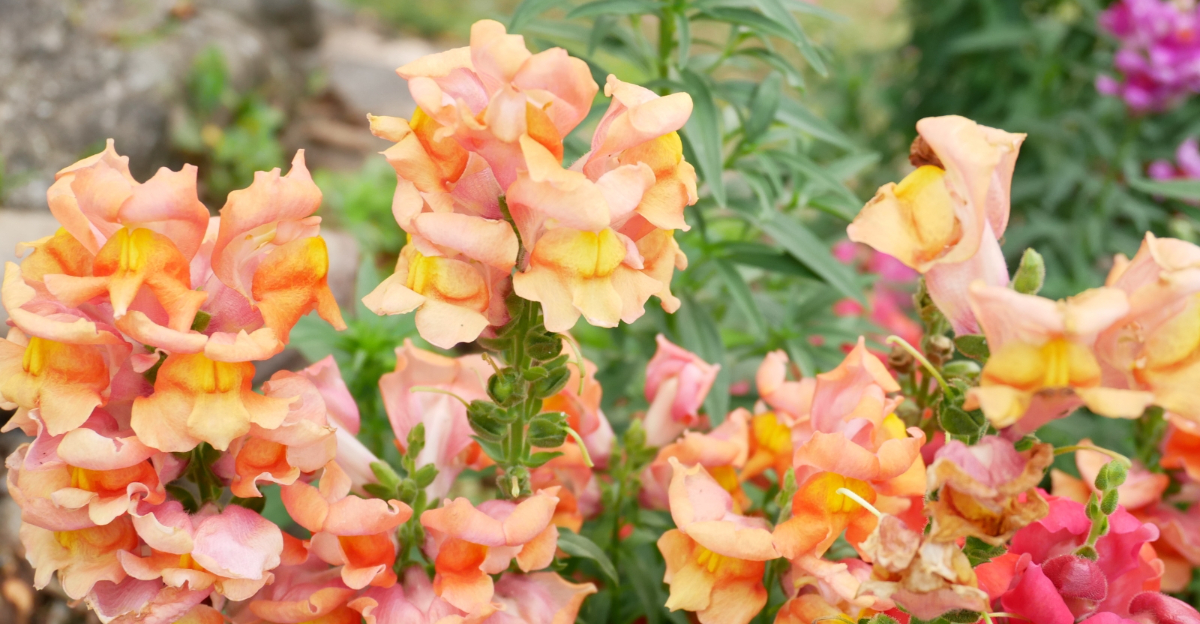
January often feels like the slowest, most colorless month in a Texas garden, when beds look empty and growth seems paused for good.
Once the holidays pass, many yards lose their energy, leaving behind soil, stems, and a lot of waiting.
What surprises many gardeners is that winter in Texas still offers planting opportunities that actually show results.
Milder temperatures across much of the state allow certain plants to settle in without battling deep freezes.
I’ve always enjoyed planting in January because it feels like quietly getting ahead while everything else looks asleep.
Seeing fresh leaves or blooms this early brings a kind of motivation that spring planting doesn’t quite match.
With the right plant choices, you can restore color without risking damage or wasting time and money.
Some cool season plants even prefer starting now, building strength before warmer weather arrives.
Knowing what to plant turns January from a dull pause into a month with real potential.
Let’s take a look at what you can plant in January to bring color back to Texas gardens sooner than expected.
1. Snapdragons
Cool-season color can feel hard to come by in winter, but some flowers actually thrive when temperatures drop instead of fading away.
January in Texas creates the perfect window to plant varieties that shine brightest before spring even begins.
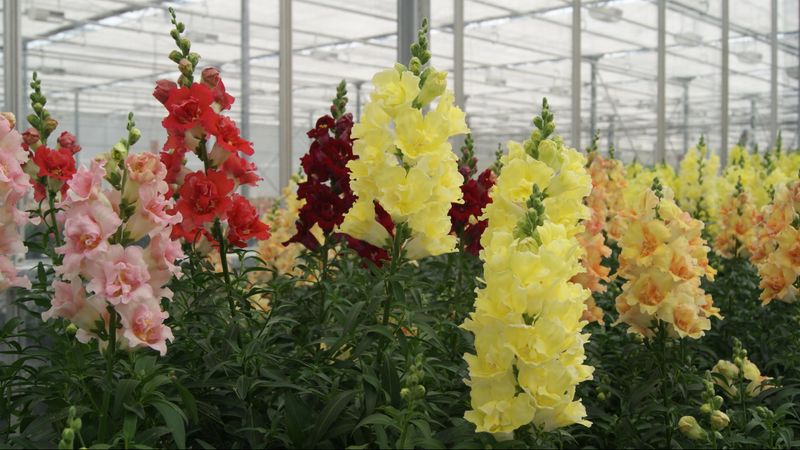
Snapdragons are amazing winter bloomers that absolutely love the cool temperatures Texas experiences in January and will reward you with incredible color displays.
Planting them now means you get months of beautiful flowers in shades ranging from soft pastels to vibrant reds and deep purples throughout spring.
Gardens across Texas benefit from snapdragons because they handle light frosts beautifully and keep producing blooms when other plants have given up completely.
Their tall spikes create wonderful vertical interest in flower beds and make spectacular cut flowers that last over a week in vases indoors.
Children adore gently squeezing the individual blooms to make them open and close like tiny dragon mouths, which makes gardening more fun for families.
Space them about eight inches apart in well-draining soil with plenty of sunshine, and they will establish strong roots before warmer weather arrives.
Fertilize lightly every few weeks to encourage continuous blooming, and deadhead spent flowers regularly to promote even more buds forming along the stems.
These cheerful plants attract beneficial pollinators like bees and butterflies, creating a lively ecosystem that supports healthy gardens throughout the Lone Star State.
Their resilience and beauty make snapdragons an absolute must-have for anyone wanting to add instant charm to their outdoor spaces this winter season.
2. Pansies
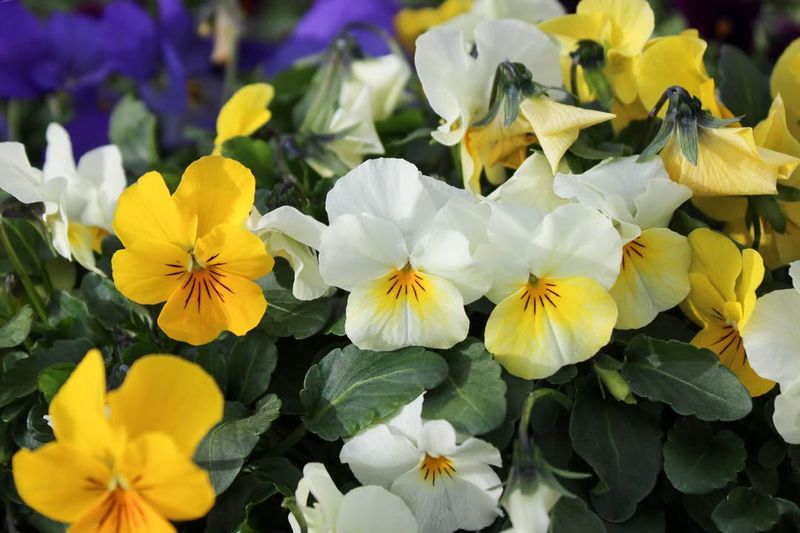
Few flowers can match the cheerful personality that pansies bring to winter landscapes, especially when planted during January in Texas garden beds everywhere.
Their adorable faces seem to smile up at you from the soil, creating an instant mood boost every time you step outside your door.
Pansies flourish in cooler weather and actually perform better when temperatures stay mild, making them perfect companions for Texas winters that rarely get too harsh.
Your Texas Garden Changes Every Week. Your Plan Should Too.
Gardening in Texas changes quickly throughout the season. Every Friday you’ll receive a simple weekly plan showing exactly what to plant, prune, fertilize, harvest, and protect so you never miss the right timing.
Available in nearly every color imaginable, from deep velvety purples to bright sunny yellows, these versatile bloomers fit any garden design or color scheme.
Gardeners appreciate how pansies continue flowering prolifically through winter and spring, providing consistent beauty that lasts for months without requiring excessive maintenance or attention.
Plant them in containers, hanging baskets, or directly in garden beds where they will spread nicely and fill empty spaces with lush foliage.
Water regularly but avoid soggy soil conditions, and feed them monthly with balanced fertilizer to keep those charming blooms coming strong all season long.
Frost rarely bothers these tough little plants, and they bounce back quickly even after occasional cold snaps that might damage more delicate flower varieties.
Adding pansies to your landscape guarantees color and charm throughout the cooler months, making them an essential choice for every Texas gardener this January.
3. Ornamental Kale
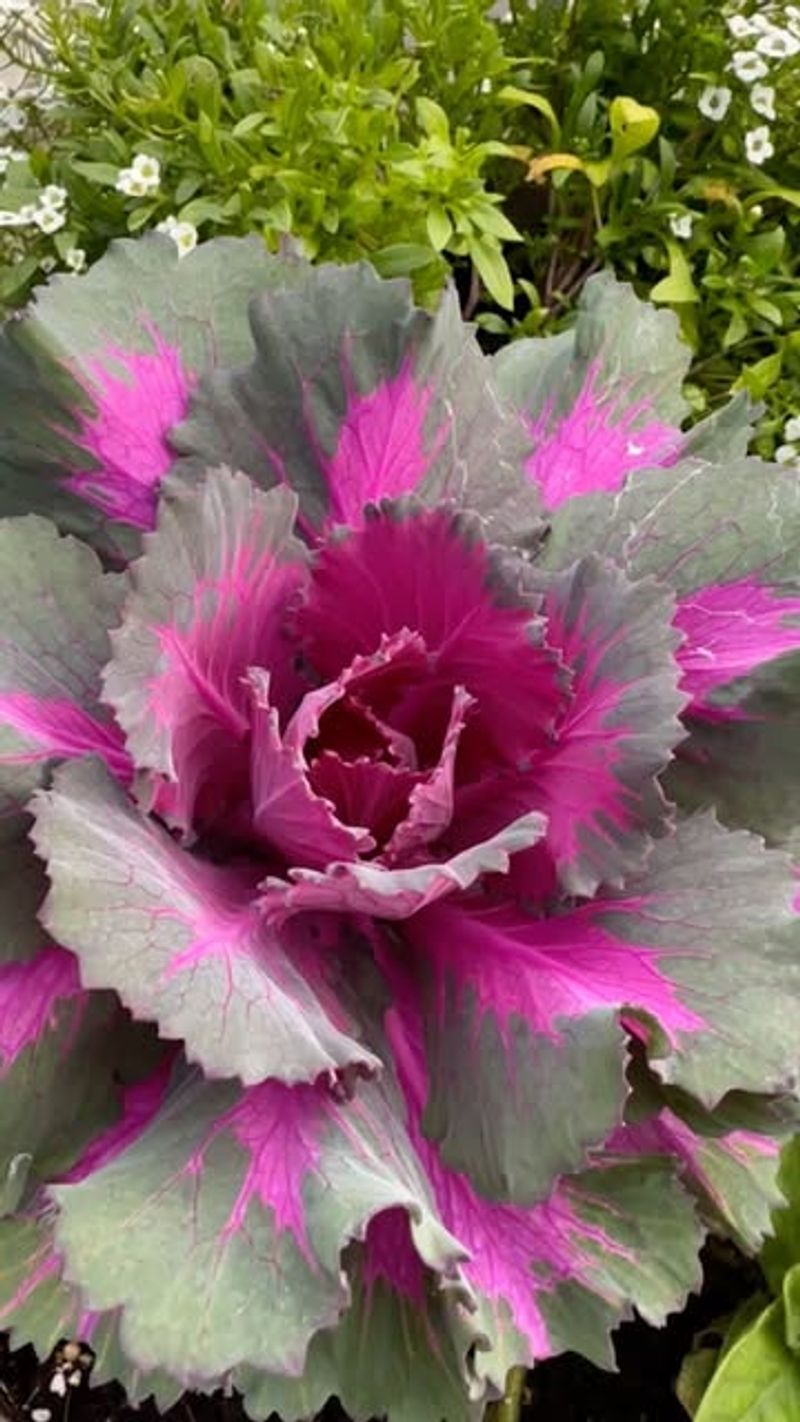
Winter gardens don’t have to rely on flowers to make a strong visual statement, especially when foliage takes center stage.
Some plants actually look better as temperatures fall, offering richer color and texture when most landscapes feel dull.
Ornamental kale offers something completely different from traditional flowers, bringing bold textures and stunning foliage colors that intensify as temperatures drop across Texas landscapes.
Unlike regular kale grown for eating, ornamental varieties develop gorgeous rosettes with leaves in shades of purple, pink, cream, and deep green hues.
Cold weather actually enhances their coloring, causing the centers to become more vibrant and eye-catching as January progresses into the coldest part of winter.
These plants provide long-lasting visual interest because their beauty comes from foliage rather than blooms, meaning they look fantastic for months without fading away.
Texas gardeners love using ornamental kale as focal points in containers or as edging plants along pathways where their unique appearance creates memorable first impressions.
They pair wonderfully with flowering plants like pansies and snapdragons, adding contrasting textures that make entire garden beds more visually dynamic and professionally designed looking.
Planting them in January gives roots time to establish before any warmer weather arrives, ensuring strong growth and maximum color development throughout the season.
Water moderately and place them in locations with good sunlight for the best color intensity, though they tolerate partial shade reasonably well too.
Ornamental kale proves that gardens can be stunning even without flowers, offering Texas homeowners a sophisticated and modern approach to winter landscaping projects.
4. Dianthus
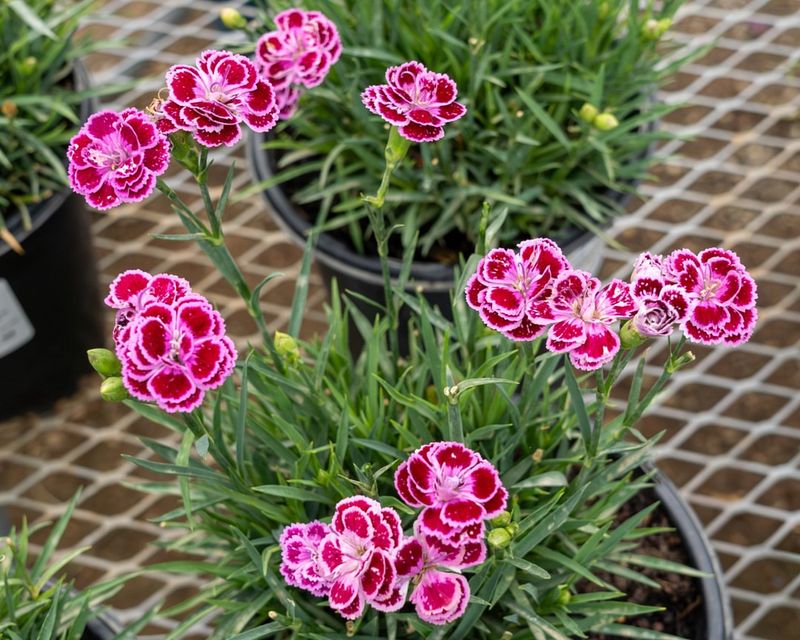
Cool-season gardens feel more inviting when color and scent show up together instead of one without the other.
January planting in Texas rewards choices that handle chilly nights while still offering personality and staying power.
Dianthus brings old-fashioned charm combined with modern toughness, making it a beloved choice for Texas gardeners wanting fragrance and color during January plantings.
Commonly called pinks or sweet williams, these delightful bloomers feature fringed petals that look hand-cut and come in gorgeous shades of pink, red, and white.
What really sets dianthus apart is its wonderful spicy-sweet fragrance that fills the air on warm afternoons, adding sensory appeal beyond just visual beauty.
Cold-hardy and reliable, dianthus thrives in Texas winter conditions and continues blooming enthusiastically well into spring without requiring constant fussing or complicated care routines.
Their compact growth habit makes them ideal for borders, rock gardens, or container plantings where space might be limited but impact needs to be big.
Butterflies and hummingbirds visit dianthus flowers regularly, bringing movement and life to gardens that might otherwise feel static during the quieter winter months ahead.
Plant them in well-draining soil with full sun exposure, spacing them about ten inches apart to allow proper air circulation and prevent moisture-related problems.
Deadheading spent blooms encourages continuous flowering, and occasional light fertilizing keeps plants healthy and productive throughout their lengthy blooming period in the state.
Dianthus combines beauty, fragrance, and ease of care into one perfect package that every Texas gardener should consider adding to their January planting list.
5. Alyssum
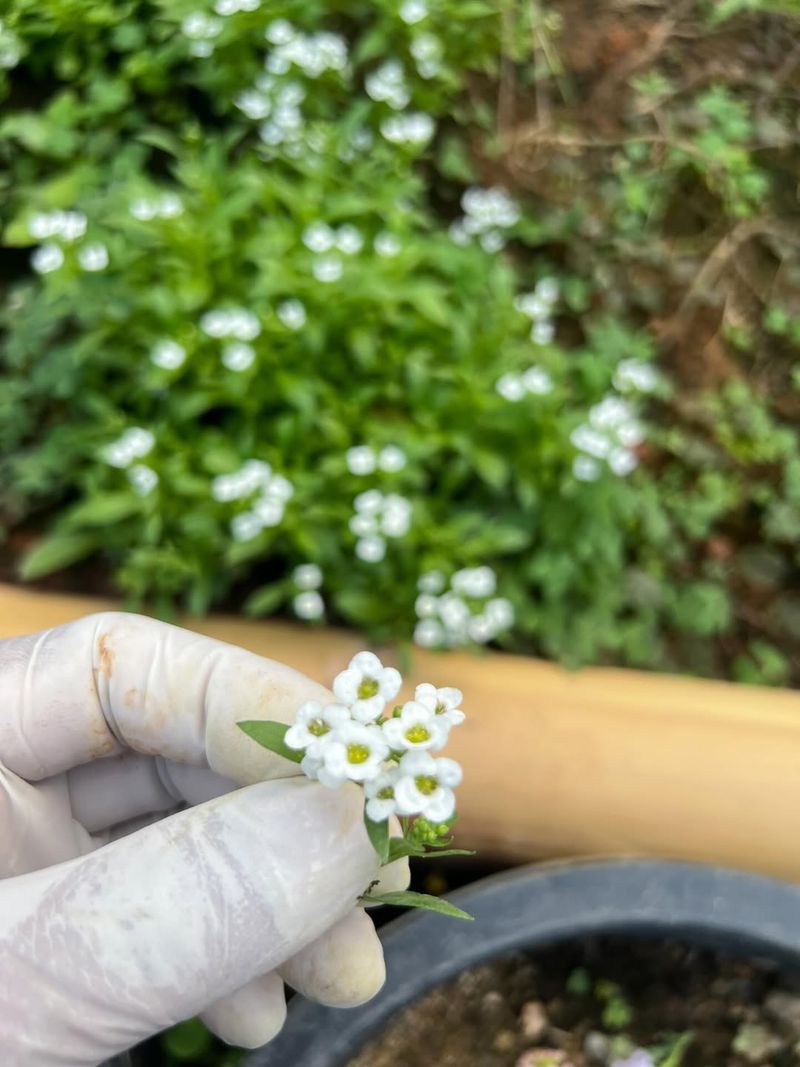
Winter color doesn’t have to come from large blooms to make a strong impression across garden beds.
Sometimes the most dramatic effects come from plants that spread softly and quietly fill every open space.
Sweet alyssum might have small individual flowers, but collectively they create breathtaking carpets of color that transform bare soil into magical winter wonderlands throughout Texas.
These low-growing plants spread quickly and fill gaps between larger plants, creating a cohesive look that makes gardens appear professionally designed and thoughtfully planned.
Their honey-like fragrance attracts beneficial insects including bees and tiny parasitic wasps that help control garden pests naturally without chemical interventions or sprays.
Alyssum blooms in white, purple, and various pink shades, offering enough variety to complement virtually any existing color scheme in your outdoor living spaces.
Texas gardeners appreciate how alyssum tolerates both cool temperatures and occasional warm spells, continuing to bloom happily regardless of January weather fluctuations and surprises.
Use them as edging plants along pathways, in hanging baskets where they cascade beautifully, or as ground covers beneath taller plants needing companions below.
They require minimal maintenance once established, needing only occasional watering during dry periods and benefiting from light trimming if they become too leggy or sparse.
Alyssum self-seeds readily, meaning you might find pleasant surprises popping up in unexpected places next season, creating natural-looking drifts of color throughout beds.
For gardeners wanting maximum impact with minimum effort, sweet alyssum delivers reliable beauty that enhances Texas landscapes from January straight through until summer heat arrives.
6. Primrose
Winter landscapes don’t have to fade into dull shades when the right plants are chosen at the right moment.
January offers a surprising opportunity to introduce bold color that feels almost out of place against cool skies and quiet beds.
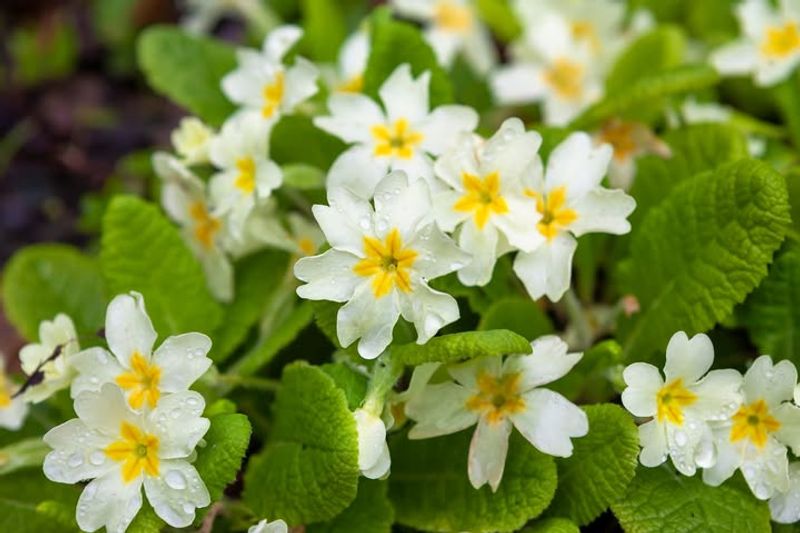
Primrose flowers pack serious punch with their intensely saturated colors that seem almost impossibly bright against the muted tones of typical January landscapes in Texas.
Available in stunning shades including electric blues, hot pinks, sunny yellows, and fire-engine reds, primroses guarantee your garden stands out from neighboring yards.
Cool weather brings out their best performance, and planting them now ensures they establish strong root systems before any temperature increases challenge their growth.
Their compact rosettes of blooms sit atop attractive foliage, creating neat mounds that work beautifully in formal garden designs or casual cottage-style plantings alike.
Texas gardeners find primroses particularly valuable because they bloom continuously throughout winter and spring, providing consistent color when many other plants take seasonal breaks.
They prefer partial shade to full sun depending on your specific location, with southern areas benefiting from afternoon shade protection during warmer winter days.
Keep soil consistently moist but never waterlogged, as primroses appreciate regular watering but will suffer if their roots sit in standing water too long.
Fertilize every few weeks with diluted liquid fertilizer to support their prolific blooming habit and maintain healthy foliage that stays lush and attractive always.
Adding primroses to your January planting list guarantees eye-catching color that brightens even the grayest winter days across the entire Lone Star State beautifully.
7. Calendula
Gray winter days feel lighter when gardens offer pops of color that seem to glow even under overcast skies.
January planting in Texas favors flowers that stay cheerful, reliable, and unfazed by shifting temperatures.
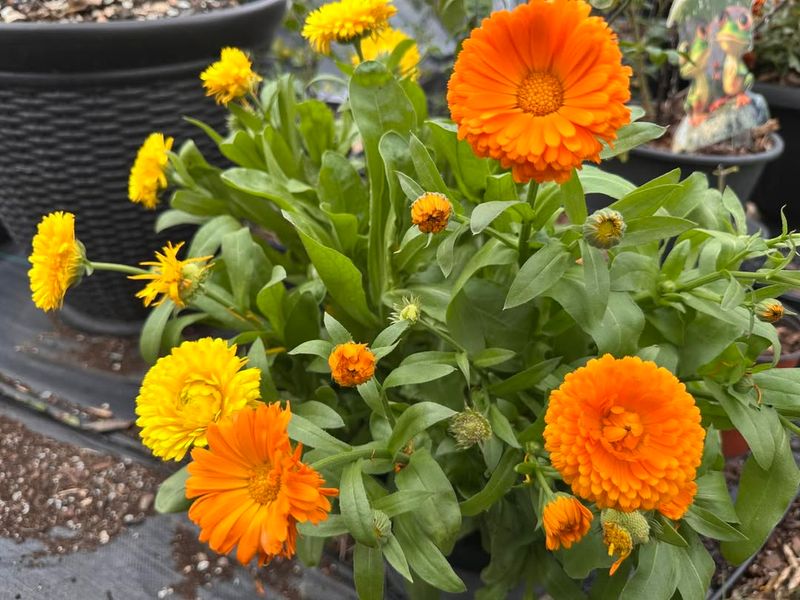
Calendula brings sunshine to winter gardens with its cheerful daisy-like blooms in shades of orange and yellow that instantly lift spirits on cloudy days.
Sometimes called pot marigold, calendula is incredibly easy to grow and tolerates the variable weather conditions Texas experiences during January without complaint or struggle.
Beyond beauty, calendula flowers are edible and have been used historically for medicinal purposes, adding an interesting conversation element to your garden tours.
The flowers attract beneficial insects while their slightly sticky foliage tends to repel certain pests, creating a balanced ecosystem that supports overall garden health naturally.
Texas homeowners love how calendula blooms prolifically with minimal care, continuing to produce flowers for months once they get established in garden beds.
Plant them in full sun with well-draining soil, spacing them about twelve inches apart to allow adequate room for their bushy growth habit to develop.
Deadheading regularly encourages more blooms and prevents plants from going to seed too quickly, extending their flowering season considerably throughout the cooler months ahead.
Calendula also makes excellent cut flowers that last well in arrangements, bringing that outdoor sunshine feeling inside your home during winter when everyone needs cheer.
For gardeners seeking reliable color, easy care, and multiple benefits from one plant, calendula represents an outstanding choice for January planting projects statewide.
8. Dusty Miller
Winter beds feel more polished when foliage plays just as big a role as flowers in the overall design.
Subtle color shifts and texture contrasts often make the biggest visual impact during the quieter months.
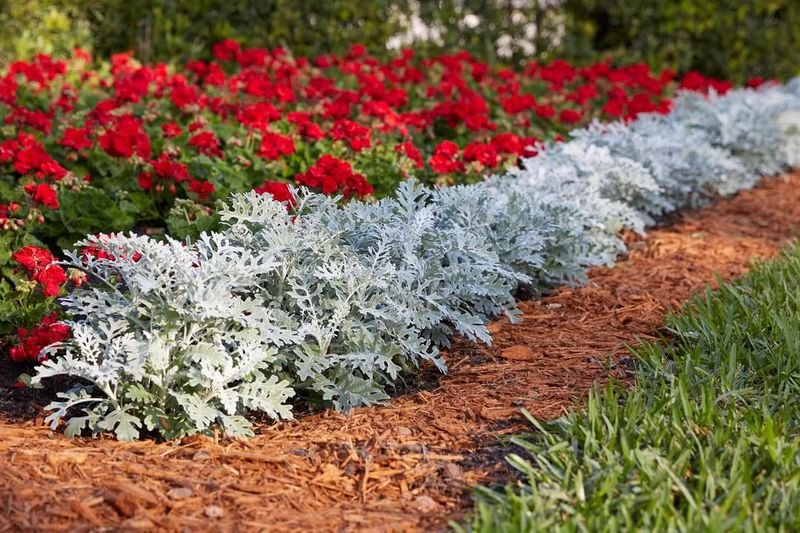
Dusty miller might not produce showy flowers, but its stunning silvery foliage creates contrast and sophistication that elevates every garden design across Texas landscapes.
The soft, fuzzy leaves appear almost frosted or dusted with powder, giving this plant its common name and creating a unique texture unlike anything else.
Planting dusty miller in January allows it to establish before warmer weather, developing into full, bushy specimens that provide season-long interest throughout spring months.
Its neutral silver color works as a perfect companion to virtually any flowering plant, making bright colors appear even more vibrant by comparison and contrast.
Texas gardeners use dusty miller as edging plants, filler in mixed containers, or as accent plants that break up areas of solid color in beds.
Extremely drought-tolerant once established, dusty miller requires minimal watering and thrives in full sun conditions that might stress other more delicate foliage plants significantly.
The plant tolerates poor soil conditions better than many alternatives, making it ideal for challenging areas where other plants struggle to grow successfully or attractively.
Occasional trimming keeps dusty miller looking neat and encourages bushier growth, but otherwise it remains remarkably low-maintenance throughout its growing season in the state.
For gardeners wanting year-round foliage interest that complements rather than competes with flowers, dusty miller delivers reliable beauty and sophisticated style to January plantings everywhere.
9. Stock
Winter gardens feel richer when fragrance joins color, turning outdoor spaces into places you actually want to linger.
Some of the most memorable cold-season plants earn their spot by appealing to more than just the eyes.
Stock flowers deliver powerhouse fragrance that fills entire gardens with their sweet, spicy scent, making them treasured additions to Texas landscapes planted in January.
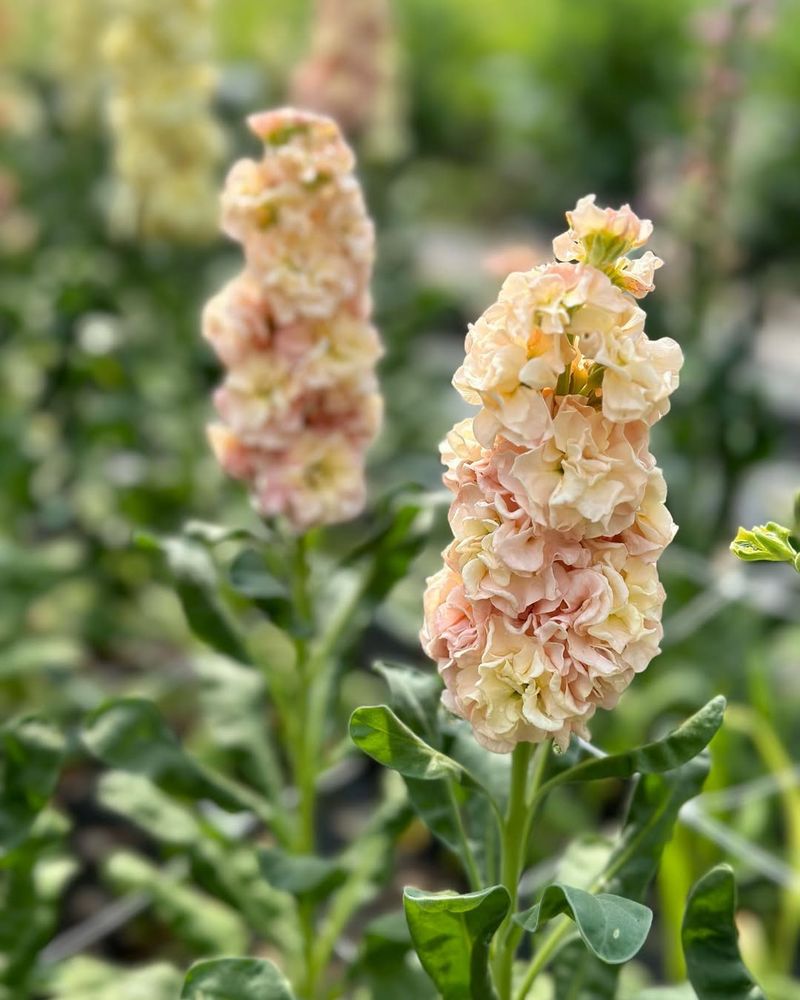
Their tall spikes of densely packed blooms create dramatic vertical elements in garden beds, drawing the eye upward and adding architectural interest to flat landscapes.
Available in romantic shades of pink, purple, white, and red, stock flowers bring old-world elegance that feels timeless and sophisticated in any garden setting.
Cool weather brings out their best blooming performance, and January planting in Texas gives them perfect conditions to establish strong roots before spring arrives quickly.
Gardeners prize stock as exceptional cut flowers because their stems last up to two weeks in vases, filling indoor spaces with incredible fragrance and beauty.
Plant them in rich, well-amended soil with good drainage and full sun exposure, spacing them about ten inches apart for optimal growth and air circulation.
Regular watering keeps stock flowers blooming continuously, though avoid wetting the foliage excessively as this can encourage fungal problems in humid conditions common statewide.
Staking taller varieties prevents wind damage and keeps flower spikes standing straight and proud, showcasing their blooms to maximum effect throughout the entire season.
Stock flowers combine visual beauty with incredible fragrance, creating multi-sensory garden experiences that make January planting in Texas gardens absolutely worthwhile and rewarding always.
10. Flowering Cabbage
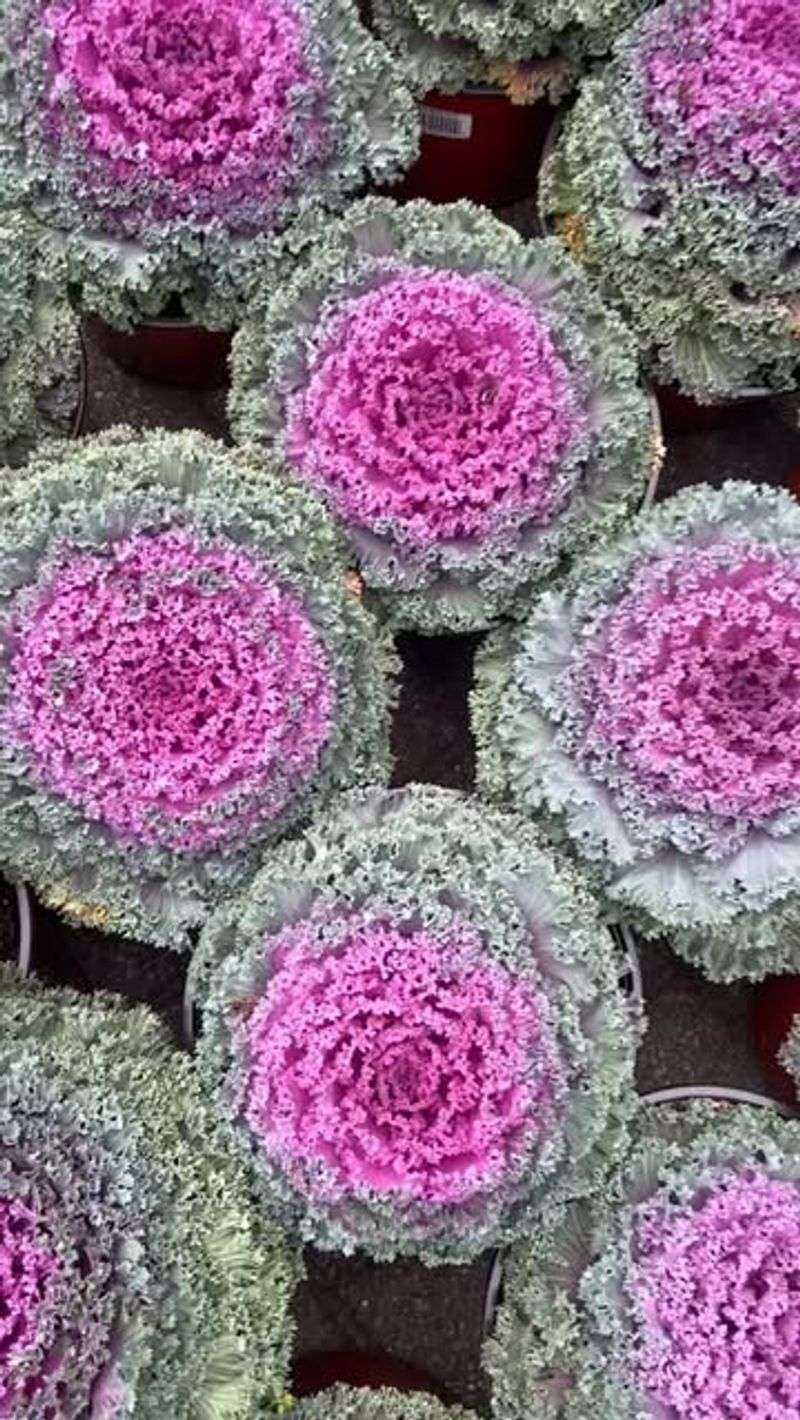
Winter beds feel far more intentional when bold shapes and strong color take center stage instead of fading into the background.
Some cold-season plants earn attention not through blooms, but through dramatic form and texture that hold steady for months.
Flowering cabbage makes bold statements in winter gardens with its large, dramatic rosettes that resemble giant roses crafted from colorful, ruffled leaves instead of petals.
Like its cousin ornamental kale, flowering cabbage develops more intense coloring as temperatures drop, with centers turning vibrant shades of purple, pink, and creamy white.
These plants create instant focal points wherever you place them, commanding attention and adding architectural elements that give gardens structure during sparse winter months ahead.
Texas gardeners appreciate flowering cabbage because it remains attractive for months without fading or declining, providing reliable beauty from January straight through until spring warmth arrives.
Use them in large containers flanking entryways, as centerpieces in formal garden beds, or massed together for dramatic sweeps of color and texture throughout landscapes.
They pair beautifully with trailing plants like alyssum or pansies that soften their bold shapes and create layered, professionally designed looks in mixed plantings statewide.
Plant flowering cabbage in well-draining soil with full to partial sun exposure, watering regularly but allowing soil to dry slightly between waterings for best results.
Fertilize sparingly as too much nitrogen can reduce the intensity of their beautiful leaf coloring, which is their main ornamental feature and attraction point.
For gardeners wanting maximum visual impact with minimal effort, flowering cabbage delivers stunning winter beauty that transforms Texas gardens into showpieces neighbors will admire constantly.