When Texas Gardeners Should Start Planting For Better Success
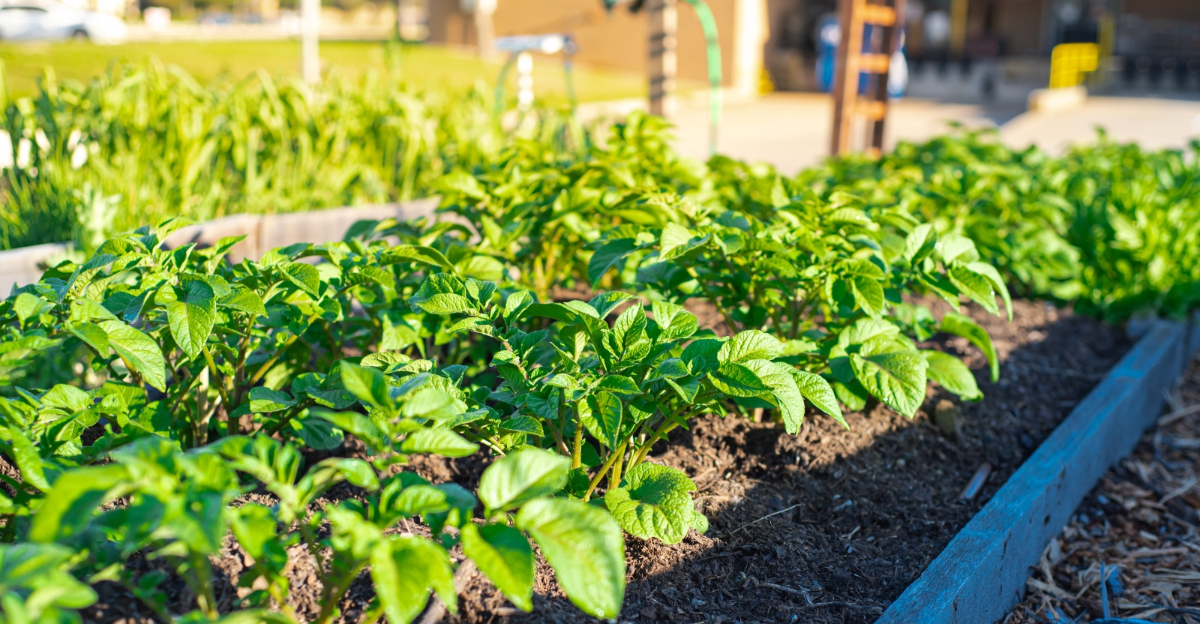
Planting in Texas can feel like a guessing game, especially when warm days show up early and make everything seem ready before it actually is.
One weekend of sunshine can convince even experienced gardeners that it is time to start, only for cold soil or a surprise frost to undo that confidence fast.
Texas weather moves quickly and rarely follows neat seasonal rules, which is why timing matters just as much as what you plant.
I have learned that the gardens that struggle most are usually not planted wrong, but planted at the wrong moment.
Soil temperature, overnight lows, and how fast heat builds all decide whether roots settle in smoothly or stall under stress.
What works perfectly in one part of the state can fail completely just a few hours away, which makes timing feel even more confusing.
Getting it right means plants grow steadily instead of fighting conditions from day one.
That early stability often leads to fewer pest problems, stronger growth, and better harvests later on.
Once you understand when planting actually works best in Texas, gardening starts to feel far less frustrating and far more rewarding.
Let’s walk through when Texas gardeners should start planting so every seed and transplant has the best possible chance to succeed.
1. Late January Through Early February For Cool-Season Crops
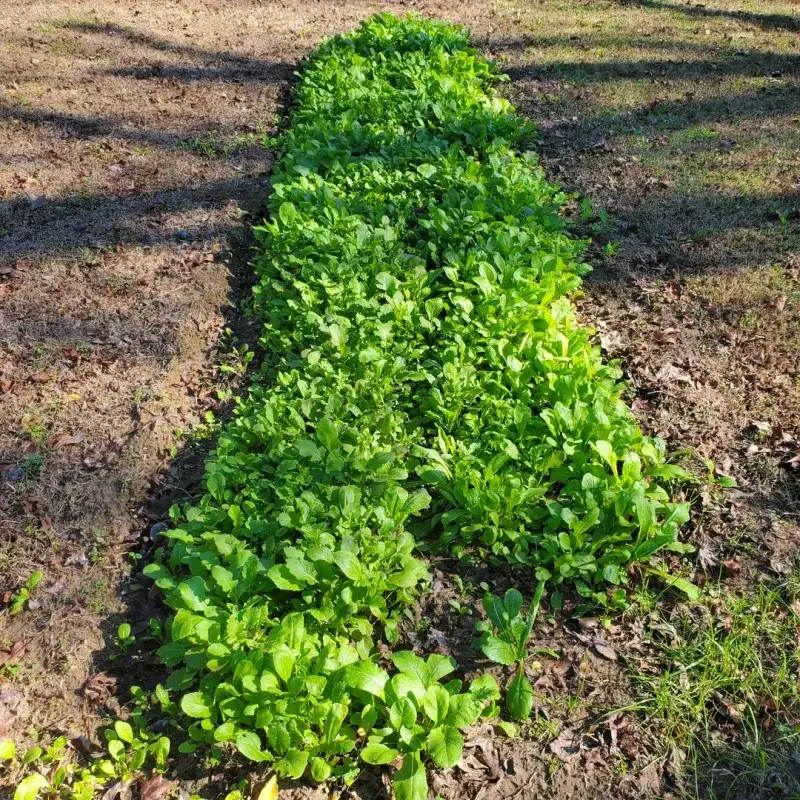
Winter gardening surprises many newcomers because Texas temperatures allow plenty of cold-hardy vegetables to flourish when planted during late January.
Broccoli, cauliflower, and cabbage seedlings go into garden beds across the state when most northern gardeners still face frozen ground.
Lettuce varieties, spinach, and kale also thrive when started during this window, giving you fresh greens before spring arrives fully.
Soil preparation becomes easier now since moisture levels stay consistent without scorching summer heat baking the earth into concrete-like hardness.
Root vegetables like carrots and radishes germinate reliably when sown directly into prepared beds during these cooler weeks.
Transplants need protection from occasional freezes using row covers or cloches, but most days provide perfect growing conditions for development.
Texas gardeners who start early enjoy harvests before summer heat forces cool-season plants to bolt and become bitter-tasting.
Success depends on watching forecasts and covering tender plants when temperatures threaten to drop below freezing overnight in your area.
Early planting also spreads garden work over a longer period, reducing pressure during the busy spring rush when everything suddenly needs attention at once.
Watching crops grow and harvesting food while winter still lingers builds confidence, reinforces good timing habits, and motivates gardeners to stay consistent through the demanding months ahead.
2. Mid-March For Warm-Season Vegetables After Last Frost
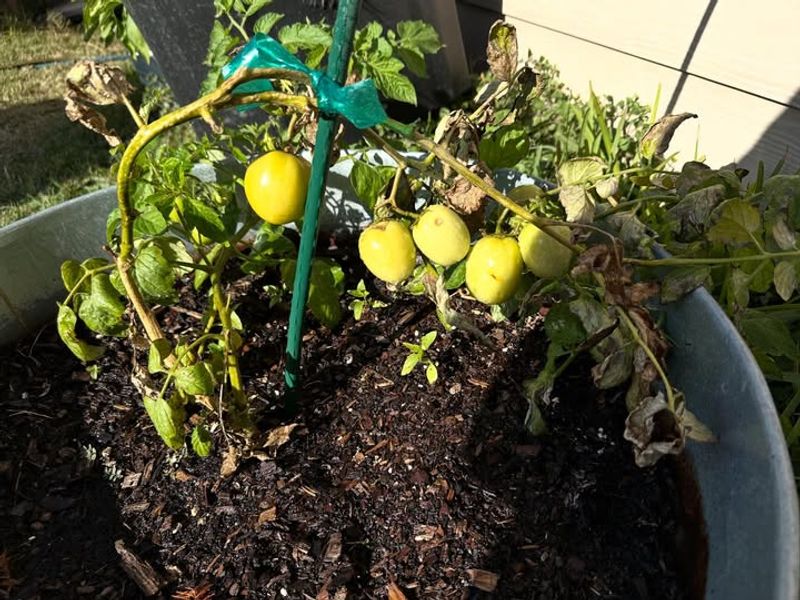
Tomato fever hits Texas gardeners hard every March when warm-season planting time finally arrives after the last expected frost date.
Peppers, eggplants, and tomatoes transform from tiny transplants into productive plants when given proper timing and soil warmth for establishment.
Waiting until mid-March protects tender seedlings from surprise cold snaps that occasionally catch even experienced growers off guard across the state.
Soil temperatures matter just as much as air temperatures because roots refuse to grow properly in cold, waterlogged ground conditions.
Your Texas Garden Changes Every Week. Your Plan Should Too.
Gardening in Texas changes quickly throughout the season. Every Friday you’ll receive a simple weekly plan showing exactly what to plant, prune, fertilize, harvest, and protect so you never miss the right timing.
Squash, cucumbers, and beans germinate quickly when direct-seeded into warm garden beds that have reached at least sixty degrees consistently.
Many Texas regions experience different last frost dates, so knowing your specific zone helps you avoid costly mistakes with sensitive plants.
Hardening off transplants before permanent planting strengthens stems and leaves, preparing them for outdoor conditions including wind and intense sunlight.
Mulching around new plants conserves moisture and regulates soil temperature, giving your warm-season crops the best possible start for summer.
Planting at the right moment prevents setbacks that slow growth later, helping plants establish quickly instead of struggling to recover from early stress.
Strong early establishment sets the tone for the entire growing season, leading to healthier plants, heavier yields, and fewer problems once summer heat intensifies.
3. Early April For Heat-Loving Summer Vegetables
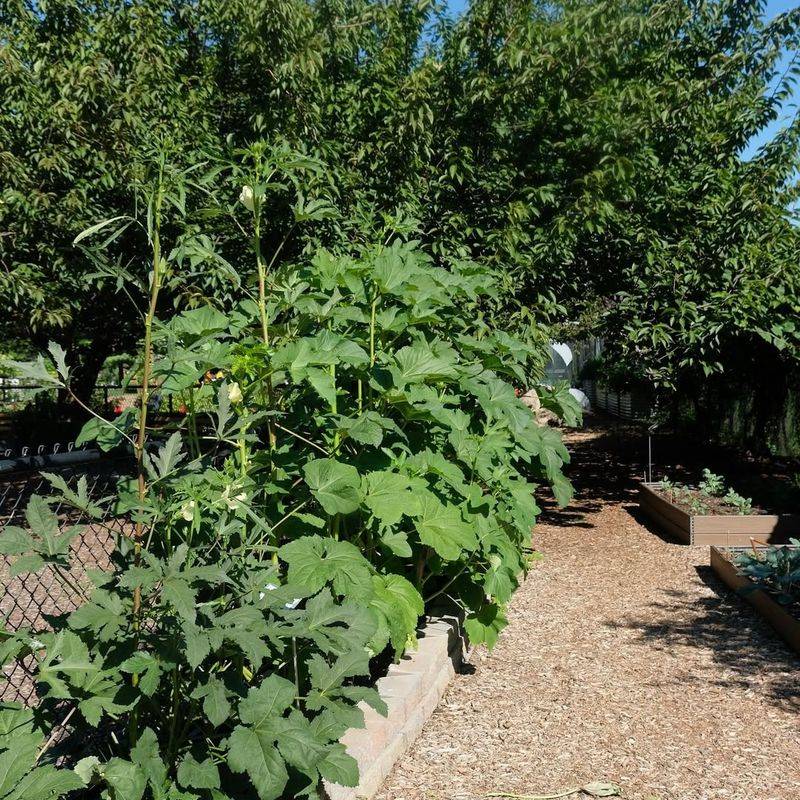
Okra absolutely loves Texas heat and performs best when planted during early April once soil warms thoroughly and stays consistently toasty.
Melons, including watermelons and cantaloupes, need plenty of growing time before summer peaks, making April the perfect month for establishment.
Southern peas, also called cowpeas, thrive in hot conditions that would stress other legumes, producing abundantly throughout the scorching months.
Sweet potato slips planted now develop strong root systems before extreme heat arrives, ensuring good tuber formation later in the season.
Gardeners across the state celebrate April because it signals the true beginning of serious vegetable production without frost worries.
Direct seeding works wonderfully for many heat-lovers since germination happens quickly in warm soil that encourages rapid seedling emergence and growth.
Spacing plants properly allows air circulation, which becomes critical during humid Texas summers when fungal diseases spread easily among crowded foliage.
Consistent watering schedules help young plants establish deep roots that access moisture during inevitable dry spells later in summer months.
Strong early growth during this window helps plants tolerate heat stress better, reducing the chances of stunted growth once temperatures climb relentlessly.
Starting heat-loving crops at the right time creates resilient plants that stay productive longer, even when Texas summers push gardens to their limits.
4. Late May For Second Planting Of Bush Beans
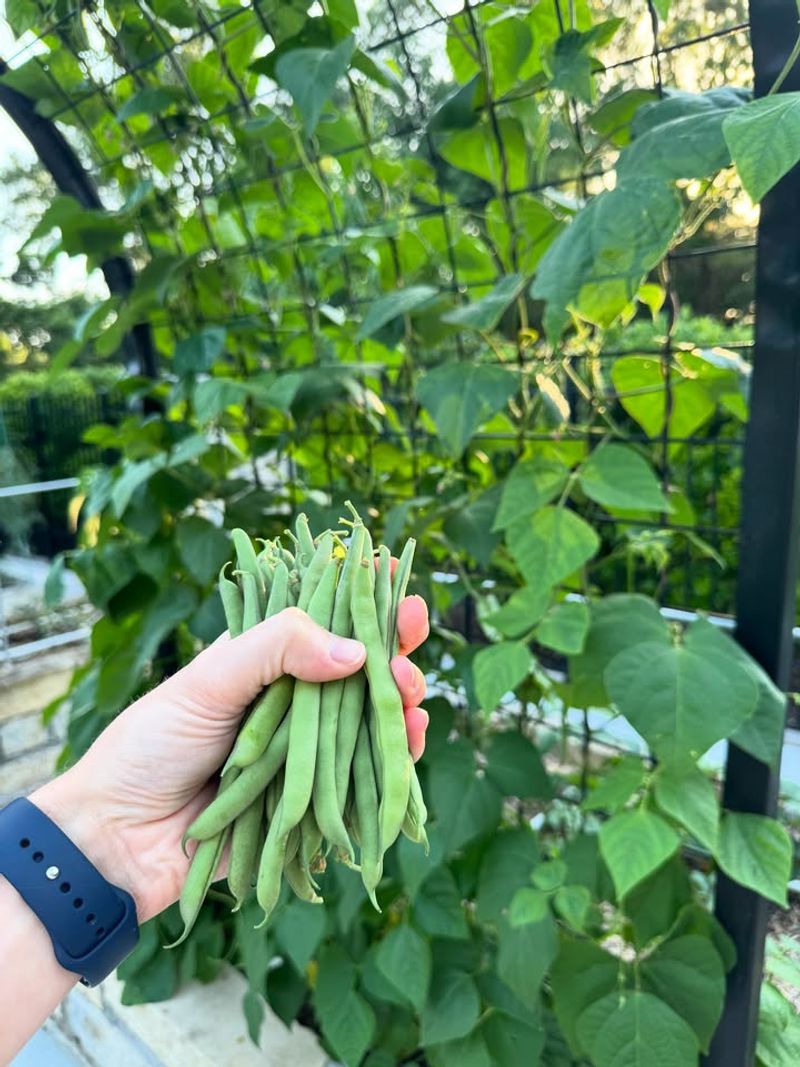
Succession planting keeps your harvest going strong, and late May offers Texas gardeners another excellent opportunity for productive bush bean crops.
First plantings from March often finish producing by early summer, creating perfect timing for a second round of these fast-growing legumes.
Bush beans mature quickly, usually within fifty to sixty days, providing fresh vegetables during the gap between spring and fall crops.
Heat-tolerant varieties perform better during this planting window since temperatures climb steadily throughout June and July across the state.
Soil enriched with compost supports vigorous growth, and beans actually improve soil by fixing nitrogen through their root nodules naturally.
Watering becomes more critical during this hotter period, so drip irrigation or soaker hoses help maintain consistent moisture without wasting water.
Texas summers can be brutal, but beans handle heat reasonably well compared to cool-season crops that would immediately struggle and fail.
Harvesting regularly encourages continued pod production, keeping plants productive for several weeks before heat eventually slows their vigor and output.
This timing keeps garden beds active instead of sitting empty, making better use of space during one of the longest growing seasons in the country.
Late spring bean plantings also provide reliable harvests when other crops fade, helping maintain steady food production even as summer heat intensifies.
5. Early August For Fall Garden Preparation
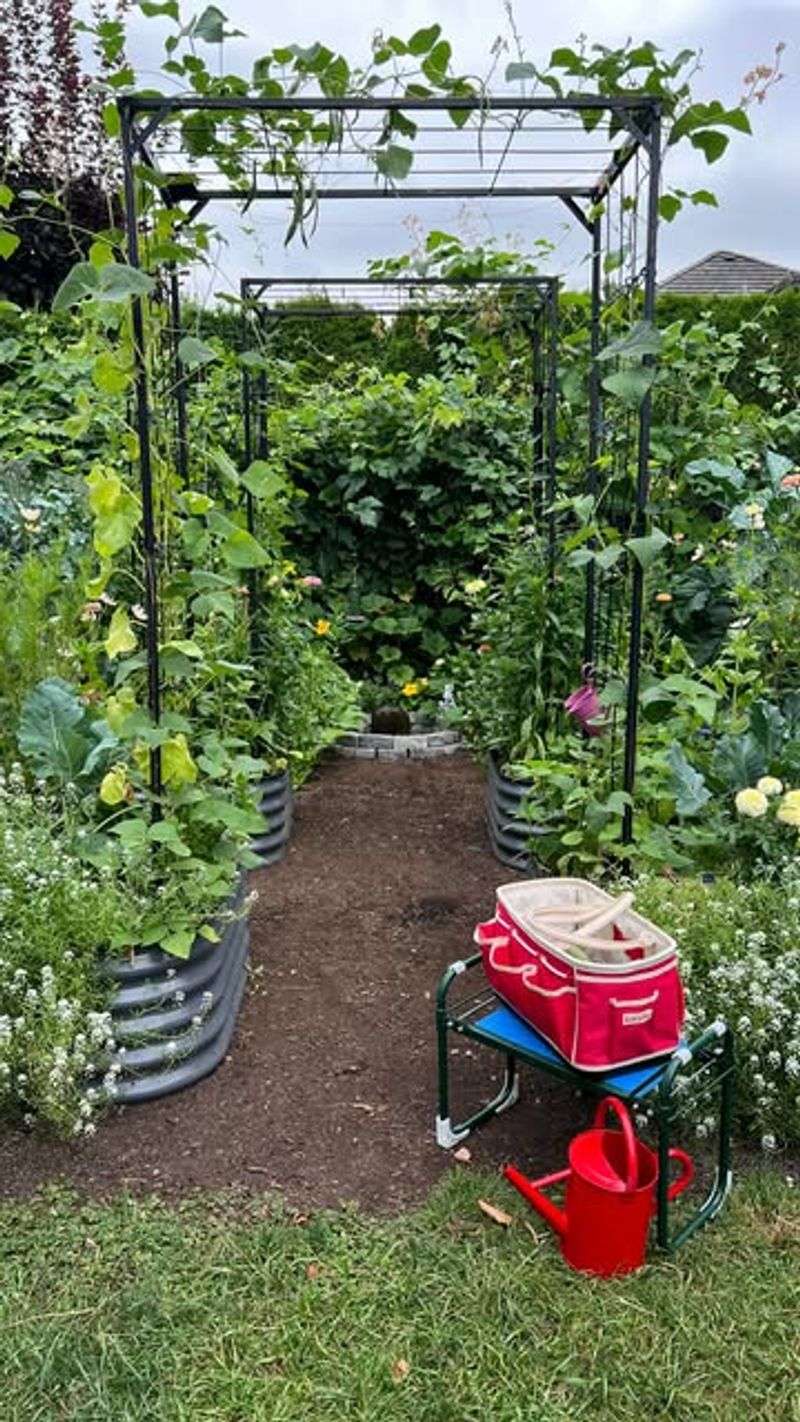
August heat feels oppressive, but smart Texas gardeners use this time to prepare beds for the incredibly productive fall growing season.
Clearing out spent summer plants, adding fresh compost, and planning crop layouts ensures everything stays ready when planting time arrives shortly.
Soil amendments need time to incorporate properly, so early preparation gives materials a chance to blend and improve texture before seedlings arrive.
Many gardeners start seeds indoors during August, giving transplants a head start away from scorching outdoor temperatures that would stress tiny seedlings.
Tomatoes, peppers, and eggplants started now will produce abundantly during fall when temperatures moderate and plants experience less heat stress.
Irrigation systems need checking and repairing before fall planting begins, ensuring water reaches every corner of your garden beds efficiently and consistently.
The state experiences variable rainfall patterns, making reliable irrigation essential for successful fall crops that depend on consistent moisture for development.
Planning which varieties to plant helps you select types that mature before first frost dates arrive in your specific region.
Early preparation now allows seedlings to establish roots quickly and gives gardeners the opportunity to optimize spacing, airflow, and light exposure for maximum productivity later in the season.
Careful planning and timely adjustments in August ensure that fall vegetables not only survive the lingering heat but thrive, producing abundant harvests that extend the garden’s bounty well into cold
6. Late August Through September For Fall Transplants
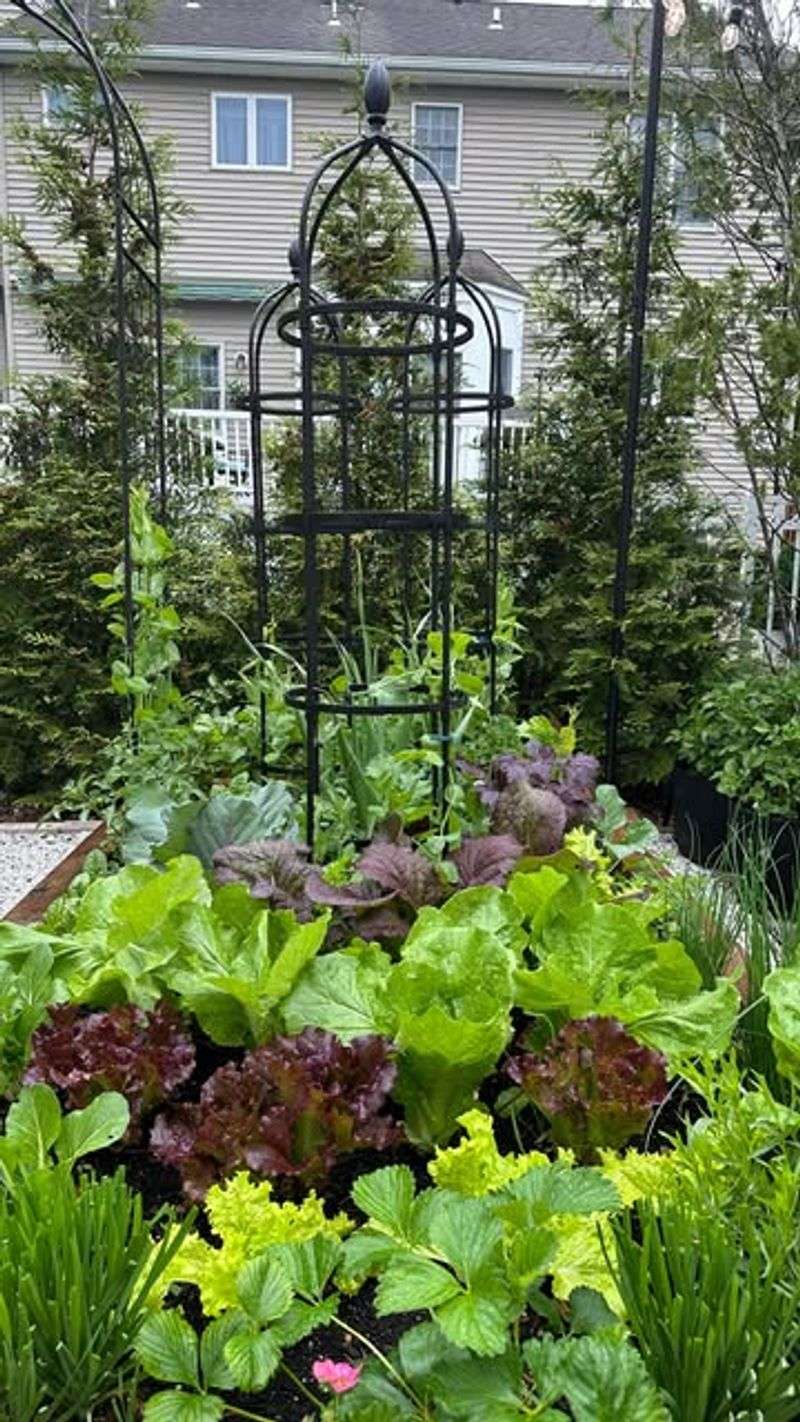
Fall gardening in Texas often produces better results than spring because pest pressure decreases and temperatures become more manageable for plants.
Transplanting broccoli, cauliflower, and cabbage during late August gives these cool-season crops time to establish before cooler weather arrives in October.
Brussels sprouts need a longer growing season, so getting them into the ground early ensures proper development before harvest time arrives.
Afternoon shade cloth protects young transplants from lingering summer heat, preventing transplant shock and helping roots establish without excessive stress.
Gardeners throughout the state appreciate fall growing because morning temperatures feel pleasant, making outdoor work enjoyable instead of exhausting and uncomfortable.
Mulching around transplants conserves moisture and keeps soil temperatures more stable during the transition period between summer heat and autumn coolness.
Fertilizing lightly at transplanting time provides nutrients without overwhelming young plants that need energy focused on root development first.
Row covers protect plants from early pest damage, particularly from cabbage loopers that love munching on brassica family crops relentlessly.
Strategically placed covers not only act as pest shields but also provide a cozy environment for your plants to establish without competition or stress.
As temperatures cool and garden beds become more manageable, fall planting provides an extended growing window, offering abundant harvests and richer flavors in every bite.
7. Mid-September For Direct-Seeded Fall Vegetables
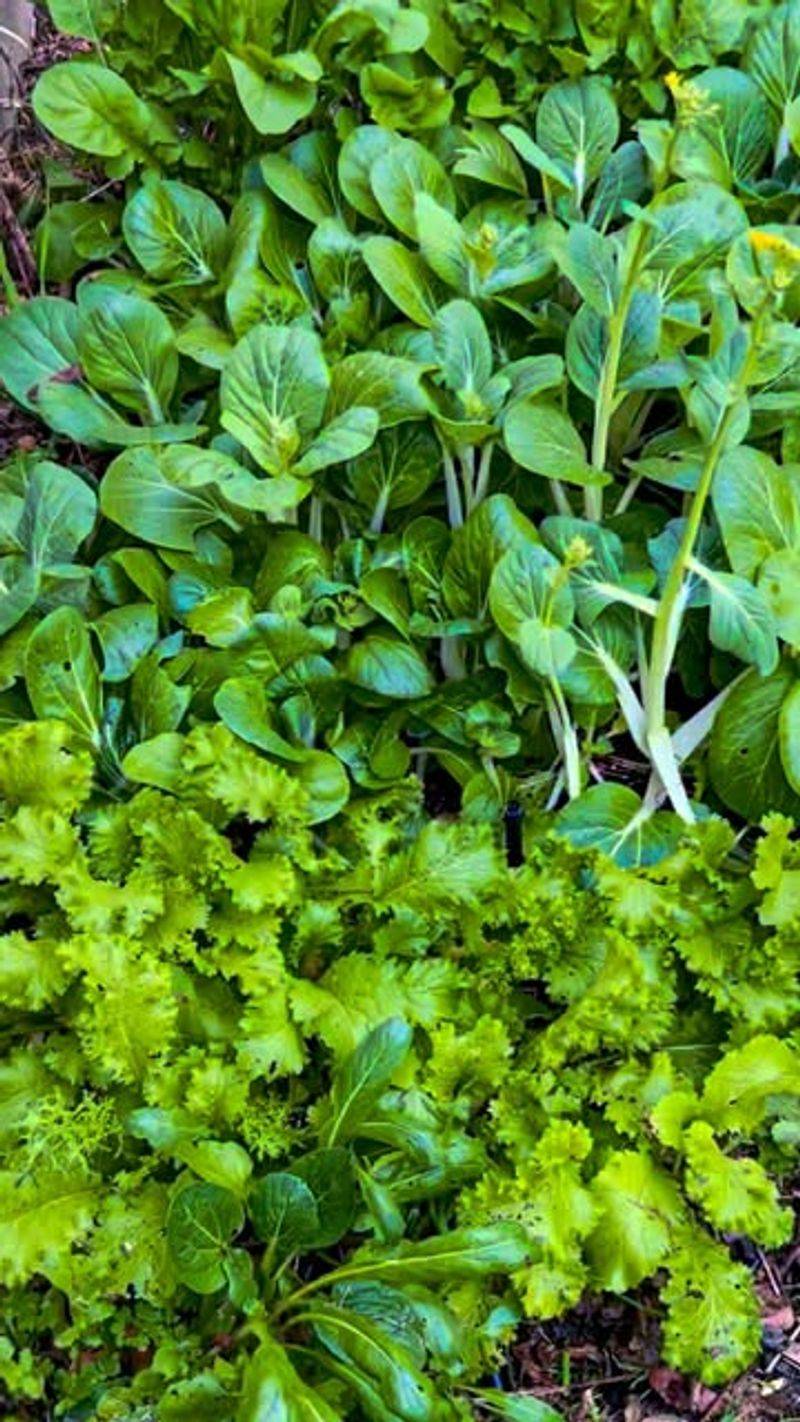
Direct seeding works beautifully during mid-September when Texas soil temperatures finally drop enough to support cool-season seed germination without cooking them.
Lettuce, spinach, and arugula seeds sprout quickly when conditions turn favorable, providing fresh salad greens throughout fall and winter months ahead.
Radishes mature incredibly fast, often ready for harvest within thirty days, making them perfect for impatient gardeners wanting quick results.
Carrots and beets need consistent moisture for germination, so watering daily until sprouts emerge ensures good stand establishment across your beds.
Many gardeners across the state prefer fall crops because fewer weeds compete with vegetables, and pest populations naturally decline as temperatures moderate.
Succession planting every two weeks extends your harvest period, ensuring fresh vegetables continue appearing on your table throughout the entire season.
Thinning seedlings properly gives remaining plants room to develop fully, preventing overcrowding that leads to small, disappointing vegetables at harvest.
Cooler nights encourage sweeter-tasting greens and root vegetables, making fall produce especially delicious and worth the planting effort.
The chill of fall enhances the flavors of root crops, leading to fuller, more vibrant tastes that linger longer, making every harvest even more rewarding.
As you plan your fall garden, consider how the season’s cool embrace enhances your crops—it’s not just a second planting, but a chance to truly savor nature’s richness.
8. Early October For Cold-Hardy Greens And Herbs
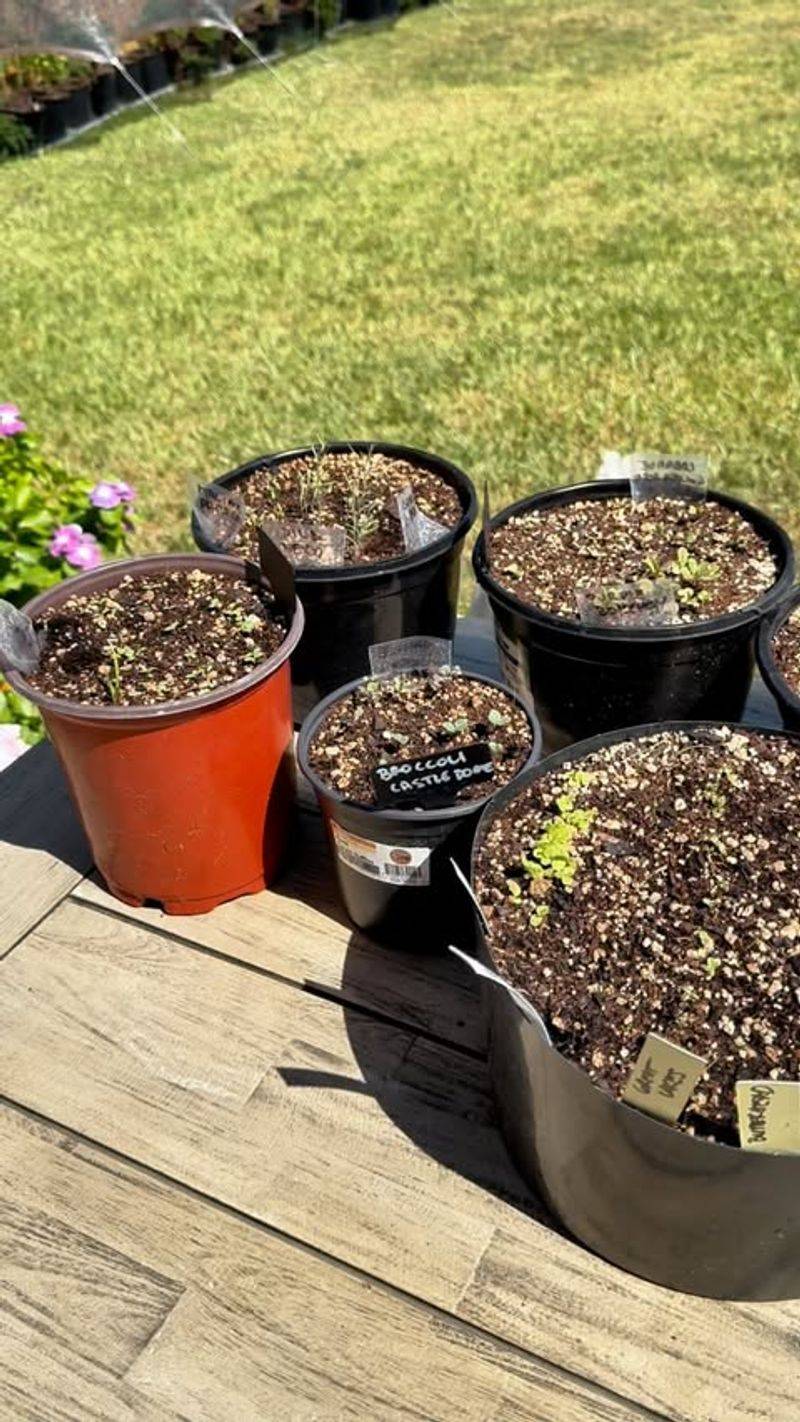
Kale becomes incredibly sweet after experiencing light frosts, making early October the ideal time for planting this nutritious green across Texas.
Cilantro finally grows successfully when planted during fall since spring heat causes this herb to bolt immediately before producing useful foliage.
Parsley, both flat-leaf and curly varieties, establishes well during October and continues producing fresh leaves throughout winter in most state regions.
Swiss chard tolerates both heat and cold reasonably well, but fall planting produces the most tender, flavorful leaves for cooking and salads.
Mustard greens grow quickly and add spicy flavor to meals, thriving in cooler temperatures that arrive as autumn progresses steadily.
Texas winters stay mild enough in many areas to keep these hardy greens producing fresh harvests even during December and January.
Succession planting ensures continuous harvests rather than overwhelming abundance followed by nothing, keeping your kitchen supplied with fresh ingredients consistently.
Harvesting outer leaves while allowing centers to continue growing extends production from each plant throughout the entire growing season ahead.
By harvesting gradually and regularly, your garden will reward you with an ongoing supply of greens that continue giving all season long, no matter how cold it gets.
The beauty of planting these greens in the fall lies in their resilience—while others freeze, they thrive, giving you fresh flavors when they’re most needed.
9. Late October Through November For Spring Bulbs And Perennials
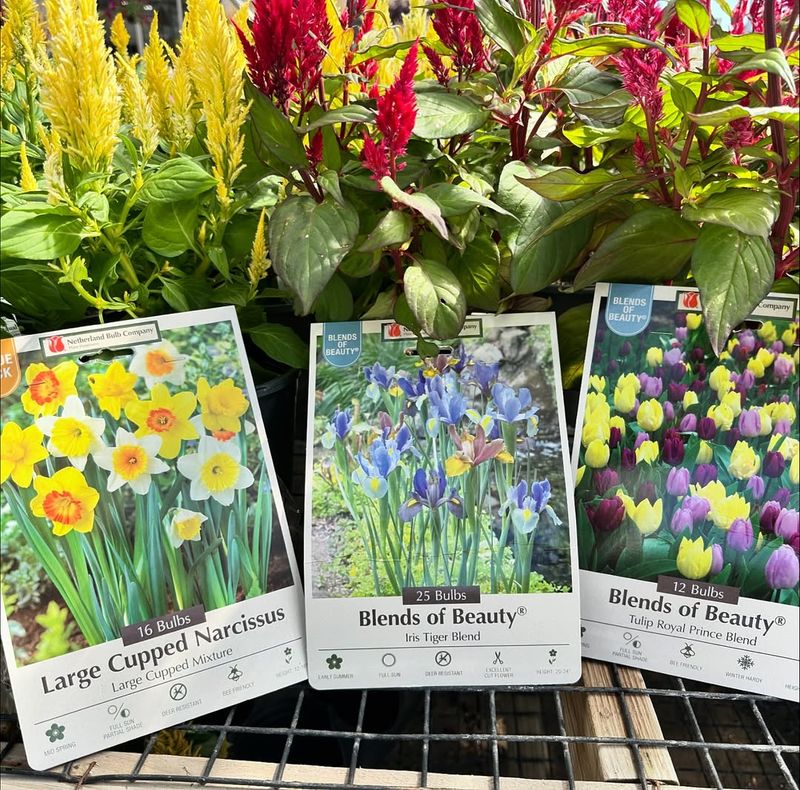
Spring bulbs need cold treatment to bloom properly, and planting them during late October gives them necessary chilling time in Texas soil.
Tulips, daffodils, and hyacinths require pre-chilled bulbs in warmer state regions since our winters often lack sufficient cold for natural vernalization.
Perennial flowers like daylilies, coneflowers, and black-eyed Susans establish better when planted during fall, developing strong roots before summer heat arrives.
Cooler temperatures reduce transplant shock, and fall rains often provide natural irrigation that helps new plants settle into their permanent locations.
Dividing existing perennials during this period rejuvenates older plants while giving you extras to expand your flower beds or share freely.
Mulching around newly planted perennials protects roots during occasional winter freezes and conserves moisture during dry spells that sometimes occur.
Texas gardeners who plant perennials now enjoy earlier, stronger blooms next spring compared to those who wait until March planting season.
Proper spacing prevents overcrowding as plants mature, ensuring good air circulation and reducing disease problems that plague densely packed flower beds.
By planting in fall, you set your garden up for success, reducing the need for constant maintenance and letting your flowers bloom to their fullest potential next spring.
This thoughtful timing means you’ll spend less time battling pests and diseases and more time enjoying vibrant, healthy flower beds throughout the year.