15 Low-Maintenance Perennials Perfect For Florida Winter Gardens
Florida winters feel like a secret gardening season that many people overlook.
While much of the country slows down, Florida landscapes come alive with fresh growth, cooler temperatures, and plants that actually prefer these milder conditions.
This is the moment when gardens can look their best without demanding endless watering schedules, constant pruning, or weekend-long maintenance marathons.
For homeowners balancing busy lives, winter gardening in Florida offers a rare combination of beauty and simplicity.
The right perennials settle in comfortably, thrive on natural rainfall, and keep their color and structure while other regions battle frost and dormancy.
These plants prove that a lush, vibrant garden doesn’t require nonstop attention or advanced gardening skills.
Thoughtful plant choices turn garden beds into reliable, year-round features rather than seasonal projects.
Evergreen textures, long-lasting blooms, and hardy native varieties work together to create landscapes that look polished with minimal effort.
Instead of chasing high-maintenance plants, Florida gardeners can enjoy a relaxed approach that still delivers visual impact.
This collection of low-maintenance perennials highlights plants perfectly suited for Florida’s winter conditions, plants that reward you with color, movement, and structure while letting you reclaim your time.
A beautiful winter garden doesn’t have to be complicated; it just has to be planted smart.
1. Coontie
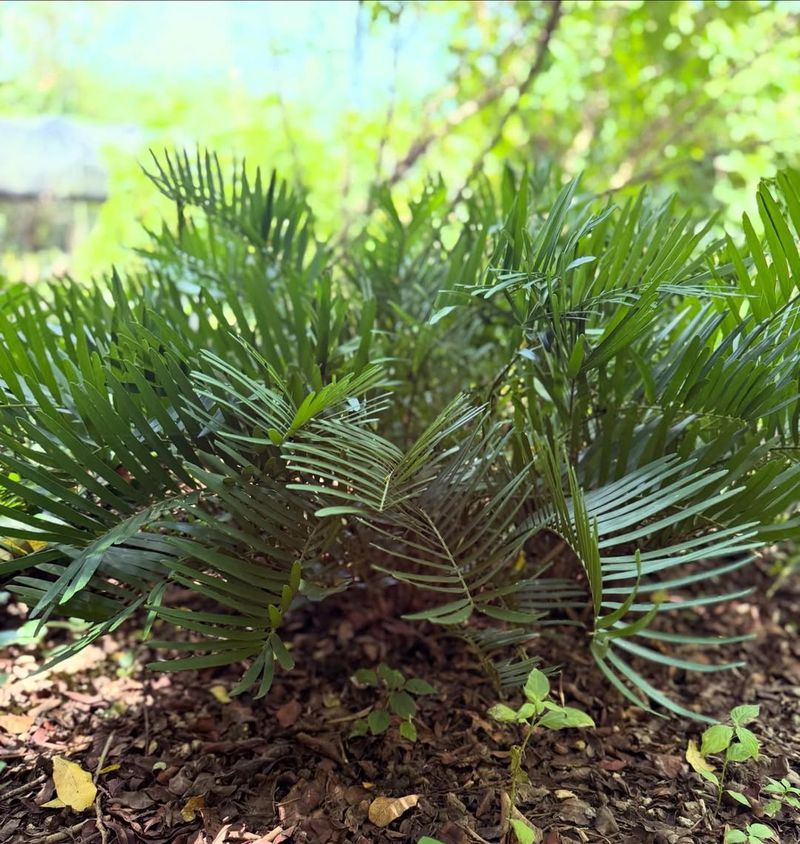
Native Florida plants like this cycad bring evergreen structure to shaded spots without demanding constant attention from gardeners.
Coontie adapts beautifully to winter conditions because it evolved right here in our state over countless generations.
Toughness defines this perennial since it survives drought periods and bounces back quickly when conditions improve again.
Shade tolerance makes coontie perfect for placing beneath oak trees or along fence lines where sunlight stays limited daily.
Winter care involves almost nothing beyond occasional removal of yellowed fronds that naturally age out over time.
Sandy or loamy soils suit this plant perfectly, and it rarely needs fertilizer applications to maintain healthy growth patterns.
Visual interest comes from the glossy fronds that stay green throughout cooler months when other plants lose foliage.
Busy gardeners love coontie because it requires minimal watering once established and thrives on natural rainfall patterns alone.
2. Lantana
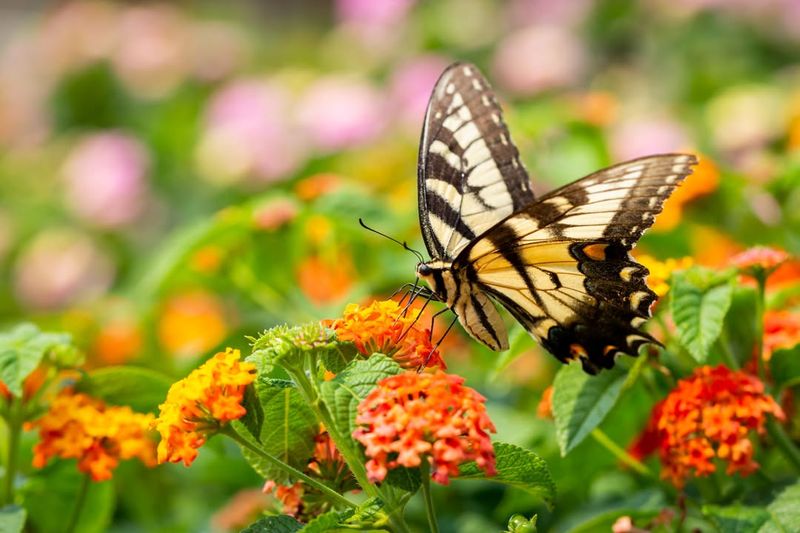
Colorful blooms appear nonstop on this perennial, bringing cheerful hues to Florida landscapes even during the coolest winter weeks.
Drought tolerance means lantana survives extended dry spells without wilting or losing its vibrant flower clusters along branching stems.
Pruning simplicity comes naturally since this plant responds well to occasional trimming that keeps it shaped and compact.
Florida winter resilience shines through because lantana continues blooming when temperatures drop slightly but stay above freezing points.
Watering needs remain minimal once roots establish themselves deeply into garden soil or container potting mix layers.
Full sun locations work best for this perennial, though it tolerates partial shade while producing slightly fewer flowers.
Butterflies and hummingbirds visit lantana constantly, adding movement and wildlife interest to your outdoor living spaces year-round.
Gardeners appreciate how lantana bounces back quickly from light frost damage and resumes flowering within days afterward.
Your Florida Garden Changes Every Week. Your Plan Should Too.
Gardening in Florida changes quickly throughout the season. Every Friday you’ll receive a simple weekly plan showing exactly what to plant, prune, fertilize, harvest, and protect so you never miss the right timing.
3. Blanket Flower
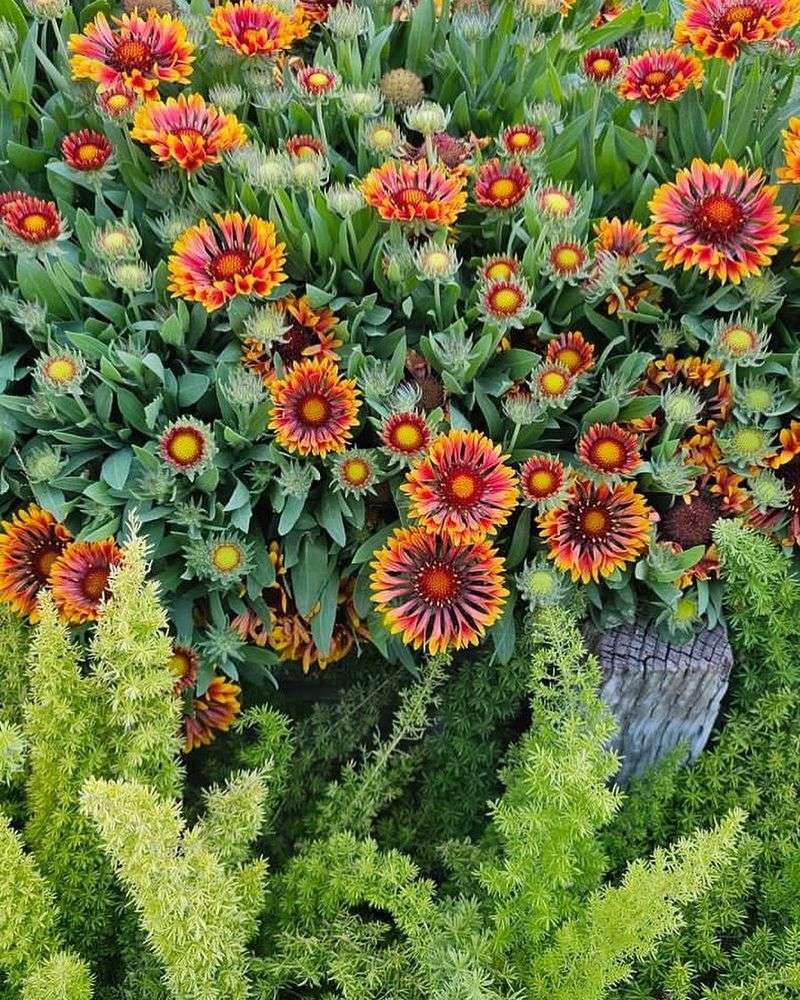
Sandy soil success defines this cheerful perennial that thrives in Florida conditions without requiring amendments or special soil preparations.
Gaillardia pulchella produces red and yellow blooms that resemble southwestern blanket patterns, hence the common name everyone recognizes.
Low watering needs make blanket flower ideal for gardeners who prefer plants that survive on rainfall alone most months.
Florida-friendly winter performance means blooms continue appearing even when temperatures dip into the fifties during overnight hours.
Full sun exposure brings out the best flowering potential, though this perennial tolerates light afternoon shade reasonably well.
Deadheading spent blooms encourages more flowers to form, but skipping this task does not harm the plant significantly.
Well-drained locations prevent root rot issues, so avoid planting blanket flower in low spots where water pools after storms.
Busy homeowners value how this perennial self-seeds lightly, filling in gaps without becoming invasive or overtaking neighboring plants.
4. Coreopsis
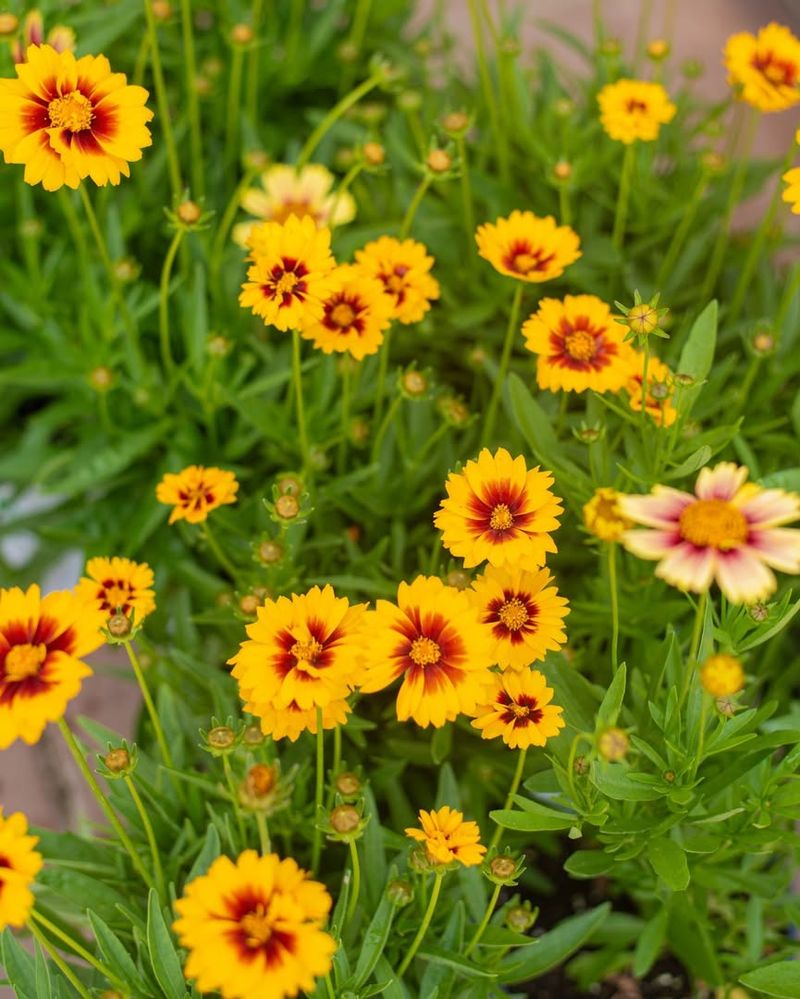
Florida-native varieties of this golden perennial bring sunshine to garden beds while requiring almost no maintenance throughout winter months.
Long bloom cycles mean coreopsis produces flowers for weeks on end, providing consistent color without constant deadheading efforts.
Light care requirements make this plant perfect for beginners who want reliable results without mastering complicated gardening techniques.
Winter garden brightness comes from cheerful yellow petals that contrast beautifully against evergreen shrubs and ornamental grasses nearby.
Watering becomes unnecessary once coreopsis establishes roots since it thrives on natural rainfall patterns common in Florida.
Full sun locations produce the most abundant flowering, though this perennial tolerates partial shade with slightly reduced bloom counts.
Butterflies flock to coreopsis flowers throughout cooler months, adding delightful movement and ecological value to your landscape design.
Gardeners appreciate how this perennial reseeds gently without becoming weedy, filling bare spots naturally over successive growing seasons.
5. Blue Porterweed
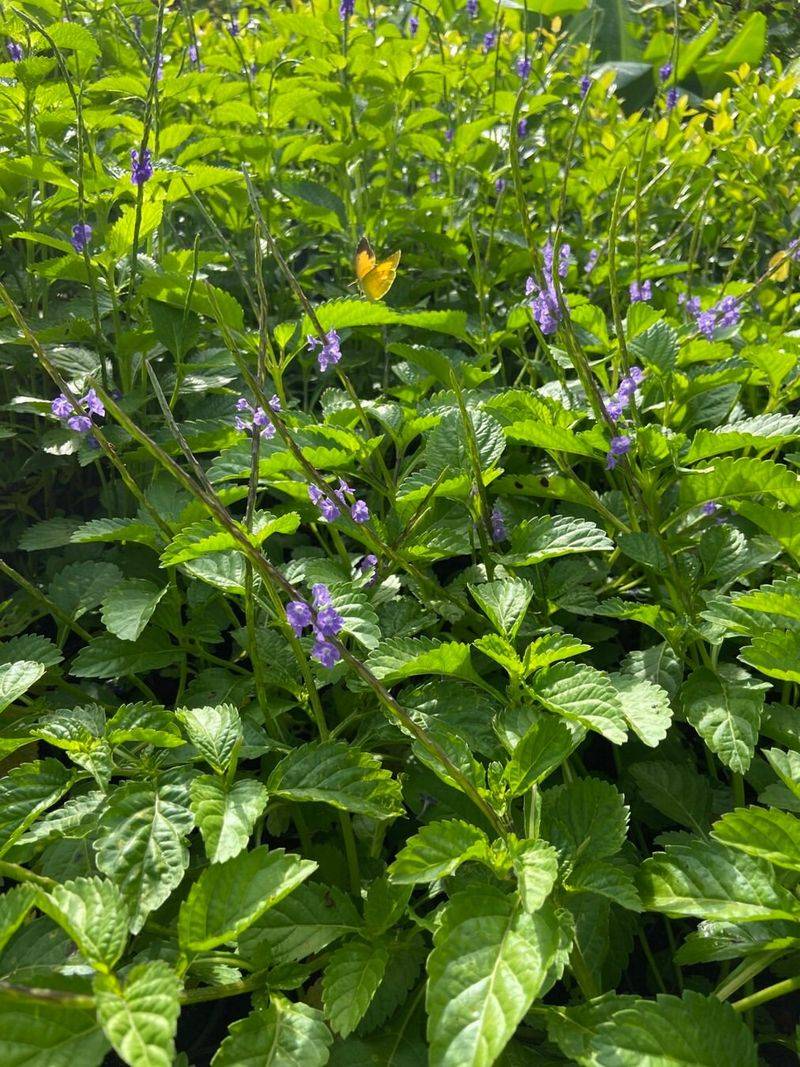
Pollinator attraction happens constantly with this perennial as butterflies and bees visit the tubular blue flowers throughout winter.
Steady growth patterns mean blue porterweed fills spaces quickly without becoming aggressive or overtaking more delicate neighboring plants.
Minimal watering requirements make this Florida-friendly perennial ideal for water-conscious gardeners who prioritize conservation and low bills.
Winter adaptability shines through because blue porterweed continues blooming even when temperatures cool down during January and February nights.
Full to partial sun locations work equally well, giving you flexibility when planning your landscape layout and design.
Pruning needs remain light since this plant maintains a naturally compact shape without requiring constant trimming or shaping.
Sandy or loamy soils suit blue porterweed perfectly, and it rarely suffers from pest problems that plague other flowering perennials.
Busy gardeners love how this perennial provides months of color with minimal effort, making it perfect for low-maintenance landscapes.
6. Dune Sunflower
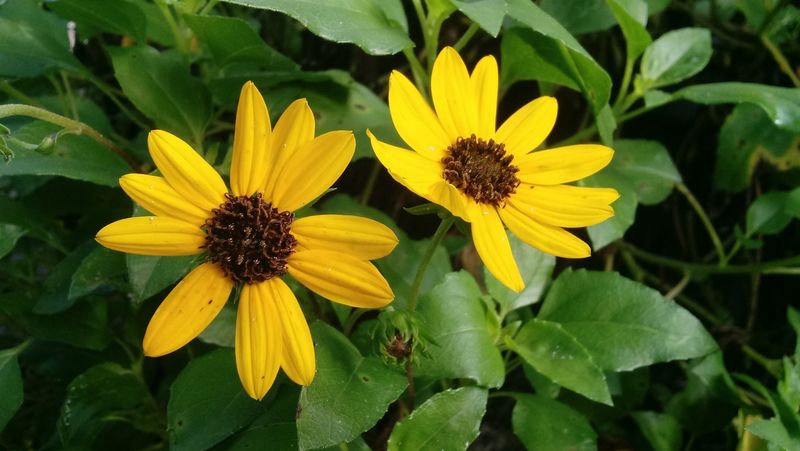
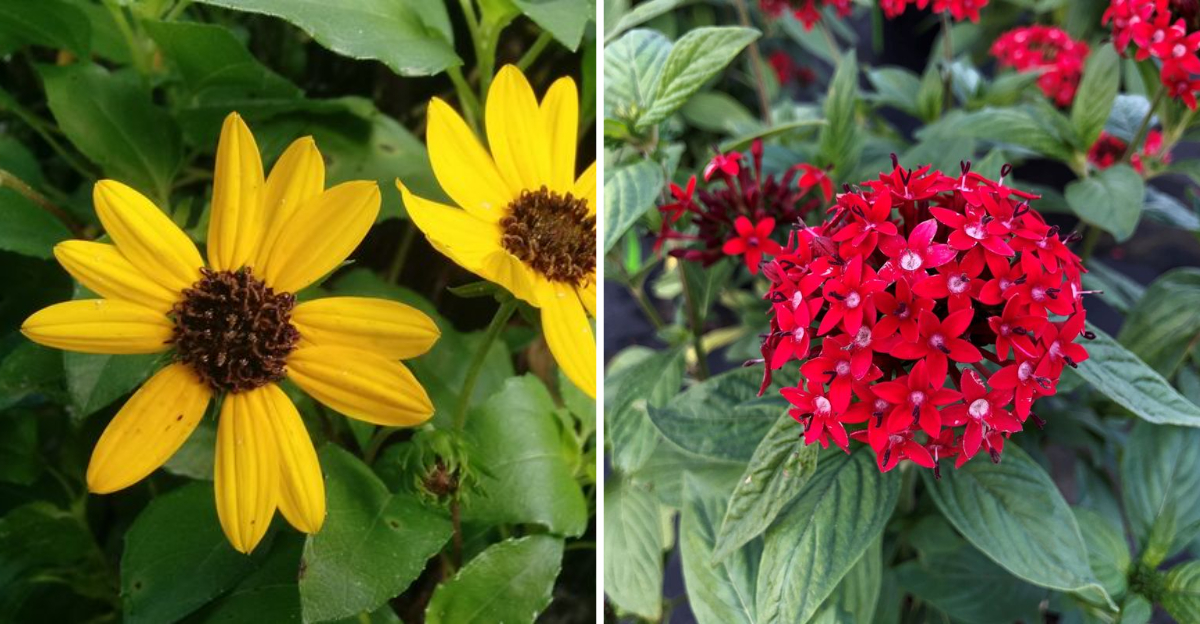
Cheerful yellow blooms brighten garden beds throughout Florida winters, creating a sunny, welcoming look even during cooler months.
Extreme drought tolerance makes dune sunflower ideal for gardeners who want reliable color without frequent watering or irrigation systems.
Spreading growth habit allows this perennial to fill empty spaces quickly, reducing weeds and minimizing the need for mulch maintenance.
Florida winter resilience shows clearly as dune sunflower continues blooming when temperatures cool but remain above freezing.
Watering needs stay minimal once established, and this plant thrives on natural rainfall alone in most regions of the state.
Full sun locations produce the most abundant flowering, though light afternoon shade is tolerated without major performance loss.
Sandy and well-drained soils suit dune sunflower perfectly, making it especially useful for coastal landscapes and inland yards alike.
Busy homeowners love this perennial because it self-maintains beautifully while attracting butterflies and pollinators all winter long.
7. Muhly Grass
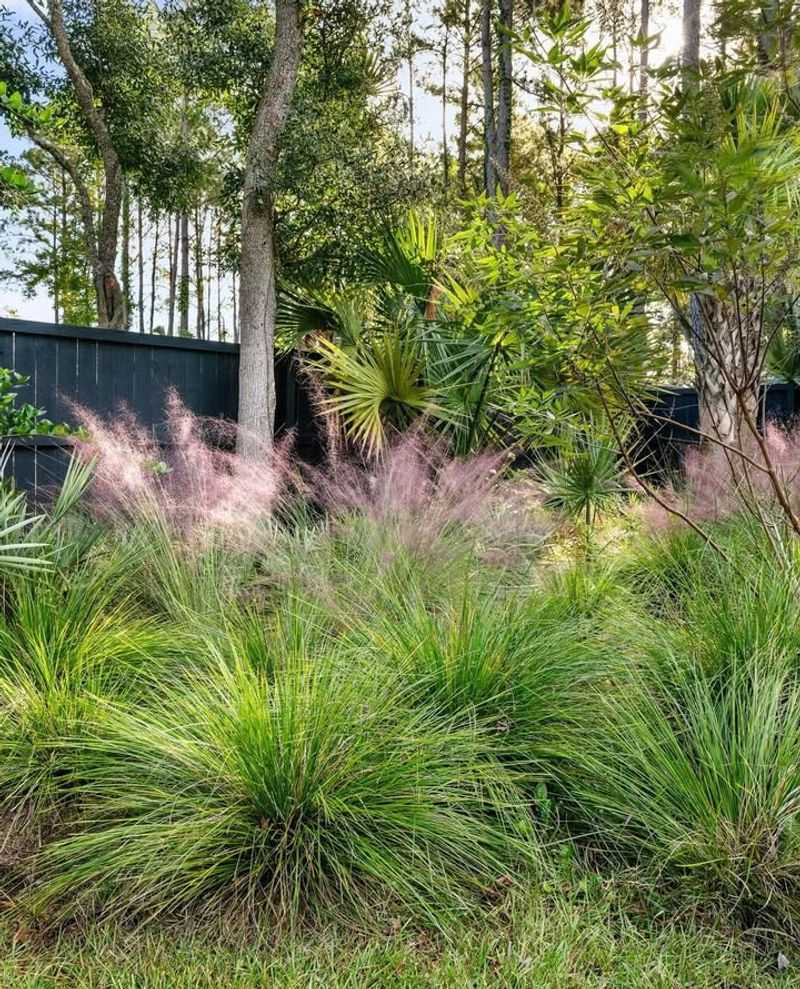
Ornamental texture comes from feathery pink plumes that emerge in fall and persist through winter, adding movement to landscapes.
Drought resistance makes muhly grass perfect for Florida gardeners who want beautiful plants without constant irrigation or water waste.
Structural interest develops as this perennial forms rounded clumps that contrast beautifully with lower-growing flowering plants nearby.
Florida winter landscape value increases because muhly grass maintains its shape and color when temperatures drop during cooler months.
Watering needs remain minimal once established, and this grass thrives on rainfall alone throughout most of the year.
Full sun locations bring out the best plume production and color intensity, though partial shade works reasonably well too.
Pruning involves cutting back foliage once yearly in early spring before new growth emerges from the base clumps.
Busy homeowners love muhly grass because it requires almost no attention yet delivers stunning visual impact during winter seasons.
8. Firebush
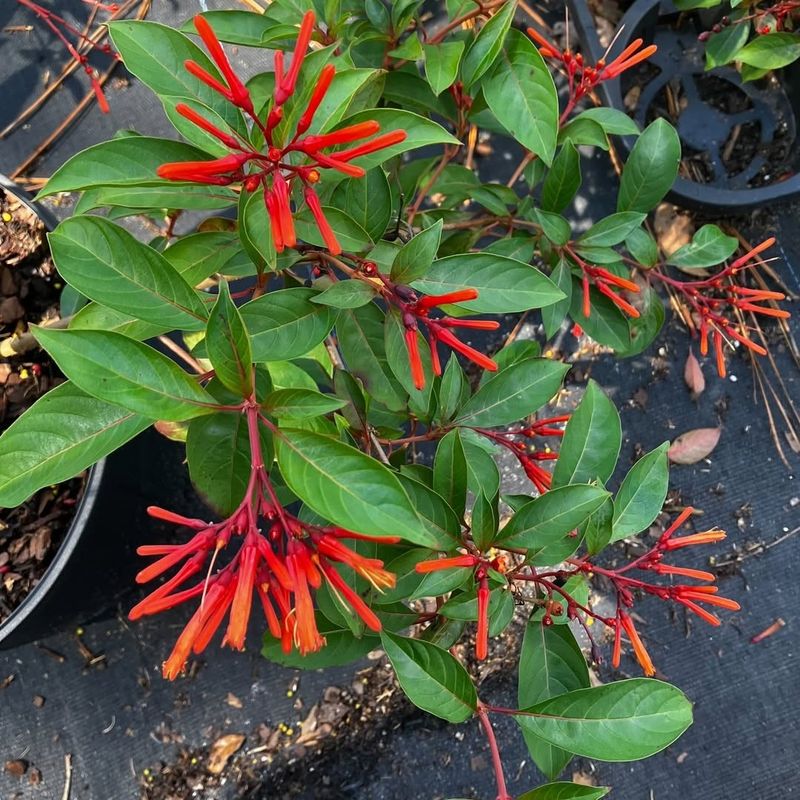
Evergreen tendencies mean firebush retains foliage throughout Florida winters, providing year-round structure and color in landscape beds.
Wildlife appeal draws hummingbirds and butterflies constantly as they feed on nectar from tubular orange-red flowers along stems.
Pruning ease comes naturally since firebush responds well to shaping cuts that keep it compact and tidy looking.
Florida winter strength shows through because this perennial continues blooming even when overnight temperatures dip into the forties.
Watering requirements decrease significantly once roots establish deeply, and firebush survives dry periods without showing wilting symptoms.
Full sun to partial shade locations work equally well, giving you flexibility when designing your outdoor spaces creatively.
Sandy soils suit firebush perfectly, and it rarely needs fertilizer applications to maintain healthy growth and abundant flowering.
Gardeners appreciate how this perennial provides months of color with minimal effort, making it ideal for busy schedules.
9. Dianella
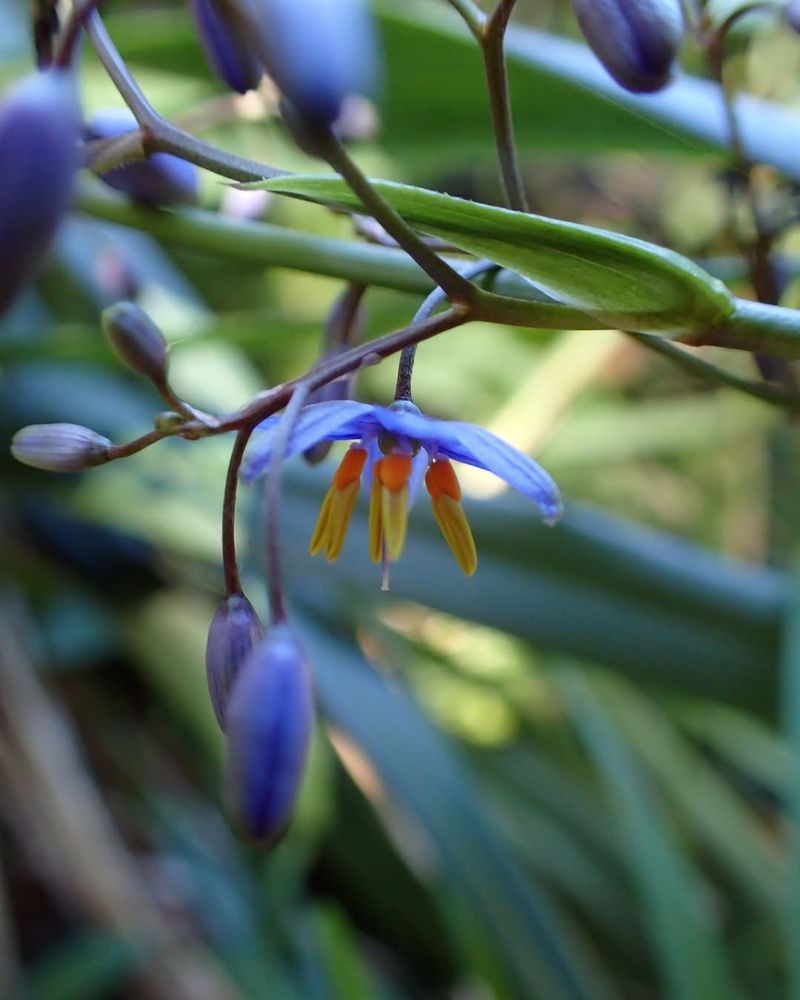
Strap-like foliage brings architectural interest to garden beds and containers, creating vertical lines that contrast with rounded plant forms.
Container versatility makes dianella perfect for patios, porches, and balconies where ground planting space remains limited or unavailable.
Minimal watering needs appeal to gardeners who want attractive plants without constant irrigation schedules or high water bills.
Florida winter durability shines through because dianella maintains its blue-green foliage color even during the coolest months here.
Partial shade to full sun locations work equally well, and this perennial adapts to various light conditions around properties.
Purple berries follow small flowers, adding seasonal interest and attracting birds that feed on the fruits during winter.
Sandy or amended soils suit dianella perfectly, and it rarely suffers from pest or disease problems that affect other perennials.
Busy homeowners love how this plant requires almost no maintenance yet provides year-round visual appeal in landscapes.
10. Pentas
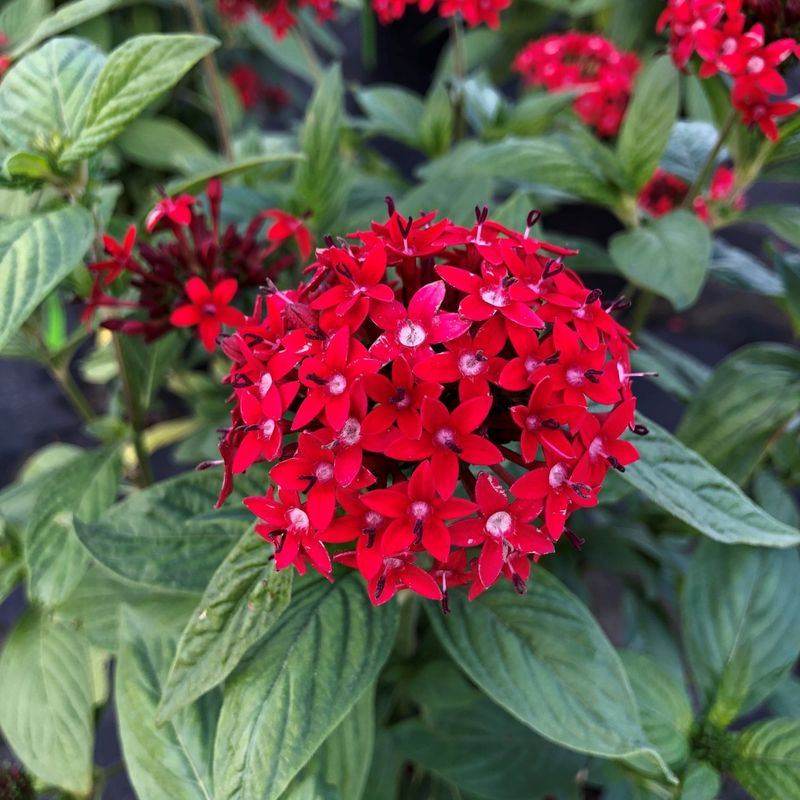
Continuous blooming happens throughout Florida winters as pentas produces star-shaped flower clusters in pink, red, white, or purple shades.
Pollinator interest stays high because butterflies visit pentas constantly, adding movement and ecological value to your outdoor living areas.
Simple upkeep involves occasional deadheading to encourage more blooms, but skipping this task does not harm plant health significantly.
Florida mild-winter success means pentas thrives when temperatures stay above freezing, which happens most winters in our state.
Watering needs remain moderate once established, and pentas tolerates short dry spells without showing stress or wilting symptoms.
Full sun to partial shade locations produce the best flowering results, though more shade reduces bloom counts slightly.
Well-drained soil prevents root rot issues, so consider planting pentas in raised beds or amended areas if drainage worries exist.
Gardeners appreciate how pentas provides months of color with minimal effort, making it perfect for low-maintenance landscape designs.
11. Society Garlic
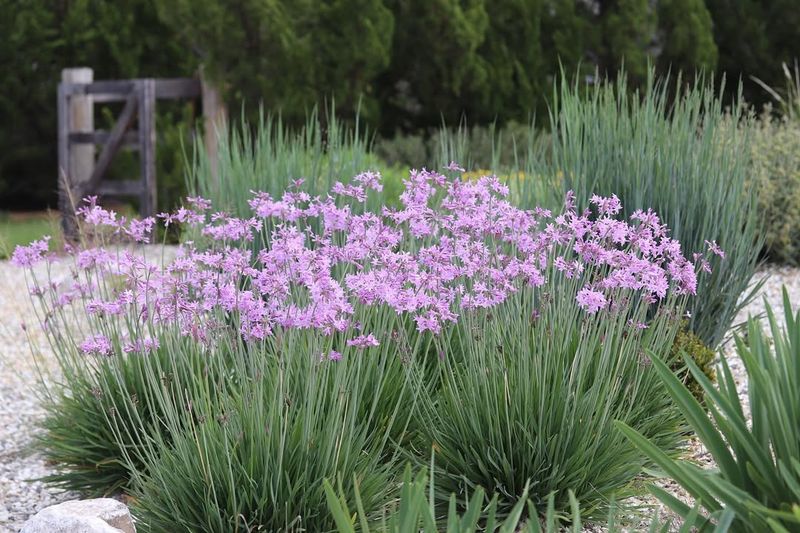
Clumping habit creates neat mounds of grass-like foliage topped with purple tubular flowers that bloom throughout cooler months.
Drought tolerance makes society garlic ideal for Florida gardeners who prioritize water conservation and reduced irrigation system usage.
Scent benefits come from foliage that releases a mild garlic aroma when brushed, though flowers smell pleasantly sweet instead.
Florida winter garden ease shows through because this perennial requires almost no attention once roots establish in beds.
Watering needs stay minimal as society garlic survives on rainfall alone throughout most of the year without supplemental irrigation.
Full sun locations produce the most abundant flowering, though this perennial tolerates partial shade with slightly reduced bloom production.
Sandy or loamy soils suit society garlic perfectly, and it rarely needs fertilizer applications to maintain healthy growth patterns.
Busy homeowners love how this perennial resists pests and diseases while providing months of color with virtually no effort.
12. Salvia
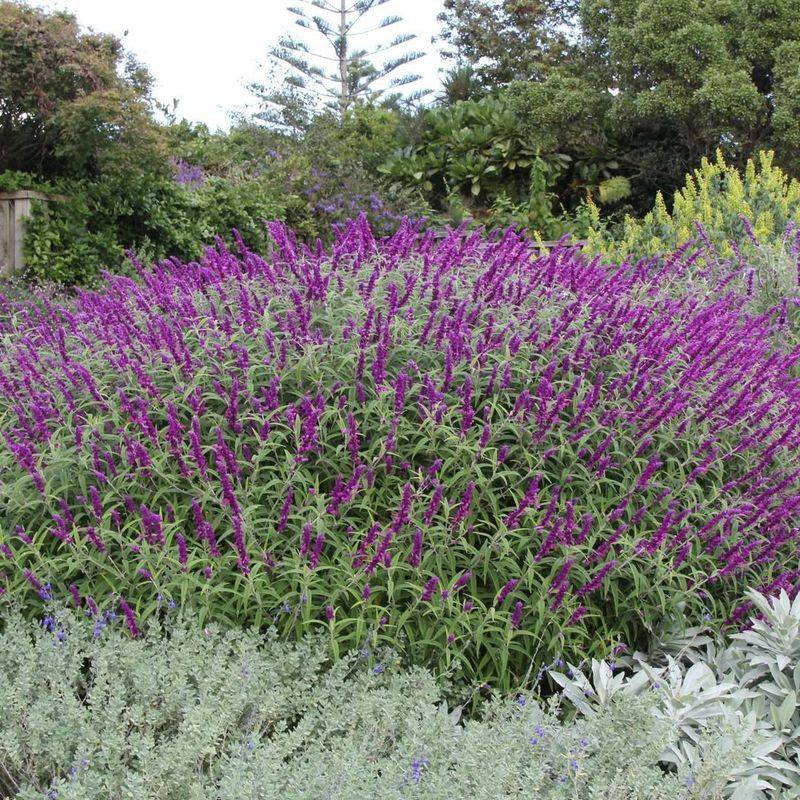
Toughness defines this perennial as it survives Florida heat, occasional cold snaps, and drought periods without showing significant stress.
Long bloom periods mean salvia produces flower spikes for weeks on end, providing consistent color throughout winter months.
Reduced care requirements make this plant perfect for gardeners who want reliable results without mastering complicated growing techniques.
Florida-friendly winter performance shines through because salvia continues blooming even when temperatures drop into the fifties overnight.
Watering needs decrease significantly once roots establish deeply, and salvia thrives on natural rainfall patterns most months.
Full sun exposure brings out the best flowering potential, though this perennial tolerates light afternoon shade reasonably well.
Well-drained soil prevents root rot issues, so avoid planting salvia in low spots where water pools after rainstorms.
Gardeners appreciate how salvia attracts hummingbirds and butterflies while resisting deer browsing, making it ideal for various landscape settings.
13. Frogfruit
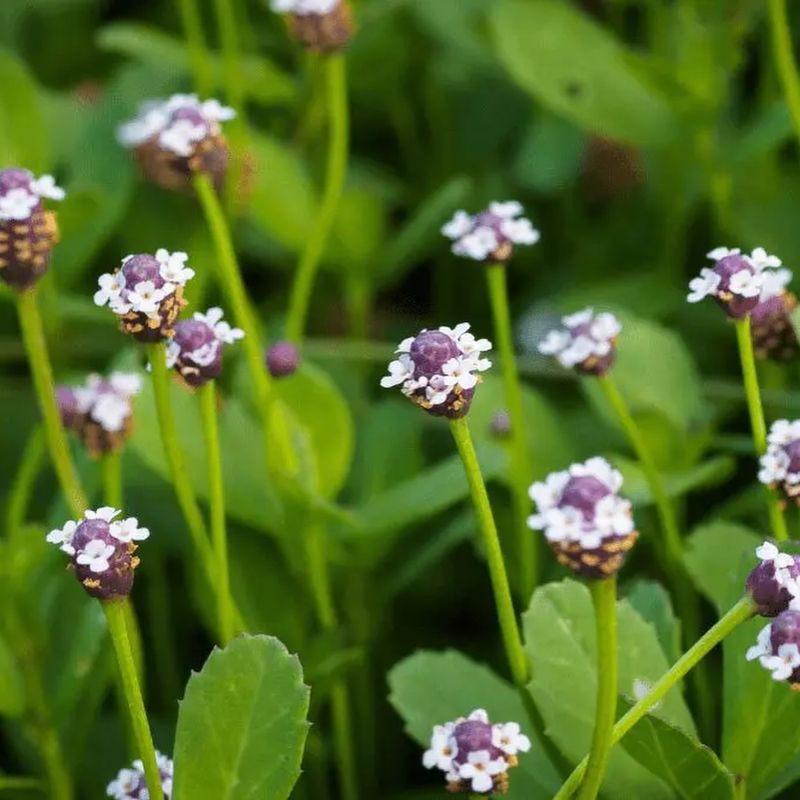
Groundcover use makes frogfruit perfect for replacing traditional lawns in areas where mowing becomes difficult or time-consuming.
Low mowing needs appeal to homeowners who want green coverage without weekly cutting, edging, and yard waste disposal chores.
Drought tolerance means frogfruit survives extended dry spells without browning or thinning out like traditional grass varieties often do.
Florida-native winter coverage continues throughout cooler months as this perennial maintains its green foliage and small white flowers.
Watering requirements stay minimal once frogfruit establishes roots, and it thrives on rainfall alone throughout most of the year.
Full sun to partial shade locations work equally well, giving you flexibility when planning groundcover areas around properties.
Sandy or loamy soils suit frogfruit perfectly, and it rarely suffers from pest problems that plague other low-growing plants.
Busy gardeners love how frogfruit attracts butterflies while requiring almost no maintenance beyond occasional trimming to control spread.
14. Gaura
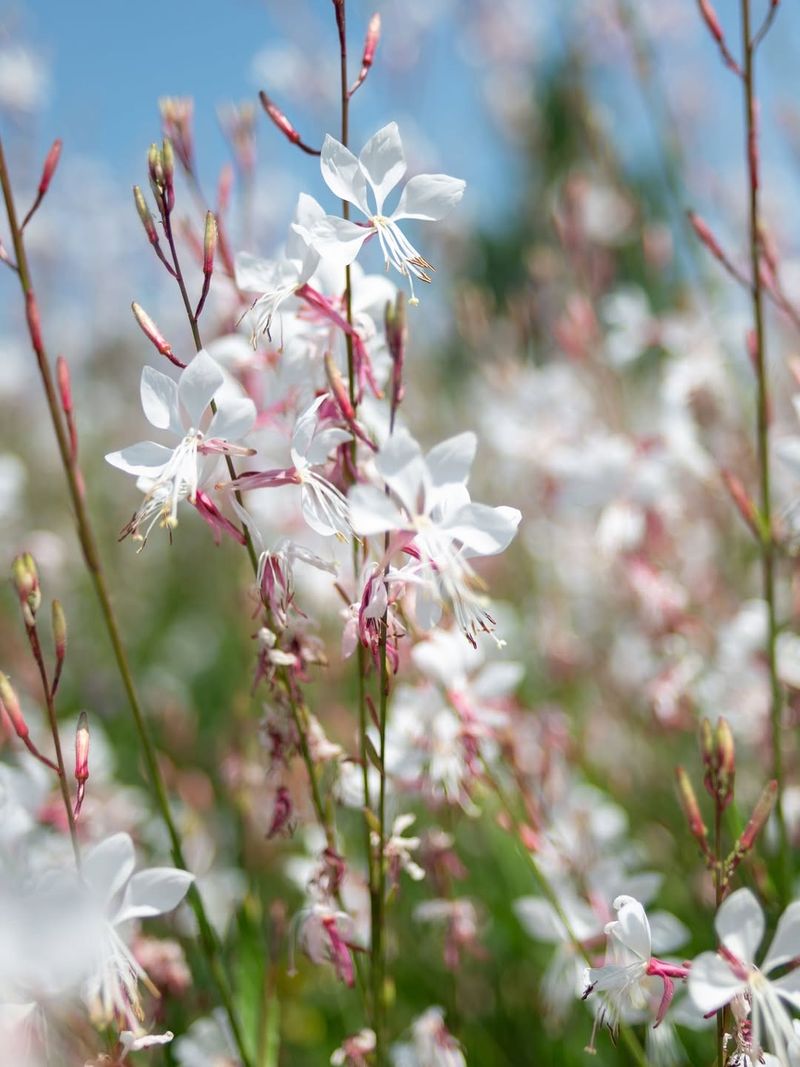
Airy blooms dance on thin stems, creating graceful movement in garden beds as breezes pass through during winter months.
Minimal pruning requirements make gaura perfect for gardeners who want beautiful plants without constant trimming and shaping tasks.
Resilience shows through because this perennial survives heat, drought, and occasional cold snaps without suffering permanent damage.
Florida winter garden movement comes from delicate white or pink flowers that sway gently, adding life to static landscapes.
Watering needs remain minimal once roots establish deeply, and gaura thrives on natural rainfall patterns throughout most months.
Full sun locations produce the most abundant flowering, though this perennial tolerates partial shade with slightly reduced bloom counts.
Well-drained soil prevents root rot issues, so consider planting gaura in raised beds or amended areas if drainage worries exist.
Busy homeowners appreciate how gaura provides months of color with minimal effort, making it ideal for low-maintenance landscape plans.
15. Yarrow
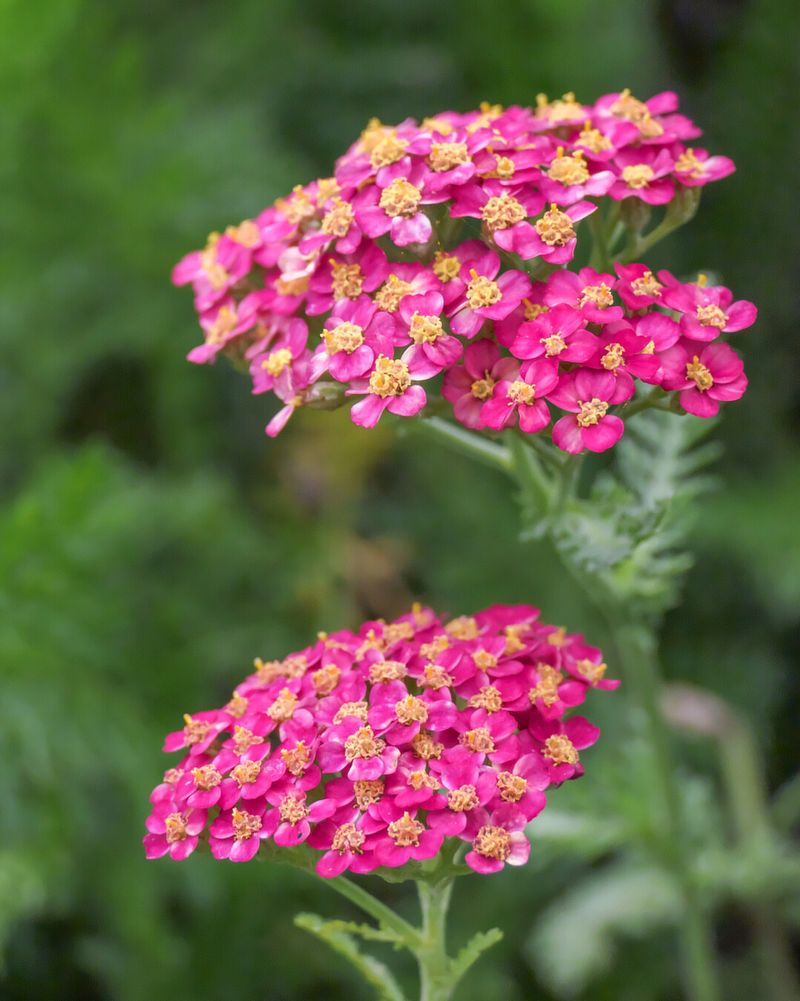
Adaptability defines yarrow as it thrives in various soil types and light conditions without requiring amendments or special preparations.
Low watering needs make this perennial ideal for Florida gardeners who prioritize conservation and reduced irrigation system usage.
Simple maintenance involves occasional deadheading to encourage more blooms, but skipping this task does not harm plant health significantly.
Florida winter garden reliability shines through because yarrow maintains foliage and produces flowers even during cooler months here.
Watering requirements stay minimal once established, and yarrow survives dry spells without showing stress or wilting symptoms.
Full sun to partial shade locations work equally well, giving you flexibility when designing your outdoor spaces creatively.
Sandy or loamy soils suit yarrow perfectly, and it rarely needs fertilizer applications to maintain healthy growth patterns.
Busy homeowners love how yarrow attracts beneficial insects while resisting pests and diseases, making it perfect for organic gardens.