11 Companion Planting Combos That Actually Work During Florida Winters
Florida winters flip the gardening script.
While much of the country shuts down, Sunshine State beds stay alive with lettuce, carrots, broccoli, and berries pushing happily through cool days and gentle nights.
That year round growing power is pure gold, yet plenty of gardens still underperform because plants are treated like solo acts instead of part of a well rehearsed band.
Companion planting turns ordinary winter beds into high yielding ecosystems.
The right pairings block pests, stretch space, improve soil, and boost flavor without extra work or chemicals.
When crops that naturally support each other share the same soil, everything grows stronger, healthier, and more productive.
These eleven Florida tested combinations take full advantage of the mild winter climate and turn every square foot of garden into a harvest packed powerhouse.
1. Lettuce + Carrots
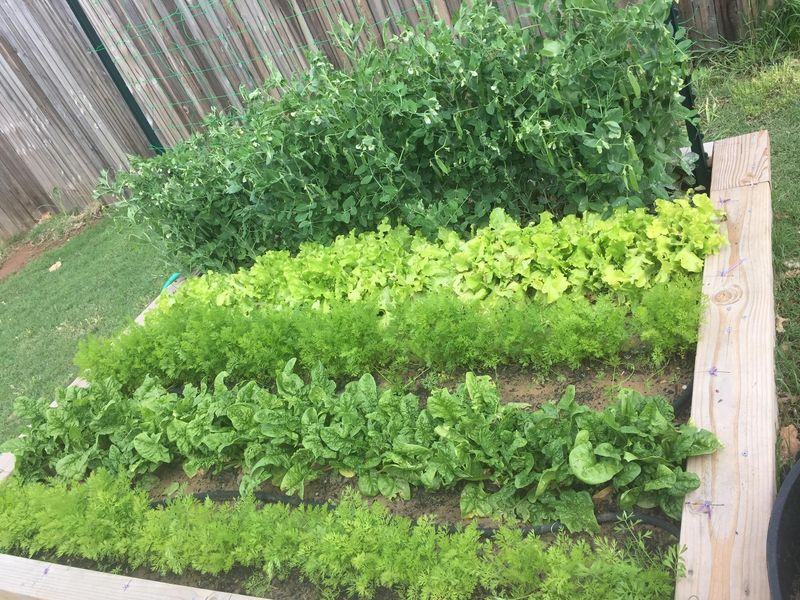
Lettuce and carrots share perfect timing for Florida’s cool season, making them natural companions that grow beautifully side by side.
Shallow lettuce roots occupy the top few inches of soil while carrot taproots drive deep down without competing.
Florida’s winter soil stays loose and workable, allowing carrots to develop straight roots while lettuce spreads its delicate foliage above.
Cool nights and mild days create ideal conditions for both crops, preventing lettuce from bolting and keeping carrots sweet.
Gardeners appreciate how lettuce fills space quickly while carrots mature slowly, maximizing every square inch of precious garden beds.
Harvesting lettuce leaves continuously doesn’t disturb developing carrots tucked safely below the surface in Florida’s sandy loam.
Both plants prefer consistent moisture, so watering routines stay simple when you grow them together during winter months.
This pairing demonstrates how understanding root zones transforms ordinary garden beds into productive, efficient growing spaces throughout Florida winters.
2. Broccoli + Dill
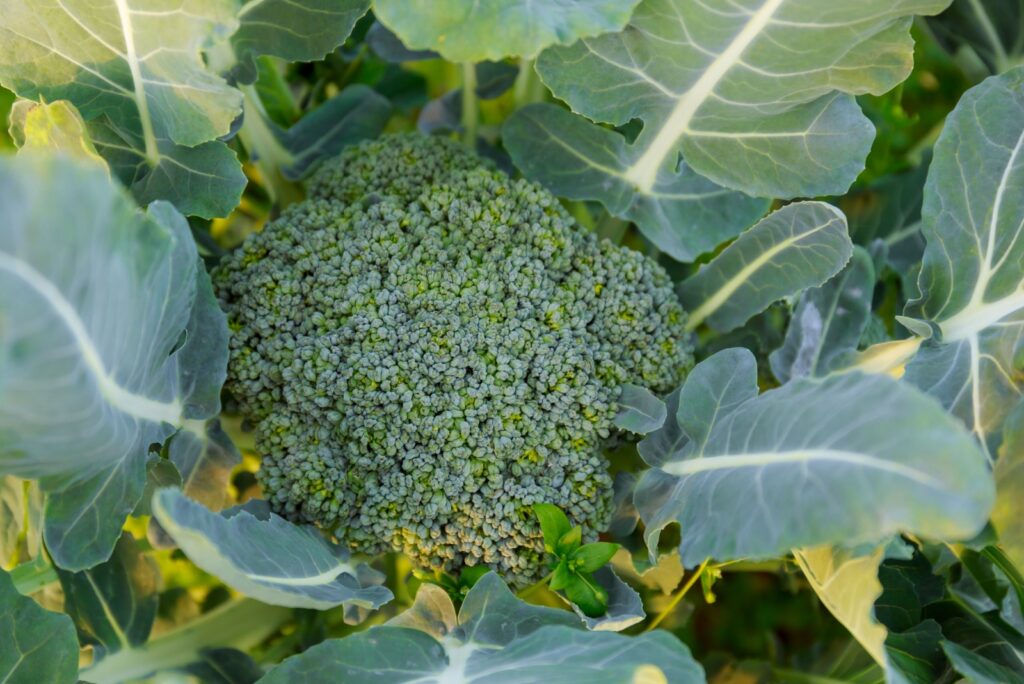
Broccoli thrives in Florida winters, and pairing it with dill creates a pest-confusing combination that protects your harvest naturally.
Dill’s feathery foliage releases aromatic compounds that mask broccoli’s scent, making it harder for cabbage worms to locate their target.
Florida’s mild winter temperatures allow both plants to grow vigorously without the harsh freezes that limit northern companion planting options.
Airflow improves when dill’s tall, airy structure grows among broccoli’s broad leaves, reducing moisture buildup that encourages fungal problems.
Broccoli heads develop beautifully during cool months while dill continues producing fragrant foliage for kitchen use and pest management.
Gardeners notice fewer caterpillar problems when dill stands guard nearby, reducing the need for interventions that disrupt garden ecosystems.
Both crops appreciate Florida’s winter sunshine and moderate rainfall patterns, making care routines straightforward and rewarding for home growers.
This combination proves that strategic planting creates natural protection systems more effective than treating problems after they appear in gardens.
3. Kale + Onions
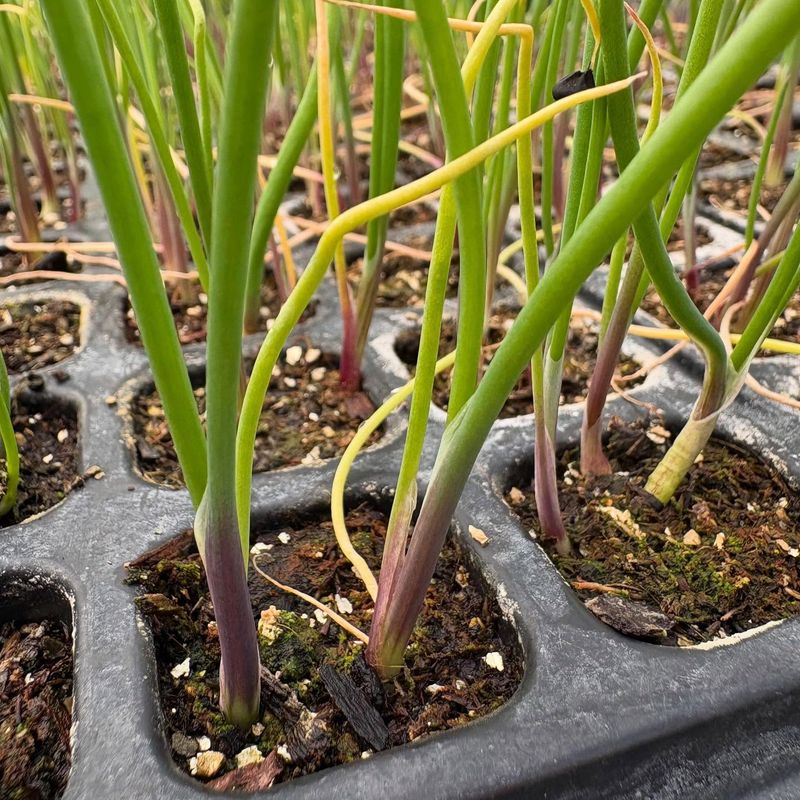
Kale and onions make efficient use of limited garden space because their growth habits complement each other perfectly throughout winter.
Onions grow vertically with narrow foliage while kale spreads broad leaves horizontally, allowing both crops to access sunlight without crowding.
Florida’s winter climate suits both plants beautifully, providing cool temperatures that sweeten kale and encourage steady onion bulb development.
Your Florida Garden Changes Every Week. Your Plan Should Too.
Gardening in Florida changes quickly throughout the season. Every Friday you’ll receive a simple weekly plan showing exactly what to plant, prune, fertilize, harvest, and protect so you never miss the right timing.
Onion’s pungent scent naturally masks kale from aphids and other pests that typically target brassicas during Florida’s mild months.
Space efficiency becomes crucial in smaller Florida yards, and this pairing delivers two harvests from the same square footage.
Kale’s deep green leaves signal health and vigor when grown alongside onions, showing how compatible root systems share nutrients effectively.
Winter toughness defines both crops, as they handle Florida’s occasional cold snaps without suffering damage or requiring special protection.
Gardeners harvest kale leaves continuously while onions mature underground, creating a productive system that feeds families for months on end.
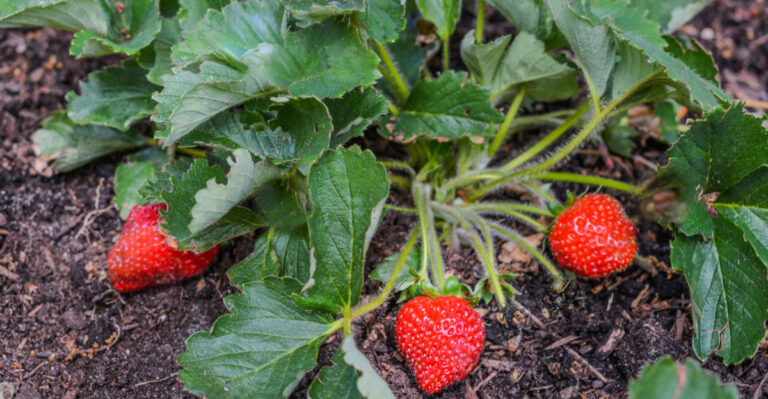
4. Spinach + Strawberries
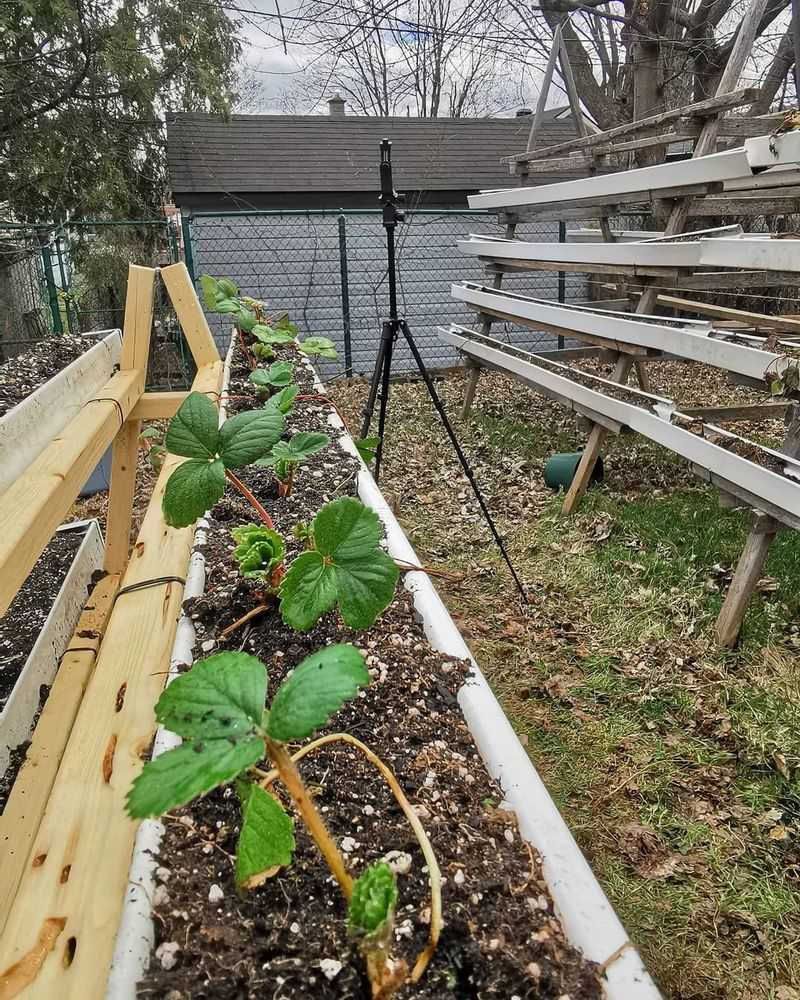
Spinach serves as living mulch beneath strawberry plants, creating a ground coverage system that conserves moisture and suppresses weeds naturally.
Florida winters provide perfect conditions for strawberries to flower and fruit while spinach thrives in the cool temperatures alongside them.
Both crops prefer consistent soil moisture, so watering schedules align perfectly without requiring separate attention or complicated irrigation adjustments.
Spinach leaves shade soil surfaces, keeping strawberry roots cool and moist even during Florida’s warmer winter afternoons and sunny days.
Space-saving advantages become obvious as strawberries grow upward and outward while spinach fills gaps below, maximizing vertical garden dimensions.
Gardeners appreciate harvesting two nutritious crops from the same bed, with spinach providing greens while strawberries deliver sweet fruit.
Florida’s mild winters rarely damage either plant, allowing both to produce abundantly without the frost protection required in colder climates.
This pairing demonstrates how layering plants at different heights creates productive ecosystems that work smarter rather than harder throughout winter.
5. Cabbage + Celery
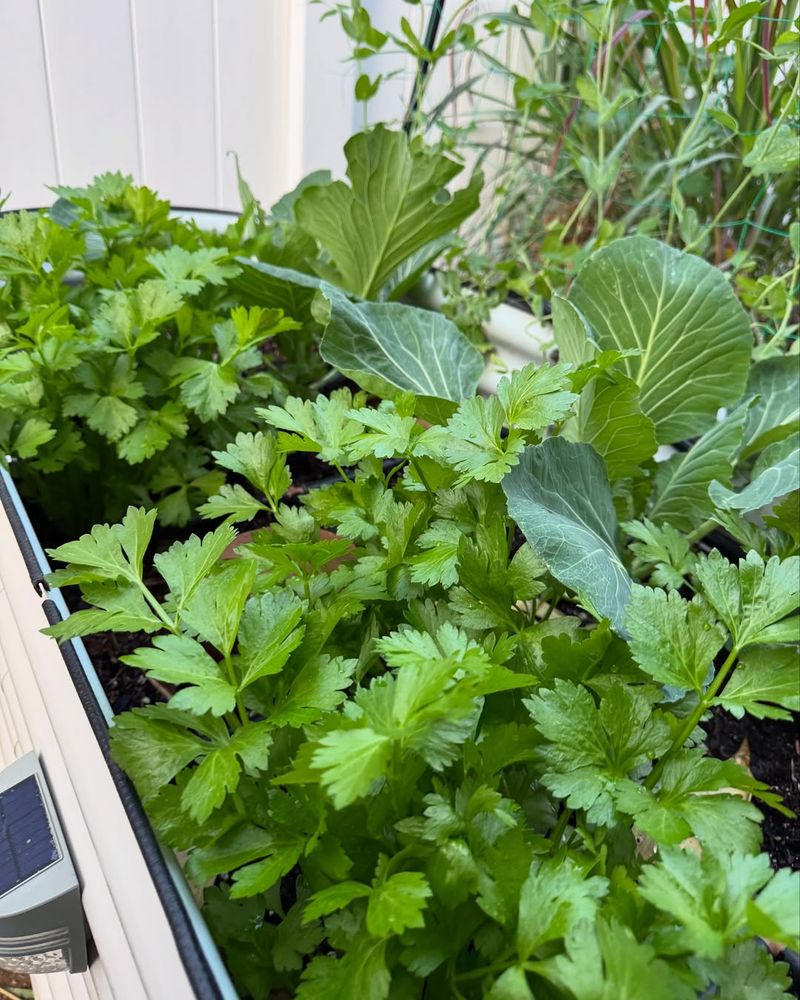
Cabbage and celery both excel during Florida’s cool season, sharing similar water and nutrient needs that simplify garden maintenance considerably.
Celery’s strong aroma confuses pests searching for cabbage, providing natural protection that reduces damage from common Florida garden insects.
Winter resilience defines both crops, as they handle temperature fluctuations and occasional chilly nights without suffering setbacks or growth delays.
Cabbage forms tight heads while celery develops crisp stalks, giving gardeners two distinct textures and flavors from one well-planned bed.
Florida’s winter rainfall patterns typically provide adequate moisture for both plants, though supplemental watering ensures consistent growth during dry spells.
Nutrient demands differ slightly between these crops, preventing direct competition as cabbage focuses on leaf production and celery on stalk development.
Pest distraction occurs naturally when celery’s scent mingles with cabbage, creating confusion that benefits both plants throughout the growing season.
Gardeners report healthier cabbage heads and sturdier celery stalks when these companions share space in Florida’s productive winter gardens.
6. Radishes + Leafy Greens
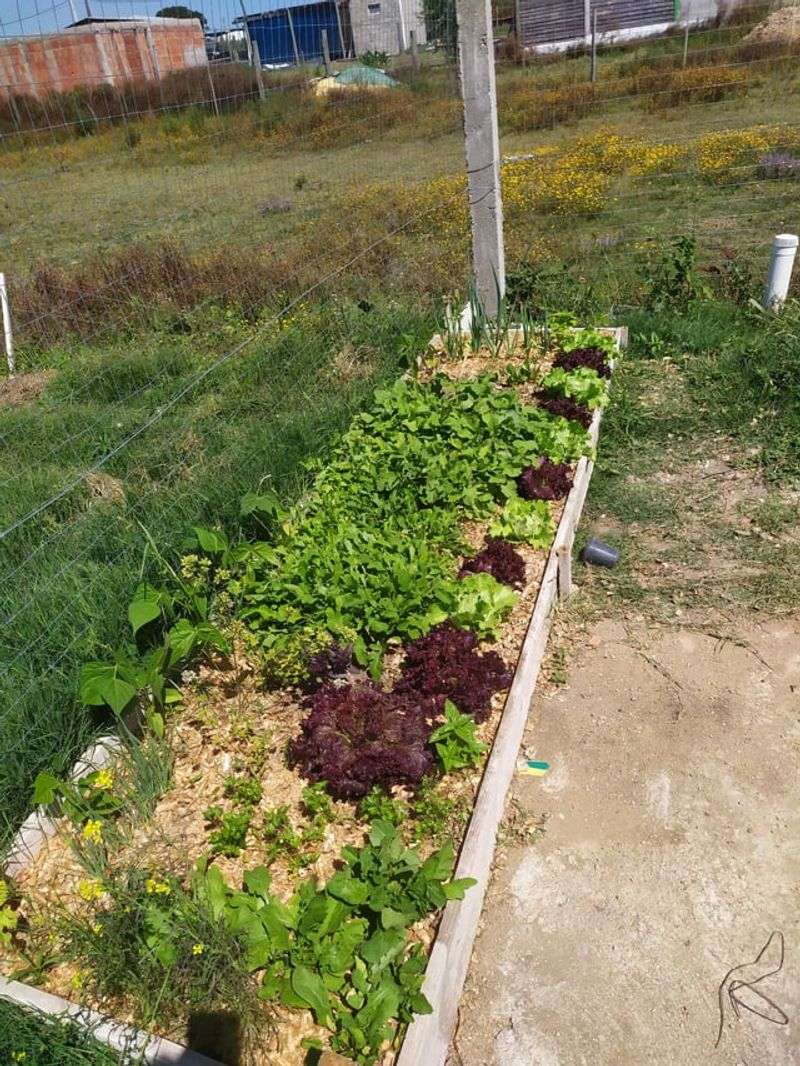
Radishes mature incredibly fast in Florida winters, often ready to harvest within three weeks of planting alongside slower-growing leafy greens.
Fast harvest timing means radishes finish before leafy greens need the space, creating a succession system that maximizes bed productivity.
Radish roots naturally loosen compacted soil as they develop, improving drainage and aeration for neighboring greens in Florida’s sometimes dense earth.
Efficient bed use becomes possible because radishes act as row markers, showing where slower greens will eventually fill in completely.
Florida’s winter speed suits radish growth perfectly, as cool temperatures keep them crisp and mild rather than hot and pithy.
Leafy greens benefit from the soil disturbance radishes create, establishing stronger root systems in the loosened earth left behind.
Gardeners enjoy quick wins with radish harvests while waiting for lettuces, mustards, and other greens to reach full maturity later.
This pairing teaches valuable lessons about timing and space management that transform ordinary garden beds into highly productive winter systems.
7. Peas + Carrots
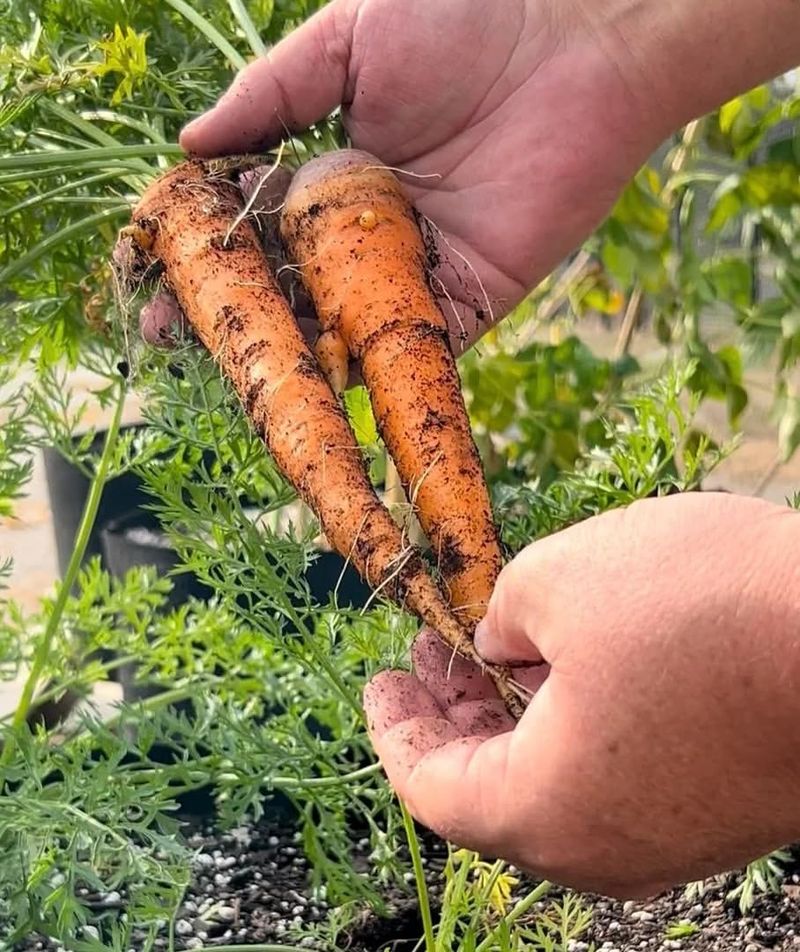
Peas climb vertically on trellises while carrots grow downward into soil, creating a three-dimensional garden that uses space brilliantly.
Nitrogen-fixing bacteria on pea roots enrich soil naturally, providing carrots with nutrients that promote healthy root development throughout winter.
Florida’s winter soil conditions stay perfect for carrot growth while peas appreciate cool temperatures that encourage abundant pod production.
Vertical growth benefits become obvious as peas reach upward toward sunlight without shading the feathery carrot tops below them.
Root development happens at different depths, with carrots driving deep taproots while peas spread shallow networks that share space peacefully.
Gardeners harvest sweet pea pods from above while carrots mature underground, creating a system that delivers two crops simultaneously.
Florida winters provide the extended cool season both plants need, unlike shorter northern growing periods that rush development.
This combination shows how understanding plant architecture transforms flat garden beds into productive vertical systems that feed families abundantly.
8. Garlic + Lettuce
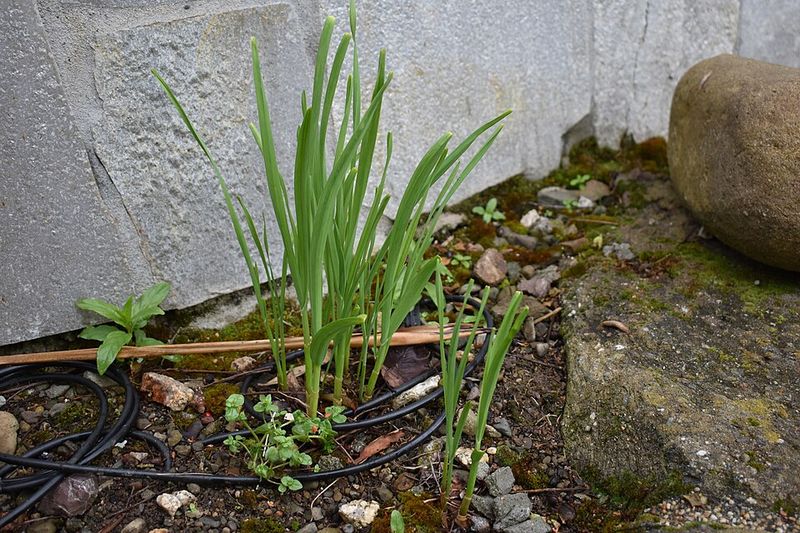
Garlic’s pungent scent naturally deters aphids and other soft-bodied pests that commonly target lettuce during Florida’s mild winter months.
Spacing harmony exists between these crops because garlic grows upright and narrow while lettuce spreads horizontally at ground level.
Winter growth cycles align perfectly, with garlic establishing roots slowly while lettuce provides quick harvests from the same garden space.
Florida planting reliability improves when garlic stands guard around lettuce, creating an aromatic barrier that confuses pests searching for targets.
Lettuce appreciates the pest protection garlic provides without any competition for nutrients, sunlight, or moisture in well-prepared beds.
Garlic bulbs develop underground throughout winter while gardeners harvest lettuce leaves continuously from above without disturbing garlic roots.
Cool temperatures suit both crops beautifully, preventing lettuce from bolting prematurely and allowing garlic to develop strong, flavorful bulbs.
Gardeners notice cleaner lettuce leaves and fewer pest problems when garlic companions share space in Florida’s productive winter gardens.
9. Swiss Chard + Herbs
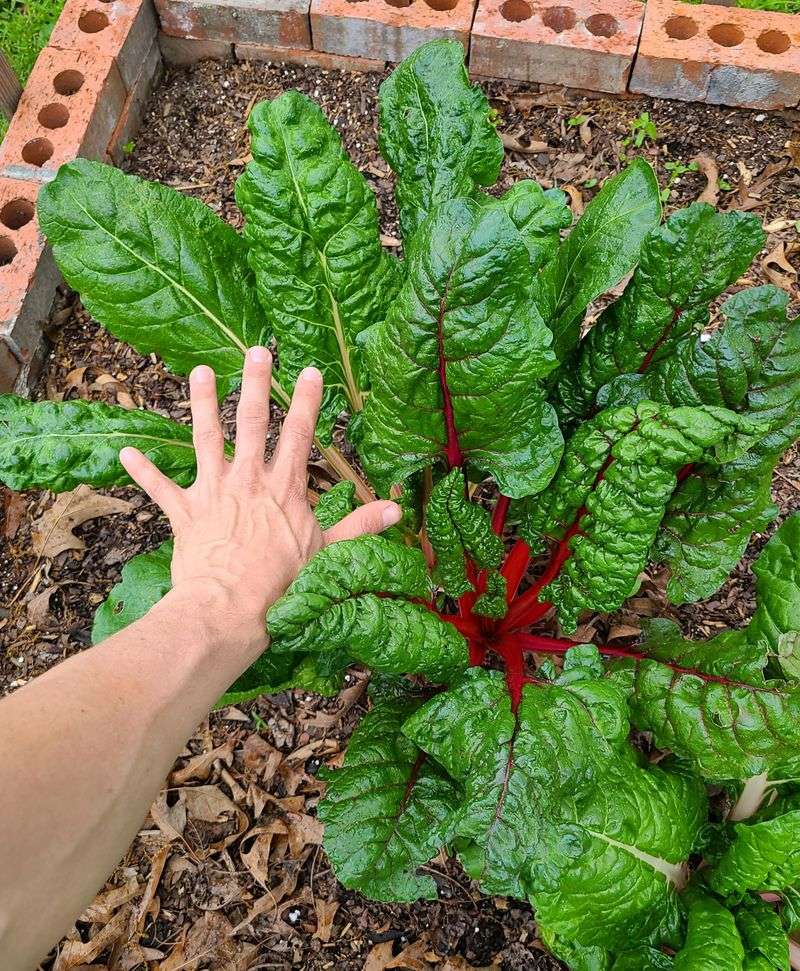
Swiss chard’s bold leaves pair beautifully with compact herbs, creating visually stunning combinations that thrive in Florida’s winter container gardens.
Flavor protection occurs naturally as aromatic herbs mask chard from pests while both plants enjoy similar light and water requirements.
Compact growth habits make this combination perfect for small spaces, balconies, and patios where Florida gardeners maximize limited square footage.
Florida winter light provides exactly what both chard and herbs need, delivering moderate sunshine that prevents bolting and encourages steady growth.
Container compatibility becomes obvious as shallow herb roots share space peacefully with chard’s deeper root system in well-draining potting mix.
Herbs like parsley, cilantro, and basil release protective scents that benefit chard while creating a culinary garden within arm’s reach.
Gardeners harvest herbs frequently and chard leaves continuously, creating a productive system that supplies fresh ingredients throughout winter months.
This pairing demonstrates how thoughtful combinations transform ordinary containers into beautiful, functional gardens that perform brilliantly during Florida winters.
10. Beets + Onions
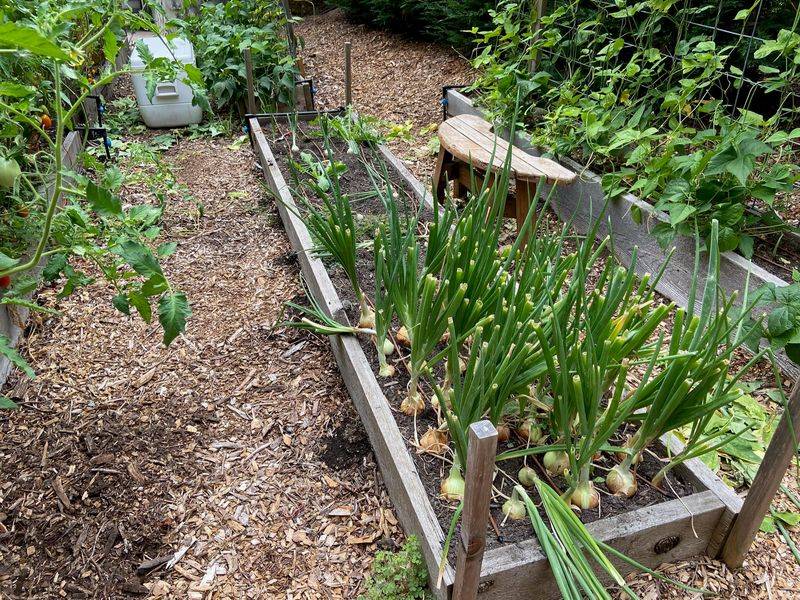
Beets and onions occupy different soil depths, with beets forming round roots near the surface while onion bulbs develop slightly deeper.
Root depth differences prevent competition and allow both crops to access nutrients and moisture from separate soil layers throughout winter.
Winter spacing efficiency becomes crucial in Florida gardens, and this pairing delivers two root vegetables from the same square footage.
Florida soil performance improves when diverse root systems work different depths, naturally aerating earth and improving overall structure for future plantings.
Onions provide pest deterrence with their strong scent while beets focus on developing sweet, tender roots in cool winter temperatures.
Both crops handle Florida’s occasional temperature swings gracefully, continuing steady growth even when weather patterns shift unexpectedly during winter.
Gardeners appreciate how beets and onions mature on similar timelines, allowing coordinated harvests that simplify garden planning and meal preparation.
This combination proves that understanding root architecture creates more productive gardens by utilizing three-dimensional space beneath the soil surface effectively.
11. Calendula + Vegetables
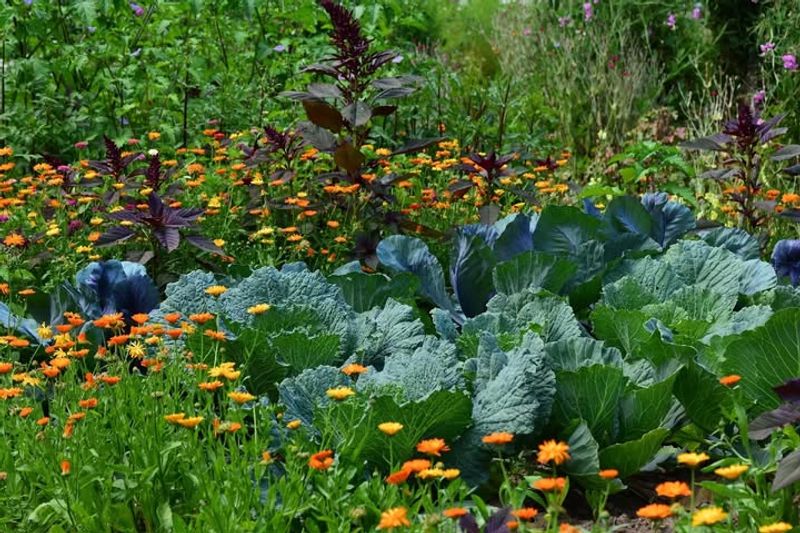
Calendula’s cheerful blooms add visual beauty to winter vegetable gardens while attracting beneficial insects that naturally manage pest populations.
Beneficial insects like ladybugs and lacewings visit calendula flowers, then patrol nearby vegetables for aphids and other problematic garden pests.
Winter hardiness defines calendula in Florida, as it blooms continuously throughout cool months when many other flowers take seasonal breaks.
Florida garden morale boosts happen naturally when bright calendula flowers brighten gray winter days and remind gardeners why they love growing.
Vegetables benefit from increased pollinator activity that calendula attracts, even though most winter crops don’t require pollination for harvest.
Calendula’s compact growth habit fits easily along garden edges and pathways without crowding vegetables or competing for essential growing space.
Gardeners report feeling more connected to their gardens when flowers and vegetables grow together, creating ecosystems rather than simple production.
This pairing demonstrates how beauty and function combine perfectly, transforming ordinary vegetable plots into vibrant, healthy gardens throughout Florida winters.