13 Quick DIY Greenhouse Hacks Every Florida Gardener Needs This Winter
Florida winters may skip the snow, but they still love to keep gardeners on their toes.
One minute the sun is blazing like it is July, the next a surprise cold snap rolls in and sends your tender plants into a tailspin.
That kind of weather can stall growth, stress seedlings, and turn a thriving garden into a guessing game.
A simple greenhouse changes the whole story.
It creates a snug, stable space where warmth and humidity stick around instead of slipping away with every cool breeze.
Even the most basic setup can make the difference between limp plants and lush, productive ones, and it does not take deep pockets or fancy tools to make it happen.
These quick DIY hacks are built for real Florida backyards and real gardeners who want to keep growing when the temperature starts playing tricks.
With a few smart tweaks, you can keep your plants happy, protected, and growing strong all winter long.
1. Bubble Wrap Insulation Layers
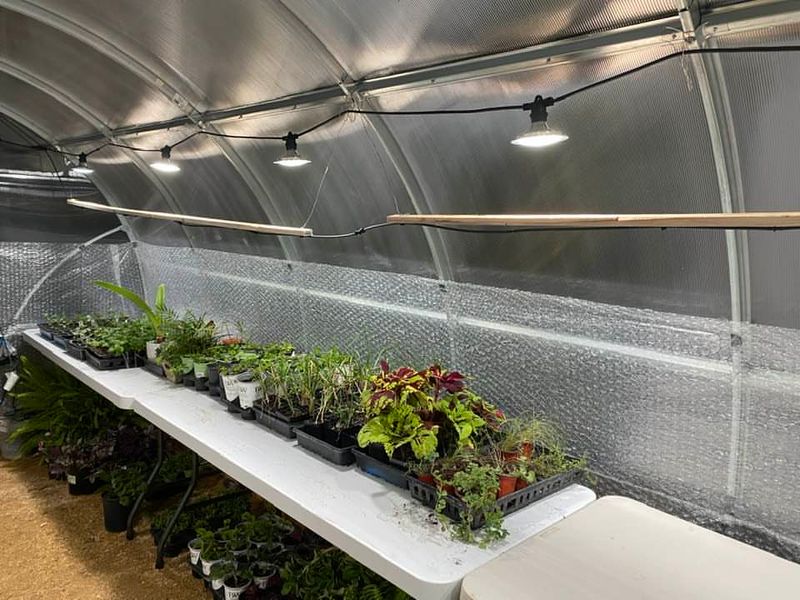
Wrapping the inside walls of your greenhouse with bubble wrap creates an affordable insulation barrier that traps warm air and blocks chilly breezes during Florida’s cooler nights.
The air pockets in bubble wrap work like tiny thermal cushions, keeping the temperature several degrees warmer without blocking too much sunlight.
You can find large rolls at any shipping supply store or even reuse packaging materials you already have at home.
Attach the bubble wrap using clips or tape, making sure to leave small gaps near vents so air can still circulate properly.
This method works especially well for hoop houses or PVC frame greenhouses where you want to extend the growing season without spending a fortune on heating systems.
Your leafy greens and herbs will thank you when they stay cozy and productive even during those unexpected cold fronts.
Change out the bubble wrap each season to keep it clean and effective, and store it rolled up during warmer months so you can reuse it year after year for maximum savings.
2. Water Jug Heat Batteries
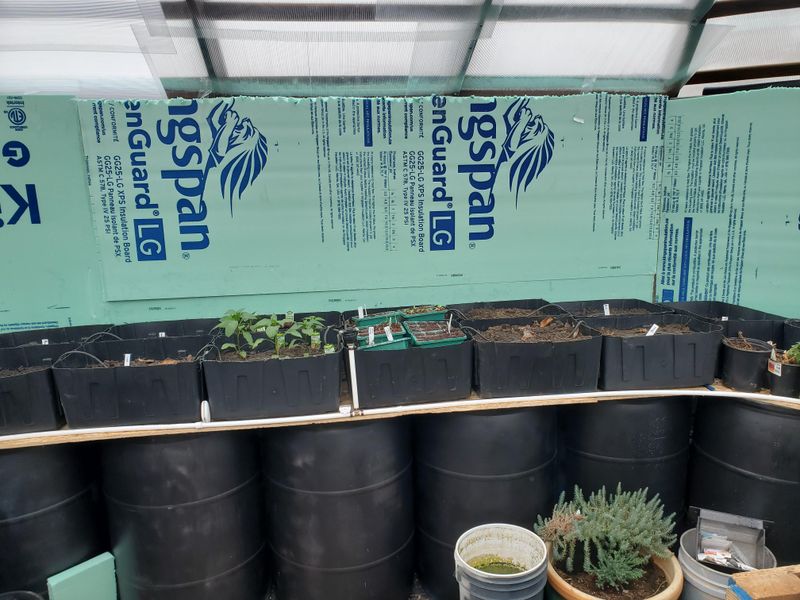
Filling dark colored jugs with water and placing them around your greenhouse creates natural heat batteries that absorb warmth during the day and release it slowly through the night.
Black or dark blue containers work best because they soak up more solar energy than lighter colors, keeping your plants comfortable when temperatures drop after sunset.
Gallon milk jugs, old soda bottles, or even five gallon buckets painted black all make excellent thermal mass storage units.
Position these water jugs along the north wall or near plants that are most sensitive to cold, and watch how they moderate temperature swings throughout the day and night.
The water stays warmer longer than the surrounding air, providing a gentle and consistent heat source that prevents frost damage without any electricity or fuel costs.
This hack is perfect for Florida winters when daytime sunshine is strong but nighttime temps can dip unexpectedly.
Refresh the water every few weeks to prevent algae buildup, and add a splash of bleach if you notice any green tint forming inside the containers for cleaner operation.
Your Florida Garden Changes Every Week. Your Plan Should Too.
Gardening in Florida changes quickly throughout the season. Every Friday you’ll receive a simple weekly plan showing exactly what to plant, prune, fertilize, harvest, and protect so you never miss the right timing.
3. PVC Pipe Hoop House Frame
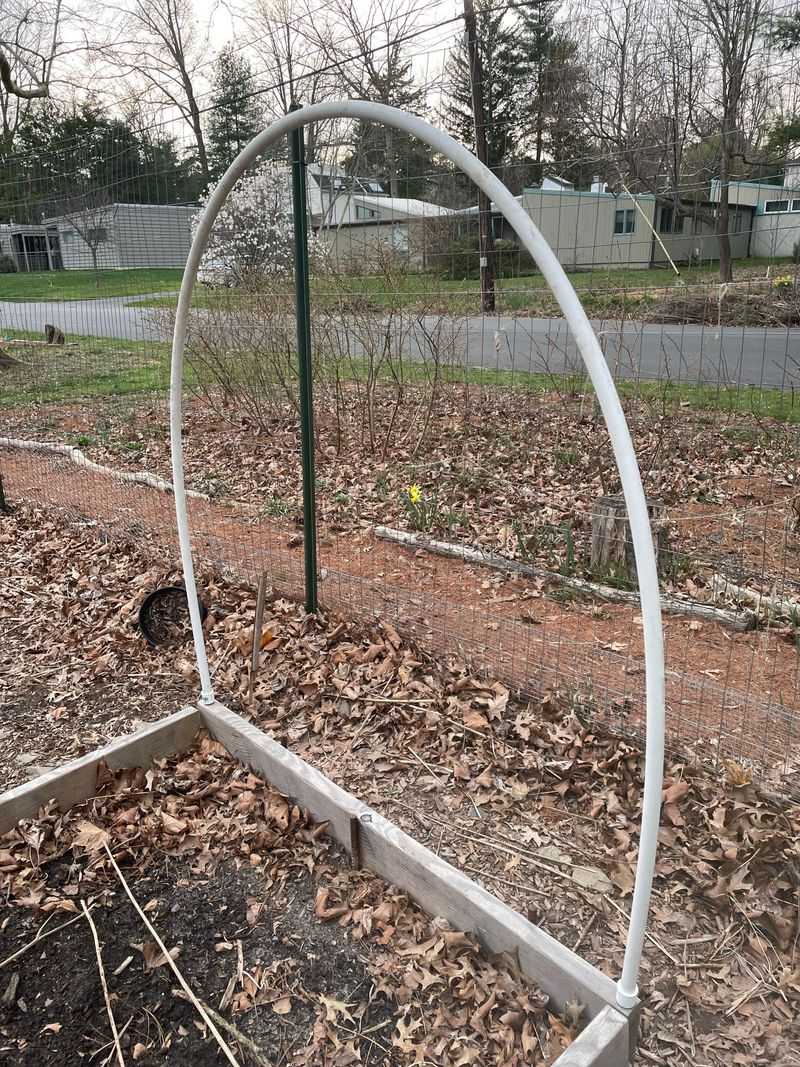
Building a simple hoop house frame from PVC pipes gives you a lightweight and flexible greenhouse structure that can be assembled in just a few hours with basic tools.
PVC is inexpensive, easy to cut and connect, and holds up well against Florida’s humidity and occasional strong winds when properly anchored.
You can create arches by bending half inch or three quarter inch pipes over a raised bed or garden plot, then covering them with greenhouse plastic or row cover fabric.
Secure the base of each pipe into the ground using rebar stakes or metal conduit driven deep into the soil, and connect the hoops with horizontal PVC crossbars for added stability.
This design allows you to customize the size and shape to fit your garden space perfectly, whether you need a small seedling shelter or a full scale growing tunnel.
The open ends can be closed with more plastic sheeting and clamps, giving you control over ventilation and temperature.
When summer arrives, simply remove the covering and leave the frame in place for shade cloth or netting to protect your warm season crops from intense sun and pests.
4. Old Window Frame Greenhouse

Repurposing old window frames into a charming mini greenhouse is a creative way to recycle materials while giving your plants a cozy winter home with plenty of natural light.
Salvaged windows from renovation projects or thrift stores can be joined together using wood screws and corner braces to form walls and a slanted roof that sheds rain and captures sunshine.
The glass panes provide excellent insulation and create a vintage aesthetic that adds character to any Florida backyard or patio.
Start by building a simple wooden base frame from two by fours, then attach the window frames vertically around the perimeter and angle one or two on top for the roof.
Make sure at least one window can open for ventilation on warmer days, because Florida winters can still bring plenty of heat and humidity that needs to escape.
Seal any gaps with weatherstripping or caulk to keep drafts out and warmth in during those chilly nights.
Paint or stain the wood frame to protect it from moisture and give your greenhouse a polished finished look that blends beautifully with your garden landscaping and outdoor decor.
5. Automatic Vent Openers
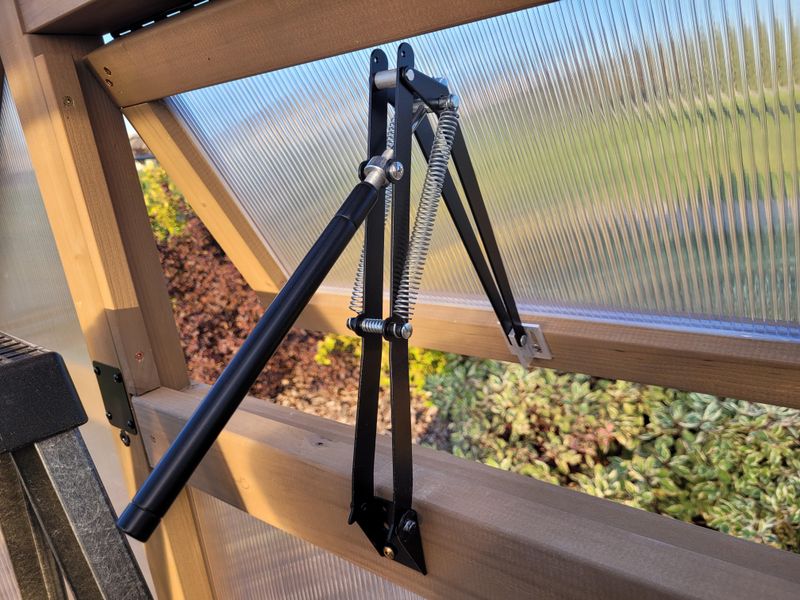
Installing automatic vent openers in your greenhouse takes the guesswork out of temperature control by using heat sensitive wax cylinders that expand and contract to open or close vents without any electricity or manual effort.
These clever devices respond directly to the air temperature inside your greenhouse, opening when it gets too warm and closing when it cools down to maintain a stable growing environment.
You can find affordable automatic vent openers at most garden supply stores or online, and they attach easily to roof vents or side windows with basic hardware.
Florida winters can surprise you with warm sunny afternoons followed by cool evenings, and automatic openers ensure your plants get fresh air when they need it without you having to monitor the greenhouse constantly.
Simply mount the opener to your vent frame, adjust the temperature trigger setting according to your plants’ needs, and let it do the work for you.
This hack is especially useful if you work during the day or travel frequently and cannot be there to manually adjust ventilation.
Check the opener’s operation every few weeks to make sure it moves smoothly and lubricate the moving parts if needed for reliable performance all season long.
6. Shade Cloth for Temperature Balance
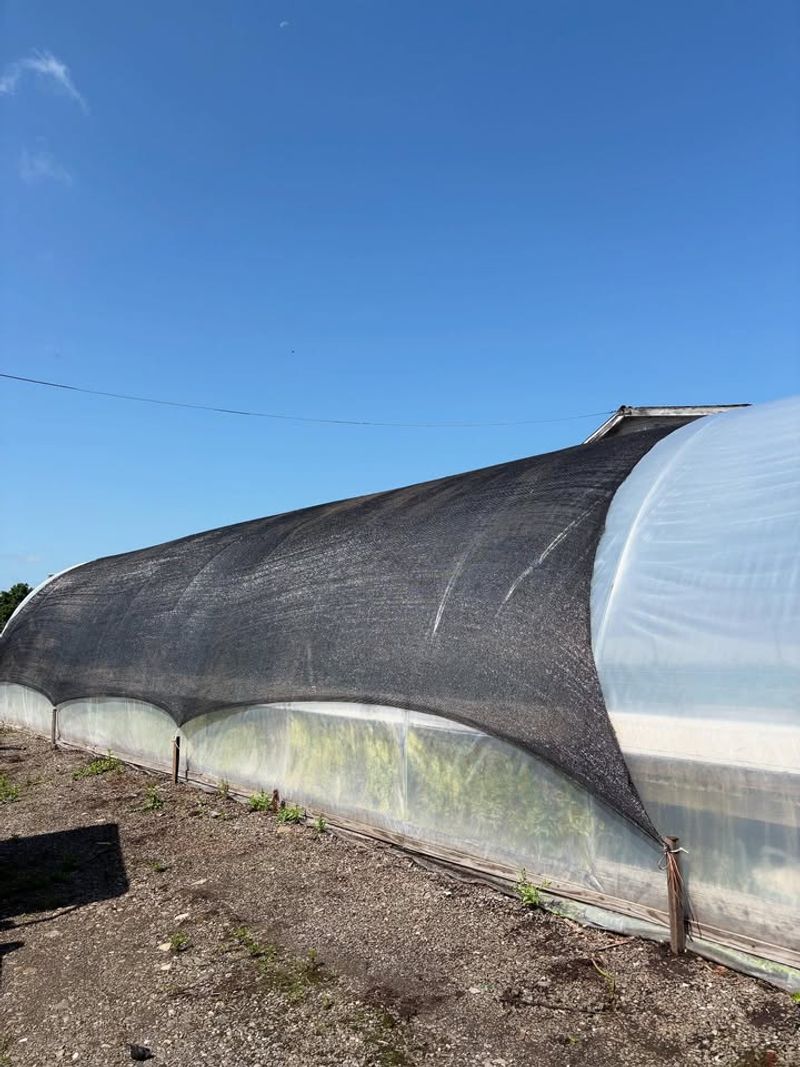
Hanging shade cloth inside or over your greenhouse helps balance temperature extremes by filtering intense midday sun while still allowing enough light for healthy plant growth during Florida’s bright winter days.
Even in winter, Florida sunshine can heat up a closed greenhouse quickly, stressing plants and causing wilting or sunburn on tender leaves.
A thirty to fifty percent shade cloth reduces light intensity without plunging your plants into darkness, creating a more comfortable environment that prevents overheating while maintaining warmth when you need it.
Attach the shade cloth to the inside roof frame using clips or bungee cords so you can easily remove it on cloudy days or during cooler stretches when you want maximum light penetration.
This flexibility gives you precise control over your greenhouse microclimate and helps you respond quickly to Florida’s unpredictable weather patterns.
Shade cloth is lightweight, inexpensive, and lasts for several seasons with proper care, making it a smart investment for any DIY greenhouse setup.
Roll up the shade cloth and store it in a dry place during the hottest months, then bring it back out in late fall when you start preparing your winter greenhouse for planting.
7. Compost Pile Heating System
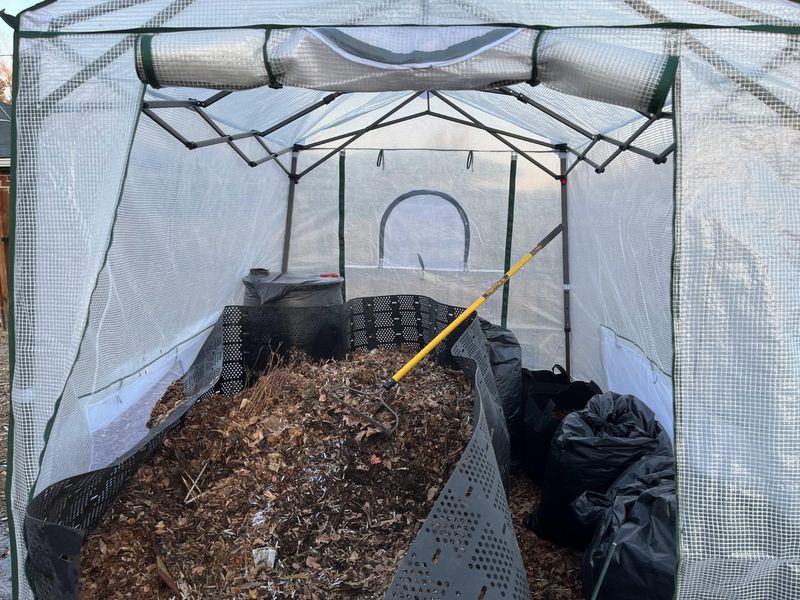
Placing an active compost pile inside or directly adjacent to your greenhouse generates natural heat as organic materials break down, providing a free and eco friendly warmth source that keeps plants cozy through chilly Florida nights.
Decomposing compost can reach internal temperatures of 130 to 160 degrees Fahrenheit, and even a modest pile releases enough ambient heat to raise the surrounding air temperature by several degrees.
Build a simple compost bin using wooden pallets or wire mesh fencing, and fill it with a balanced mix of green materials like kitchen scraps and grass clippings along with brown materials like dried leaves and shredded paper.
Turn the pile regularly to keep the microbial activity high and the heat production steady, and position it along the north side of your greenhouse where it will radiate warmth without blocking precious southern light.
This method not only warms your growing space but also produces rich finished compost that you can use to nourish your garden beds come spring.
The dual benefits make this hack a favorite among resourceful Florida gardeners who value sustainability and self sufficiency.
Monitor the pile’s moisture level and add water if it gets too dry, because active decomposition requires consistent dampness to keep those helpful microbes working efficiently.
8. Reflective Foil Backing

Attaching reflective foil or emergency blankets to the north wall of your greenhouse bounces sunlight back onto your plants, maximizing light exposure and increasing the overall warmth inside your growing space.
Reflective surfaces redirect light that would otherwise be absorbed by dark walls or lost to the outside, giving your plants an extra boost of energy for photosynthesis and growth during shorter winter days.
You can use inexpensive aluminum foil, mylar emergency blankets, or even reflective insulation boards from the hardware store to create this light enhancing barrier.
Secure the foil with staples, tape, or clips, making sure it stays smooth and wrinkle free for the best reflection quality, and position it so it faces your plants and the incoming sunlight.
This hack is particularly effective in Florida where winter sun is still strong but comes from a lower angle, and the extra reflected light can make a noticeable difference in plant vigor and productivity.
The reflective backing also helps retain heat by bouncing thermal radiation back into the greenhouse instead of letting it escape through the walls.
Replace the foil if it gets torn or tarnished over time, and clean it occasionally with a damp cloth to remove dust and maintain its reflective efficiency throughout the season.
9. Recycled Plastic Bottle Cloches
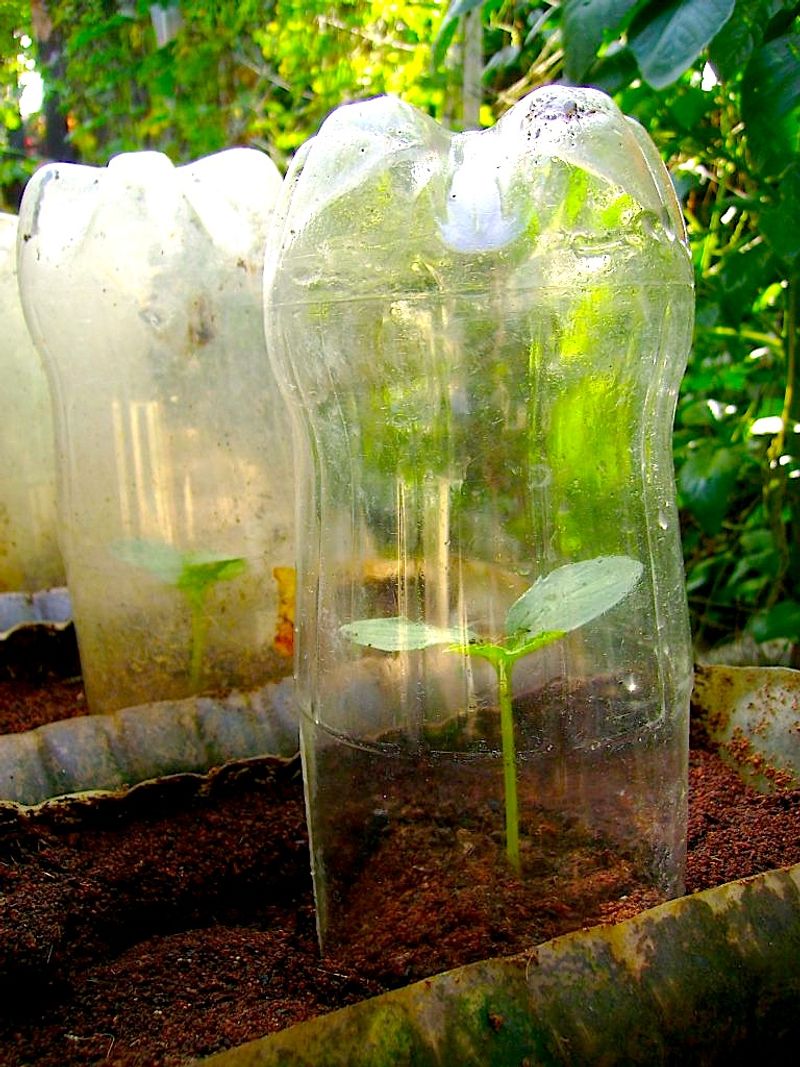
Cutting the bottoms off clear plastic bottles and placing them over individual seedlings creates instant mini greenhouses that protect young plants from cold snaps and hungry pests while they establish strong roots.
These homemade cloches trap warmth and humidity around each plant, giving them a head start in cooler weather without the need for a full greenhouse structure.
Two liter soda bottles, milk jugs, and large juice containers all work perfectly for this hack, and you can customize the height by choosing different bottle sizes to fit your plants as they grow.
Simply cut off the bottom with scissors or a utility knife, remove the cap to allow some airflow, and press the cut edge into the soil around your seedling to hold it in place.
On particularly cold nights, you can replace the cap to trap even more heat, then remove it again in the morning to prevent overheating.
This method is ideal for protecting tender transplants like tomatoes, peppers, and herbs during Florida’s occasional winter cold fronts when temperatures dip unexpectedly.
Collect bottles throughout the year and store them flat to save space, so you always have plenty on hand when you need to shield your plants from surprise weather changes.
10. Solar Powered Fan Circulation
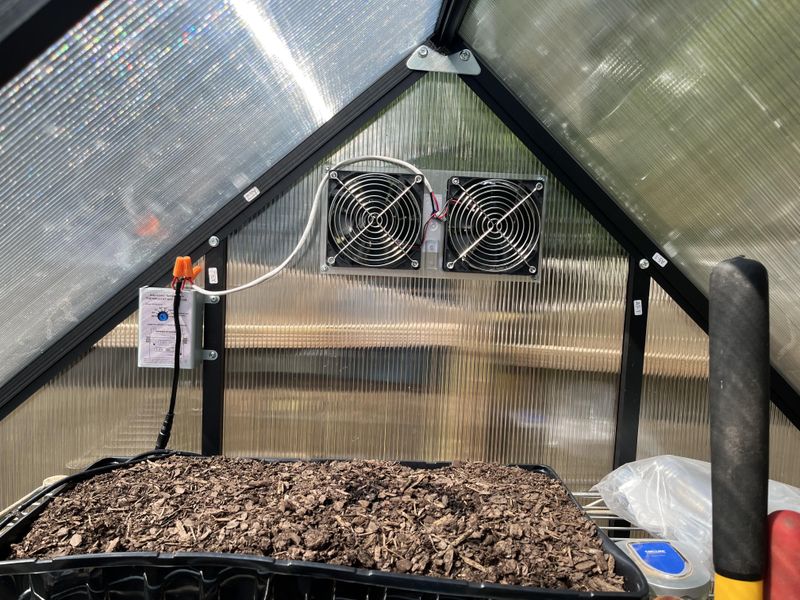
Adding a small solar powered fan to your greenhouse keeps air moving and prevents hot spots or stagnant conditions that can encourage mold and weaken plant health during Florida’s humid winter months.
Good air circulation is essential for strong stems and disease prevention, and a solar fan provides gentle constant airflow without adding to your electric bill or requiring complicated wiring.
These compact fans come with small solar panels that charge during the day and can run continuously or be set to operate only when the sun is shining, depending on the model you choose.
Mount the fan near the top of your greenhouse where warm air tends to collect, and angle it to blow across the plant canopy for even distribution throughout the space.
This movement also helps regulate temperature by mixing cooler air from the floor with warmer air near the roof, creating a more uniform environment that benefits all your plants equally.
Solar fans are especially handy in Florida where sunshine is abundant even in winter, giving you reliable ventilation without any ongoing energy costs.
Clean the solar panel surface regularly with a soft cloth to remove dust and debris, ensuring maximum charging efficiency and consistent fan performance throughout the growing season.
11. Straw Bale Insulation Walls

Stacking straw bales around the perimeter of your greenhouse creates thick insulating walls that block wind and retain heat while still allowing you to build a functional growing space quickly and affordably.
Straw is an excellent natural insulator with air pockets trapped between the stems, and bales are easy to find at farm supply stores or from local agricultural sources throughout Florida.
You can arrange the bales in a rectangle or other shape, then cover the top with plastic sheeting or old windows to create a roof that lets in light while the walls keep the warmth inside.
This method is perfect for temporary winter greenhouses that you can disassemble in spring and use the straw as mulch or compost material in your garden beds.
The bales are heavy enough to stay in place during windy weather, and you can stack them two or three high for extra insulation if you need more protection from cold temperatures.
Straw bale greenhouses work especially well for cold hardy crops like lettuce, kale, and broccoli that thrive in cooler conditions but still need shelter from frost and harsh winds.
Keep the bales dry by covering them with a tarp or plastic when not in use, because wet straw can break down quickly and lose its insulating properties over time.
12. Humidity Tray System
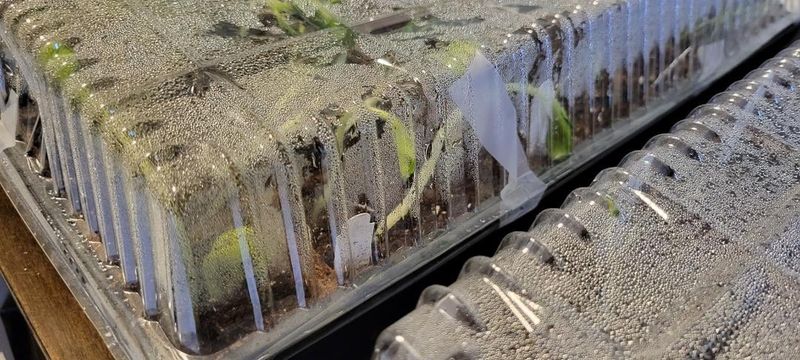
Creating humidity trays by filling shallow pans with pebbles and water beneath your potted plants adds moisture to the air inside your greenhouse, which is especially helpful during Florida’s drier winter weeks when humidity levels can drop unexpectedly.
Many tropical and subtropical plants that thrive in Florida prefer higher humidity, and a simple tray system provides localized moisture without the need for expensive misting equipment or humidifiers.
Use old baking sheets, plastic trays, or even repurposed nursery flats filled with gravel or small stones, and add water until it just reaches the bottom of the pebbles.
Set your pots on top of the pebbles so the water evaporates upward around the plants, creating a microclimate that keeps leaves healthy and prevents crispy edges or browning tips.
This method works beautifully for ferns, orchids, and other moisture loving plants that might struggle in a dry greenhouse environment.
The trays also catch any excess water that drains from your pots, keeping your greenhouse floor cleaner and reducing the risk of fungal issues from standing water.
Refill the trays regularly as the water evaporates, and rinse the pebbles every few weeks to prevent algae buildup and keep the system working efficiently all winter long.
13. Weatherstripping Door Seals
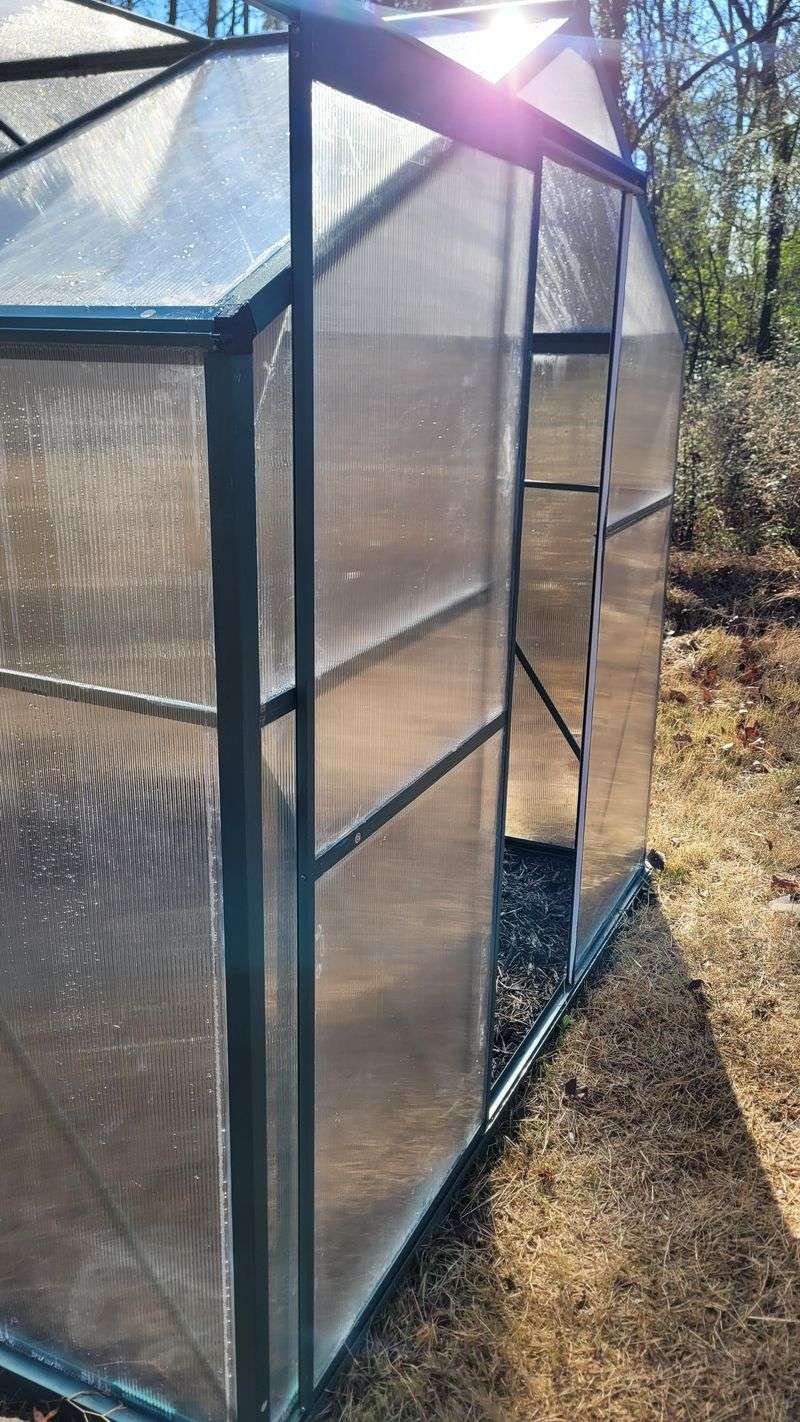
Applying weatherstripping around your greenhouse door and any gaps in the frame stops cold drafts from sneaking in and warm air from escaping, making your heating efforts much more effective during chilly Florida nights.
Even small cracks can let in enough cold air to stress your plants and waste the warmth you have worked hard to create with other hacks, so sealing these openings is a simple but powerful way to improve your greenhouse performance.
Self adhesive foam weatherstripping is inexpensive and easy to install, and it compresses when the door closes to form a tight seal that blocks wind and moisture.
Measure the perimeter of your door and cut the weatherstripping to length, then peel off the backing and press it firmly onto the door frame where it will make contact with the door edge.
You can also use weatherstripping around vents, windows, and any other openings where you feel air leaking in or out.
This hack pays for itself quickly by reducing heat loss and creating a more stable temperature inside your greenhouse, which means healthier plants and less worry during cold snaps.
Check the weatherstripping every few months and replace any sections that have become compressed or damaged, ensuring a consistent seal that lasts through multiple growing seasons.