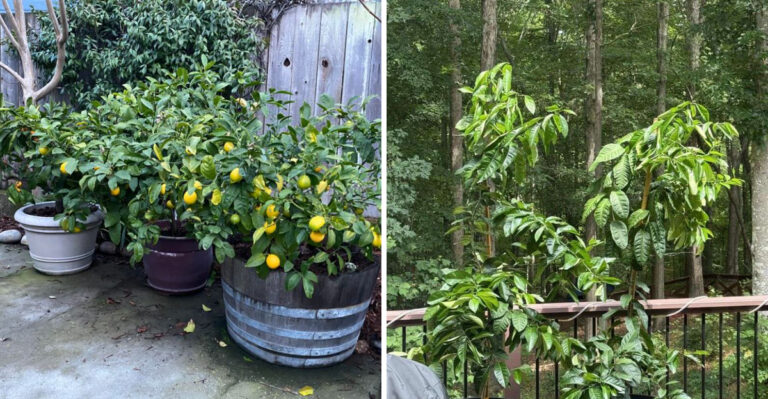
Short On Space? These 13 Fruit Trees Still Produce Big Harvests In Florida
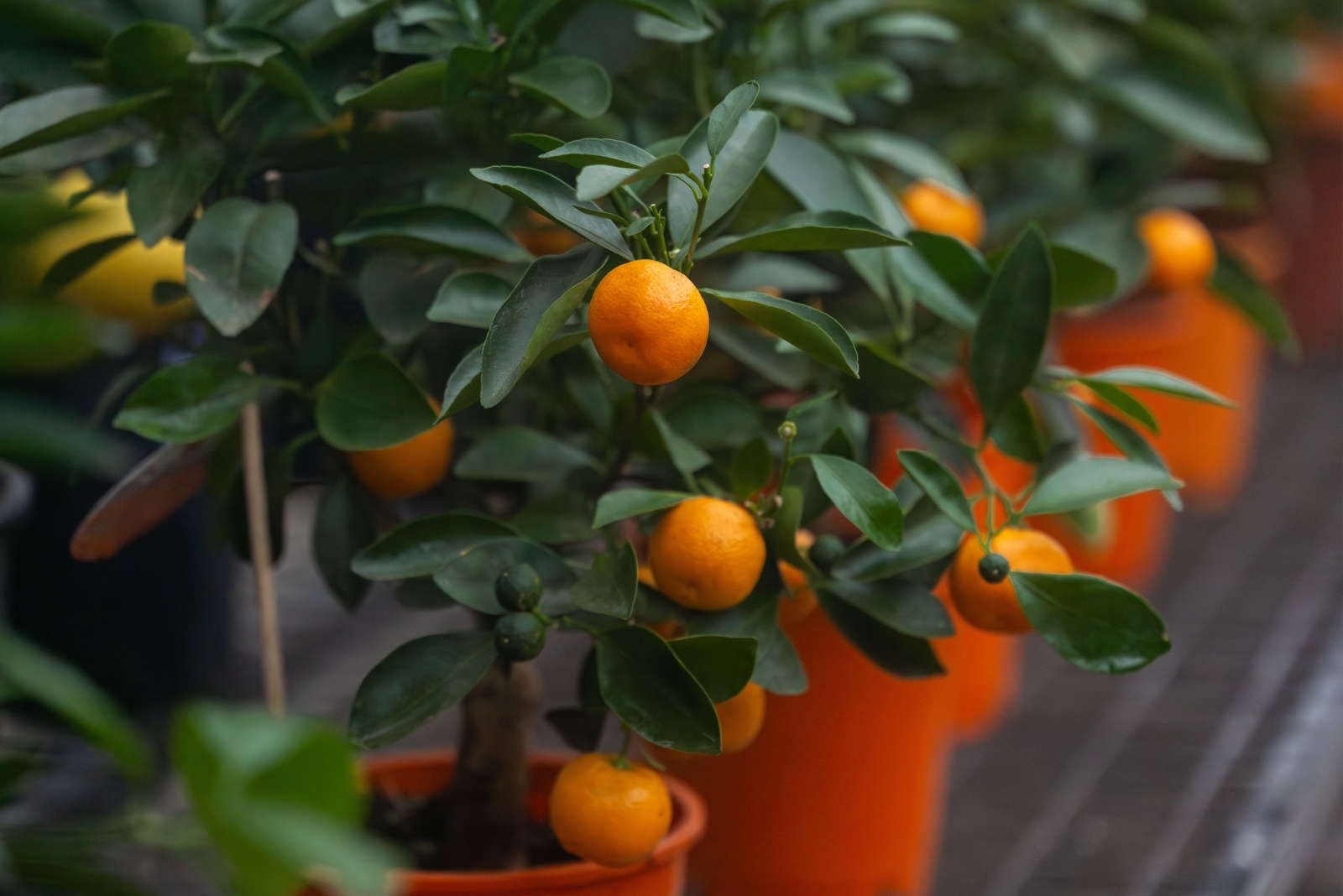
Big flavor does not need big land, and Florida gardeners know that better than most.
With blazing sun, rich humidity, and year round growing power, even the smallest patch of ground can become a fruit filled treasure chest.
The trick is choosing trees that know how to pull their weight without hogging the spotlight.
These compact producers do exactly that, packing branches with citrus, tropical favorites, and sweet surprises while staying neat and manageable.
It is the gardening version of striking gold in your own backyard.
One moment you are stepping onto a quiet patio and the next you are reaching for mangoes, lemons, and guavas still warm from the sun.
In a place where space is precious and flavor is everything, these trees make every inch count.
They thrive in containers, squeeze into narrow corners, and still churn out harvests that feel downright generous.
If your garden dreams feel bigger than your yard, this list is about to change everything.
Small spaces never tasted so good.
1. Dwarf Meyer Lemon
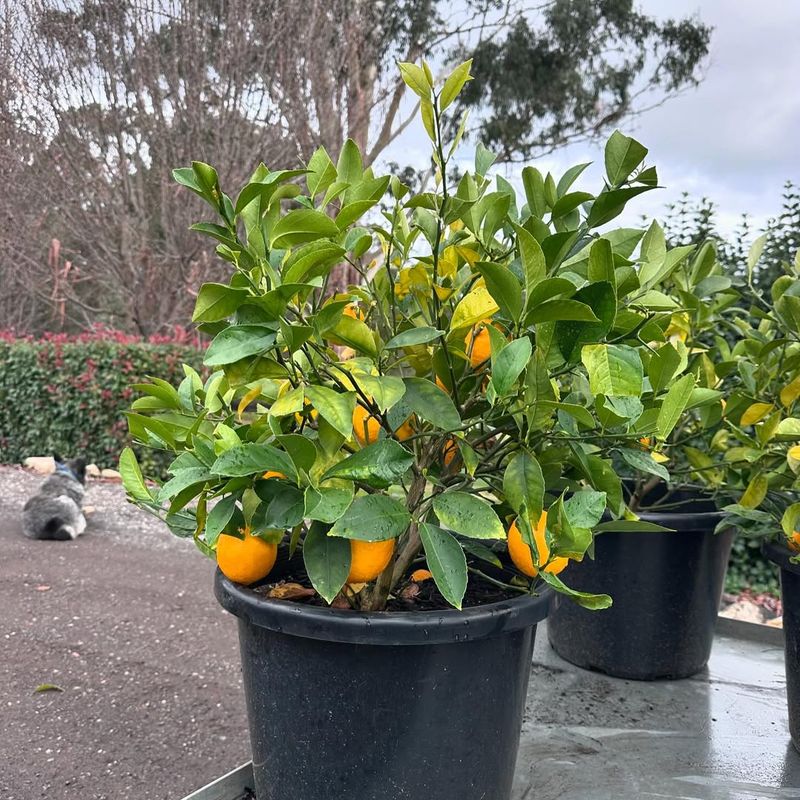
Meyer lemons have this sweet, almost floral flavor that makes regular lemons taste harsh by comparison.
The dwarf variety stays under eight feet tall and produces fruit nearly year-round once it’s established.
I’ve grown mine in a large pot for years, and it’s one of the most reliable producers in my collection.
The tree handles Florida’s humidity better than many citrus varieties.
It blooms in waves, so you’ll often see flowers and ripe fruit at the same time.
That makes it incredibly useful in the kitchen since you’re never waiting months for the next harvest.
Container growing works beautifully with this one.
Use a pot at least 20 inches wide with good drainage, and feed it with citrus fertilizer every few months.
The roots stay relatively shallow, so it doesn’t need a massive container to thrive.
Pests can be an issue, especially aphids and scale, but a quick spray with insecticidal soap usually handles it.
The tree bounces back fast and keeps producing.
Even in a small space, you’ll have more lemons than you know what to do with.
2. Key Lime
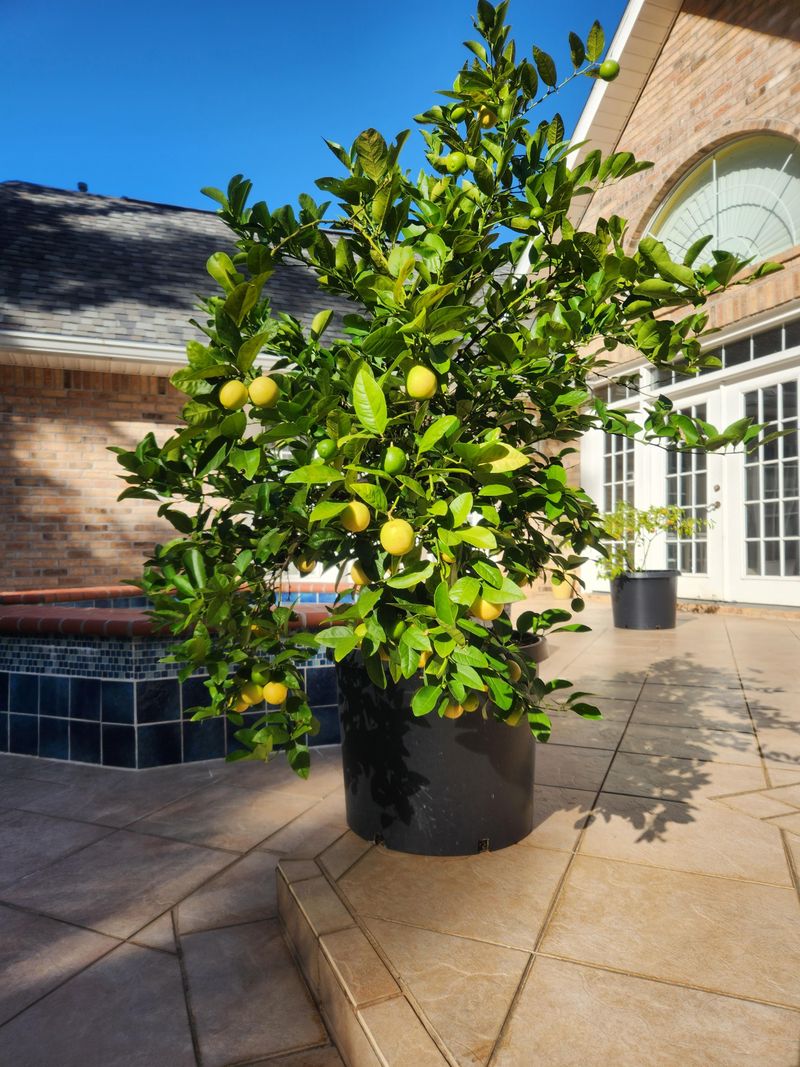
If you’ve ever tasted a real Key lime pie made with actual Key limes, you know there’s no going back to the bottled stuff.
These little limes pack intense flavor into fruit about the size of a golf ball.
The trees themselves stay naturally small, usually topping out around six to eight feet, which makes them perfect for tight spaces.
Key limes love Florida.
They’re more cold-tolerant than regular Persian limes and handle our summer heat without complaint.
The thorns can be a bit aggressive, so plant it where you won’t brush against it constantly, or just wear gloves when you harvest.
Fruiting happens several times a year, and a single tree can produce hundreds of limes.
You’ll see them turn from dark green to a pale yellow when fully ripe, though most people pick them green.
Your Florida Garden Changes Every Week. Your Plan Should Too.
Gardening in Florida changes quickly throughout the season. Every Friday you’ll receive a simple weekly plan showing exactly what to plant, prune, fertilize, harvest, and protect so you never miss the right timing.
Either way, the flavor is tart and aromatic.
In a container, Key limes do surprisingly well.
Keep the soil slightly acidic and water regularly during dry spells.
The tree doesn’t mind being a little rootbound, which actually encourages more fruiting.
3. Dwarf Valencia Orange
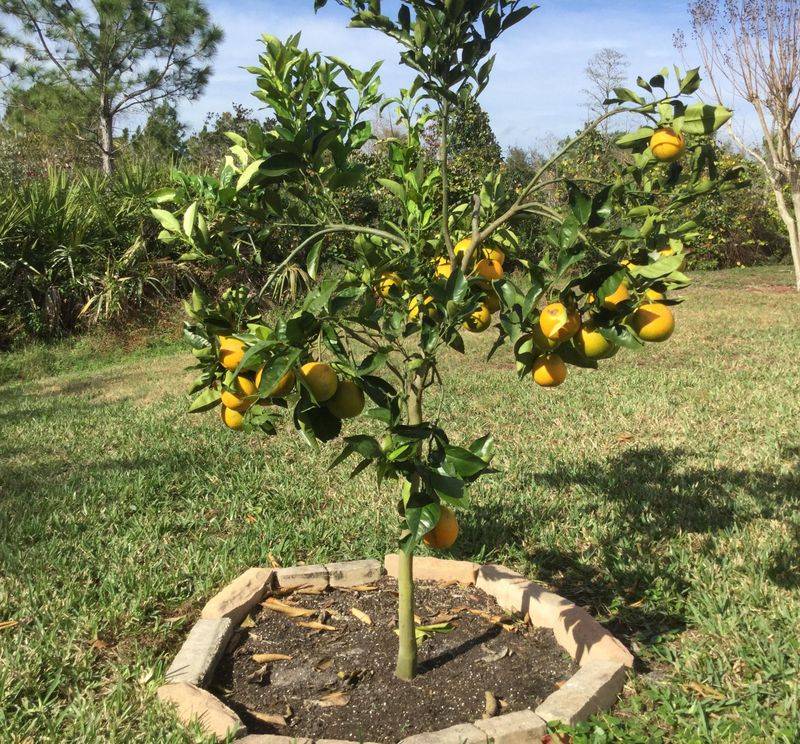
Valencia oranges are the classic juice orange, and the dwarf version brings all that sweetness into a manageable size.
These trees grow slowly and stay under ten feet with minimal pruning.
The fruit ripens in late spring and summer, which is unusual for oranges and gives you fresh citrus when most other varieties are done.
Growing one in Florida feels almost effortless.
The tree handles our sandy soil as long as you add some organic matter and mulch around the base.
It doesn’t demand constant attention, just consistent watering and occasional feeding with a balanced citrus fertilizer.
The oranges themselves are incredibly juicy with a perfect balance of sweet and tart.
You can leave them on the tree for weeks after they ripen, which is handy if you’re not in a rush to pick everything at once.
They’ll just get sweeter.
Container growing works well if you choose a large pot and use quality potting mix.
Place it where it gets at least six hours of sun daily.
The tree will bloom with fragrant white flowers before setting fruit, and the scent alone is worth the effort.
4. Calamondin Orange
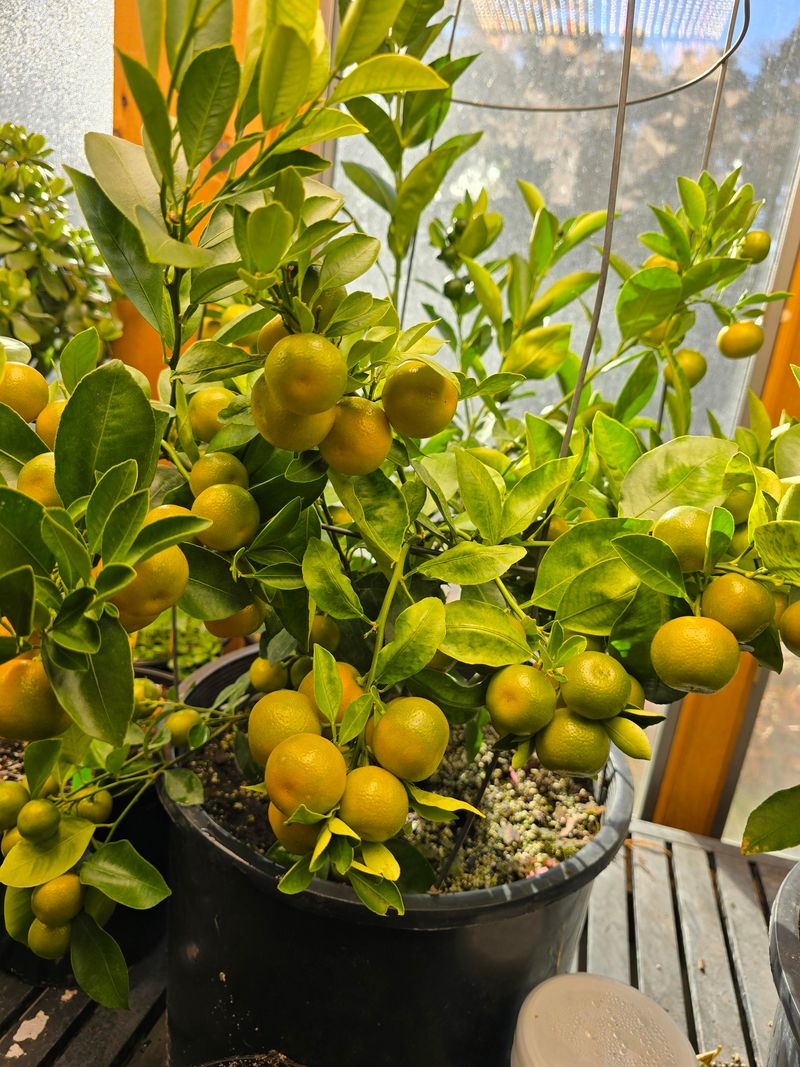
This tree just keeps giving.
The fruit looks like tiny tangerines, and while it’s too sour to eat straight off the tree, it makes incredible marmalade and adds a bright punch to marinades.
The tree itself is naturally compact, rarely growing taller than six feet, and it fruits almost constantly in Florida’s climate.
Calamondin orange is probably the easiest citrus to grow in a container.
It tolerates neglect better than most, bouncing back from missed waterings and less-than-perfect soil.
The tree stays dense and bushy, with dark green leaves that make it attractive even when it’s not fruiting.
Fruit production is prolific.
You’ll have dozens of little oranges ripening at different times, so there’s always something to pick.
The flowers smell amazing and attract bees and butterflies, which is a nice bonus if you’re trying to support pollinators.
Pests rarely bother it, and it handles Florida’s humidity without developing fungal issues.
Even if you’re new to fruit trees, this one is forgiving.
Just give it some sun and occasional fertilizer, and it’ll reward you with more fruit than you’d expect from such a small tree.
5. Barbados Cherry
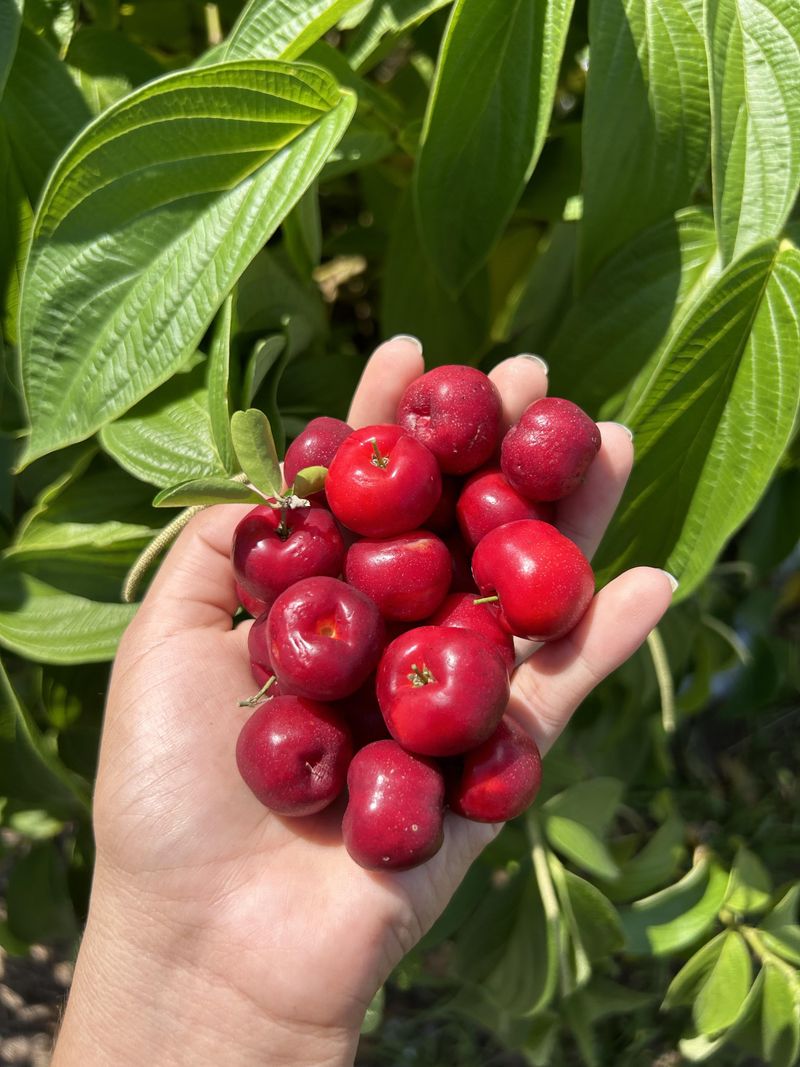
Barbados cherry, also called acerola, produces small red fruits that look like cherries but taste more like a tart berry.
What makes this tree special is the insane amount of vitamin C in each fruit.
We’re talking way more than oranges.
The tree stays under ten feet and grows in a rounded, shrubby shape that fits nicely into small gardens.
It loves Florida’s heat and humidity.
The tree blooms multiple times throughout the year, so you get several harvests instead of one big crop.
The flowers are delicate and pink, and they turn into fruit quickly, sometimes within a month of blooming.
Growing it in the ground or a container both work well.
The roots aren’t aggressive, and it doesn’t need a lot of space to spread out.
Water it regularly during the first year, then it becomes pretty drought-tolerant once established.
The fruit doesn’t store well, so plan to use it fresh or freeze it right after picking.
It makes fantastic smoothies and jams.
Birds love it too, so you might need netting if you want to harvest before they do.
Still, the tree produces so much that there’s usually enough to share.
6. Dwarf Mango
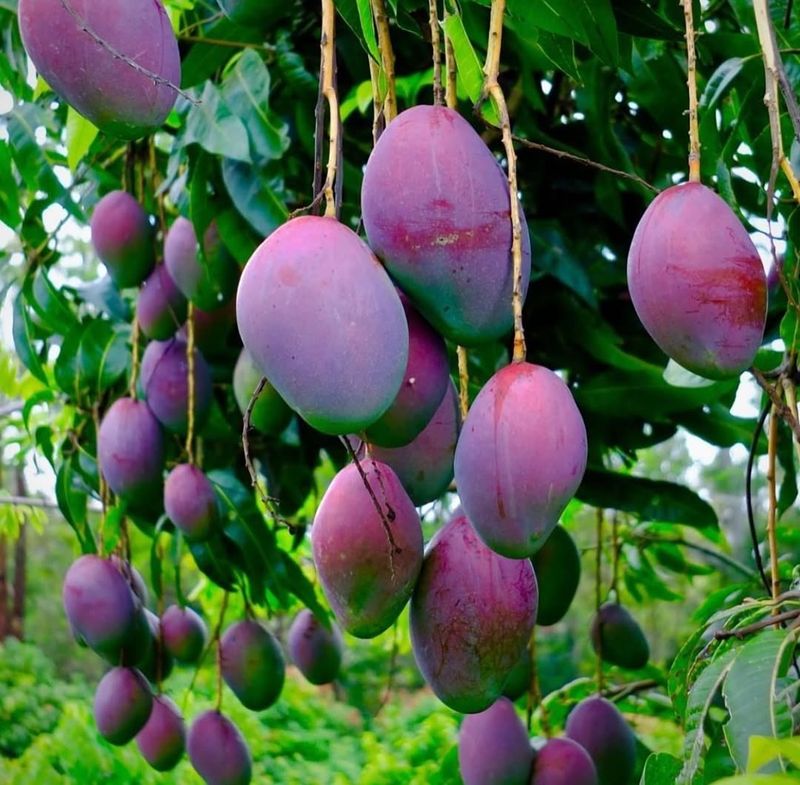
Mangoes are a Florida staple, but standard trees get huge and take over a yard.
Dwarf varieties like Pickering, Cogshall, and Ice Cream stay under 12 feet and still produce full-sized, delicious fruit.
I was skeptical at first, but after tasting my first homegrown mango, I understood why people get obsessed.
These trees need warmth and sun, which Florida has in abundance.
They fruit once a year, usually in late spring or summer, and a single tree can give you dozens of mangoes.
The flavor is so much better than anything from the grocery store that it’s almost unfair to compare them.
Planting in the ground gives you the biggest harvests, but container growing is possible if you use a very large pot and prune regularly.
The tree grows slowly, so it won’t outgrow its space overnight.
Just be patient during the first few years while it establishes.
Watch out for anthracnose, a fungal issue that can affect the fruit during wet weather.
Copper fungicide helps if you catch it early.
Otherwise, the tree is pretty low-maintenance.
Give it some room, decent soil, and regular watering, and it’ll reward you with fruit that tastes like summer.
7. Fig
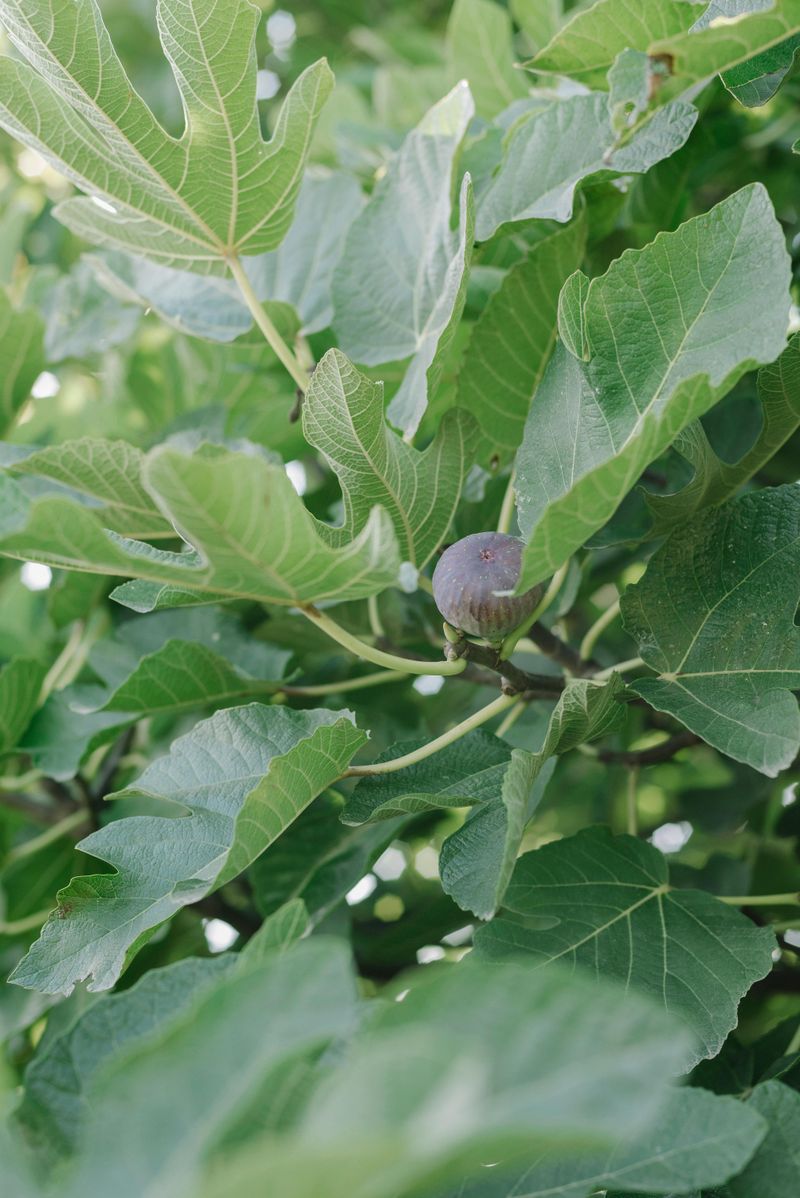
Well, figs are one of the most underrated fruit trees for Florida.
Varieties like Celeste and Brown Turkey stay relatively small and produce sweet, rich fruit that tastes like candy when fully ripe.
The trees have a relaxed, spreading shape and don’t require much fussing to stay productive.
Florida’s climate suits figs surprisingly well, especially in the northern and central parts of the state.
They fruit twice a year in many areas, once in early summer and again in fall.
The first crop tends to be smaller, but the second one usually makes up for it with abundant, flavorful figs.
Container growing works beautifully with figs.
In fact, keeping them slightly rootbound can actually increase fruiting.
Use a pot at least 15 inches wide, and prune the tree back each winter to keep it compact.
It’ll grow back vigorously in spring.
Pests are minimal, though birds and squirrels will try to steal the ripe fruit.
Netting helps, or you can just plant enough to share.
The tree tolerates a range of soil types and doesn’t need heavy fertilization.
Even in a small space, a fig tree feels like a little piece of the Mediterranean.
8. Papaya
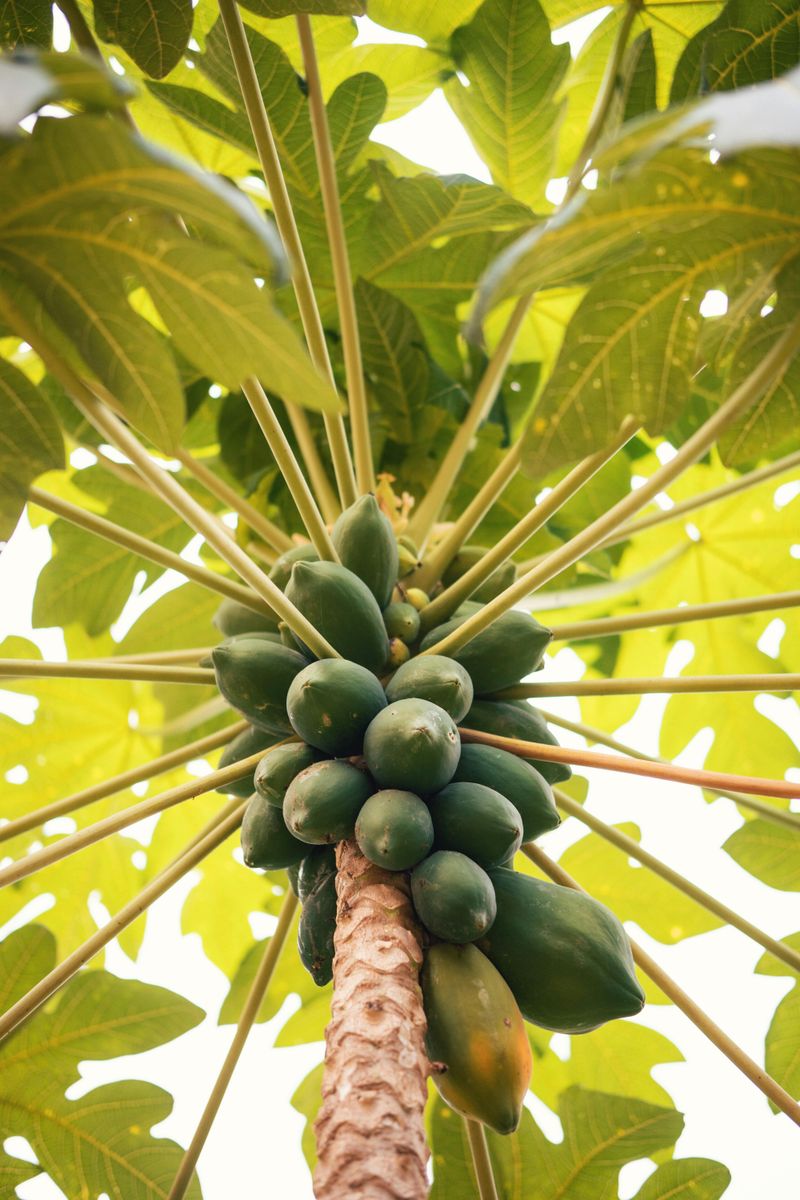
Here we have a plant that grows more like a tall herb than a traditional tree, with a single trunk and a crown of large leaves at the top.
Papaya grows fast, fruits within a year, and stays narrow, making it ideal for tight spaces.
The fruit is sweet and tropical, with a texture that’s somewhere between a melon and a mango.
This plant absolutely loves Florida’s heat and humidity.
It thrives in our sandy soil and doesn’t mind the summer rains.
You’ll need both male and female plants to get fruit, or you can look for hermaphrodite varieties that self-pollinate.
Either way, once it starts producing, you’ll have papayas almost constantly.
The plant doesn’t live long, usually three to five years, but it produces so much during that time that it’s worth replanting.
It’s also easy to grow from seed, so you can keep a rotation going.
Just plant a few seeds from a ripe papaya, and you’ll have new plants in a few weeks.
Container growing is tricky because the plant gets tall, but it’s doable with a large, deep pot.
Keep it well-watered and fed with a balanced fertilizer.
The fruit ripens quickly, so check it often.
Once it starts turning yellow, it’s ready to pick.
9. Loquat
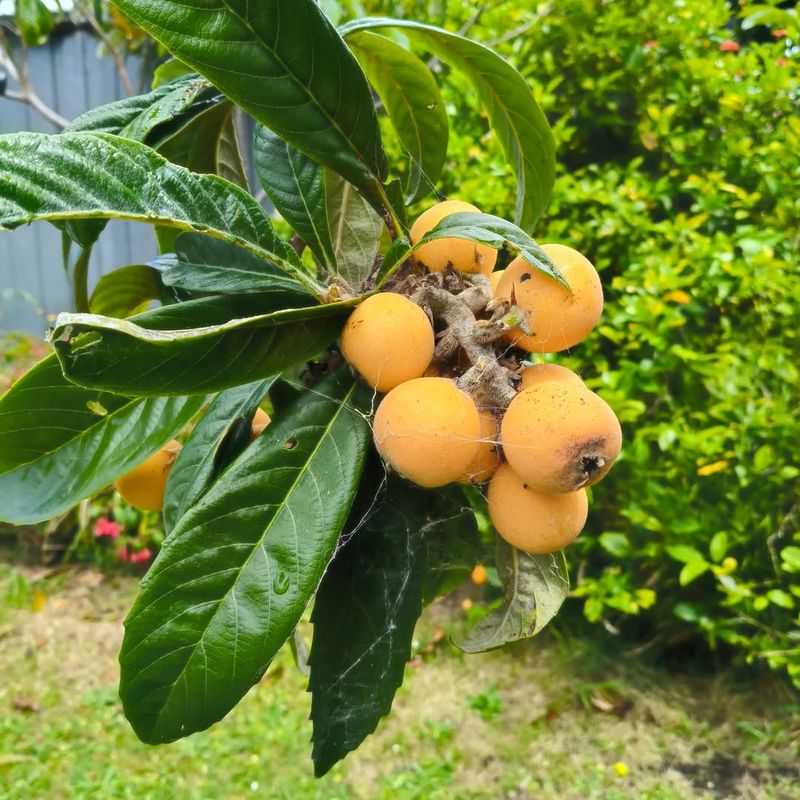
Loquat trees have this old-fashioned charm that makes them feel like they belong in a grandmother’s garden.
The fruit is small, yellow, and sweet with a slightly tart finish.
It ripens in late winter and early spring, which is a nice change from the summer-heavy harvest schedule of most Florida fruit trees.
The tree itself is evergreen with large, textured leaves that give it an ornamental quality.
It stays under 20 feet if you prune it occasionally, and it tolerates a range of soil types.
Loquats are one of the few fruit trees that can handle some shade, though they produce better in full sun.
Growing one in Florida is almost foolproof.
The tree handles our humidity, heat, and occasional cold snaps without much complaint.
It fruits reliably every year, and the flavor improves as the fruit fully ripens on the tree.
Container growing is possible when the tree is young, but it eventually needs to go in the ground to reach its full potential.
Birds love the fruit, so you’ll need to harvest quickly or use netting.
The tree doesn’t need much fertilizer or special care, making it a great low-maintenance option for small spaces.
10. Avocado Dwarf Varieties
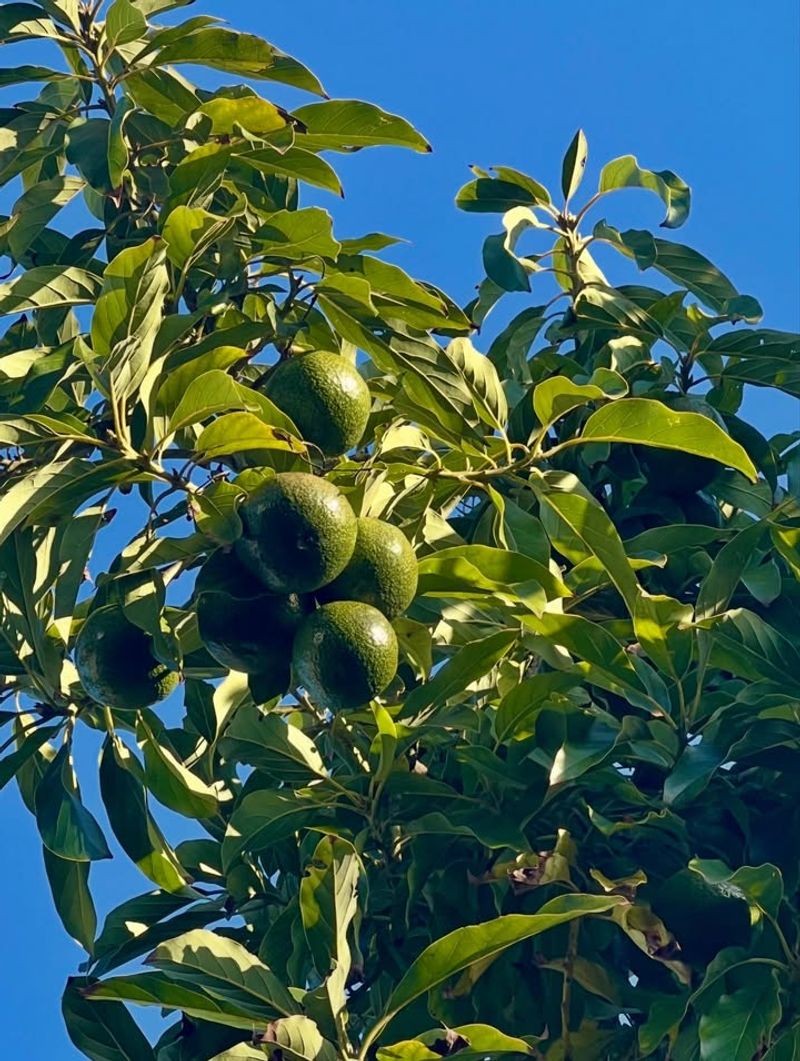
Typically, avocado trees are notoriously huge, but dwarf varieties like Wurtz and Gwen stay under 12 feet and still produce full-sized fruit.
The flavor is creamy and rich, just like the avocados you buy at the store, but fresher and with none of that weird aftertaste some commercial ones have.
These trees need warmth and good drainage, both of which Florida offers.
They fruit once a year, usually in late summer or fall, and a single tree can give you dozens of avocados.
The trees are self-pollinating, so you only need one to get fruit.
Planting in the ground works best, but container growing is possible with a very large pot and regular pruning.
The roots need space and don’t like sitting in water, so make sure drainage is excellent.
Mulch around the base to keep the roots cool and moist.
Watch for pests like thrips and lace bugs, which can damage the leaves.
Neem oil helps if you catch them early.
The tree grows slowly, so be patient.
Once it starts producing, though, you’ll have more avocados than you can eat, which is a good problem to have.
11. Pomegranate
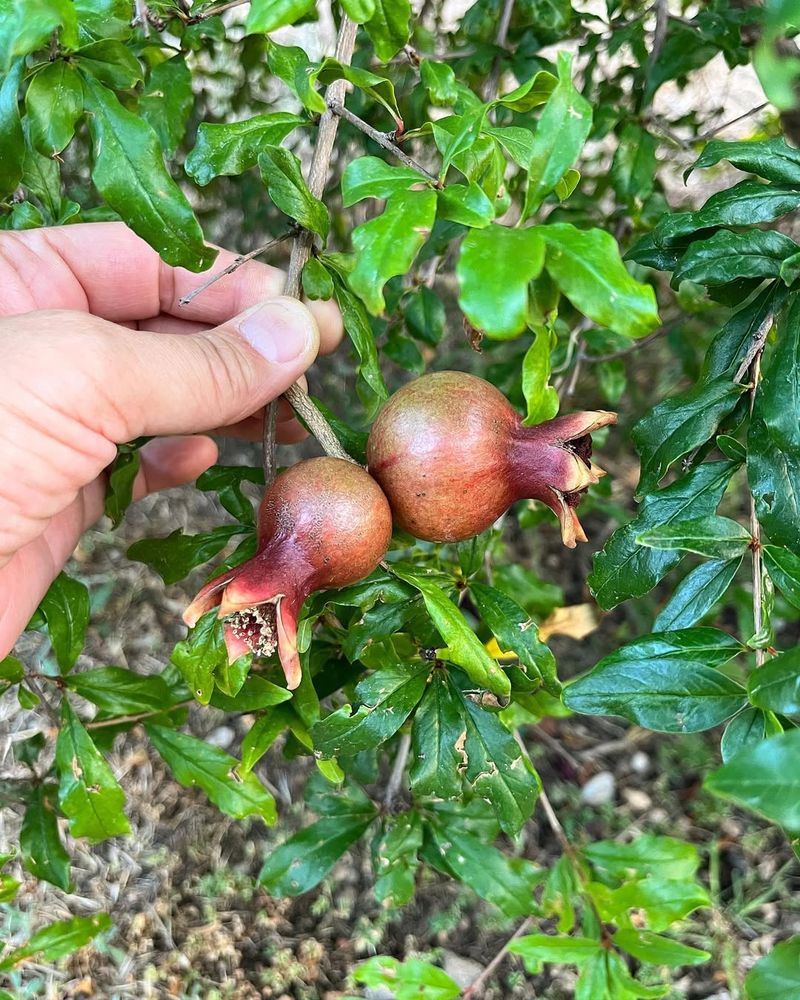
Often grown as small trees or large shrubs, pomegranates usually stay under 12 feet tall.
The fruit is packed with juicy, tangy seeds that are as fun to eat as they are delicious.
The tree itself is attractive, with glossy leaves and bright orange-red flowers that bloom in spring.
Florida’s heat suits pomegranates well, though they prefer drier conditions than we typically have.
Plant them in a spot with excellent drainage and avoid overwatering.
They’re surprisingly drought-tolerant once established and don’t need much fertilizer to produce well.
Fruiting happens in late summer and fall, and the pomegranates can stay on the tree for weeks after ripening.
They’ll develop a deeper color and sweeter flavor the longer they hang.
Harvesting is easy since the fruit doesn’t bruise easily.
Container growing works great with pomegranates.
They actually fruit better when their roots are slightly restricted, so a large pot is perfect.
Prune the tree annually to keep it compact and encourage new fruiting wood.
Pests are rare, and the tree doesn’t suffer from many diseases.
It’s one of the easiest fruit trees to grow in a small Florida space.
12. Banana Dwarf Varieties
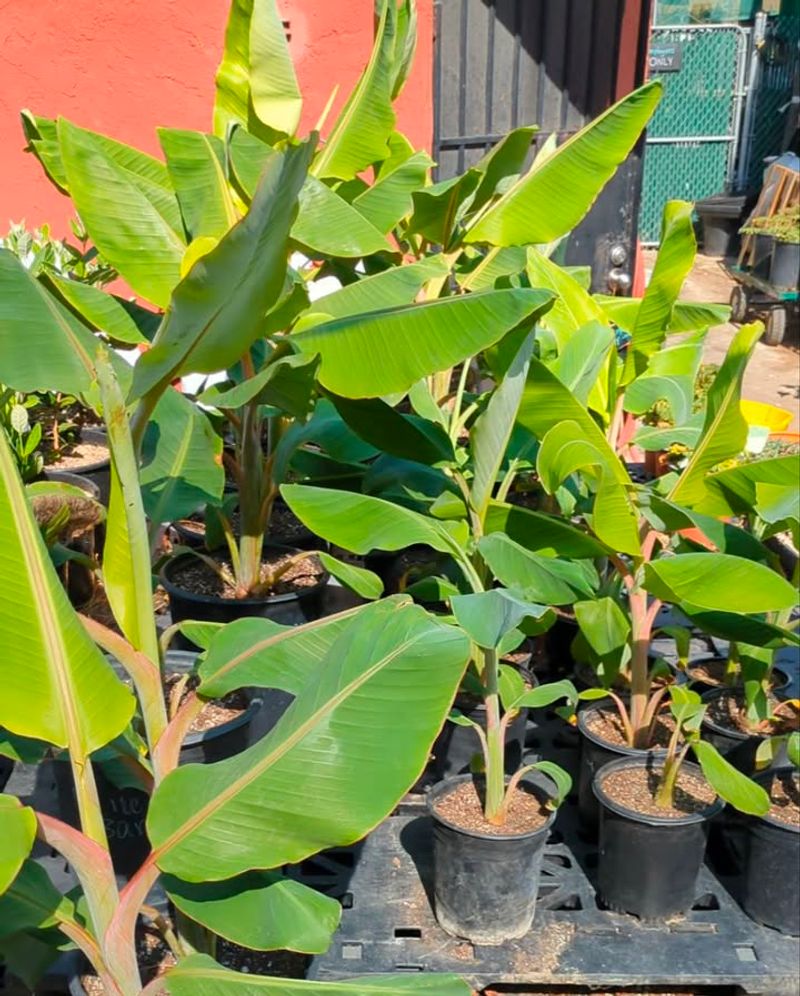
Bananas aren’t technically trees, but they sure look like one.
Dwarf varieties like Dwarf Cavendish and Lady Finger stay under eight feet tall and produce full-sized, sweet bananas.
They grow fast, often fruiting within a year or two, and the tropical look they bring to a yard is hard to beat.
Florida’s climate is perfect for bananas.
They love heat, humidity, and plenty of water.
Plant them in a spot with rich soil and good drainage, and they’ll take off.
Each plant produces one bunch of bananas, then the main stalk needs to be cut back to make room for new growth.
The plants spread through underground rhizomes, so they’ll form clumps over time.
This is actually helpful in small spaces because you can control the size by removing excess shoots.
Keep just a few stalks, and you’ll have a steady supply of bananas without the plant taking over.
Container growing is possible with dwarf bananas, though they need a large pot and frequent watering.
Feed them with a high-potassium fertilizer to encourage fruiting.
The fruit ripens quickly once the bunch forms, so keep an eye on it.
Homegrown bananas taste sweeter and more flavorful than store-bought ones.
13. Guava
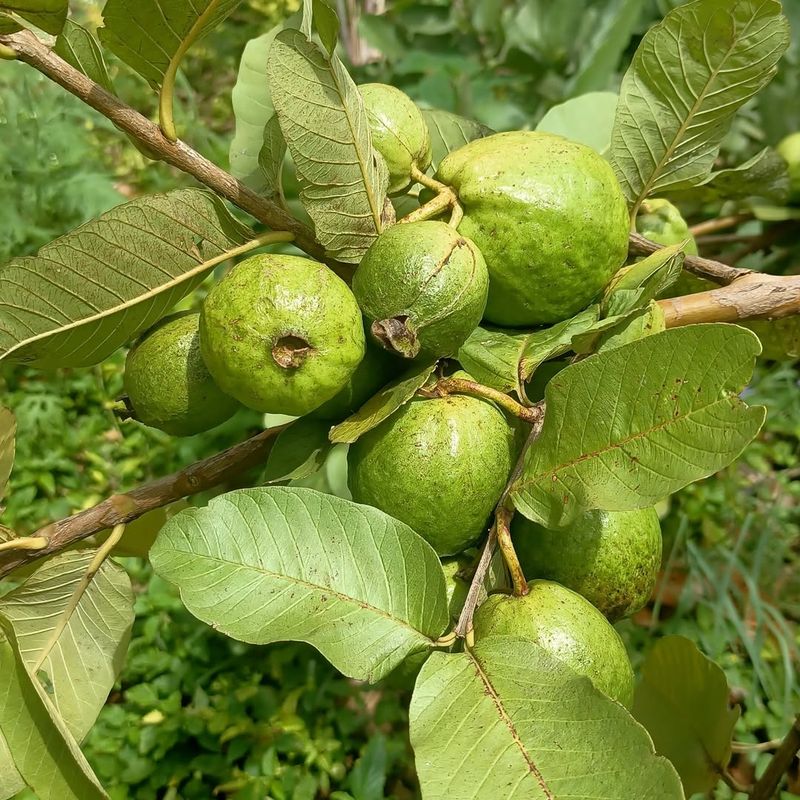
Well suited to Florida, guava trees stay small, produce abundantly, and develop a tropical scent when the fruit matures.
The fruit is sweet and aromatic, with a flavor that’s hard to describe but impossible to forget.
These trees love heat and humidity, making them a natural fit for Florida.
They fruit multiple times a year, and a single tree can produce hundreds of guavas.
The trees are fast-growing and start producing within a year or two of planting.
Growing guava in the ground or a container both work well.
The roots aren’t picky about soil, and the tree tolerates a range of conditions.
Water it regularly during dry spells, and feed it with a balanced fertilizer a few times a year.
The fruit attracts fruit flies, so harvest it as soon as it ripens and store it in the fridge.
You can also pick it slightly underripe and let it finish on the counter.
The tree doesn’t need much pruning, but you can shape it to keep it compact.
Even in a small space, a guava tree will give you more fruit than you’d expect.