Planning A Backyard Project In Florida? Here Is When Permits Are Required
Dreaming of a backyard upgrade in Florida feels like catching a warm breeze until red tape blows in and knocks the wind out of your sails.
One minute you are picturing a shady pergola and sizzling burgers, the next you are staring down fines that hit like a ton of bricks.
Permits may sound dull as dishwater, yet skipping them can turn a sweet project into a real hornets nest.
From sheds and fences to pools and patios, the Sunshine State has rules that hide in plain sight, ready to trip up anyone who builds first and asks questions later.
Many homeowners dive in headfirst, only to discover they opened a can of worms that stalls work and drains wallets.
Getting the facts straight before you break ground keeps you on the straight and narrow and saves you from jumping through hoops after the fact.
With the right knowledge in your back pocket, backyard dreams can move forward full steam ahead instead of grinding to a halt.
1. Building A Shed Or Storage Building
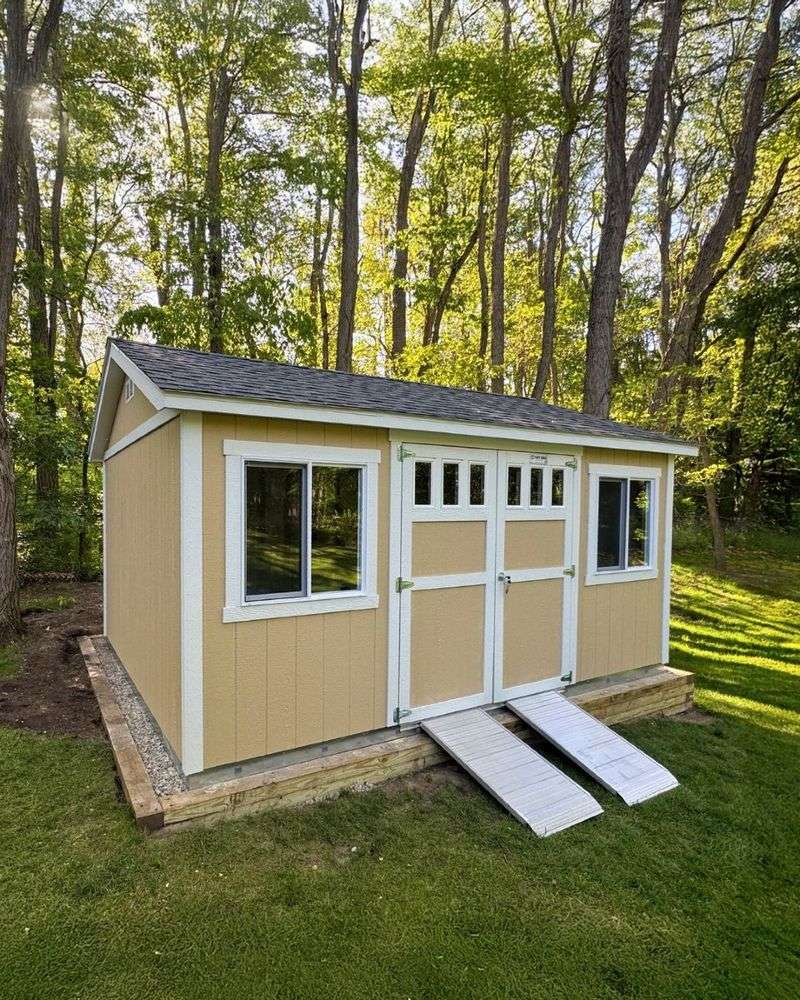
Storage sheds are super popular in Florida backyards, especially when you need a place to store lawn equipment, pool supplies, or holiday decorations.
Most counties require a permit if your shed is larger than 100 to 200 square feet, though this varies depending on where you live.
For example, Orange County’s accessory structure permit rules explain when a shed requires approval and how it must be built.
Some areas also require permits for electrical work if you plan to run power to the shed.
Smaller sheds that sit on blocks or skids and do not have a permanent foundation may qualify as exempt accessory structures in some jurisdictions.
These portable structures are sometimes considered temporary, but even they may need setback approval if they sit too close to your property line.
A common mistake homeowners make is assuming all sheds are permit free.
They build a large structure without checking local codes, only to face removal orders or fines later.
Always check with your local building department before starting construction, even if you think your project is small, and confirm that your project complies with the Florida Building Code as well as any local zoning or permitting rules.
2. Installing A Fence
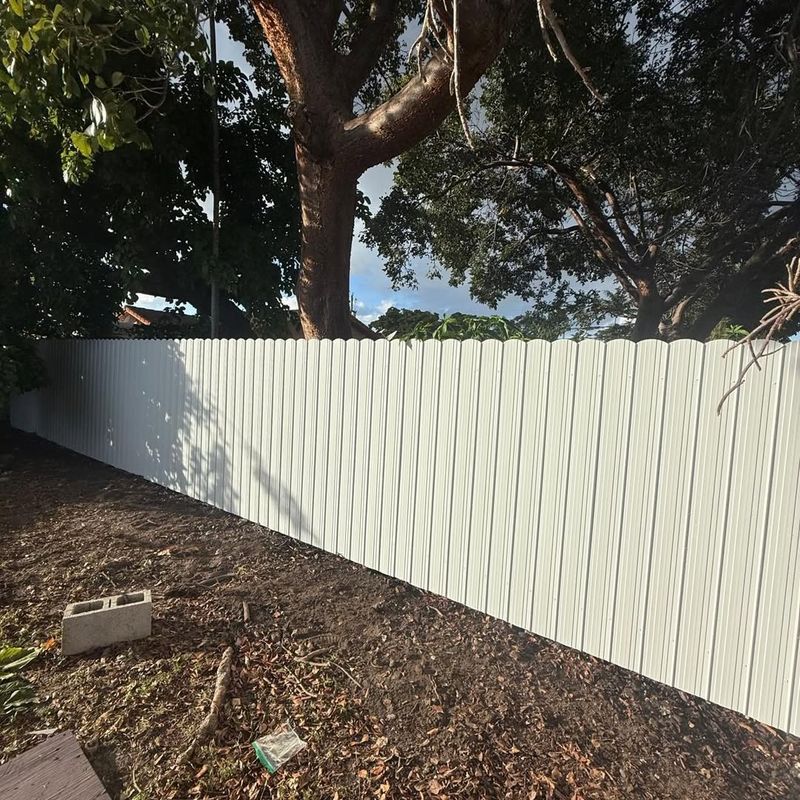
Fences are one of those projects that seem straightforward until you start digging into the rules.
In Florida, most cities and counties do not require a permit for fences under six feet tall, but there are plenty of exceptions based on local zoning and permitting rules.
Some neighborhoods have HOA regulations that are stricter than municipal codes, and properties in coastal or high-wind areas may be subject to wind-load requirements under the Florida Building Code.
You usually need a permit if your fence exceeds six feet in height or if it includes gates, masonry walls, or special materials like wrought iron.
Fences near streets, sidewalks, or easements often require approval to ensure they do not block visibility or interfere with utilities.
Setback requirements also apply, meaning your fence must be placed a certain distance from the property line.
Your Florida Garden Changes Every Week. Your Plan Should Too.
Gardening in Florida changes quickly throughout the season. Every Friday you’ll receive a simple weekly plan showing exactly what to plant, prune, fertilize, harvest, and protect so you never miss the right timing.
Homeowners often skip the survey step and end up building on their neighbor’s land by accident, which can lead to disputes and costly fence removal.
Before installing any fence, confirm your property boundaries and check with your local building department to verify height, setback, and zoning rules.
3. Adding A Deck Or Patio
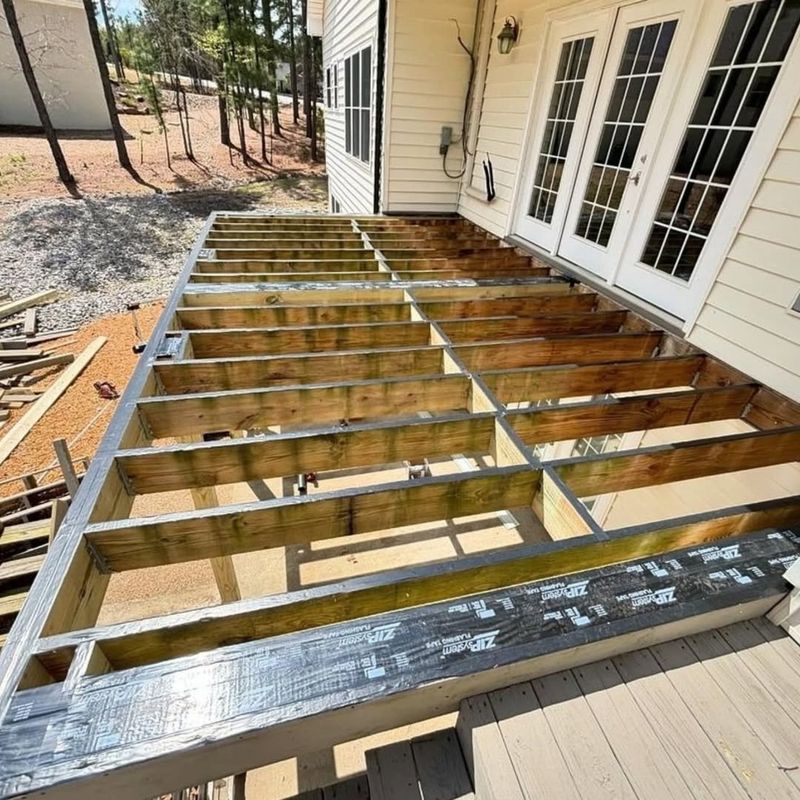
Decks and patios are perfect for enjoying Florida’s warm weather, but they come with different permitting rules depending on the materials and size.
Elevated decks almost always require a permit because they involve structural support and safety concerns.
Ground level patios made from pavers or concrete may not need a permit if they are under a certain square footage, but this varies widely by county.
If your deck or patio is attached to your home, expect to need a permit no matter the size.
Attached structures can affect your home’s foundation and drainage, so inspectors want to make sure everything is built safely.
Detached patios that are simple slabs might get a pass, but adding features like pergolas or fire pits can trigger permit requirements.
Many homeowners think pouring a concrete slab is no big deal and skip the permit process.
Unfortunately, improper grading or drainage can cause water to pool near your home, leading to foundation damage.
Always check with your local building department before breaking ground on any deck or patio project.
4. Building A Pergola Or Gazebo
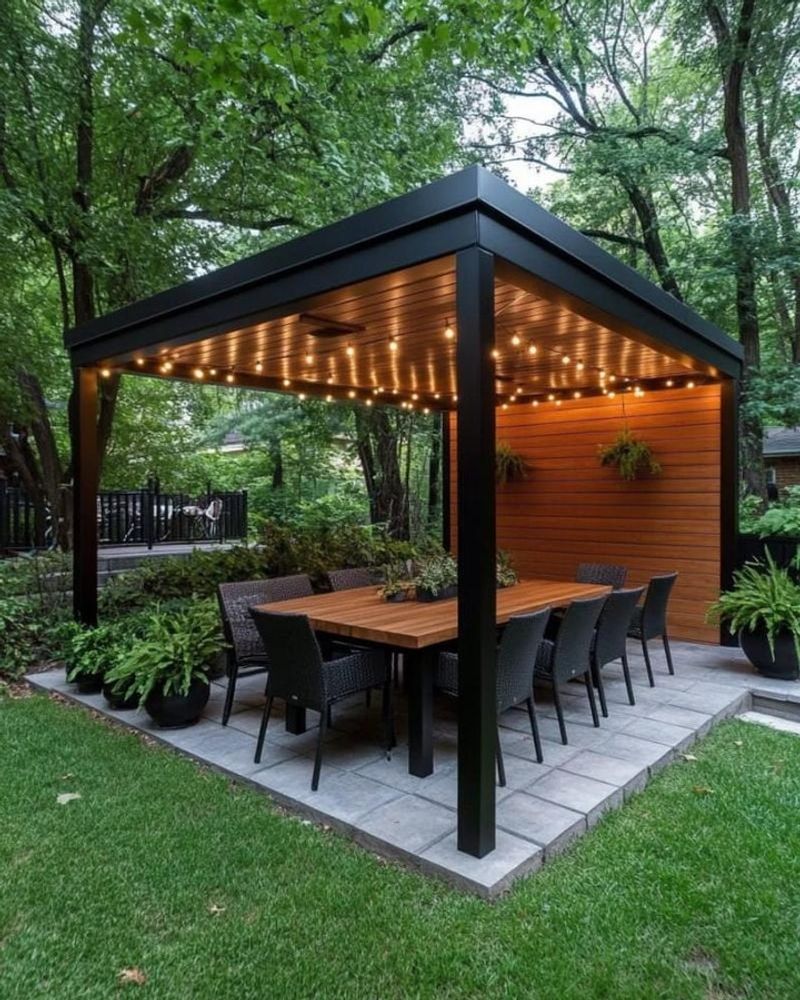
Pergolas and gazebos add charm and shade to any Florida backyard, but they often require permits depending on size and how they are anchored.
Freestanding structures under a certain square footage may not need a permit in some counties, but attached pergolas almost always do.
If your pergola or gazebo includes a roof, electrical wiring, or plumbing, you will definitely need approval.
Wind resistance is a huge concern in Florida due to hurricanes and tropical storms.
Building codes require structures to meet specific wind load standards, which means your pergola or gazebo must be properly anchored and built to withstand high winds.
Inspectors check these details carefully to ensure your structure will not become a flying hazard during a storm.
Homeowners frequently assume that because pergolas are open on top, they do not count as real structures.
This is a mistake that can lead to fines or forced removal.
Even simple pergola kits from big box stores may require permits, so always verify local rules before assembling anything in your yard.
5. Installing A Swimming Pool Or Hot Tub
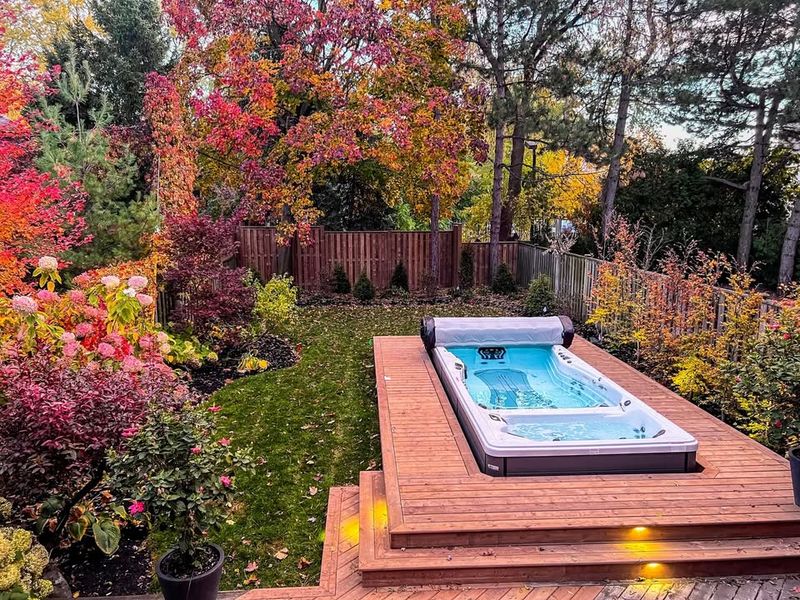
Swimming pools and hot tubs are Florida favorites, but they come with strict permitting requirements due to safety and liability concerns.
In ground pools always require permits, including separate permits for electrical work, plumbing, and sometimes gas lines if you are adding a heater.
Above ground pools may not need a permit if they are under a certain size and depth, but many counties still require safety inspections.
Hot tubs and spas also fall under permitting rules, especially if they require electrical hookups or plumbing modifications.
Portable hot tubs that plug into standard outlets might get a pass, but permanent installations need approval.
Fencing requirements are another big consideration, as Florida law mandates barriers around pools to prevent accidental drowning.
A common mistake is thinking that because a pool is temporary or portable, no permits are needed.
Unfortunately, even inflatable pools over a certain size can require permits in some areas.
Skipping permits can result in fines, forced removal, or problems when you try to sell your home.
Always contact your local building department before installing any pool or hot tub.
6. Outdoor Kitchens And Built In Grills
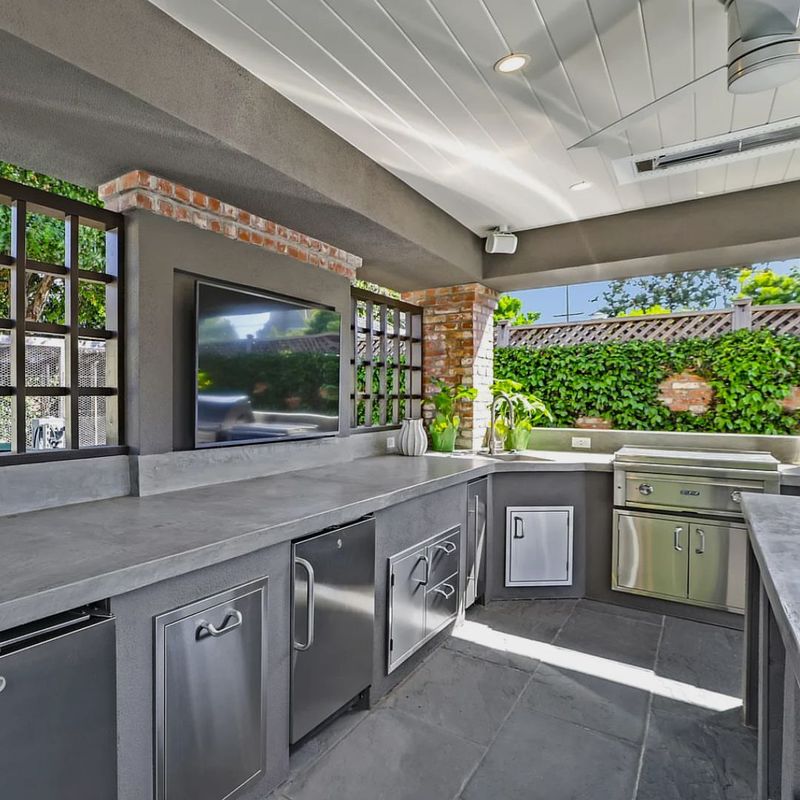
Outdoor kitchens are a dream feature for many Florida homeowners who love to entertain.
However, they almost always require permits because they involve gas lines, electrical wiring, plumbing, and sometimes structural work.
Even a simple built in grill connected to a natural gas line needs approval to ensure safety and code compliance.
Portable grills that use propane tanks typically do not require permits since they are not permanently installed.
Once you start building countertops, installing sinks, or running utilities, you cross into permit territory.
Inspectors will check gas line connections, electrical outlets, and structural supports to make sure everything is safe and up to code.
Homeowners often underestimate the complexity of outdoor kitchens and try to DIY the project without permits.
This can lead to dangerous gas leaks, electrical fires, or failed inspections when selling your home.
If you are planning an outdoor kitchen, budget time and money for the permitting process and hire licensed contractors who understand Florida’s building codes.
7. Adding A Screen Enclosure Or Lanai
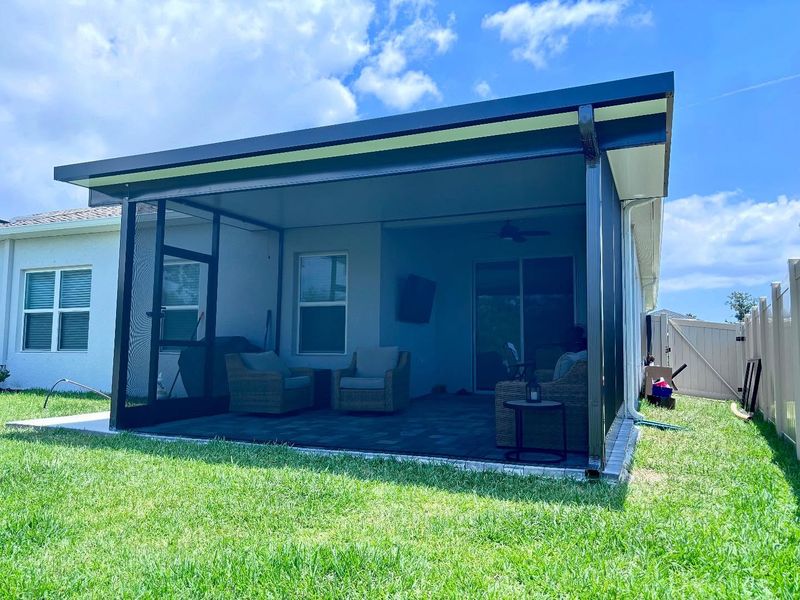
Screen enclosures and lanais are iconic in Florida, providing bug free outdoor living spaces.
These structures almost always require permits because they involve significant construction and must meet strict wind load requirements.
Whether you are enclosing a patio, pool, or entire backyard, expect to go through the permitting process.
Permits cover structural supports, roof attachments, and compliance with hurricane codes.
Florida’s building codes are designed to ensure screen enclosures can withstand high winds without collapsing or becoming dangerous projectiles.
Inspectors will verify that your enclosure is properly anchored and meets all safety standards.
Many homeowners think screen enclosures are simple DIY projects and skip the permit step.
This is a costly mistake, as unpermitted enclosures can fail during storms, cause injury, or result in fines and removal orders.
Worse, unpermitted work can complicate home sales and insurance claims.
Always pull permits and hire experienced contractors familiar with Florida’s unique building requirements.
8. Constructing A Detached Garage Or Workshop
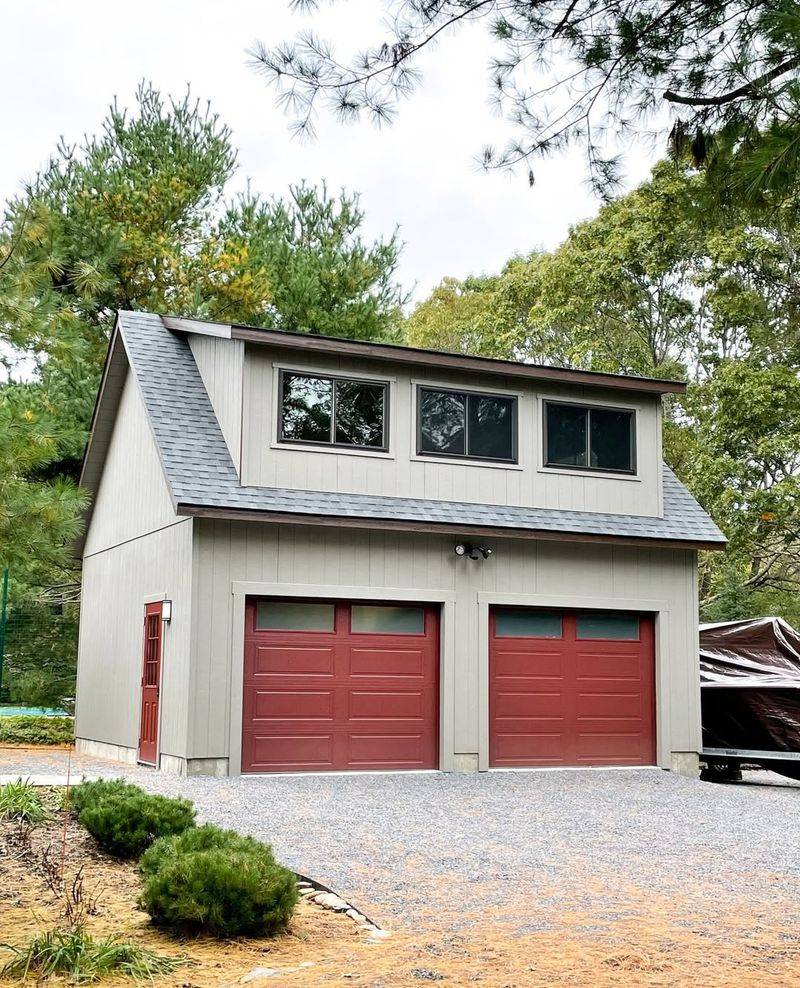
Detached garages and workshops are excellent additions for extra storage or hobby space.
However, they almost always require building permits due to their size and complexity.
Permits cover foundation work, structural framing, electrical systems, and sometimes plumbing if you are adding a bathroom or sink.
Even smaller workshops need permits if they include permanent foundations or utility hookups.
Setback requirements also apply, meaning your garage must be a certain distance from property lines, septic systems, and other structures.
Zoning rules may limit the size or height of detached buildings in residential areas.
Homeowners sometimes assume they can build a small workshop without permits, only to face stop work orders or fines.
Unpermitted structures can also create problems with property taxes, insurance coverage, and future home sales.
Before constructing any detached garage or workshop, check local zoning laws, obtain necessary permits, and schedule inspections.
This ensures your project is safe, legal, and adds value to your property.
9. Major Landscaping And Grading Projects
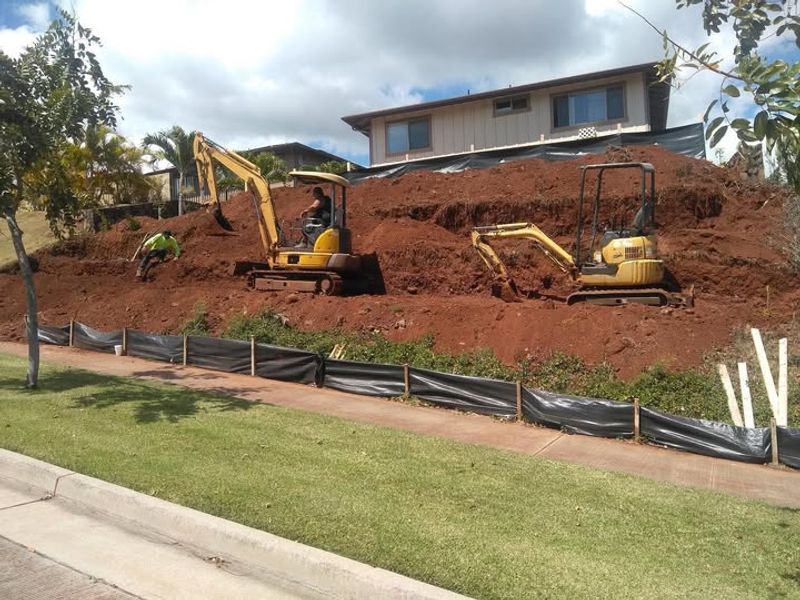
Most basic landscaping projects like planting flowers or laying mulch do not require permits in Florida.
However, major grading, excavation, or drainage work often does.
If your project involves moving large amounts of soil, altering drainage patterns, or building retaining walls over a certain height, you will likely need approval.
Florida’s flat terrain and high water table make drainage a critical concern.
Improper grading can cause water to flow onto neighboring properties or pool near foundations, leading to costly damage and legal disputes.
Permits ensure that grading projects follow proper drainage standards and do not negatively impact surrounding areas.
Homeowners frequently think they can regrade their yards without oversight, especially if they are just trying to fix a soggy spot.
Unfortunately, even well intentioned projects can create bigger problems if not done correctly.
Before starting any major landscaping or grading work, consult your local building department and consider hiring a professional engineer or landscaper familiar with Florida’s unique drainage challenges.