Your Florida Tropical Houseplants Need These 9 Things In January
When January breezes drift through Florida homes and the sun plays hide and seek behind winter skies, tropical houseplants feel the shift like a change in the tide.
One week they are riding high, the next they are begging for a little extra love, proving that even paradise has its off season.
This is the month when a green thumb truly earns its stripes, turning small tweaks into big wins and keeping foliage from going belly up.
Think of January as the calm before the springtime storm, a golden window to fine tune care so plants stay happy as clams.
With the right moves, your monstera, pothos, and prayer plants can glide through cooler days without missing a beat.
Skip the guesswork and read the tea leaves your plants are showing, from pale leaves to droopy stems.
A little know how now keeps your indoor jungle humming, lush, and ready to steal the show when warmer days roll back around.
1. Brighter Indirect Light
Winter sun sits lower in the sky, casting softer rays through your windows.
Your monstera or pothos that thrived near the east window in summer might now be getting less intensity than it needs.
January is the perfect time to scout out sunnier spots in your home without exposing plants to harsh direct rays that can scorch delicate leaves.
Moving plants a few feet closer to windows or rotating them weekly ensures all sides receive equal exposure.
South-facing windows become gentler now, offering bright conditions without the scorching summer heat.
Consider shifting shade lovers like calatheas to spots that were too bright in August but are now perfectly balanced.
Many Florida plant parents make the mistake of assuming winter light is sufficient because our days stay relatively bright.
However, the angle and duration change enough to impact growth.
Watch for leggy stems or pale new leaves, which signal your plant is reaching for more light.
A simple repositioning can make all the difference in maintaining vibrant foliage and steady growth throughout the cooler months ahead.
2. Stable Indoor Temperatures
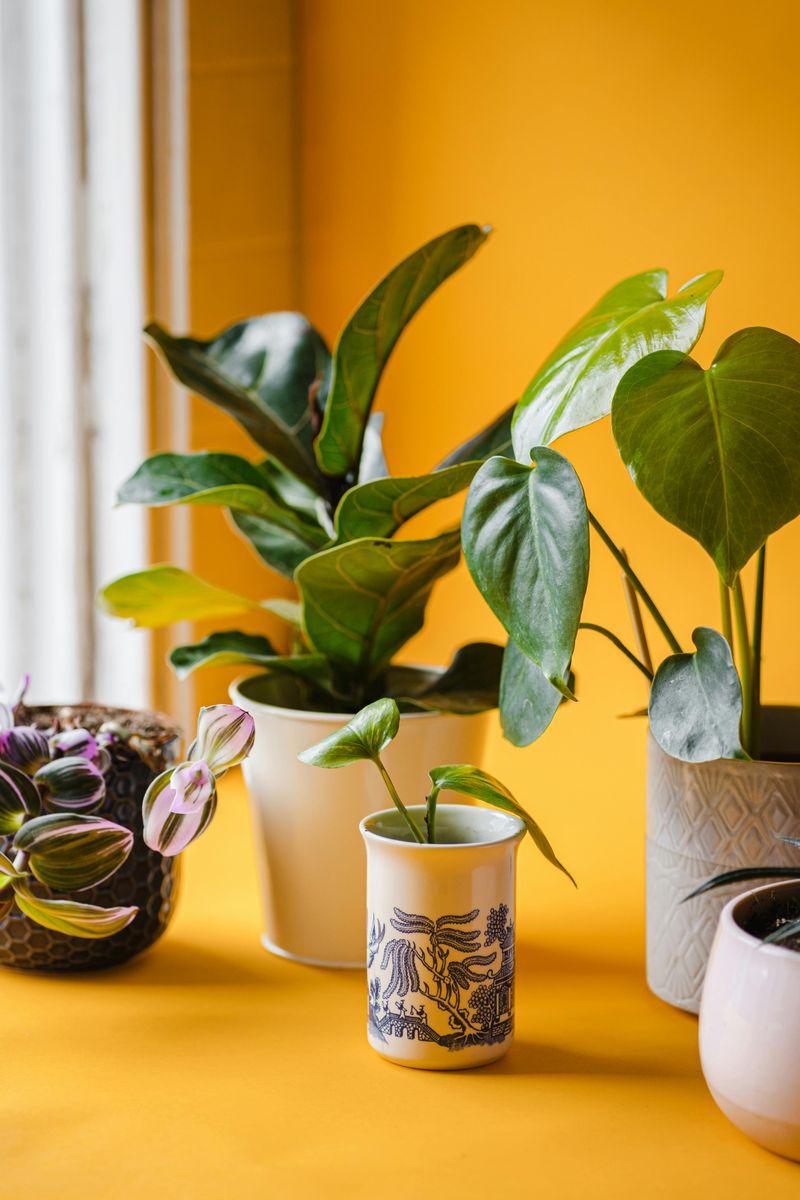
Tropical plants evolved in environments where temperatures remain consistently warm year-round.
Florida nights can dip into the 50s during January, and those chilly drafts sneaking through windows or doors can stress your beloved philodendrons and ferns.
Keeping indoor temperatures between 65 and 75 degrees creates a comfort zone that mimics their natural habitat.
Avoid placing plants near air conditioning vents, exterior doors, or single-pane windows where cold air accumulates.
Even brief exposure to temperatures below 55 degrees can cause leaf discoloration or slow growth.
If you love opening windows on cooler mornings, move sensitive plants away from those drafty areas first.
A common oversight is forgetting about nighttime temperature drops near windows.
Glass conducts cold efficiently, creating microclimates that feel much cooler than the rest of your room.
Investing in a simple indoor thermometer near your plant collection helps you monitor conditions accurately.
Consistent warmth allows your tropicals to maintain their metabolic processes smoothly, preventing the shock that comes from wild temperature swings and keeping foliage looking fresh and perky all month long.
Your Florida Garden Changes Every Week. Your Plan Should Too.
Gardening in Florida changes quickly throughout the season. Every Friday you’ll receive a simple weekly plan showing exactly what to plant, prune, fertilize, harvest, and protect so you never miss the right timing.
3. Reduced Watering
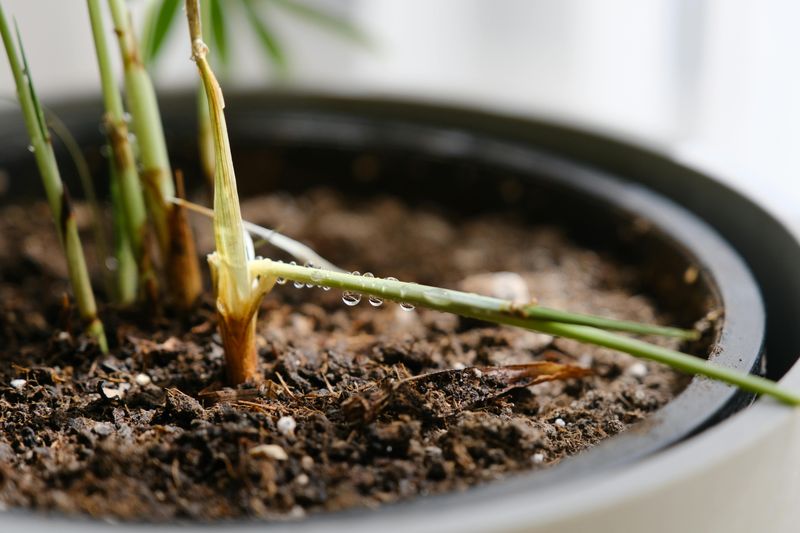
Cooler temperatures and lower light levels mean your plants are growing more slowly, which translates directly to reduced water needs.
That weekly watering schedule you maintained through summer might now be too frequent.
Overwatering becomes the biggest threat in January because soil takes longer to dry out, creating conditions where roots can suffocate or develop rot.
Check soil moisture by sticking your finger two inches deep before reaching for the watering can.
If it feels damp, wait a few more days.
Most tropical houseplants prefer their top few inches of soil to dry between waterings, especially during slower growth periods.
Adjust your routine based on what the plant tells you rather than sticking to a rigid calendar.
Many Florida gardeners water out of habit, not necessity, which floods root systems when plants cannot absorb moisture quickly.
Yellow lower leaves or musty-smelling soil signal too much water.
Switching to a moisture meter takes the guesswork out of watering decisions.
Remember that pots near heaters or in brighter spots will dry faster than those in cooler corners, so treat each plant individually for the best results.
4. Higher Humidity
Florida winters bring drier air than you might expect, especially indoors where heating systems strip moisture from the atmosphere.
Tropical plants naturally thrive in humid environments, and January’s lower humidity can cause brown leaf tips, crispy edges, or curling foliage on humidity-loving species like ferns, calatheas, and prayer plants.
Grouping plants together creates a mini microclimate where transpiration from leaves raises ambient moisture levels.
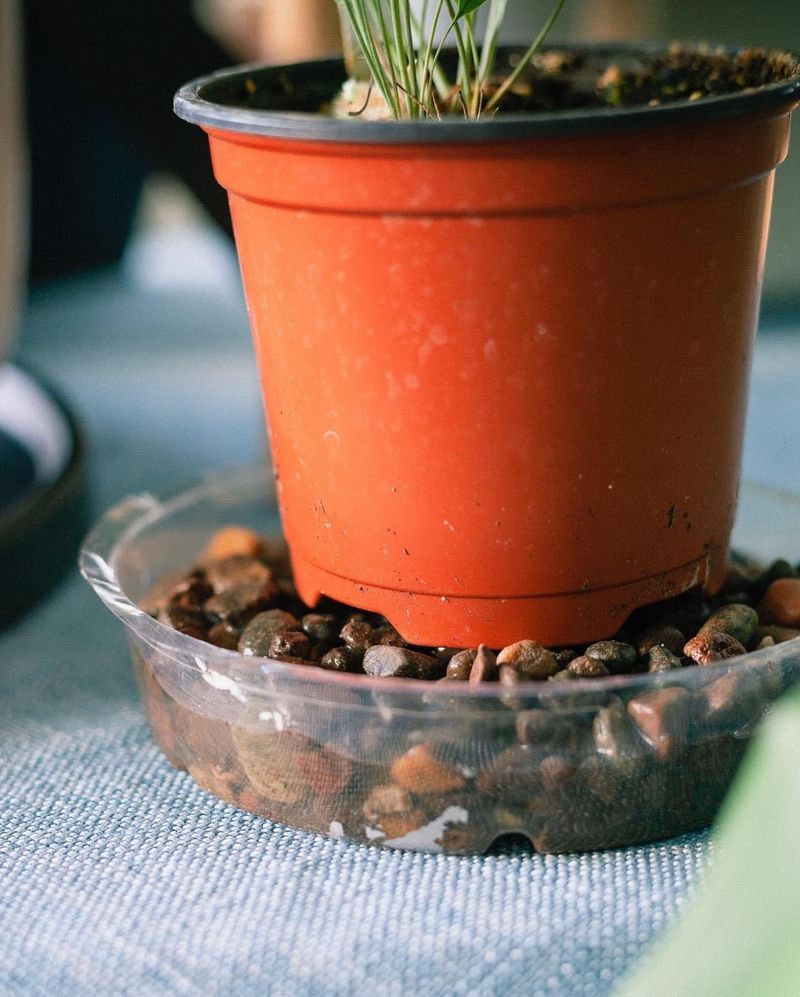
Placing pots on pebble trays filled with water adds humidity as the water evaporates, though be sure pot bottoms sit above the waterline to prevent root issues.
Humidifiers offer the most reliable solution, especially for larger collections or particularly finicky varieties.
Misting provides temporary relief but evaporates too quickly to make a lasting difference for most plants.
Running a cool-mist humidifier near your collection for a few hours daily maintains the 50 to 60 percent humidity range that tropicals adore.
Avoid placing plants near heating vents, which create exceptionally dry conditions.
Monitoring humidity with a hygrometer helps you understand your home’s unique environment and adjust accordingly, ensuring your plants retain their lush, glossy appearance throughout the winter season.
5. Clean Leaves
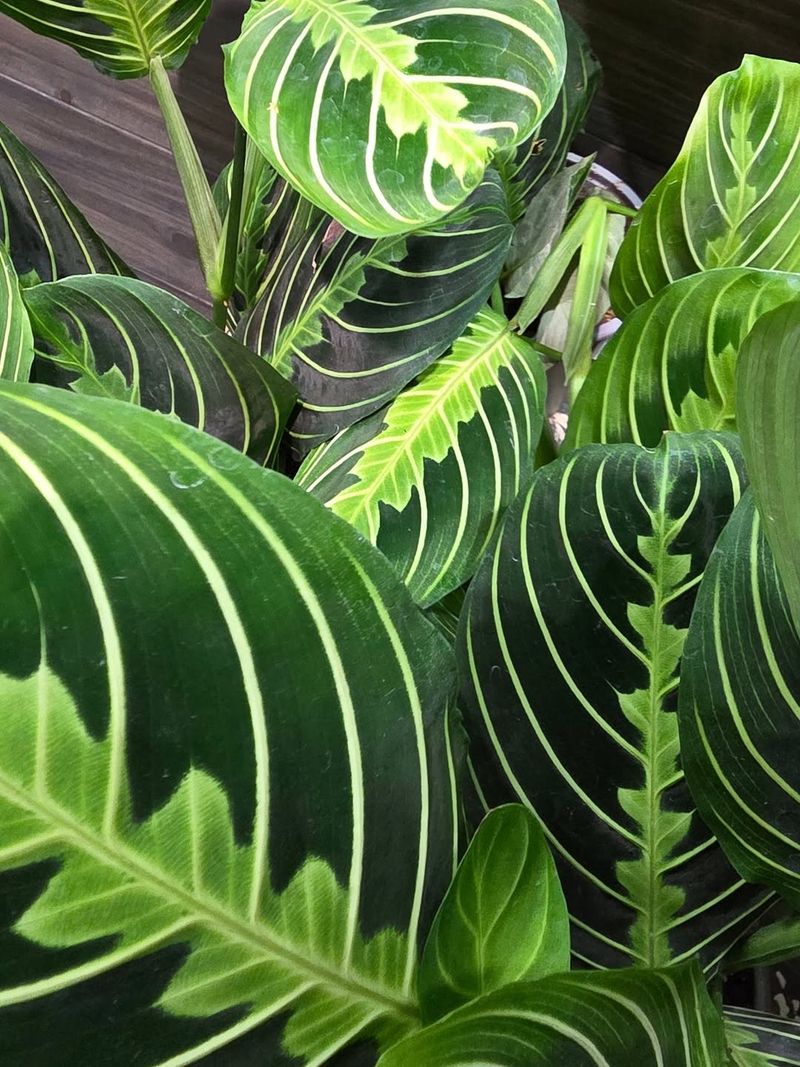
Dust accumulates on foliage faster than most people realize, creating a barrier that blocks light absorption and reduces photosynthesis efficiency.
January’s reduced light makes every bit of available sunshine precious, so keeping leaves clean becomes essential for maintaining plant health.
Clean foliage also allows plants to breathe properly through their stomata, improving overall vitality.
Gently wiping leaves with a soft, damp cloth removes dust while giving you a chance to inspect for pests or early signs of trouble.
For plants with many small leaves, a lukewarm shower in the bathtub or sink works beautifully.
Support each leaf from underneath while cleaning to avoid damaging delicate tissue.
Some plant owners reach for leaf shine products, but these can clog pores and create more problems than they solve.
Plain water works perfectly and keeps leaves looking naturally glossy.
Pay special attention to the undersides of leaves where pests like spider mites prefer to hide.
Cleaning monthly prevents buildup and helps your plants maximize the winter light they receive.
This simple maintenance task takes just minutes but makes a noticeable difference in how vibrant and healthy your collection appears throughout the season.
6. Light Feeding
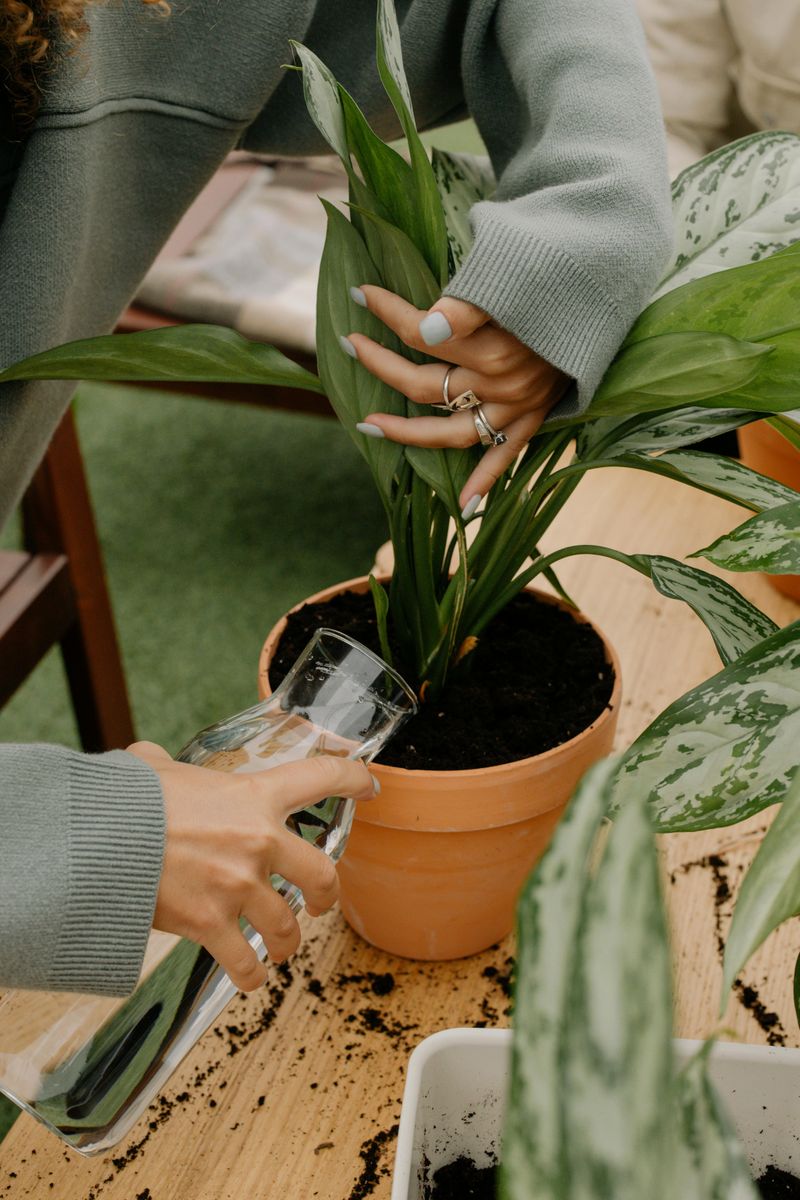
Slower growth during winter means your plants require fewer nutrients than during their active growing season.
Heavy fertilization in January can actually harm plants by causing salt buildup in soil or forcing weak, leggy growth that struggles to sustain itself.
However, completely withholding nutrients for months can leave plants depleted when spring growth resumes.
Diluting your regular fertilizer to quarter or half strength provides gentle nutritional support without overwhelming dormant or slow-growing plants.
Feeding once monthly or even every six weeks suffices for most tropical houseplants during January.
Water-soluble balanced fertilizers work well because you can easily adjust concentration based on individual plant needs.
Watch for signs that plants need feeding, such as overall pale color or slower growth than usual for the season.
Avoid fertilizing newly repotted plants or those showing stress, as their roots need time to recover first.
Many Florida plant lovers make the mistake of maintaining summer feeding schedules year-round, which leads to fertilizer burn and damaged roots.
Scaling back now protects your plants while ensuring they have enough reserves to support healthy foliage and prepare for the vigorous growth spurt that arrives with warmer spring temperatures.
7. Root Health Checks
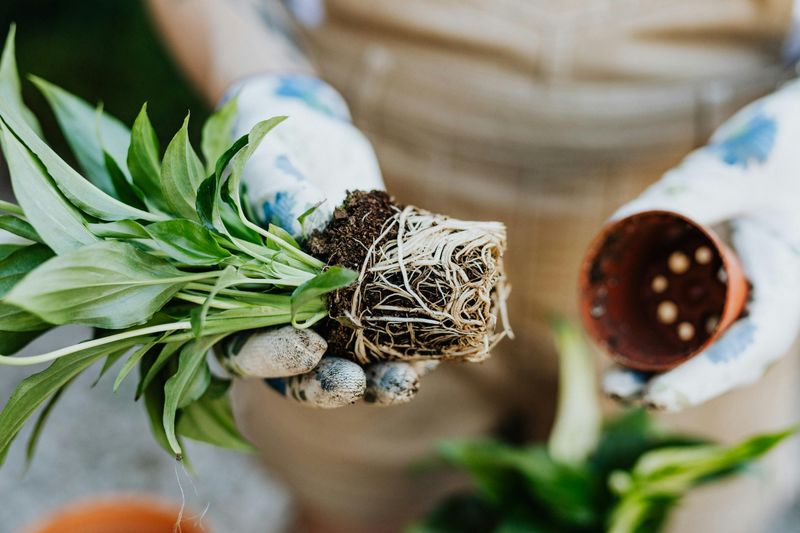
January offers an ideal opportunity to assess root health before the busy spring growing season begins in Florida.
Healthy roots mean healthy plants, and catching problems early prevents bigger issues down the road.
Gently sliding plants from their pots reveals whether roots are white and firm or showing signs of crowding, rot, or pest damage.
Roots circling the pot’s perimeter indicate your plant has outgrown its container and will benefit from repotting when warmer weather arrives.
Mushy, dark, or foul-smelling roots signal overwatering or root rot that needs immediate attention.
Trim away damaged sections with clean scissors and consider repotting into fresh, well-draining soil if the problem seems contained.
Checking roots also reveals pest issues like fungus gnats or root mealybugs before they spread throughout your collection.
If roots look healthy but tightly packed, you can plan spring repotting sessions in advance.
Many plant parents wait until problems become visible in foliage, but roots tell the real story of plant health.
Taking a few minutes to inspect root systems now helps you make informed care decisions and ensures your tropicals have the strong foundation they need to thrive throughout the coming year.
8. Proper Air Circulation
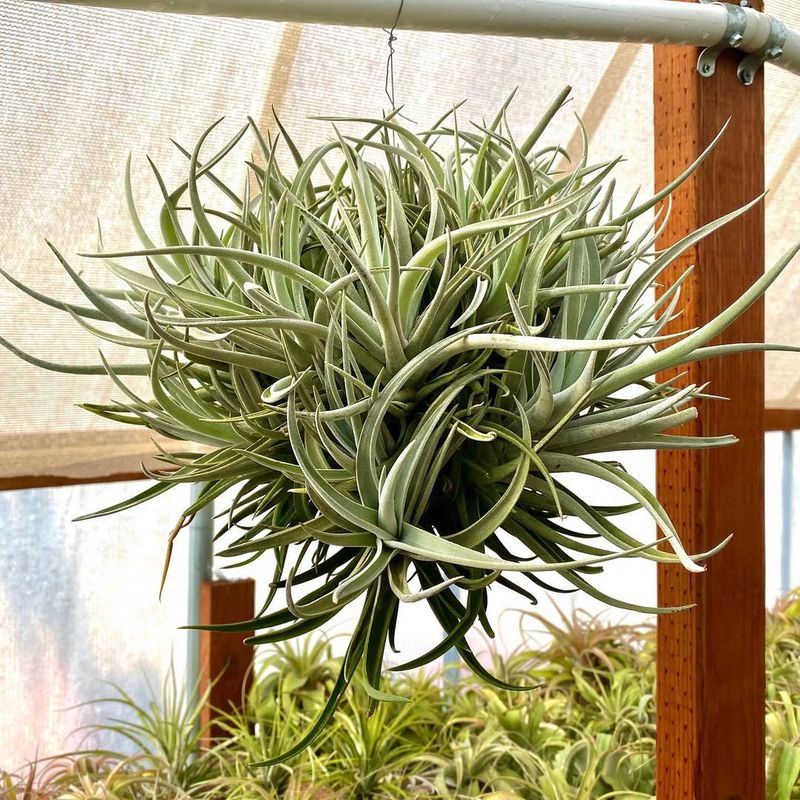
Stagnant air encourages fungal problems, pest infestations, and overall plant stress that weakens your tropical collection.
Good air movement mimics the gentle breezes plants experience in their natural habitats, strengthening stems and keeping foliage dry enough to discourage disease.
January’s closed windows and reduced ventilation make intentional air circulation more important than ever.
Positioning a small fan to create gentle, indirect airflow around your plants works wonders without creating harsh winds that damage leaves.
Set fans on low speed and aim them toward walls or ceilings so air bounces around the room rather than blasting plants directly.
Running a fan for a few hours daily provides enough movement to make a difference.
Avoid crowding plants too closely together, which traps moisture and reduces airflow between leaves.
Space pots a few inches apart so air can circulate freely around each plant.
Opening interior doors helps air move throughout your home naturally.
Some Florida plant enthusiasts forget about air circulation entirely, focusing only on light and water, but proper airflow prevents many common winter problems.
Fresh air keeps leaves dry, discourages pests, and promotes strong, sturdy growth that looks beautiful and stays healthier throughout the season.
9. Gentle Pruning
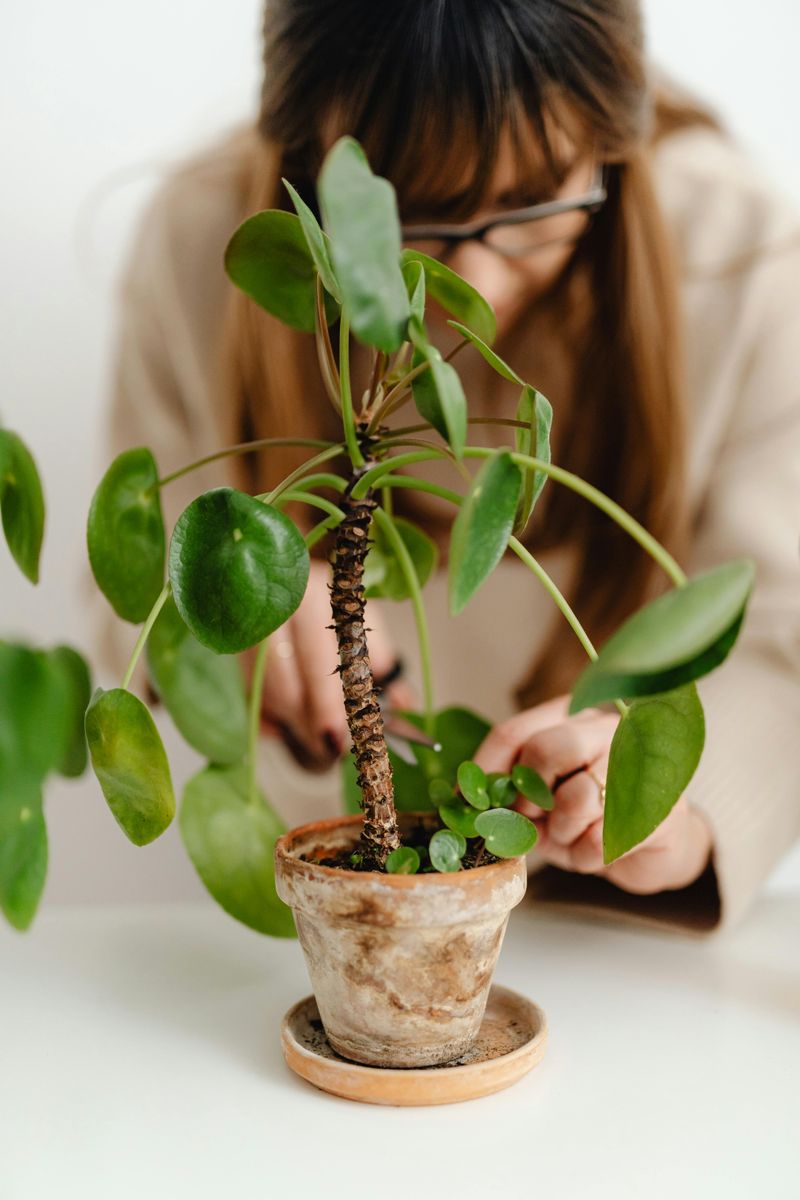
Winter provides the perfect time for light maintenance pruning that tidies up your plants without stressing them during active growth.
Removing yellowed leaves, brown tips, or damaged foliage improves appearance while redirecting energy toward healthy growth.
Clean cuts heal faster than torn or ragged edges, so always use sharp, sterilized scissors or pruning shears.
Focus on removing only what looks unhealthy or unsightly rather than attempting major reshaping, which plants handle better during spring and summer in Florida.
Cut just above leaf nodes at slight angles to promote proper healing.
Trimming leggy stems encourages bushier growth once warmer weather returns, creating fuller, more attractive plants.
Sterilizing tools between plants prevents spreading diseases or pests throughout your collection.
Wiping blades with rubbing alcohol takes seconds and protects your investment.
Many people hesitate to prune at all, worried about harming their plants, but strategic trimming actually promotes vigor and beauty.
Remove any stems showing signs of rot or pest damage immediately to prevent problems from spreading.
January’s slower growth means plants recover from pruning with less stress than during peak growing months.
Taking time for thoughtful maintenance now sets your collection up for spectacular spring growth and keeps your indoor jungle looking its absolute best all year long.