These 11 Vegetables Florida Gardeners Should Be Planting In January
January in Florida is when the garden hits its stride.
The air turns crisp enough to be refreshing, the sun still carries warmth, and vegetables grow like they finally caught a second wind.
While snow blankets much of the country, Florida gardeners are harvesting, planting, and filling plates straight from the backyard.
This is the season when greens stay tender, roots sweeten up, and cool weather crops stretch out and show their best side.
Every seed feels like a sure bet, every transplant takes hold without a fight, and beds begin to look like they belong in a magazine.
There is nothing quite like stepping outside on a January morning and picking dinner before the coffee even finishes brewing.
The soil works with you instead of against you, pests stay quiet, and plants seem eager to prove themselves.
A well planned winter garden turns into a steady flow of fresh flavor that keeps coming long after the new year shine has worn off.
1. Lettuce
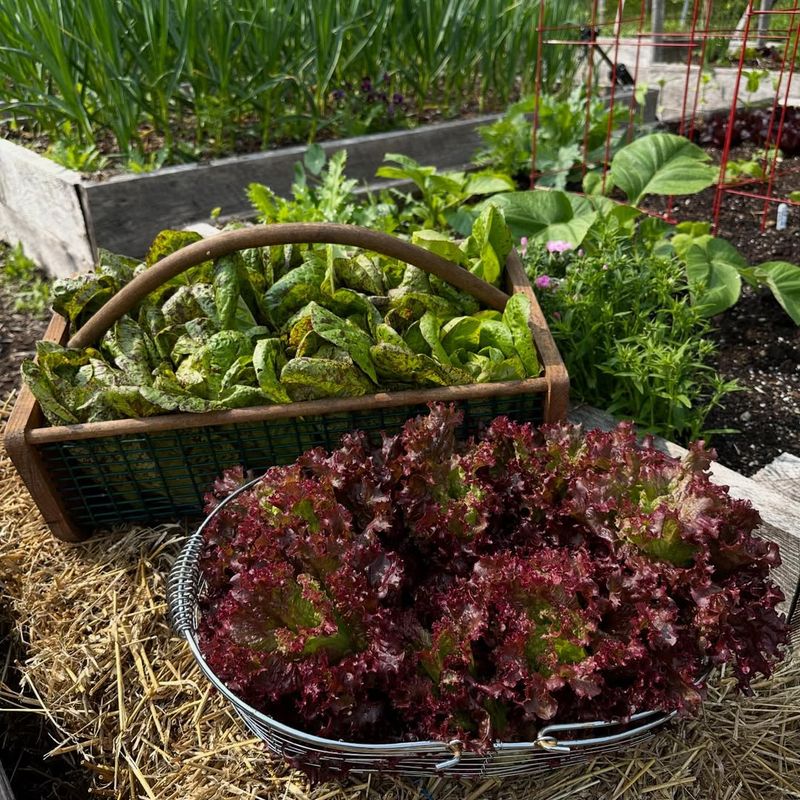
Crisp, fresh lettuce grows beautifully in Florida during January when the weather stays cool and comfortable.
Lettuce thrives in temperatures between 45 and 75 degrees, making our winter months ideal for producing tender leaves without the bitterness that comes from hot weather.
You can choose from loose leaf varieties that let you harvest outer leaves continuously, or head types like romaine and buttercrunch that form tight bundles.
Starting lettuce is simple because seeds germinate quickly in cool soil.
Plant seeds about a quarter inch deep and space them four to six inches apart in rows.
If you prefer, transplants from your local nursery give you a head start and often handle our occasional temperature swings better than direct seeded plants.
Keep the soil consistently moist but not waterlogged, and give your lettuce a spot with morning sun and afternoon shade if possible.
This protects leaves from getting too warm on those surprise 80 degree January days.
Harvest begins in as little as 30 days for baby greens, or wait 60 days for full sized heads bursting with flavor and crunch.
2. Spinach
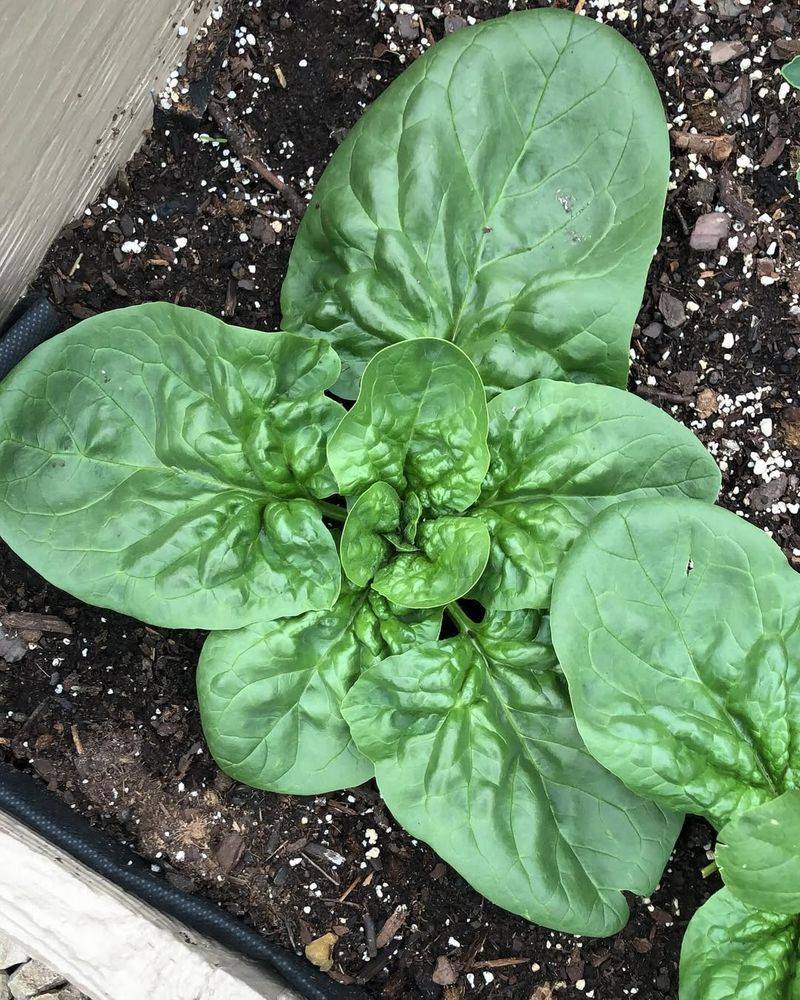
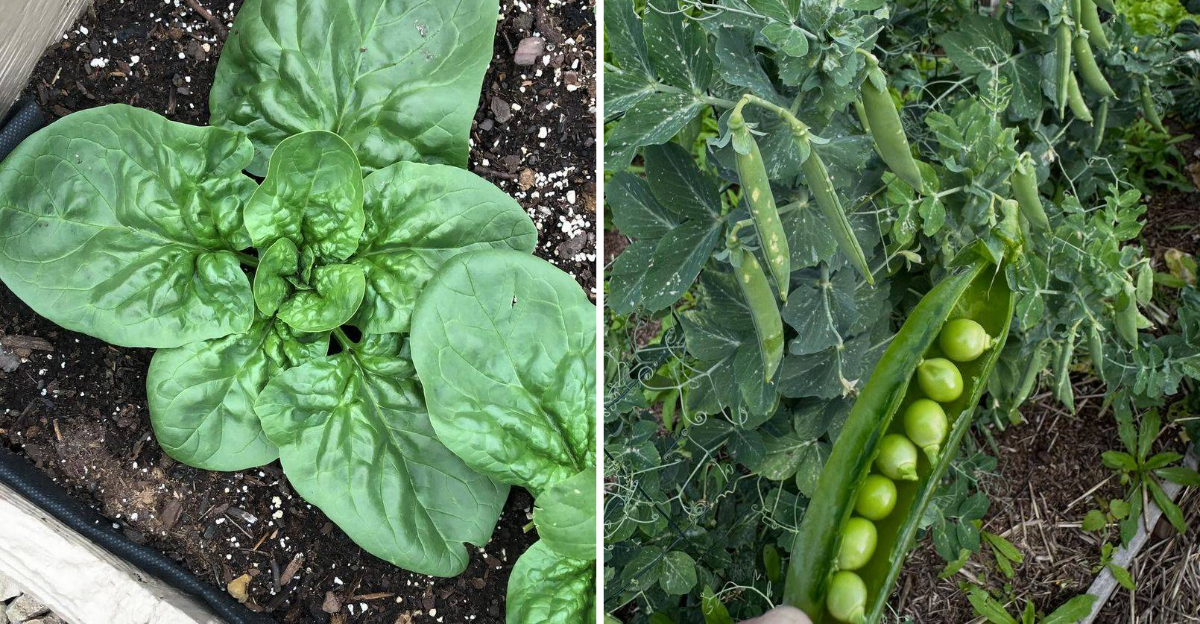
Packed with vitamins and incredibly versatile in the kitchen, spinach loves Florida’s January weather.
Cool nights and mild days encourage spinach to produce thick, dark green leaves loaded with nutrients.
This vegetable actually tastes sweeter when grown in cooler temperatures because the plant converts starches to sugars as a natural protection against cold.
Direct seed spinach about half an inch deep in well prepared garden beds enriched with compost.
Space seeds two inches apart, and thin seedlings to four inches once they sprout.
Spinach grows quickly, so you can succession plant every two weeks through February to keep fresh leaves coming all spring long.
Water regularly to keep soil evenly moist since spinach has shallow roots that dry out easily.
A layer of mulch helps maintain moisture and keeps soil temperatures stable during our occasional winter cold snaps.
Watch for the first true leaves to appear within a week, and begin harvesting outer leaves when plants reach four to six inches tall, usually around 40 days after planting.
Your Florida Garden Changes Every Week. Your Plan Should Too.
Gardening in Florida changes quickly throughout the season. Every Friday you’ll receive a simple weekly plan showing exactly what to plant, prune, fertilize, harvest, and protect so you never miss the right timing.
The more you pick, the more spinach produces.
3. Kale
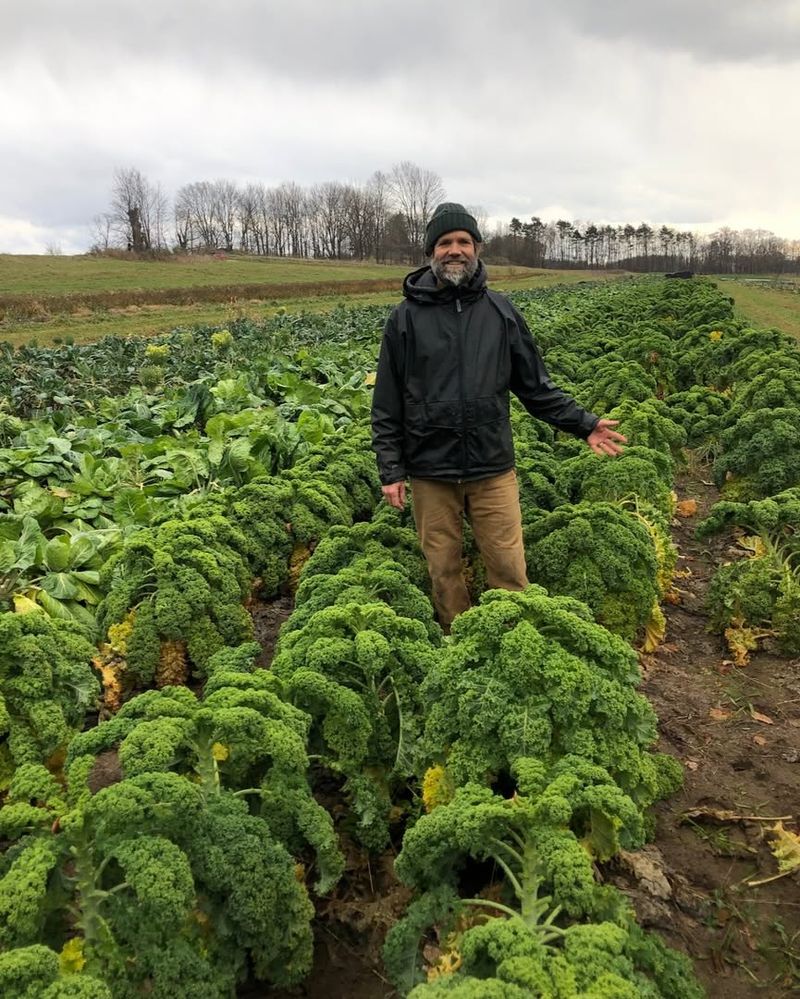
Tough, nutritious, and surprisingly easy to grow, kale stands up to Florida’s variable winter weather better than most greens.
January planting gives kale plenty of time to establish strong roots before warmer weather arrives in late spring.
The cool temperatures actually improve kale’s flavor by reducing bitterness and adding a slight sweetness that makes it perfect for salads, smoothies, and cooked dishes.
Plant kale seeds about a quarter to half inch deep, spacing them 12 to 18 inches apart since these plants grow quite large.
You can also use transplants if you want to skip the germination stage and get straight to growing.
Kale appreciates rich soil with plenty of organic matter, so work compost into your beds before planting.
Provide consistent moisture and watch your kale plants develop beautiful crinkled or smooth leaves depending on the variety you choose.
Lacinato, curly, and Red Russian types all perform wonderfully in Florida gardens.
Begin harvesting lower leaves when they reach hand size, leaving the top growth point intact so plants continue producing.
Kale can keep giving you fresh greens for months when treated well.
4. Collard Greens
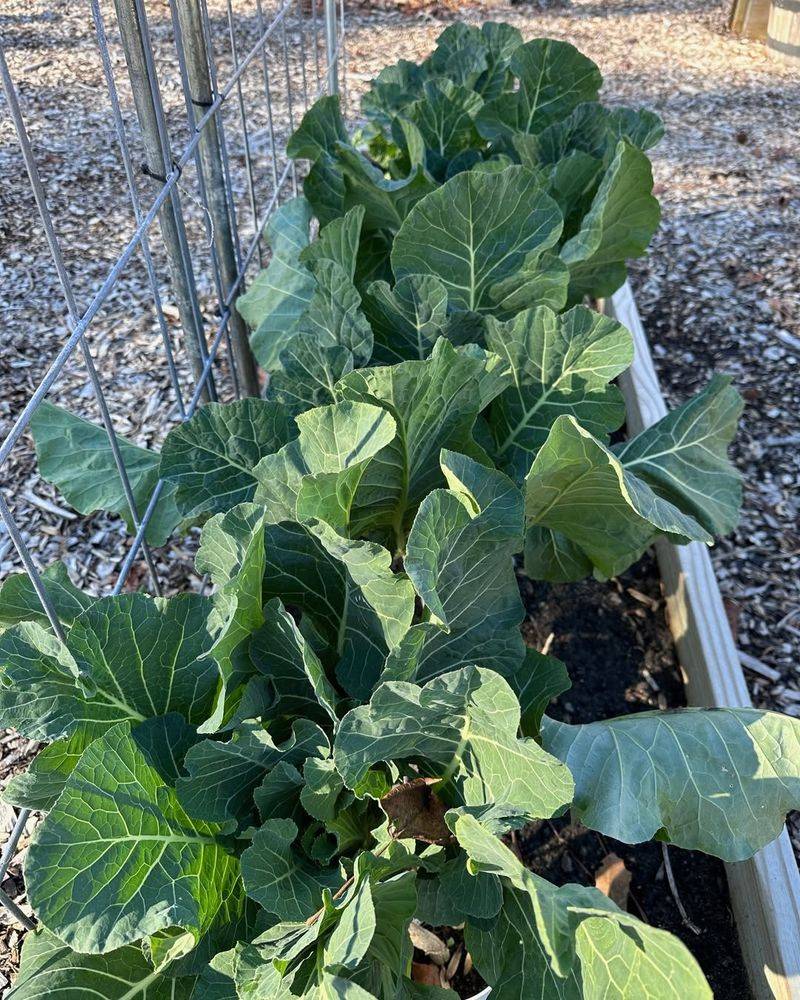
A Southern staple that feels right at home in Florida gardens, collard greens thrive when planted during our coolest months.
These hardy plants tolerate both cold snaps and warm spells, making them reliable producers throughout winter and into spring.
Collards develop large, smooth leaves with a mild cabbage flavor that becomes sweeter after exposure to cool temperatures.
Start collards from seed or transplants, spacing plants 18 to 24 inches apart to give them room to spread.
Seeds should go about a quarter to half inch deep in fertile, well draining soil.
Collards are heavy feeders, so mixing compost or aged manure into your garden bed before planting sets them up for success.
Water deeply once or twice a week rather than light daily watering, which encourages strong root development.
Mulch around plants to conserve moisture and suppress weeds that compete for nutrients.
You can start harvesting lower leaves when they reach eight to ten inches long, or wait and cut the entire plant at ground level for a big harvest.
Either way, collards planted in January will feed your family well into April or May.
5. Swiss Chard
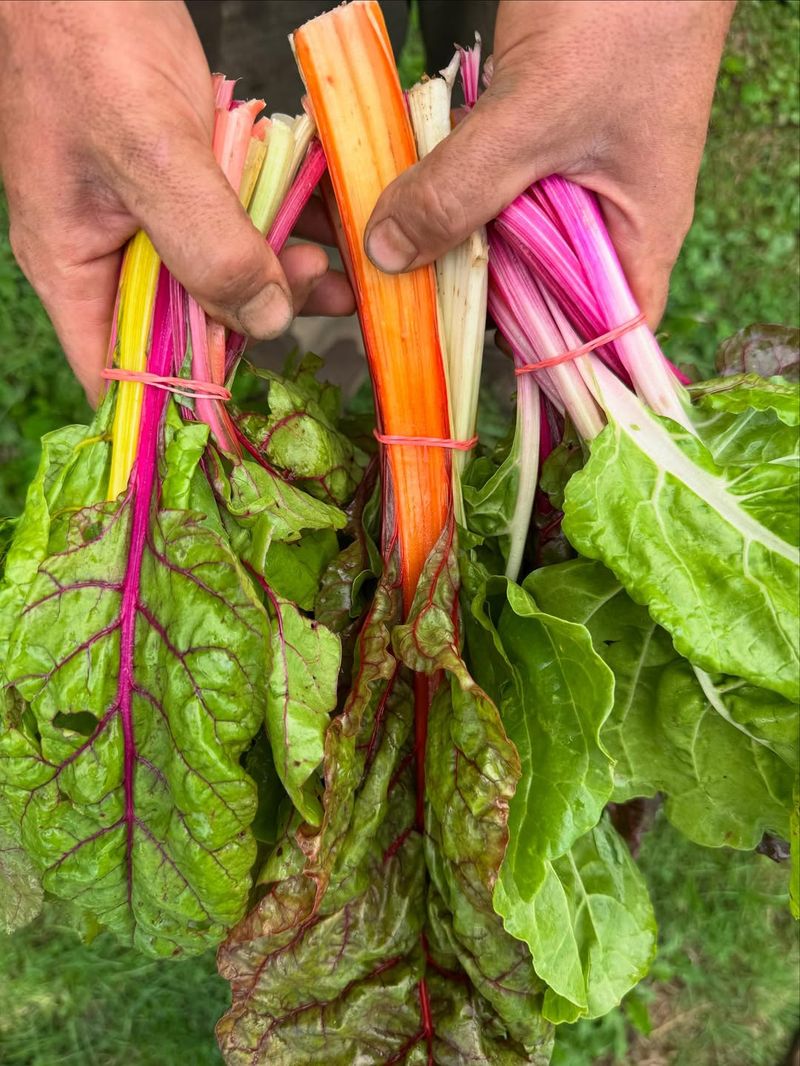
With colorful stems in shades of red, yellow, orange, and white, Swiss chard adds beauty and nutrition to your January garden.
This leafy green tolerates a wide range of conditions and produces abundantly throughout Florida’s cool season.
Chard leaves taste similar to spinach but with a slightly earthier flavor, and both the leaves and stems are edible and delicious.
Plant chard seeds about half an inch deep and 12 inches apart in rows.
Each seed is actually a cluster of several seeds, so expect multiple seedlings to emerge from each planting spot.
Thin these to the strongest plant once they develop their first true leaves.
Chard grows well in full sun but also tolerates partial shade, making it flexible for different garden locations.
Keep soil consistently moist and feed plants every few weeks with a balanced organic fertilizer to support continuous leaf production.
The beautiful stems make chard an attractive addition to ornamental gardens as well as traditional vegetable plots.
Start harvesting outer leaves when they reach six to eight inches long, cutting them near the base and leaving the center growth point intact.
Your chard plants will keep producing fresh leaves for months with regular harvesting.
6. Carrots
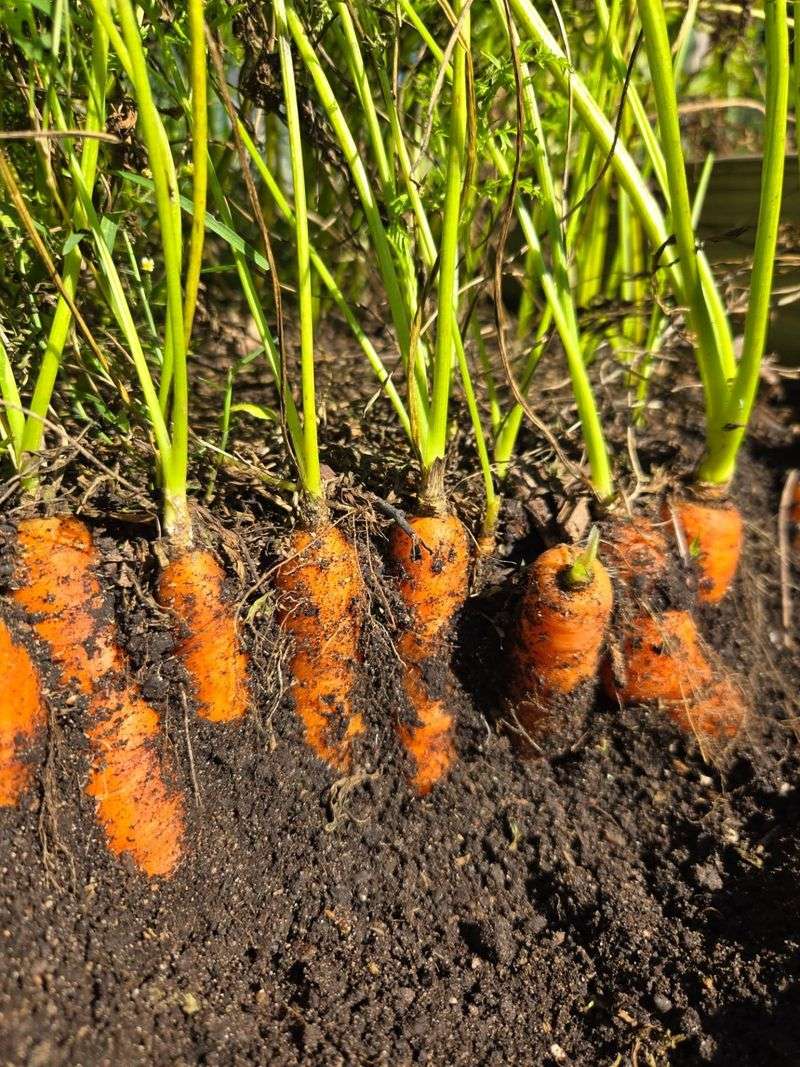
Sweet, crunchy carrots grow exceptionally well in Florida when planted during January.
Cool soil temperatures encourage carrots to develop their signature sweetness and crisp texture without becoming woody or bitter.
Success with carrots starts with proper soil preparation since these root vegetables need loose, sandy soil free of rocks and clumps that can cause twisted or forked roots.
Sow carrot seeds directly in the garden about a quarter inch deep in rows spaced 12 inches apart.
The tiny seeds can be tricky to space properly, so many gardeners mix them with sand before planting or use seed tape for easier spacing.
Keep the soil surface consistently moist until seeds germinate, which takes 10 to 14 days and requires patience.
Once seedlings emerge, thin them to two inches apart to give roots room to expand.
Carrots need steady moisture throughout their growth period, so water regularly and mulch to prevent soil from drying out.
Florida gardeners have great success with shorter varieties like Danvers and Chantenay that mature in 60 to 70 days.
Pull carrots when shoulders peek above the soil line, usually in March or April, for the sweetest homegrown taste imaginable.
7. Radishes
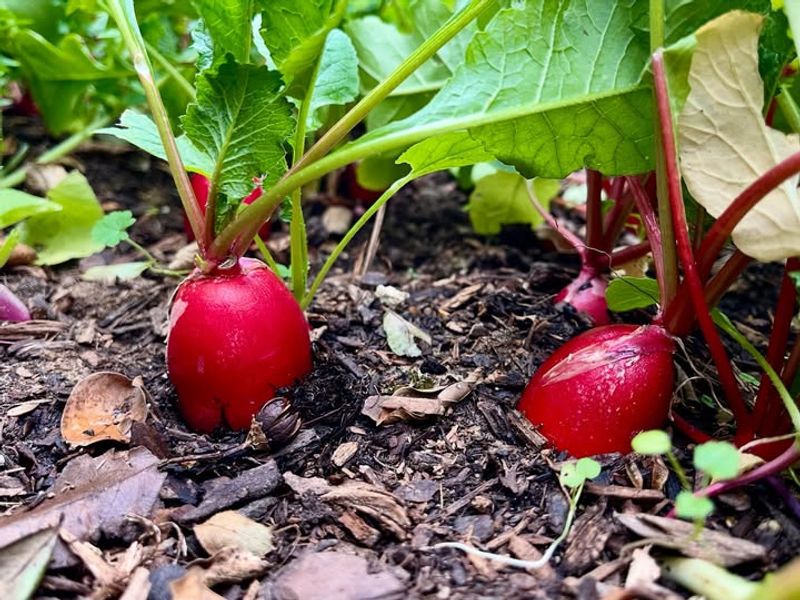
Fast growing and satisfyingly crunchy, radishes are perfect for impatient gardeners who want quick results.
These zippy root vegetables mature in just 25 to 30 days, making them ideal for succession planting throughout January and February.
Radishes prefer cool weather and actually develop the best flavor and crispness when grown during Florida’s winter months.
Plant radish seeds half an inch deep and one inch apart in loose, well draining soil.
Radishes are not fussy about soil fertility, but they do need consistent moisture to develop properly.
Seeds germinate quickly, often within three to five days, giving you almost instant gratification in the garden.
Thin seedlings to two inches apart once they sprout to prevent crowding, which causes small or misshapen roots.
Water regularly to keep growth steady because radishes that experience dry periods become pithy and overly spicy.
Harvest radishes promptly when they reach full size, usually when roots are about an inch in diameter.
Leaving them in the ground too long results in tough, hollow roots.
Try different varieties like Cherry Belle, French Breakfast, or colorful Watermelon radishes for variety and visual interest on your plate.
8. Beets
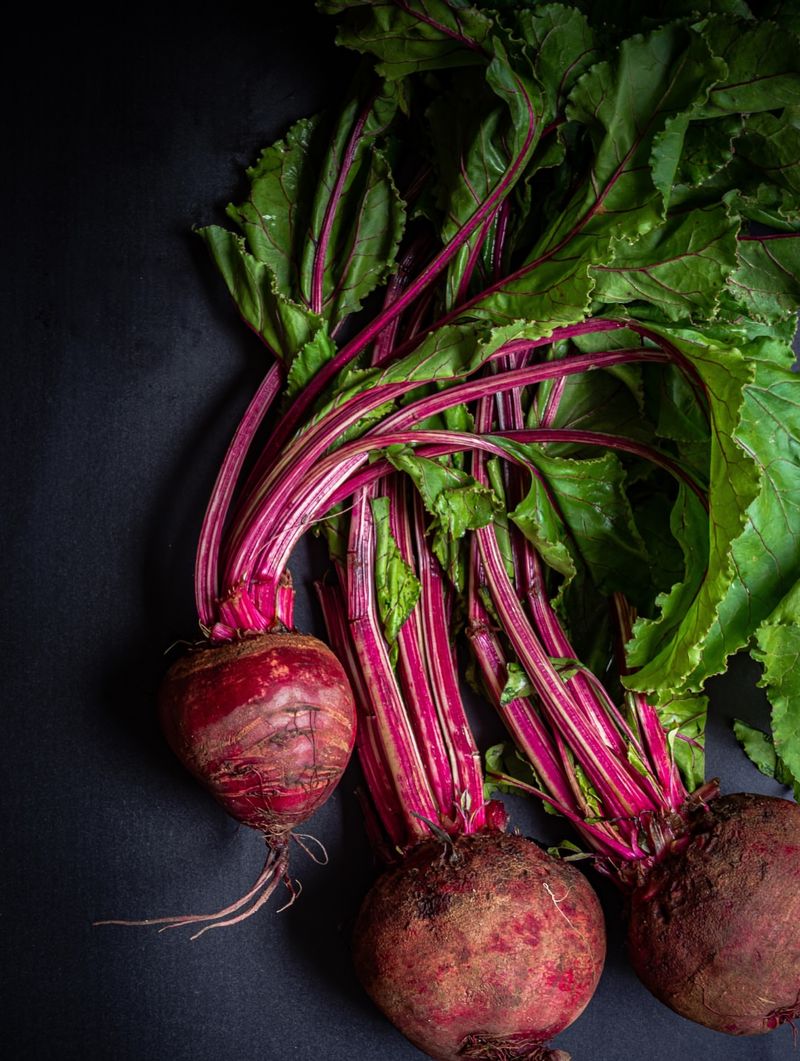
Earthy and naturally sweet, beets thrive in Florida’s January weather and provide both edible roots and nutritious greens.
These dual purpose vegetables appreciate cool temperatures that help them develop deep color and rich flavor.
Beets grow well in our sandy soils when amended with compost, and they store beautifully after harvest for weeks of enjoyment.
Plant beet seeds about half an inch deep and three inches apart in rows.
Like Swiss chard, each beet seed is actually a cluster, so multiple seedlings will emerge from one seed.
Thin these to the strongest plant when they reach two inches tall.
Beets need consistent moisture and benefit from a side dressing of compost or organic fertilizer midway through their growing season.
Choose from traditional red varieties, golden beets that do not stain, or striped Chioggia types with beautiful bull’s eye patterns inside.
Harvest beet greens anytime for salads and cooking, but leave enough foliage for roots to continue developing.
Roots are ready to pull when they reach two to three inches in diameter, usually 50 to 60 days after planting.
Smaller beets taste sweeter and more tender than oversized ones, so do not wait too long to enjoy your harvest.
9. Broccoli
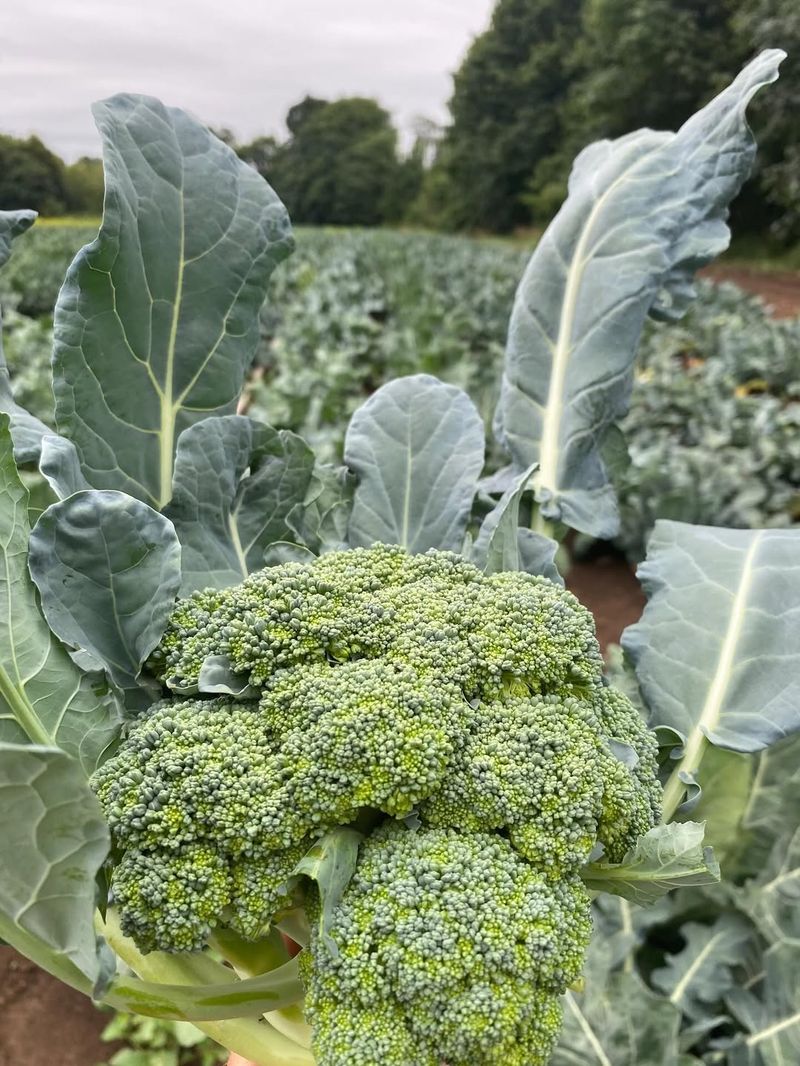
Growing your own broccoli might seem challenging, but early January planting in Florida—especially in North and Central regions—makes it very achievable.
Cool winter temperatures allow broccoli to form tight, flavorful heads without bolting into flowers too quickly.
In South Florida, broccoli can still be grown, but it performs best when planted in late December to very early January and in the coolest part of the garden.
Broccoli needs more space and nutrients than leafy greens, but the reward of harvesting your own crisp, sweet crowns is well worth the effort.
For best results, use transplants rather than seeds, spacing plants 18 to 24 inches apart in rich, well-amended soil.
Broccoli is a heavy feeder, so mix compost into each planting hole and apply a balanced organic fertilizer every few weeks.
Set transplants slightly deeper than they were in their containers to help form sturdy stems.
Keep soil consistently moist and watch for the main head to develop at the center of the plant.
Harvest the central head when it is firm and compact—usually 4 to 6 inches across—before the buds begin opening into yellow flowers.
Cut the stem about five inches below the head at a slight angle.
After the main crown is harvested, healthy plants will continue producing smaller side shoots for several more weeks.
Broccoli planted in early January typically produces its main harvest from late February through March, before spring heat ends the season.
10. Cauliflower
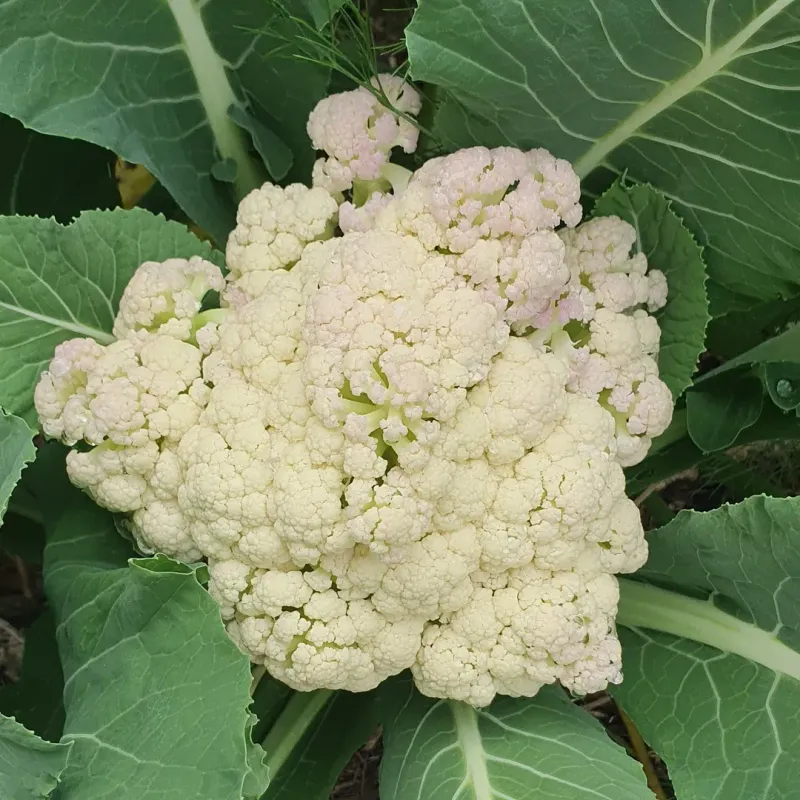
Elegant and mild-flavored, cauliflower grows very well in Florida when planted early in the cool season and kept growing steadily.
January planting works best in North and Central Florida, where cool weather lasts long enough for heads to form properly.
In South Florida, cauliflower should be planted in late December to very early January, because warm spring temperatures can cause heads to loosen or fail to form.
Although cauliflower has a reputation for being fussy, consistent moisture, nutrition, and cool temperatures make it very productive in Florida winter gardens.
Always use transplants, spacing plants 18 to 24 inches apart in fertile, well-drained soil amended with compost.
Cauliflower is a heavy feeder and requires regular fertilizing every two to three weeks to keep growth steady.
Uneven watering or nutrition often causes small or misshapen heads.
Unlike broccoli, cauliflower produces only one main head, so strong early growth is critical.
Keep soil evenly moist and avoid stress.
When the head begins forming in the center, blanch white varieties by loosely folding the outer leaves over the developing curd to protect it from sunlight and keep it white and tender.
Purple and orange varieties do not need blanching.
Harvest when heads are firm and about 6 to 8 inches wide.
Waiting too long causes the head to separate and lose quality.
Cauliflower planted in early January typically matures from late February through March, before rising spring temperatures end the season.
11. Peas
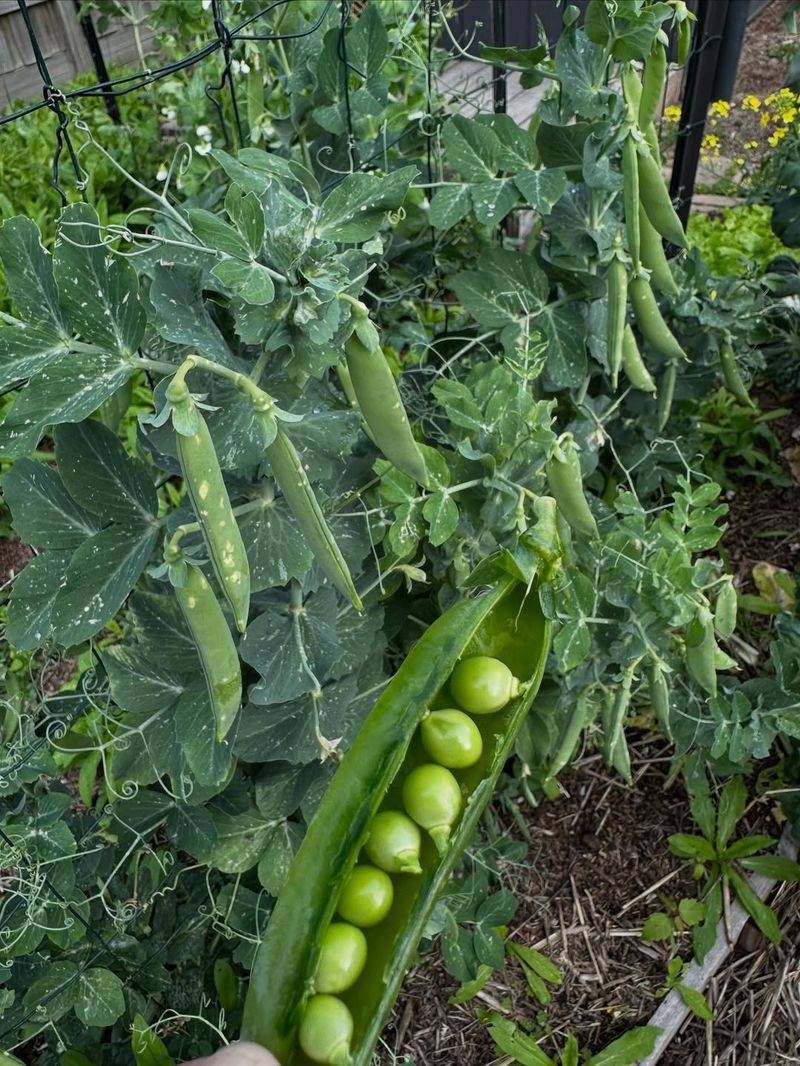
Nothing tastes quite like fresh peas straight from the garden, and January is an excellent time to plant them in North and Central Florida.
Cool winter weather allows pea vines to grow vigorously and set sweet pods before heat shuts them down.
In South Florida, peas perform best when planted in late December or very early January, because warm nights later in spring can reduce flowering and pod production.
You can grow snap peas with edible pods, snow peas for stir-fries, or shelling peas for traditional garden peas.
Plant seeds about one inch deep and two inches apart along a trellis, fence, or other support, since most pea varieties climb.
Peas are legumes that fix nitrogen in the soil, so they need little fertilizer—too much nitrogen produces lush leaves but few pods.
Keep soil evenly moist, especially during flowering and pod development.
Plants usually begin flowering about a month after planting and produce harvestable pods soon after.
Peas planted in January typically start producing in late February through March, depending on temperature.
Pick pods frequently to keep plants producing.
Harvest in the morning when pods are crisp and sweet.
Enjoy them fresh, freeze extras, or share the harvest—homegrown peas are one of winter gardening’s greatest rewards.