Still Time To Plant These 9 Flowers In Florida This January
January in Florida is like finding a secret door into spring while the rest of the country is still shivering under gray skies.
Cool breezes drift through the palms, soil stays soft and workable, and gardens quietly beg for color.
This is the moment when a bare flower bed can turn into a living postcard, bursting with petals that glow like stained glass in the winter sun.
While snowbirds chase warmth, your backyard can steal the show with blooms that thrive when the air stays crisp and the days stay bright.
Green thumbs know this season is no flash in the pan, it is the sweet spot when roots grow strong, flowers push hard, and pests stay on the back burner.
From hanging baskets spilling over with color to borders that look freshly painted, winter planting in Florida delivers a full deck of beauty.
Miss it and you are caught flat footed.
Catch it and your garden will be sitting pretty well into spring, turning heads and stopping traffic every time someone walks by.
Florida spans three growing zones from North to South, so bloom time and sun tolerance can vary by location.
In warmer areas like South Florida, some flowers fade earlier as spring heat arrives, while Central and North Florida enjoy a longer show.
1. Petunias
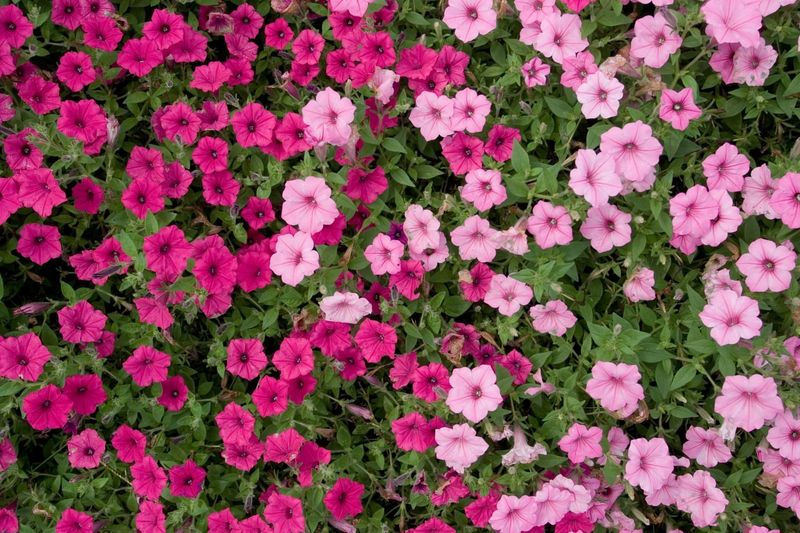
Bright, trumpet-shaped blooms in every color from deep purple to soft pink make petunias a favorite for Florida winter gardens.
Their cheerful flowers cascade beautifully from hanging baskets or spread across garden beds, creating waves of color that catch everyone’s eye.
January offers ideal conditions for petunias because they prefer temperatures between 60 and 75 degrees, which Florida delivers perfectly during winter months.
Plant them now and they can reward you with continuous blooms well into spring, especially in Central and North Florida.
Choose a sunny spot with well-draining soil and space plants about 10 to 12 inches apart.
Mix compost into your planting area to give them a nutritious start.
Water regularly but let the soil dry slightly between waterings to prevent root problems.
Pinch back stems occasionally to encourage bushier growth and more flower production.
Feed with a balanced liquid fertilizer every three to four weeks to keep blooms coming strong.
Remove spent flowers regularly to redirect energy into creating fresh new blossoms instead of seed production.
2. Pansies
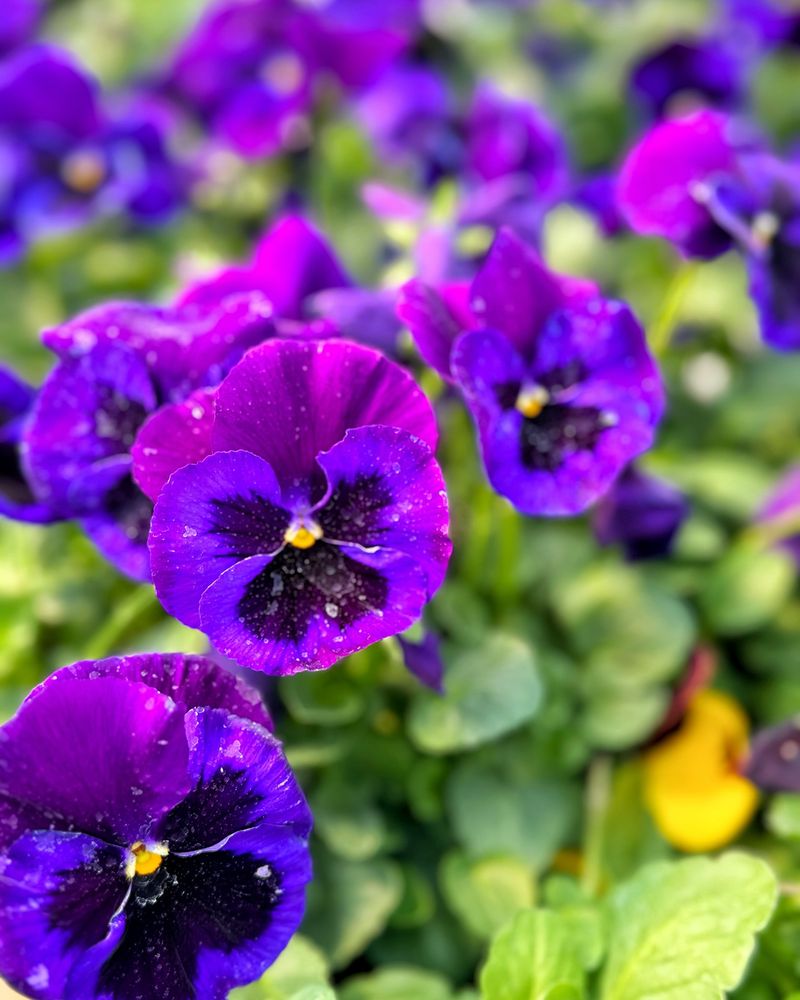
Few flowers capture hearts quite like pansies with their adorable faces and velvety petals that seem to smile up at you from the garden.
These charming cool-season favorites come in stunning combinations of yellow, purple, orange, white, and burgundy, often with dramatic dark centers that look like tiny painted masks.
Cool weather brings out the best in pansies, making January the perfect time to tuck them into your Florida landscape.
In South Florida, they may decline earlier once daytime temperatures climb.
Select a location with morning sun and afternoon shade for best results, especially in South Florida.
Prepare beds with organic matter to create rich, moist soil that drains well.
Space plants six to eight inches apart to allow air circulation.
Your Florida Garden Changes Every Week. Your Plan Should Too.
Gardening in Florida changes quickly throughout the season. Every Friday you’ll receive a simple weekly plan showing exactly what to plant, prune, fertilize, harvest, and protect so you never miss the right timing.
Keep soil consistently moist but never soggy, watering at the base rather than overhead to protect delicate blooms.
Apply a slow-release fertilizer at planting time, then supplement monthly with liquid plant food.
Deadhead faded flowers weekly to maintain their neat appearance and encourage continuous blooming throughout the season.
3. Violas
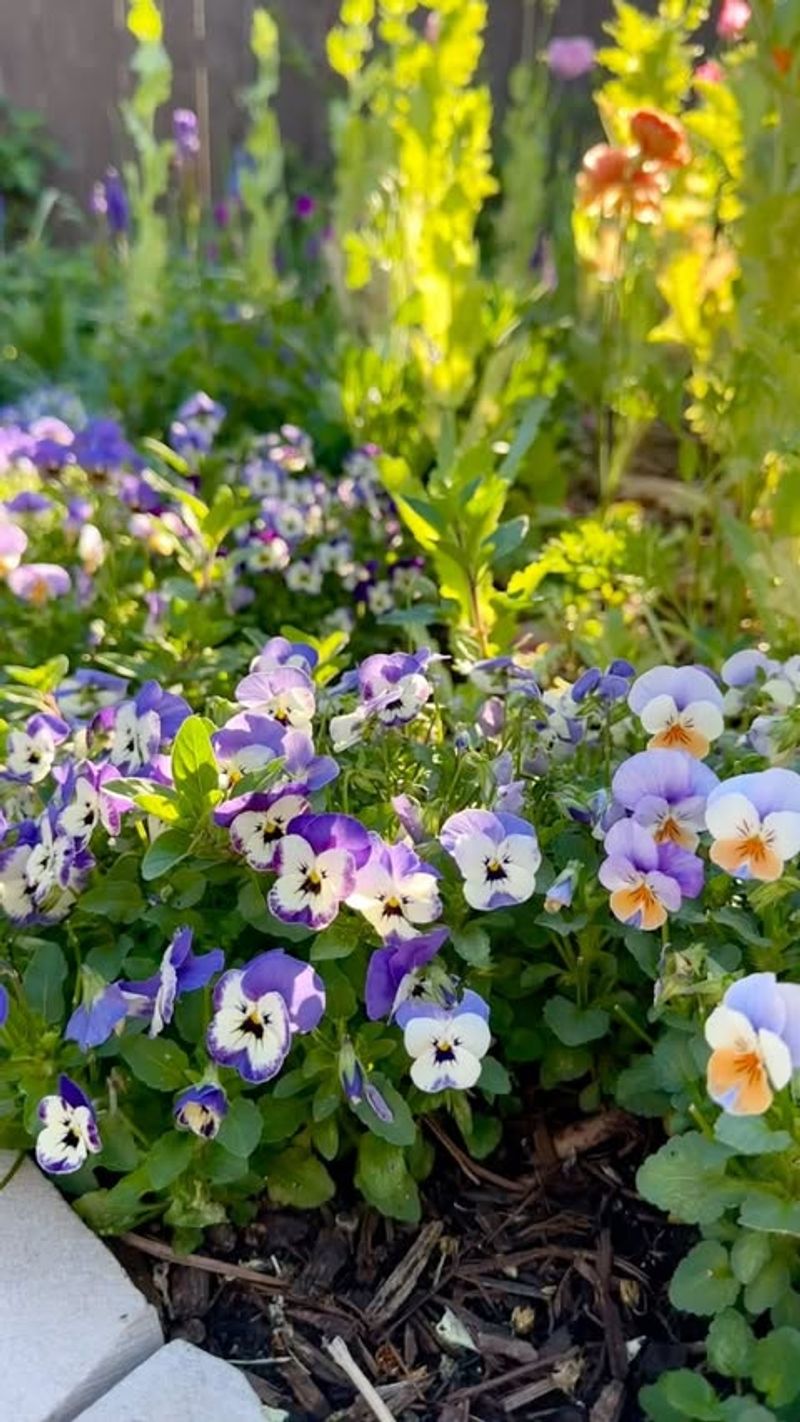
Smaller cousins to pansies, violas pack tremendous charm into their dainty flowers that blanket plants in profuse blooms.
Their compact size makes them perfect for edging walkways, tucking into container gardens, or filling spaces between larger plants with splashes of purple, yellow, white, and bi-color combinations.
These tough little flowers actually prefer cooler temperatures and can handle light frosts without missing a beat.
They tend to last longest in North and Central Florida.
Find a spot with partial shade, particularly during the hottest part of the day, though they tolerate more sun in North Florida.
Amend planting areas with compost or peat moss to improve soil texture and moisture retention.
Set plants about six inches apart for a full, lush appearance.
Water regularly to maintain even soil moisture, especially during dry spells common in Florida winters.
Feed every three weeks with a balanced fertilizer diluted to half strength for steady growth without excessive foliage.
Shear plants lightly if they become leggy, which encourages fresh growth and renewed flowering that extends their beautiful display well into spring.
4. Dianthus
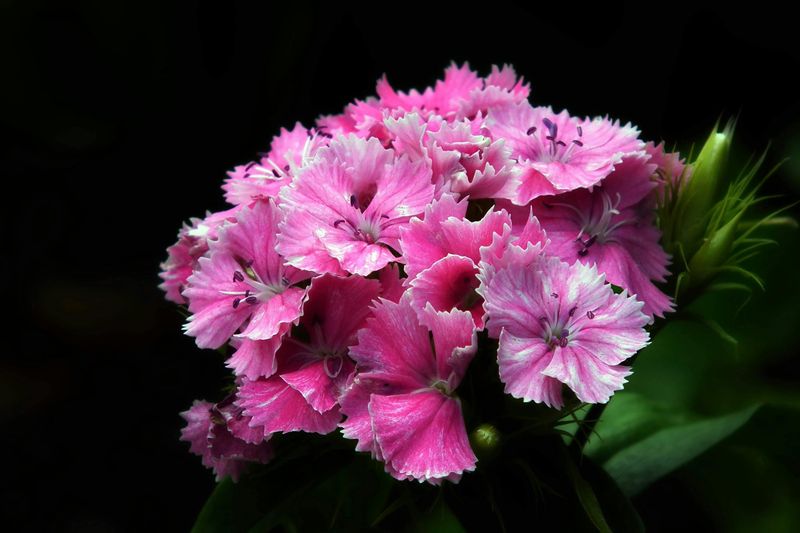
Ruffled petals and a sweet, spicy fragrance make dianthus a delightful addition to any Florida winter garden.
Sometimes called pinks or carnations, these charming flowers feature fringed edges in shades of pink, red, white, and burgundy, often with contrasting eyes or stripes that add visual interest.
Cool-season conditions suit dianthus perfectly, and January planting ensures robust growth before temperatures climb.
Their naturally compact, mounding habit creates tidy clumps of blue-green foliage topped with flowers on sturdy stems that stand up beautifully in garden beds or containers.
Choose a location with full sun and excellent drainage, as dianthus absolutely requires soil that never stays waterlogged.
Work lime into acidic Florida soils if needed, since these flowers prefer neutral to slightly alkaline conditions.
Space plants eight to ten inches apart.
Water moderately, allowing soil to dry between waterings since dianthus tolerates drought better than excess moisture.
Apply a balanced granular fertilizer at planting, then feed monthly with liquid fertilizer at half strength.
Trim spent blooms regularly to keep plants looking fresh and to promote continued flowering through spring, and their delightful fragrance will reward you every time you pass by the garden.
5. Sweet Alyssum
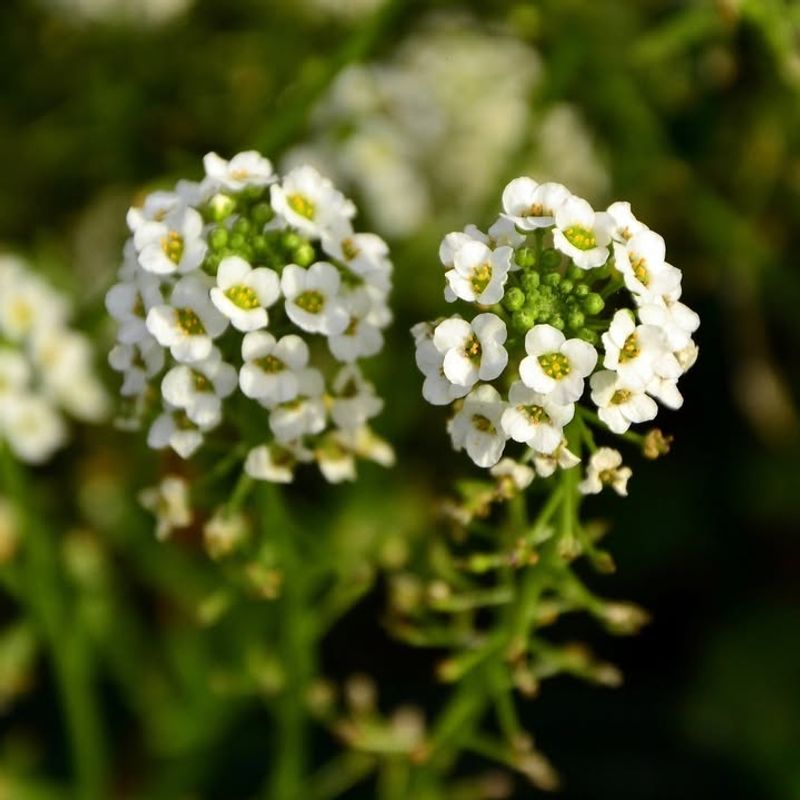
Clouds of tiny, honey-scented flowers create a magical carpet effect when sweet alyssum fills in around taller plants or spills over container edges.
These low-growing annuals produce masses of white, pink, or purple blooms that attract beneficial pollinators while releasing their distinctive sweet fragrance, especially during evening hours.
January presents ideal conditions for establishing sweet alyssum in Florida gardens since these flowers thrive in cooler weather and can even tolerate light freezes.
Their quick growth means you’ll see results fast, with blooms appearing just weeks after planting.
Plant in full sun to partial shade, though they appreciate some afternoon protection in warmer regions of the state.
Sweet alyssum adapts to various soil types but performs best in well-draining beds enriched with organic matter.
Scatter seeds directly in prepared beds or set transplants four to six inches apart.
Keep soil lightly moist, especially while plants establish, but avoid overwatering once they’re growing strong.
These low-maintenance beauties rarely need fertilizing, though occasional light feeding promotes heavier blooming.
Shear plants back by one-third if flowering slows, which triggers fresh growth and renewed blooms that continue delighting your senses through spring.
6. Snapdragons
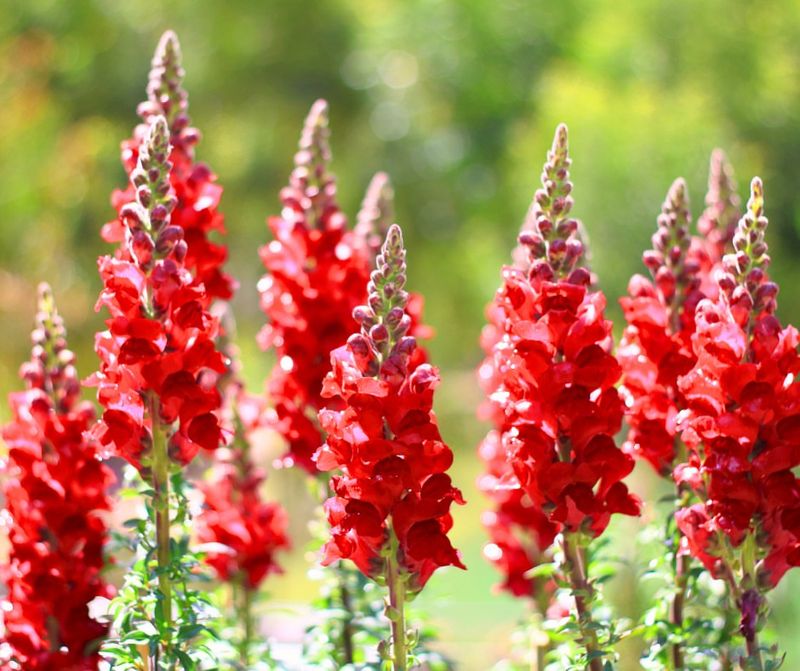
Tall spikes covered in dragon-faced flowers bring vertical interest and old-fashioned charm to Florida winter gardens.
Snapdragons earned their whimsical name from blooms that open and close like tiny jaws when gently squeezed, delighting children and adults alike with their interactive nature and brilliant colors ranging from white and yellow to pink, red, and bronze.
Cold weather transforms snapdragons into spectacular performers, making January the prime time for planting in Florida.
They produce their tallest stems and most abundant flowers when temperatures stay cool, thriving in conditions that would stress heat-loving plants.
Select a sunny location with fertile, well-draining soil and work compost deeply into planting beds.
Choose tall varieties for cutting gardens or dwarf types for borders, spacing them eight to twelve inches apart depending on mature size.
Water consistently to maintain evenly moist soil, as fluctuating moisture can cause bud drop.
Feed every three to four weeks with a balanced liquid fertilizer to support their vigorous growth and heavy flowering.
Stake taller varieties if needed to prevent stems from flopping, and cut flower spikes regularly for gorgeous bouquets, which also encourages plants to produce additional blooming stems for an extended display.
7. Phlox
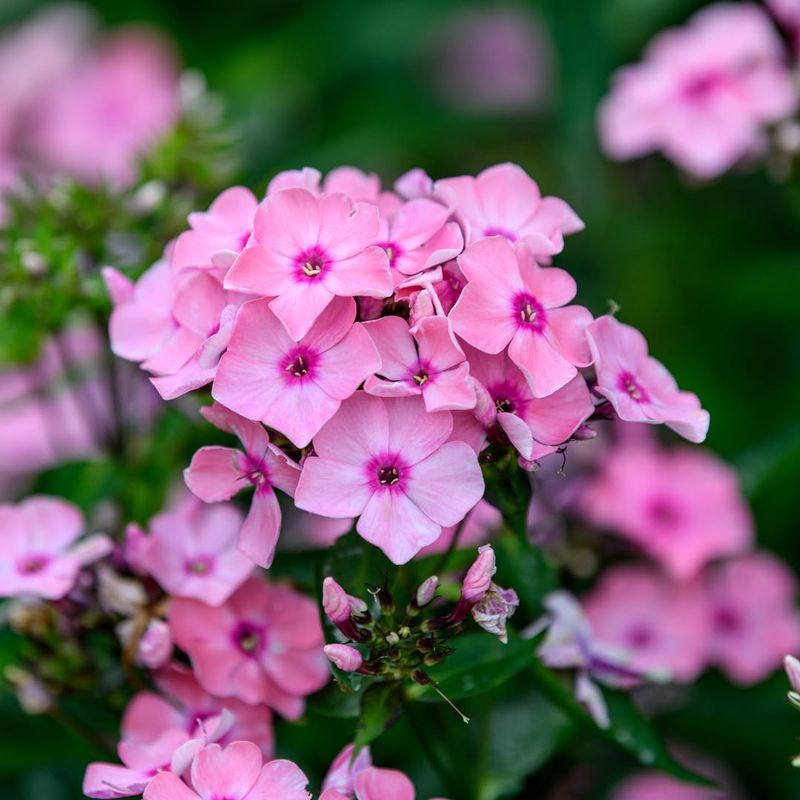
Soft clusters of star-shaped blooms give phlox a dreamy, cottage-garden look that fills Florida winter beds with gentle waves of color.
Shades of pink, lavender, purple, white, and bi-color patterns create a rich tapestry that looks stunning along walkways, borders, and mixed flower beds.
Cool-season conditions allow phlox to thrive, making January an ideal time to plant it in Florida.
These flowers grow best when days stay mild and nights remain cool, producing fuller plants and more abundant blooms before spring warmth sets in.
Choose a location with full sun to light afternoon shade and well-draining soil.
Work compost into the planting area to improve moisture retention and soil structure.
Space plants about eight to ten inches apart so air can circulate and reduce disease issues.
Water regularly to keep soil evenly moist, especially during dry winter periods.
Feed lightly once a month with a balanced fertilizer to support steady blooming.
Remove faded flowers to encourage new buds and keep plants looking fresh and colorful well into spring.
8. Lobelia
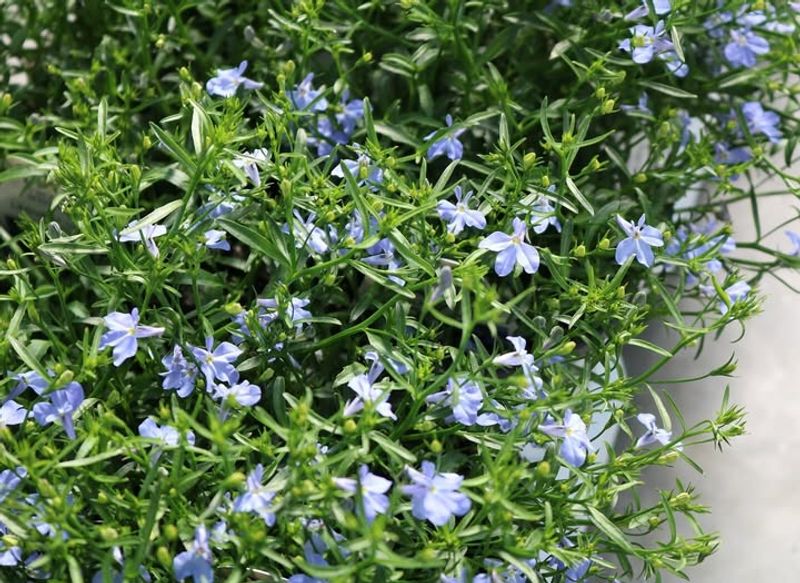
Cascading stems covered in tiny flowers create a waterfall effect when lobelia spills from hanging baskets or tumbles over container edges.
These delicate-looking plants produce masses of small, two-lipped blooms in shades of blue, purple, white, and rose that create striking color displays despite their diminutive size.
January offers perfect conditions for lobelia in Florida since these cool-season lovers flourish when temperatures stay moderate.
They often bloom prolifically into early spring, especially when protected from strong afternoon sun.
Plant in partial shade, especially in South Florida where afternoon sun can stress them.
Lobelia needs consistently moist, rich soil with excellent drainage, so amend beds generously with compost or use quality potting mix for containers.
Space plants six to eight inches apart.
Water frequently to keep soil evenly moist, as lobelia wilts quickly when dry and struggles to recover fully.
Feed every two to three weeks with diluted liquid fertilizer to support their heavy blooming habit and rapid growth.
Trim plants back lightly if they become sparse or leggy, which stimulates fresh growth and renewed flowering that keeps your displays looking lush and full throughout their entire growing season in your Florida landscape.
9. Calendula
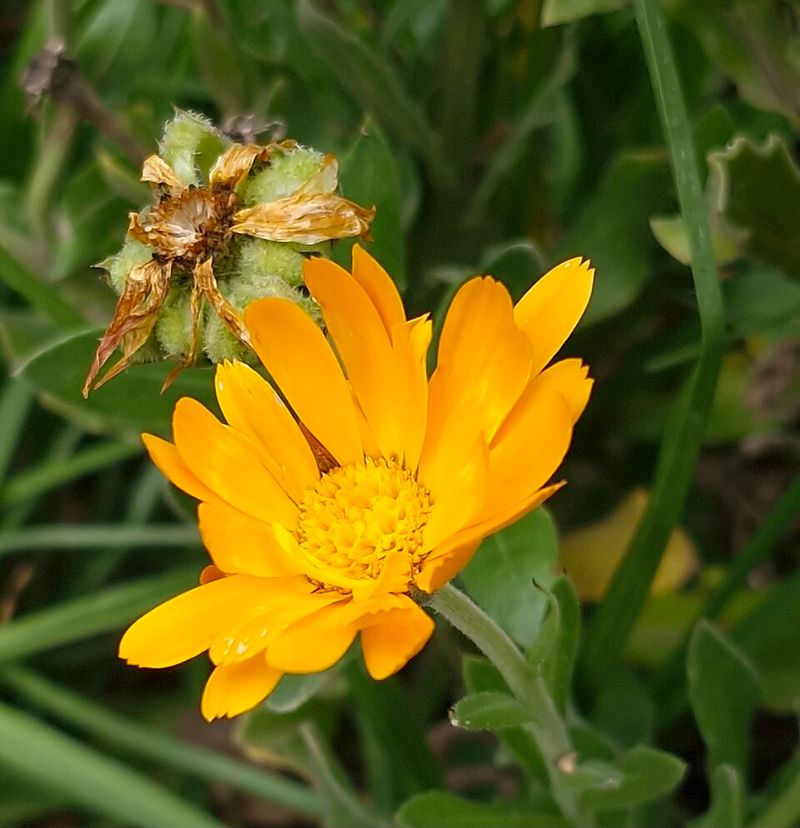
Bright orange and yellow flowers that resemble cheerful daisies bring sunshine to Florida winter gardens while offering edible petals for creative cooks.
Also called pot marigold, calendula has been treasured for centuries for both its beauty and usefulness, producing flowers that brighten salads, butter, and baked goods with their peppery flavor and golden color.
Cool weather brings out the best in calendula, making January an excellent time to plant in Florida.
These hardy flowers actually prefer temperatures that would make many other plants unhappy, thriving in the comfortable conditions our winter provides.
Select a sunny location with average, well-draining soil, as calendula adapts easily without requiring rich, heavily amended ground.
Direct-seed into prepared beds or set transplants twelve inches apart to allow room for their bushy growth habit.
Water regularly until plants establish, then reduce frequency as calendula tolerates some dryness once growing strong.
Feed lightly once a month if growth slows.
Harvest flowers regularly for culinary use or simply to encourage continued blooming, and their cheerful faces will brighten your garden beds while providing fresh petals for your kitchen adventures throughout the cooler months.