7 Florida Plants To Prune In January And 3 You Should Not Touch
January feels quiet in much of the country, but in Florida it is one of the most important months in the garden.
Plants may look calm on the surface, yet deep inside they are preparing for a powerful surge of spring growth.
What you do with your pruning shears right now can decide how many flowers you see in the months ahead, how full your shrubs become, and how healthy your landscape looks all year long.
Some plants thrive when cut back during this cool window, responding with lush new growth and heavier blooms.
Others are already carrying the buds that will soon burst into color, and a single careless snip can erase an entire season of flowers.
Knowing the difference turns winter pruning into one of the most rewarding gardening moves you can make in Florida.
1. Crape Myrtle
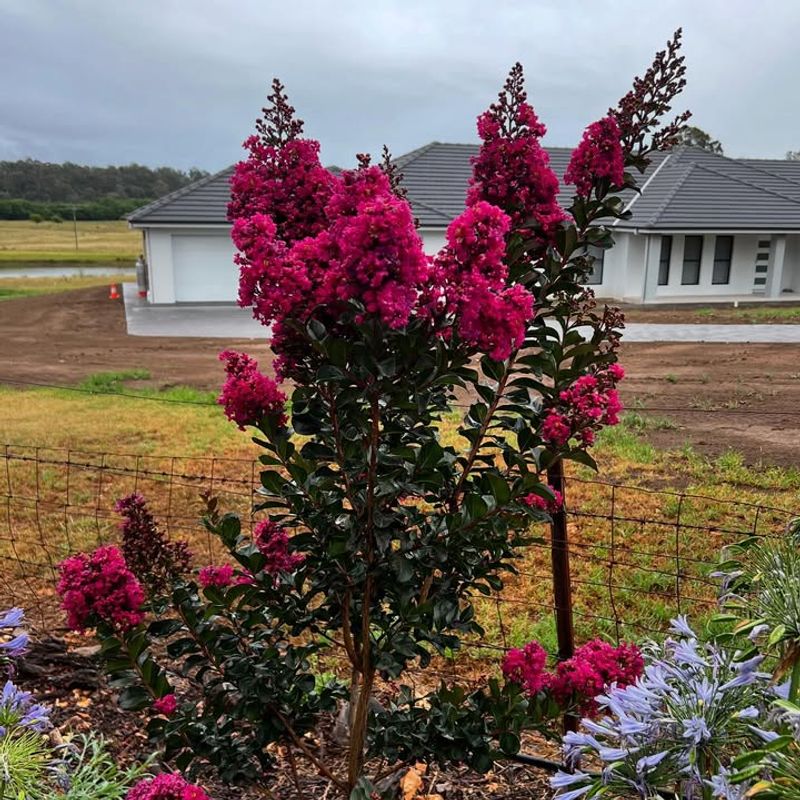
Crape myrtles stand tall in Florida landscapes, and January offers the ideal moment to give them a proper trim.
The cooler weather means these beauties are dormant, making it the safest time to shape them without causing stress.
Pruning now encourages vigorous new growth that will produce abundant summer blooms.
Many gardeners make the mistake of topping their crape myrtles, creating ugly knobs at the branch ends.
Instead, focus on removing crossing branches, suckers at the base, and any stems thinner than a pencil.
This method preserves the natural graceful shape while promoting healthy flowering wood.
Florida’s mild winters mean crape myrtles never go fully dormant like they do up north, but January is still cool enough to minimize sap flow.
Remove about one third of the oldest stems at ground level to rejuvenate mature plants.
Thin out crowded interior branches to improve air circulation, which helps prevent powdery mildew during our humid summers.
The new growth that emerges in spring will be strong and loaded with flower buds for a spectacular display from June through fall.
2. Roses
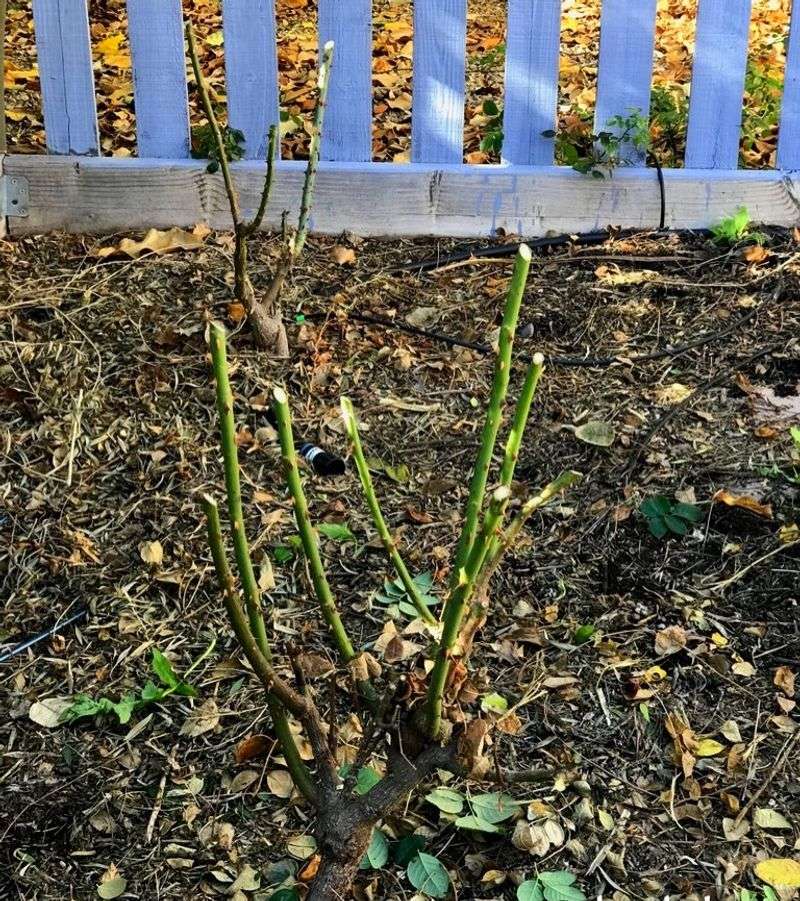
This month marks the perfect time to prune back your rose bushes before they start their spring growth cycle.
Cutting them back now channels the plant’s energy into producing strong new canes that will carry beautiful blooms throughout the season.
Start by removing any damaged or weak stems, then cut healthy canes back by about one third to one half their height.
Make your cuts at a 45 degree angle just above an outward facing bud eye.
This encourages the plant to grow outward rather than inward, creating better air flow through the center.
Florida’s warm climate means roses can bloom nearly year round, but they benefit from this winter reset.
After pruning, many gardeners apply fresh mulch and a balanced fertilizer to support the flush of new growth coming in February and March.
Hybrid teas, grandifloras, and floribundas respond especially well to January pruning.
Climbing roses need lighter pruning, focusing mainly on removing old canes and shaping.
Your reward for this winter work will be robust plants covered in gorgeous flowers from spring through early summer.
Your Florida Garden Changes Every Week. Your Plan Should Too.
Gardening in Florida changes quickly throughout the season. Every Friday you’ll receive a simple weekly plan showing exactly what to plant, prune, fertilize, harvest, and protect so you never miss the right timing.
3. Hibiscus

Tropical hibiscus plants become leggy and overgrown without regular pruning, and January provides an excellent opportunity to reshape them.
These popular Florida shrubs respond beautifully to a good trim during cooler weather.
Pruning now means you sacrifice some winter blooms, but the payoff comes in a fuller, more attractive plant loaded with flowers later.
Cut back each stem by one third to one half, making cuts just above a leaf node or bud.
This encourages branching lower on the plant, creating a bushier appearance instead of that tall, spindly look.
Remove any stems that cross through the center or rub against each other.
Florida’s subtropical climate allows hibiscus to grow actively most of the year, so they can quickly become unruly without pruning.
January temperatures slow growth just enough to make this the safest time for major shaping.
The plant will push out new growth within weeks as temperatures warm in late winter.
These fresh stems will develop flower buds that open into those spectacular blooms hibiscus are famous for.
Regular pruning also helps maintain the plant’s health by removing older wood that produces fewer flowers over time.
4. Butterfly Bush
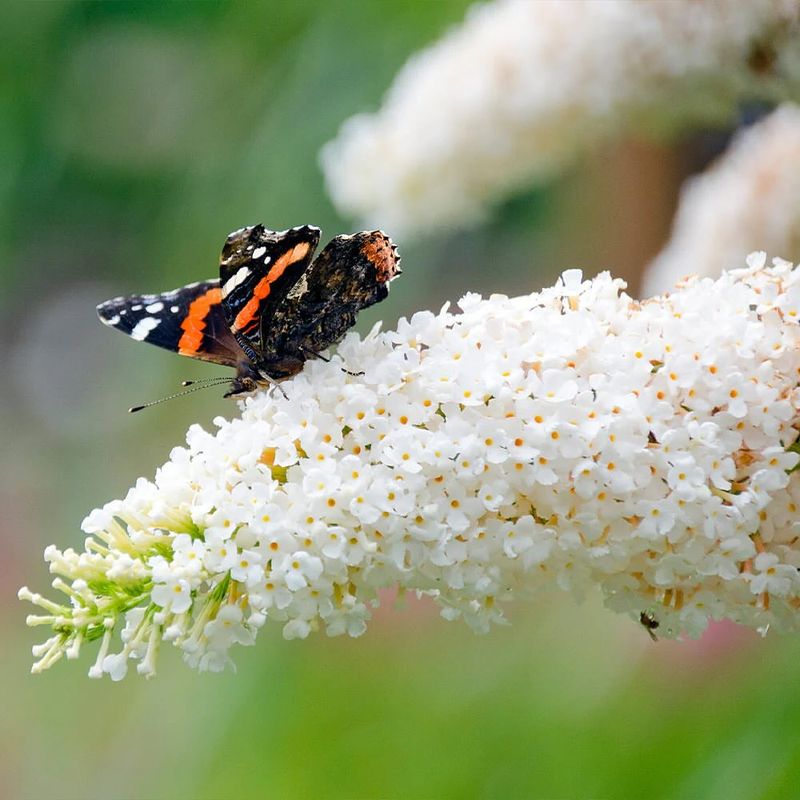
January is the right time to cut these shrubs back hard to keep them compact and flowering abundantly.
Without pruning, butterfly bushes become woody and produce fewer blooms on the tips of long, bare branches.
Take a bold approach with these tough plants.
Cut all stems back to about 12 to 18 inches from the ground, removing most of the previous year’s growth.
This seems drastic, but butterfly bushes grow rapidly and bloom on new wood, so they bounce back quickly with vigorous stems.
Florida gardeners sometimes hesitate to prune so severely, but butterfly bushes handle it beautifully in our climate.
The hard cutback stimulates fresh growth from the base, creating a fuller, more attractive shrub.
By late spring, your butterfly bush will be covered in fragrant flower spikes that draw butterflies, bees, and hummingbirds.
The timing matters because pruning in January gives the plant several weeks to develop strong new stems before the main growing season kicks in.
This annual renewal keeps the plant youthful and prevents it from becoming a tangled mess of old wood.
5. Firebush
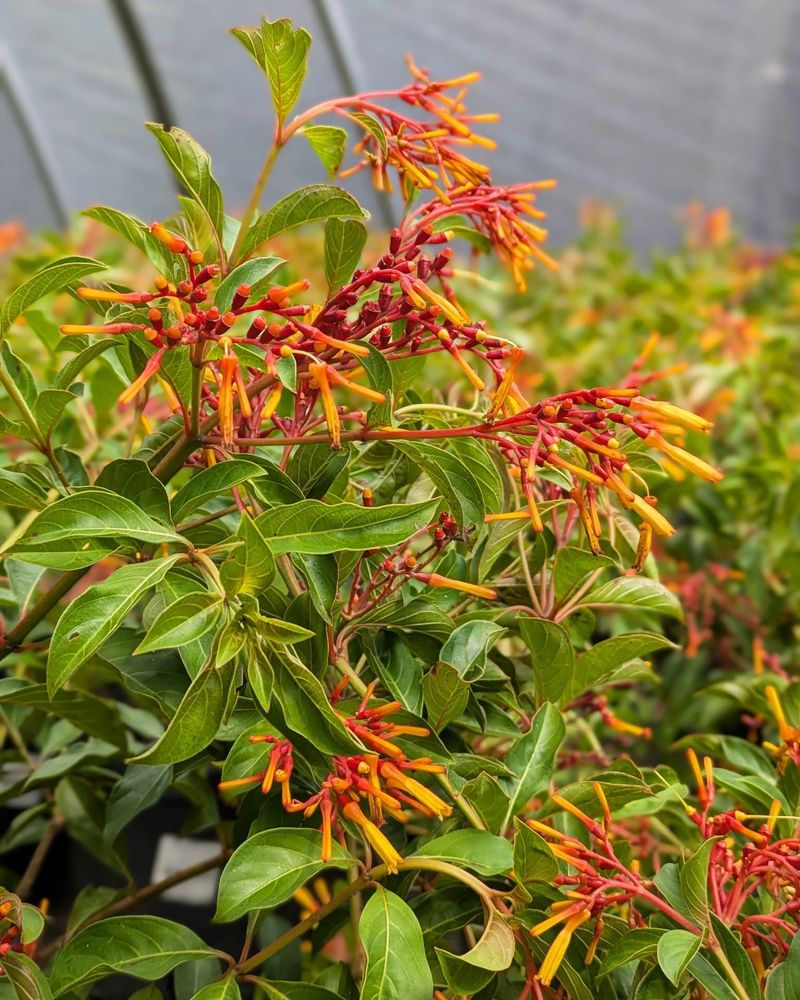
Firebush lights up Florida landscapes with tubular orange red flowers that hummingbirds cannot resist.
These native shrubs grow enthusiastically in our warm climate, often reaching six feet or taller by the end of summer.
January pruning keeps them manageable and encourages the dense branching that produces the most flowers.
In Central and North Florida, wait until the danger of frost has passed before cutting firebush back hard.
In South Florida, cut firebush back by about one half to two thirds of its height in January.
These plants are forgiving and tolerate aggressive pruning well.
Focus on creating a rounded shape and removing any frost damaged tips from occasional cold snaps.
As a Florida native, firebush naturally slows its growth during our coolest months, making January ideal for major trimming.
The plant will quickly regenerate when warmer weather returns in late winter.
Fresh new stems emerge covered in bright green leaves, followed by clusters of those brilliant tubular flowers from spring through fall.
Firebush blooms on new growth, so pruning in January does not reduce flowering.
In fact, it increases the number of flowering stems you will enjoy later.
Regular January pruning also helps maintain firebush at a size that fits well in mixed borders and foundation plantings instead of letting it become an oversized, floppy shrub.
6. Ixora
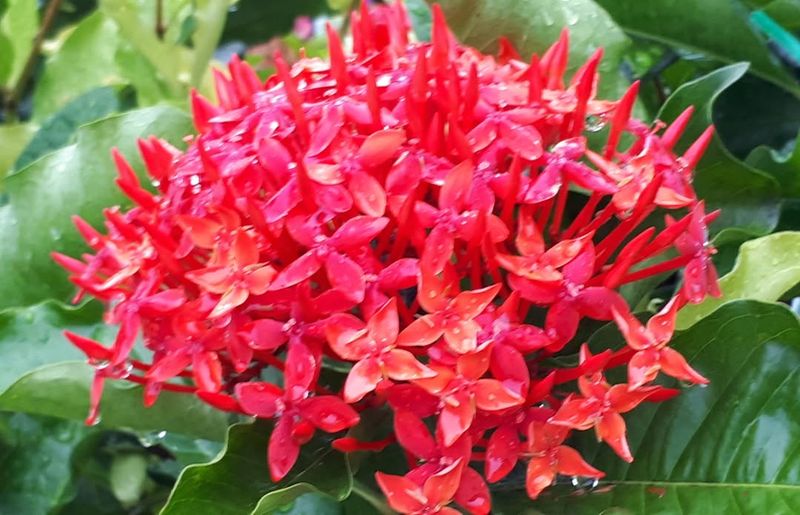
Ixora shrubs produce clusters of small flowers in shades of red, orange, yellow, or pink that brighten Florida landscapes year round.
These popular hedge plants benefit from January pruning to maintain their shape and encourage fresh flowering wood.
Without regular trimming, ixoras become leggy with most of the flowers appearing only at the branch tips.
Lightly trim ixora in January to shape the plant and remove leggy or uneven growth.
For specimen plants, focus on selective cuts to older stems rather than removing large amounts of new growth.
Make cuts just above a leaf node to encourage branching.
Florida’s warm climate means ixoras can bloom in any month, but they slow down a bit in winter.
This makes January a good time to prune without sacrificing too much color.
The mild pruning stress actually stimulates the plant to produce more flowering shoots once growth resumes in late winter.
Ixoras respond well to shearing, so hedge forms can be shaped with electric trimmers for a neat, formal appearance.
The new growth that emerges will be dense and covered with those cheerful flower clusters by spring.
Regular January pruning prevents ixoras from developing bare lower branches and keeps them full from top to bottom.
7. Gardenia
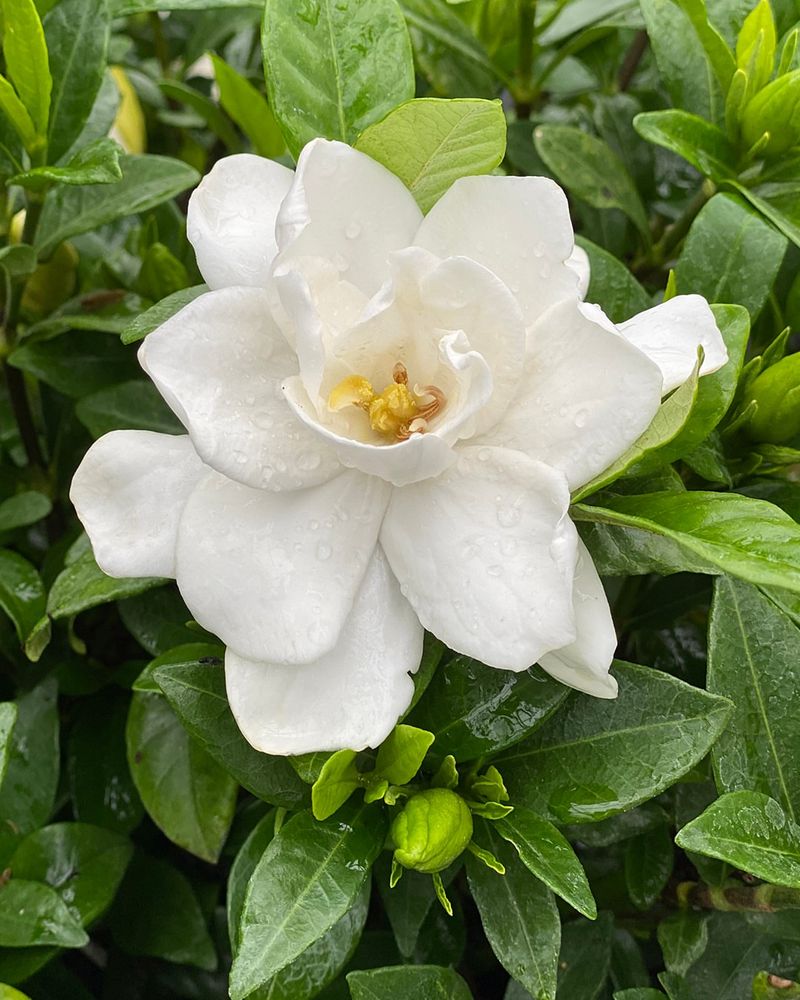
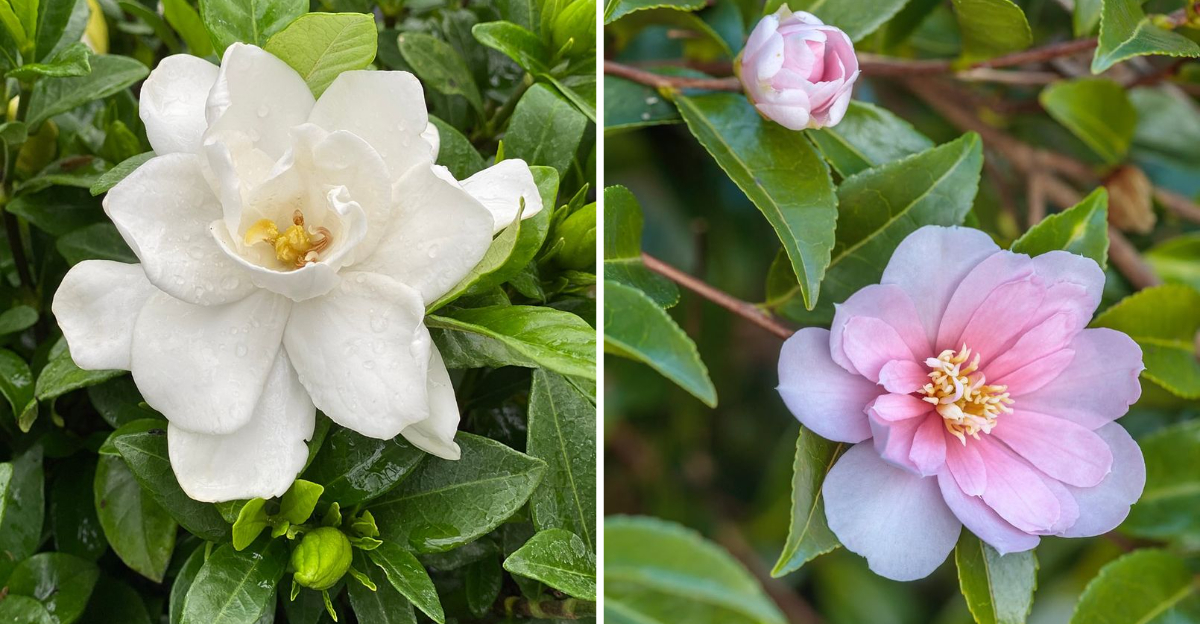
Gardenias fill Florida gardens with their intoxicating fragrance and creamy white blooms.
January offers a good window to shape these evergreen shrubs after their main flowering season wraps up.
Light pruning now helps maintain an attractive form without sacrificing the flowers you will enjoy in spring and summer.
Focus on removing any wayward branches that disrupt the gardenia’s natural rounded shape.
Lightly trim back leggy stems and remove any branches that cross through the plant’s center.
Avoid heavy pruning, as gardenias begin setting flower buds in late winter.
Florida gardenias bloom heaviest from late spring through summer, with sporadic flowers at other times.
Pruning in January gives the plant time to develop new growth that will carry flower buds for the upcoming bloom season.
Gardenias set their flower buds on older wood, so avoid cutting back too severely or you will reduce flowering.
The goal is light shaping rather than dramatic size reduction.
After pruning, gardenias benefit from an application of acidifying fertilizer formulated for acid loving plants.
The combination of proper pruning and feeding results in a healthy, well shaped shrub covered in those spectacular fragrant flowers when warm weather arrives.
8. Azalea
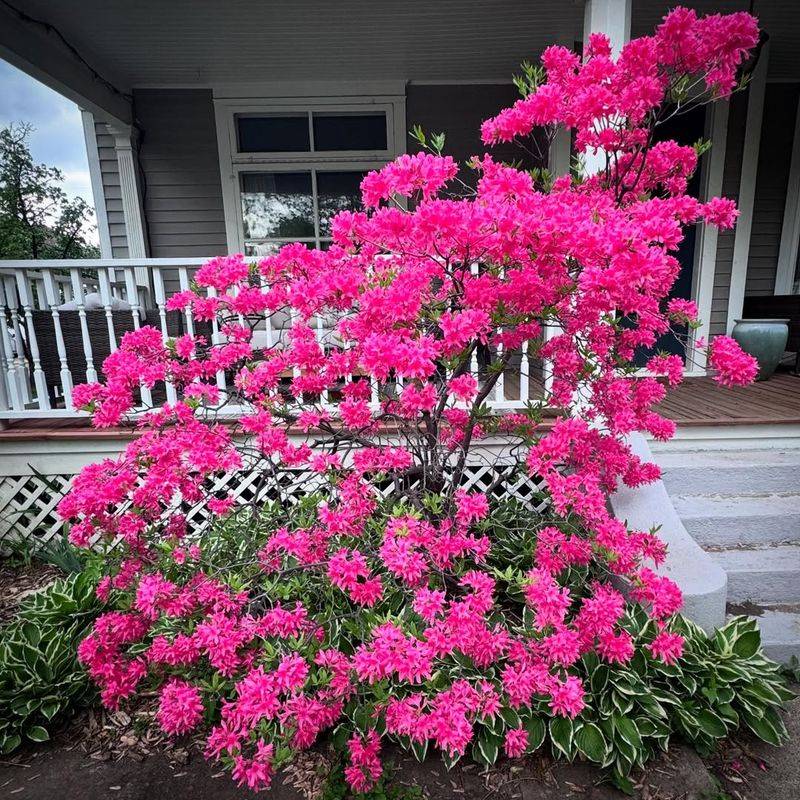
Azaleas rank among the most beloved flowering shrubs in Florida, painting landscapes with brilliant colors each spring.
However, January is absolutely the wrong time to prune them.
These plants set their flower buds in late summer and fall, and those buds sit waiting through winter to open into gorgeous blooms when spring arrives.
Pruning azaleas in January means cutting off all those precious flower buds.
You would be sacrificing the entire spring show for no good reason.
Azaleas need pruning only for shaping or removing damaged branches, and that work should wait until immediately after the flowers fade in spring.
Florida’s climate allows azaleas to thrive in many areas, especially in North and Central Florida.
The plants go through a natural cycle where they bloom in spring, then spend summer developing new growth and setting buds for next year’s flowers.
By January, those buds are fully formed and just waiting for warmer temperatures to trigger opening.
If you trim your azaleas now, you will see nothing but green leaves where you should have masses of pink, white, red, or purple flowers.
Keep your pruners away from azaleas until after they finish blooming, typically in April or May depending on your location and variety.
9. Camellia
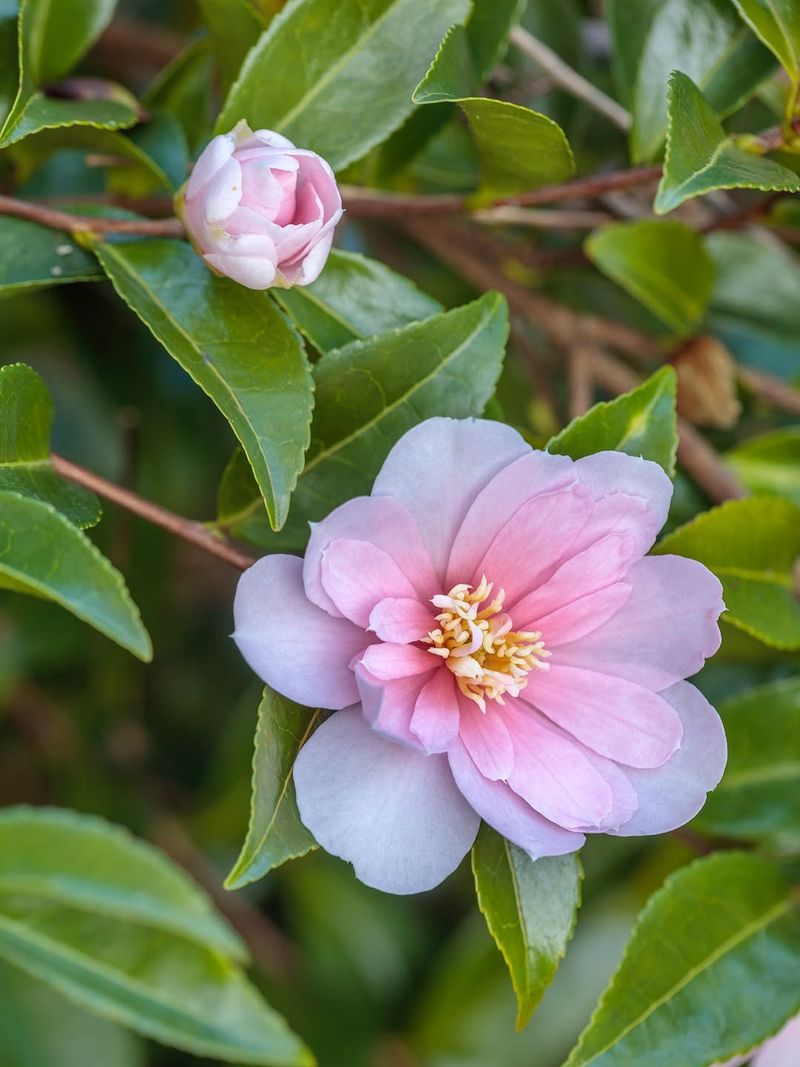
Camellias provide stunning winter and early spring flowers in shades of pink, red, and white when little else is blooming in Florida gardens.
January finds many camellia varieties at the peak of their flowering season, making this the worst possible time to prune.
Each stem you cut removes flowers that are either open now or about to open in the coming weeks.
These elegant shrubs develop their flower buds months in advance.
By January, camellias are either blooming or holding buds ready to burst open.
Pruning now would rob you of the beautiful display you have been waiting for all year.
Florida gardeners treasure camellias for their ability to flower during our coolest months when most other plants are resting.
Different varieties bloom from November through March, with many peaking in January and February.
The proper time to prune camellias is immediately after flowering finishes in late winter or early spring.
This gives the plant the entire growing season to develop new stems and set buds for next winter’s show.
If you prune in January, you eliminate current flowers and potentially disrupt next year’s bloom cycle too.
Simply enjoy the flowers now and save any necessary pruning for after the petals drop.
10. Hydrangea
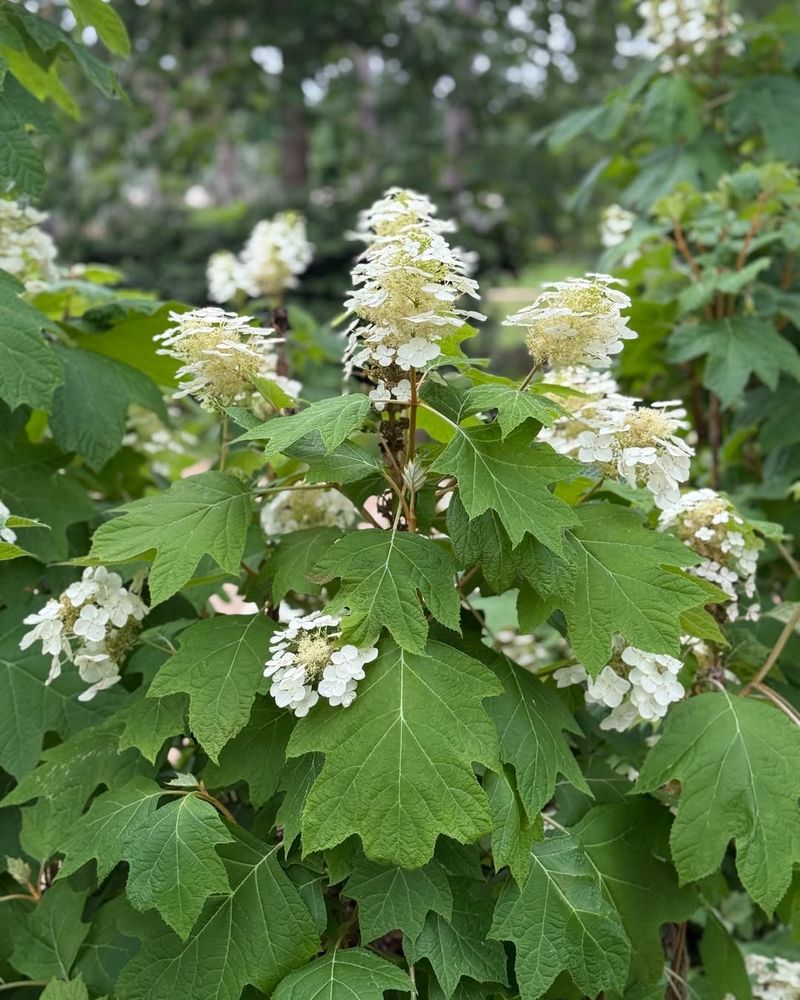
Hydrangeas bring big, showy flower clusters to Florida gardens, but they require careful timing when it comes to pruning.
January is not the month to trim most hydrangea varieties.
The popular bigleaf and oakleaf hydrangeas bloom on old wood, meaning they form their flower buds on stems that grew the previous year.
Only panicle and smooth hydrangeas bloom on new wood; most Florida hydrangeas do not.
Cutting back these hydrangeas in January removes all the stems carrying next season’s flower buds.
You would be left with a nicely shaped shrub that produces zero flowers when spring and summer arrive.
The timing just does not work for these varieties.
Florida gardeners grow several hydrangea types, and each has different pruning requirements.
Bigleaf hydrangeas with their pink or blue mophead or lacecap flowers should never be pruned in winter.
Oakleaf hydrangeas with their cone shaped white flowers and beautiful fall foliage also bloom on old wood and need to keep their winter stems intact.
Only the panicle and smooth hydrangea types that bloom on new wood can be pruned in winter, but these varieties are less common in Florida.
If you are unsure which type you have, the safest approach is to leave all hydrangeas alone in January and wait until after flowering to do any trimming.
This ensures you get to enjoy those magnificent flower heads.