9 Plants That Flourish In Florida This Winter
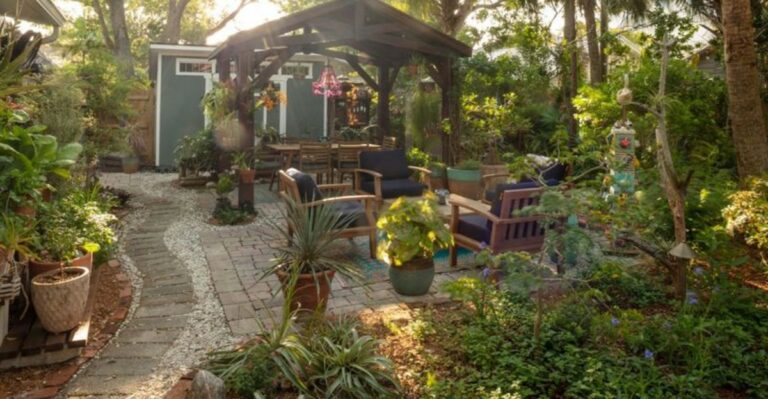
Florida winters give gardeners an advantage that few other regions enjoy: the ability to grow and maintain vibrant, colorful landscapes while the rest of the country lies dormant.
Snapdragons, petunias, dianthus, and violas flourish in the cooler temperatures, providing months of eye-catching blooms.
Trailing lobelia adds elegance to containers and borders, while ornamental cabbage and kale bring striking shapes and seasonal hues.
With minimal stress from heat, plants bloom longer, colors deepen, and foliage remains lush and resilient.
This season allows for experimentation, letting gardeners combine textures, heights, and shades in ways impossible during summer.
By selecting winter-hardy favorites and arranging them thoughtfully, homeowners can transform patios, borders, and beds into dynamic outdoor displays.
Every garden can become a showcase of color, creativity, and seasonal beauty.
Winter in Florida offers more than survival, it provides an opportunity to design, grow, and enjoy landscapes that inspire admiration from every angle.
1. Snapdragons
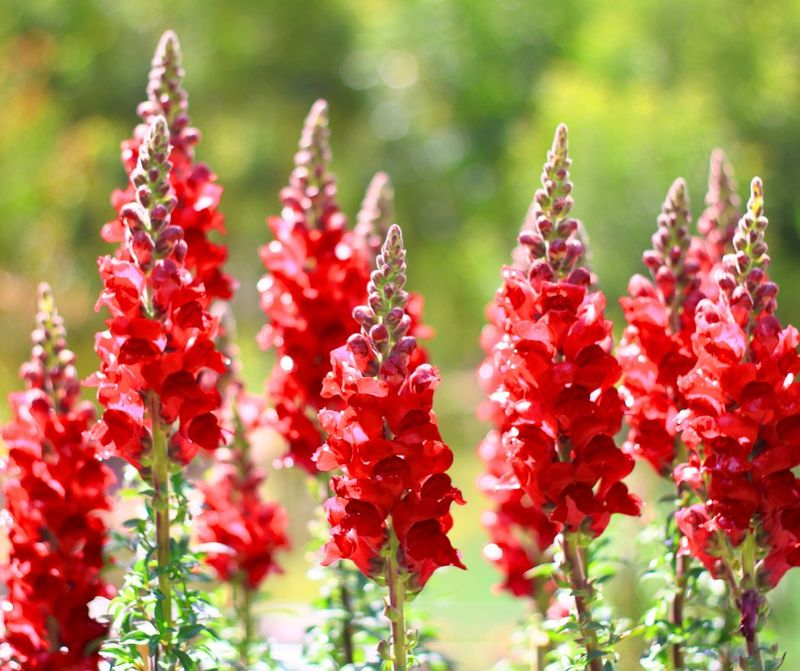
Snapdragons stand tall as one of Florida’s most reliable winter performers, thriving in our mild temperatures when much of the country sits frozen.
These cheerful flowers produce vertical spikes packed with blooms in shades ranging from soft pastels to bold, saturated colors.
Their unique dragon-shaped flowers fascinate children and adults alike, making them conversation starters in any garden.
Cooler weather between November and March provides ideal conditions for snapdragons to flourish without the stress of summer heat.
They prefer full sun exposure for at least six hours daily, though they appreciate some afternoon shade in South Florida.
Moderate watering keeps them happy, requiring moisture when the top inch of soil feels dry to the touch.
These versatile plants work beautifully in front borders, container gardens, and cutting gardens where you can harvest stems for indoor arrangements.
Snapdragons grow between twelve and thirty-six inches tall depending on the variety you choose.
University of Florida IFAS Extension confirms these annuals pose no invasive threat to native ecosystems, making them environmentally responsible choices.
Their extended blooming period stretches throughout winter and into early spring, providing consistent color when many other plants take a rest.
Regular deadheading encourages more flower production and keeps plants looking tidy and vigorous throughout the season.
2. Petunias
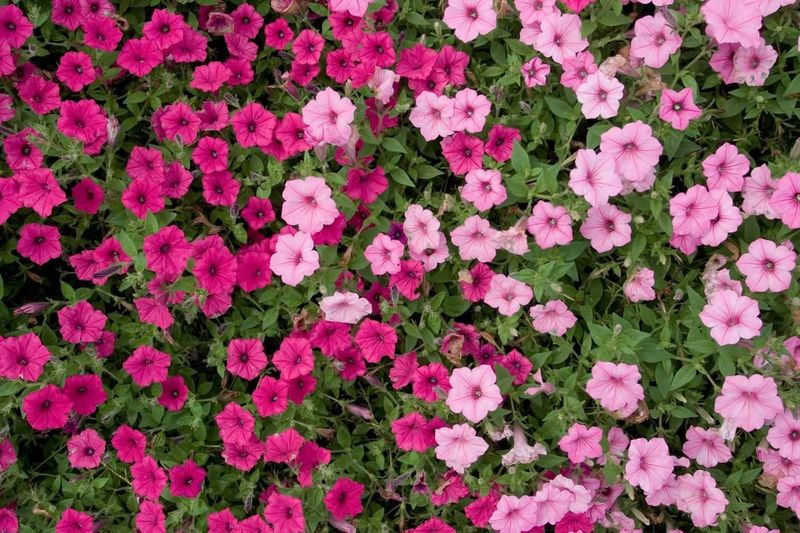
Wave after wave of trumpet-shaped blooms cascade from petunias, creating spectacular displays that transform ordinary spaces into showstoppers.
Florida’s winter climate suits these popular flowers perfectly, allowing them to reach their full potential without battling intense summer humidity.
Gardens across the state burst with petunia color from late fall through early spring.
These adaptable plants handle full sun beautifully, though they tolerate partial shade in warmer regions of the state.
Consistent moisture helps petunias perform their best, but good drainage prevents root issues that can plague them in heavy soils.
Grandiflora types produce large, showy flowers while multiflora varieties offer smaller blooms in greater abundance.
Hanging baskets showcase petunias wonderfully, with spreading varieties spilling over edges in colorful curtains of blooms.
They also excel in window boxes, raised beds, and ground-level plantings where their low-growing habit fills spaces effectively.
Your Florida Garden Changes Every Week. Your Plan Should Too.
Gardening in Florida changes quickly throughout the season. Every Friday you’ll receive a simple weekly plan showing exactly what to plant, prune, fertilize, harvest, and protect so you never miss the right timing.
According to Florida Friendly Landscaping Program guidelines, petunias qualify as environmentally safe choices that will not escape cultivation or threaten native plant communities.
Monthly fertilization with a balanced product keeps blooms coming strong throughout their growing season.
Pinching back leggy stems encourages bushier growth and more flowering points, resulting in fuller, more attractive plants that maintain their beauty longer.
3. Dianthus

Spicy fragrance wafts from dianthus blooms, earning them the charming nickname of pinks for their fringed petals and traditional coloring.
Florida’s cooler months provide exactly what these cottage garden favorites need to produce their abundant flowers and maintain their attractive blue-green foliage.
Their old-fashioned appeal brings nostalgic charm to modern landscapes.
Full sun exposure for most of the day helps dianthus develop sturdy stems and plentiful blooms throughout winter and spring.
These plants prefer slightly alkaline soil, which naturally occurs in many parts of Florida, making them well-suited to local conditions.
Moderate watering satisfies their needs, though they tolerate short dry periods better than soggy conditions.
Low-growing varieties work wonderfully as edging plants along pathways and borders, creating ribbons of color at ground level.
Taller types suit cutting gardens where their long stems and sweet scent make them prized for indoor arrangements.
University of Florida IFAS research confirms dianthus poses no invasive concerns, staying neatly where planted without spreading aggressively.
Their compact growth habit typically reaches six to twelve inches in height, making them ideal for small spaces and container combinations.
Removing spent flowers regularly extends the blooming period and keeps plants looking fresh and tidy throughout their peak season.
4. Alyssum
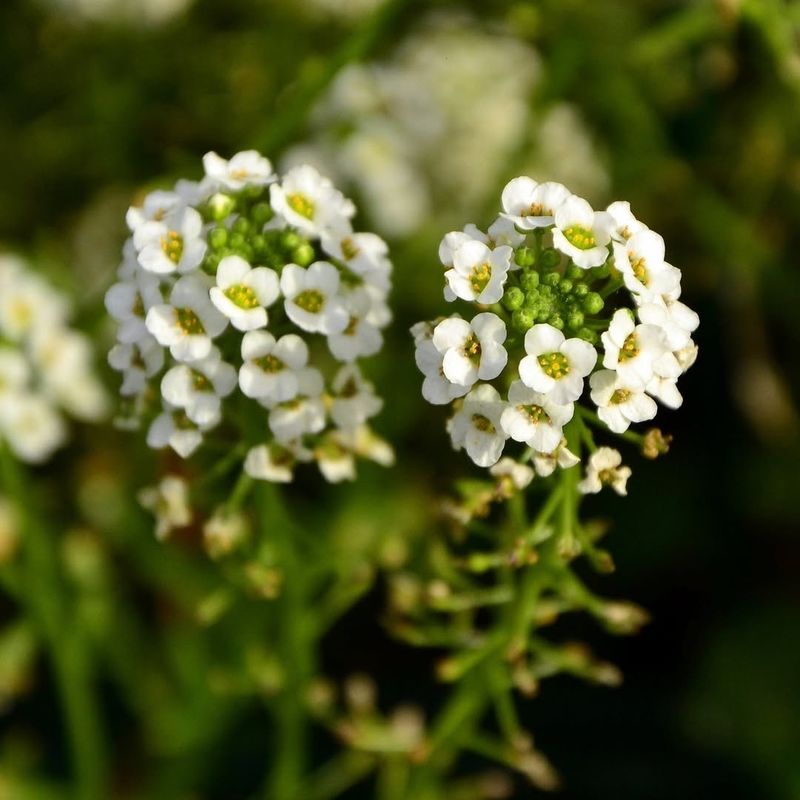
Clouds of tiny flowers blanket alyssum plants, creating the illusion of snow covering garden beds in the Sunshine State.
This low-growing annual produces masses of small blooms in white, pink, purple, and apricot shades that fill the air with honey-sweet fragrance.
Florida’s winter temperatures allow alyssum to spread and bloom prolifically without the stress it experiences in summer heat.
Partial sun to full sun locations work well for alyssum, with plants tolerating some shade in the warmest parts of the state.
Light, frequent watering keeps these shallow-rooted plants happy, especially during dry winter periods.
Their delicate appearance belies surprising toughness once established in appropriate conditions.
Ground cover applications showcase alyssum beautifully, with plants spreading to fill gaps between larger specimens and soften hard edges.
They excel in container combinations where their trailing habit spills gracefully over pot rims.
According to the Florida Exotic Pest Plant Council, alyssum presents no invasive risk to natural areas, making it a responsible landscape choice.
These compact plants typically grow just four to six inches tall, creating low carpets of color perfect for front-of-border placements.
Their self-cleaning nature means spent flowers drop away naturally, though light shearing after the first flush encourages fresh growth and renewed blooming for extended color.
5. Viola
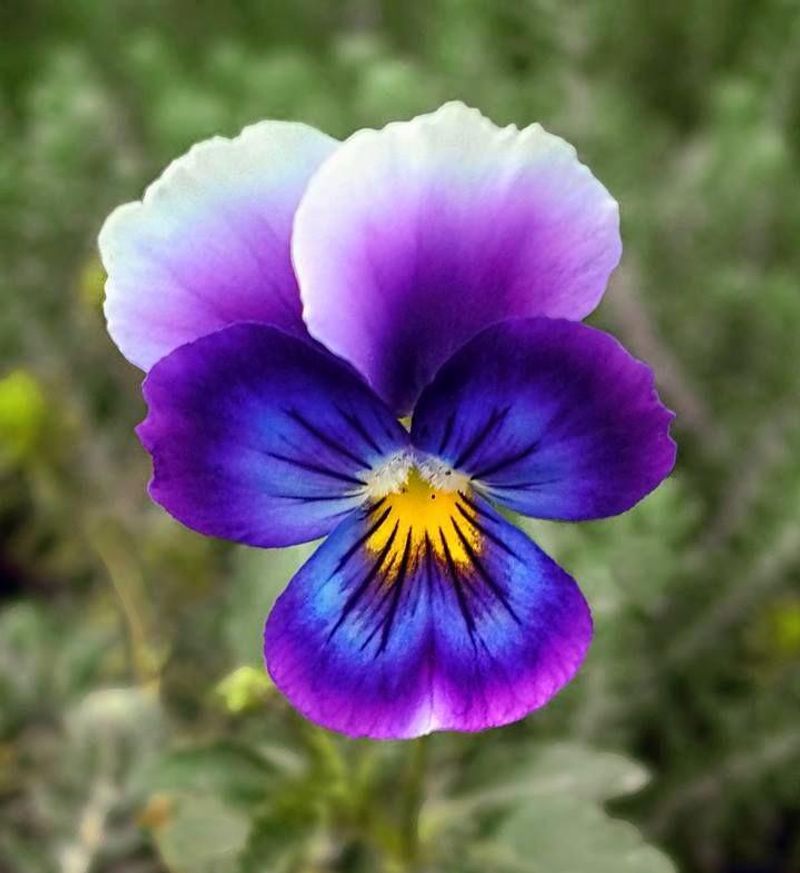
Violas bring vibrant color and cheerful personality to Florida winter gardens, their small, delicate blooms often seeming to smile up at passersby.
Cooler temperatures between November and March allow these hardy annuals to thrive without the stress of summer heat, making them an ideal choice for gardeners looking to add long-lasting winter interest.
Full sun encourages abundant flowering, though partial shade can benefit plants in the warmer regions of the state, especially in South Florida, where afternoon sun can be intense.
Moderate, consistent watering keeps violas happy, while well-drained soil prevents root issues that can arise in heavy or soggy conditions.
These low-growing plants typically reach six to twelve inches tall and spread evenly, making them perfect for front-of-border plantings, container combinations, and window boxes where they can spill gracefully over the edges.
Mass plantings create a stunning color impact, and mixing different shades of purple, yellow, white, and blue adds visual depth and variety throughout the garden.
Regular deadheading encourages continuous flowering and helps maintain a tidy appearance throughout the season.
Violas also pair beautifully with other winter bloomers such as snapdragons, petunias, and dianthus, providing both contrast and harmony in mixed beds.
According to University of Florida IFAS Extension, violas are safe for Florida gardens and pose no invasive risk, making them environmentally responsible choices for gardeners seeking reliable, vibrant winter color.
Their versatility, long bloom period, and charming flowers make violas a standout addition to any winter landscape in the Sunshine State.
6. Calendula
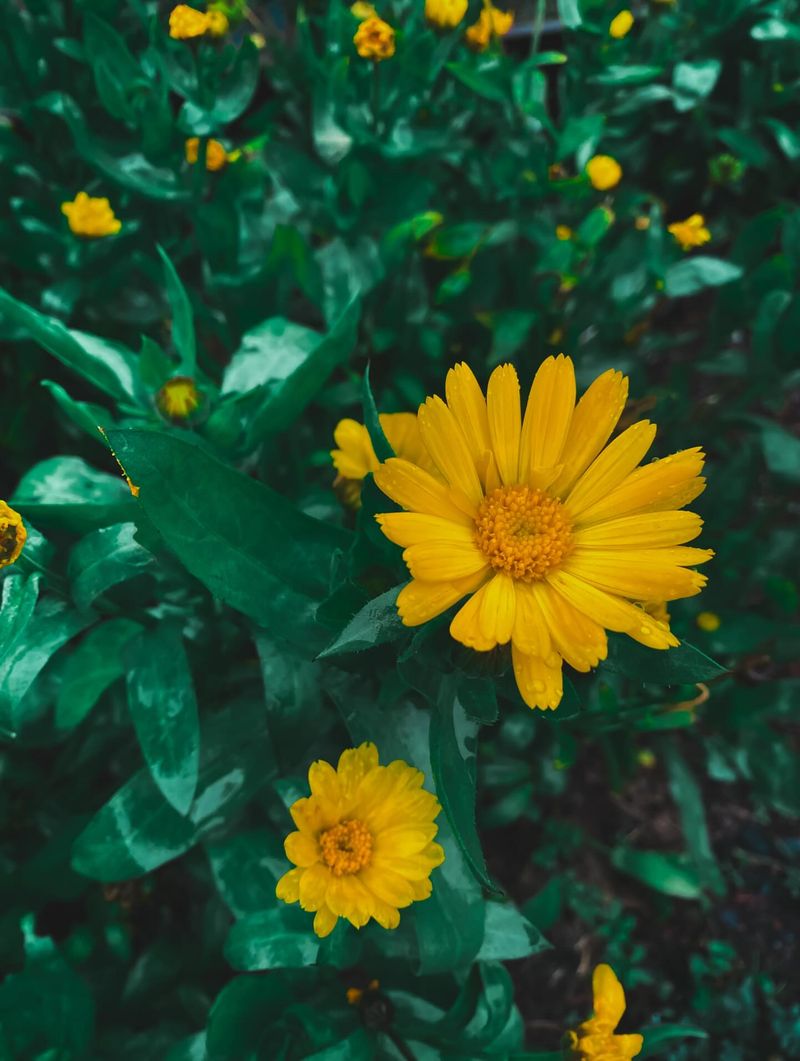
Bright orange and yellow blooms bring sunshine to Florida gardens even on overcast winter days, making calendula a cheerful addition to cooler season plantings.
Sometimes called pot marigolds, these easy-care flowers produce daisy-like blooms continuously throughout winter and spring.
Beyond their beauty, calendula flowers have culinary and medicinal uses that add practical value to their ornamental appeal.
Full sun locations produce the most abundant flowering, though calendula tolerates light shade in the warmest parts of the state.
Regular watering during establishment helps plants develop strong root systems, after which they handle brief dry spells reasonably well.
Florida’s winter temperatures create ideal growing conditions without the heat stress that shortens their blooming period.
Cutting gardens benefit from calendula’s long stems and vase life, providing flowers for indoor enjoyment throughout the season.
They also work beautifully in vegetable gardens where their bright blooms attract beneficial insects.
According to the Florida Friendly Landscaping Program, calendula poses no environmental concerns and stays contained where planted.
Plants grow twelve to twenty-four inches tall with bushy habits that fill space nicely in beds and borders.
Harvesting flowers regularly for arrangements or other uses encourages plants to produce more blooms, creating a beneficial cycle that keeps gardens colorful and productive throughout their growing season.
7. Pansies
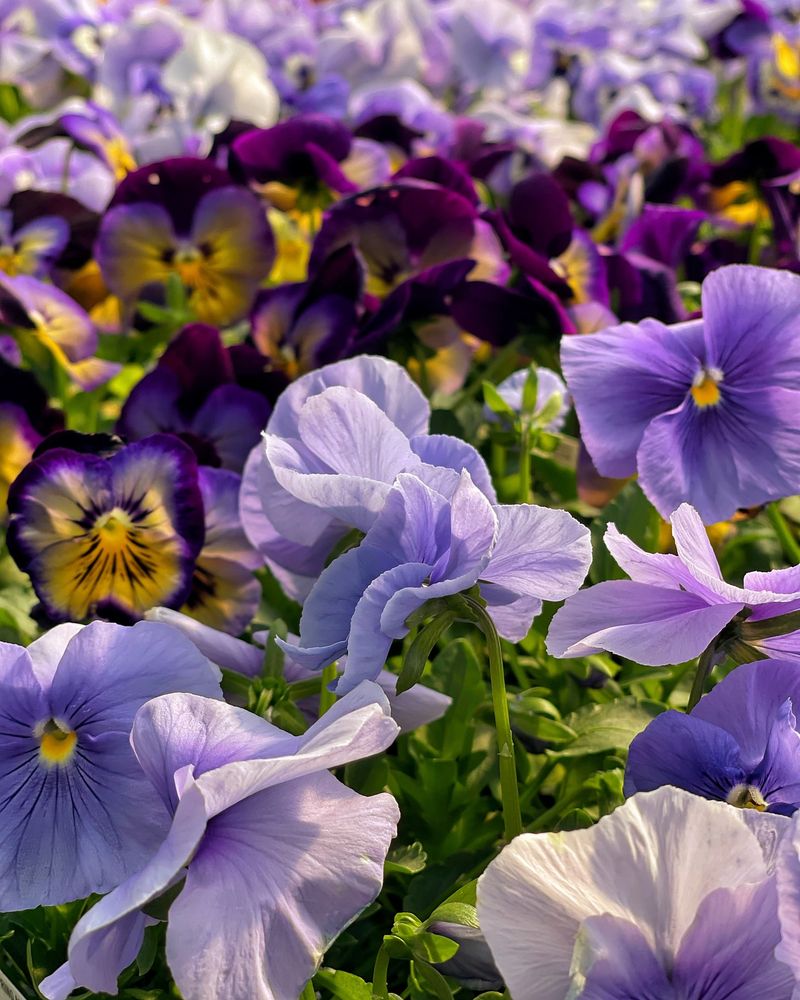
Cheerful faces seem to peer up from pansy blooms, their distinctive markings creating personality that endears them to gardeners of all ages.
Florida winters provide perfect conditions for these beloved flowers to strut their stuff, producing abundant blooms in an astonishing range of colors and patterns.
From solid colors to intricate blotches and whiskers, pansies offer something for every taste and garden style.
Morning sun with afternoon protection works well in warmer regions, while full sun suits cooler areas of the state.
Consistent moisture keeps pansies blooming prolifically, though good drainage prevents root problems in heavy soils.
Cool temperatures between forty and sixty degrees Fahrenheit bring out their best performance.
Mass plantings create stunning color impact, transforming beds into tapestries of winter blooms that brighten even the dreariest days.
Container gardens and window boxes showcase pansies beautifully, bringing color close to entryways and outdoor living spaces.
University of Florida IFAS Extension confirms pansies present no invasive threat, making them safe choices for environmentally conscious gardeners.
These compact plants typically grow six to nine inches tall, creating tidy mounds perfect for front-of-border positions.
Removing faded flowers prevents seed formation that can slow bloom production, keeping plants focused on producing fresh flowers throughout their extended winter and spring season in Florida landscapes.
8. Lobelia
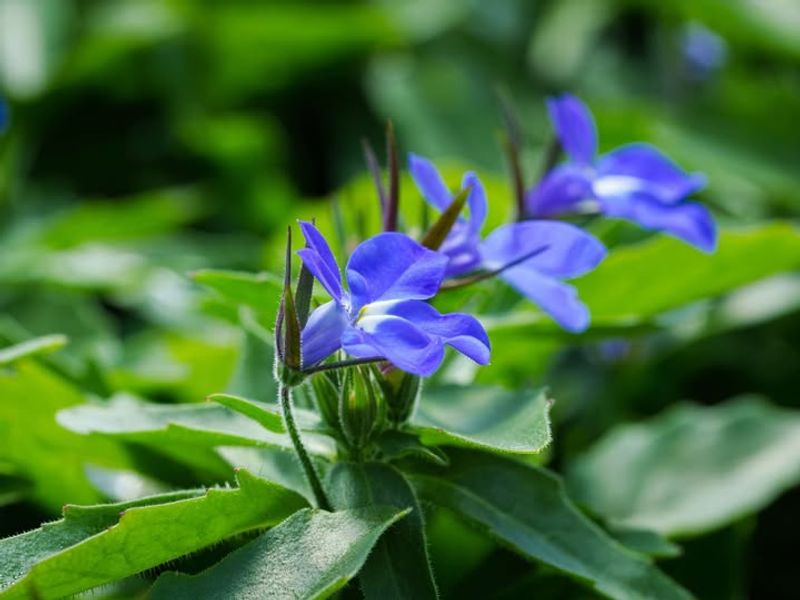
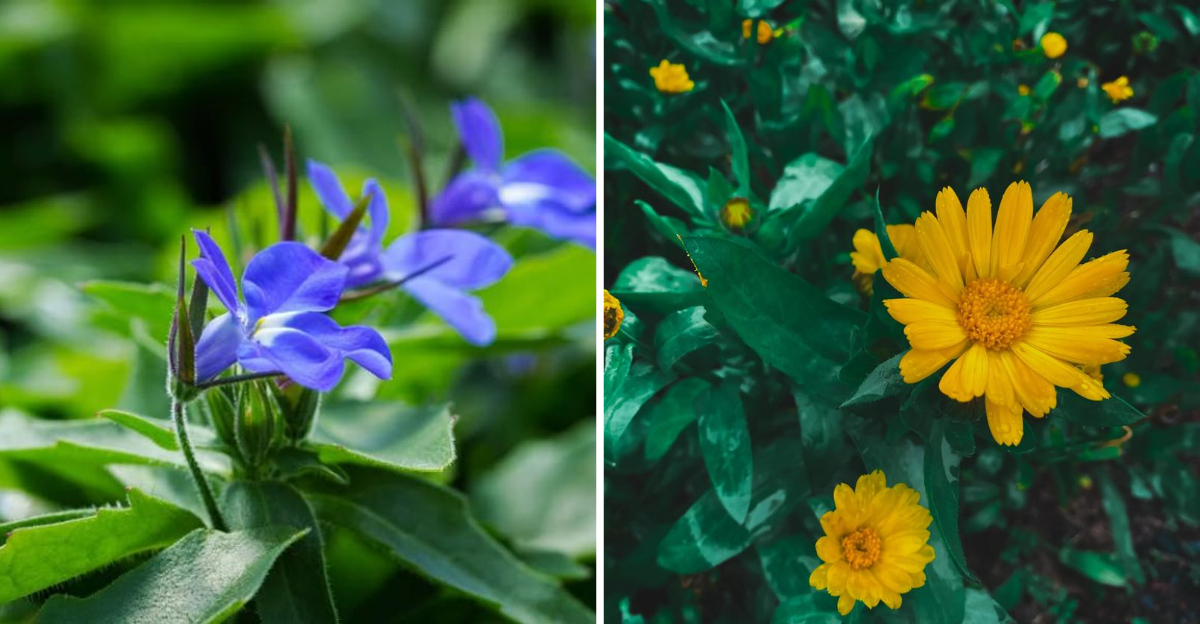
Delicate blue flowers create cooling effects in winter gardens, with lobelia offering shades rarely seen in other cool-season annuals.
These dainty plants produce masses of small blooms that cover foliage almost completely during peak flowering periods.
Florida’s mild winters allow lobelia to thrive without the heat that can stress these moisture-loving plants during summer months.
Partial shade locations work best for lobelia, especially in South Florida where winter sun can still be intense.
Consistent moisture keeps these shallow-rooted plants happy, with soil that stays evenly moist but never waterlogged.
Trailing varieties spill beautifully from containers while compact types suit border plantings.
Hanging baskets and elevated containers showcase trailing lobelia spectacularly, with cascades of blue, white, or purple flowers creating living curtains of color.
They also work wonderfully tucked into shaded areas where many flowering plants struggle to perform.
According to Florida Exotic Pest Plant Council assessments, lobelia poses no invasive concerns and stays well-behaved in cultivated settings.
Plants typically reach four to eight inches in height, though trailing varieties can spread much wider as they cascade.
Light fertilization every few weeks supports continuous blooming throughout their season.
Shearing plants back by one-third if they become leggy encourages fresh growth and renewed flowering for extended beauty in your winter landscape.
9. Kale And Ornamental Cabbage
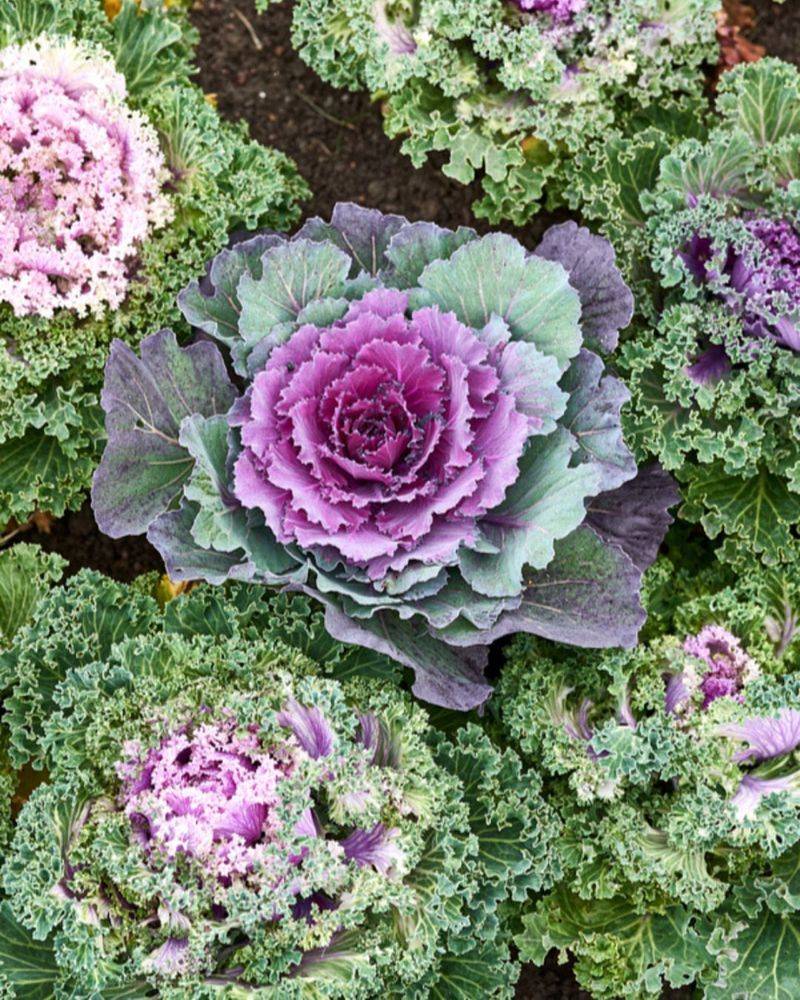
Ruffled leaves in shades of purple, pink, white, and green create living bouquets that bring unexpected beauty to winter landscapes.
Ornamental kale and cabbage offer something completely different from typical flowers, with colorful foliage that intensifies as temperatures drop.
Florida’s cooler months trigger the vibrant coloring that makes these plants so striking, turning ordinary garden beds into works of art.
Full sun exposure produces the most intense coloring, with at least six hours of direct light daily recommended for best results.
Moderate watering keeps plants healthy and growing vigorously throughout winter.
These members of the cabbage family appreciate fertile soil and benefit from monthly fertilization with balanced products.
Formal plantings gain sophistication from ornamental cabbage and kale, with their rosette forms creating architectural interest.
They also work beautifully in large containers as focal points on patios and entryways.
University of Florida IFAS research confirms these cultivated varieties pose no invasive threat, remaining safely contained in garden settings without spreading into natural areas.
Plants grow twelve to eighteen inches tall with similar spread, creating substantial specimens that command attention.
Cold tolerance is excellent, with plants actually improving in appearance as temperatures drop.
Their unique beauty bridges the gap between flowers and foliage, offering gardeners creative options for designing distinctive winter landscapes that stand out from typical plantings.