7 Fast-Growing Fruit Trees You Should Plant In Texas
If you live in Texas and want to enjoy fresh fruit straight from your backyard, fast-growing fruit trees are a smart place to start.
With the right choices, you won’t have to wait years for your first harvest.
Thanks to Texas’s long growing season and warm climate, many fruit trees can thrive and grow quickly, giving you shade, beauty, and delicious produce all in one.
Whether you’re working with a small yard or a wide-open space, there are options that can fit your landscape and reward you in just a short time.
From juicy peaches to crisp apples and sweet figs, certain varieties are known to establish roots quickly and start producing fruit within just a couple of seasons.
Some even begin to bloom within a year of planting.
These trees are not only productive but also fairly easy to care for, many are drought-tolerant and heat-resistant, which makes them perfect for the Texas climate.
If you choose wisely, you can enjoy fresh fruit and a thriving tree without a long wait.
It’s one of the most rewarding investments you can make for your yard.
1. Fig Trees
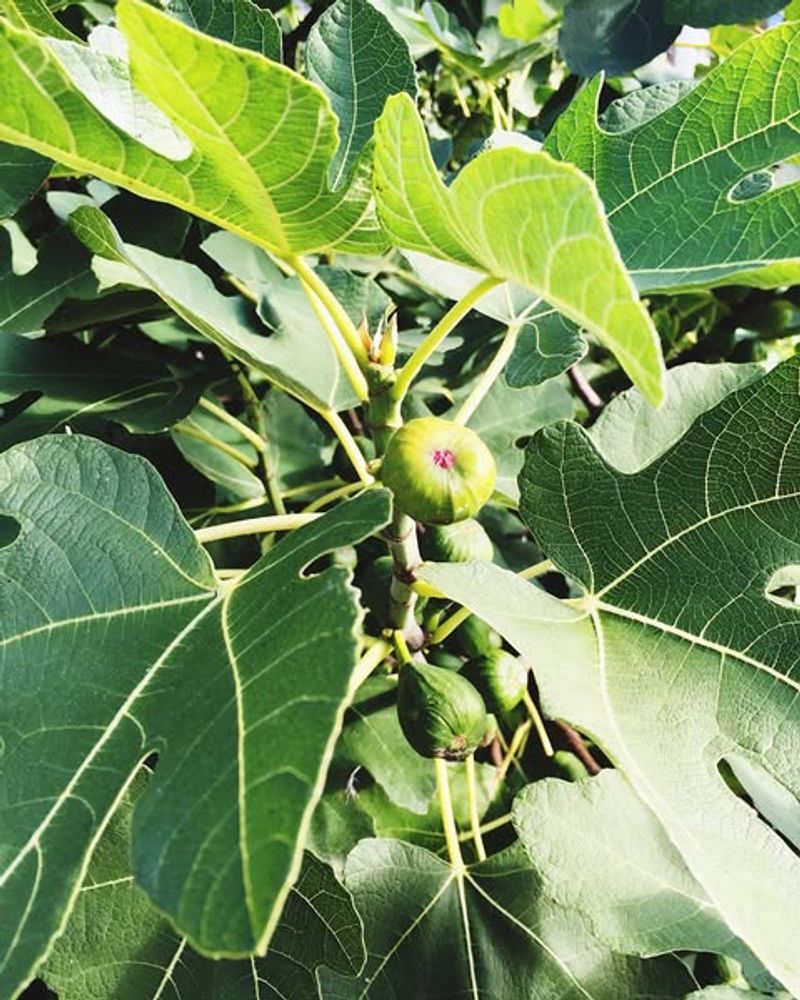
Few fruit trees can match the fig when it comes to rapid growth and reliable production in Texas.
Within just two to three years of planting, you could be harvesting sweet, honey-like fruit that tastes incredible fresh or dried.
Figs adapt remarkably well to the varied climates across Texas, from the humid Gulf Coast to the drier western regions.
Their resilience and low-maintenance nature make them perfect for beginners who want success without constant fussing.
The Texas climate suits figs beautifully because they love heat and can tolerate drought once established.
Varieties like Brown Turkey and Celeste thrive throughout the state, producing two crops per year in warmer areas.
The first crop appears in early summer on old wood, while the second arrives in late summer on new growth.
This double harvest means more fruit for your family and less waiting between picking seasons.
Planting a fig tree requires choosing a sunny spot with well-draining soil.
These trees aren’t picky about soil type, though they appreciate occasional watering during extended dry spells.
Pruning is minimal compared to other fruit trees, and figs naturally grow into attractive, spreading shapes that provide welcome shade in Texas yards.
Container growing works well too, making figs accessible even for those with limited space.
Pests and diseases rarely bother fig trees in Texas, which means less spraying and fewer headaches for you.
Birds might compete for ripe fruit, but netting or picking promptly solves that problem.
The combination of fast growth, delicious fruit, and easy care makes figs an unbeatable choice for anyone wanting quick results from their Texas garden.
2. Peach Trees
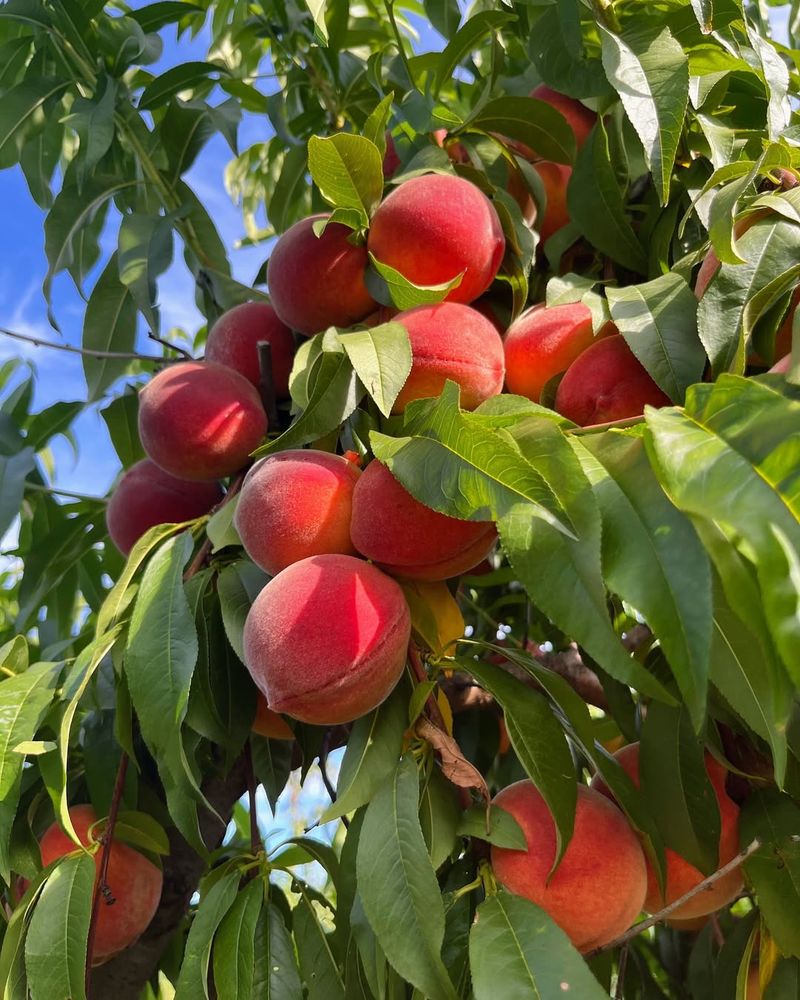
Bite into a sun-warmed peach fresh from your own tree, and you’ll understand why Texans have grown these beauties for generations.
Peach trees grow quickly and can produce fruit within two to four years, depending on the variety and growing conditions.
Your Texas Garden Changes Every Week. Your Plan Should Too.
Gardening in Texas changes quickly throughout the season. Every Friday you’ll receive a simple weekly plan showing exactly what to plant, prune, fertilize, harvest, and protect so you never miss the right timing.
Texas offers excellent peach-growing territory, especially in the central and eastern regions where chill hours align with what most varieties need.
The state’s warm springs and hot summers create ideal ripening conditions for juicy, flavorful peaches.
Choosing the right variety matters significantly when planting peach trees in Texas.
Low-chill varieties like Texstar, Earligrande, and Florida Prince work well in southern Texas where winters stay mild.
Central and northern areas can support varieties requiring more chill hours, such as Redhaven or Elberta.
Matching your variety to your location ensures better fruit production and healthier trees overall.
Peach trees need full sun and well-draining soil to perform their best.
Planting them in raised beds or on slight slopes helps prevent waterlogging, which these trees dislike intensely.
Regular pruning keeps the tree’s shape open and encourages better air circulation, reducing disease problems.
Texas peach growers should plan on thinning fruit when it reaches marble size, leaving about six inches between each peach for larger, sweeter results.
Protecting blossoms from late frosts can be challenging in some Texas regions, but covering trees with blankets on cold nights helps preserve the crop.
Peach trees do require more attention than figs, including pest monitoring and occasional spraying, but the reward of homegrown peaches makes every bit of effort worthwhile for most gardeners across the state.
3. Pomegranate Trees
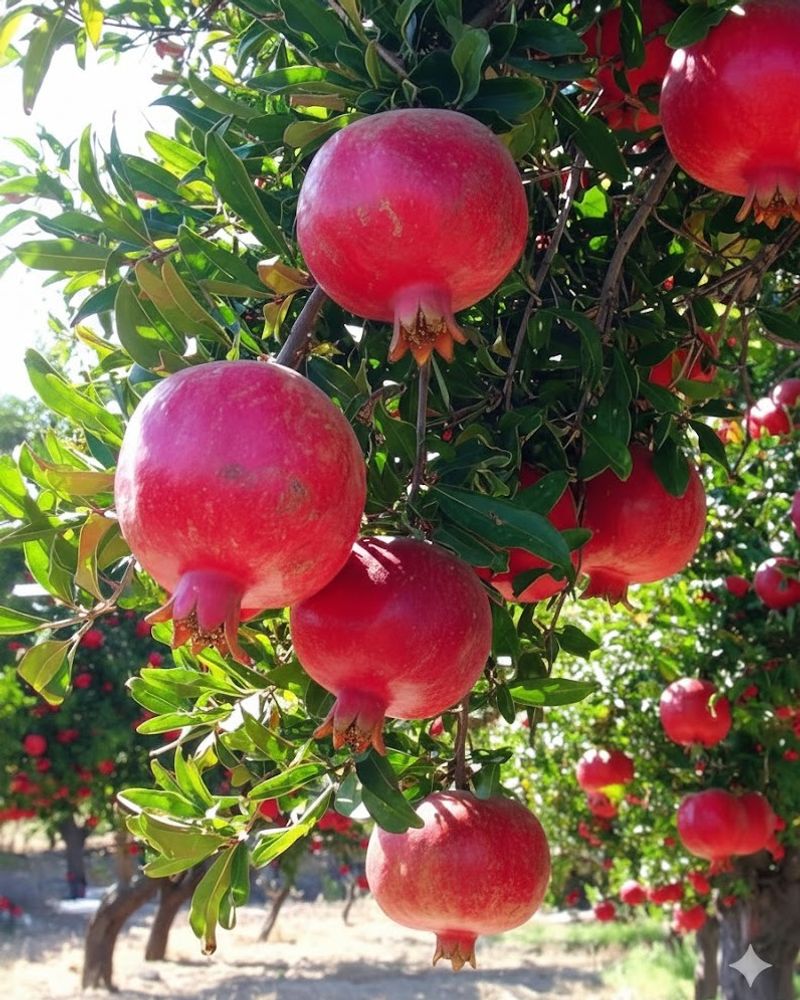
Pomegranates bring ancient beauty and modern convenience to Texas landscapes.
These tough, drought-tolerant trees establish quickly and often produce fruit within the first two to three years after planting.
Their glossy leaves and brilliant orange-red flowers add ornamental value long before the first ruby-red fruit appears.
Texas gardeners appreciate pomegranates because they handle heat, poor soil, and irregular watering better than most fruit trees, making them ideal for busy households or water-conscious landscapes.
Heat-loving by nature, pomegranates thrive in the intense Texas sun that would stress many other fruit trees.
They grow well throughout most of the state, though northern regions with harsh winters might see some cold damage.
Varieties like Wonderful, Texas Pink, and Salavatski perform reliably in Texas conditions.
The fruit ripens in late summer through fall, providing a harvest window when many other trees have finished producing.
Pomegranate trees prefer well-draining soil but adapt to various soil types, including alkaline soils common in many Texas areas.
Planting in full sun maximizes fruit production and tree health.
These trees naturally grow as large shrubs or small trees, and you can prune them into either form depending on your preference.
Their dense growth habit makes them useful as edible hedges or privacy screens too.
Maintenance stays minimal with pomegranates in Texas.
They resist most pests and diseases, rarely requiring chemical treatments.
Watering needs decrease significantly once trees establish their root systems, though consistent moisture during fruit development improves size and quality.
The combination of beautiful appearance, tough nature, and nutritious fruit makes pomegranates an increasingly popular choice for Texas homeowners seeking productive landscaping options.
4. Persimmon Trees
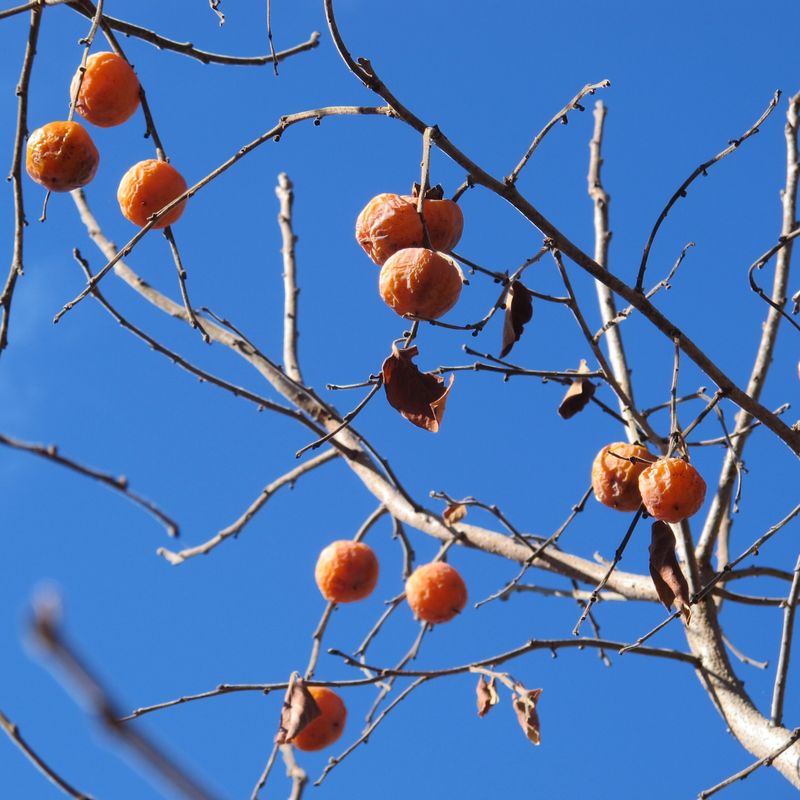
When autumn arrives in Texas, persimmon trees put on a spectacular show with vibrant orange fruit hanging like ornaments against colorful foliage.
Both native American persimmons and Asian varieties grow well across the state, offering different flavors and growth habits.
These trees establish themselves quickly and can begin producing within three to five years.
Their adaptability to Texas soils and climates makes them reliable performers for gardeners seeking something a little different from standard fruit tree options.
American persimmons are native to Texas and grow wild in many eastern areas, proving their natural fitness for the climate.
They tolerate a wide range of soil conditions, including heavy clay that challenges other fruit trees.
Asian persimmons like Fuyu and Hachiya offer larger fruit with different flavor profiles, though they’re slightly less cold-hardy than their American cousins.
Both types handle Texas heat remarkably well and require minimal pest management.
Planting persimmons requires patience only in waiting for fruit, not in maintenance demands.
These trees need full sun and appreciate deep watering during establishment, but mature trees handle drought conditions respectfully.
Pruning needs stay light, mainly removing dry wood or shaping young trees.
Persimmons naturally develop attractive branching patterns that look beautiful even in winter when leaves have fallen.
Fruit ripens in fall, providing fresh eating when most other fruit trees have finished their season.
American persimmons taste best after frost softens them, while many Asian varieties can be eaten firm like apples.
The unique, sweet flavor won’t appeal to everyone, but those who love persimmons treasure these reliable trees.
Their combination of ornamental beauty, wildlife value, and edible fruit makes persimmons excellent multi-purpose additions to Texas properties.
5. Mulberry Trees
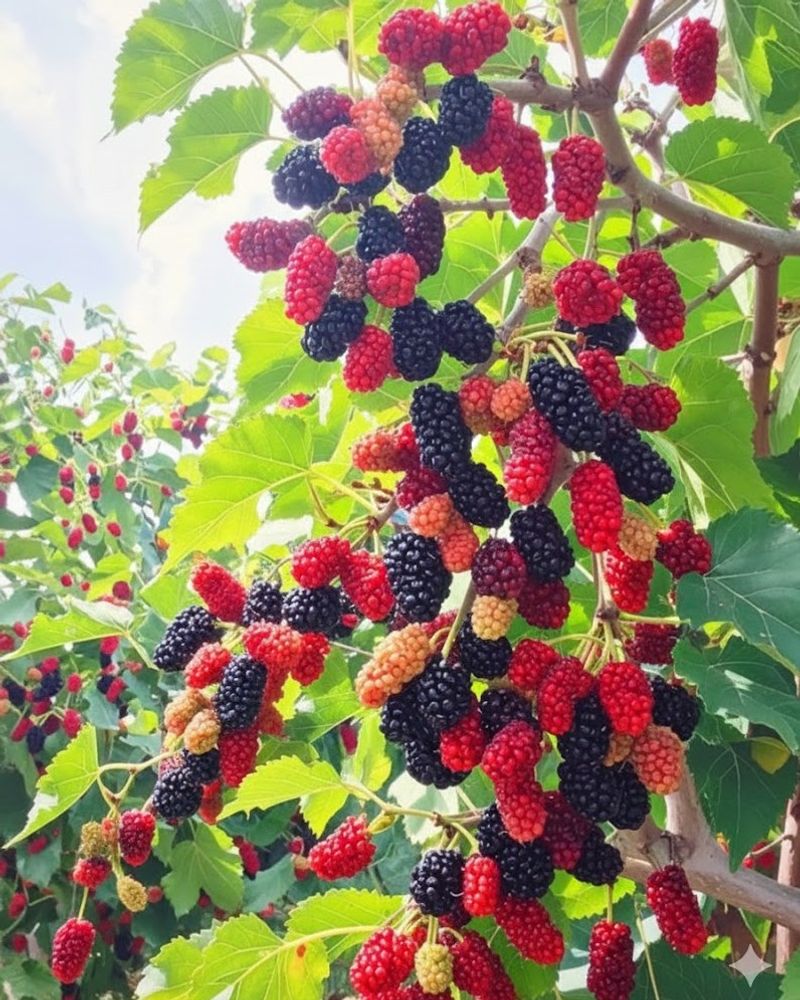
Mulberry trees grow so fast in Texas that you might be surprised by how quickly a young sapling becomes a shade-providing, fruit-producing powerhouse.
Within just one to two years, many mulberry trees begin producing berries, making them among the fastest fruit trees you can plant.
Their vigorous growth and prolific fruiting make them favorites for families who want abundant harvests without years of waiting.
Children especially love picking and eating the sweet berries straight from the branches during late spring and early summer.
Texas conditions suit mulberries perfectly, as they tolerate heat, drought, and various soil types with minimal complaint.
Both white and black mulberry varieties grow well throughout the state, though some gardeners prefer black mulberries for their superior flavor.
The trees adapt to different moisture levels, thriving in areas with regular rainfall or surviving in drier regions once established.
Their hardiness makes them virtually foolproof for beginning fruit tree growers.
Planting mulberries requires considering their eventual size, as these trees can reach 30 to 50 feet tall with wide spreading canopies.
They provide excellent shade, which many Texas homeowners appreciate during brutal summer months.
The berries ripen over several weeks rather than all at once, extending your harvest period.
Be prepared for stained sidewalks and patios beneath the tree, as fallen fruit can create purple splotches that some people find messy.
Wildlife adores mulberry trees, attracting birds and other creatures that feast on the abundant berries.
If you want fruit for yourself, you’ll need to harvest regularly or use netting to protect your crop.
Despite the potential mess, mulberries remain popular in Texas because they deliver so much fruit with so little effort, and their rapid growth provides quick landscape impact along with delicious eating.
6. Plum Trees
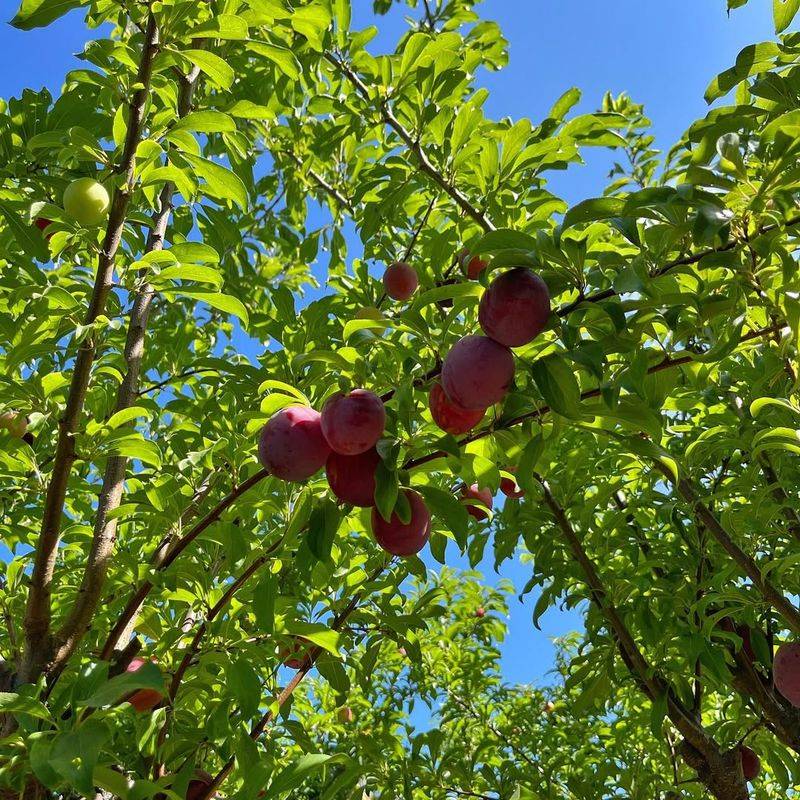
Plum trees have earned their place in Texas orchards through generations of reliable performance and relatively quick fruit production.
Most varieties begin bearing fruit within three to four years, rewarding patient gardeners with juicy, sweet plums perfect for fresh eating, cooking, or preserving.
Texas offers suitable growing conditions for both Japanese and hybrid plum varieties, though choosing the right cultivar for your specific region ensures better results.
The state’s warm climate supports excellent fruit development when varieties match local chill hour requirements.
Japanese plum varieties like Methley, Bruce, and Santa Rosa perform well across much of Texas, especially in areas with mild winters.
These plums bloom early and produce large, flavorful fruit with relatively low chill hour requirements.
Hybrid plums combine traits from different species, offering improved disease resistance and adaptability.
Planting at least two compatible varieties improves pollination and increases fruit production significantly, so plan for multiple trees if space allows.
Successful plum growing in Texas starts with full sun exposure and well-draining soil.
These trees dislike wet feet, so avoid planting in low spots where water collects.
Regular pruning helps maintain tree health and encourages better fruiting.
Thinning fruit when small ensures larger plums at harvest time and prevents branch breakage from heavy crops.
Plum trees need consistent moisture during fruit development but handle typical Texas heat well once established.
Pests and diseases can challenge plum growers in Texas, particularly plum curculio and brown rot in humid regions.
Monitoring trees regularly and applying appropriate treatments when needed protects your crop.
Despite these challenges, plum trees remain popular because fresh Texas-grown plums taste far superior to store-bought fruit, and the satisfaction of harvesting your own crop makes the effort completely worthwhile.
7. Jujube Trees
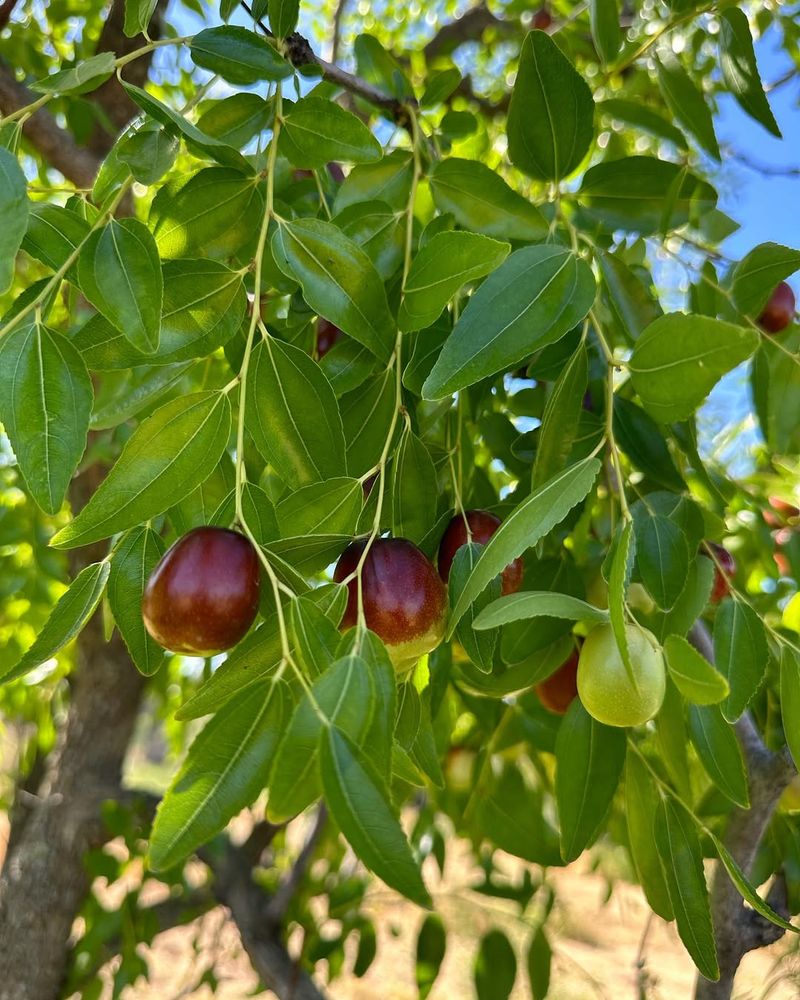
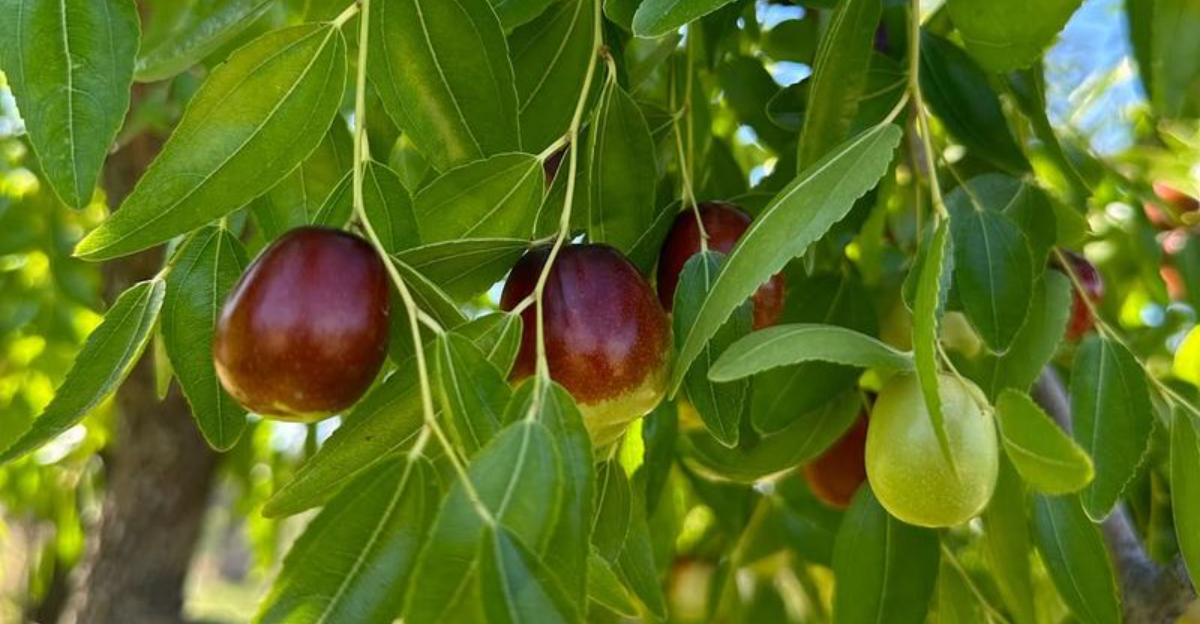
Jujube trees might not be the first fruit tree that comes to mind, but these Asian natives have become increasingly popular among Texas gardeners for excellent reasons.
They grow quickly, tolerate extreme heat and drought, and produce unique apple-like fruits that taste sweet and slightly tangy.
Jujubes often fruit within two to three years of planting, and their tough nature means they survive Texas conditions that would stress more delicate fruit trees.
Think of them as the ultimate low-maintenance fruit tree for challenging climates.
Texas heat doesn’t faze jujube trees one bit.
They actually prefer hot summers and produce better fruit when temperatures soar.
These trees handle poor soil, alkaline conditions, and irregular watering with remarkable grace.
Varieties like Li and Lang are popular choices that produce good-sized fruit with excellent flavor.
The trees bloom late in spring, avoiding most frost problems that affect earlier-blooming fruit trees in Texas.
Planting jujubes requires minimal special preparation beyond choosing a sunny location.
They adapt to various soil types, though they appreciate decent drainage.
Once established, jujube trees need very little supplemental watering, making them ideal for water-conscious landscapes or areas where irrigation is limited.
Pruning requirements stay light, mainly removing crossed branches or shaping young trees.
Their naturally attractive growth habit looks good in landscapes without constant intervention.
The fruit ripens in late summer and early fall when fresh from the tree, with a crisp texture similar to apples.
As fruits dry on the tree, they develop a chewy, date-like consistency that many people prefer.
Jujubes resist most pests and diseases common in Texas, reducing the need for chemical treatments.
For gardeners seeking an unusual, productive, and virtually indestructible fruit tree, jujubes deliver exceptional value and interesting harvests year after year.