8 Raised Bed Crops Florida Gardeners Can Grow Right Now
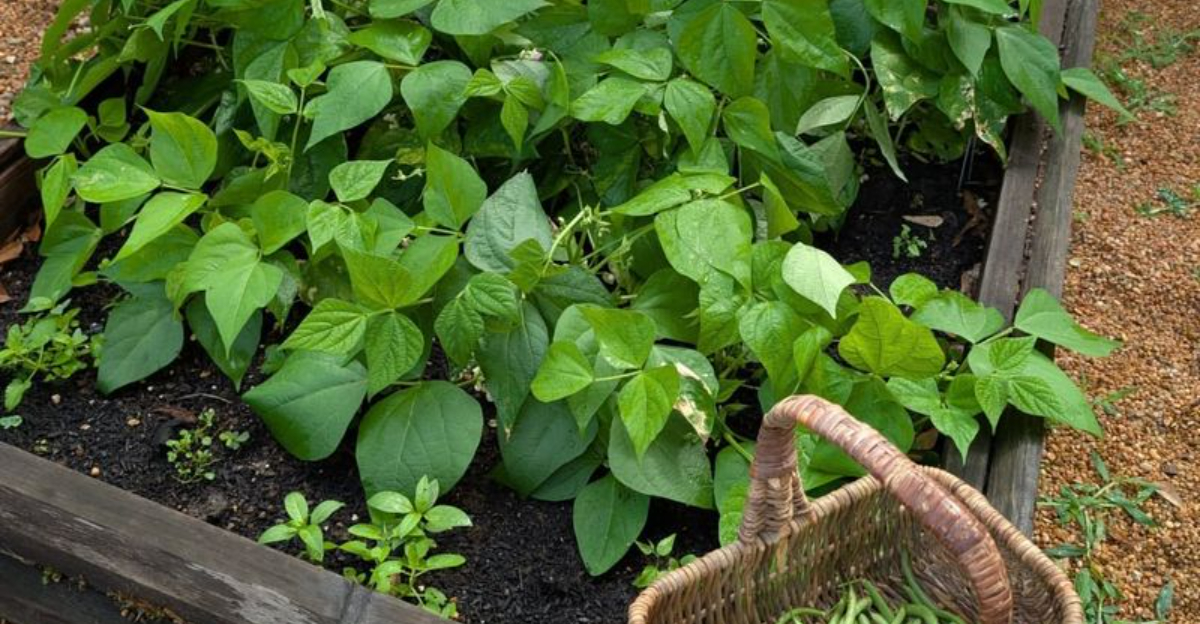
Florida raised bed gardens offer something most of the country never gets, the chance to grow food almost every month of the year.
Warm soil, bright sun, and long seasons mean your garden does not have to shut down when summer fades or winter arrives.
At the same time, Florida’s climate can be unforgiving.
Heat, humidity, sudden storms, and sandy ground can turn good intentions into disappointing harvests if the wrong crops go into the ground at the wrong time.
Raised beds give you a powerful advantage by improving drainage, warming soil faster, and allowing you to control nutrients where plants need them most.
With smart crop choices, those beds can stay productive while others struggle.
Crisp greens, sweet carrots, tender beans, and flavorful herbs all have windows when they thrive in Florida’s conditions.
When planted at the right moment, they grow faster, resist disease better, and produce more food in less space.
A well planned raised bed does more than grow vegetables, it keeps your kitchen supplied and your garden rewarding season after season.
1. Lettuce (Loose-Leaf Varieties)

Loose-leaf lettuce loves the cooler months Florida offers between October and March, and your raised beds give it the perfect home with well-draining soil that prevents root rot.
You can start planting seeds directly into your raised bed about a quarter-inch deep, spacing them four to six inches apart in rows or scattering them for a cut-and-come-again harvest.
Choose varieties like Black-Seeded Simpson or Oak Leaf that handle Florida’s occasional warm spells better than head lettuce.
Your lettuce needs about four to six hours of sunlight daily, though in South Florida you might want to provide afternoon shade to keep leaves tender and sweet.
Keep the soil consistently moist but never soggy, checking daily during dry spells since raised beds drain faster than ground-level gardens.
Harvest outer leaves when they reach four to six inches tall, leaving the center to keep producing for weeks.
Pair lettuce with radishes in the same bed since radishes mature quickly and won’t compete for space as your lettuce fills out.
You can also tuck lettuce between taller crops like tomatoes or peppers to use every inch of your raised bed efficiently while the shade from taller plants protects lettuce during warmer days.
2. Spinach (Malabar or New Zealand)
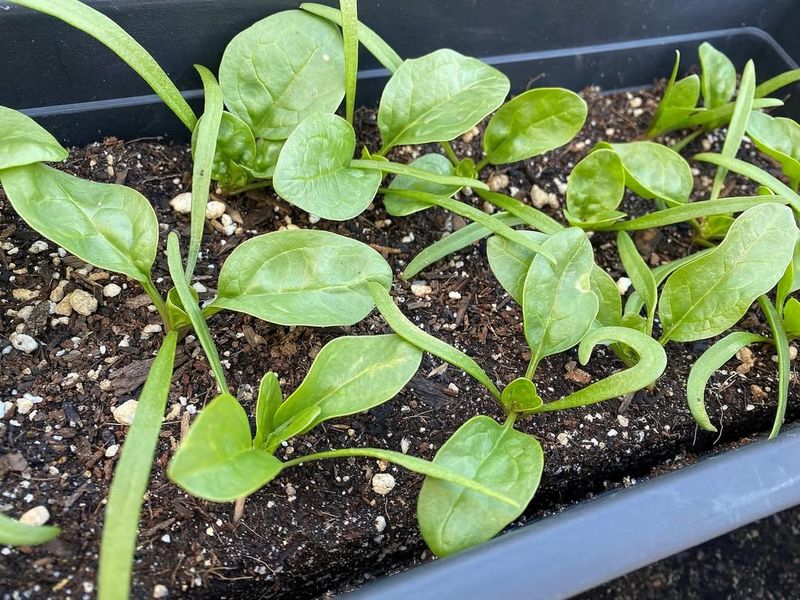
Traditional spinach struggles in Florida’s heat, but Malabar and New Zealand spinach are warm-season champions that flourish when other greens would wilt and bolt.
Malabar spinach is actually a vining plant with thick, succulent leaves that taste similar to regular spinach, while New Zealand spinach spreads low and wide with smaller, triangular leaves.
Plant seeds about half an inch deep after soaking them overnight to speed up germination, spacing plants twelve inches apart since both varieties spread generously.
Both types need full sun and thrive in the warm, humid conditions that make Florida gardening challenging for cool-season crops.
Your raised bed’s excellent drainage prevents the root issues these heat-lovers can develop in waterlogged soil, so water deeply but let the top inch dry between waterings.
Your Florida Garden Changes Every Week. Your Plan Should Too.
Gardening in Florida changes quickly throughout the season. Every Friday you’ll receive a simple weekly plan showing exactly what to plant, prune, fertilize, harvest, and protect so you never miss the right timing.
Malabar spinach will climb if you give it a trellis or stake, making it a beautiful edible addition that saves horizontal space in your bed.
Harvest leaves regularly to encourage bushier growth and prevent plants from getting leggy or tough.
These spinach alternatives pair wonderfully with basil and peppers in your raised bed since they all enjoy warmth and won’t shade each other out if you position taller crops on the north side.
3. Radishes
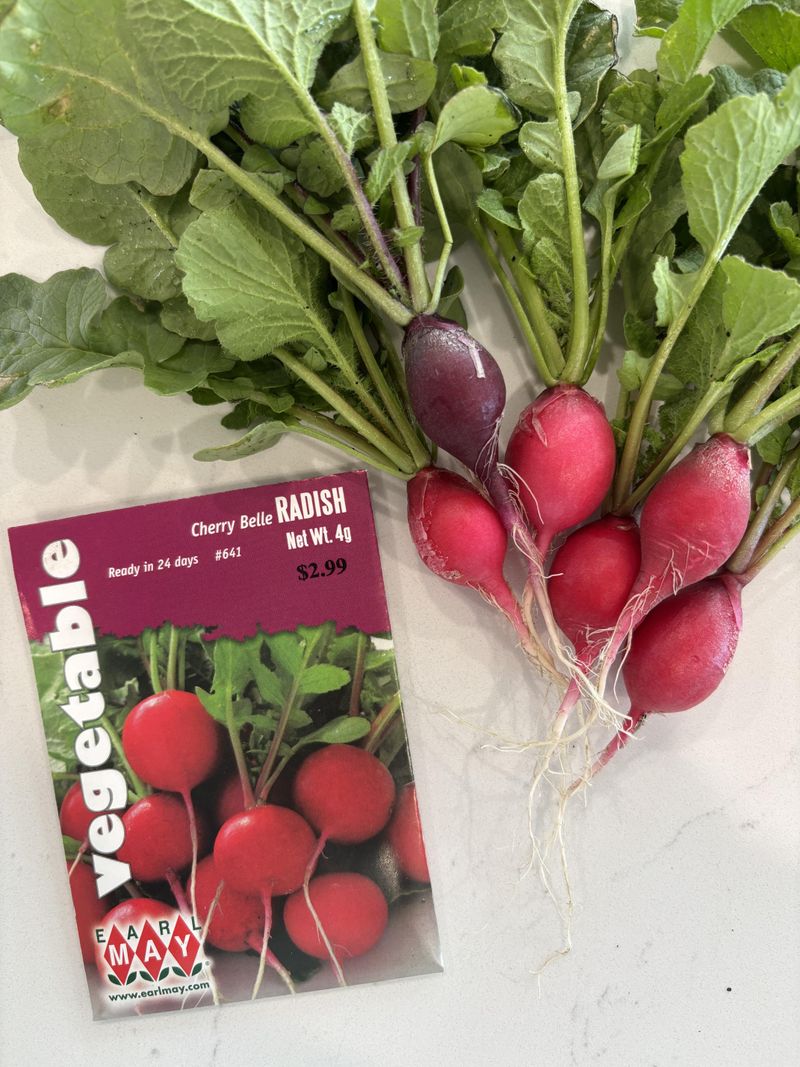
Radishes are the speedsters of your raised bed, going from seed to harvest in as little as three to four weeks during Florida’s cooler months.
You can plant them anytime from October through February in most of Florida, sowing seeds half an inch deep and spacing them about two inches apart in rows or broadcasting them across a section of your bed.
Varieties like Cherry Belle and French Breakfast perform reliably in our climate, giving you crisp, peppery roots that add crunch to salads and tacos.
Your radishes need at least six hours of sunlight and consistent moisture to develop properly without becoming woody or overly spicy.
The loose, well-draining soil in raised beds lets radish roots expand easily, preventing the misshapen or stunted growth you might see in compacted ground.
Pull radishes as soon as they reach the size you want, usually when the tops are about an inch in diameter, since they can turn pithy if left too long.
Radishes make excellent companions for slower-growing crops like carrots and lettuce because they mature so quickly and mark your rows while other seeds are still sprouting.
You can succession plant radishes every two weeks to keep a steady supply coming, filling any empty spots in your raised bed between larger plants.
4. Carrots
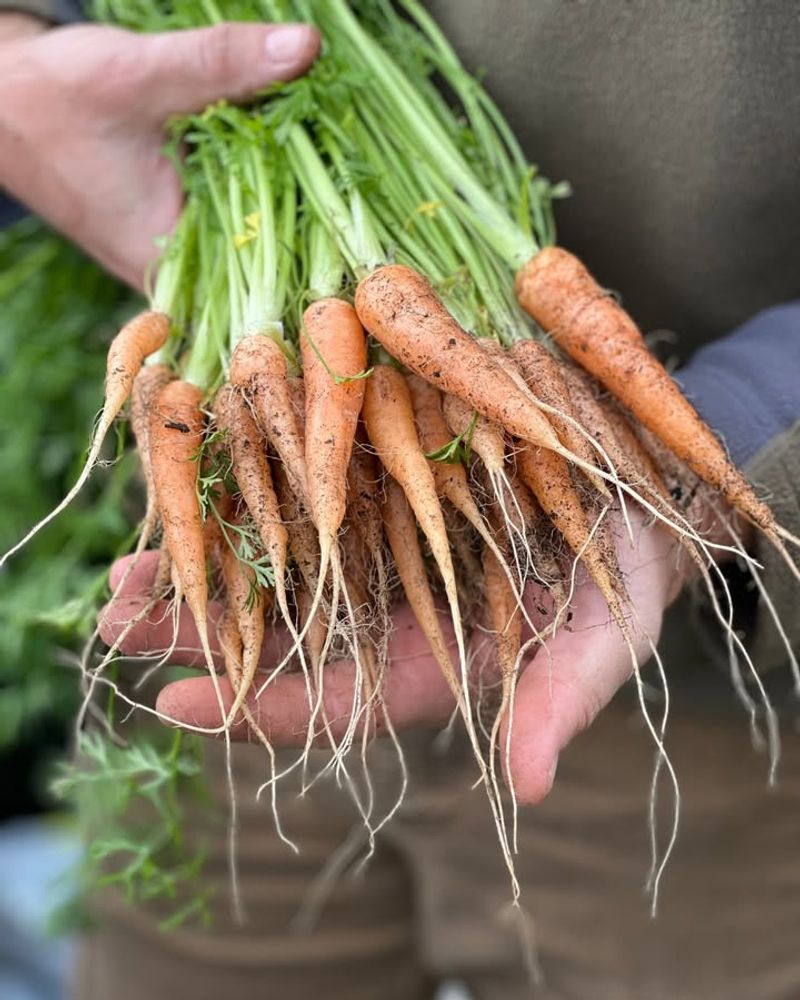
Carrots thrive in raised beds because they need loose, deep soil free of rocks and clumps that can cause forked or twisted roots.
Florida gardeners should plant carrots from October through January when cooler temperatures bring out their natural sweetness and prevent them from becoming bitter or tough.
Sow seeds about a quarter-inch deep, spacing them two inches apart, and choose shorter varieties like Danvers or Chantenay that mature in sixty to seventy days and handle our soil conditions better than long, slender types.
Your carrot patch needs full sun and evenly moist soil throughout the growing season, especially during germination when the tiny seeds can dry out quickly.
Raised beds make it easier to maintain that consistent moisture without creating the soggy conditions that lead to rot or disease.
Thin seedlings to three inches apart once they sprout their first true leaves, giving each carrot room to develop a nice, thick root.
Carrots grow well alongside lettuce, radishes, and onions, which don’t compete for the same root space and can even help deter pests when planted together.
Mulch around your carrot plants with a thin layer of compost or straw to keep soil temperatures stable and moisture levels even, which helps prevent cracking as the roots mature.
5. Tomatoes (Heat-Tolerant Varieties)
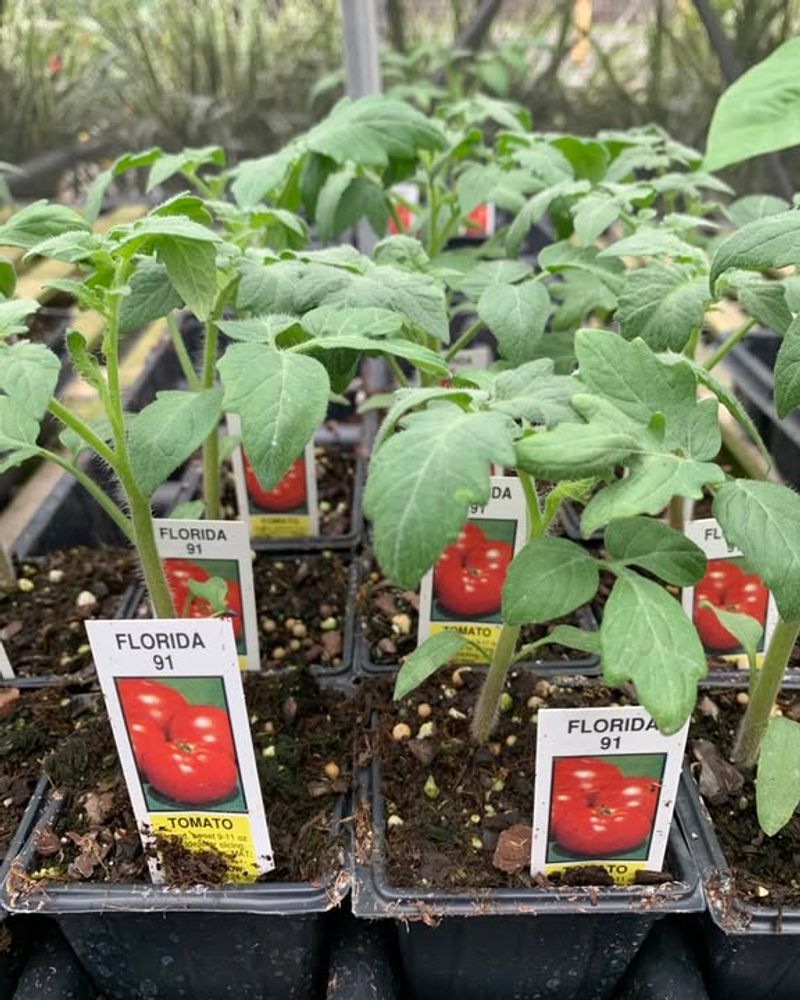
Heat-tolerant tomato varieties like Phoenix, Heatwave, and Florida 91 are bred specifically to handle our intense sun and humidity, producing fruit even when temperatures climb higher than traditional tomatoes can tolerate.
Plant transplants rather than seeds for faster results, setting them deep in your raised bed so the stem is buried up to the first set of true leaves, which encourages strong root development.
In Florida, tomatoes produce best when planted in late winter or again in late summer for fall harvests rather than during peak summer heat.
Space plants eighteen to twenty-four inches apart and choose determinate varieties for more compact growth in raised beds, though indeterminate types work if you have room for cages or stakes.
Your tomatoes need at least six to eight hours of direct sunlight and consistent watering to prevent blossom-end rot, a common problem in Florida caused by calcium deficiency and irregular moisture.
Raised beds help you control soil quality and drainage, making it easier to maintain the slightly acidic pH tomatoes prefer and prevent root diseases that plague ground-planted tomatoes in our wet summers.
Mulch heavily around plants to keep soil temperatures stable and reduce moisture stress during hot spells.
Tomatoes pair beautifully with basil, which not only shares similar growing needs but may also help repel pests and improve tomato flavor according to generations of gardeners.
Avoid planting tomatoes near peppers in tight quarters since both are heavy feeders and can compete for nutrients.
6. Bush Beans
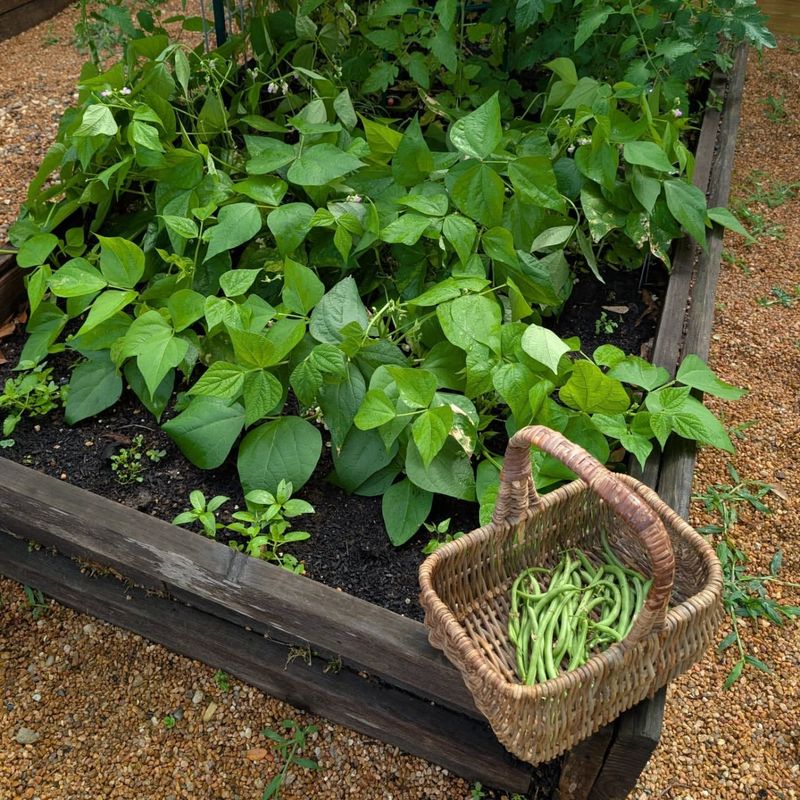
Bush beans are compact, productive, and perfectly suited to raised beds where their shallow roots can spread in loose, well-draining soil.
You can plant bush beans almost year-round in South Florida and from March through September in North Florida, though fall plantings often produce the most reliable harvests with fewer pest problems.
Sow seeds one inch deep and three to four inches apart, choosing varieties like Contender or Provider that mature in fifty to sixty days and produce heavily without needing poles or trellises.
Your beans need full sun and moderate watering, though they’re more drought-tolerant than many vegetables once established since they fix their own nitrogen from the air.
Raised beds warm up quickly in spring and drain well during summer rains, creating ideal conditions for beans that can rot in soggy soil.
Pick beans regularly when they’re young and tender to keep plants producing new pods, checking every two to three days during peak harvest.
Bush beans make excellent companions for carrots, radishes, and lettuce since they enrich the soil with nitrogen that benefits neighboring plants.
Avoid planting beans near onions or garlic, which can inhibit bean growth, and rotate your bean plantings to different sections of your raised bed each season to prevent soil depletion and disease buildup.
7. Peppers
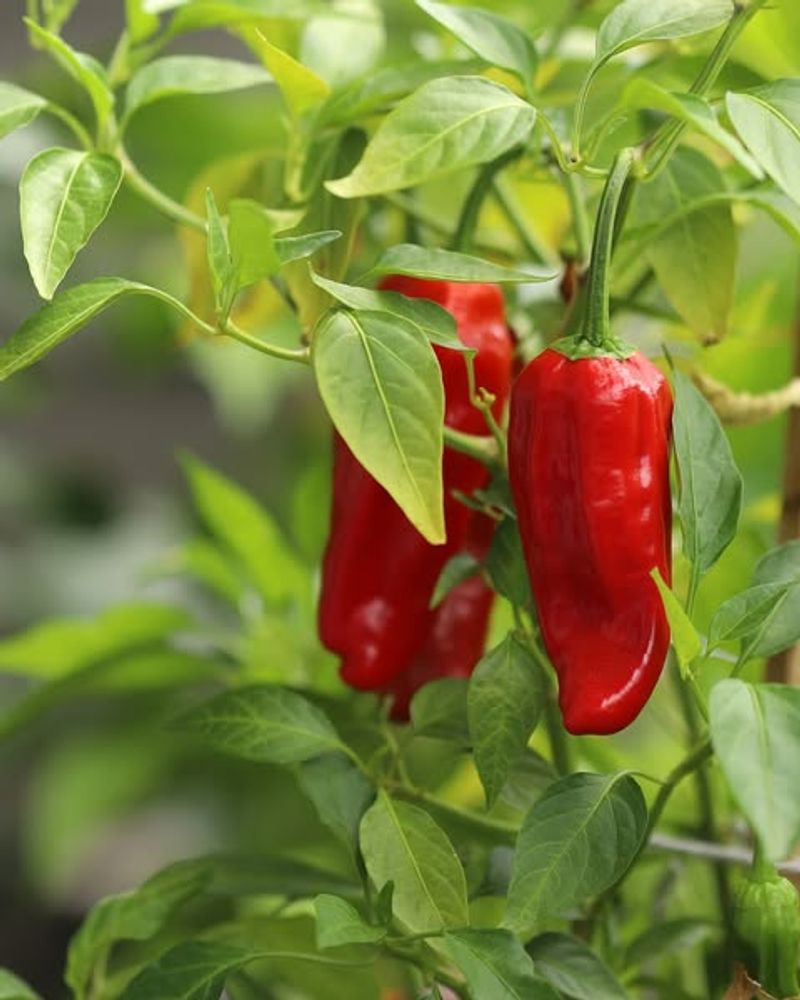
Peppers absolutely love Florida’s warmth and sunshine, thriving in raised beds where excellent drainage prevents the root rot that can plague peppers in heavy, wet soil.
Plant transplants after the last frost in North Florida or during late winter and early fall in South Florida, avoiding the hottest summer months when flowering and fruit set decline.
Set transplants at the same depth they were growing in their containers, firming soil gently around roots and watering deeply to eliminate air pockets.
Your peppers need full sun and consistent moisture to produce abundantly, though they’re more drought-tolerant than tomatoes once established with deep, strong roots.
Raised beds make it easy to amend soil with compost and maintain the slightly acidic to neutral pH peppers prefer, giving you bigger harvests and healthier plants.
Harvest peppers at any stage from green to fully ripe, using scissors or pruners to avoid damaging stems and encouraging continued production throughout the growing season.
Peppers grow well with basil, which shares their love of warmth and may help deter aphids and other pests that target pepper plants.
You can also interplant peppers with low-growing herbs like oregano or thyme to maximize space in your raised bed while creating a beautiful, edible landscape that produces for months.
8. Basil
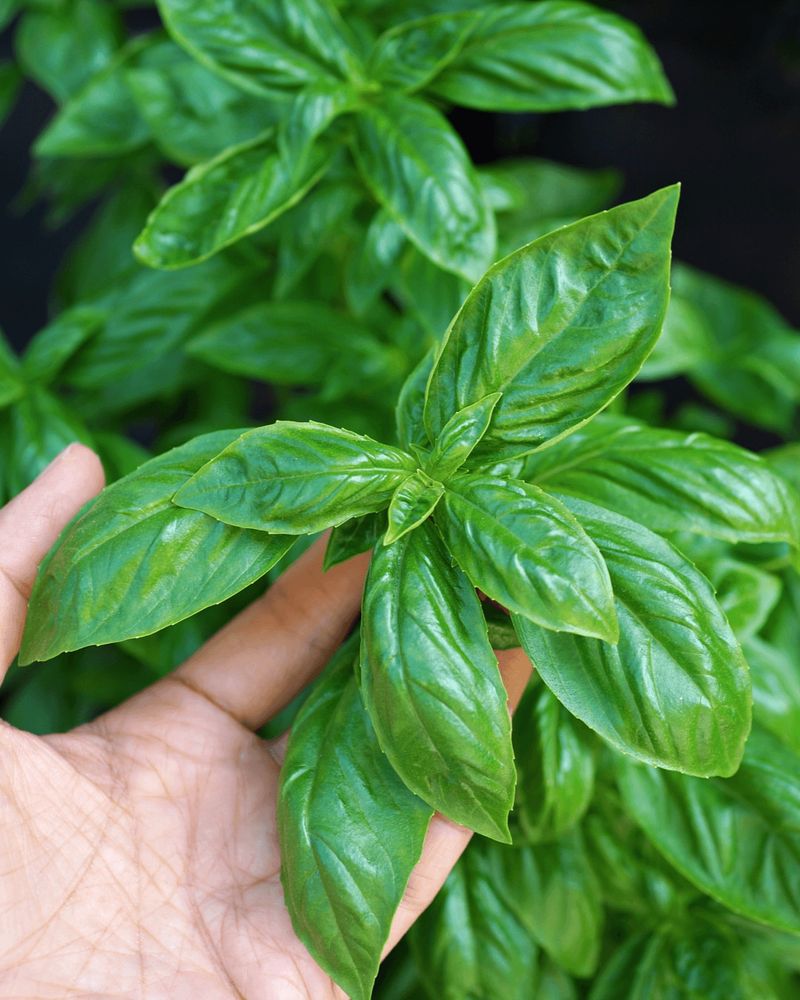
Basil is a Florida garden superstar that grows vigorously in our warm climate, producing fragrant leaves that transform everything from pasta to salads.
You can plant basil from transplants or seeds anytime after the last frost, spacing plants twelve inches apart in your raised bed where they’ll receive at least six hours of sunlight daily.
Choose varieties like Genovese for classic Italian flavor or Thai basil for a spicy, licorice-scented twist that handles heat even better than traditional types.
Your basil needs consistent moisture and well-draining soil, making raised beds ideal since they prevent the waterlogged conditions that lead to fungal diseases and root problems.
Pinch off the growing tips regularly to encourage bushier growth and prevent flowering, which makes leaves bitter and signals the plant to stop producing tender new growth.
Harvest leaves frequently, taking no more than one-third of the plant at a time, to keep basil productive and prevent it from becoming leggy or woody.
Basil pairs perfectly with tomatoes and peppers in raised beds, sharing similar water and sun requirements while potentially improving the flavor and health of neighboring plants.
Plant basil along the edges of your raised bed where you can easily reach it for frequent harvesting, or tuck it between larger crops to fill empty spaces and create a lush, productive garden.