These 11 Heat-Tough Annuals Can Bloom For Months In Florida
Florida summers have a reputation for ending flower gardens by early June, but the truth is far more encouraging.
While many traditional spring blooms fade when the heat and humidity settle in, a surprising number of annuals are built for exactly these conditions.
They do not limp through the season or merely survive until fall.
They grow, flower, and put on a steady show of color even when temperatures stay high and rainstorms arrive almost daily.
From sunny front yards to hot patio containers and even partly shaded corners, the right annual flowers can keep Florida landscapes looking vibrant for most of the year.
These plants come from warm regions around the world or have been selected specifically for their ability to handle intense sun, moisture, and heat without constant attention.
When planted in the right spots, they reward gardeners with weeks and often months of reliable blooms.
The selections below highlight annual flowers that consistently perform in Florida’s challenging climate while adding bold color, texture, and life to home gardens from spring through much of fall.
1. Zinnias
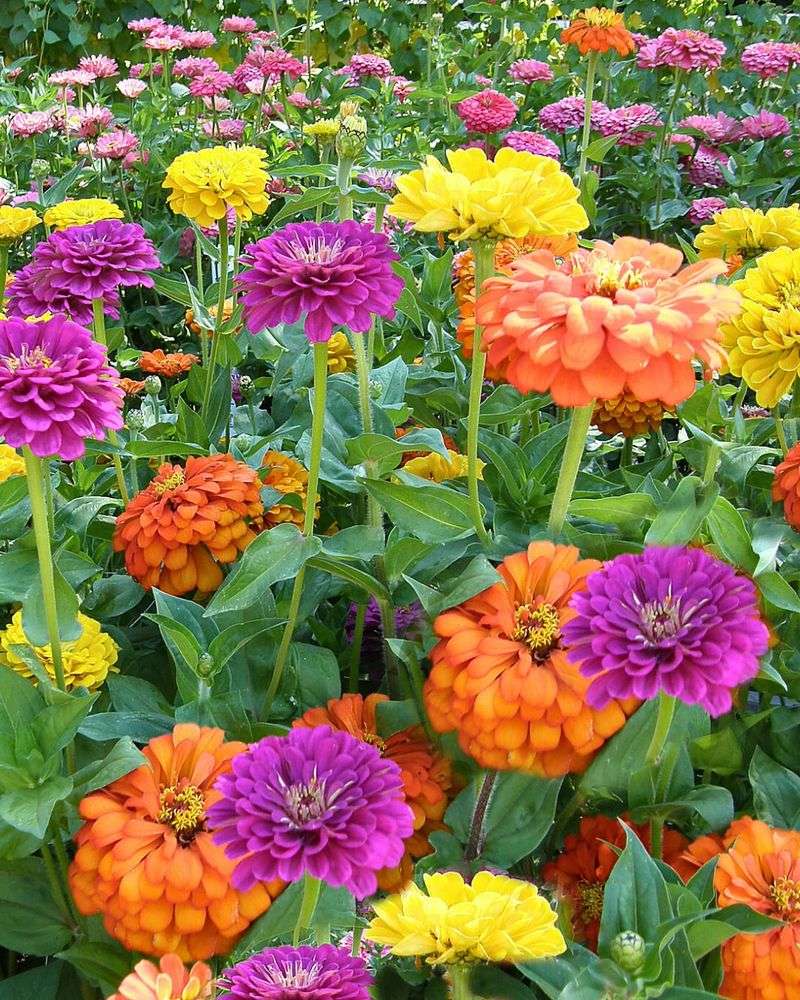
Bright, cheerful, and practically indestructible, zinnias bring bold color to your Florida garden when temperatures soar into the nineties.
You’ll find blooms in every shade from fiery orange to soft pink, with flower heads that range from tiny buttons to dinner-plate sized giants.
Plant them in full sun and watch them pump out flowers all summer long, even when other plants start looking tired and stressed.
Florida’s intense heat doesn’t faze zinnias one bit because they originated in hot, dry regions of Mexico and Central America.
They’re built for sunshine and warmth, which means your garden gets continuous color without the constant worry of wilting or browning.
Zinnias tolerate Florida’s summer rain better than many annuals when planted with good airflow and well-drained soil.
These annuals fit perfectly along sunny borders, in cutting gardens, or massed in large sweeps for maximum impact.
Butterflies and hummingbirds flock to zinnia blooms, adding even more life to your landscape.
University of Florida IFAS Extension lists zinnias as commonly grown annuals in Florida landscapes and does not identify them as invasive, making them a responsible choice for Florida gardeners who care about protecting native habitats.
2. Vinca (Periwinkle)
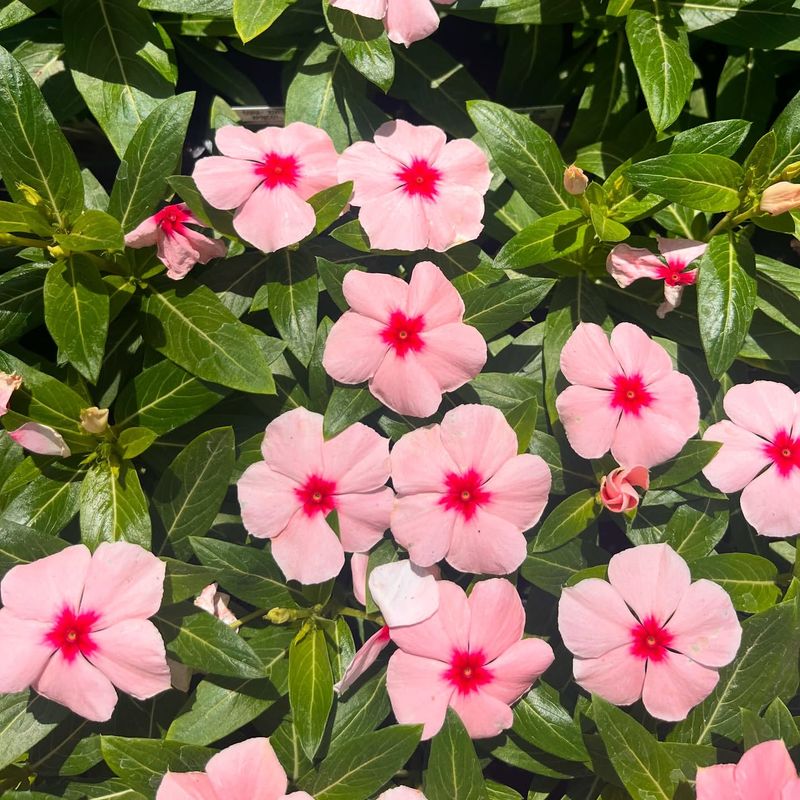
Low-growing and absolutely reliable, vinca covers your garden beds with glossy green leaves and five-petaled flowers in shades of white, pink, red, and lavender.
Each bloom has a contrasting eye in the center that adds extra visual interest, and the plants stay compact and tidy without much effort from you.
Vinca keeps blooming through the hottest months, creating a carpet of color that never seems to quit.
Heat tolerance is built into vinca’s DNA, as these tough little plants handle full sun and high humidity without missing a beat.
They’re drought-tolerant once established, which means less watering and more time enjoying your garden instead of maintaining it.
Vinca also resists most common pests and diseases, making it one of the easiest annuals you can grow in Florida.
Your Florida Garden Changes Every Week. Your Plan Should Too.
Gardening in Florida changes quickly throughout the season. Every Friday you’ll receive a simple weekly plan showing exactly what to plant, prune, fertilize, harvest, and protect so you never miss the right timing.
Use vinca as a groundcover under taller plants, along walkways, or in containers where you need dependable color all season long.
The plants spread nicely to fill in gaps, but they won’t become aggressive or invasive in your landscape.
University of Florida IFAS lists annual vinca (Catharanthus roseus) as a commonly used bedding plant that does not behave invasively in landscapes, giving you peace of mind along with beautiful blooms.
3. Portulaca (Moss Rose)
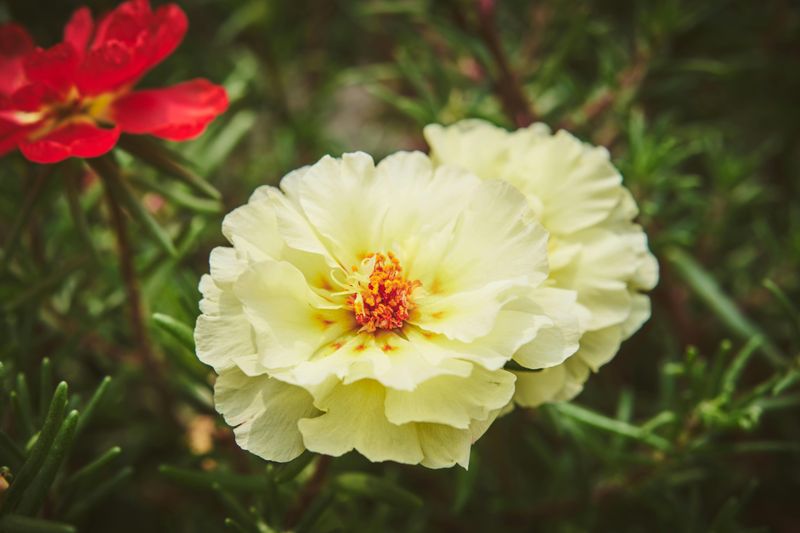
Succulent leaves and jewel-toned flowers make portulaca a standout choice for the hottest, driest spots in your Florida garden.
The blooms open in full sun, displaying brilliant colors like magenta, yellow, orange, and red that practically glow against the fleshy green foliage.
Portulaca hugs the ground, forming a low, dense mat that shades the soil surface while adding waves of color from spring through fall.
This annual laughs at heat and drought because it stores water in its thick leaves, just like a cactus.
Portulaca actually prefers dry conditions and sandy soil, making it ideal for Florida’s challenging growing conditions where other plants struggle.
The flowers close at night and on cloudy days, but they reopen enthusiastically when the sun returns, giving your garden a cheerful morning greeting.
Plant portulaca in rock gardens, along sunny slopes, or in containers where drainage is excellent and sun exposure is intense.
The low-growing habit makes it perfect for edging pathways or filling in between stepping stones.
Portulaca is not listed by the University of Florida or the Florida Exotic Pest Plant Council as an invasive species.
4. Angelonia
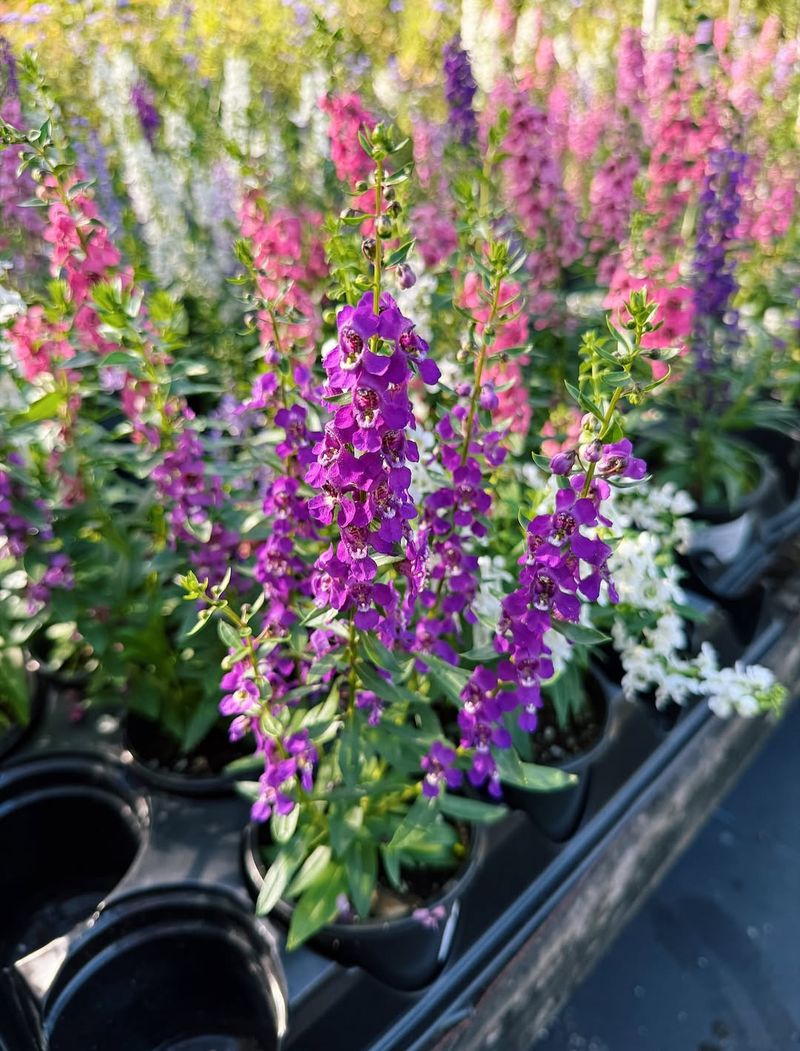
Spikes of orchid-like flowers rise above neat foliage, giving your garden vertical interest and continuous color that lasts for months without deadheading.
Angelonia blooms come in purple, pink, white, and bicolor combinations, with each flower spike covered in small blossoms that open from bottom to top.
The plants maintain a tidy, upright shape naturally, so you don’t have to spend time pinching or pruning to keep them looking good.
Nicknamed summer snapdragon, angelonia thrives in Florida’s heat because it comes from tropical regions of Central and South America where conditions mirror our climate.
The plants handle full sun and humidity beautifully, continuing to bloom even when temperatures stay in the upper nineties day after day.
Angelonia also tolerates brief dry spells once established, making it forgiving if you occasionally forget to water.
This annual works beautifully in mixed borders, container combinations, or planted in masses for bold color impact in your landscape.
The upright form contrasts nicely with rounded or trailing plants, adding dimension to your garden design.
University of Florida IFAS lists angelonia as a non-native ornamental that has not shown invasive behavior in Florida landscapes, so you can plant it confidently knowing it won’t create problems in natural areas beyond your property.
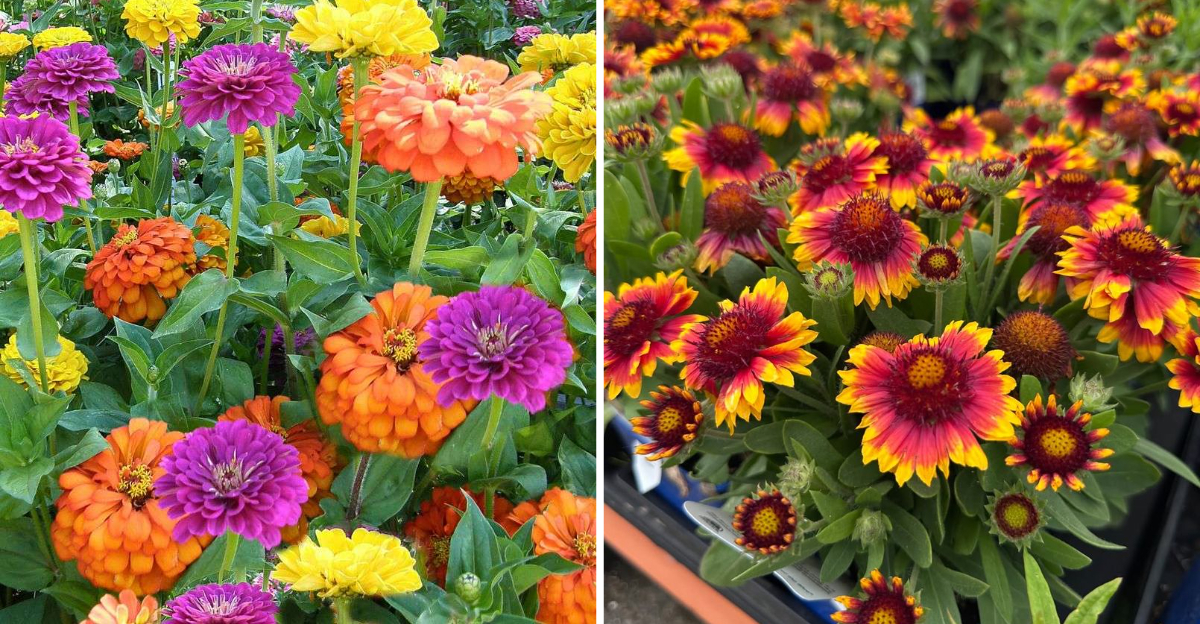
5. Gaillardia (Blanket Flower)
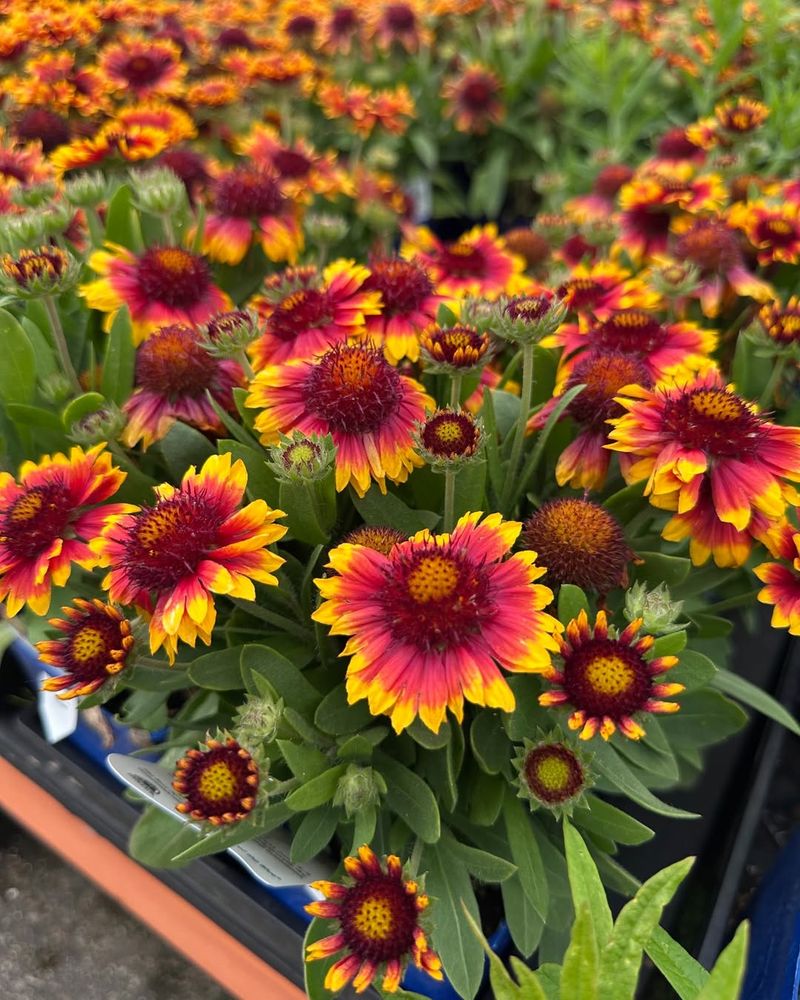
Bold daisy-like flowers in shades of red, yellow, and orange bring warm sunset colors to your garden from late spring through fall.
Each bloom features a red center surrounded by petals tipped in yellow or gold, creating a striking two-tone effect that catches your eye from across the yard.
Gaillardia flowers sit atop sturdy stems that hold up well in wind and rain, keeping your garden looking fresh even after summer storms roll through.
Native to parts of North America, including the southeastern United States, gaillardia handles heat and humidity like a champion because it evolved in conditions similar to what we experience in Florida.
The plants actually prefer full sun and well-drained soil, thriving in the same conditions that stress out less adapted species.
Gaillardia also attracts butterflies and bees, bringing beneficial pollinators into your landscape while adding color and movement to your garden.
Plant gaillardia in sunny borders, wildflower gardens, or mixed with ornamental grasses for a naturalistic look that feels effortless.
The flowers make excellent cuts for indoor arrangements, lasting up to a week in a vase.
Because gaillardia is native to the United States, it poses no invasive threat to Florida ecosystems, making it an environmentally responsible choice for Florida gardens.
6. Cosmos

Delicate-looking but surprisingly tough, cosmos fills your garden with airy flowers in shades of pink, white, magenta, and orange that dance on tall, slender stems.
The ferny foliage adds a soft texture that contrasts beautifully with bolder-leaved plants, while the flowers float above like colorful butterflies.
Cosmos blooms prolifically once it gets started, producing waves of flowers that keep coming until cooler weather arrives in late fall.
Originally from Mexico and Central America, cosmos adapted to hot, sunny conditions long before arriving in Florida gardens.
The plants handle our summer heat without wilting or slowing down, continuing to produce flowers even when other annuals start looking stressed.
Cosmos also tolerates poor soil and occasional drought, making it one of the most forgiving annuals you can grow if your garden conditions are less than ideal.
These tall annuals work perfectly at the back of borders, in cutting gardens, or planted in large drifts for a cottage garden feel.
The flowers attract butterflies, bees, and beneficial insects, supporting a healthy garden ecosystem.
Cosmos is not listed as invasive in Florida and is widely grown as a seasonal annual for Florida landscapes, so you can enjoy its beauty without worrying about it escaping into natural areas or competing with native plants.
7. Sunflowers
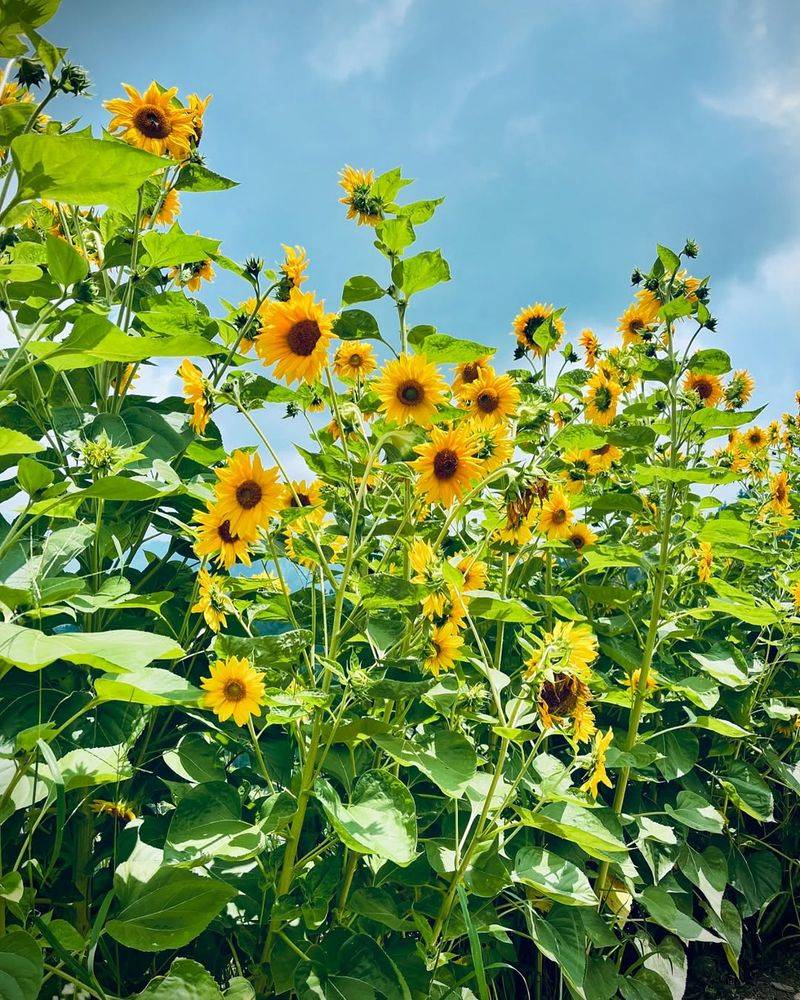
Nothing says summer like sunflowers towering over your garden with their huge golden faces turned toward the sky.
You can choose from giant varieties that reach eight feet tall or compact types that stay under three feet, giving you options for any space or design.
Sunflower blooms range from classic yellow with dark centers to burgundy, orange, and even pale lemon shades, with single or double petals depending on the variety you select.
Sunflowers originated in hot, dry regions of North America, so they handle Florida heat without complaint as long as they get full sun and decent drainage.
The plants grow quickly, often blooming just sixty to seventy days after planting, which means you can enjoy flowers sooner rather than later.
Sunflowers also provide food for birds once the seeds mature, adding wildlife value to your landscape beyond the bloom period.
Plant sunflowers along fences, at the back of vegetable gardens, or in children’s gardens where their dramatic size creates excitement and wonder.
The tall varieties may need staking in areas prone to strong winds or afternoon thunderstorms.
Sunflowers are native to North America and are grown in Florida strictly as annual garden plants, with no risk of becoming invasive or threatening natural plant communities in our state.
8. Cleome (Spider Flower)
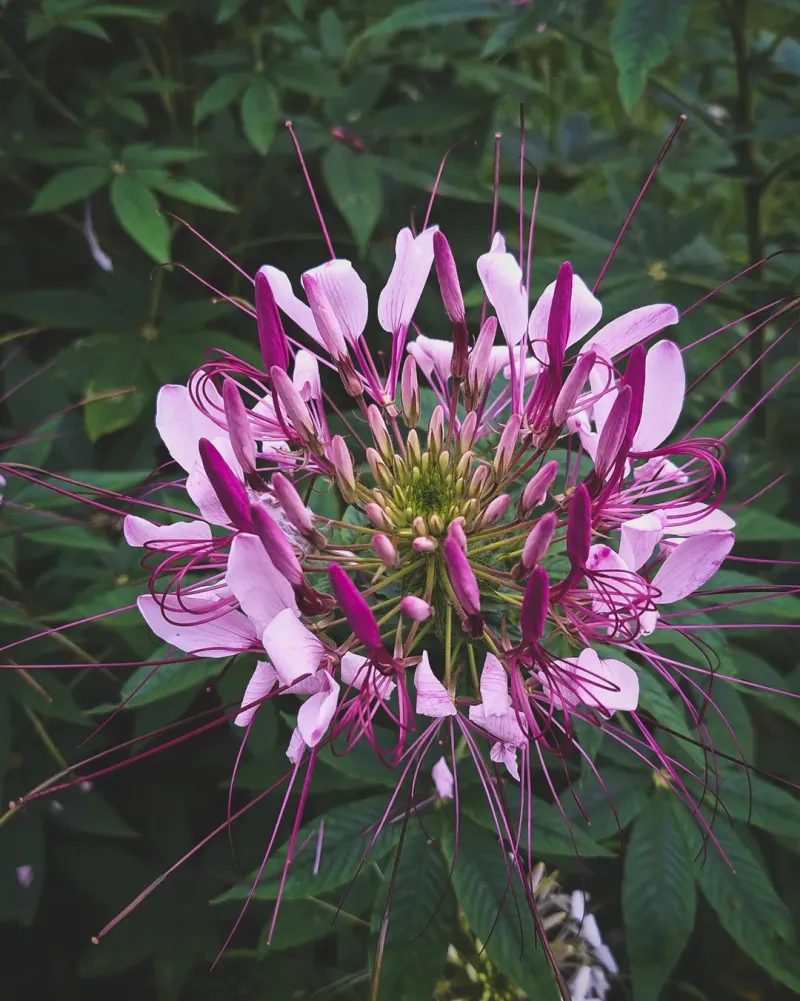
Tall stems topped with clusters of pink, purple, or white flowers create a dramatic vertical accent in your garden from summer through fall.
Each bloom has long, spidery stamens that extend beyond the petals, giving cleome its common name and distinctive appearance.
The flowers open progressively up the stem, providing weeks of color from a single plant, while the airy foliage adds interesting texture without feeling heavy or dense.
Cleome handles Florida’s summer heat beautifully because it comes from tropical and subtropical regions where high temperatures and humidity are normal.
The plants actually seem to thrive when conditions get hot, producing more flowers as summer progresses rather than slowing down.
Cleome readily self-sows in Florida gardens and can reappear each year, so gardeners who want tighter control should remove spent flower heads before seed sets.
Use cleome at the back of borders, in cottage-style gardens, or as a temporary screen where you need height and color quickly.
The flowers attract hummingbirds and butterflies, adding movement and life to your landscape.
Cleome is not listed as invasive in Florida, but gardeners should be aware that it readily self-seeds.
9. Salvia (Annual Varieties)
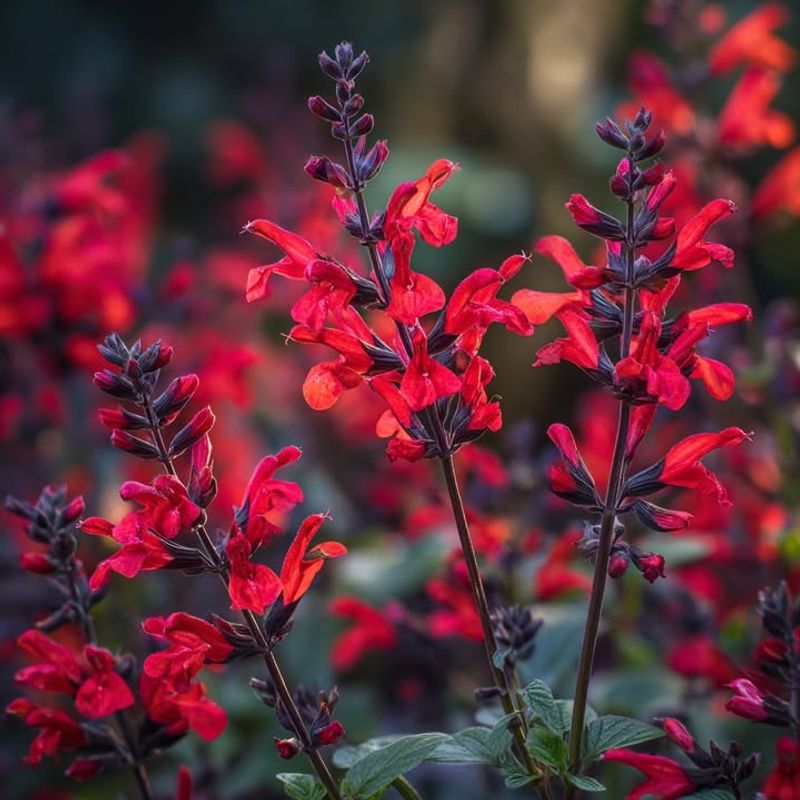
Spikes of tubular flowers in brilliant red, purple, pink, or white rise above green foliage, creating vertical interest that lasts for months with minimal care.
Annual salvias bloom continuously from spring through fall, producing flower spikes that attract hummingbirds like magnets.
The plants maintain a neat, compact shape naturally, so you don’t have to spend time deadheading or pruning to keep them looking good throughout the growing season.
Heat-loving annual salvias thrive in Florida’s summer conditions because many varieties originated in hot regions of Central and South America.
The plants handle full sun and high humidity without wilting or slowing their bloom production, continuing to pump out flowers even during the hottest weeks of summer.
Annual salvias also tolerate brief dry spells once established, making them relatively low-maintenance additions to your landscape.
Plant annual salvias in borders, containers, or massed in beds where you want reliable color and hummingbird activity all season long.
The upright flower spikes contrast beautifully with rounded or trailing plants, adding dimension to your garden design.
University of Florida IFAS lists many annual salvias as suitable for Florida landscapes, so you can enjoy their beauty and wildlife benefits without worrying about them spreading into natural areas or competing with native species.
10. Celosia

Unusual flower heads shaped like flames, plumes, or brain coral add bold texture and vibrant color to your garden in shades of red, orange, yellow, pink, and burgundy.
Celosia blooms hold their color for weeks without fading, giving you long-lasting impact from a single planting.
The flowers also dry beautifully, making them excellent choices for cutting gardens where you want fresh blooms for arrangements or dried flowers for crafts and decorations.
Originally from tropical Africa and Asia, celosia loves Florida’s heat and humidity, thriving in conditions that would stress many other annuals.
The plants actually produce their most vibrant colors and largest flower heads when temperatures soar, rewarding you with peak performance during our hottest months.
Celosia also handles full sun without complaint, continuing to bloom even when planted in the most intense locations in your landscape.
Use celosia in borders, containers, or cutting gardens where its unusual texture and bold colors can really shine.
The plants work beautifully with ornamental grasses and other heat-lovers, creating exciting combinations that feel tropical and lush.
Celosia is not listed by the Florida Exotic Pest Plant Council as an invasive species, so you can plant it confidently knowing it won’t create problems beyond your garden beds or threaten natural plant communities in our state.
11. Torenia (Wishbone Flower)
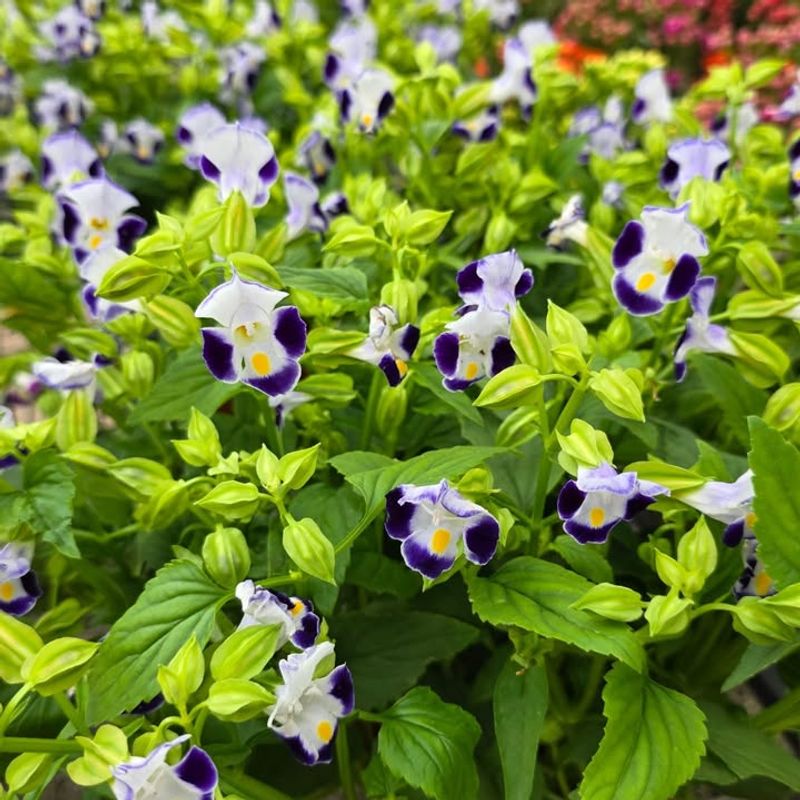
Charming tubular flowers in shades of purple, pink, blue, and white cover compact plants from spring through fall, thriving in partial shade where many other annuals struggle.
Each bloom has a yellow throat marked with darker spots or stripes, creating a multicolored effect that adds interest up close.
Torenia stays low and bushy, making it perfect for edging, containers, or hanging baskets where you need dependable color in shadier spots around your home.
Unlike most heat-loving annuals, torenia prefers partial shade but tolerates Florida’s summer heat and humidity.
The plants bloom continuously without deadheading, saving you time and effort while keeping your garden looking fresh and colorful.
Torenia also tolerates our afternoon thunderstorms well, with flowers that bounce back quickly after heavy rain rather than turning brown or mushy.
Plant torenia under trees, along shaded walkways, or in containers on covered patios where other annuals might not bloom as well.
The trailing varieties work especially well in hanging baskets, spilling over the edges with cascades of colorful flowers.
Torenia is not listed as invasive in Florida and is widely grown as a seasonal annual.