Most Florida Gardeners Don’t Realize These 11 Plants Can Grow As Vines, Shrubs, Or Trees
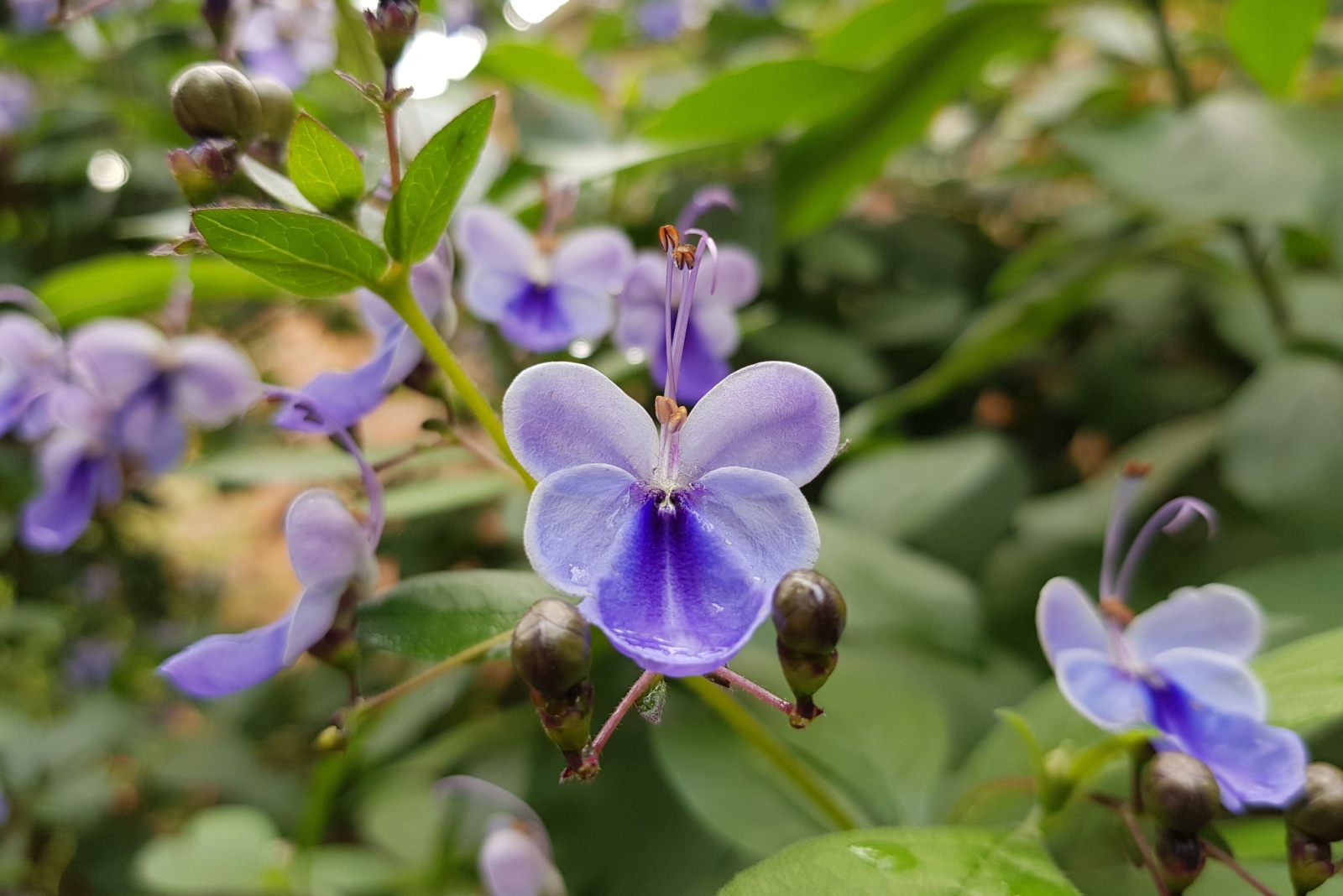
Florida’s warm days, bright sun, and steady rains create one of the most plant-friendly climates in the country, but many gardeners only see part of what their favorite plants can do.
Some of the most popular ornamentals in the state are far more flexible than most people realize.
The same plant that climbs a fence in one yard might be trimmed into a tidy hedge in another or trained into a small flowering tree that becomes the centerpiece of a landscape.
This kind of adaptability gives you more control over how your garden looks, feels, and functions without needing to buy a completely different plant for every purpose.
A single well chosen species can provide color, privacy, shade, and structure all at once.
From fragrant bloomers to evergreen screens and tropical showstoppers, these Florida favorites offer surprising ways to shape your space and bring new life to patios, fences, entryways, and garden beds throughout the year.
1. Bougainvillea
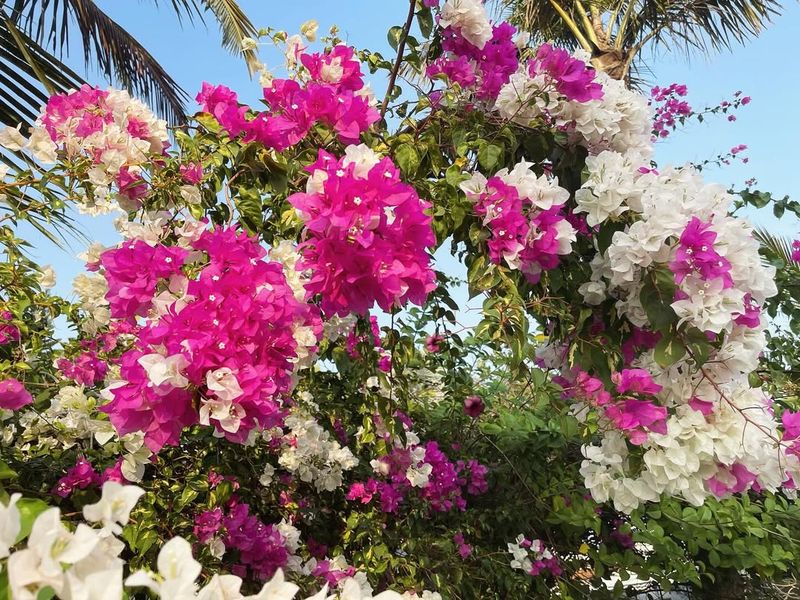
Your neighborhood probably has at least one bougainvillea that stops traffic with its brilliant magenta, orange, or white bracts glowing in the Florida sun.
This Mediterranean transplant has found a true home in our state, thriving in the heat and humidity that would stress many other ornamentals.
You can train bougainvillea along a fence or arbor where it creates a stunning flowering screen, or you can prune it into a dense shrub that adds bold color to foundation plantings.
With careful pruning and a strong stake, bougainvillea can even become a small tree with a sculptural trunk and an umbrella of colorful branches overhead.
The plant blooms most heavily during our cooler months, giving you brilliant color when many other plants take a rest.
Its drought tolerance once established makes it perfect for water-wise Florida landscapes.
In South Florida,
bougainvillea is listed by UF/IFAS as having invasive tendencies and should only be planted in well-contained landscapes away from natural areas.In Central and North Florida, it is generally safe to grow when properly maintained.
Regular trimming also encourages more blooms and keeps the thorny branches from becoming a tangled jungle that’s hard to manage later on.
2. Confederate Jasmine (Trachelospermum jasminoides)
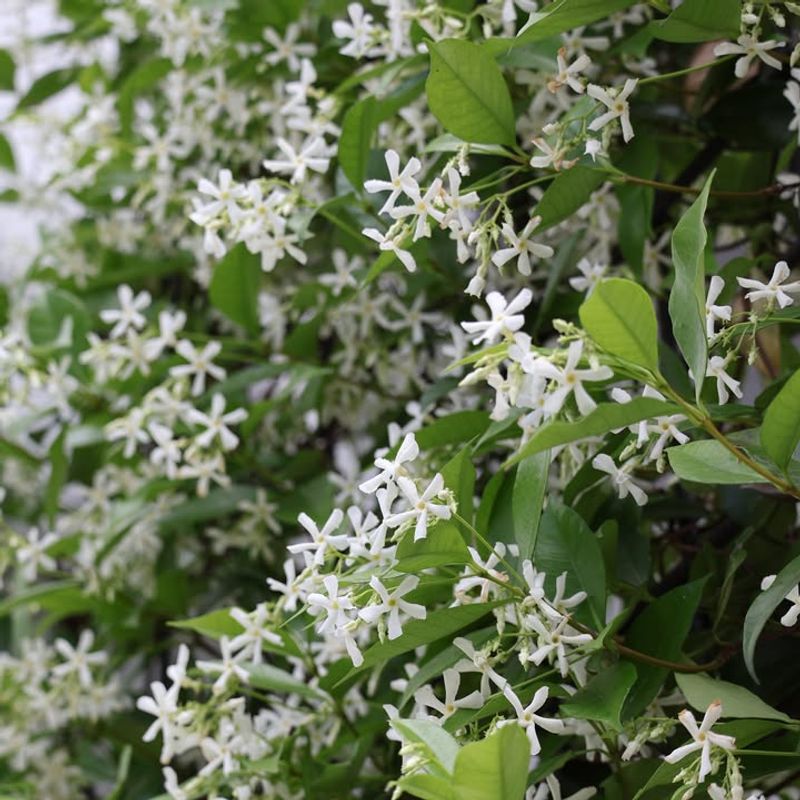
Few fragrances match the sweet perfume that drifts through your yard when Confederate jasmine blooms in spring, filling the air with a scent that makes you want to sit outside and just breathe deeply.
This true star of Southern gardens goes by the botanical name Trachelospermum jasminoides, which helps you avoid confusion with invasive jasmine species that can cause serious ecological problems in Florida.
The small white pinwheel flowers appear in clusters against glossy dark green leaves that stay attractive all year long.
You can grow Confederate jasmine as a climbing vine that covers fences, mailboxes, or trellises with a blanket of green and white.
If you prefer a ground-hugging shrub, simply keep it pruned low and let it spread across beds or slopes where it controls erosion beautifully.
With patient training and a central stake, you can even shape it into a small weeping standard tree that becomes a fragrant focal point.
Your Florida Garden Changes Every Week. Your Plan Should Too.
Gardening in Florida changes quickly throughout the season. Every Friday you’ll receive a simple weekly plan showing exactly what to plant, prune, fertilize, harvest, and protect so you never miss the right timing.
This plant tolerates both sun and partial shade, making it adaptable to different spots in your landscape.
It grows well in Central and North Florida and thrives in protected areas of South Florida too.
3. Hibiscus
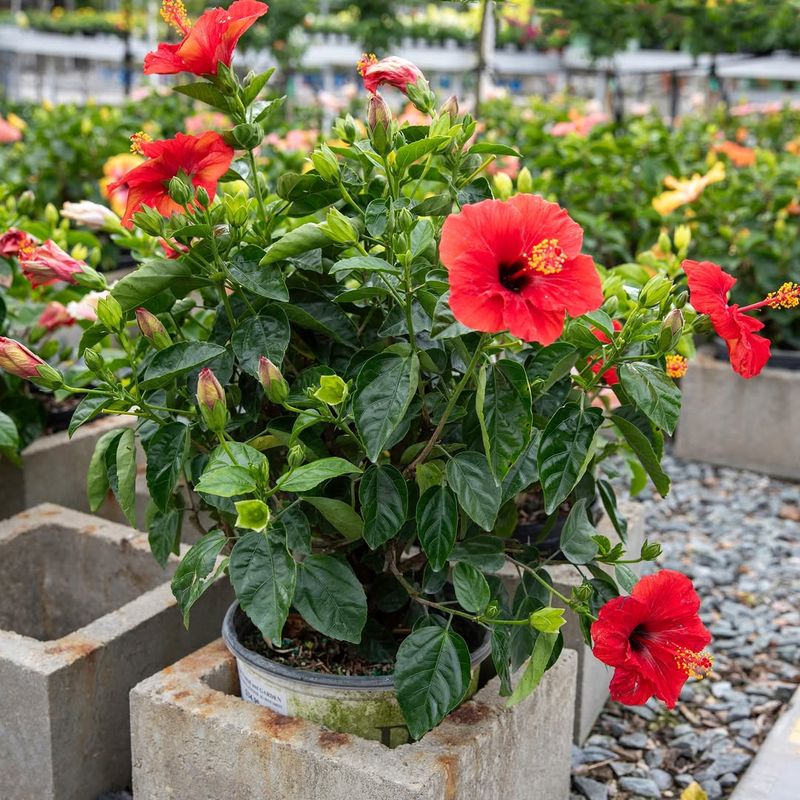
Nothing says tropical Florida quite like a dinner-plate-sized hibiscus flower opening in your garden, offering blooms in nearly every color from pure white to deep burgundy with everything in between.
Tropical hibiscus thrives in South Florida, while native and hardy hibiscus varieties grow in Central and North Florida.
Each flower only lasts a day, but healthy plants produce so many buds that you’ll have fresh blooms opening almost daily during the growing season.
Left to grow naturally, hibiscus forms a rounded shrub perfect for hedges, foundation plantings, or colorful accents in mixed borders.
You can prune it lower and wider to create a dense screen, or you can train a single stem upward with all lower branches removed to create a stunning tree-form standard with a globe of flowers on top.
Some gardeners even espalier hibiscus against walls where the flat form shows off the spectacular blooms beautifully.
Hibiscus loves regular water and benefits from frequent light feeding during warm months.
Watch for aphids and whiteflies, which sometimes cluster on new growth but can be managed with gentle sprays of water or organic controls.
4. Gardenia
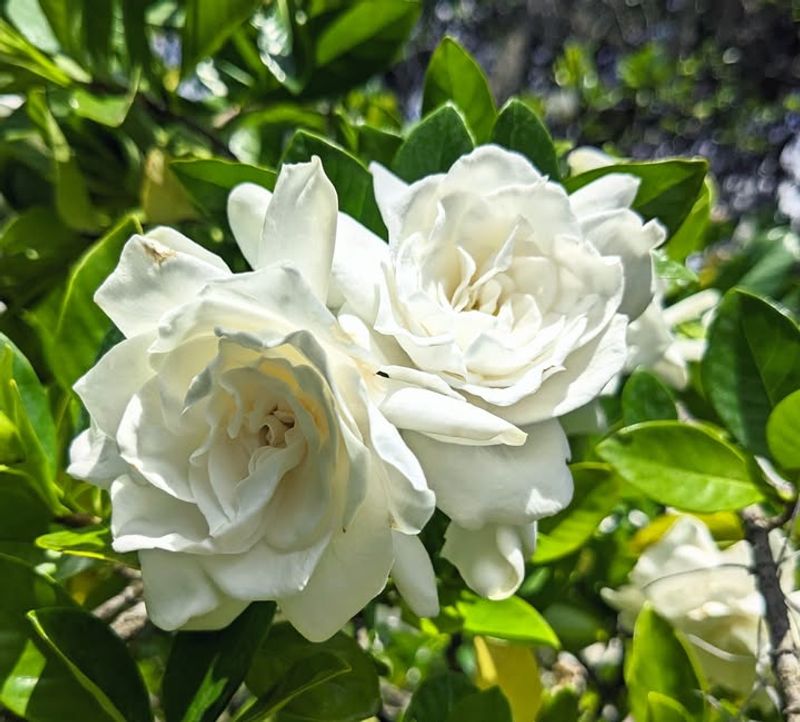
The creamy white flowers of gardenia release a fragrance so intoxicating that one bloom can perfume your entire patio, making this Southern classic a must-have near windows, doorways, or outdoor living spaces.
Those waxy petals unfold against glossy evergreen leaves that stay handsome even when the plant isn’t flowering, giving you year-round beauty with seasonal bursts of unforgettable scent.
Gardenias bloom most heavily in late spring and early summer, though you might see scattered flowers at other times too.
Most gardeners grow gardenias as rounded shrubs in foundation beds or as specimens in partly shaded garden areas where their elegant form stands out.
You can also prune them into formal hedges or keep them compact in large containers on your porch or patio.
With careful training, a gardenia can be shaped into a small tree form with a single trunk and a rounded canopy of fragrant flowers above.
Gardenias prefer acidic soil and benefit from fertilizers formulated for acid-loving plants like azaleas and camellias.
In Florida, gardenias are prone to whiteflies and soil nematodes, so good air circulation and healthy soil are important.
They grow best with morning sun and afternoon shade, especially in Central and South Florida where intense afternoon heat can stress the foliage and reduce blooming.
5. Plumbago
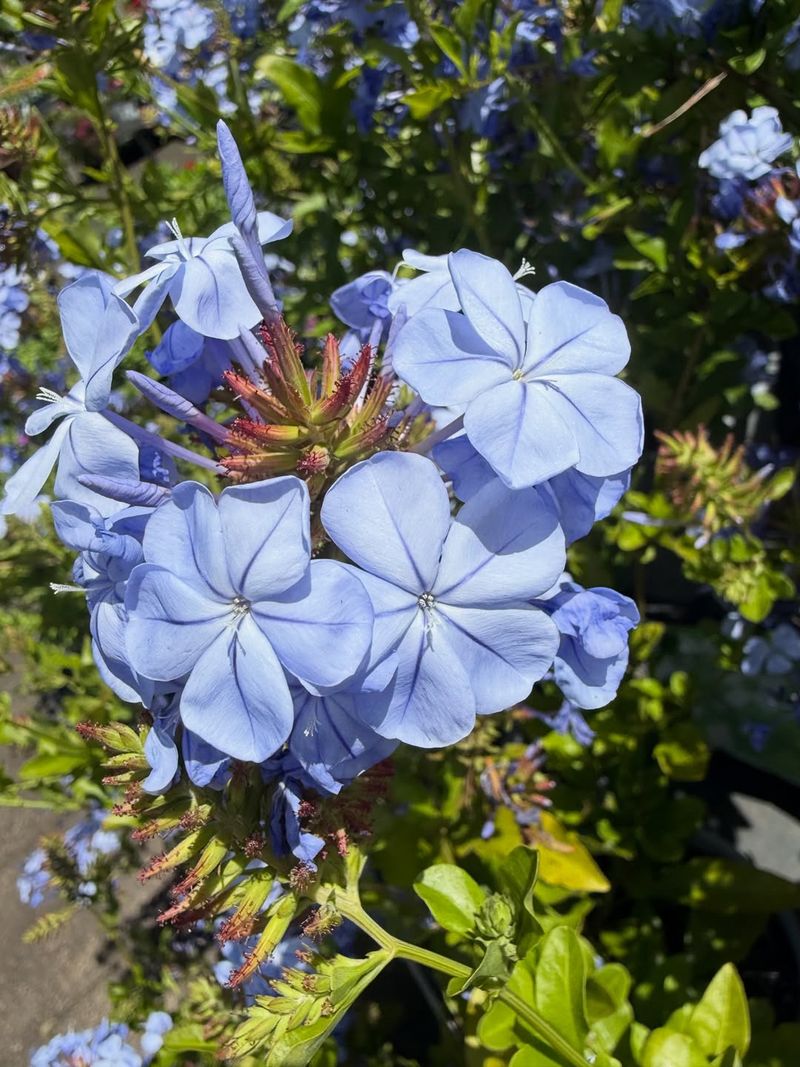
Sky-blue flowers cluster at the tips of arching stems throughout most of the year, making plumbago one of the hardest-working plants in Florida landscapes for dependable color and easy care.
This tough beauty shrugs off heat, humidity, and even occasional drought once established, rewarding your minimal effort with masses of delicate blue blooms that butterflies absolutely adore.
White-flowered varieties also exist if you prefer a softer look or want to brighten shadier spots.
Plumbago naturally grows as a loose, mounding shrub that works beautifully in informal gardens, mixed borders, or as a filler between taller plants.
You can prune it more formally into a rounded hedge or keep it low as a flowering ground cover that sprawls across slopes and large beds.
When given support like a fence or trellis, plumbago will lean and sprawl through the structure, though it does not truly climb like a vine.
This plant tolerates a wide range of light conditions from full sun to partial shade, though it blooms most heavily with plenty of sunshine.
Regular pruning keeps it tidy and encourages fresh growth and more flowers throughout the growing season.
6. Podocarpus
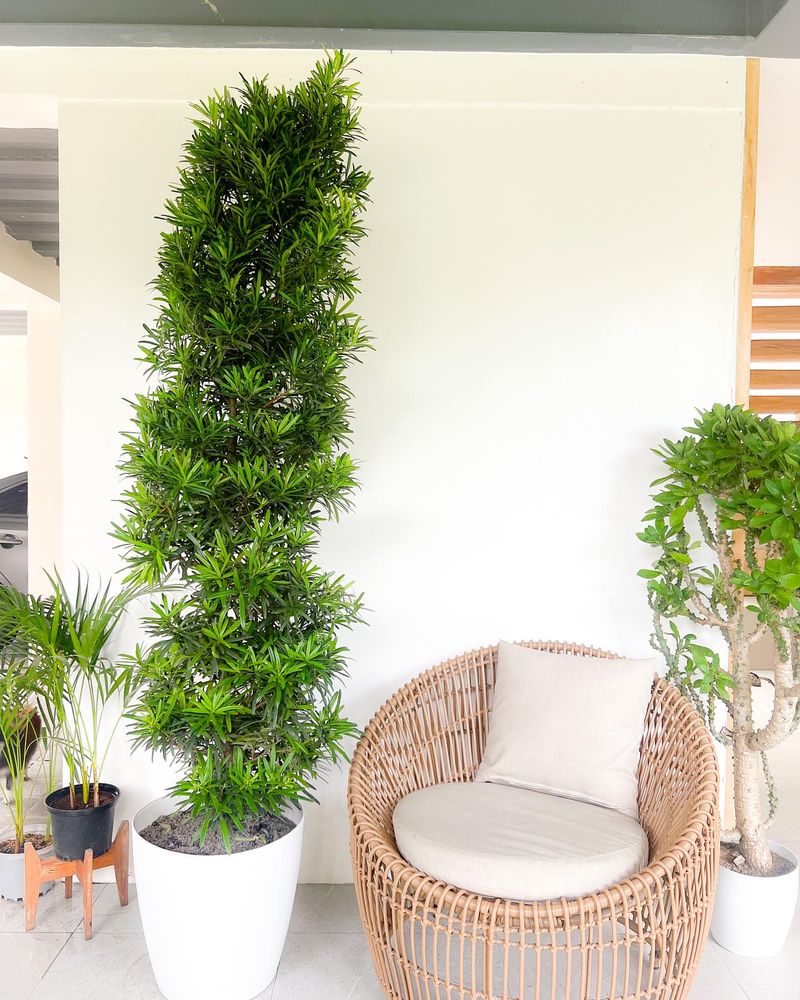
Elegant and evergreen, podocarpus brings a refined texture to Florida landscapes with its soft, needle-like foliage that stays lush and green through every season.
This adaptable plant tolerates our heat and humidity beautifully while also handling cooler winters in North Florida without complaint, making it one of the most reliable workhorses for year-round structure and privacy.
The fine-textured leaves create a dense screen that filters wind and noise while adding a sophisticated backdrop for colorful flowering plants.
Most commonly, you’ll see podocarpus pruned into formal hedges that line driveways, define property boundaries, or create outdoor rooms in larger landscapes.
Left unpruned or trimmed less frequently, it grows into a large, graceful shrub with a naturally pyramidal shape that works well as a specimen or anchor plant.
If you allow a single leader to develop and remove lower branches, podocarpus will grow into a handsome small tree with a straight trunk and a dense evergreen canopy overhead.
Podocarpus grows well in sun or partial shade and adapts to various soil types as long as drainage is reasonable.
Regular watering helps it establish quickly, but mature plants show good drought tolerance once their roots are deep and established.
7. Arabian Jasmine
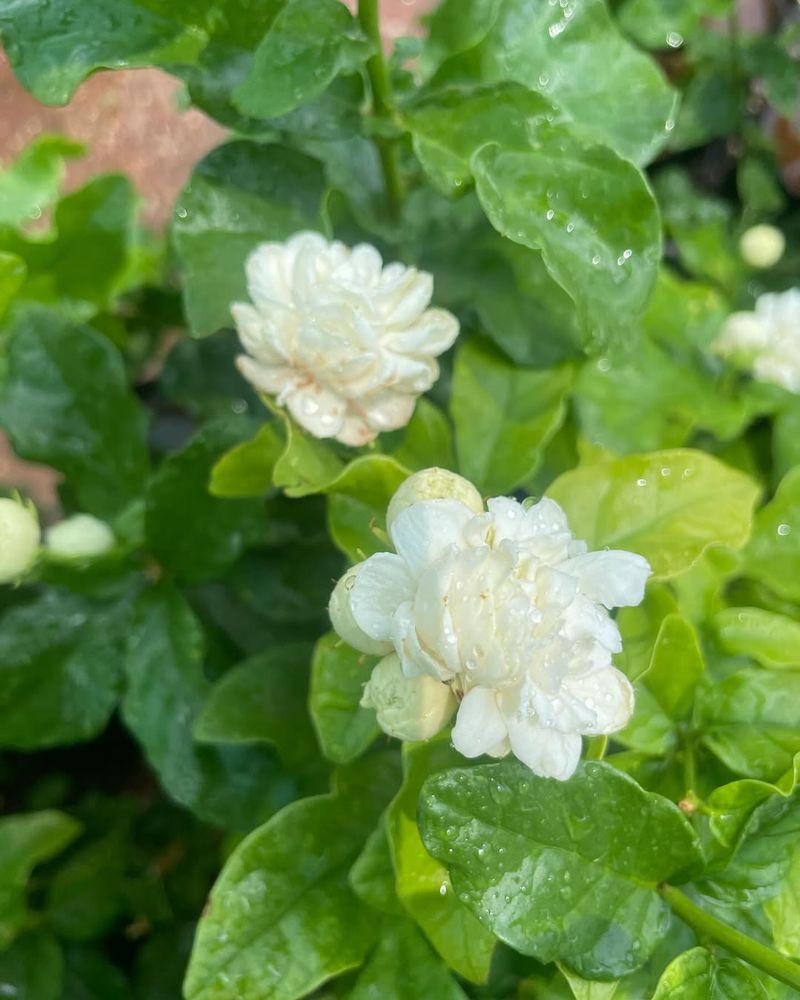
Small white flowers appear almost constantly on Arabian jasmine, releasing their sweet fragrance into your garden day and night but especially intensely after sunset when the scent seems to float on the humid Florida air.
This reliable bloomer has become a beloved staple in landscapes across the state, offering beauty and fragrance without demanding constant attention or fussy care.
The flowers are often used in leis, perfumes, and even tea in the plant’s native range, showing just how cherished this fragrance has been across cultures and centuries.
Arabian jasmine naturally forms a loose, sprawling shrub that you can keep pruned into a tidy mound for foundation plantings or mixed borders.
If you give it a trellis, fence, or other support, it will climb and weave through the structure, creating a fragrant screen that also attracts pollinators and beneficial insects.
You can even train it into a small tree form by selecting one main stem and removing lower growth, creating a fragrant standard that works beautifully in containers or as a patio specimen.
Arabian jasmine is cold-sensitive and can only be grown outdoors year-round in South Florida or in frost-protected microclimates.
This jasmine prefers regular water and blooms most heavily with consistent moisture, though it tolerates brief dry periods once established in the ground.
8. Clerodendrum
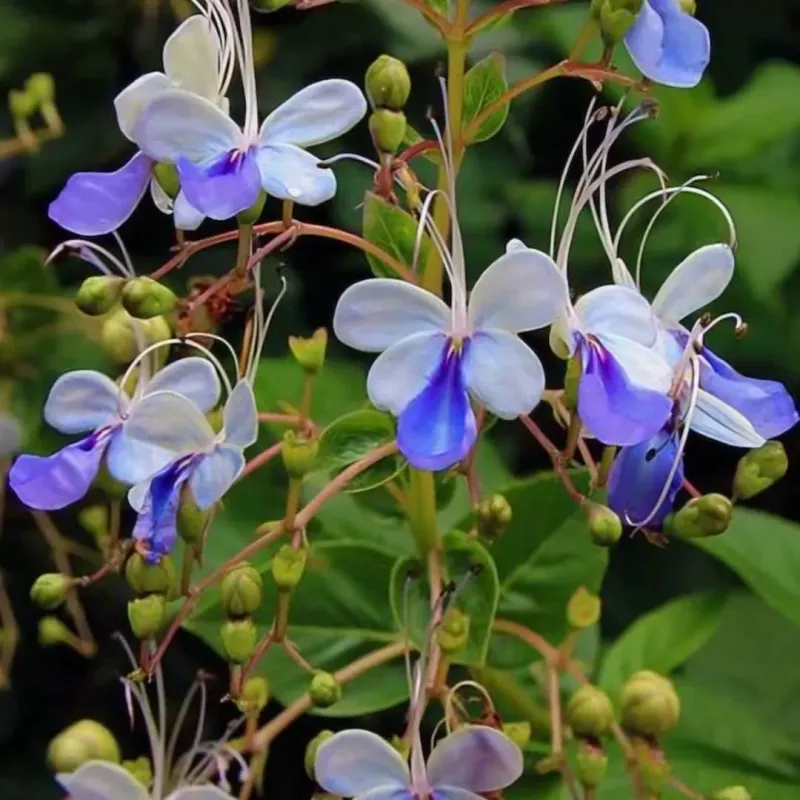
Clusters of flowers that look almost too exotic to be real appear on clerodendrum species throughout the warmer months, with varieties offering red and white combinations, pure white blooms, or even blue berries that follow the flowers.
The bleeding heart vine type displays heart-shaped white bracts with red flowers emerging from the center, creating a two-toned effect that stops visitors in their tracks.
Other varieties like the fragrant clerodendrum offer sweetly scented white flowers that perfume your garden in waves throughout the growing season.
Some clerodendrum species are invasive in Florida, so gardeners should choose non-invasive varieties and avoid planting near natural areas.
Good non-invasive choices for Florida landscapes include blue butterfly clerodendrum (Clerodendrum ugandense) and glorybower (Clerodendrum speciosum), which provide the same tropical look without the aggressive spreading seen in invasive species.
Climbing types of clerodendrum twine readily around trellises, arbors, or pergola posts, creating vertical interest and adding tropical flair to outdoor structures.
Shrub forms grow into large, loose specimens that work well in the back of borders or as informal screens in tropical-style landscapes.
With training and regular pruning, you can shape clerodendrum into a small tree form that showcases the unusual flowers at eye level where you can appreciate their intricate beauty up close.
These plants prefer partial shade and consistent moisture, thriving in the dappled light under tree canopies or on the east side of buildings where they get morning sun and afternoon protection from intense heat.
9. Allamanda
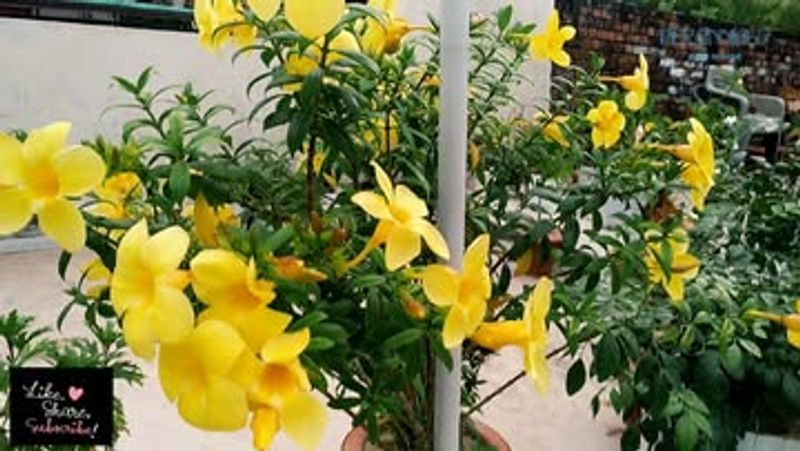
Bright golden-yellow trumpet flowers practically glow in the Florida sunshine, making allamanda one of the most cheerful additions you can plant in a warm-climate landscape.
These glossy blooms appear in clusters at the stem tips throughout the warm months, creating waves of color that pair beautifully with the plant’s deep green, leathery leaves.
The flowers attract butterflies and hummingbirds, adding movement and life to your garden while the bold color provides a stunning backdrop for photos and outdoor gatherings.
Allamanda grows naturally as a sprawling shrub that you can keep pruned into a mounded form for borders or foundation plantings.
When given a fence, trellis, or arbor for support, it will climb and spread, covering the structure with glossy foliage and bright yellow blooms that create a tropical paradise feeling.
You can also train allamanda into a small tree form by staking a central leader and removing lower branches, creating a stunning specimen with a canopy of golden flowers overhead.
This plant loves heat and humidity, thriving in full sun locations where it gets plenty of warmth and light to fuel its generous blooming habit throughout the growing season.
All parts of allamanda are toxic, so it should be planted away from pets and children.
10. Ixora
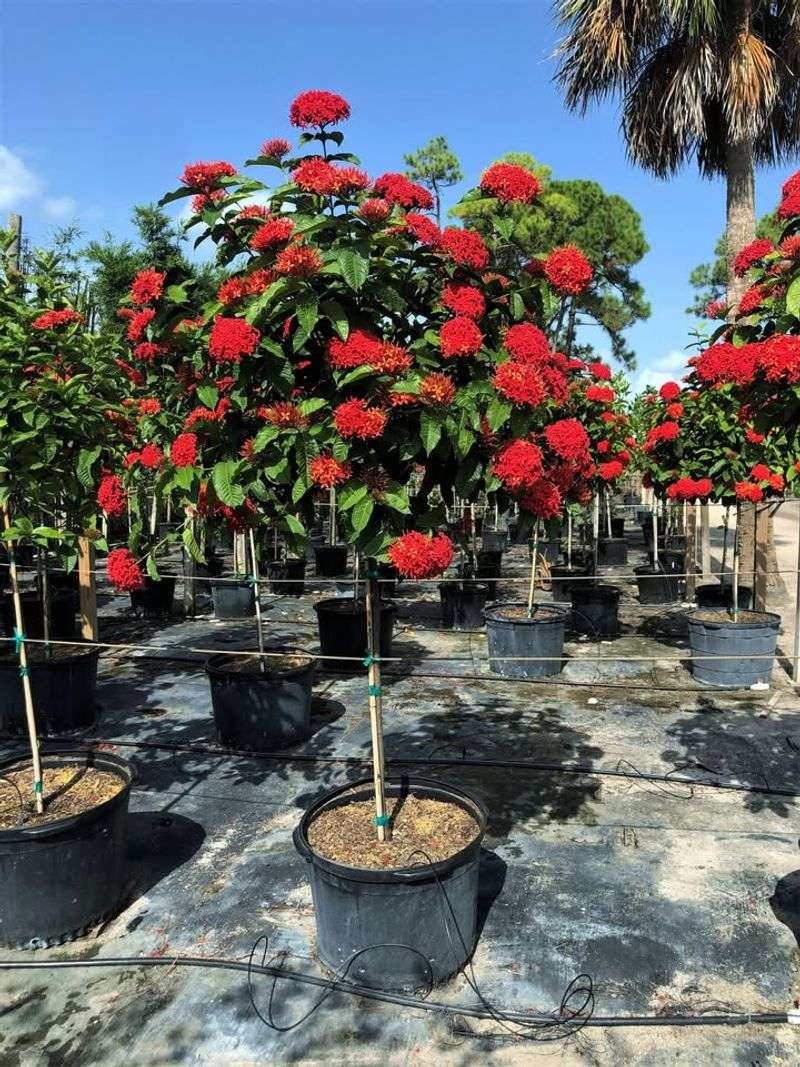
Rounded clusters of small tubular flowers create colorful pompoms at the tips of ixora branches, offering shades of red, orange, pink, yellow, or white that stay bright and fresh even in the intense Florida summer sun.
These flower clusters appear almost continuously in warm weather, giving you months of reliable color that butterflies and hummingbirds visit regularly throughout the day.
The glossy evergreen leaves stay attractive between bloom cycles, ensuring your landscape looks polished and complete even when flowers are less abundant.
Ixora naturally grows as a dense, rounded shrub that’s perfect for low hedges, foundation plantings, or colorful accents in mixed borders where its compact form fits neatly into smaller spaces.
You can prune it into formal shapes or leave it more natural for a relaxed tropical look that still provides structure and color.
With training, ixora can be shaped into a small tree form with a single trunk and a rounded canopy of flowers above, creating a living sculpture that adds height and interest to container plantings or small garden spaces.
Ixora grows best outdoors year-round in South Florida, where soil is naturally acidic; elsewhere in Florida it often struggles without soil treatment or winter protection.
This plant prefers acidic soil and benefits from fertilizers formulated for acid-loving plants, helping it maintain deep green foliage and produce abundant flower clusters throughout the growing season.
11. Oleander
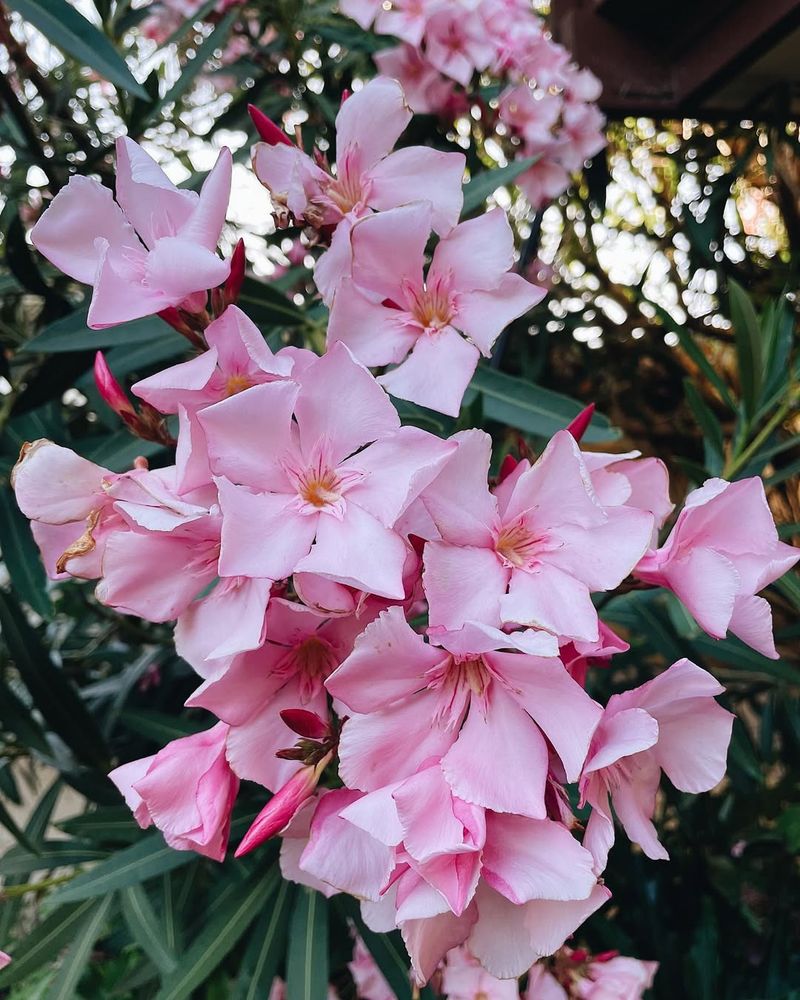
Tough as nails and beautiful as a rose, oleander blooms reliably through Florida’s hottest months when many other plants struggle, producing clusters of flowers in pink, white, red, or yellow that keep coming even during drought conditions.
This Mediterranean native has adapted brilliantly to our climate, tolerating salt spray, sandy soil, and intense heat without losing its stride or its beauty.
The long, narrow evergreen leaves create a dense screen that provides privacy and wind protection while the flowers add seasonal color that lasts for months.
Oleander grows naturally as a large, upright shrub that works beautifully as an informal hedge, a specimen plant, or a background screen in larger landscapes.
You can prune it lower and wider to create a more formal hedge, or you can train it into a small tree form with a single trunk and a rounded canopy of flowers above that creates dramatic impact in the landscape.
Some gardeners even espalier oleander against walls or fences where its upright form adapts well to flat training.
Oleander is one of the most toxic landscape plants in Florida and even smoke from burning it is poisonous, so it should only be planted in areas completely inaccessible to people and animals.