9 Common Gardening Mistakes Pennsylvania Yards Struggle With
Pennsylvania yards deal with a demanding mix of shifting weather, heavy soil, and tight seasonal windows that quietly work against even careful gardeners.
What feels like a simple planting or maintenance choice in early spring can react very differently once rain, humidity, and heat begin cycling unpredictably.
Many gardens struggle not from neglect, but from small decisions that slowly compound as conditions change week by week.
Cold winters followed by sudden warm spells place stress on plants before roots, soil structure, and beneficial microbes have time to adjust.
Frequent rainfall combined with clay-heavy soil creates drainage challenges that often stay hidden until plants begin showing stress.
Some gardening habits seem helpful at first, yet gradually create long-term issues that only surface later in the season.
Pennsylvania growing conditions reward patience and planning, while rushed timing often leads to setbacks that are hard to reverse.
Yards can appear healthy above ground while compaction, poor drainage, or root stress quietly builds below the surface.
By the time problems become obvious, they often feel overwhelming because several issues have developed at once.
That slow buildup explains why the same gardening mistakes keep repeating across Pennsylvania yards year after year.
1. Ignoring Soil pH Testing Before Planting
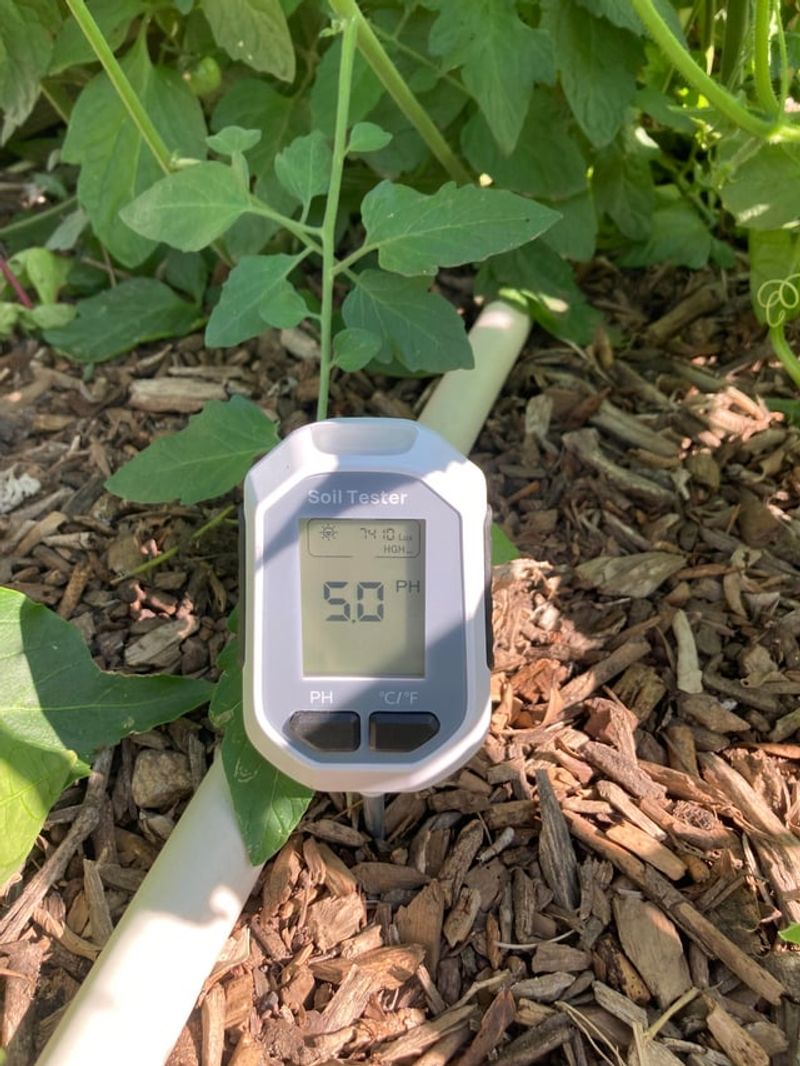
Many Pennsylvania homeowners jump straight into planting without checking their soil acidity levels first, which can lead to disappointing results and stunted plant growth later on.
Your soil might be too acidic or too alkaline for the vegetables and flowers you want to grow, causing nutrient lockout that prevents healthy development throughout the season.
Pennsylvania clay soils often lean toward the acidic side, especially in areas with heavy rainfall, making pH testing an essential first step for any successful garden project.
Simple test kits from garden centers cost just a few dollars and provide valuable information about what amendments your soil needs before you plant anything at all.
Adding lime raises pH levels while sulfur lowers them, giving you control over creating the perfect environment for tomatoes, peppers, roses, or whatever you choose to grow.
Different plants prefer different pH ranges, so knowing your starting point helps you select varieties that will thrive naturally in your Pennsylvania yard without constant struggles and adjustments.
Testing every few years keeps you informed about changes over time as organic matter breaks down and weather patterns affect your soil chemistry in unexpected ways.
That small upfront step often saves weeks of frustration by preventing yellowing leaves, weak blooms, and poor harvests later in the season.
With a clear understanding of soil pH, planting decisions feel more confident and results across Pennsylvania gardens tend to look healthier and more predictable.
2. Planting at the Wrong Time for Zone 6
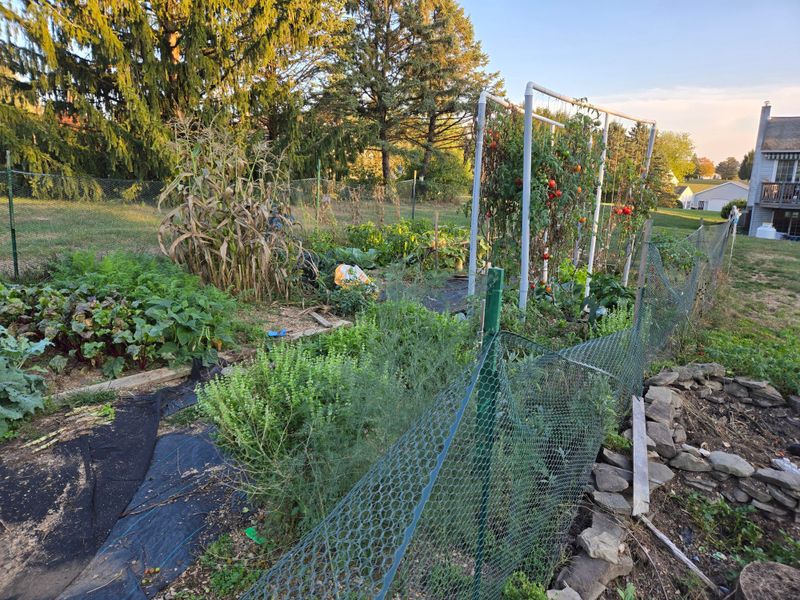
Rushing to plant tender vegetables or flowers too early in spring causes frost damage that sets back your entire growing season in Pennsylvania gardens across the state.
Zone 6 includes most of Pennsylvania, where the last frost typically occurs between mid-April and early May, depending on your specific location and elevation above sea level.
Impatient gardeners often plant tomatoes, peppers, and basil weeks before it is safe, only to watch their plants suffer when unexpected cold snaps arrive during late spring nights.
Your Pennsylvania Garden Changes Every Week. Your Plan Should Too.
Gardening in Pennsylvania changes quickly throughout the season. Every Friday you’ll receive a simple weekly plan showing exactly what to plant, prune, fertilize, harvest, and protect so you never miss the right timing.
Waiting until soil temperatures reach at least 60 degrees Fahrenheit ensures better germination and healthier root development for warm-season crops that cannot tolerate any cold stress at all.
Cool-season vegetables like lettuce, peas, and broccoli can go in much earlier, sometimes as soon as the ground can be worked in March or early April.
Pennsylvania gardeners should also pay attention to fall planting deadlines, giving perennials and bulbs enough time to establish roots before winter freezes arrive and halt all growth completely.
Keeping a planting calendar specific to your county helps you time everything perfectly and avoid the frustration of starting over after weather-related setbacks throughout the year.
3. Overwatering or Underwatering Plants Inconsistently
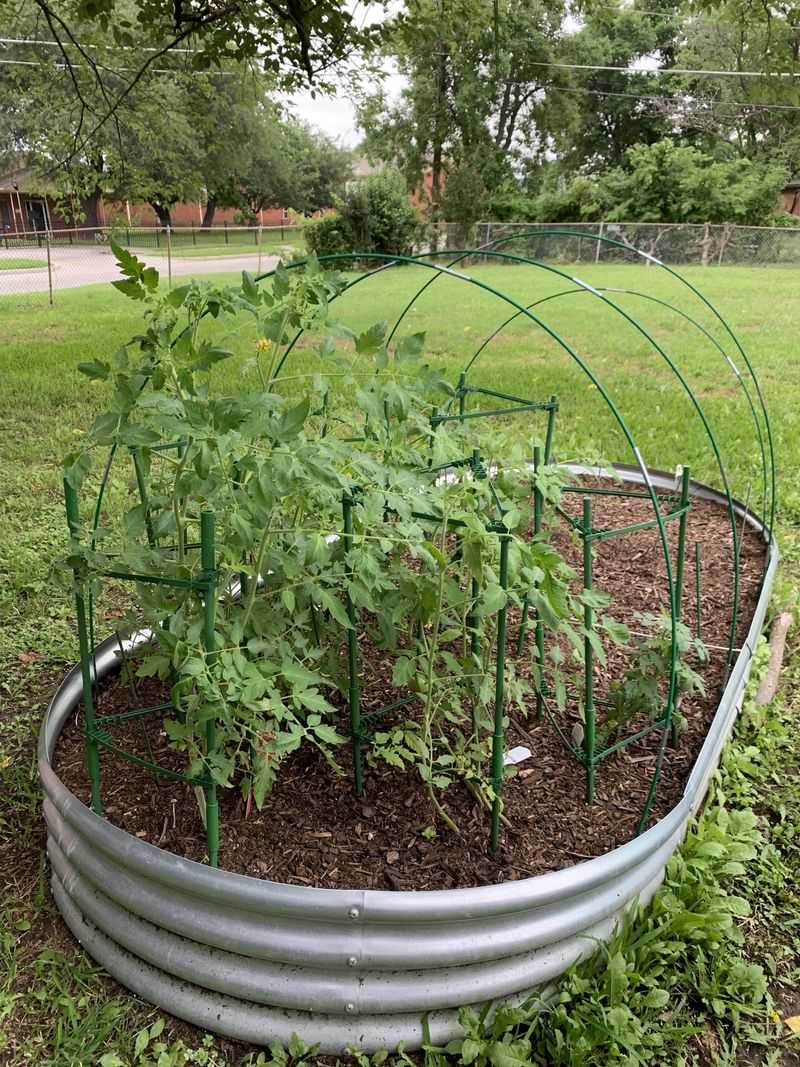
Finding the right watering balance proves difficult for Pennsylvania gardeners who either drown their plants with too much attention or forget them completely during busy summer weeks.
Clay-heavy soil common throughout the state holds moisture longer than sandy soil, meaning you need to adjust watering frequency based on your specific yard conditions and drainage patterns.
Overwatering causes root rot, yellowing leaves, and fungal diseases that spread quickly in humid Pennsylvania summers when air circulation is limited around crowded plants in small spaces.
Underwatering leads to wilting, blossom drop, and poor fruit development, especially during July and August when temperatures climb and rainfall becomes unpredictable across the region for weeks.
Sticking your finger two inches into the soil tells you whether plants actually need water or if moisture remains below the surface despite a dry-looking top layer.
Deep watering once or twice weekly encourages stronger root systems than frequent shallow watering, which keeps roots near the surface where they are vulnerable to heat and drought stress.
Mulching around plants helps retain moisture, regulate soil temperature, and reduce watering needs significantly throughout the growing season in Pennsylvania yards of all sizes and garden styles.
Morning watering reduces evaporation and gives foliage time to dry, lowering the risk of disease during warm, sticky Pennsylvania days.
Paying attention to soil feel, weather patterns, and plant response turns watering from guesswork into a steady routine that keeps gardens looking strong all summer.
4. Neglecting Mulch Application Around Plants
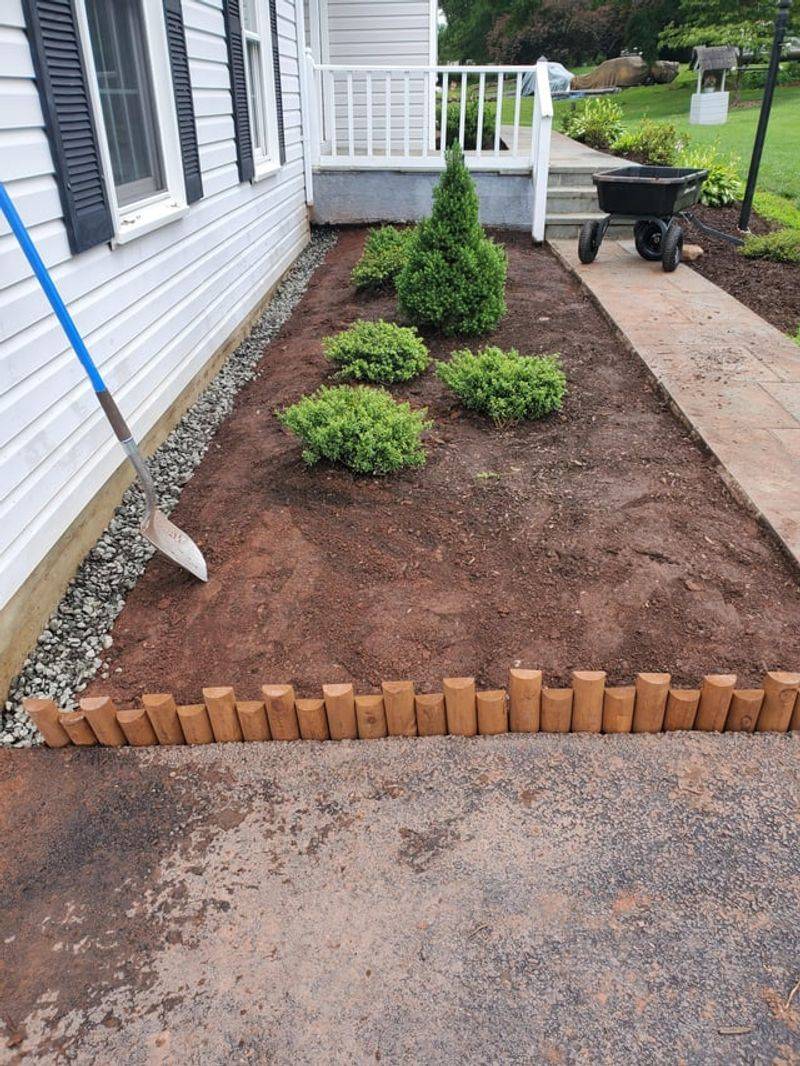
Bare soil around plants invites weeds, loses moisture rapidly, and exposes roots to temperature extremes that stress plants unnecessarily throughout the entire growing season in Pennsylvania gardens.
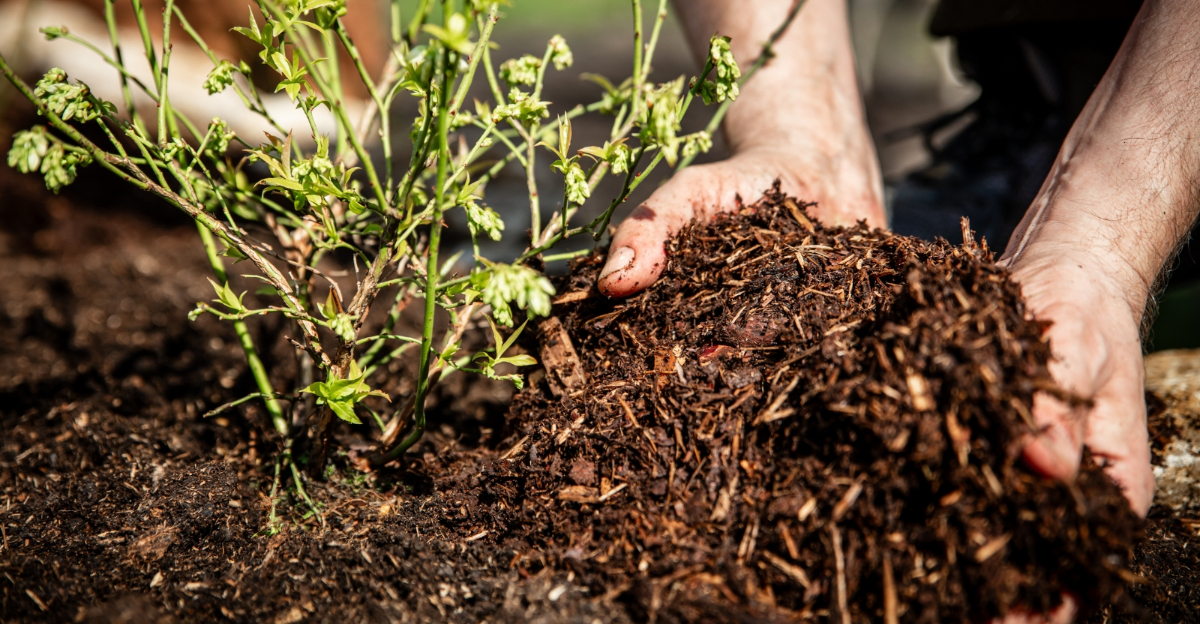
Applying a two-to-three-inch layer of organic mulch like shredded bark, straw, or compost transforms your garden by suppressing weeds and conserving water with minimal ongoing maintenance required.
Pennsylvania summers can be hot and dry, causing unmulched soil to bake hard and crack, making it difficult for water to penetrate down to thirsty root zones below.
Mulch also moderates soil temperature, keeping roots cooler in summer and warmer in fall, which extends your growing season and improves overall plant health and productivity significantly.
Organic mulches break down over time, adding valuable nutrients and improving soil structure, especially important for Pennsylvania clay soils that need all the organic matter they can get.
Avoid piling mulch directly against plant stems or tree trunks, as this traps moisture and encourages rot, disease, and pest problems that can damage or weaken plants over time.
Refreshing mulch annually keeps your garden looking neat while continuing to provide all the benefits that make this simple practice one of the most effective gardening techniques available today.
5. Choosing Plants That Cannot Handle Pennsylvania Weather
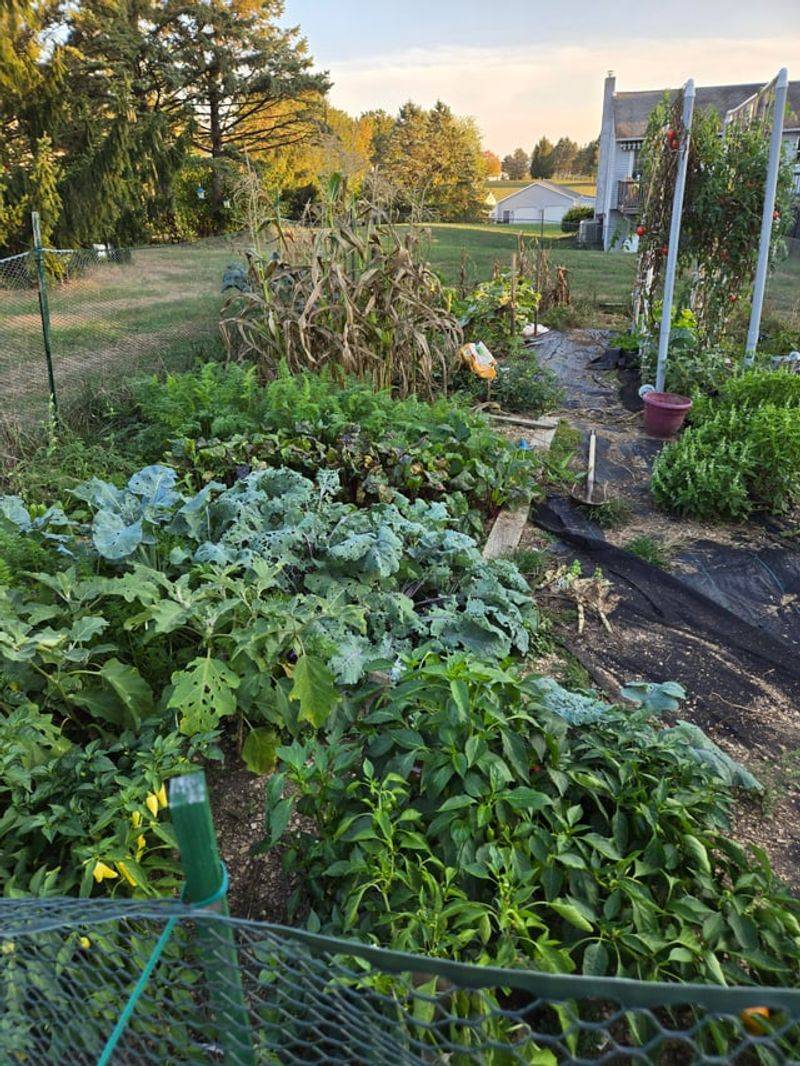
Falling in love with tropical plants or desert succulents that cannot survive Pennsylvania winters leads to disappointment and wasted money when frost arrives and everything perishes overnight.
Selecting plants rated for Zone 6 hardiness ensures they can withstand winter temperatures that sometimes drop below zero degrees Fahrenheit in northern and western Pennsylvania mountain regions especially.
Many gardeners see beautiful plants at nurseries without checking hardiness zones, then wonder why their expensive purchases fail to return the following spring after harsh winter conditions set in.
Pennsylvania experiences humid summers, cold winters, and unpredictable spring weather, so plants need to tolerate wide temperature swings and varying moisture levels throughout the entire calendar year.
Native plants and time-tested perennials like coneflowers, black-eyed Susans, and hostas thrive in Pennsylvania conditions without requiring special protection or constant attention from busy gardeners with limited time.
If you love tender plants like hibiscus or citrus trees, plan to bring them indoors before frost or treat them as annuals that you replace each spring season.
Researching plant requirements before purchasing saves frustration and helps you build a garden full of reliable performers that look beautiful year after year in your Pennsylvania yard without constant replacements.
6. Skipping Regular Pest and Disease Monitoring

Waiting until pests or diseases have taken over your garden makes control much harder than catching problems early when simple interventions can stop issues before they spread everywhere.
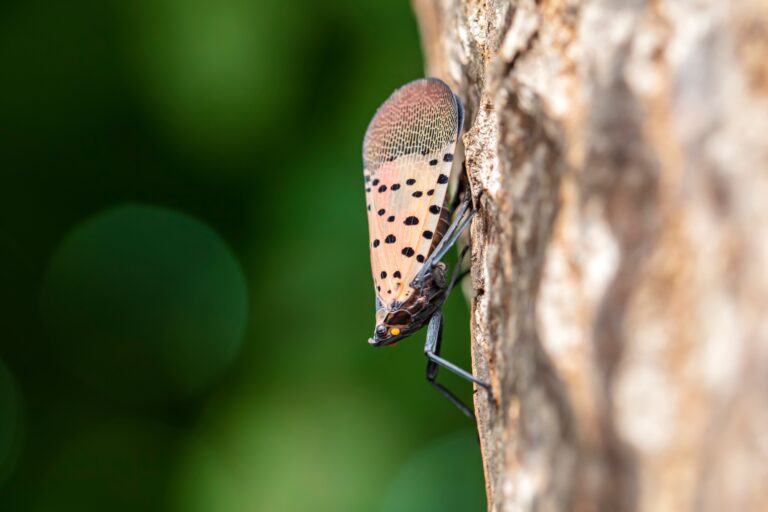
Pennsylvania gardens face challenges from Japanese beetles, tomato hornworms, powdery mildew, and late blight, all of which can devastate plants quickly if left unchecked during peak summer months.
Walking through your garden every few days lets you spot chewed leaves, discolored spots, or insects before infestations explode and require more aggressive treatments that may harm beneficial insects too.
Many problems can be managed with hand-picking, pruning affected leaves, or applying organic solutions like neem oil or insecticidal soap that work effectively without harsh chemical interventions needed.
Pennsylvania humidity creates ideal conditions for fungal diseases, so ensuring good air circulation by spacing plants properly and removing diseased foliage promptly helps prevent widespread outbreaks throughout your yard.
Learning to identify common pests and diseases specific to your region empowers you to respond quickly and appropriately rather than panicking or ignoring problems until plants are beyond saving completely.
Prevention through healthy soil, proper watering, and plant selection reduces pest and disease pressure naturally, making your Pennsylvania garden more resilient and less dependent on constant chemical treatments year after year.
Early attention often means the difference between a minor setback and losing entire plants at the height of the growing season.
That steady awareness builds confidence over time, turning garden checks into a habit that keeps Pennsylvania gardens productive and manageable rather than stressful.
7. Planting Too Close Without Proper Spacing
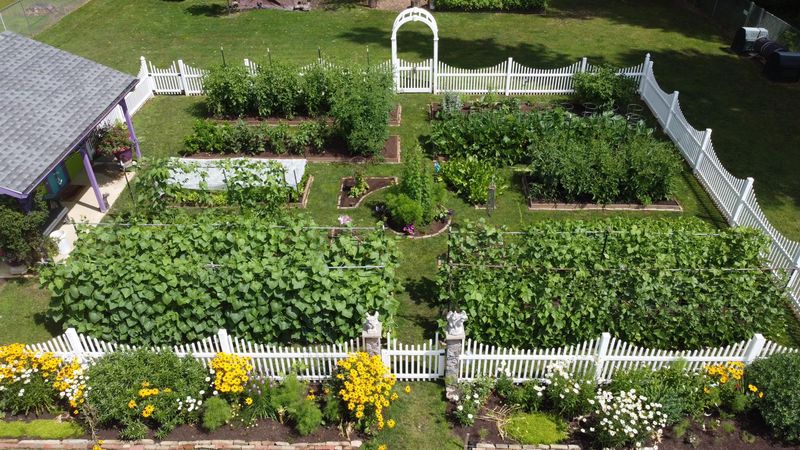
Cramming plants together to fill space quickly creates a crowded mess that promotes disease, reduces air circulation, and forces plants to compete for nutrients, water, and sunlight in Pennsylvania yards.
Seed packets and plant tags list recommended spacing for good reason, as mature plants need room to develop properly without touching neighbors that block light and trap moisture between leaves.
Overcrowded tomato plants in Pennsylvania gardens are especially prone to fungal diseases like early blight because humid summer air cannot circulate freely through dense foliage to dry leaves after rain.
Giving plants adequate space might make your garden look sparse initially, but within weeks growth fills in naturally and plants develop stronger, healthier forms with better productivity overall throughout the season.
Proper spacing also makes maintenance easier, allowing you to reach between plants for weeding, harvesting, and inspection without damaging stems or disturbing roots in tight quarters where access is limited.
If you want a fuller look faster, use annuals or fast-growing vegetables as temporary fillers between slower-growing perennials that will eventually claim their allotted space in coming years ahead.
Planning your garden layout on paper before planting helps visualize mature sizes and prevents the common mistake of squeezing too many plants into limited Pennsylvania garden space available in small yards.
8. Forgetting to Amend Heavy Clay Soil
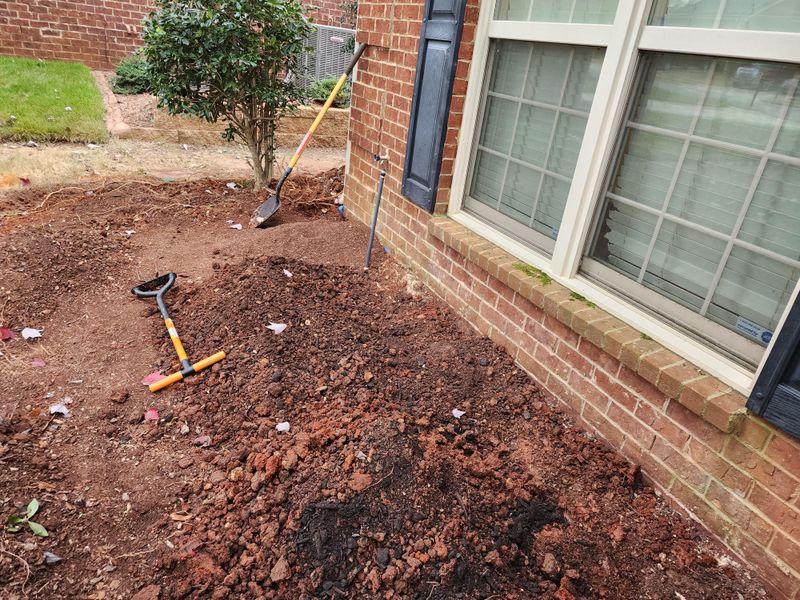
Pennsylvania clay soil drains poorly, compacts easily, and makes it difficult for plant roots to penetrate deeply, causing stunted growth and constant frustration for gardeners who skip soil improvement steps.
Adding compost, aged manure, or other organic matter improves clay soil structure dramatically by increasing drainage, aeration, and nutrient availability that plants need to thrive throughout the entire growing season.
Working amendments into the top six to twelve inches of soil before planting creates a better root environment than simply digging holes and hoping plants will somehow adapt to poor conditions.
Pennsylvania gardeners often notice water pooling after rain because clay particles pack tightly together, leaving no space for air or water movement through the soil profile below the surface.
Building raised beds filled with quality soil mix offers an excellent alternative if your clay is too heavy to amend effectively or if drainage problems persist despite your best efforts.
Incorporating organic matter annually gradually transforms clay soil over time, making it easier to work with and more productive for vegetables, flowers, and ornamental plants of all types and varieties.
Avoiding clay soil amendment is a costly mistake that limits what you can grow successfully in your Pennsylvania yard and makes gardening feel like constant hard work without rewarding results year after year.
9. Not Adjusting for Microclimates in Your Yard

Treating your entire Pennsylvania yard as one uniform growing zone ignores microclimates created by buildings, fences, slopes, and trees that dramatically affect temperature, moisture, and sunlight in different areas.
South-facing walls absorb heat and create warmer spots where tender plants might survive better, while shaded north sides stay cooler and damper, favoring shade-loving plants that struggle elsewhere in the yard.
Low-lying areas collect cold air on frosty nights, making them risky spots for early spring planting even when higher ground in the same Pennsylvania yard remains safely above freezing temperatures overnight.
Observing how sun moves across your property throughout the day reveals which areas receive full sun, partial shade, or full shade, helping you match plants to conditions where they will thrive naturally.
Wind exposure varies significantly depending on surrounding structures and vegetation, with exposed areas drying out faster and requiring more frequent watering than sheltered spots protected from prevailing breezes across the property.
Taking time to map microclimates before planting allows you to place plants strategically where they have the best chance of success rather than fighting against conditions that work against their needs.
Pennsylvania gardeners who pay attention to these subtle differences create more productive, lower-maintenance gardens by working with nature rather than against it, saving time, effort, and money on plant replacements consistently.