These Plants Struggle In Pennsylvania Without Constant Attention
Some plants look amazing at the garden center and seem like the perfect addition to your yard. The colors are bright, the foliage looks healthy, and it is easy to picture them thriving once you get them home.
Then reality sets in. A few weeks later, they start to droop, lose color, or demand more care than you expected.
Suddenly, your relaxing garden turns into something that needs constant checking, watering, and fixing.
In Pennsylvania, changing weather, humidity, and soil conditions can make certain plants far more demanding than they appear at first. What works easily in one region might struggle here without steady attention.
That means more time spent trying to keep things alive instead of enjoying the space you created.
Knowing which plants tend to need extra care can save you a lot of effort and frustration. When you choose wisely, your garden feels easier to manage and a lot more enjoyable to spend time in throughout the season.
1. Hybrid Tea Roses
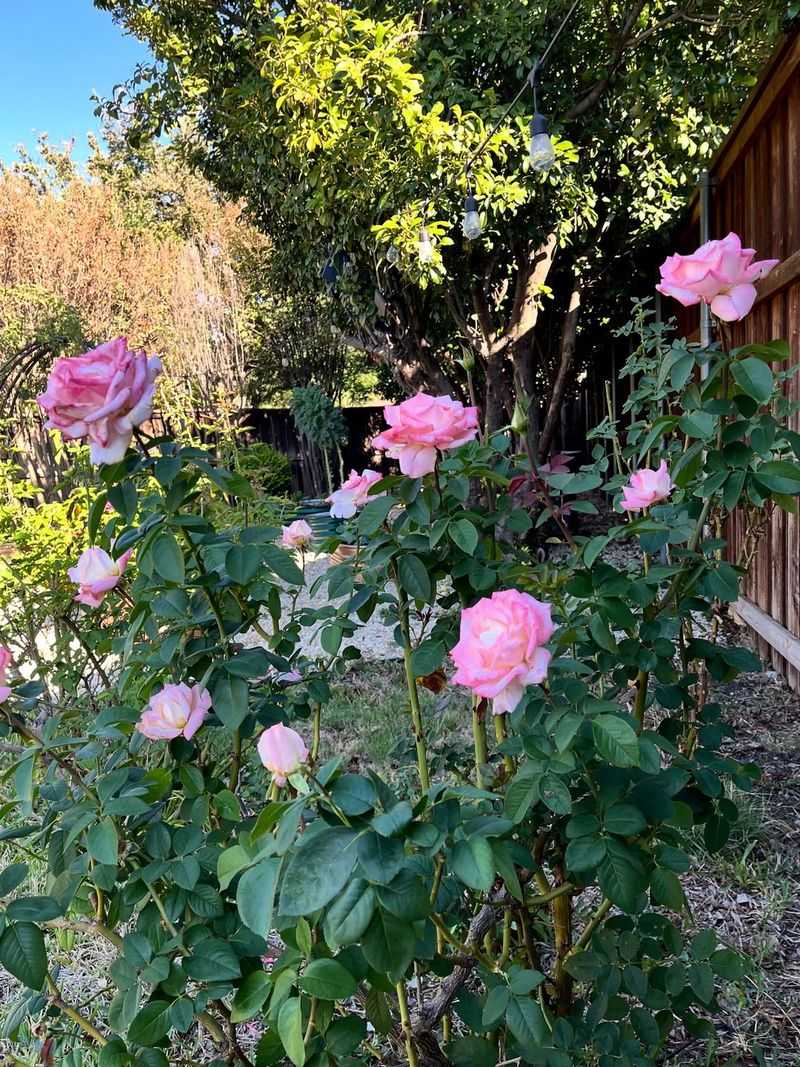
Few flowers turn heads quite like a Hybrid Tea Rose. With their perfectly shaped blooms and rich fragrance, it is easy to see why gardeners across Pennsylvania fall in love with them every spring.
But behind that gorgeous display is a plant that demands serious dedication and consistent care throughout the entire growing season.
Hybrid Tea Roses are highly prone to fungal diseases like black spot and powdery mildew, which thrive in Pennsylvania’s humid summers. You will need to spray them regularly with fungicides to keep these problems under control.
Skipping even a few weeks of treatment can cause leaves to yellow and drop, leaving your plant looking bare and stressed.
Feeding is another big commitment. These roses are heavy feeders and need fertilizer every few weeks during the growing season to produce their best blooms. Without proper nutrition, the flowers become smaller and less vibrant over time.
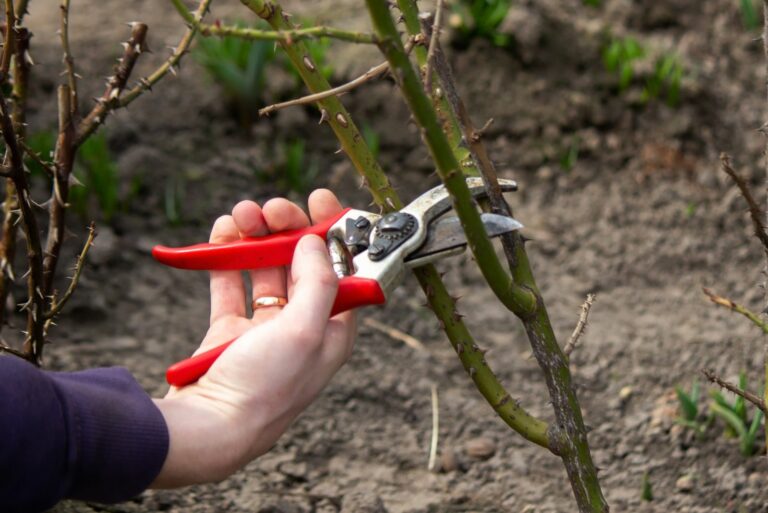
Pruning is equally important. You need to remove spent blooms, shape the plant, and cut back dry wood to encourage healthy new growth. Doing this consistently makes a real difference in how well the plant performs.
Winter in Pennsylvania is especially hard on Hybrid Tea Roses. Once temperatures drop, you need to mound soil or mulch around the base and cover the canes to protect them from freezing.
Without this protection, the canes can suffer serious cold damage. With the right care routine, though, these roses can absolutely reward you with breathtaking blooms year after year in your Pennsylvania garden.
2. Gardenias
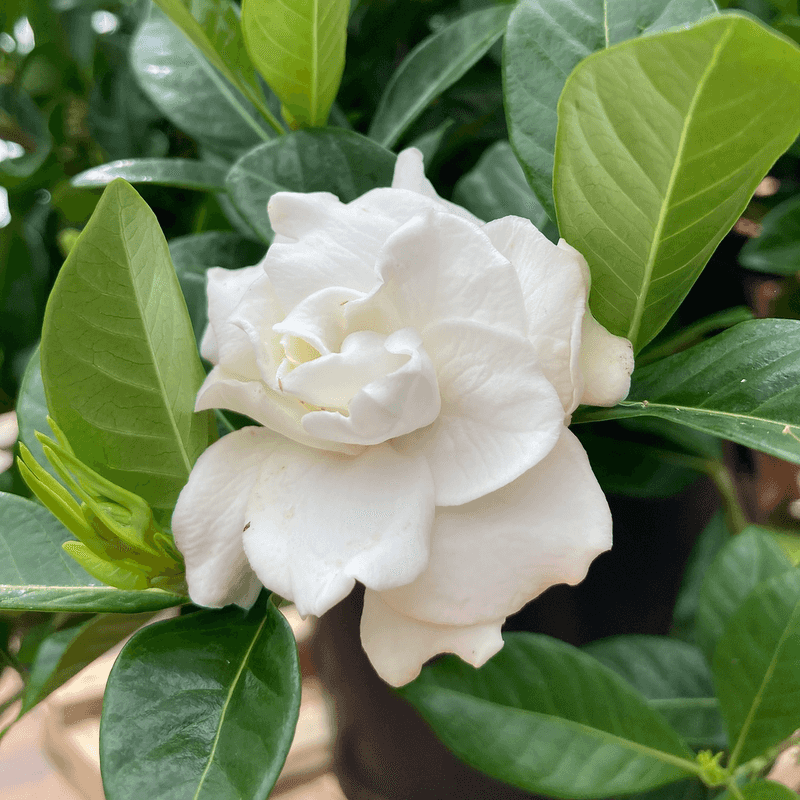
There is something almost magical about the scent of a Gardenia in full bloom. That sweet, intoxicating fragrance is one of the main reasons gardeners in Pennsylvania keep trying to grow them, even though these plants are notoriously fussy.
Gardenias originally come from tropical and subtropical regions of Asia, which means Pennsylvania’s climate is a real challenge for them.
Cold winters are the biggest threat. Gardenias are not frost-hardy, and Pennsylvania winters can easily drop well below freezing for extended periods.
Most gardeners in the state grow them in containers so they can bring them indoors before the first frost arrives. Even then, indoor conditions need to be carefully managed because Gardenias hate dry air, which is common in heated homes during winter.
Your Pennsylvania Garden Changes Every Week. Your Plan Should Too.
Gardening in Pennsylvania changes quickly throughout the season. Every Friday you’ll receive a simple weekly plan showing exactly what to plant, prune, fertilize, harvest, and protect so you never miss the right timing.
Soil requirements are another hurdle. Gardenias need acidic, well-draining soil with a pH between 5.0 and 6.5.
Pennsylvania soils often need to be amended with sulfur or acidic compost to meet these needs. Using the wrong soil can cause yellowing leaves, a condition called chlorosis, which signals the plant is not absorbing nutrients properly.
Watering must be consistent but not excessive. Overwatering leads to root problems, while underwatering causes buds to drop before they even open.
Humidity is also important, so misting the leaves or using a humidifier nearby can help indoors.
Despite all these challenges, many Pennsylvania gardeners keep at it because the reward of a Gardenia in bloom feels absolutely worth every bit of effort.
3. Non-Native Azaleas
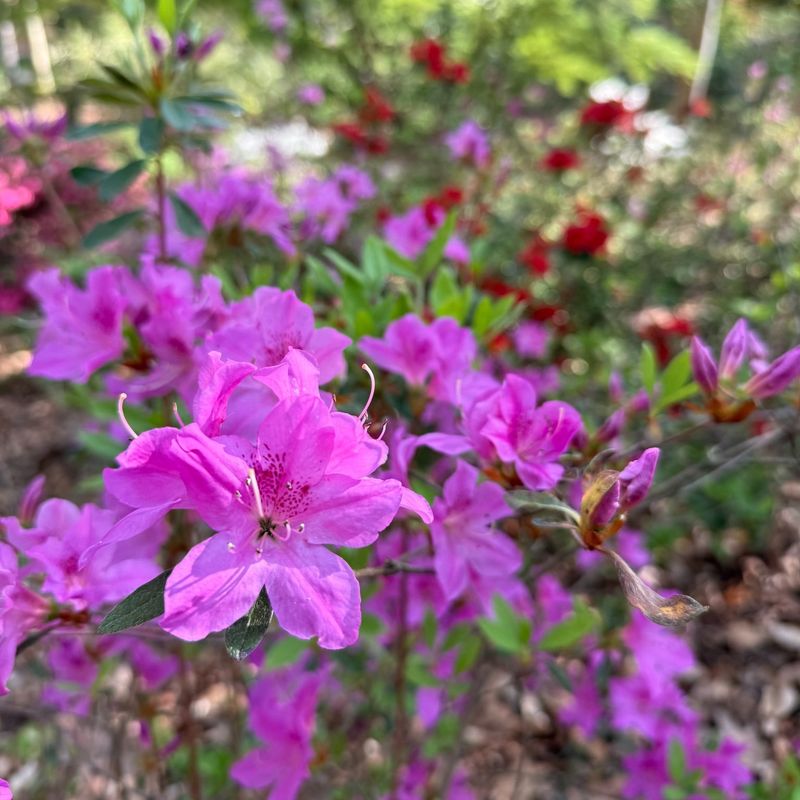
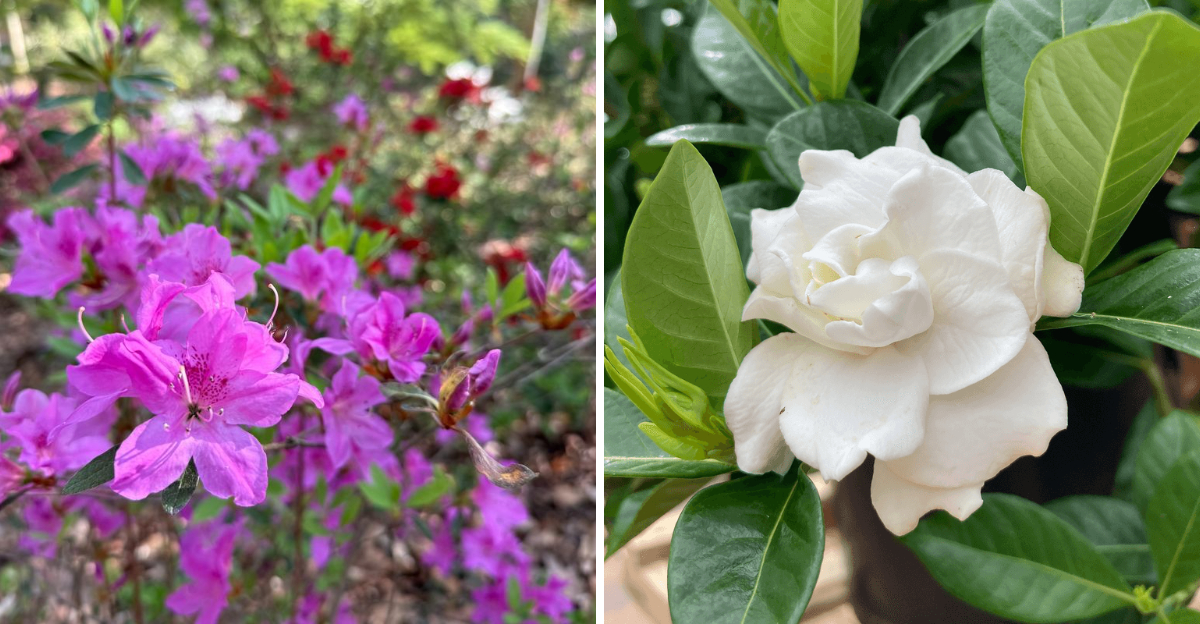
Walk through almost any Pennsylvania neighborhood in spring and you will spot Azaleas exploding with color. They look effortless, but non-native varieties tell a very different story behind the scenes.
While native Azaleas have adapted to local conditions over centuries, many popular imported types struggle with Pennsylvania’s soil and seasonal extremes.
Soil pH is one of the first problems gardeners run into. Non-native Azaleas need acidic soil, typically in the 4.5 to 6.0 range.
Many Pennsylvania soils are not naturally acidic enough, which means you need to test regularly and amend with sulfur or acidic fertilizers to keep conditions right. Without the correct pH, nutrients become unavailable to the plant even if you are feeding it well.
Winter damage is another serious concern. Non-native Azaleas can suffer from what gardeners call winter burn, where cold winds dry out the leaves and cause them to turn brown and crispy.
Applying a thick layer of mulch around the base and wrapping plants in burlap before winter arrives can make a significant difference in how they come through the cold months.
Pests and diseases also target these shrubs. Lace bugs, root rot, and petal blight are all common issues that require monitoring and treatment throughout the season.
Consistent pruning right after flowering helps shape the plant and encourages better blooms the following year. Skipping this step often results in a leggy, uneven shrub.
With dedicated attention, non-native Azaleas can still put on a stunning show in Pennsylvania gardens each spring.
4. Boxwood Shrubs
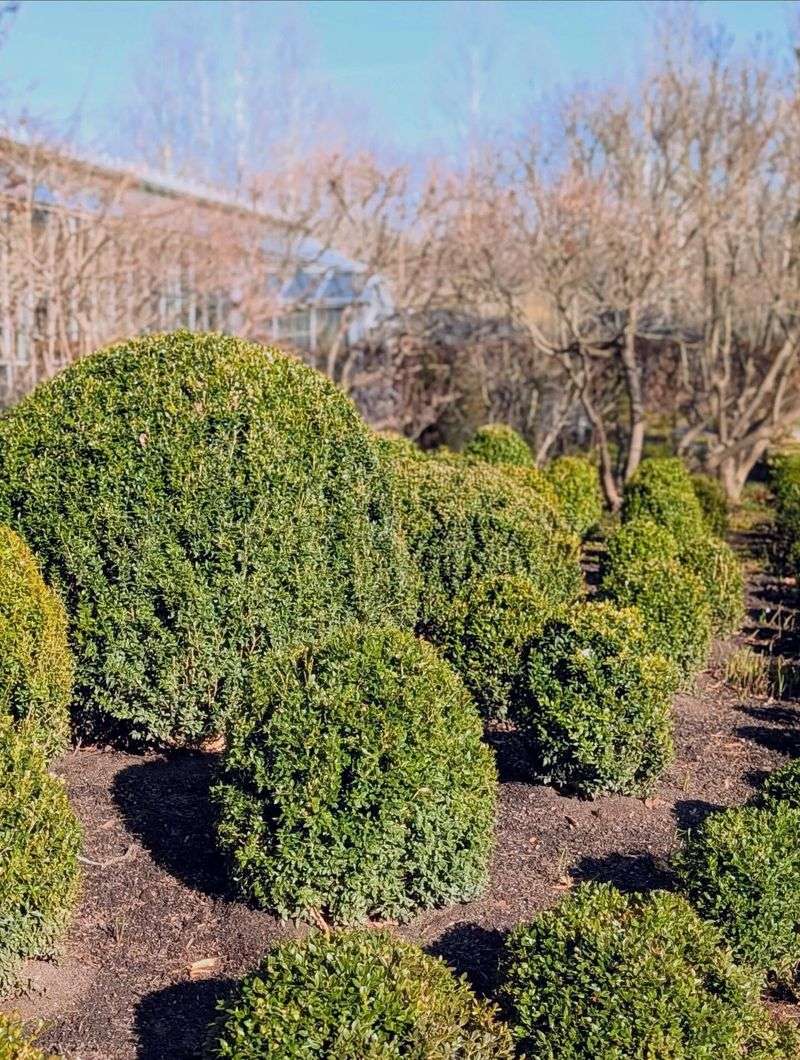
Boxwoods have been a staple of formal garden design for centuries, and plenty of Pennsylvania homeowners rely on them for hedges, borders, and topiaries. Their dense, evergreen foliage looks polished and classic.
But in recent years, keeping Boxwoods healthy in Pennsylvania has become increasingly difficult, and gardeners need to stay on top of several serious threats.
Boxwood blight is the most alarming issue. This fungal disease has spread widely across the northeastern United States, including Pennsylvania, and it moves fast.
Infected plants develop dark lesions on stems, leaves drop rapidly, and the shrub can deteriorate quickly if not treated. Sanitation is critical, which means removing fallen leaves, sterilizing pruning tools, and applying fungicide treatments as a preventive measure during warm, wet weather.
Winter burn is another regular problem. Cold, dry winds pull moisture from the leaves while the frozen ground prevents roots from replacing that moisture.
You can protect Boxwoods by applying burlap screens on the windward side and making sure plants are well-watered going into winter.
Spacing matters more than most people realize. Planting Boxwoods too close together traps moisture and reduces airflow, which creates perfect conditions for fungal problems.
Giving each shrub room to breathe is one of the simplest preventive steps you can take. Certain varieties handle Pennsylvania conditions better than others. Cultivars like ‘Green Mountain’ and ‘Wintergreen’ tend to be more resilient.
Choosing the right variety from the start, combined with consistent monitoring, gives your Boxwoods the best chance of staying healthy and looking sharp for years.
5. Delphiniums
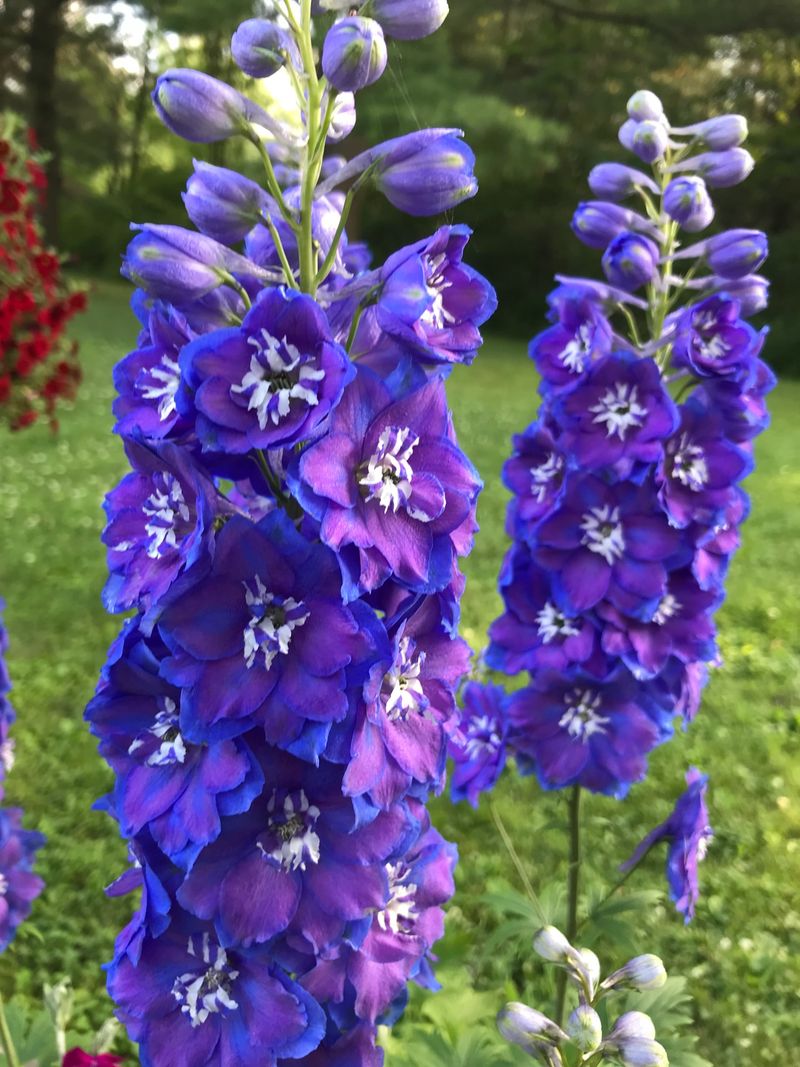
If you have ever seen a Delphinium in full bloom, you already know why gardeners are willing to put up with its difficult personality. Those towering spikes of deep blue, purple, and white flowers are genuinely spectacular.
But make no mistake, Delphiniums are among the most demanding plants you can attempt to grow in Pennsylvania, and they will let you know when they are not happy.
Heat and humidity are their biggest enemies. Pennsylvania summers can get hot and muggy, and Delphiniums absolutely hate those conditions.
They prefer cool temperatures and good air circulation. When summer heat arrives in full force, these plants often go into decline, sometimes stopping their growth or developing disease problems that are hard to reverse.
Staking is non-negotiable. Delphiniums grow tall, often reaching four to six feet or more, and their hollow stems snap easily in wind or rain.
You need to install sturdy stakes early in the season and tie the stems gently as they grow. Waiting too long to stake almost always ends with broken flower spikes.
Powdery mildew is a constant threat in Pennsylvania’s humid climate. Keeping plants properly spaced and applying fungicide at the first sign of the white powdery coating on leaves can help manage the problem.
Slugs also love young Delphinium shoots and can cause significant damage quickly. Cutting flower spikes back after the first bloom can encourage a second flush of flowers in late summer.
With patience and consistent care, Delphiniums can deliver some of the most breathtaking color in any Pennsylvania garden.
6. Fiddle Leaf Fig
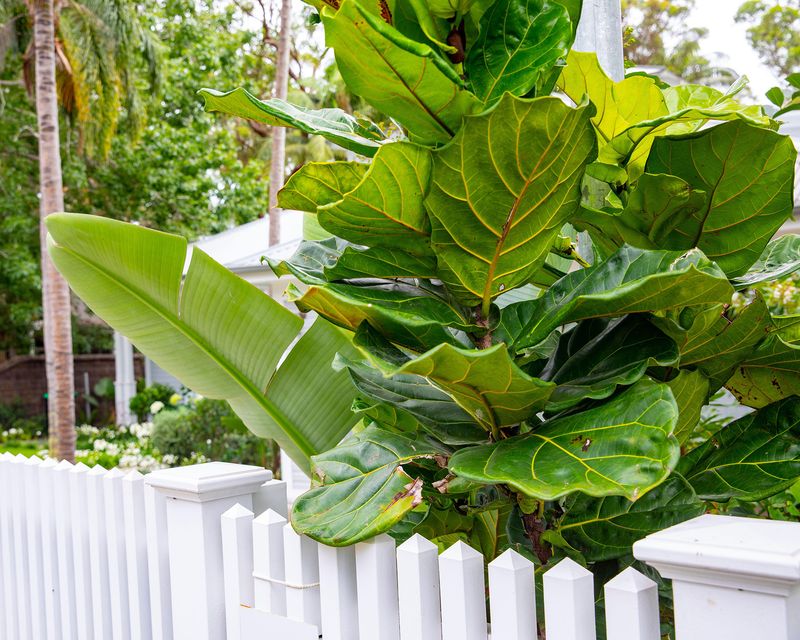
The Fiddle Leaf Fig became one of the most talked-about houseplants of the last decade, and plenty of Pennsylvania gardeners have tried using it outdoors during the warmer months to create a dramatic, tropical-looking display.
It works beautifully in summer, but this plant requires a very careful management plan if you want it to survive Pennsylvania’s climate long-term.
Originally from the tropical rainforests of West Africa, the Fiddle Leaf Fig is not remotely cold-hardy. Even a light frost can cause serious damage to its large, glossy leaves.
In Pennsylvania, that means you need to bring it indoors well before fall temperatures drop, typically by late September or early October to be safe.
Moving the plant indoors comes with its own set of challenges. Fiddle Leaf Figs are notoriously sensitive to change.
Shifting light levels, temperature fluctuations, and dry indoor air from heating systems can all trigger leaf drop. To minimize stress, place the plant near a bright south or east-facing window and use a humidifier to maintain moisture in the air around it.
Watering needs to be consistent but carefully measured. These plants do not like soggy roots, but they also suffer when allowed to dry out completely.
Checking the top inch of soil before watering helps prevent both overwatering and underwatering.
Moving it back outside in spring should be done gradually. Start with a shaded spot and slowly introduce more sunlight over a couple of weeks.
With this level of attentive care, a Fiddle Leaf Fig can thrive beautifully in Pennsylvania as a seasonal showpiece.
7. Bigleaf Hydrangea
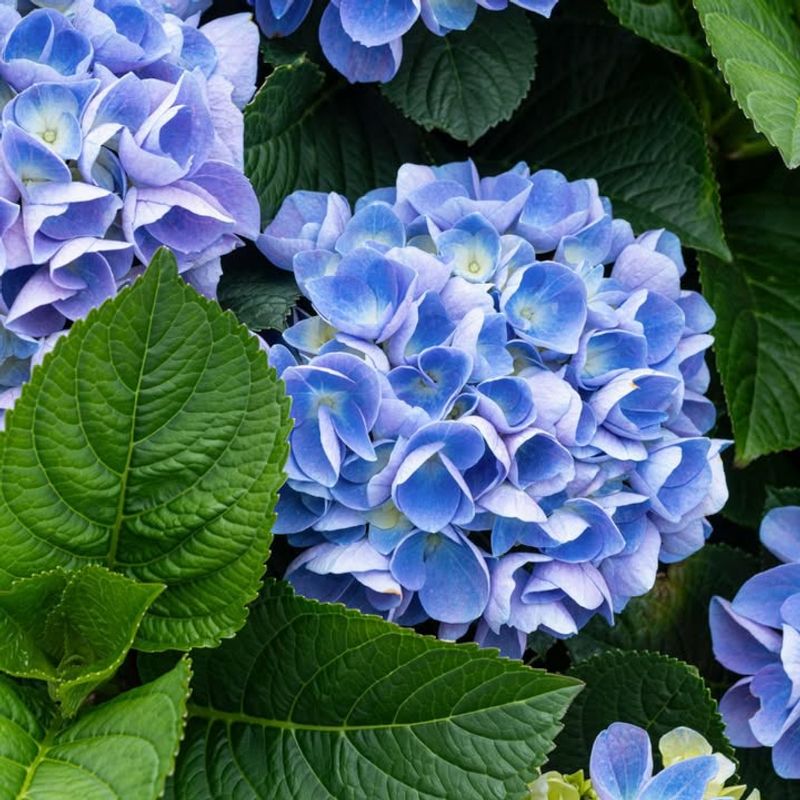
Bigleaf Hydrangeas, known botanically as Hydrangea macrophylla, are beloved for their massive, colorful flower heads that range from deep blue to vivid pink depending on soil pH.
They are a gorgeous addition to any Pennsylvania landscape, but they come with a frustrating reputation among gardeners who have watched them leaf out beautifully every spring and then produce almost no flowers at all.
The reason is almost always winter bud damage. Bigleaf Hydrangeas bloom on old wood, meaning the flower buds form on stems from the previous season.
Pennsylvania winters can be brutal enough to destroy those buds, even when the plant itself survives. You end up with a healthy-looking shrub covered in leaves but not a single bloom in sight.
Protecting the plant over winter is the most important thing you can do. After the first hard frost, mound the base with several inches of mulch and wrap the entire shrub loosely in burlap or breathable frost cloth.
This insulation protects those precious flower buds from freezing temperatures and harsh winds.
Location matters a great deal too. Planting Bigleaf Hydrangeas in a spot that gets morning sun and afternoon shade helps protect them from temperature extremes.
Avoid low-lying areas where cold air settles overnight, as these spots increase the risk of bud damage significantly.
Some newer varieties like ‘Endless Summer’ bloom on both old and new wood, which makes them much more forgiving in Pennsylvania’s unpredictable winters.
Choosing a reblooming variety and providing consistent winter protection gives you the best chance of enjoying those stunning blooms every single year.