10 Fast-Growing Fruit Trees You Should Plant In Your Florida Garden
Florida backyards are bursting with potential, even when they look quiet and ordinary at first glance.
Beneath the sunshine and sandy soil lies one of the best fruit growing climates in the entire country, capable of producing sweet, juicy harvests faster than most gardeners ever expect.
While many people assume fruit trees take half a decade or longer to reward their effort, Florida flips that story completely.
With the right selections, a single planting season can turn into a parade of blossoms, glossy green leaves, and the promise of real food ripening right outside your door.
Some of these trees begin producing in as little as one year, transforming patios, side yards, and suburban lawns into personal orchards filled with color and fragrance.
Imagine stepping outside to pick warm fruit for breakfast, blending fresh smoothies, or sharing baskets of homegrown goodness with neighbors.
These fast growing favorites make that dream feel surprisingly close and wonderfully real.
1. Banana
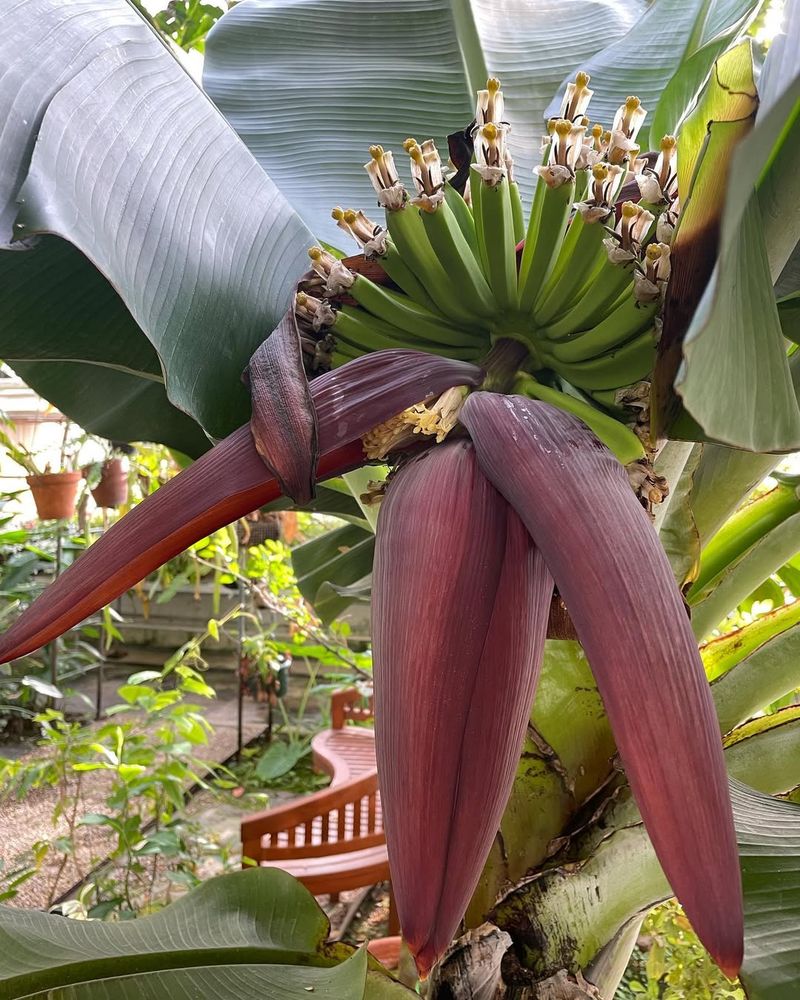
Picture a tropical plant that shoots up from the ground like a green rocket, unfurling massive leaves that sway in the breeze and make your backyard feel like an island paradise.
Bananas are technically large herbaceous plants rather than true trees, but they grow faster than almost anything else you can plant in Florida.
Most varieties will reach full height within nine to twelve months, and you can expect your first bunch of fruit within that same timeframe.
Your banana plants love our heat and humidity, which means they thrive in conditions that challenge other fruit crops.
They prefer full sun and rich, well-drained soil that stays consistently moist but never waterlogged.
Space them where they have room to spread, because they will send up new shoots called pups that expand the clump over time.
Varieties like Dwarf Cavendish and Ice Cream banana perform beautifully in central and southern Florida gardens, though you will need to protect them or choose cold-hardy types if you garden in northern zones.
Once your first stalk fruits and is harvested, cut it down and let a pup take its place for continuous production year after year.
2. Papaya
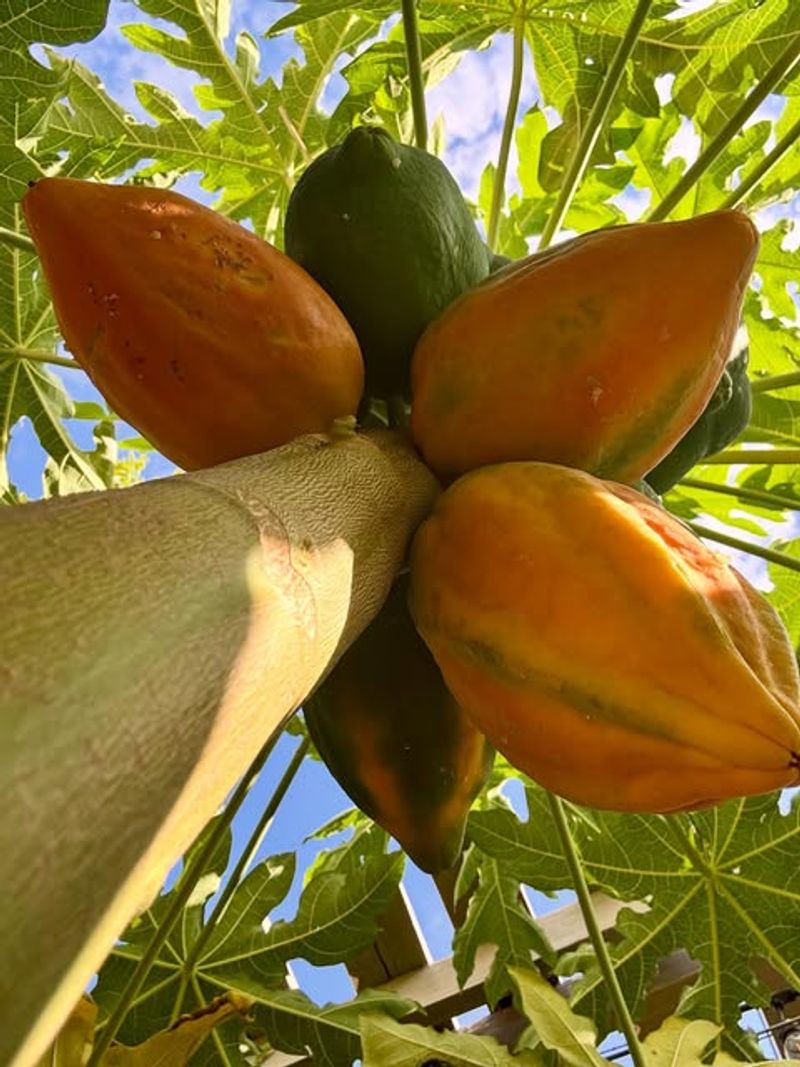
Few fruit trees match the papaya when it comes to speedy results that feel almost magical in your Florida landscape.
This fast-growing tropical wonder can reach ten feet tall within its first year and often produces ripe fruit within nine to fourteen months of planting.
Papayas develop a slender trunk topped with a crown of deeply lobed leaves that create a dramatic silhouette against the sky.
Our warm Florida climate is exactly what papayas need to flourish, and they handle summer heat with ease as long as you provide regular water and good drainage.
Plant them in full sun and amend your soil with plenty of organic matter to support their rapid growth.
Because papayas are relatively short-lived, producing heavily for about three to four years, many gardeners plant new trees every year to ensure continuous harvests.
Choose varieties like Red Lady or Maradol that are bred for Florida conditions and offer sweet, orange-fleshed fruit perfect for breakfast or smoothies.
Your Florida Garden Changes Every Week. Your Plan Should Too.
Gardening in Florida changes quickly throughout the season. Every Friday you’ll receive a simple weekly plan showing exactly what to plant, prune, fertilize, harvest, and protect so you never miss the right timing.
Keep in mind that most papayas need both male and female plants for pollination unless you select a self-fertile variety.
Space them at least six feet apart and watch them transform your garden into a tropical fruit haven faster than you ever imagined.
3. Peach (Low-Chill Varieties)
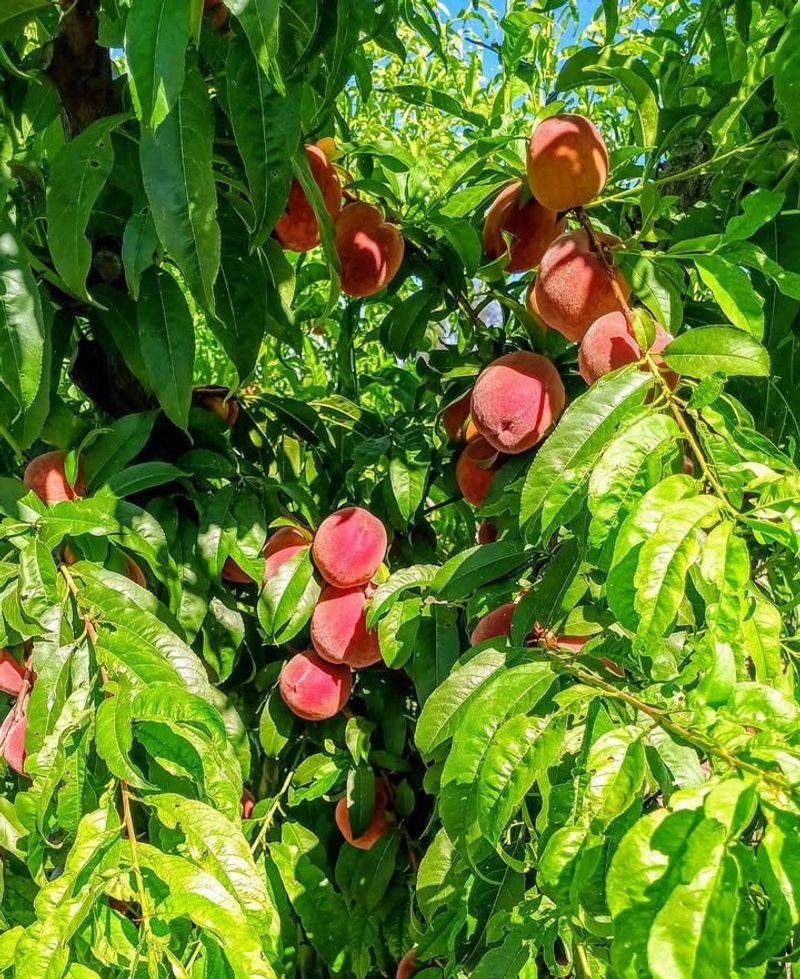
Peaches might seem like a surprising choice for Florida, but low-chill varieties have been specially developed to thrive in our mild winters and give you juicy fruit without needing months of cold weather.
These trees grow vigorously in Florida gardens, often reaching six to eight feet within two years and producing their first peaches in about three years under good conditions.
Their delicate pink blossoms in late winter are a stunning preview of the sweet rewards to come.
Low-chill peaches like Florida Prince, Tropic Beauty, and Gulf varieties need only 150 to 300 hours of temperatures below 45 degrees, which matches perfectly with north and central Florida climates.
Plant them in full sun with well-drained, slightly acidic soil, and give them room to spread their branches wide.
Regular pruning helps maintain their shape and encourages better fruiting.
You will need to stay on top of pest management because peaches can attract fruit flies and fungal issues in our humid environment, but the payoff is worth the effort.
Harvest your peaches when they soften slightly and develop full color, usually in late April through June depending on your location.
Nothing compares to biting into a sun-warmed peach you grew yourself right here in the Sunshine State.
4. Fig
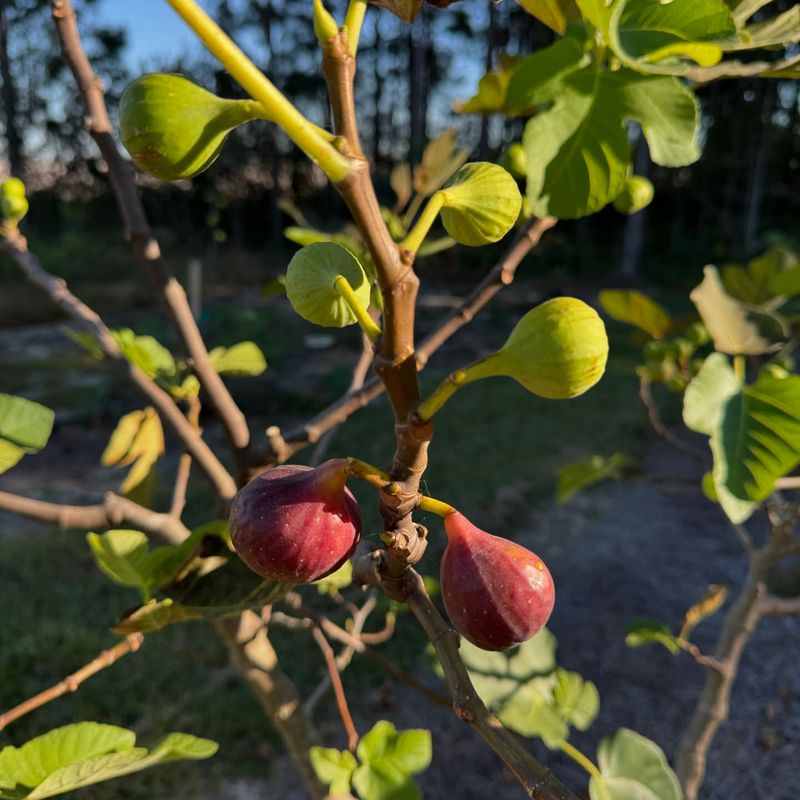
Figs have been grown in Florida for generations, and once you plant one, you will understand why gardeners treasure these reliable producers that ask for very little and give back so much.
Fig trees grow quickly in our climate, often adding several feet of growth each year and producing fruit as early as the first or second season.
Their broad, lobed leaves create wonderful shade and give your garden a Mediterranean feel that contrasts beautifully with more tropical plants.
These adaptable trees handle our sandy soils remarkably well and tolerate both drought and occasional flooding better than many other fruit crops.
Plant your fig in full sun to partial shade, and do not worry too much about soil amendments because figs are famously unfussy.
Varieties like Celeste, Brown Turkey, and Jax are especially well-suited to Florida and produce two crops per year in many areas.
Your figs will ripen in early summer and again in fall, hanging heavy on the branches and filling the air with their sweet fragrance when ready to pick.
Fresh figs are incredibly perishable, so you get to enjoy a delicacy that rarely makes it to grocery stores in perfect condition.
Space your tree where it has room to spread, and prepare to share your harvest because one mature fig produces more fruit than most families can eat fresh.
5. Starfruit (Carambola)
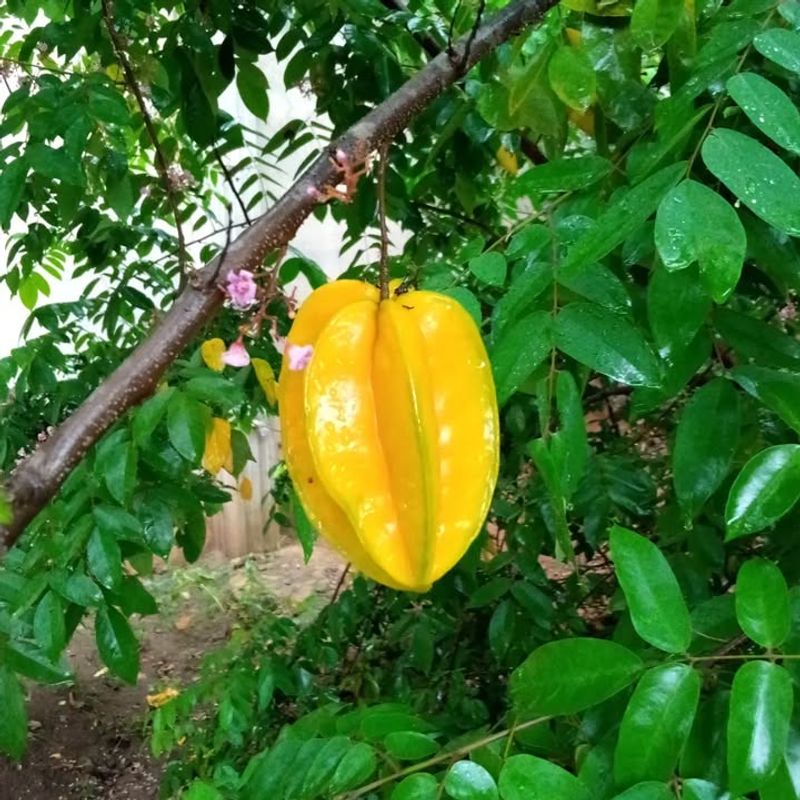
Starfruit is one of the most exciting fast-growing fruit trees you can add to your Florida garden, producing glossy, golden fruit that looks just as stunning on the tree as it does on your plate.
This tropical beauty grows quickly in warm climates, often reaching eight to twelve feet tall within just a few years and beginning to fruit in as little as one to two years when planted from a nursery tree.
Its dense canopy of bright green, delicate leaves creates an attractive, compact shade tree that fits beautifully into both large landscapes and small suburban yards.
Florida’s humidity and warm temperatures are exactly what starfruit needs to thrive, especially in central and southern parts of the state where frost is rare.
Plant it in full sun to partial shade in well-drained soil, and keep it consistently watered during dry spells to support its rapid growth and heavy fruiting.
The pale pink to lavender flowers appear several times a year, which means starfruit can produce multiple harvests annually, sometimes yielding hundreds of fruits from a single mature tree.
When ripe, the crisp, juicy fruit has a refreshing sweet-tart flavor that tastes like a blend of apple, citrus, and grape, making it perfect for fresh eating, salads, and drinks.
Starfruit trees also respond well to light pruning, allowing you to keep them compact and encourage even more fruit production year after year.
6. Mulberry
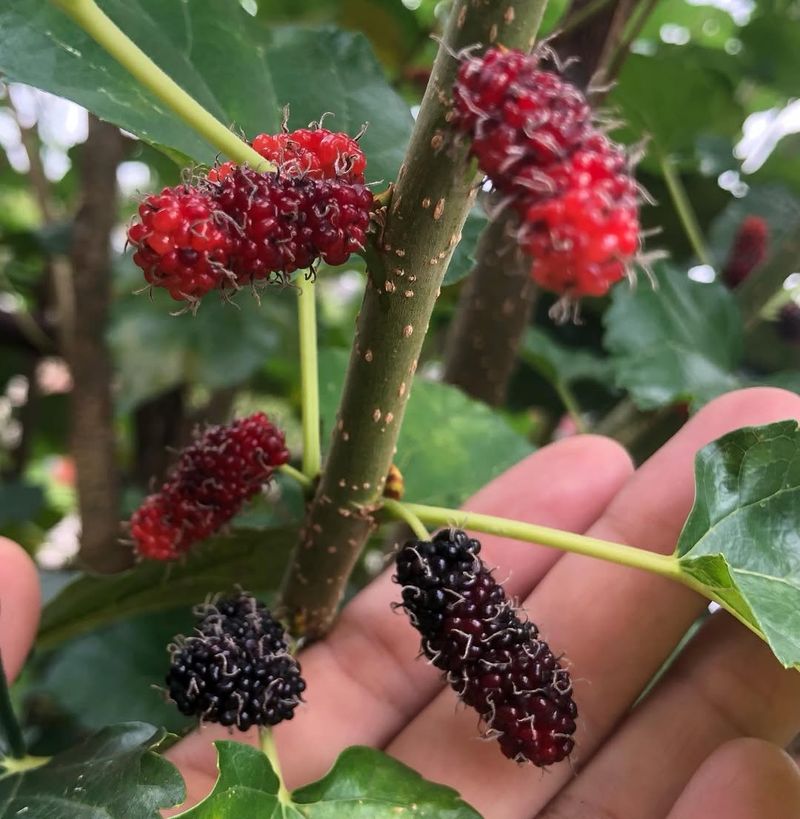
Mulberry trees are Florida garden champions that grow with enthusiasm and reward you with buckets of sweet berries that taste like a cross between blackberries and figs.
These vigorous trees can add three to five feet of growth each year and often produce their first fruit within two years of planting.
The berries ripen gradually over several weeks in spring, giving you an extended harvest period that keeps you coming back to the tree daily.
Your mulberry will adapt to almost any soil type and tolerate both wet and dry conditions better than most fruit trees, making it an excellent choice for challenging spots in your landscape.
Plant it in full sun for the heaviest fruit production, but it will also perform reasonably well in partial shade.
Varieties like Dwarf Everbearing and Pakistan mulberry are especially popular in Florida because they stay more compact and produce large, flavorful berries.
Be prepared for stained fingers and purple droppings beneath the tree because mulberries are juicy and abundant when ripe.
Many gardeners plant mulberries away from patios or driveways, or they spread tarps beneath the tree to catch falling fruit.
Birds absolutely love mulberries, so some growers plant them specifically to attract wildlife, while others use netting to protect their harvest for fresh eating, jams, and pies.
7. Avocado
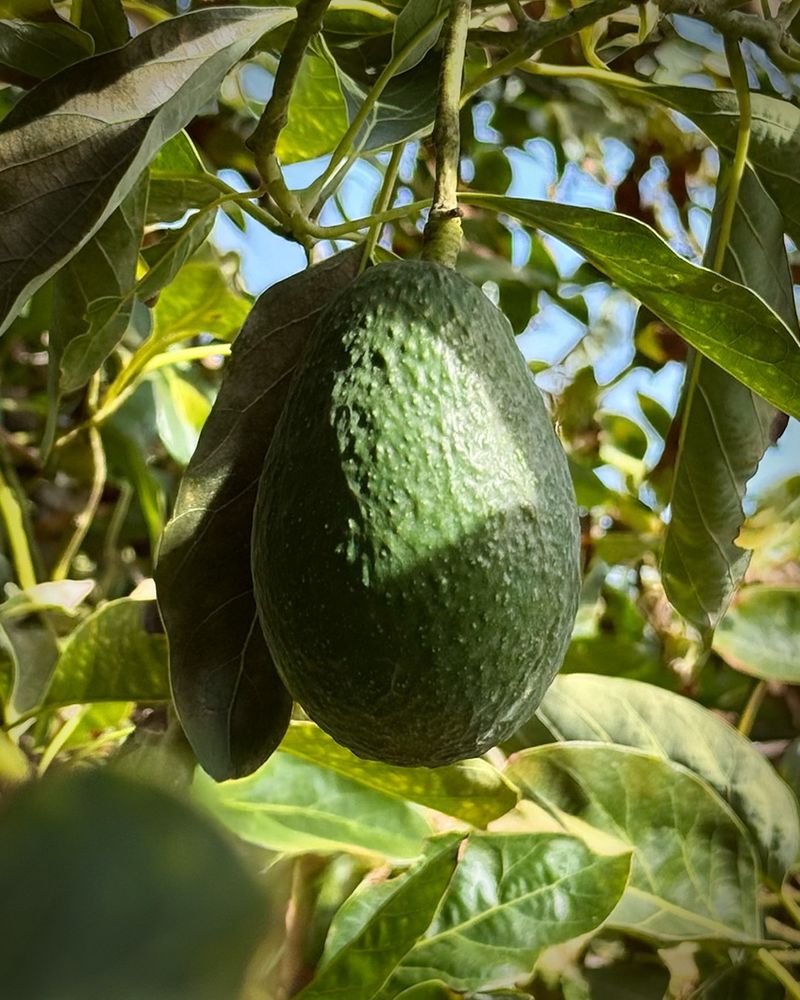
Avocado trees bring a taste of California to your Florida garden, and certain varieties grow surprisingly fast while adapting beautifully to our subtropical conditions.
Young avocado trees can grow two to three feet per year once established, and many varieties will produce their first fruit within four to six years, which is quick for a tree that can eventually reach impressive heights.
The glossy, dark green leaves and smooth bark create an attractive evergreen presence that enhances your landscape year-round.
Florida-friendly varieties like Brogdon, Lula, and Mexicola tolerate our humidity and occasional cold snaps better than the common Hass avocado that dominates grocery stores.
Plant your avocado in a location with excellent drainage because these trees cannot tolerate standing water, which causes root rot in our heavy summer rains.
Full sun and protection from strong winds will help your tree grow strong and produce abundant fruit.
Avocados bloom in late winter and spring, and the fruit takes several months to mature on the tree before it is ready to pick and ripen indoors.
You will know your avocados are ready when they reach full size and begin to soften slightly when gently squeezed.
One mature tree can produce hundreds of avocados in a good year, giving you plenty to enjoy fresh, share with neighbors, and preserve for later.
8. Citrus (Orange Or Lemon)
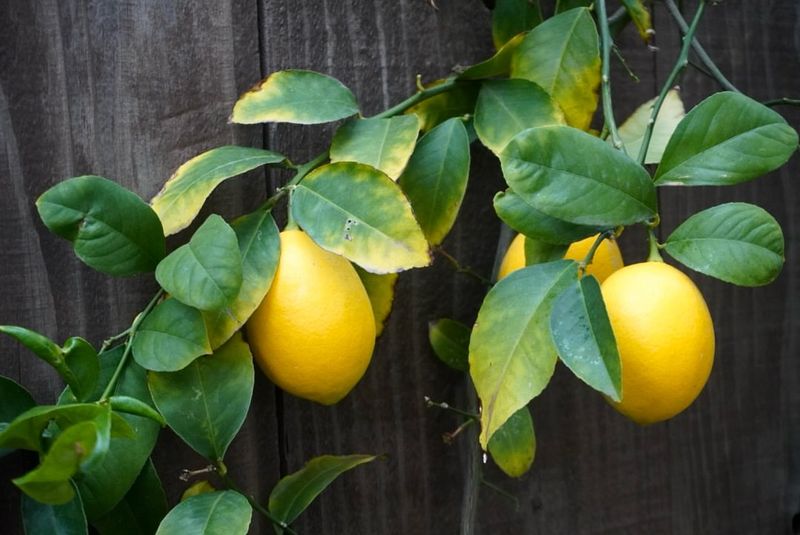
No Florida fruit garden feels complete without at least one citrus tree, and both oranges and lemons grow reliably in home landscapes throughout most of the state.
Citrus trees establish quickly in our sandy soils and can produce their first significant crop within three to five years of planting, filling your yard with the intoxicating fragrance of citrus blossoms each spring.
The evergreen foliage stays lush and attractive year-round, and the bright fruit hanging among dark leaves creates a classic Florida scene.
Choose varieties grafted onto appropriate rootstock for disease resistance, especially against citrus greening, which has challenged commercial groves but can be managed in home settings with proper care.
Meyer lemons are especially popular for their sweet, less acidic fruit and compact growth habit, while Valencia and Hamlin oranges are proven performers in Florida gardens.
Plant your citrus in full sun with well-drained soil, and water regularly during establishment and fruit development.
Citrus trees benefit from regular fertilization with products formulated specifically for their nutritional needs, which helps maintain healthy growth and abundant fruiting.
You will harvest oranges in winter and early spring, while lemons often produce multiple flushes throughout the year.
Fresh-squeezed juice, homemade lemonade, and the simple pleasure of picking citrus from your own tree make these fast-growing favorites absolutely worth the space they occupy.
9. Loquat
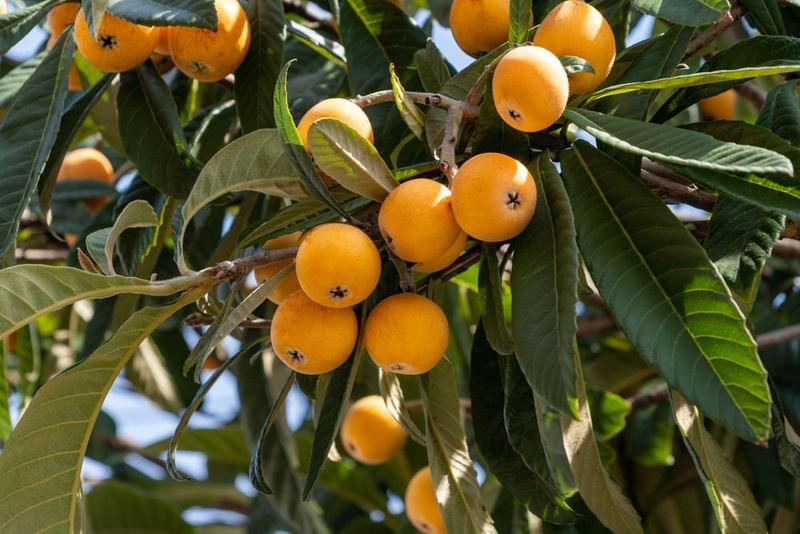
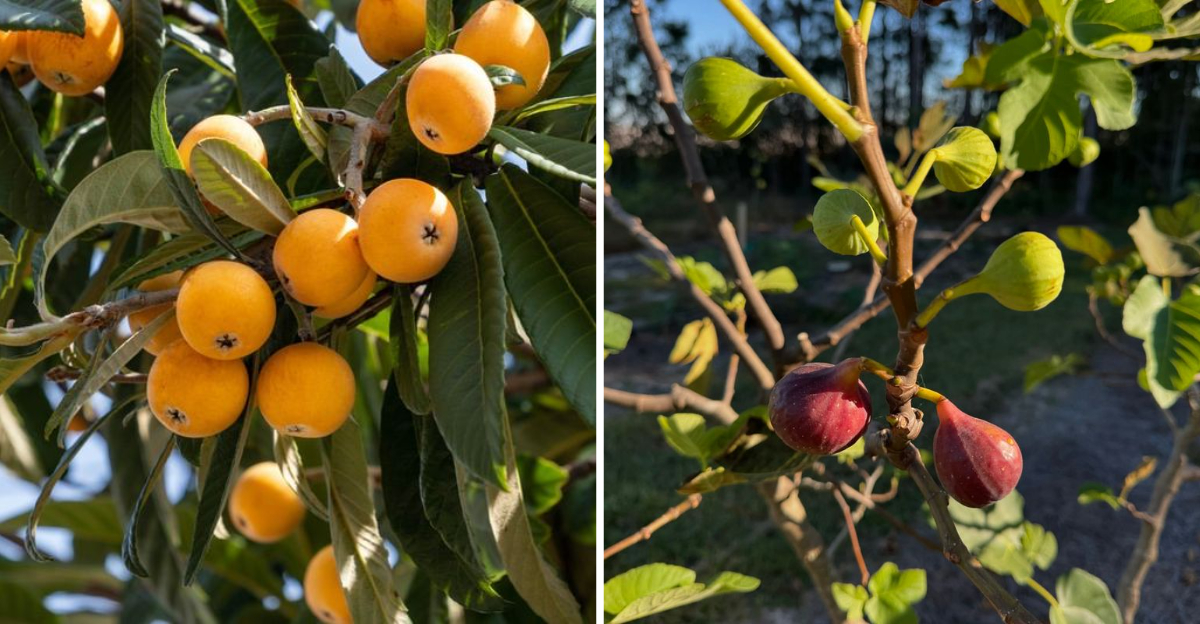
Loquats are underappreciated gems that grow with remarkable vigor in Florida gardens and produce clusters of golden fruit that taste like a blend of peach, apricot, and mango.
These evergreen trees can grow two to three feet per year and often bear fruit within two to three years of planting, making them one of the more rewarding fast-growing options available.
The large, textured leaves are deeply veined and create a bold architectural statement that adds visual interest even when the tree is not fruiting.
Your loquat will handle our climate beautifully, tolerating both heat and occasional cold snaps better than many tropical fruits.
The fragrant white flower clusters appear in fall and winter, which means the fruit ripens in early spring when few other fruits are ready to harvest.
Plant your loquat in full sun to partial shade with well-drained soil, and give it space because mature trees can spread quite wide.
Loquats require almost no special care once established, making them perfect for busy gardeners who want fresh fruit without constant maintenance.
The fruit grows in clusters and turns from green to yellow-orange when ripe, with a soft, juicy flesh that you can eat fresh or use in jams and desserts.
Birds and squirrels also enjoy loquats, so you might need to harvest promptly or share your bounty with the local wildlife.
10. Guava
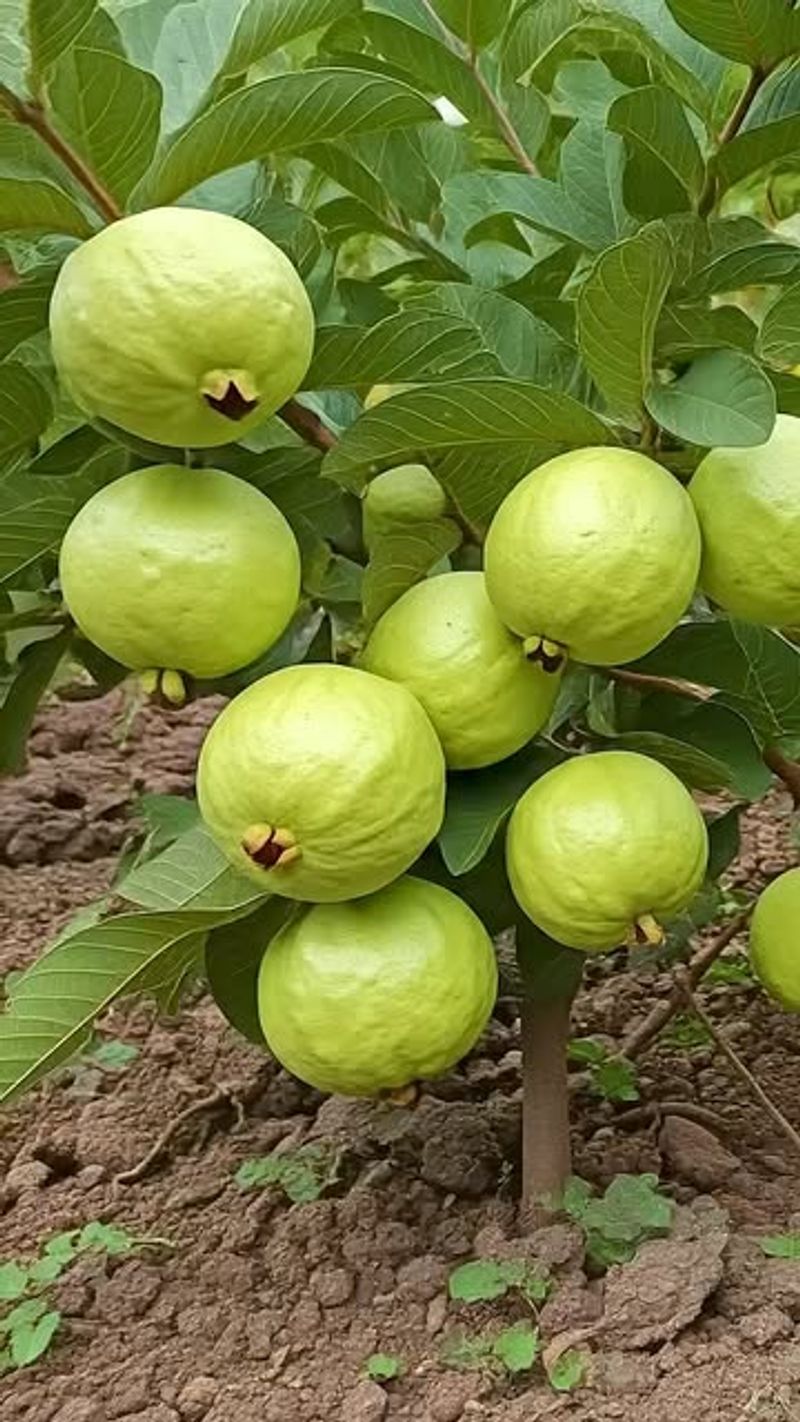
Guava trees bring tropical flavor and incredible productivity to your Florida landscape, growing vigorously and often producing fruit within two to three years of planting.
These adaptable trees can grow several feet per year when happy, developing into bushy specimens that reach ten to fifteen feet tall and equally wide if left unpruned.
The smooth, copper-colored bark peels away in thin sheets, revealing lighter wood beneath and creating year-round visual interest beyond the delicious fruit.
Both common guava and strawberry guava thrive throughout Florida, handling our heat, humidity, and occasional drought with impressive resilience.
Plant your guava in full sun with decent drainage, and it will reward you with minimal fuss and maximum production.
The fragrant white flowers appear multiple times throughout the growing season, which means you can harvest ripe guavas from spring through fall in many areas.
Guava fruit varies in size and color depending on variety, ranging from small yellow strawberry guavas to large pink or white-fleshed common guavas that fill the air with their distinctive tropical aroma when ripe.
You can eat them fresh, make them into paste or jam, or juice them for a vitamin-rich drink.
Guavas are also remarkably forgiving if you forget to harvest promptly, often hanging on the tree for days after ripening without spoiling quickly like more delicate fruits.